SinoTechIntel Academic Portal
🏛️ Indexed Academic JournalImpact Factor: 4.4 (Q1 - Springer)Original: 中南大学学报 (自然科学版/英文版)

Journal of Central South University

4.4 (Q1 - Springer)

Total Research Papers: 153
Access: 100% Free Open Access
Browse by Publication Year & VolumeReset All Filters ✕

Published Research PapersFiltered: Year 2025 • Vol. 32 • Issue 12

Showing 12 of 153 peer-reviewed papers with full Graphical Abstracts.

Original ResearchVol. 32, Issue 12 • pp. 211-223DOI: 10.1007/s11771-025-6001-8Dec 25, 2025

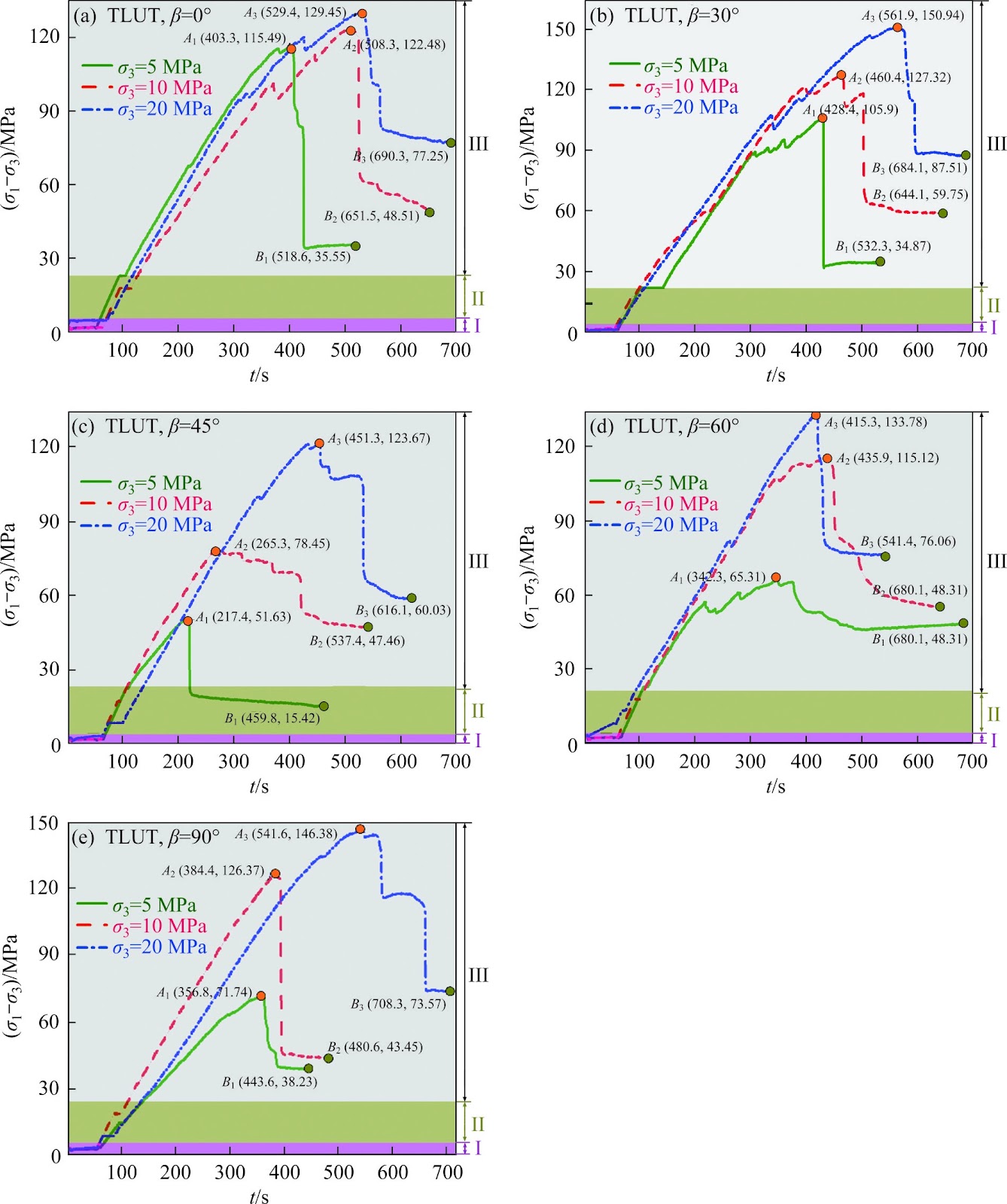
A cohesion loss model for determining residual strength of deep bedded sandstone

Authors: SONG Zhi-xiang, ZHANG Jun-wen, ZHANG Yu-jie, WU Shao-kang, BAI Xu-yang, ZHANG Li-chao, ZHANG Sui-lin, ZHANG Xu-wen, FAN Guang-chen, LI Wen-jun, ZENG Ban-quan, WANG Shi-ji, SUN Xiao-yan, SANG Pei-miao, LI Ning

Rock residual strength, as an important input parameter, plays an indispensable role in proposing the reasonable and scientific scheme about stope design, underground tunnel excavation and stability evaluation of deep chambers. Therefore, previous residual strength models of rocks established were reviewed. And corresponding related problems were stated. Subsequently, starting from the effects of bedding and whole life-cycle evolution process, series of triaxial mechanical tests of deep bedded s
A cohesion loss model for determining residual strength of deep bedded sandstone
Graphical Abstract
Original ResearchVol. 32, Issue 12 • pp. 383-395DOI: 10.1007/s11771-025-5896-4Dec 23, 2025

Exploring the evolution of texture and properties of ultrafine copper wire during high strain drawing process

Authors: LIU Jin-song, ZHOU Yan, WANG Song-wei, CHEN Shuai-feng, SONG Hong-wu, ZHANG Shi-hong

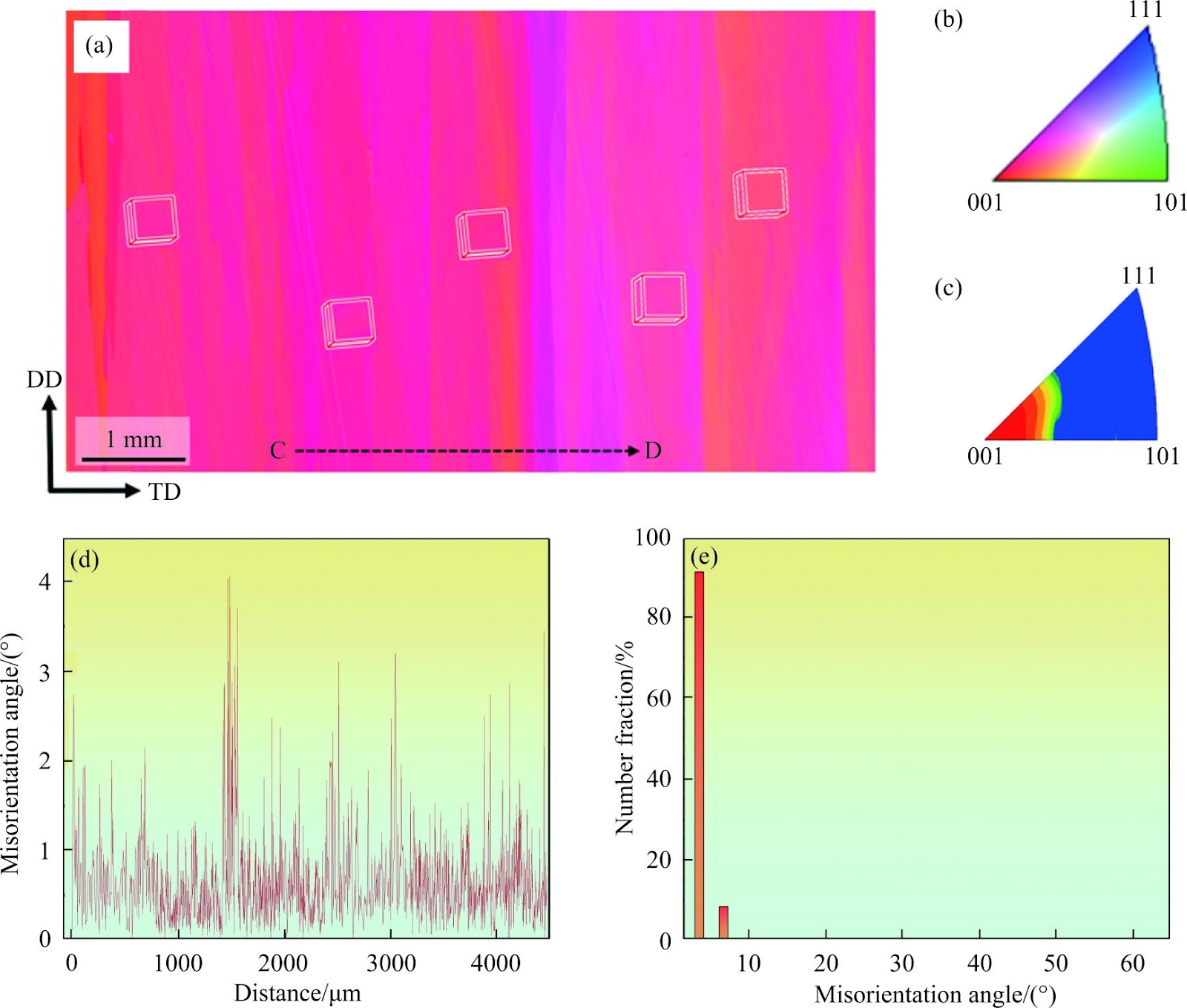
The ultrafine copper wire with a diameter of 18 μm is prepared via cold drawing process from the single crystal downcast billet (Φ8 mm), taking a drawing strain to 12.19. In this paper, in-depth investigation of the microstructure feature, texture evolution, mechanical properties, and electrical conductivity of ultrafine wires ranging from Φ361 μm to Φ18 μm is performed. Specially, the microstructure feature and texture type covering the whole longitudinal section of ultrafine wires are elaborat

Exploring the evolution of texture and properties of ultrafine copper wire during high strain drawing process
Graphical Abstract
Original ResearchVol. 32, Issue 12 • pp. 619-631DOI: 10.1007/s11771-025-6022-3Dec 22, 2025

CO2 mineralization curing steel slag-fly ash-Portland cement ternary paste: Mechanical properties, microstructure and life cycle assessment

Authors: YI Guo-yang, TIAN Wei, SHI Jun-jie, GUO Jian, CHENG Xu

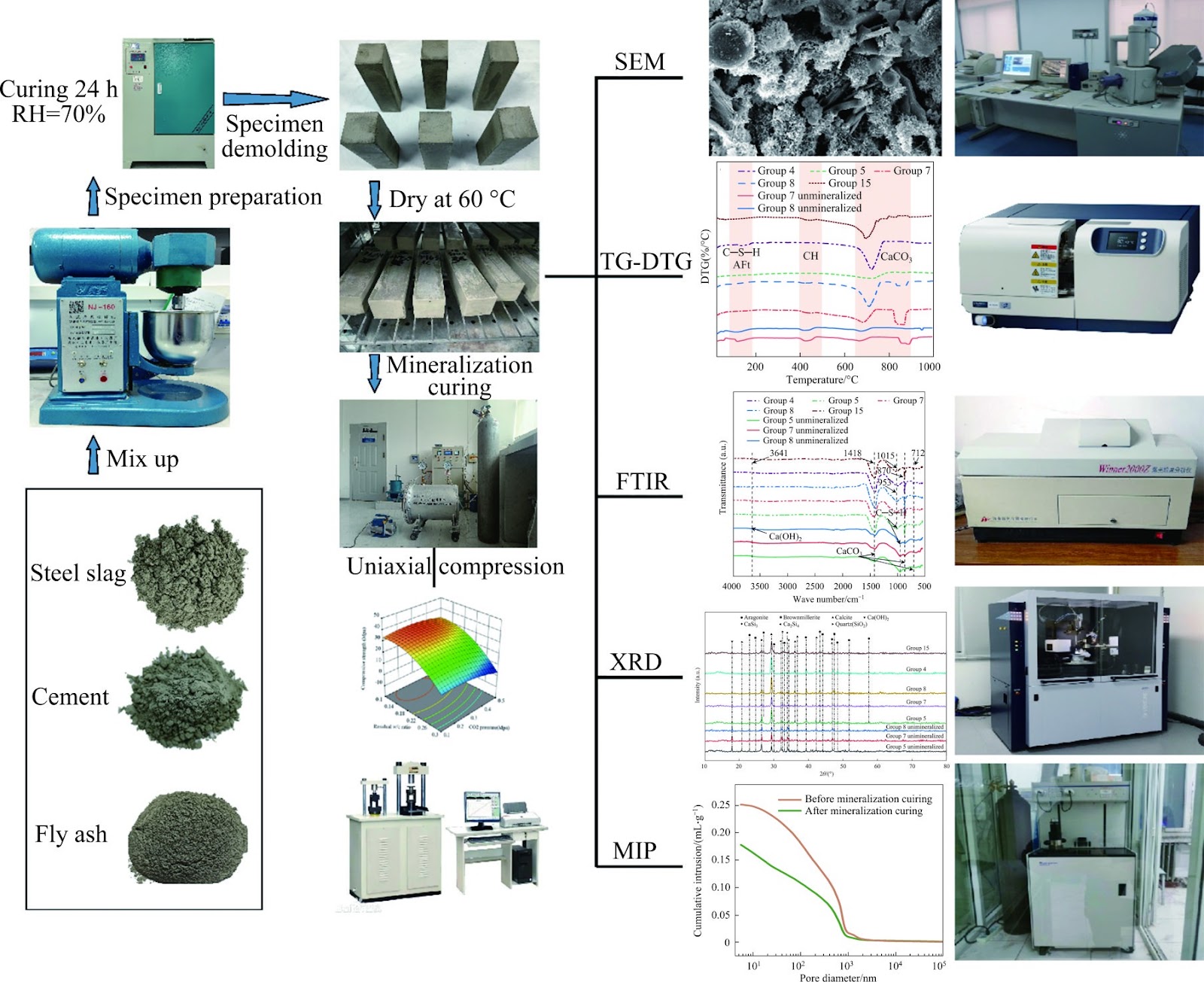
Using solid waste as a substitute for conventional cement has become an important way to reduce carbon emissions. This paper attempted to utilize steel slag (SS) and fly ash (FA) as supplementary cementitious material by utilizing CO2 mineralization curing technology. This study examined the dominant and interactive influences of the residual water/cement ratio, CO2 pressure, curing time, and SS content on the mechanical properties and CO2 uptake rate of CO2 mineralization curing SS-FA-Portland cement ternary paste specimens. Additionally, microstructural development was analyzed. The findings demonstrated that each factor significantly affected compressive strength and CO2 uptake rate, with factor interactions becoming more pronounced at higher SS dosages (>30%), lower residual water/cement ratios (0.1−0.15), and CO2 pressures of 0.1−0.3 MPa. Microscopic examinations revealed that mineralization primarily yielded CaCO3 and silica gel. The residual w/c ratio and SS content significantly influenced the CaCO3 content and crystallinity of the mineralization products. Post-mineralization curing, the percentage of pores larger than 50 nm significantly decreased, the proportion of harmless pores smaller than 20 nm increased, and pore structure improved. This study also found that using CO2 mineralization curing SS-FA-Portland cement solid waste concrete can significantly reduce the negative impact on the environment.

CO2 mineralization curing steel slag-fly ash-Portland cement ternary paste: Mechanical properties, microstructure and life cycle assessment
Graphical Abstract
Original ResearchVol. 32, Issue 12 • pp. 791-803DOI: 10.1007/s11771-025-5948-9Dec 20, 2025

Effects of Yb/Zr micro-alloying on microstructure, mechanical properties and corrosion resistance of Al-Zn-Mg-Cu alloy

Authors: ZHU Meng-zhen, XU Yong-xiang, FANG Hua-chan, ZHANG Qian-qian, ZHANG Zhuo, CHEN Kang-hua, YANG Hai-lin, ZHU Kai

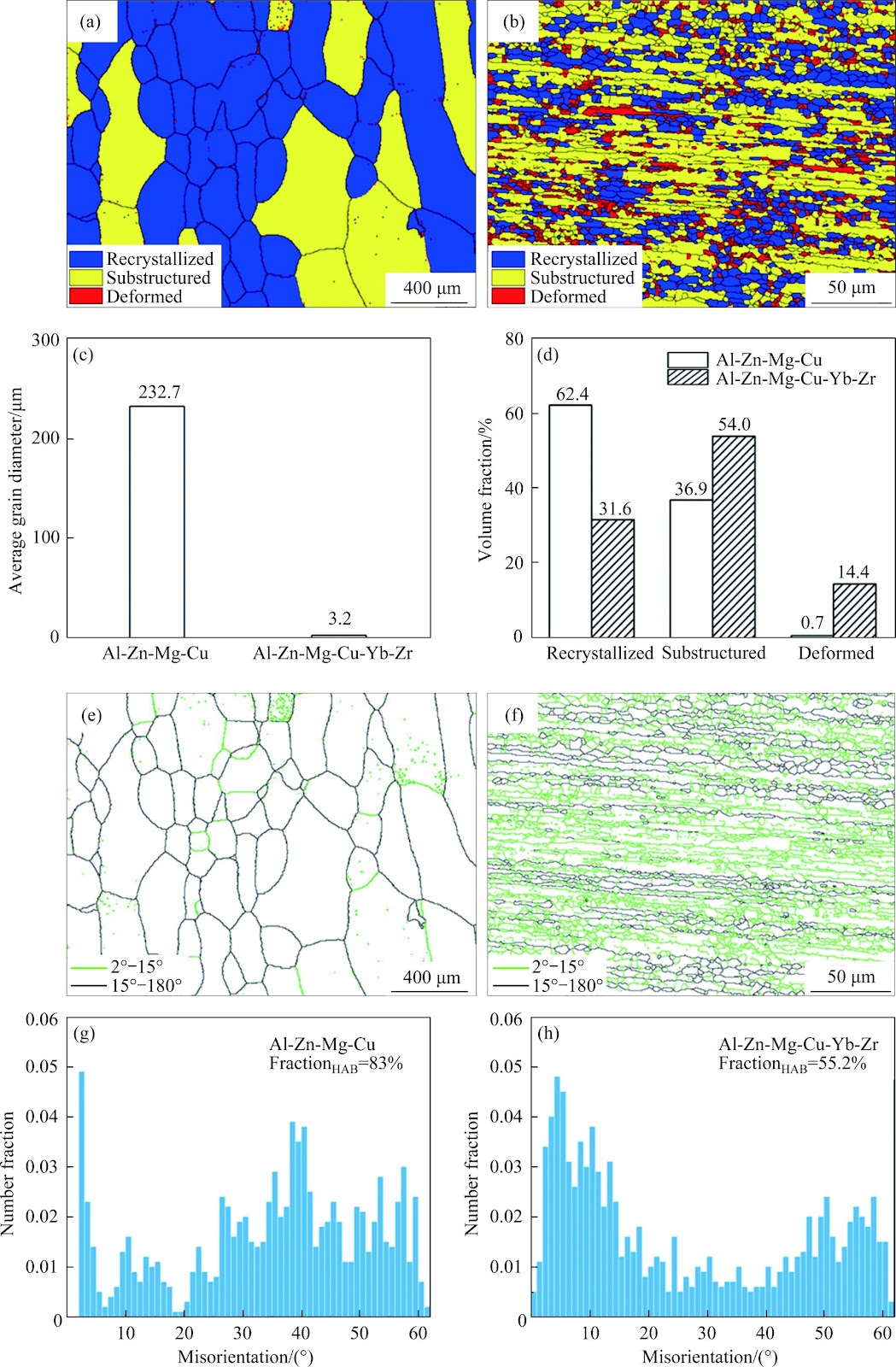
The effects of Yb/Zr micro-alloying on the microstructure, mechanical properties, and corrosion resistance of an Al-Zn-Mg-Cu alloy were systematically investigated. Upon the addition of Yb/Zr to the Al-Zn-Mg-Cu alloy, the grain boundaries were pinned by high-density nanosized Al3(Yb, Zr) precipitates during extrusion deformation, consequently, the average grain size was significantly reduced from 232.7 μm to 3.2 μm. This grain refinement contributed substantially to the improvement in both stren

Effects of Yb/Zr micro-alloying on microstructure, mechanical properties and corrosion resistance of Al-Zn-Mg-Cu alloy
Graphical Abstract
Original ResearchVol. 32, Issue 12 • pp. 399-411DOI: 10.1007/s11771-025-5969-4Dec 17, 2025

Energy flow control of nanofluid-based direct absorption solar collectors with functional optical coatings for efficient solar harvesting

Authors: Xu Bing, Zeng Rui-jing, Zheng Nian-ben, Sun Zhi-qiang

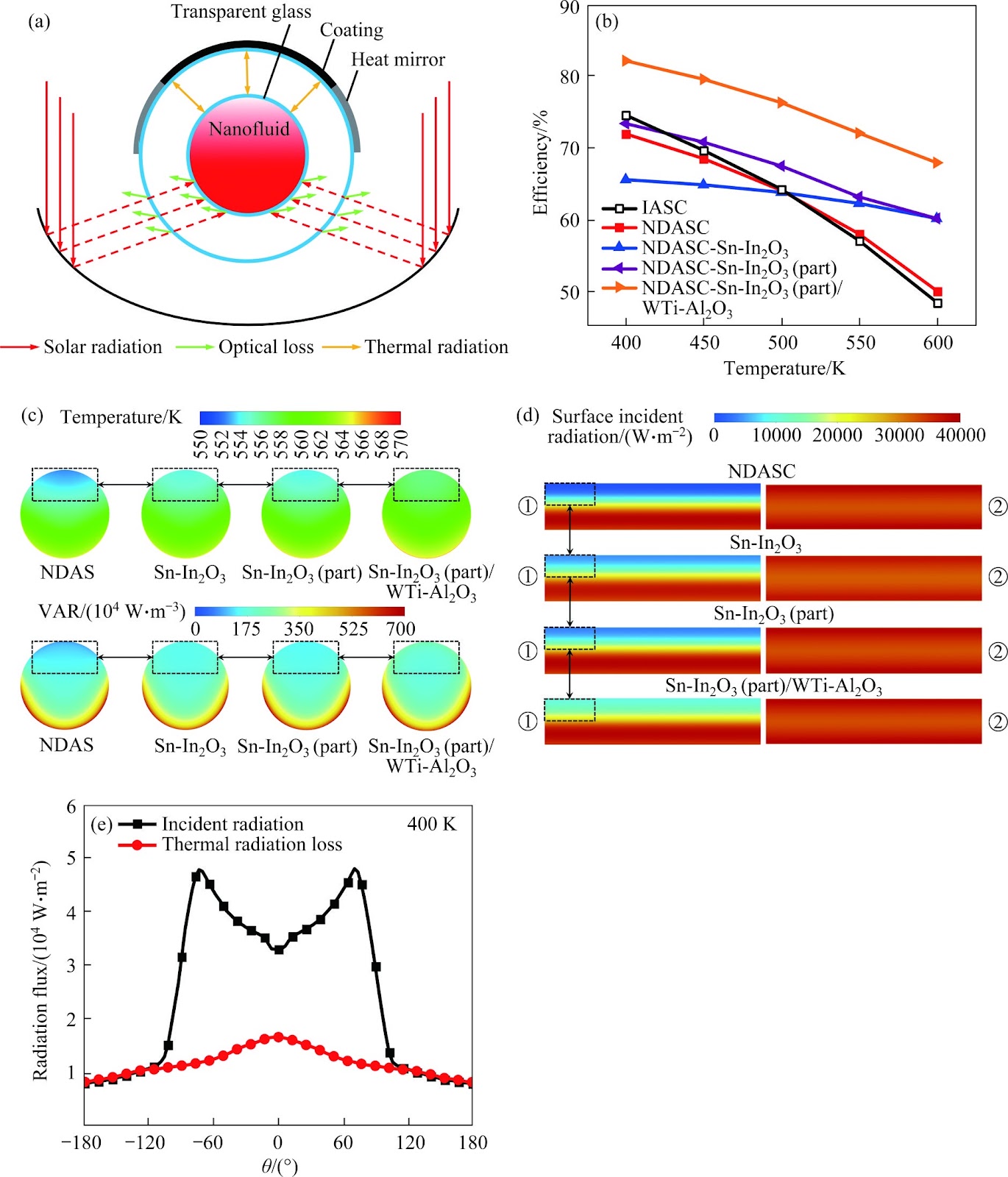
The nanofluid-based direct absorption solar collector (NDASC) ensures that solar radiation passing through the tube wall is directly absorbed by the nanofluid, reducing thermal resistance in the energy transfer process. However, further exploration is required to suppress the outward thermal losses from the nanofluid at high temperatures. Herein, this paper proposes a novel NDASC in which the outer surface of the collector tube is covered with functional coatings and a three-dimensional computat

Energy flow control of nanofluid-based direct absorption solar collectors with functional optical coatings for efficient solar harvesting
Graphical Abstract
Original ResearchVol. 32, Issue 12 • pp. 807-819DOI: 10.1007/s11771-025-5991-6Dec 14, 2025

Insights into the anisotropy in hydroxamic acid adsorption on different exposed crystal surfaces of malachite from first-principle calculations

Authors: ZHANG Chen-yang, LIU Si-yuan, JIANG Wan-yao, ZHANG Hong-liang, WU Lin-lin, RAO Xin, SUN Wei, ZOU You, PEI Yong

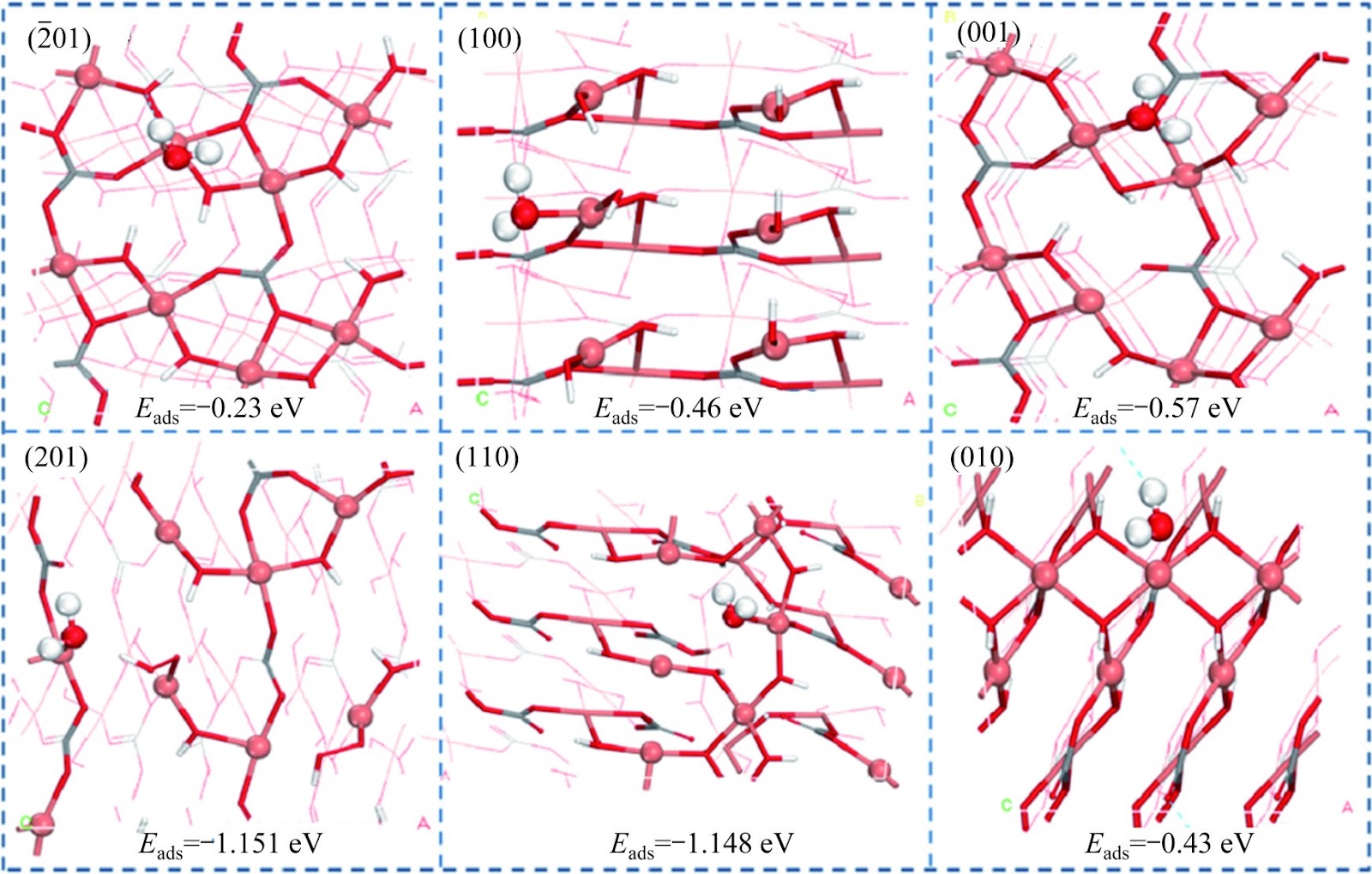
The intricate grinding process exposes various cleavage surfaces of mineral particles. This paper systematically investigates the structural characteristics of exposed malachite crystal surfaces and the adsorption behavior and mechanism of hydroxamic acid and water molecules using first-principle density functional theory. The study reveals anisotropic surface energies among crystal surfaces, ranked as (201)>(100)>(110)>(001)>(010)>(201). The adsorption of hydroxamic acid and water molecules on

Insights into the anisotropy in hydroxamic acid adsorption on different exposed crystal surfaces of malachite from first-principle calculations
Graphical Abstract
Original ResearchVol. 32, Issue 12 • pp. 179-191DOI: 10.1007/s11771-025-5877-7Dec 12, 2025

Multi-objective optimization of grinding process parameters for improving gear machining precision

Authors: YOU Tong-fei, HAN Jiang, TIAN Xiao-qing, TANG Jian-ping, LU Yi-guo, LI Guang-hui, XIA Lian

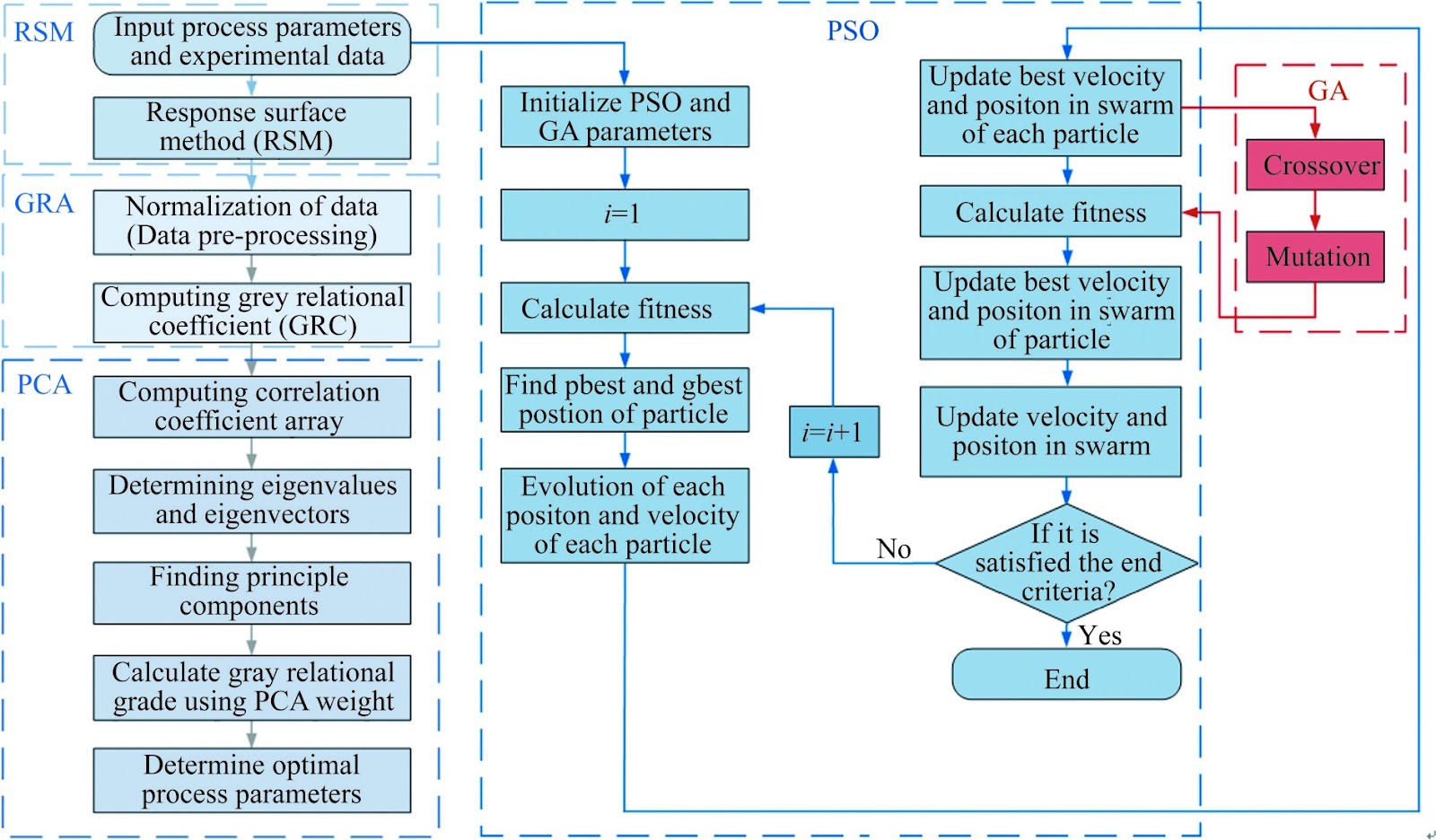
The gears of new energy vehicles are required to withstand higher rotational speeds and greater loads, which puts forward higher precision essentials for gear manufacturing. However, machining process parameters can cause changes in cutting force/heat, resulting in affecting gear machining precision. Therefore, this paper studies the effect of different process parameters on gear machining precision. A multi-objective optimization model is established for the relationship between process paramet

Multi-objective optimization of grinding process parameters for improving gear machining precision
Graphical Abstract
Original ResearchVol. 32, Issue 12 • pp. 587-599DOI: 10.1007/s11771-025-5922-6Dec 9, 2025

Research on fracture characteristics and support mechanism of shallow buried double-soft composite roof

Authors: ZHANG Wei, ZHANG Chun-wang, GUO Wei-yao, ZHANG Bao-liang, LIU Wan-rong

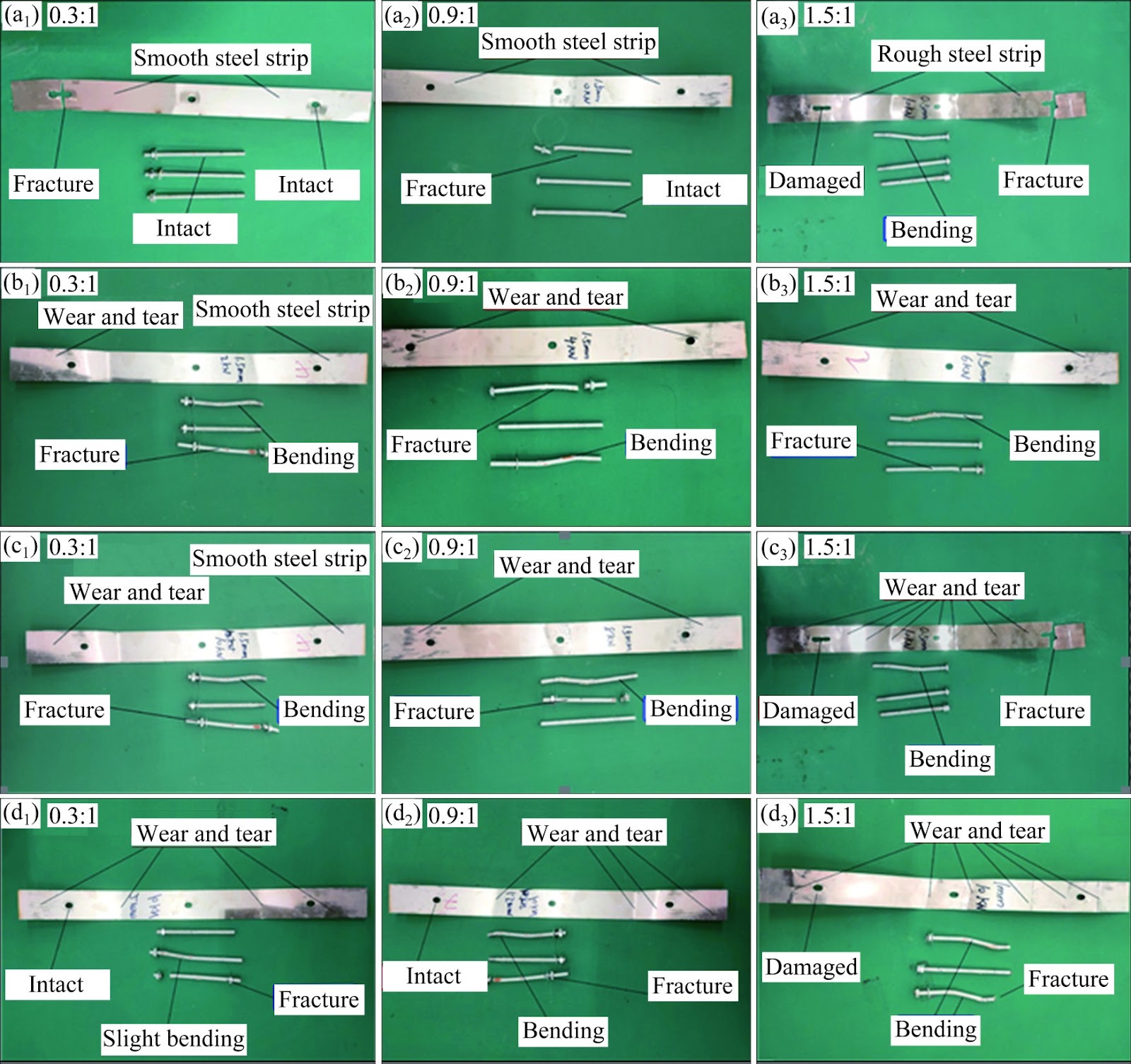
Affected by the geological characteristics of coal bearing strata in western mining areas of China, the double-soft composite roof has low strength and poor integrity, which is prone to induce disasters such as large deformation and roof collapse. Four-point bending tests were conducted on anchored double-layer rock beams with different pre-tightening force and upper/lower rock strength ratios (I/II) based on the digital speckle correlation method (DSCM). The research results indicate that the i

Research on fracture characteristics and support mechanism of shallow buried double-soft composite roof
Graphical Abstract
Original ResearchVol. 32, Issue 12 • pp. 823-835DOI: 10.1007/s11771-025-6035-yDec 8, 2025

Influence of Y and Nd on deformation mechanisms and tensile properties at room temperature of Mg-Zn-Gd alloy

Authors: LI Zhi-qiang, GUO He, HU Wen-xin, LU Yu-ming, WANG Xin-yuan, LIU Feng, ZHANG Li-wei, WANG Wei-li

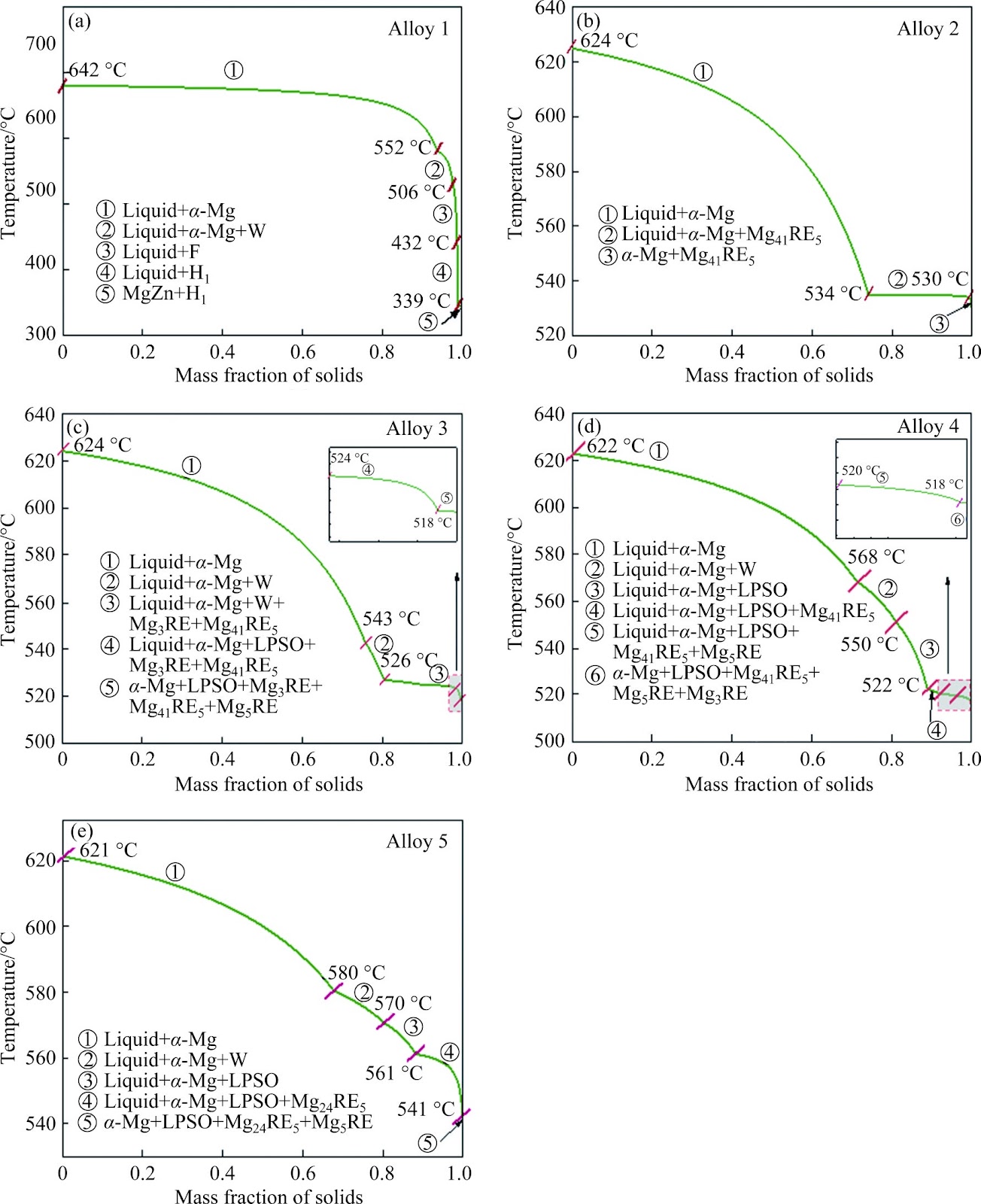
The microstructure, fracture mechanisms, deformation modes, and their correlation with the mechanical properties of Mg-Zn-Gd alloys were analyzed, considering the influence of Y and Nd additions. Increasing Y content and decreasing Nd content resulted in an increase in grain size from 17.2 to 29.2 μm, and two types of LPSO phases, 14H and 18R, formed in the alloy. The mechanical properties of the alloys were predominantly influenced by the LPSO phase, with the grain size effect being relatively minor. Based on this analysis, higher Y and lower Nd contents enhanced the tensile strength, yield strength, and elongation of the alloys, with additional improvements observed following solid solution treatment. Changes in Y and Nd content caused a shift in fracture patterns, transitioning from ductile fracture to brittle fracture and then to mixed fracture. Following solid solution treatment, the alloy progressively transitions from intergranular to a combination of ductile and deconvolutional fracture. The deformation modes observed at each stage are as follows: an increase in LPSO phases and twins activates pyramidal slip and suppresses prismatic slip.

Influence of Y and Nd on deformation mechanisms and tensile properties at room temperature of Mg-Zn-Gd alloy
Graphical Abstract
Original ResearchVol. 32, Issue 12 • pp. 195-207DOI: 10.1007/s11771-025-5953-zDec 6, 2025

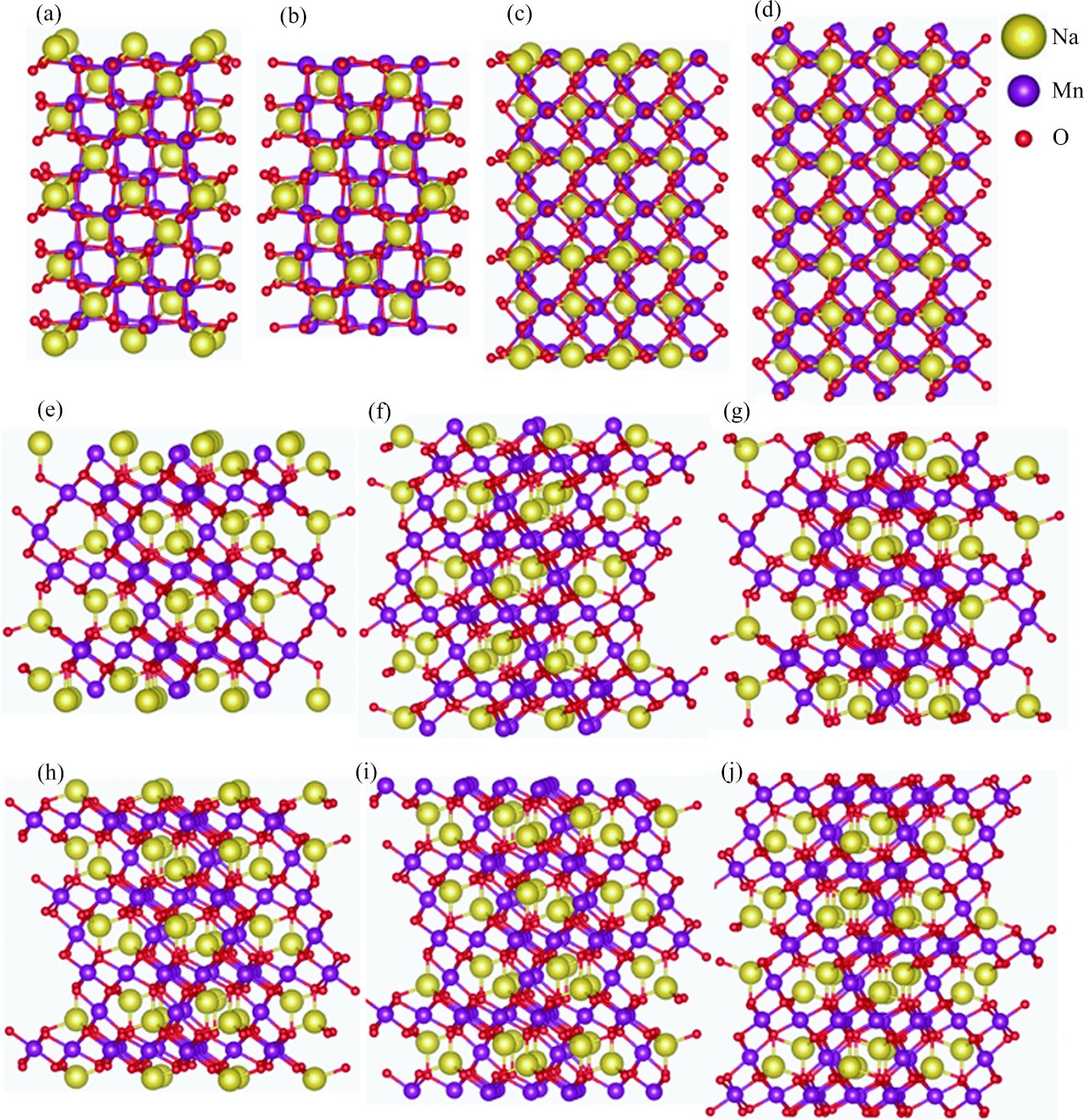
Surface structure and their environment-dependent stability of NaMn2O4

Authors: SUN Shun-ping, SUN Hong-fei, WANG Yu-rui, CHEN Li-yong, JIANG Yong

As cathode materials for alkali-ion batteries, sodium manganese oxides have been receiving considerable and continuous attention in recent decades. In this work, the structure and environment-dependent stability of NaMn2O4 surface were studied based on the first principles calculations. The surface stability diagram of NaMn2O4 involving various different terminations of (100), (110) and (111) surfaces was constructed, and the stability of these different terminations could be compared as a funct

Surface structure and their environment-dependent stability of NaMn2O4
Graphical Abstract
Original ResearchVol. 32, Issue 12 • pp. 603-615DOI: 10.1007/s11771-025-5988-1Dec 3, 2025

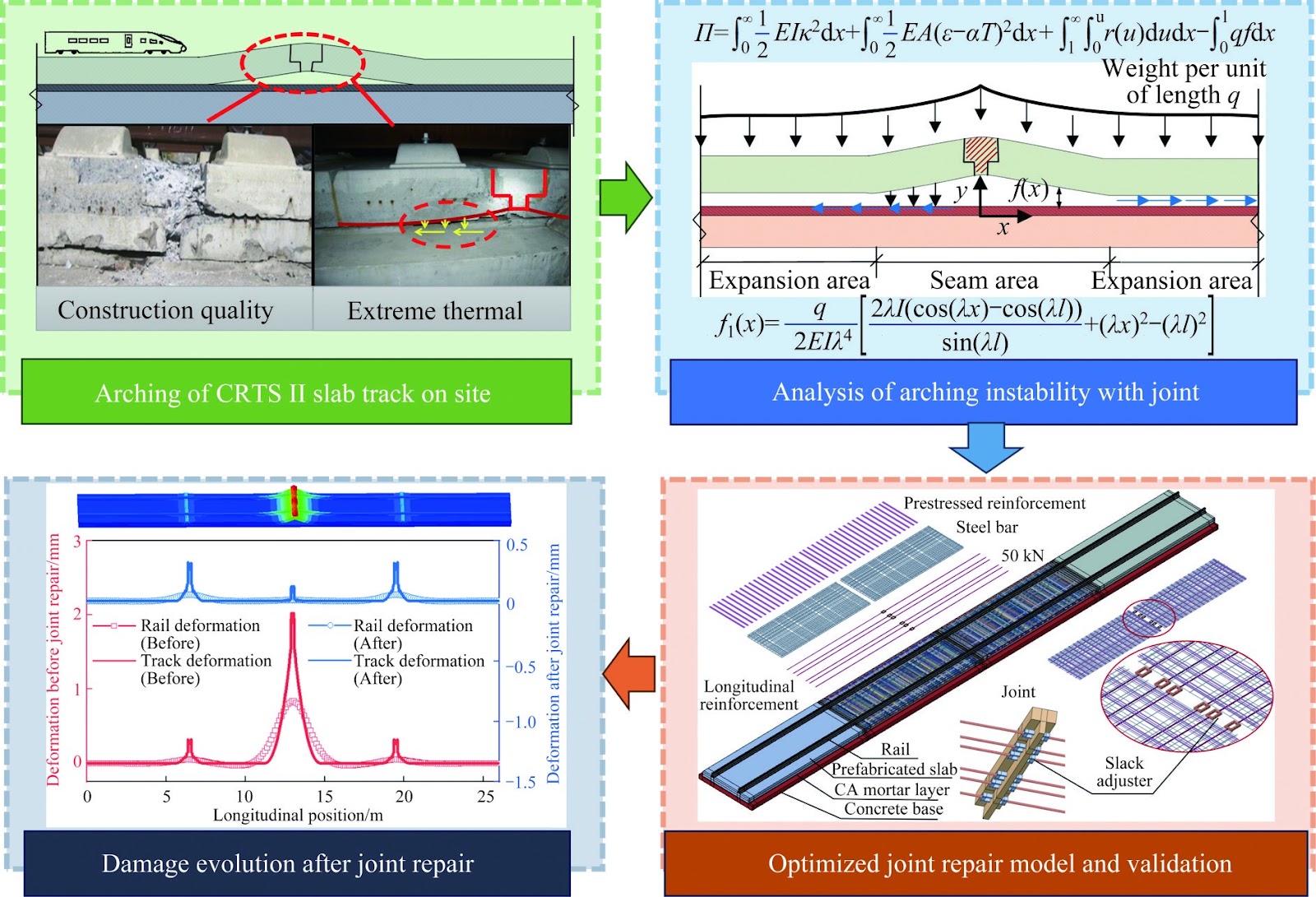
Optimized joint repair effects on damage evolution and arching mechanism of CRTS II slab track under extreme thermal conditions

Authors: CAI Xiao-pei, CHEN Ze-lin, CHEN Bo-jing, ZHONG Yang-long, ZHOU Rui, HUANG Yi-chen

To address the issue of extreme thermal-induced arching in CRTS II slab tracks due to joint damage, an optimized joint repair model was proposed. First, the formula for calculating the safe temperature rise of the track was derived based on the principle of stationary potential energy. Considering interlayer evolution and structural crack propagation, an optimized joint repair model for the track was established and validated. Subsequently, the impact of joint repair on track damage and arch sta

Optimized joint repair effects on damage evolution and arching mechanism of CRTS II slab track under extreme thermal conditions
Graphical Abstract
Original ResearchVol. 32, Issue 12 • pp. 775-787DOI: 10.1007/s11771-024-5770-9Dec 1, 2025

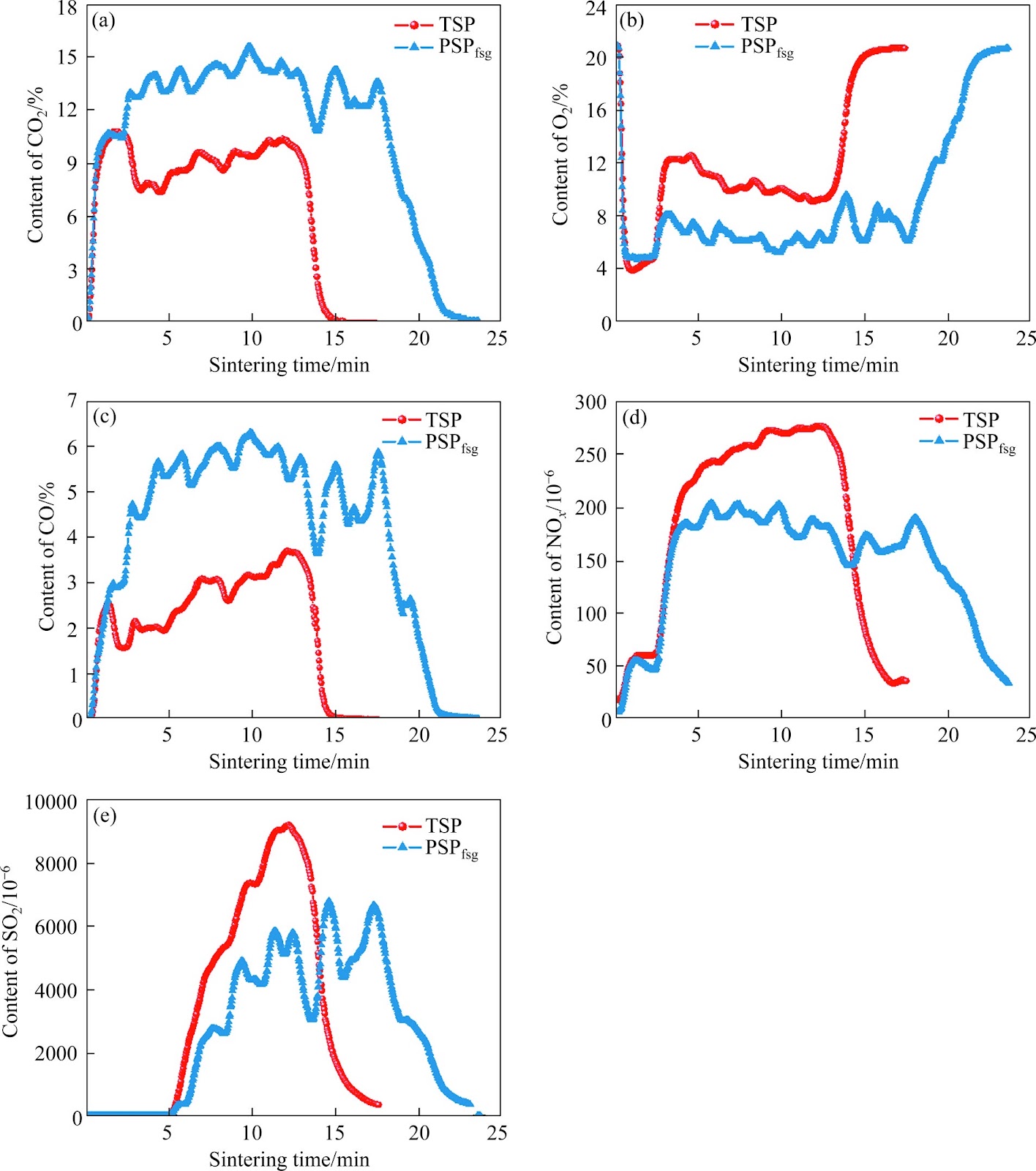
Pre-reduction sintering process with flue gas recirculation for reduction alkalis harm and flue gas emission

Authors: ZHONG Qiang, JIANG Wen-zheng, GAO Wei, LI Qian, YANG Yong-bin, JIANG Tao

A pre-reduction sintering process with flue gas recirculation (PSPfsg-FGR) was developed to mitigate alkalis harm to the blast furnace and reduce the flue gas emission in the whole ironmaking process. The results indicated that the pre-reduction sintering process (PSP) can effectively remove 58.02% of K and 30.68% of Na from raw mixtures and improve yield and tumbler index to 74.40% and 68.69%, respectively. Moreover, PSP was conducive to reducing NOx and SO2 emissions and simultaneously increas

Pre-reduction sintering process with flue gas recirculation for reduction alkalis harm and flue gas emission
Graphical Abstract