SinoTechIntel Academic Portal
🏛️ Indexed Academic JournalImpact Factor: 3.8

Int. Journal of Minerals, Metallurgy and Materials (矿物冶金与材料学报)

Authoritative peer-reviewed journal in materials science, metallurgy, chemistry and engineering technologies: Int. Journal of Minerals, Metallurgy and Materials (矿物冶金与材料学报)

Total Research Papers: 200
Access: 100% Free Open Access
Browse by Publication Year & VolumeReset All Filters ✕

Published Research PapersFiltered: Year 2025 • Vol. 32 • Issue 12

Showing 16 of 200 peer-reviewed papers with full Graphical Abstracts.

Original ResearchVol. 32, Issue 12 • pp. 3029DOI: 10.1007/s12613-025-3244-1Jan 15, 2025

Fabrication of welded hybrid joints of aluminum alloys and polymer composites with significantly enhanced long-term reliability

Authors: Chunyang Jiang, Fengchao Liu, Lihui Wu, Ying Kan, Xianjun Pei, Hao Zhang, Zhen Zhang, Peng Xue, Dingrui Ni, Bolv Xiao, Zongyi Ma

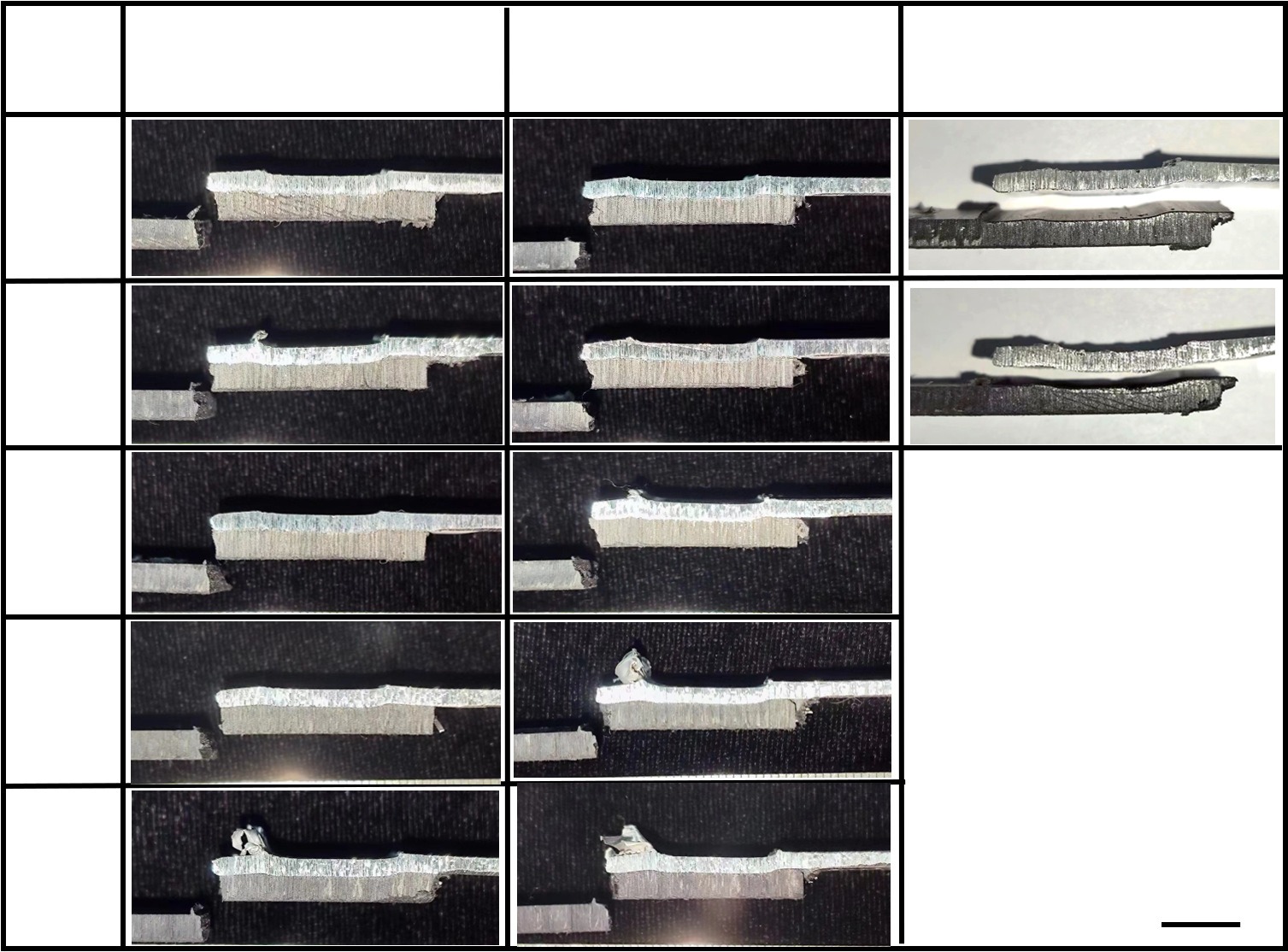
The effect of thermal degradation on the welded hybrid joints of metal and polymer composites is insufficient, which seriously inhibits the engineering applications of the joints. In this study, robust hybrid joints of metal and polymer composites were fabricated by the combination of friction lap welding (FLW) and laser surface treatment for investigating the effect of accelerated aging on the joint properties. Results showed that the FLW hybrid joints without laser surface treatment exhibited 91% reduction in the tensile shear force (TSF) after 7 days of accelerated aging tests. In contrast, the FLW hybrid joints with suitable laser surface treatment exhibited only 26% reduction in TSF even after 35 days of accelerated aging tests. Fractures of the tensile specimens occurred across the composite plates rather than along the joint interface. The enhanced reliability of the hybrid joints was mainly attributed to (1) the formation of micro-mechanical interlocking between the polymer composites and aluminum alloy plate, and (2) the modification of the stress distribution along the joint interface.
Fabrication of welded hybrid joints of aluminum alloys and polymer composites with significantly enhanced long-term reliability
Graphical Abstract
Original ResearchVol. 32, Issue 12 • pp. 3086DOI: 10.1007/s12613-025-3263-yJan 15, 2025

Rheological behavior and injectability of PEG/glycerol/bioactive glass-based bone grafts incorporating Denosumab

Authors: Cem Özel, Ali Can Özarslan, Sevil Yücel

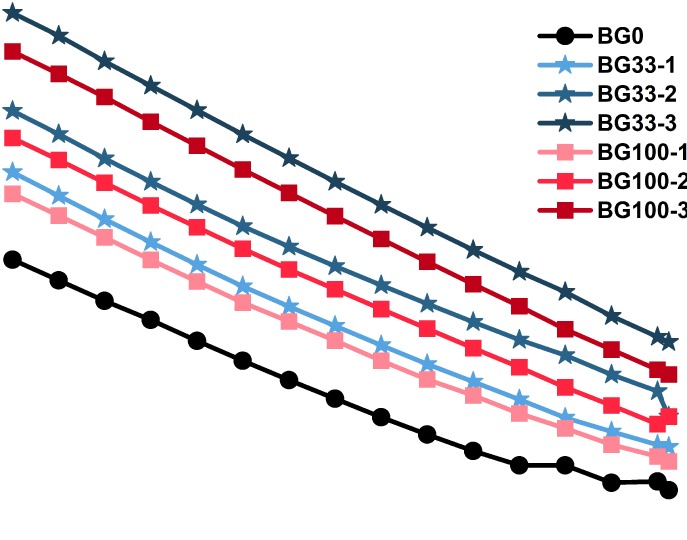
In this study, injectable bone graft putty samples were developed using fine and coarse melt-quenched 45S5 bioactive glass (BG) incorporated into a carrier system composed of glycerol and polyethylene glycol (PEG) with different average molecular weights. Selected putty samples were further incorporated with varying amounts of Denosumab (5wt%–10wt%) to investigate its influence on rheological behavior and flow properties using mathematical modeling. All PEG/glycerol/45S5-based putty samples exhibited viscoelastic behavior (storage modulus > loss modulus) and pseudoplastic behavior (n < 1), with viscosity values required for optimal flow remaining below 1000 Pa∙s. Both viscosity and thixotropic area increased proportionally with higher BG content and smaller-sized BG particles. All putty samples showed more than 98% injectability through a 12G cannula, suggesting potential clinical suitability. However, injectability decreased with smaller cannulas, dropping to 34.7%–58.3% with a 19G cannula and further decreasing with a 23G cannula at higher BG contents. Incorporation of Denosumab preserved viscoelasticity and injectability but modified the flow behavior, shifting it from pseudoplastic to more Newtonian with higher Denosumab content, while also reducing viscosity and thixotropic area values. Among all tested samples, putty containing a lower amount of Denosumab and smaller-sized BG exhibited the most suitable combination of injectability and rheological features. All putty samples were well described by both the Power law and Herschel–Bulkley rheological models (coefficient of determination > 0.95). This study highlights the influence of Denosumab on flowability and rheological relationships and suggests potential improvements in bioactivity through a dual synergistic effect of BG and Denosumab in minimally invasive bone graft systems.

Rheological behavior and injectability of PEG/glycerol/bioactive glass-based bone grafts incorporating Denosumab
Graphical Abstract
Original ResearchVol. 32, Issue 12 • pp. 3072DOI: 10.1007/s12613-025-3230-7Jan 15, 2025

Evaluation on the effects of Cu(II) on the properties of blast furnace slag–cement composites with adding Cu-bearing solid wastes

Authors: Qian Zhang, Bo Liu, Changcong An, Qiong Li, Jiling Liu, Siyu Wei, Jiaxing Fan, Zhe Sun, Dichuan Zhang, Bakhtiyor Pulatov

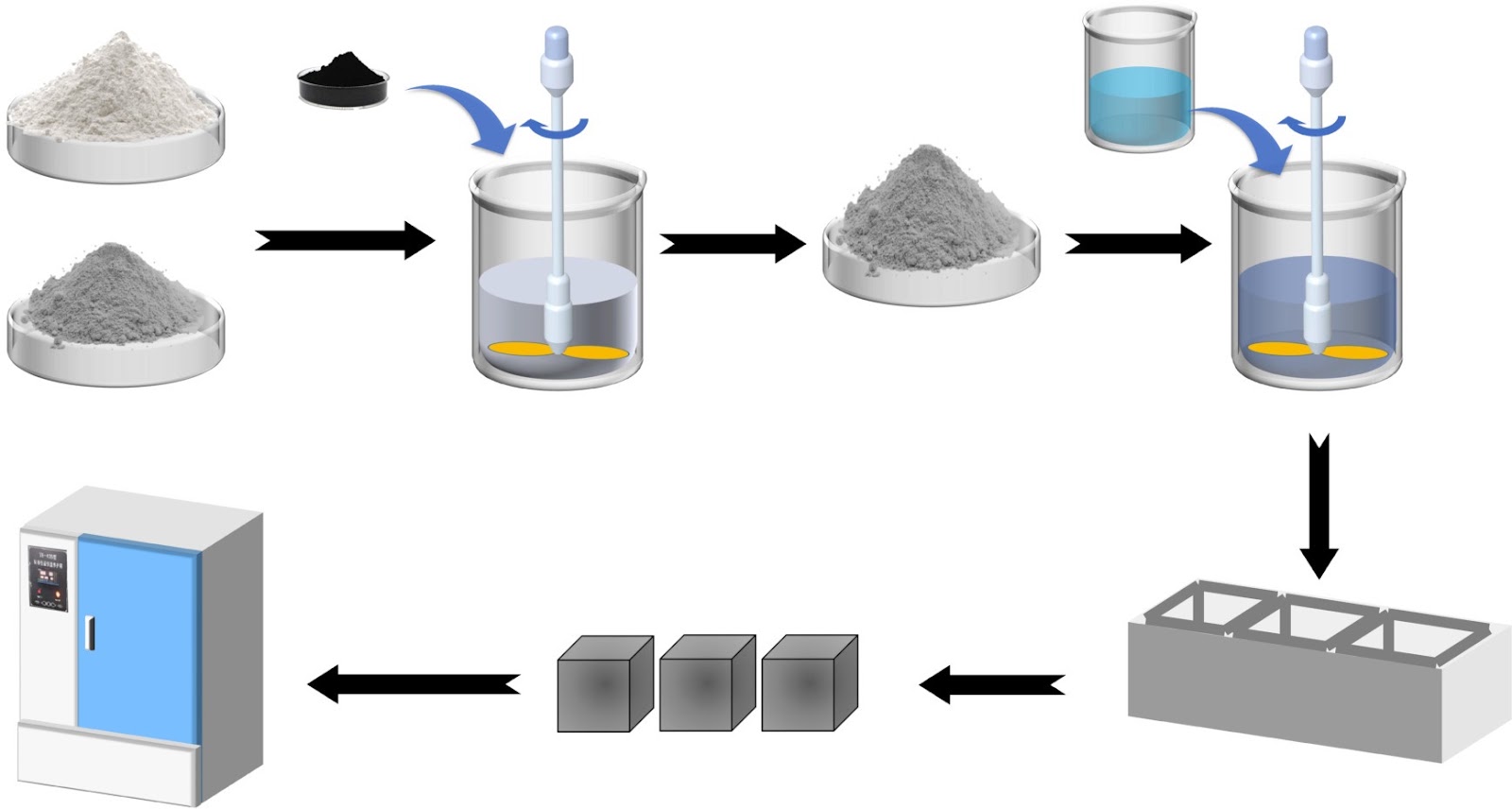
The effect of heavy metals on the properties and hydration of blast furnace slag–cement composites (BFS-CC) remain unclear. In this study, two BFS-CC (denoted as DBFS-CC and WBFS-CC) were prepared by dry and wet grinding of BFS, respectively. The effect of Cu(II) on BFS-CC’s properties and hydration was investigated by adding representative copper contaminants (CuO, CuCl2, and CuS) to the composites. Adding 1.0wt% CuO and 0.5wt% CuS increased the 3-d compressive strength of DBFS-CC by 14.9% and 5.7%, respectively, but suppressed the 3-d strength of WBFS-CC. This trend reversed at 28-d curing, where adding 1.5wt% CuO, 2.0wt% CuCl2, and 1.5wt% CuS enhanced the compressive strength of WBFS-CC by 23.4%, 6.2%, and 13.6%, respectively, but adversely affected the strength of DBFS-CC. For 28-d hydration, adding CuCl2 decreased the hydration degree of DBFS-CC but enhanced that of WBFS-CC. Adding CuO promoted the hydration degree of both composites, while adding CuS exhibited inhibitory effects. DBFS-CC immobilized CuCl2 better due to a higher hydration degree, while WBFS-CC immobilized CuO and CuS better due to having finer unhydrated BFS particles and a denser matrix. This study not only focuses on the Cu(II) immobilization effect but also reveals the differential effects of Cu(II) species on the hydration process, providing novel insights into heavy metal interactions in BFS-CC systems and their safe disposal.

Evaluation on the effects of Cu(II) on the properties of blast furnace slag–cement composites with adding Cu-bearing solid wastes
Graphical Abstract
Original ResearchVol. 32, Issue 12 • pp. 3043DOI: 10.1007/s12613-025-3190-yJan 15, 2025

Dual-template synthesis of CoNi alloy nanoparticles anchored on N-doped carbon nanotubes for efficient oxygen reduction reaction

Authors: Shengyi Huang, Yao Shen, Ang Li, Huiling Zhou, Yanxin Qiao, Aihua Yuan, Hu Zhou, Shunli Zheng

The fabrication of one-dimensional metal/N-doped carbon materials has shown a promising prospect as efficient electrocatalysts for oxygen reduction reaction (ORR). Herein, CoNi alloy nanoparticles anchored on N-doped carbon nanotubes (CoNi@NCNT) are prepared by a dual-template strategy, using polypyrrole (PPy) tubes and CoNi-based metal–organic framework as the precursors. The as-formed CoNi@NCNT catalyst displays a half-wave potential (0.83 V) as well as good durability under alkaline medium. The excellent electrocatalytic performance is ascribed to a synergistic coupling of hierarchically tubular structure, highly electronic conductivity, and abundantly alloy-type active sites. When the CoNi@NCNT catalyst is applied in zinc–air battery (ZAB), the device displays a stable charge–discharge cycling performance. The present work affords a useful approach to constructing alloy/nitrogen-incorporated carbonaceous materials as bifunctional electrocatalysts for high-performance ZABs.

Dual-template synthesis of CoNi alloy nanoparticles anchored on N-doped carbon nanotubes for efficient oxygen reduction reaction
Graphical Abstract
Original ResearchVol. 32, Issue 12 • pp. 3017DOI: 10.1007/s12613-025-3225-4Jan 15, 2025

Effects of direct aging on mechanical properties and microstructure of TiB2/AlSi7Mg alloy fabricated by laser powder bed fusion

Authors: Yirui Chang, Tingting Chen, Yang Li, Yihao Wang, Yuchi Cui, Wenjun Zhao, Yi Wu, Mingliang Wang, Haowei Wang, Zhe Chen

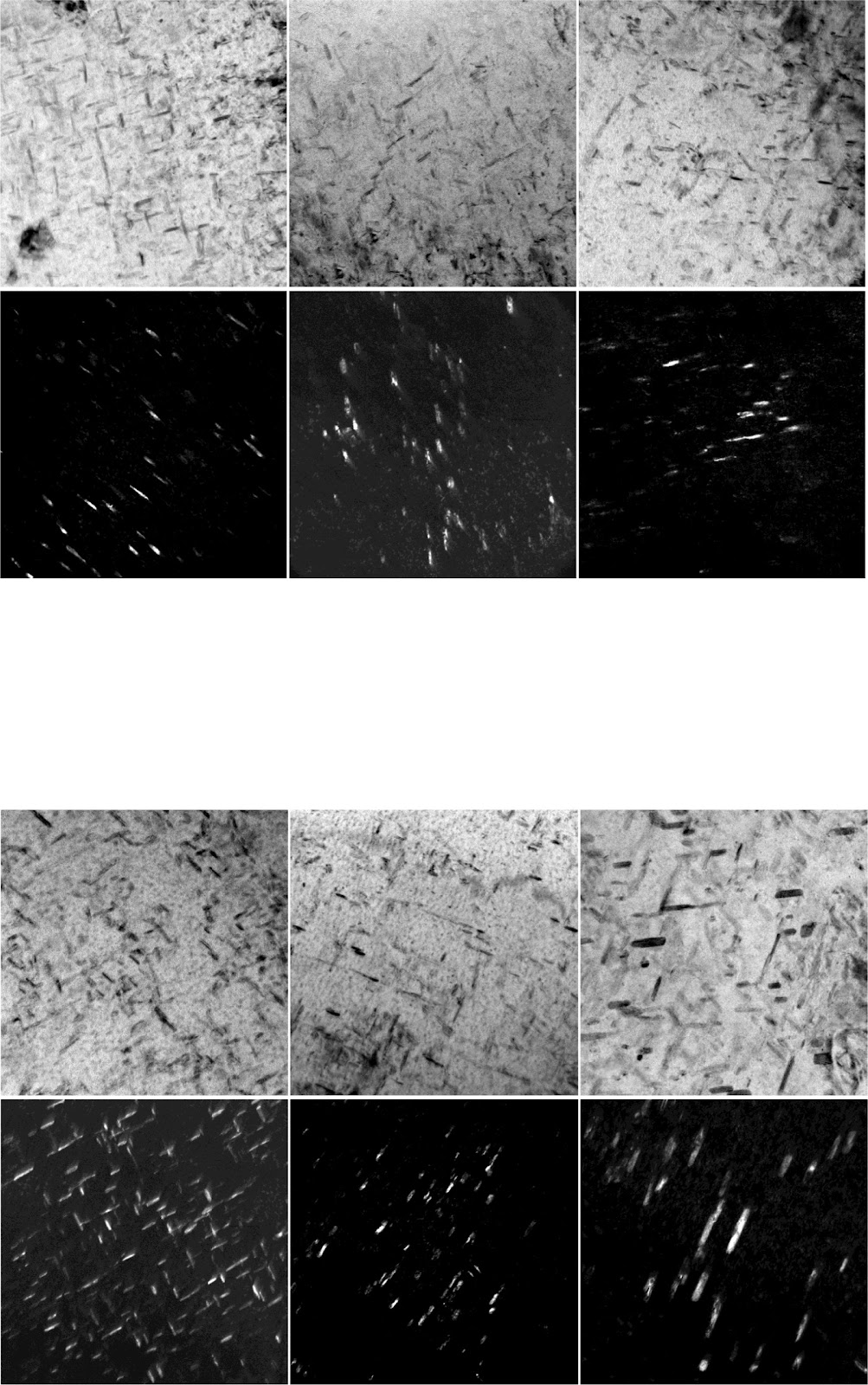
The effects of direct aging (DA) on the microstructure and mechanical properties of TiB2/AlSi7Mg alloys fabricated via laser powder bed fusion (LPBF) were systematically investigated. DA significantly improves strength while maintaining satisfactory ductility. Optimal performance is obtained through under-aging (UA) at 150°C for 4 h, resulting in a yield strength of 361 MPa, tensile strength of 503 MPa, and elongation of 9.1% in the horizontal direction. DA does not substantially alter the grain size or cellular structure but promotes the formation of nanoprecipitates within the α-Al matrix. Specifically, UA induces dot-like and needle-like Si precipitates, whereas over-aging (OA) additionally generates short rod-like β'-Mg1.8Si phases. The strengthening mechanism is attributed to the Hall–Petch effect associated with grain and cell boundaries, and the Orowan mechanism induced by nanoprecipitates. Work-hardening behavior is governed by interactions between dislocations and nanoprecipitates. The OA sample exhibits rapid saturation of work hardening due to a high initial hardening rate and dynamic recovery of dislocations, resulting in limited uniform elongation. In contrast, the UA sample demonstrates a more balanced work hardening response. These findings provide theoretical and experimental validation of DA as an effective post-processing approach aimed at enhancing the performance of LPBF Al–Si–Mg alloys in engineering applications.

Effects of direct aging on mechanical properties and microstructure of TiB2/AlSi7Mg alloy fabricated by laser powder bed fusion
Graphical Abstract
Original ResearchVol. 32, Issue 12 • pp. 3052DOI: 10.1007/s12613-025-3160-4Jan 15, 2025

Multifunctional applications of barium zinc vanadate nanoparticles for photocatalytic dye degradation, energy storage and sensing applications

Authors: S. Ishwarya, H.P. Nagaswarupa, Yashwanth Venkatraman Naik, Basavaraju N, Ramachandra Naik, Abdullah N. Alodhayb, Saravanan Pandiaraj, Burragoni Sravanthi Goud, Jae Hong Kim

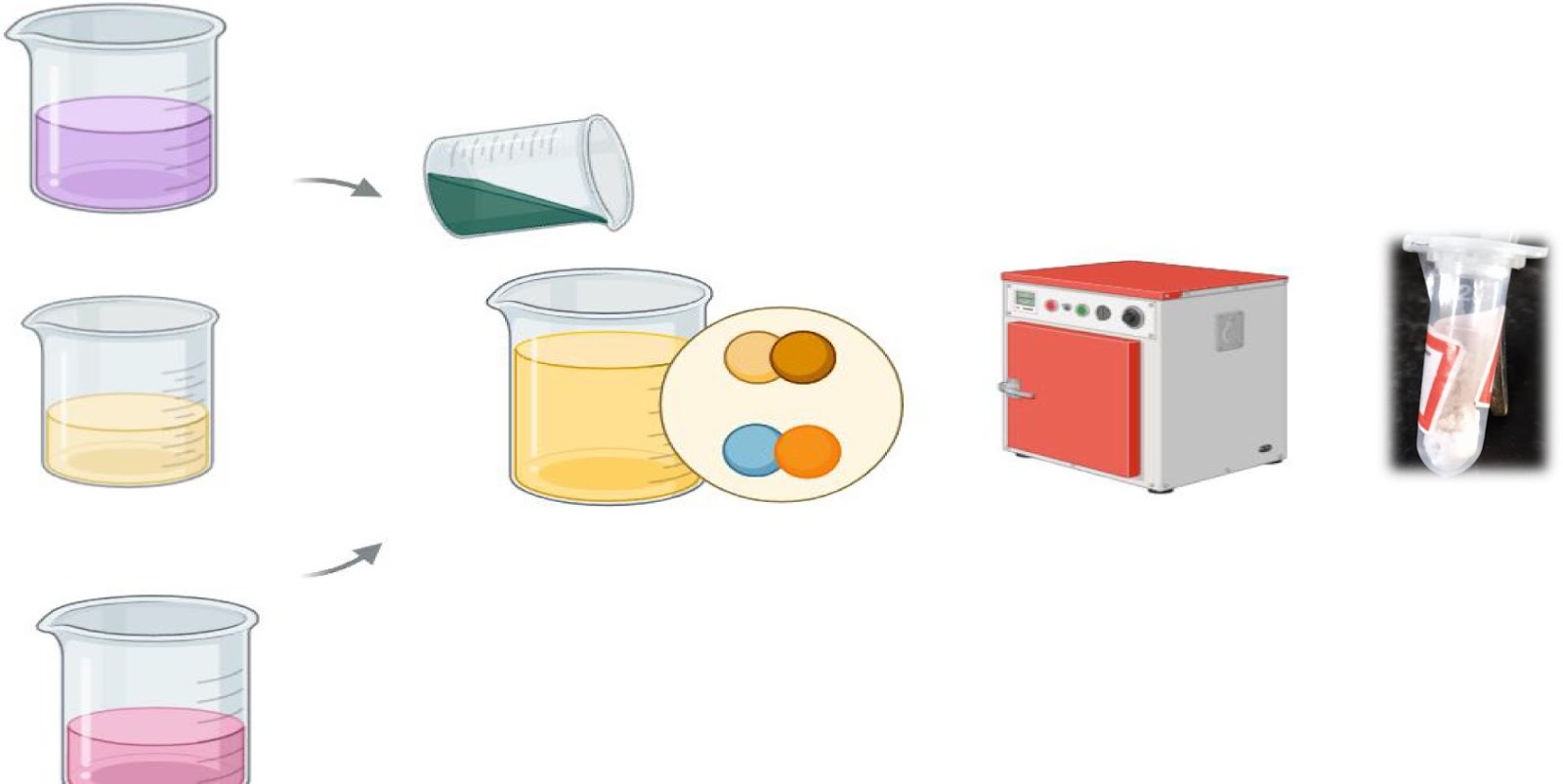
The multifunctional characteristics of barium zinc vanadate (BaZnV2O7) nanoparticles (BZV NPs) were explored in this study, focusing on their photocatalytic activity, supercapacitor performance, and sensing abilities. X-ray diffraction analysis confirmed that the crystallites were 40.3 nm in size, whereas ultraviolet visible diffuse reflectance spectroscopy revealed an energy bandgap of 5.28 eV. Functional groups, elemental composition, and morphology were assessed using Fourier transform infrared spectroscopy, energy-dispersive X-ray spectroscopy, and scanning electron microscopy, respectively. The photocatalytic efficiency of the BZV NPs was evaluated at various catalyst dosages, dye concentrations, and pH levels, for the degradation of acid black-52 (AB-52) dye under UV light. Cyclic voltammetry and galvanostatic charge-discharge analyses were performed to determine the energy storage and cyclic stability of the BZV-NP-modified carbon paste electrode. In addition, a novel electrochemical sensor based on BZV was developed to accurately detect the concentration of biomolecules and chemical drugs. BZV nanoparticles exhibited remarkable photocatalytic dye degradation up to 80.4%, indicating their application in waste water treatment. The BZV-NP-modified carbon paste electrode exhibited a superior specific capacitance of 714.15 F·g−1 with excellent cycling stability over 1000 cycles. The electrodes efficiently detected biomolecules such as ascorbic acid and uric acid, chemical drugs including paracetamol and ibuprofen, and heavy metals such as mercury, cobalt, and cadmium in the concentration range of 1–5 mM. The limit of detection (LOD) was measured for all analytes, and the electrode exhibited high sensitivity. These multifunctional properties render BZV promising material for energy storage and environmental monitoring applications.

Multifunctional applications of barium zinc vanadate nanoparticles for photocatalytic dye degradation, energy storage and sensing applications
Graphical Abstract
Original ResearchVol. 32, Issue 12 • pp. 2988-DOI: 10.1007/s12613-024-3075-5Jan 15, 2025

Pitting corrosion behavior of additively manufactured spherical WC/W2C-reinforced stainless steels in chloride-containing solution

Authors: Yiqi Zhou, Peihu Yuan, Decheng Kong, Xiaochang Xu, Shuoyang Wang, Lili Li, Tingting Liu, Xiaogang Li, Xuanhui Qu, Yu Yan, Chaofang Dong

An effective approach to enhance the surface degradation characteristics of laser powder bed fusion (LPBF) type 420 stainless steel involves the incorporation of spherical cast WC/W2C to create LPBF metal matrix composites (MMCs). However, the corrosion behavior of stainless steel and cast WC/W2C varies inversely across different pH levels, and the phenomenon of pitting corrosion in LPBF MMCs under varying pH conditions remains insufficiently explored. In LPBF 420 + 5wt% WC/W2C MMCs, pits form adjacent to cast WC/W2C in acidic and neutral environments, attributed to the presence of chromium-rich carbides and galvanic coupling effects. The dissolution of the reinforced particles facilitates pit nucleation in alkaline conditions. Notably, in-situ reaction layers exhibit superior corrosion resistance to the matrix or the reinforced particles across all pH levels. The distinct corrosion mechanisms influence the pitting corrosion behavior, with the corrosion ranking based on critical pitting potential being neutral > alkaline > acidic, contrasting the observed kinetics of pit growth (alkaline > acidic > neutral).

Pitting corrosion behavior of additively manufactured spherical WC/W2C-reinforced stainless steels in chloride-containing solution
Graphical Abstract
Original ResearchVol. 32, Issue 12 • pp. 2973DOI: 10.1007/s12613-025-3168-9Jan 15, 2025

Tailoring the mechanical properties of additively manufactured Custom 465 martensitic stainless steel through heat treatment modification

Authors: Xiaohong Qi, Xiaokang Liang, Xin Li, Mingyang Ma, Xinhai Zou, Guichuan Li, Zhuangzhuang Liu, Kim Vanmeensel

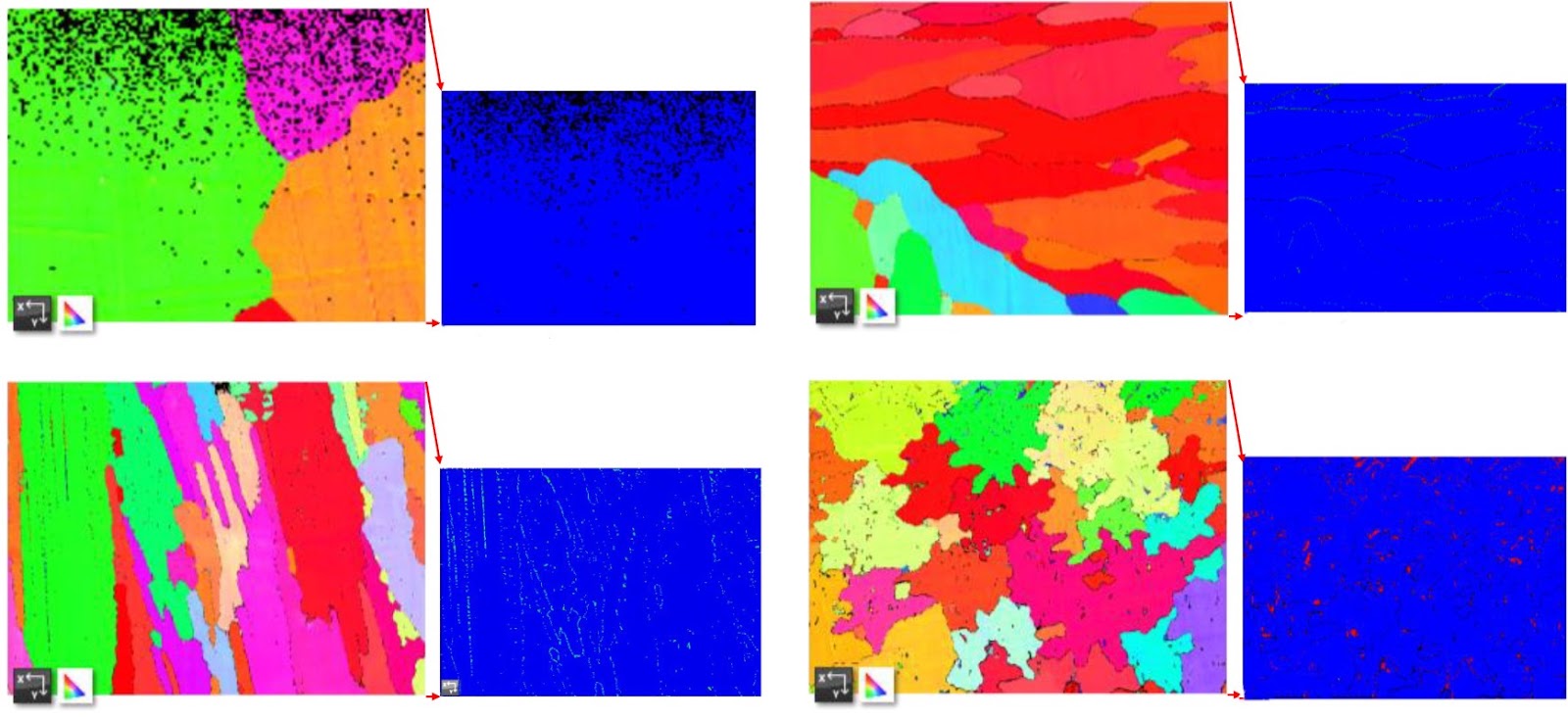
Custom 465 (C465) is a martensitic stainless steel known for its high strength, toughness, and corrosion resistance, widely used in aerospace, automotive, and medical industries. However, limited work has been conducted on its additive manufacturing (AM) and no dedicated heat treatments have been developed for additively manufactured C465 to optimize its strength–ductility trade-off. In this work, the C465 was fabricated via laser powder bed fusion. The effect of hot isostatic pressing, solid solution, cryogenic treatment (−78.5°C), and aging on the composition homogenization, austenite-to-martensite transition, and Ni3Ti precipitation were systemically investigated. The atom probe tomography analysis reveals that Mo atoms accumulate on Ni3Ti precipitate surfaces and inhibits the Ni3Ti growth, contributing to the enhanced strength of C465. The modified heat treatment for additively manufactured C465 reaches comparable tensile strength with the wrought counterpart, yielding an ultimate tensile strength of 1773 MPa, yield strength of 1686 MPa, and elongation of 6.5%. A yield strength calculation model was proposed and validated with measured strength under various heat treatments, providing valuable insight for heat treatment design towards diverse industrial applications.

Tailoring the mechanical properties of additively manufactured Custom 465 martensitic stainless steel through heat treatment modification
Graphical Abstract
Original ResearchVol. 32, Issue 12 • pp. 3002DOI: 10.1007/s12613-025-3257-9Jan 15, 2025

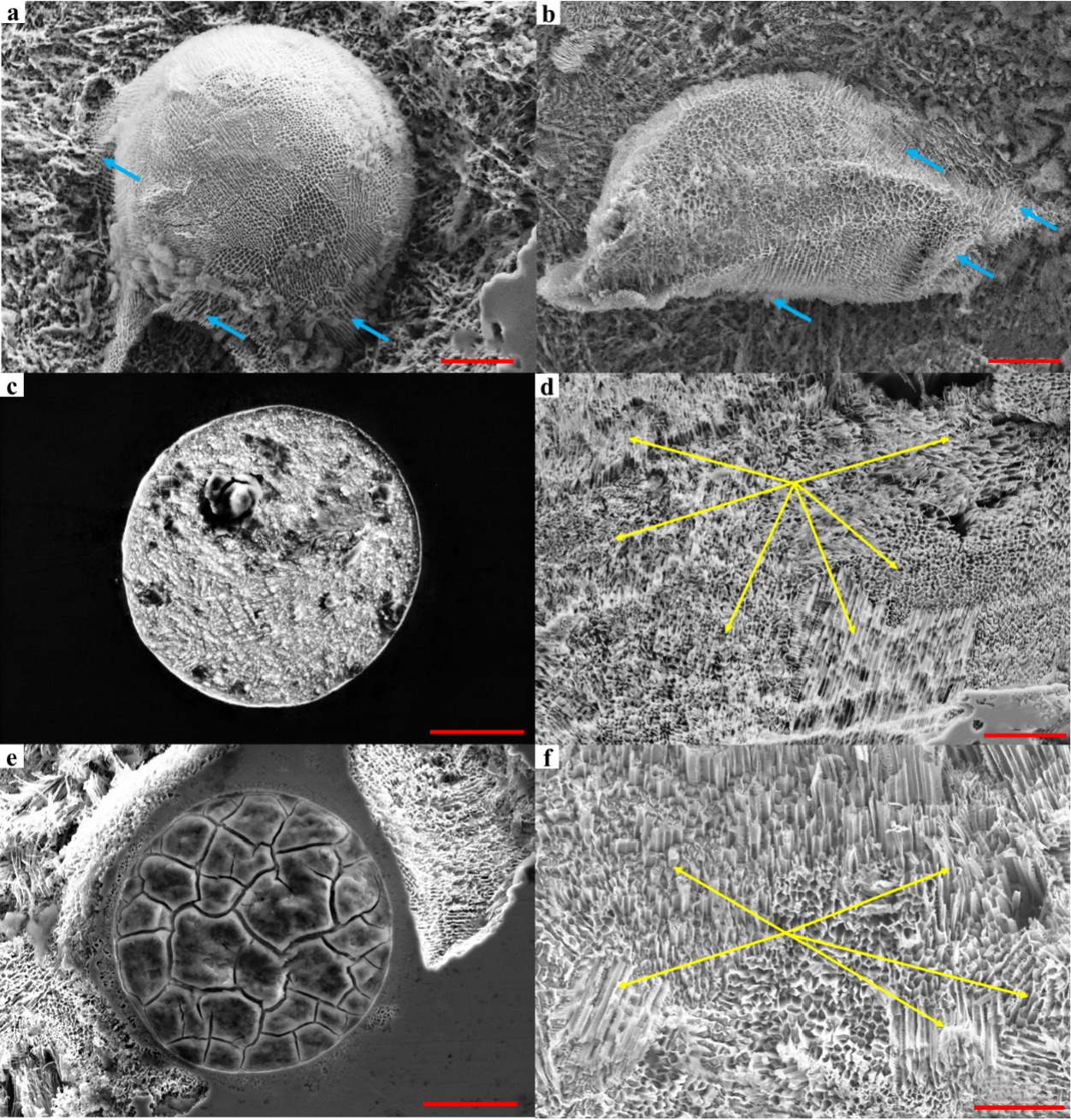
Influence of Si addition on the microstructure, mechanical and wear properties of as-cast Al0.43CoCrFeNi2.1 high-entropy alloys and performance enhancement by cold rolling and annealing

Authors: Li Wang, Junwei Qin, Yanlin Wang, Xiaohua Chen, Zidong Wang

A series of as-cast SixAl0.43CoCrFeNi2.1 (x = 0, 0.1, 0.2, and 0.3) high-entropy alloys (HEAs) was successfully fabricated by vacuum-assisted melting. The phase constituents, microstructural features, and mechanical properties (including hardness, tensile behavior, and wear behavior) of alloys with various Si contents were evaluated. The results revealed that the addition of Si promoted the precipitation of a body-centered cubic 1 (BCC1) phase enriched in Al, Ni, and Si with a B2-ordered structure. Furthermore, the secondary BCC2 phase was enriched with Cr, Fe, and Si precipitates within the BCC1 matrix. Ultimately, a multiphase face-centered cubic (FCC)/(BCC1/BCC2) structure was formed. The microstructural evolution driven by Si addition significantly enhanced the mechanical properties of the SixAl0.43CoCrFeNi2.1 HEAs. As the Si content increased, the microhardness and tensile strength improved by approximately 42% and 55%, reaching 2.359 GPa and 785 MPa, respectively. The quantitative evaluation of the various strengthening mechanisms indicated that the intrinsic hardness of the FCC matrix and hardening due to BCC1/BCC2 precipitation dominated the overall microhardness. The comparison of the energy barriers indicates that BCC2 primarily strengthens the alloy through a shear mechanism rather than an Orowan bypass mechanism. Furthermore, with increasing Si content, reduced friction and wear, together with smoother worn surfaces, reflect a greatly enhanced wear resistance. After the optimal cold-rolling and 1 h annealing at 800°C, the Si0.3Al0.43CoCrFeNi2.1 alloy showed 56% and 62% increases in microhardness and tensile strength, respectively, compared to the as-cast state, reaching 3.68 GPa and 1270 MPa. The enhanced mechanical properties are attributed to the synergistic effects of residual strain hardening by FCC ordering and L12/BCC precipitation strengthening.

Influence of Si addition on the microstructure, mechanical and wear properties of as-cast Al0.43CoCrFeNi2.1 high-entropy alloys and performance enhancement by cold rolling and annealing
Graphical Abstract
Original ResearchVol. 32, Issue 12 • pp. 2920DOI: 10.1007/s12613-025-3184-9Jan 15, 2025

Effects of vanadium valences on the solubility in Fe2TiO5 for helping to understand calcification roasting of vanadium slag

Authors: Zhengpei Yan, Shili Zheng, Yang Zhang

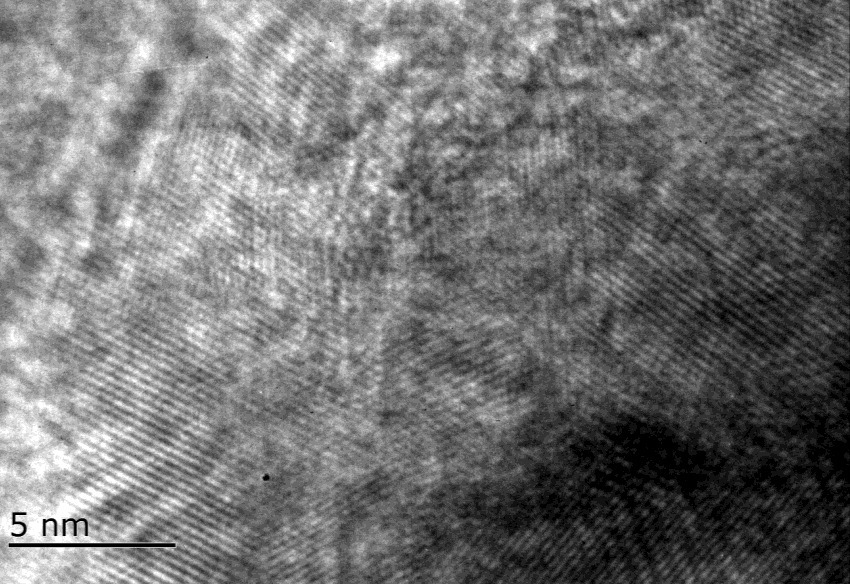
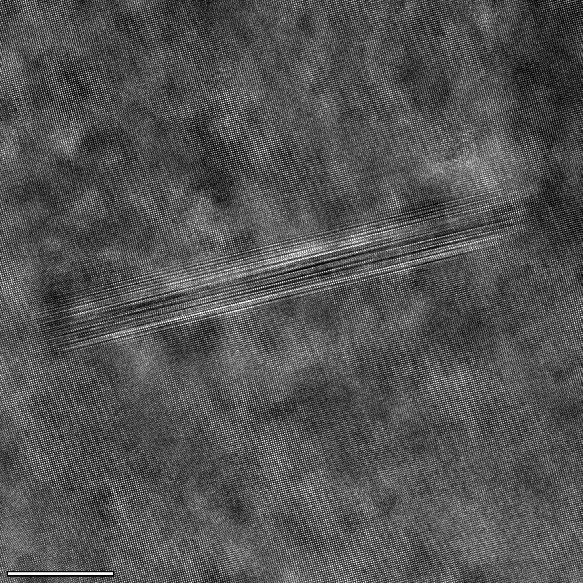
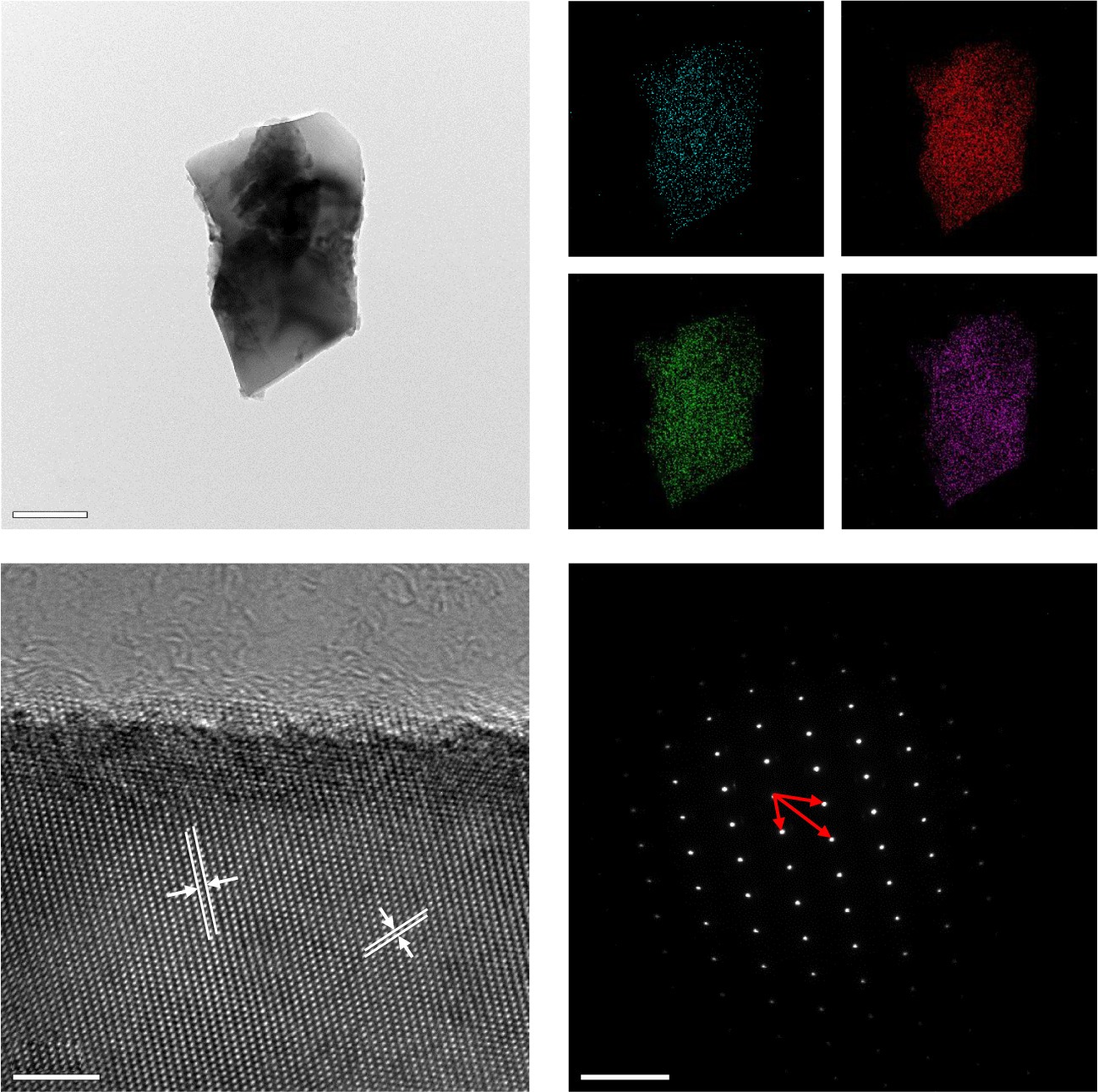
Vanadium is a strategic metal in many countries, and it is mainly extracted from vanadium slag produced in titanomagnetite metallurgy. The traditional sodium roasting process for vanadium extraction poses environmental threats, and a green calcification process has been proposed. However, the vanadium extraction rate in the calcification process is much lower than in the sodium roasting process, which is related to vanadium solid solubility in Fe2TiO5. Previous studies about vanadium behavior in Fe2TiO5 were conducted in air, with a vanadium oxidation state of V5+. Vanadium with lower oxidation states has been detected in the tailings in the calcification process. The present paper studied the effects of vanadium oxidation states on the solid solubility in Fe2TiO5 through solid-state reaction, X-ray diffraction characterization, transmission electron microscopy characterization, X-ray photoelectron spectroscopy analysis, and solid solution modeling. The relative interaction values between vanadium oxides and Fe2TiO5 are obtained as |LV2O3| > |LV2O4| > |LV2O5|, indicating that vanadium with lower valence is preferable to be solid dissolved in Fe2TiO5. The results imply that insufficiently oxidized vanadium increases the vanadium content in the Fe2TiO5 phase during vanadium slag’s calcification roasting. Besides, experimental conditions optimization shows that higher experimental temperature, vanadium introduction as V2O3, and a high-purity argon atmosphere would lead to higher vanadium solubility in Fe2TiO5, and high temperature is beneficial for the release of vanadium from vanadium-containing Fe2TiO5 when dissociated in air.

Effects of vanadium valences on the solubility in Fe2TiO5 for helping to understand calcification roasting of vanadium slag
Graphical Abstract
Original ResearchVol. 32, Issue 12 • pp. 2835DOI: 10.1007/s12613-025-3108-8Jan 15, 2025

Effect of the cement–tailings ratio on the shear failure mechanism at the cemented tailing backfill–rock interface: Insights from the morphology of stope surrounding rocks

Authors: Wenkai Ru, Diyuan Li, Hao Gong, Pingkuang Luo, Junjie Zhao

The shear characteristics of the interface formed between a cemented tailings backfill (CTB) and surrounding rocks play a crucial role in the design and stability of underground goafs. To investigate the shear behavior of CTB–rock interfaces, rock samples representing the topography of surrounding rocks were constructed using 3D morphology scanning and engraving techniques. A series of direct shear tests were conducted on the CTB rock samples to examine the influence of the cement–tailings ratio on the interfacial shear behavior. The results showed that the compressive strength of the CTB and shear strength of the CTB–rock interface decreased with decreasing cement proportion. With deceasing cement content, the failure area of the CTB after the test increased, and the roughness of the newly generated interface reduced. A digital image correlation analysis revealed that the compressive stress concentration in the region with an obtuse angle with respect to the shear direction was the primary cause of CTB failure. Moreover, the correlation between the wear area and the silicon-dense area helped confirm that the silicon particles are more prone to failure in these areas than in other regions. Our findings provide new insights into the shear sliding mechanism at CTB–rock interfaces and can aid in the selection of the cement–tailings ratio at engineering sites. For example, if the horizontal principal stress of the surrounding rock mass in a backfilling area is relatively high, the cement content can be reduced for CTB applications.

Effect of the cement–tailings ratio on the shear failure mechanism at the cemented tailing backfill–rock interface: Insights from the morphology of stope surrounding rocks
Graphical Abstract
Original ResearchVol. 32, Issue 12 • pp. 2930-DOI: 10.1007/s12613-025-3232-5Jan 15, 2025

Influence of particle size and inherent gangue on hydrogen-based reduction of magnetite iron ores

Authors: Pritesh Garg, Hesham Ahmed, Charlotte Andersson, Jan-Olov Wikström, TK Sandeep Kumar, Daniel Marjavaara, Susanne Rostmark

The steel industry’s transition to hydrogen-based ironmaking necessitates a deeper understanding of magnetite ore reduction, a crucial yet underexplored pathway for decarbonization. This study systematically investigates the combined effects of particle size and gangue composition on hydrogen-based reduction behavior of four industrial magnetite ore concentrates with varying CaO and MgO contents. Thermogravimetric analysis at 973 K, interrupted reduction experiments, and post-reduction characterization steps are used to evaluate reduction extent and phase transformations across different particle size fractions and bulk ores. The finer fractions generally exhibit faster and more complete reduction. However, this trend is overridden by gangue effects in certain ores. Magnetite ores with MgO as gangue tend to form magnesio-wustite solid solution (Mg,Fe)O during reduction, resulting in dense microstructures that impede hydrogen diffusion and limit reduction progress. In contrast, magnetite ores with CaO as gangue facilitate the formation of intermediate calcium ferrites, which promote porous morphology and enhanced reducibility. Notably, even the finer particles of ore containing MgO show a lower reduction degree than the coarser particles of the ore containing CaO as gangue. This highlights the dominant role of gangue composition in governing reduction kinetics, intermediate phase formation and final product morphology. These findings contribute to the growing knowledge necessary to enable fossil-free ironmaking by emphasizing the importance of considering both granulometric characteristics and heterogeneity when evaluating magnetite ores for hydrogen-based reduction.

Influence of particle size and inherent gangue on hydrogen-based reduction of magnetite iron ores
Graphical Abstract
Original ResearchVol. 32, Issue 12 • pp. 2909DOI: 10.1007/s12613-025-3128-4Jan 15, 2025

Application of high-alumina type calcium ferrite: A new strategy of mineral phase regulation instead of chemical composition regulation in iron ore sintering

Authors: Rende Chang, Chengyi Ding, Feng Jiang, Hongming Long, Xuewei Lv, Gang Li, Peng Yuan, Changyou Yu, Mengbo Dai, Tiejun Chun

High-alumina iron ores (Al2O3 content > 3.0wt%) are widely utilized in sinter production due to their economic benefits, yet their high alumina content challenges the performance of sinter and the stability of blast furnaces. This study focuses on the application of high-alumina composite calcium ferrites (SFCA) in the sintering of high-alumina iron ores. By prefabricating calcium ferrites, we aimed to substitute phase adjustment for compositional tuning, particularly examining its effects on enhancing sinter quality at 30wt%, 50wt%, and 100wt% replacement ratios of Al2O3. Previous work developed two types of high-alumina SFCA (A-type and B-type), with A-type demonstrating superior experimental performance. Our results indicate that increasing the proportion of A-type SFCA in the raw materials leads to higher calcium ferrite and composite calcium ferrite contents, while decreasing the proportions of Al2O3, CaO, SiO2, calcium silicate, and calcium alumino-ferrite (CaAlxFe2–xO4). Scanning electron microscopy (SEM) and mineralogical analyses reveal that sinter substituted with A-type SFCA primarily consists of SFCA and calcium ferraluminate (CFA), with increasing calcium ferrite content and decreasing porosity and silicate content as the substitution ratio increases. Complete substitution of Al2O3 with A-type SFCA enhances the compressive strength of the sinters to 22.57 MPa, a 6.76 MPa improvement over traditional methods. With 100wt% substitution, the reducibility reaches 0.85, a 0.33 increase over the baseline (A-type and B-type SFCA are not added). A cost-effective method for SFCA production using high-alumina ores, hazardous waste, and iron-calcium-based solid waste is proposed to lower production costs and promote the recycling of industrial solid waste. A-type SFCA exhibits significant advantages in mechanical properties, reducibility, and melting characteristics, validating its potential in optimizing sinter performance and reducing carbon emissions, thereby laying a theoretical and practical foundation for the industrial application of high-alumina SFCA.

Application of high-alumina type calcium ferrite: A new strategy of mineral phase regulation instead of chemical composition regulation in iron ore sintering
Graphical Abstract
Original ResearchVol. 32, Issue 12 • pp. 2942-DOI: 10.1007/s12613-025-3179-6Jan 15, 2025

Comprehensive status evaluation and prediction of blast furnace based on cascade system and combined model

Authors: Zhen Zhang, Jue Tang, Quan Shi, Mansheng Chu, Mingyu Wang, Zhifeng Zhang

The comprehensive status of blast furnaces was one of the most important factors affecting their economy, quality, and longevity. The blast furnace comprehensive status had the nature of “black box,” and it was “unpredictable.” In this study, a blast furnace comprehensive status score and prediction method based on a cascade system and a combined model were proposed to address this issue. A dual cascade evaluation system was developed by integrating subjective and objective weighting methods. The analytic hierarchy process, coefficient of variation, entropy weight method, and impart combinatorial games were jointly employed to determine the optimal weight distribution across indicators. Categorized statuses (raw material, gas flow, furnace body, furnace cylinder, and iron–slag) were evaluated. Based on the five categories of the status data, the second cascade was applied to upgrade the quantitative evaluation of the comprehensive status. The weights of the different categories were 0.22, 0.15, 0.22, 0.21, and 0.20, respectively. According to the data analysis, the results of the comprehensive status score closely matched the on-site production logs. Based on the blast furnace smelting period, the maximal information coefficient method was applied to the 100 parameters that were most relevant to the comprehensive status. A combined prediction model for a comprehensive status score was designed using bidirectional long short-term memory (BiLSTM) and categorical boosting (CatBoost). The test results indicated that the combined model reduced the mean absolute error by an average of 0.275 and increased the hit rate by an average of 5.65 percentage points compared to BiLSTM or CatBoost alone. When the error range was ±2.5, the combined model predicted a hit rate of 91.66% for the next hour’s comprehensive status score, and its high accuracy was deemed satisfactory for the field. SHapley Additive exPlanations (SHAP) and regression fitting were applied to analyze the linear quantitative relationship between the key variables and the comprehensive status score. When the furnace bottom center temperature was increased by 10°C, the comprehensive status score increased by 0.44. This method contributes to a more precise management and control of the comprehensive status of the blast furnace on-site.

Comprehensive status evaluation and prediction of blast furnace based on cascade system and combined model
Graphical Abstract
Original ResearchVol. 32, Issue 12 • pp. 2855DOI: 10.1007/s12613-025-3246-zJan 15, 2025

Polycarboxylate superplasticizer instead of ultrasonic treatment for dispersing cellulose nanofibers to strengthen cemented rockfill

Authors: Jiangyu Wu, Wenyu Zhang, Shuo Yang, Andrey P. Jivkov, Elsabe Kearsley, Hai Pu, Qian Yin, Dan Ma, Hao Zhang, Hong S. Wong

To address the dual challenges of resource utilization of mining solid waste (e.g., coal gangue) and performance enhancement of cemented rockfill, this study systematically investigates the mechanisms of ultrasonic dispersion time and polycarboxylate superplasticizer (PCE) on the properties of cellulose nanofiber (CNF)-modified cemented rockfill. A series of comparative experiments were designed with varying ultrasonic dispersion times (0–60 min) and PCE dosages (0.1wt%–0.4wt%). Through mechanical testing, hydration product analysis, and microstructural characterization, the study revealed the advantages of PCE in promoting CNF dispersion to enhance the engineering applicability of cemented rockfill. The results demonstrate that: (1) Ultrasonic dispersion for 30 min increases the compressive strength by 37.7% compared to the untreated group; however, excessive ultrasonication (60 min) induces hydrolysis of CNF, releasing reducing sugars that retard hydration. (2) PCE facilitates CNF dispersion, achieving a 29.1% increase in compressive strength at a dosage of 0.4wt%, while simultaneously improving hydration products and microstructural development. (3) While ultrasonic dispersion yields slightly higher strength improvements, PCE demonstrates superior cost-effectiveness and operational convenience, rendering it more viable for industrial adoption. This study provides a theoretical foundation for the nano-enhanced modification of cemented rockfill, offering new insights into the recycling of solid waste and the development of high-performance materials.

Polycarboxylate superplasticizer instead of ultrasonic treatment for dispersing cellulose nanofibers to strengthen cemented rockfill
Graphical Abstract
Original ResearchVol. 32, Issue 12 • pp. 2866-DOI: 10.1007/s12613-025-3132-8Jan 15, 2025

Model experimental study on the safety characteristics of surrounding rock supports in deep wells

Authors: Renshu Yang, Feixiang Lu, Xinmin Ma, Liyun Yang, Yiyin Hu, Shuo Zhang

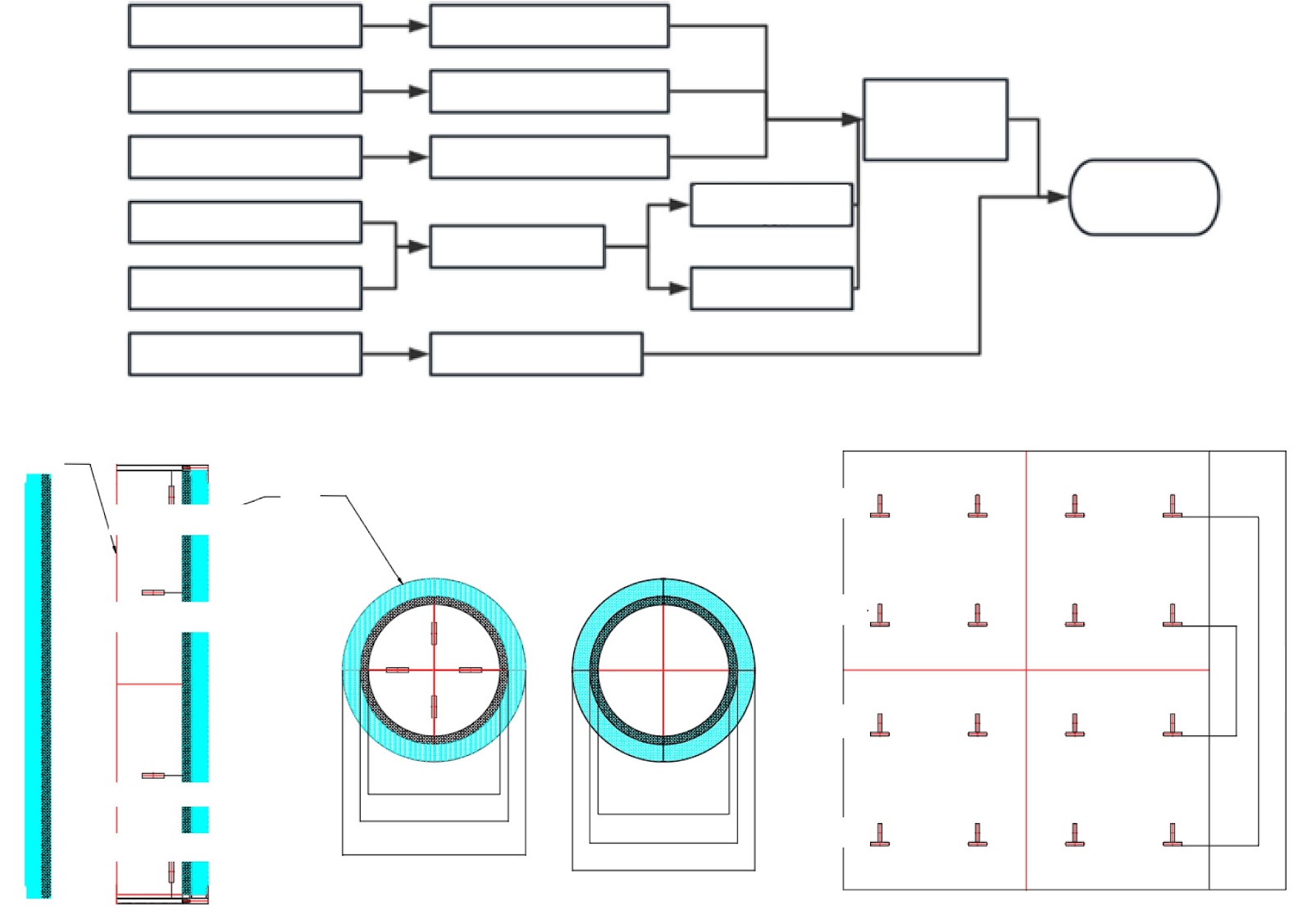
To study the use of a shaft support for the auxiliary shaft of the Xi’anshan Iron Mine, in high-stress strata at a depth between 900 and 1000 m, a new type of mold was developed using the physical similarity model test method, based on the similarity theory, and an experimental model of the shaft lining and surrounding rock was poured. Two sets of large-scale destructive tests were conducted on the shaft lining and surrounding rock. The deformation and failure laws of the shaft lining and surrounding rock under high ground stress and their ultimate horizontal bearing capacity characteristics were studied, and the safety support characteristics of the shaft lining under the interaction of the shaft lining and surrounding rock were obtained. An experimental study demonstrated that the axial pressure on the shaft wall directly affected its ultimate horizontal bearing capacity of the shaft wall. In designing the shaft wall, the influence of the axial pressure on the stress state of the concrete should be considered, and the vertical pressure should be modified to optimize the utilization of the three-dimensional compressive strength of the concrete. The reliability of the 400-mm C30 concrete shaft wall at a depth of 1000 m in the actual project was verified, and the ultimate horizontal bearing capacity of the shaft wall was obtained for a depth of 1000 m.

Model experimental study on the safety characteristics of surrounding rock supports in deep wells
Graphical Abstract