SinoTechIntel Academic Portal
🏛️ Indexed Academic Journal

China Foundry

Access authentic peer-reviewed engineering methodologies, experimental datasets, and scientific literature published in this journal on SinoTechIntel.

Total Research Papers: 75
Access: 100% Free Open Access
Browse by Publication Year & VolumeReset All Filters ✕

Published Research PapersFiltered: Year 2026 • Vol. 23 • No. 3

Showing 16 of 75 peer-reviewed papers with full Graphical Abstracts.

Original ResearchVol. 23, No. 3 • pp. 462-474DOI: 10.1007/s41230-026-5156-8Jan 15, 2026

Effect of eutectic content on microstructure and mechanical properties of Al-Zn-Mg-Cu alloys

Authors: Peng-fei Li, Yu-dong Sui, Hai-ni Jin, An-kang Xiong, Wan-zeng Li, Hao Zhou, Ye-hua Jiang

The 7xxx series aluminum alloys have emerged as a particularly promising class of lightweight structural materials. However, the inherent strength of these materials is primarily influenced by the content and type of alloying elements added during the manufacturing process, as well as casting defects. The present study investigated the effects of eutectics formed by solute atoms (Zn, Mg, and Cu), with equal mass ratios (Zn/Mg=2, Mg/Cu=3) but varying overall contents, on the liquid film thickness, crack propagation depth, and the mechanical properties of the Al-Zn-Mg-Cu alloy after heat treatment. The results from gravity casting indicate that the intergranular liquid film thickness increases with the increase of eutectic content. A thick intergranular liquid film in the casting can accommodate greater strain during grain contraction, thereby preventing liquid film rupture and subsequent hot tearing. Concurrently, during the solution treatment at 475 °C, the residual eutectic fraction in the Al-7Zn-3.5Mg-1.18Cu alloy diminishes from 9.1% at 10 h to 0.35% at 40 h. At 165 °C, the Al-6Zn-3.0Mg-1.0Cu alloy exhibits the optimal mechanical properties, with a peak aging tensile strength of 510 MPa and an elongation of 6.4%. The incorporation of lower concentrations of solute atoms (Zn, Mg, and Cu) serves to reduce the barrier to dislocation precipitation, thereby enhancing alloy plasticity. However, when the proportion of alloying elements exceeds the solubility limit of the α-Al matrix at specific heat treatment temperatures, coarse residual phases remain intergranular, thereby significantly impairing the mechanical properties of the alloy. This study provides a reference for the optimal addition level of the main strengthening elements in Al‑Zn‑Mg‑Cu alloys.
Effect of eutectic content on microstructure and mechanical properties of Al-Zn-Mg-Cu alloys
Graphical Abstract
Original ResearchVol. 23, No. 3 • pp. 345-356DOI: 10.1007/s41230-026-5183-5Jan 15, 2026

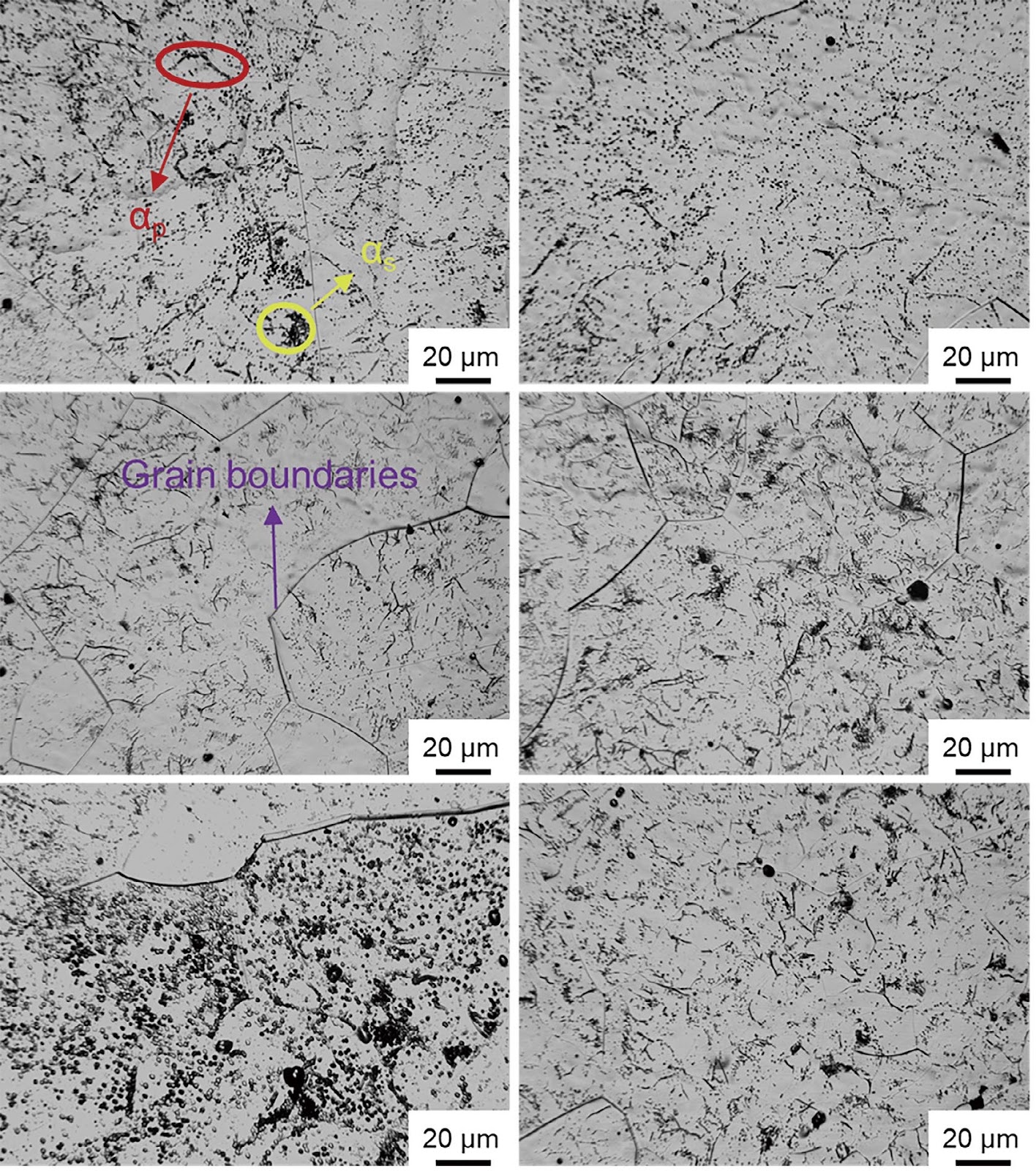
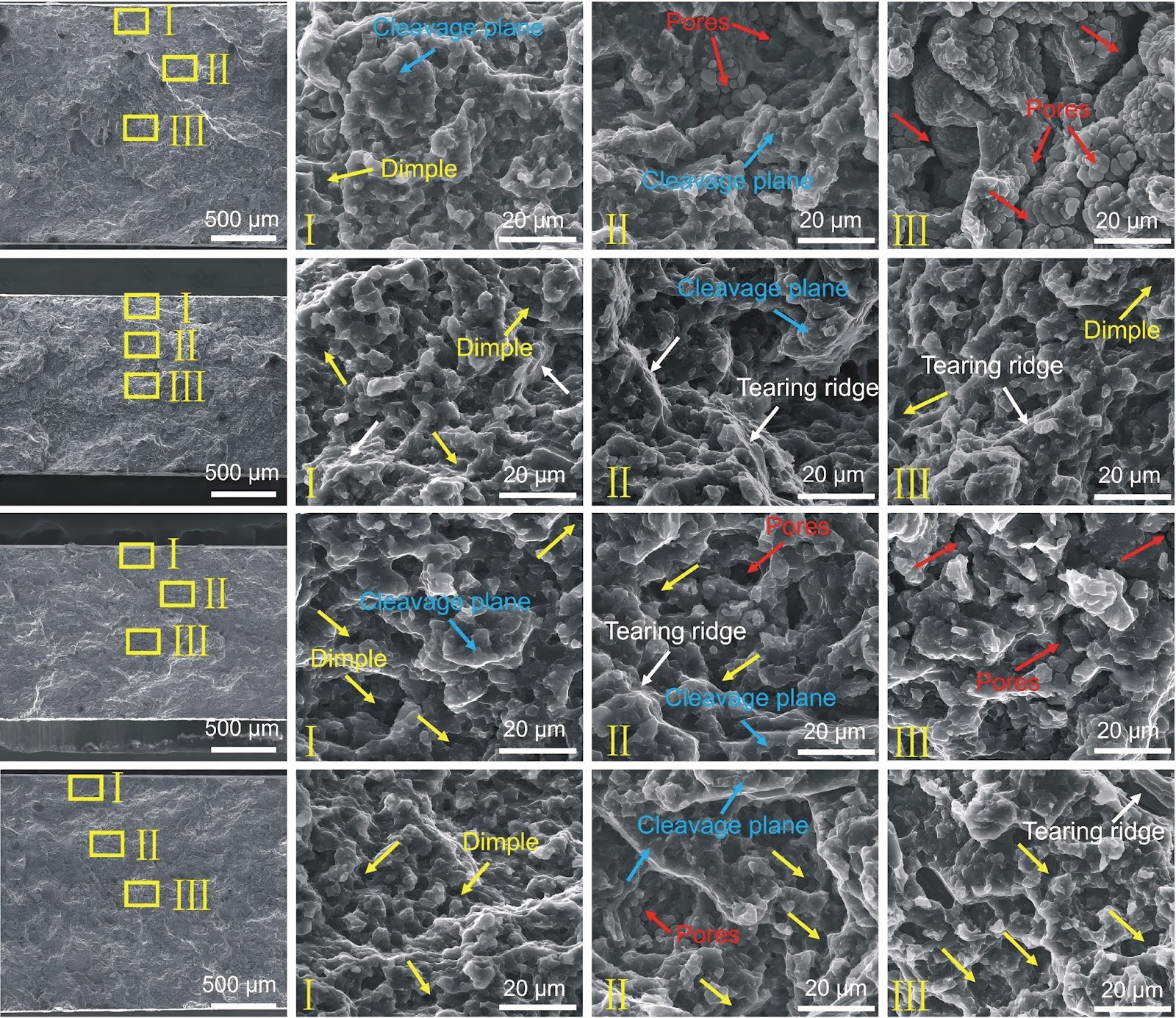
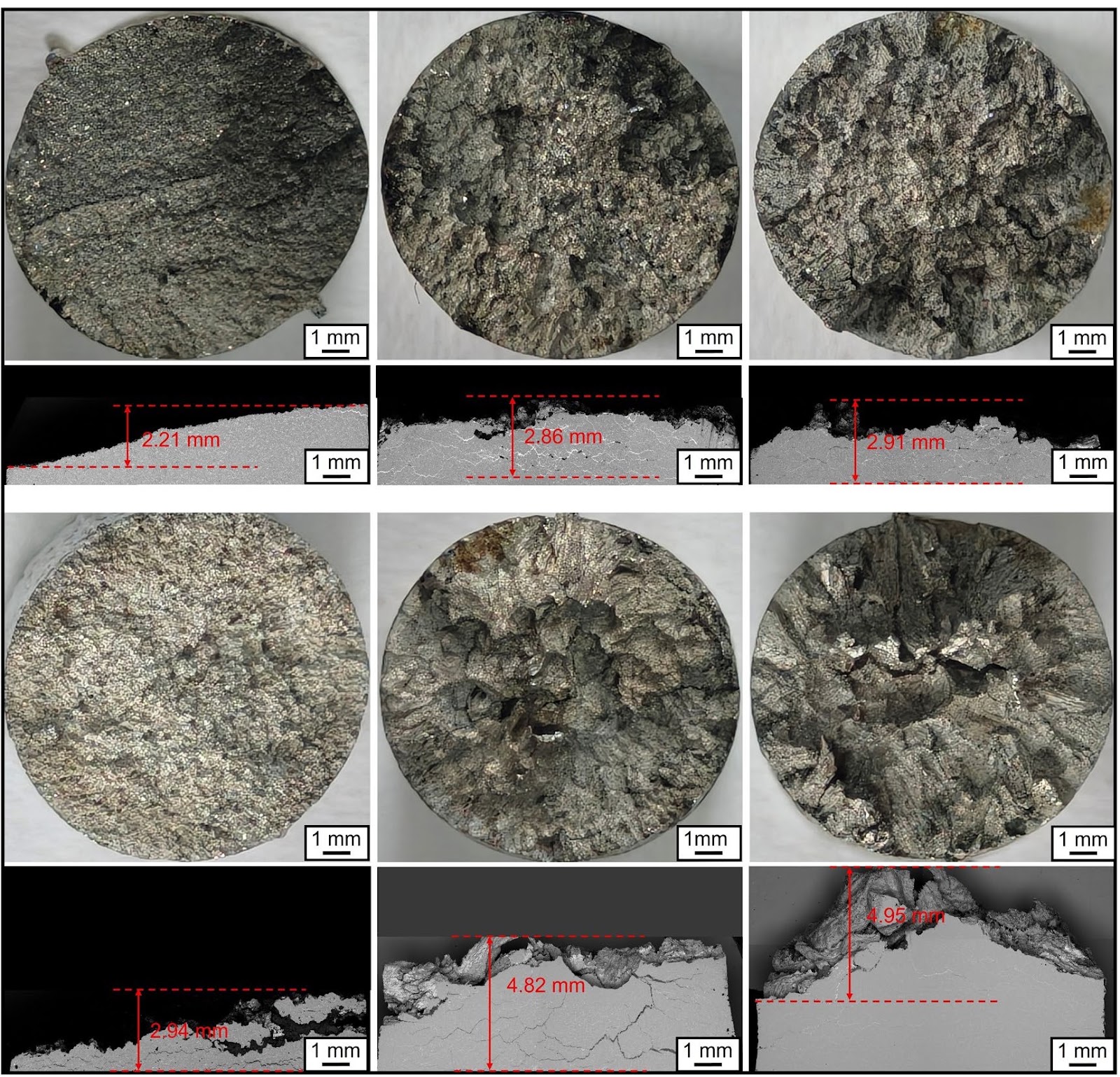
Achieving optimal strength-conductivity balance in cast Al-2.3Fe-Mg-Si alloys via Mg/Si ratio regulation

Authors: Yu-fei Zhang, Xi-long Luo, Zheng-hao Shao, Qun Luo, Bin Hu, Hong-zhou Lu, Qian Li

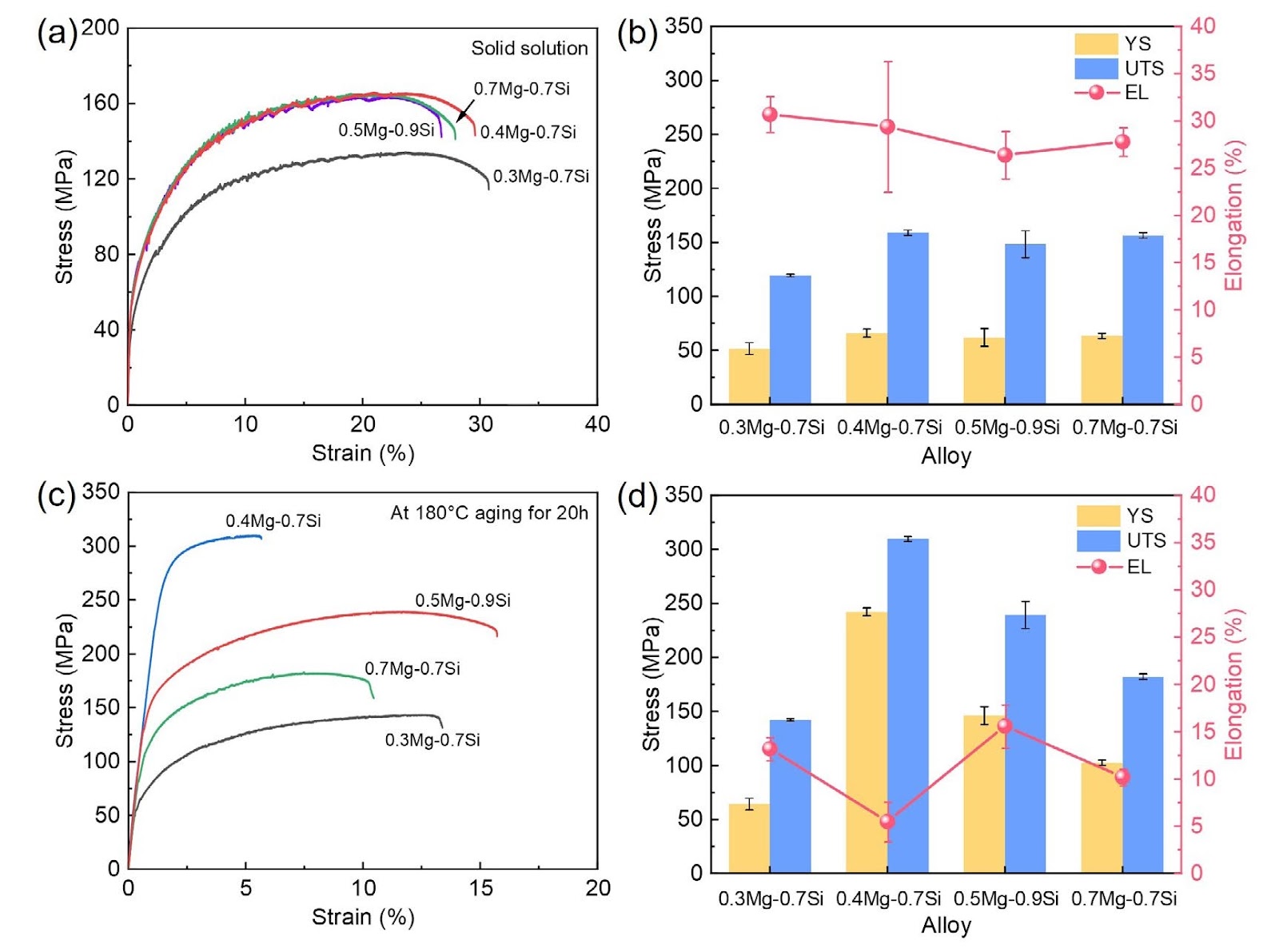
The Al-2.3Fe eutectic alloy is regarded as a promising substitute for Cu conductors in automotive motors owing to its excellent castability and low resistivity. However, its application is restricted by the mutually exclusive relationship between electrical conductivity and mechanical strength. The microstructure and mechanical properties of Al-2.3Fe alloy were modified through Mg/Si alloying combined with T6 heat treatment in this work, leading to the development of a high-performance cast Al-2.3Fe-Mg-Si alloy. In the Al-2.3Fe-0.40Mg-0.72Si (Mg/Si=0.56) alloy subjected to T6 treatment, an electrical conductivity of (52.5±0.6)% IACS is achieved, while the ultimate tensile strength is significantly enhanced to 309.5±5.6 MPa. The addition of Mg and Si brings about marked changes in the solidification process of the Al-2.3Fe alloy, resulting in considerable variations in both the morphology of the second phase and its phase constitution. The aging behavior of the alloy is governed by second phase and solid solubility. Through optimization of the Mg/Si ratio, the aging response can be effectively enhanced. At the ratio of Mg/Si=0.56, a balance is achieved between solid solubility and precipitation, while simultaneously minimizing the detrimental impact on electrical conductivity and reaching the best mechanical properties and electrical conductivity in peak-aged Al-2.3Fe-xMg-ySi alloy. This work providing valuable insights for developing advanced conductor materials.

Achieving optimal strength-conductivity balance in cast Al-2.3Fe-Mg-Si alloys via Mg/Si ratio regulation
Graphical Abstract
Original ResearchVol. 23, No. 3 • pp. 451-461DOI: 10.1007/s41230-026-5175-5Jan 15, 2026

Dimensional control of turbine blades via RSM-based process parameter optimization in investment casting

Authors: Sheng-jie Ren, Rui-yuan Zhang, Sheng Meng, Hang-yu Li, Wen-jing Wang, Zhong-min Xiao, Kun Bu

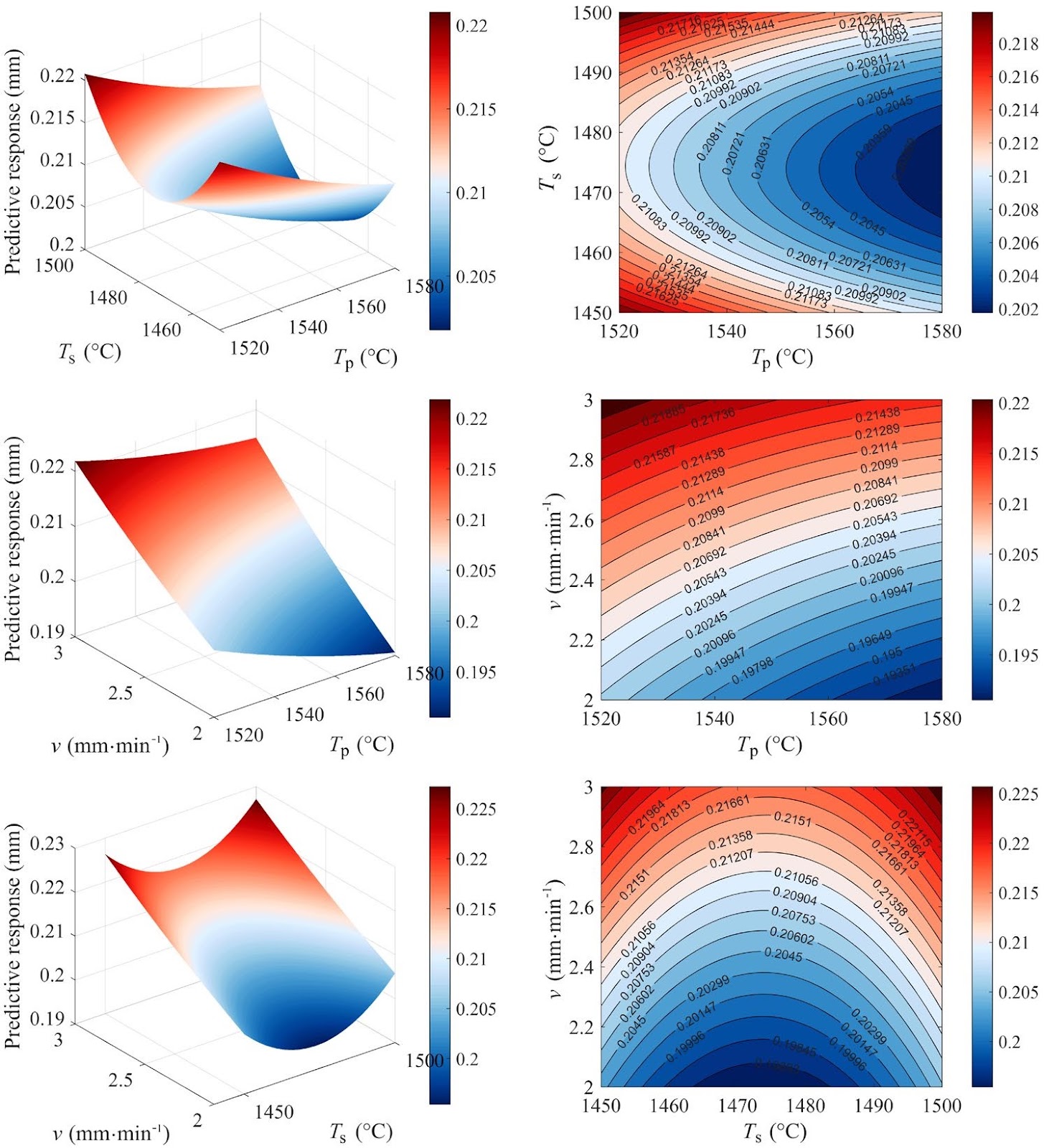
To address the dimensional accuracy challenges in investment casting of DD6 nickel-based superalloy hollow turbine blades, a multi-parameter collaborative optimization and deformation response prediction method based on response surface methodology was proposed. Using a Box-Behnken design, with pouring temperature, shell temperature, and withdrawal rate as key variables, deformation response data were obtained through numerical simulation, and a second-order model incorporating linear, interaction, and quadratic terms was established to characterize the nonlinear coupling effects of process parameters on dimensional deformation. The results indicate that withdrawal rate is the dominant factor influencing deformation, while shell temperature exhibits a pronounced “U”-shaped nonlinear trend. Significant interactions between process parameters are also observed. The constructed model demonstrates high predictive accuracy, with R2 of 0.978 and an RMSE of 0.0026 mm, and exhibits strong generalization capability, enabling the identification of optimal parameter combinations even beyond the simulated dataset. Compared with conventional orthogonal design methods, the maximum deformation of the optimized process was reduced from 0.2021 mm to 0.1905 mm, achieving an improvement of approximately 5.74%. This work provides a theoretical foundation and practical strategy for dimensional accuracy control and multi-parameter process optimization in the manufacturing of complex thin-walled castings.

Dimensional control of turbine blades via RSM-based process parameter optimization in investment casting
Graphical Abstract
Original ResearchVol. 23, No. 3 • pp. 396-406DOI: 10.1007/s41230-026-5150-1Jan 15, 2026

Effects of TiB2 on microstructure, mechanical properties, and fluidity of AlSi10MnMg alloy fabricated by high-pressure die casting

Authors: Lei Liu, Wei-xiao Yang, Kai Zhao, Yan-qiang Li, Tao Zhang, Ying Fu, Zhi-rou Zhang, En-yu Guo, Hui-jun Kang, Zong-ning Chen, Tong-min Wang

Optimizing the mechanical properties and fluidity of hypoeutectic Al-Si alloys in high-pressure die casting (HPDC) is critical for manufacturing thin-walled components with large sizes. The performance and fluidity of castings over long flow distances depend on the precise control of solidification behavior during the complex HPDC process. In this study, an AlSi10MnMg alloy was fabricated using a fluidity test mold with three channels of different thicknesses to investigate the influence of varying TiB2 content on the microstructure, mechanical properties, and fluidity of the alloy during long-distance filling in HPDC. Results indicate that the addition of 0.018wt.% TiB2 significantly reduces externally solidified crystals (ESCs) and porosity contents, improving the filling distance from 1,700 mm to 1,833 mm. The reduction in ESCs in the castings by TiB2 is attributed to its ability to promote the migration of ESCs from the shot sleeve toward the melt center, where temperature and flow velocity are higher. At a filling distance of 1,300 mm, the ultimate tensile strength (UTS), yield strength (YS), and elongation increase notably with addition of 0.018wt.% TiB2. When the addition of TiB2 increases to 0.036wt.%, the area fraction of ESCs in the channel increases compared to that with 0.018wt.%, and the filling distance slightly decreases to 1,796.9 mm. The mechanical properties of the alloy with 0.036wt.% TiB2 are better than those of the alloy with 0.018wt.% TiB2 over short distances, but become inferior beyond 1,000 mm. This work reveals the role of TiB2 in regulating solidification and flow during long-range filling, offering new insights into the processability of HPDC Al-Si alloys.

Effects of TiB2 on microstructure, mechanical properties, and fluidity of AlSi10MnMg alloy fabricated by high-pressure die casting
Graphical Abstract
Original ResearchVol. 23, No. 3 • pp. 377-384DOI: 10.1007/s41230-026-5201-7Jan 15, 2026

Regulating creep behavior via dynamic in-situ precipitation of Ti3AlC phase in Ti45Al8Nb-0.6C alloy

Authors: Zhe Deng, Pei Liu, Wei Wang, Ai-qin Wang, Jing-pei Xie, Zhi-yong Zhang

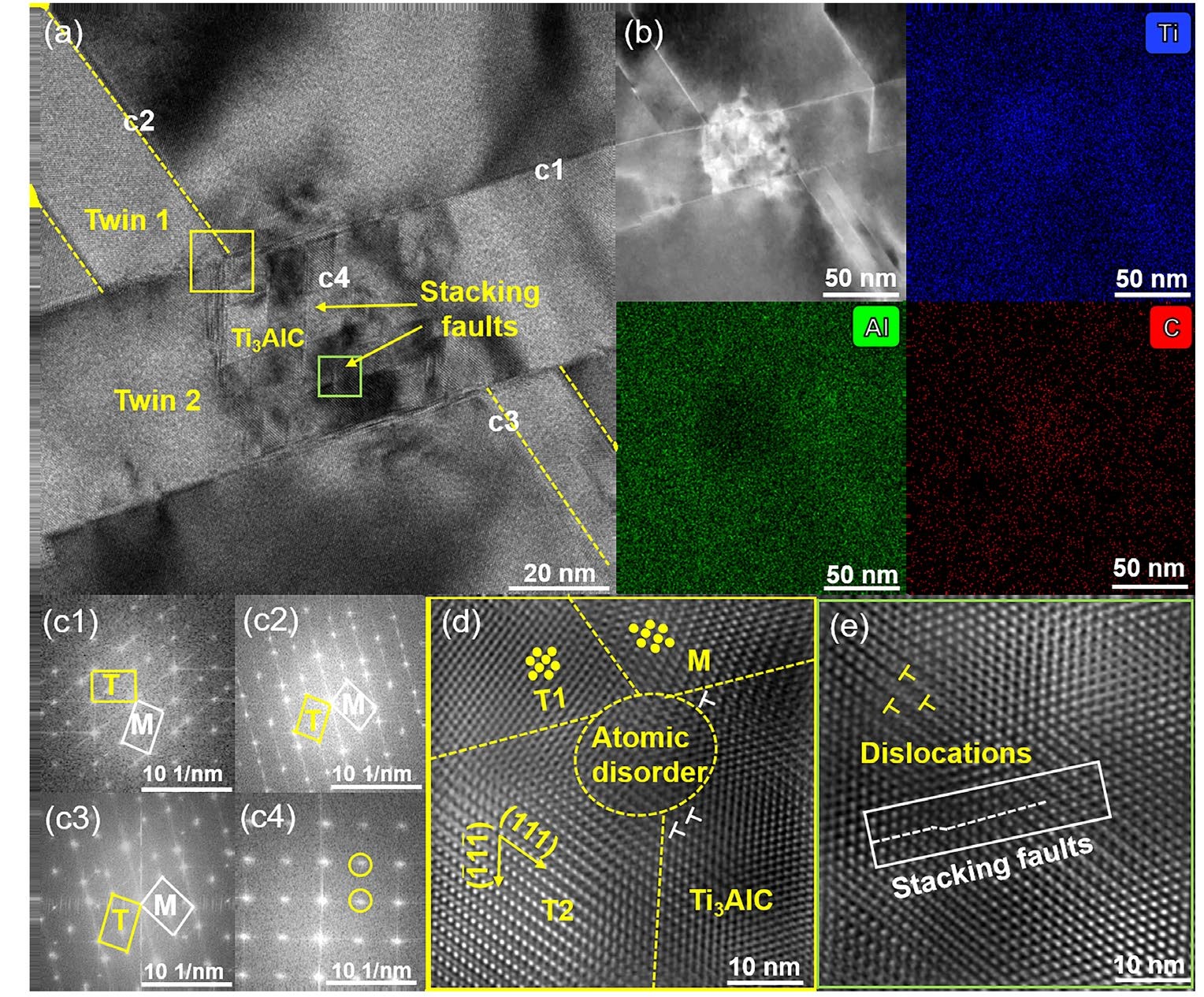
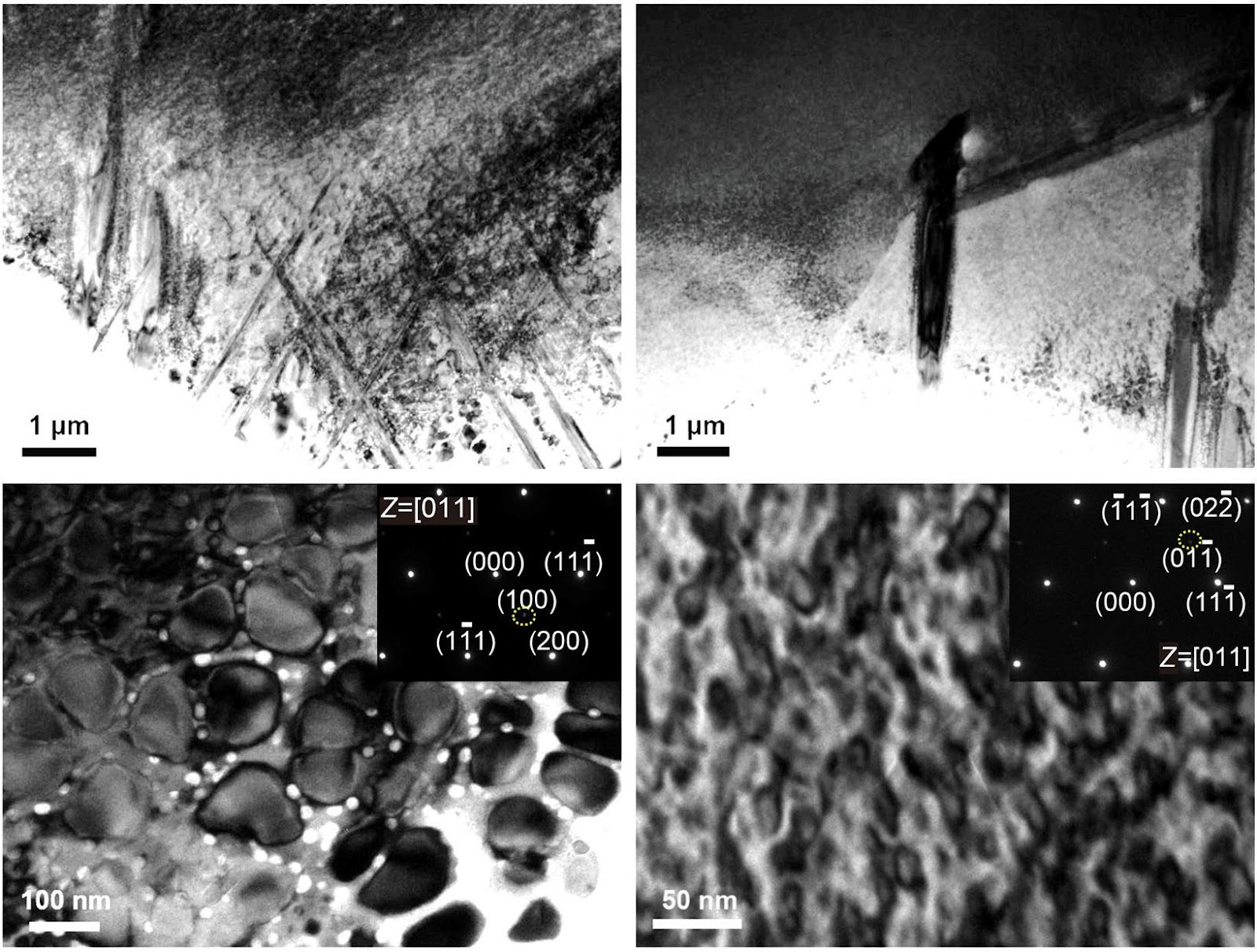
TiAl alloys are attractive for high-temperature structural applications, yet their creep resistance and microstructural stability at high temperatures remain critical challenges. In this study, Ti45Al8Nb-0.6C alloy was prepared by vacuum induction melting to investigate its creep behavior and underlying deformation mechanisms at 800 °C under 200 MPa. The alloy exhibits a relatively homogeneous microstructure composed of (γ+α2) lamellar colonies, B2 phase, and blocky γ phase, with a creep life of 137 h and a typical ductile-brittle mixed fracture mode. Post-creep microstructural characterization reveals pronounced B2 phase formation, deformation twinning, lamellar coarsening, and abundant stacking faults at lamellar interfaces. Extensive dynamic recrystallization occurs during creep, leading to the formation of fine recrystallized grains. The Ti3AlC phase plays a dual strengthening role by effectively impeding dislocation motion and developing characteristic defect structures, including high-density dislocations and ladder-like stacking faults during deformation. These synergistic microstructural evolutions contribute to the enhanced creep resistance of the alloy.

Regulating creep behavior via dynamic in-situ precipitation of Ti3AlC phase in Ti45Al8Nb-0.6C alloy
Graphical Abstract
Original ResearchVol. 23, No. 3 • pp. 407-420DOI: 10.1007/s41230-026-5185-3Jan 15, 2026

Optimization of multi-process parameters in secondary cooling solidification process of S30432 continuous casting billet

Authors: Zhi-qiang Li, Ying-xuan Shan, Li Wu, Hua Hou, Yu-hong Zhao

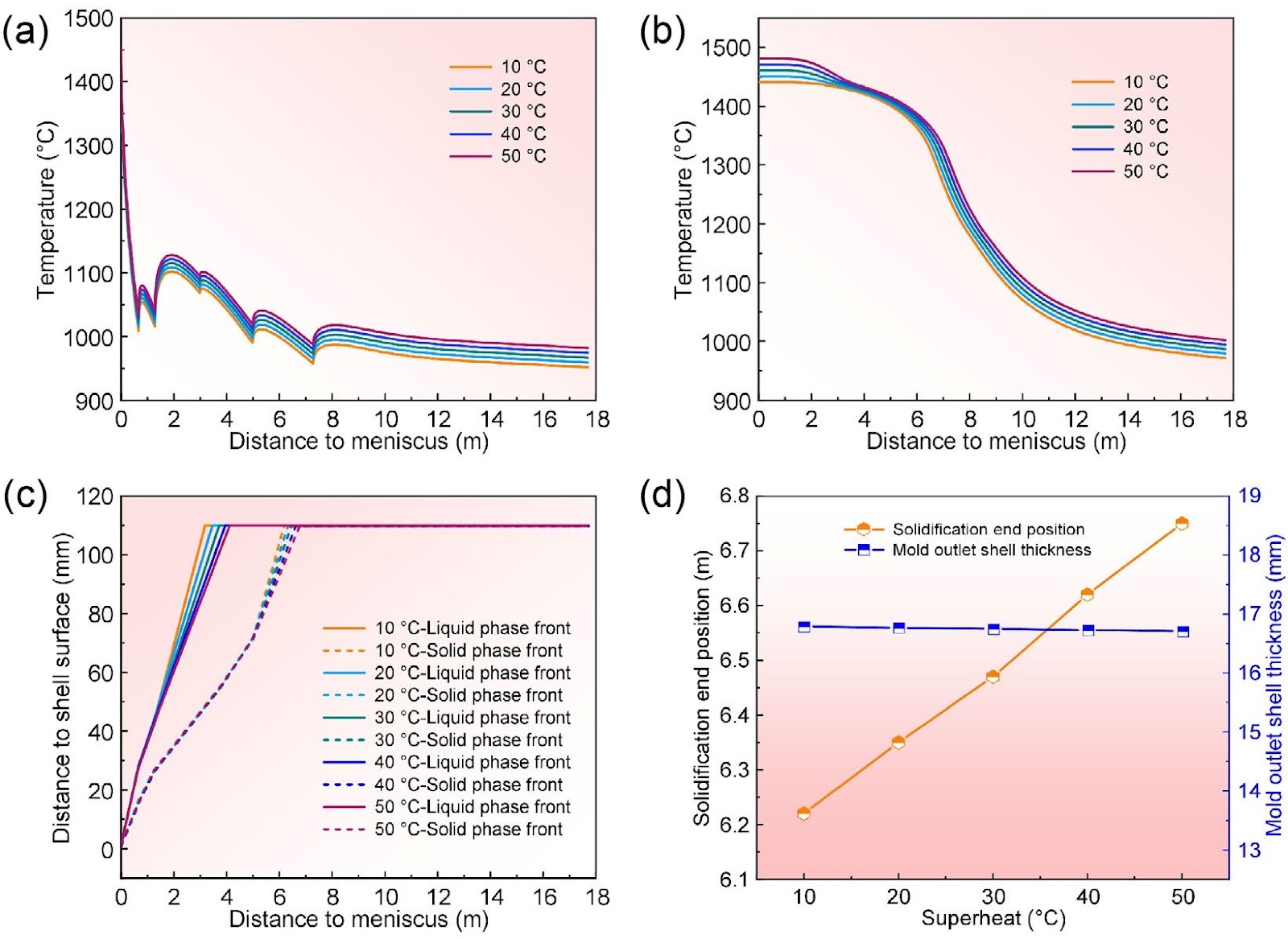
The synergistic mechanism of multiple process parameters on the solidification structure of niobium containing austenitic stainless steel during continuous casting is complex, which seriously affects the quality of continuous casting billets and seamless pipes. In order to optimize the quality of continuous casting billet, a finite element model of solidification and heat transfer in continuous casting process was established for the secondary cooling process of continuous casting billet. The control variable method was used to explore the influence of casting speed and superheat on the solidification process. At the same time, an orthogonal scheme was designed to study the coupling effect of multiple process parameters on the heat transfer and solidification state of continuous casting billets, and optimized process parameters were selected. The optimization results of process parameters were verified through production experiments, and it is found that the enrichment of coarse niobium compounds directly causes the initiation and propagation of inner wall cracks during the large deformation hot piercing of S30432 seamless tubes. Process parameter optimization, especially the synergistic effect of the decrease of superheat and increase of specific water flow promotes the grain refinement and expension of equiaxed crystal zone, thereby mitigating the segregation of Nb elements and improving the distribution of niobium compounds.

Optimization of multi-process parameters in secondary cooling solidification process of S30432 continuous casting billet
Graphical Abstract
Original ResearchVol. 23, No. 3 • pp. 357-366DOI: 10.1007/s41230-026-5182-6Jan 15, 2026

Effect of Nb, Ti introduction sequence on adsorption of Nb on TiB2 surface and grain refinement performance of Al-4Ti-1Nb-1B

Authors: Hao Yi, Ying Cheng, Hua-rui Zhang, Hu Zhang

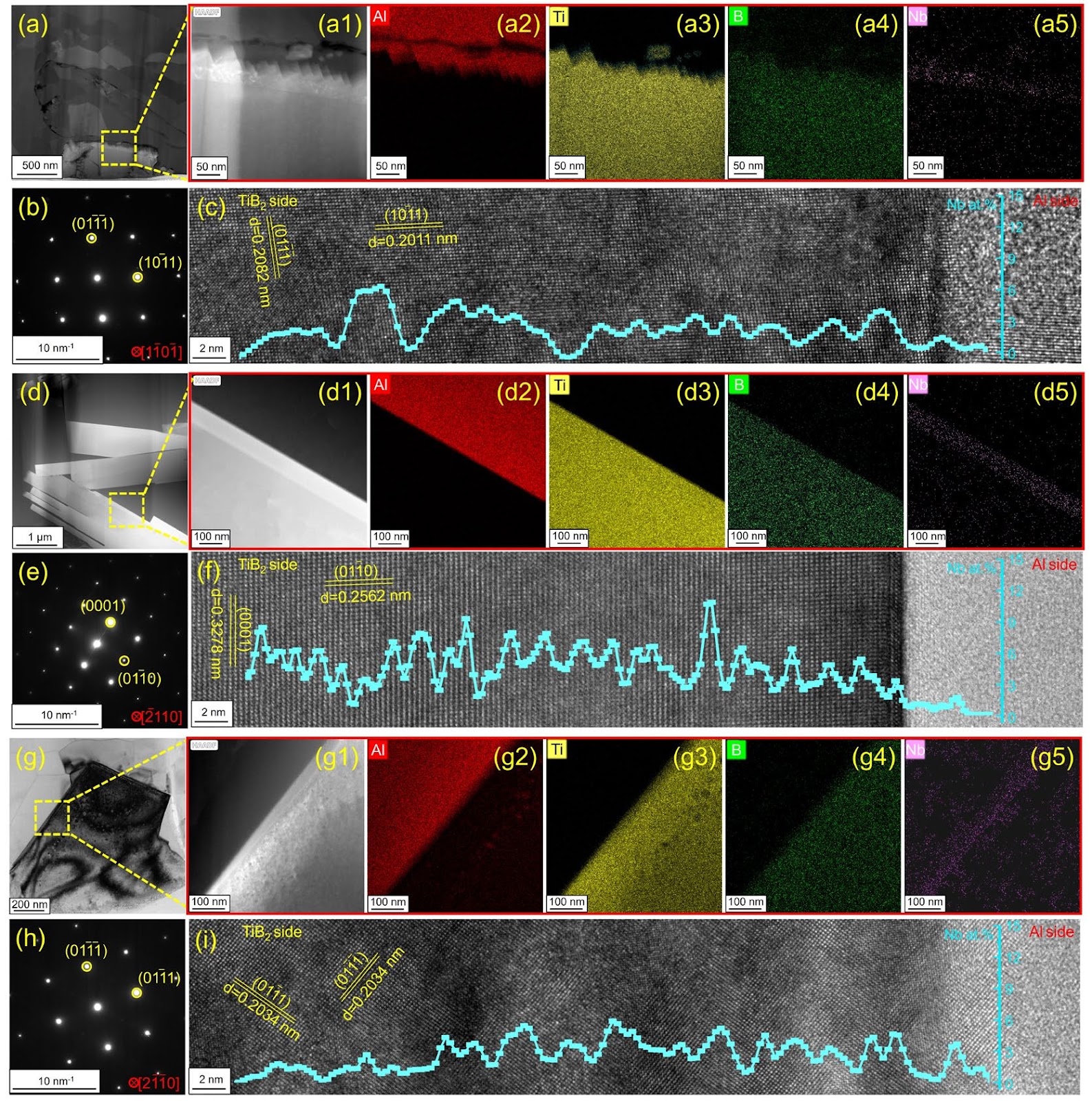
Abstract: In recent years, Al-Ti-Nb-B grain refiners have attracted increasing attention due to their grain refinement performance and anti-Si poisoning ability. This study investigates the influence of the introduction sequence of Ti and Nb during the synthesis of Al-4Ti-1Nb-1B refiners on their refinement performance on CP-Al and a series of Al-Si alloys (Al-3.5Si, Al-7Si, and Al-10.5Si). It is found that Al-4Ti-1Nb-1B prepared by introducing Ti prior to Nb exhibits the best grain refinement and anti-Si poisoning compared to samples where Nb is introduced before Ti or where both are added simultaneously. This Ti-first approach demonstrates superior grain refinement performance across CP-Al, Al-3.5S1, Ai-7Si, and Al-10.5Si alloys, especially at higher Si contents. It refines the grain size of Al-7Si to 150.1±27.5 μm from over 1,500 μm for the unrefined alloy. This superior performance is attributed to the variation in ground-state energy ΔE for the Ti prior to Nb sequence is lower than that of other sequences, thereby facilitating Nb adsorption on the TiB2 surface. TEM observations corroborate these findings, showing that TiB2 prepared by this sequence has the highest average Nb content of 3.80at.%. First-principles calculations reveal that this unique Nb adsorption enhances the TiB2/Al interfacial adhesion energy Wad and suppresses the segregation tendency of Si atoms at the interface, κSi(cSi). The higher the Nb adsorption at the TiB2/Al interface, the stronger the resistance to Si poisoning. These findings underscore the pivotal role of Nb-modified TiB2 in improving grain refinement and offer a novel strategy for advancing grain refiner technologies in Al-Si alloys.

Effect of Nb, Ti introduction sequence on adsorption of Nb on TiB2 surface and grain refinement performance of Al-4Ti-1Nb-1B
Graphical Abstract
Original ResearchVol. 23, No. 3 • pp. 283-290DOI: 10.1007/s41230-026-5163-9Jan 15, 2026

In situ monitoring of surface depressions in metal laser additive manufacturing and its interlayer transfer mechanism

Authors: Jie Li, Jie Wan, Zi-jian Chen, Jin-shan Li, Jun Wang

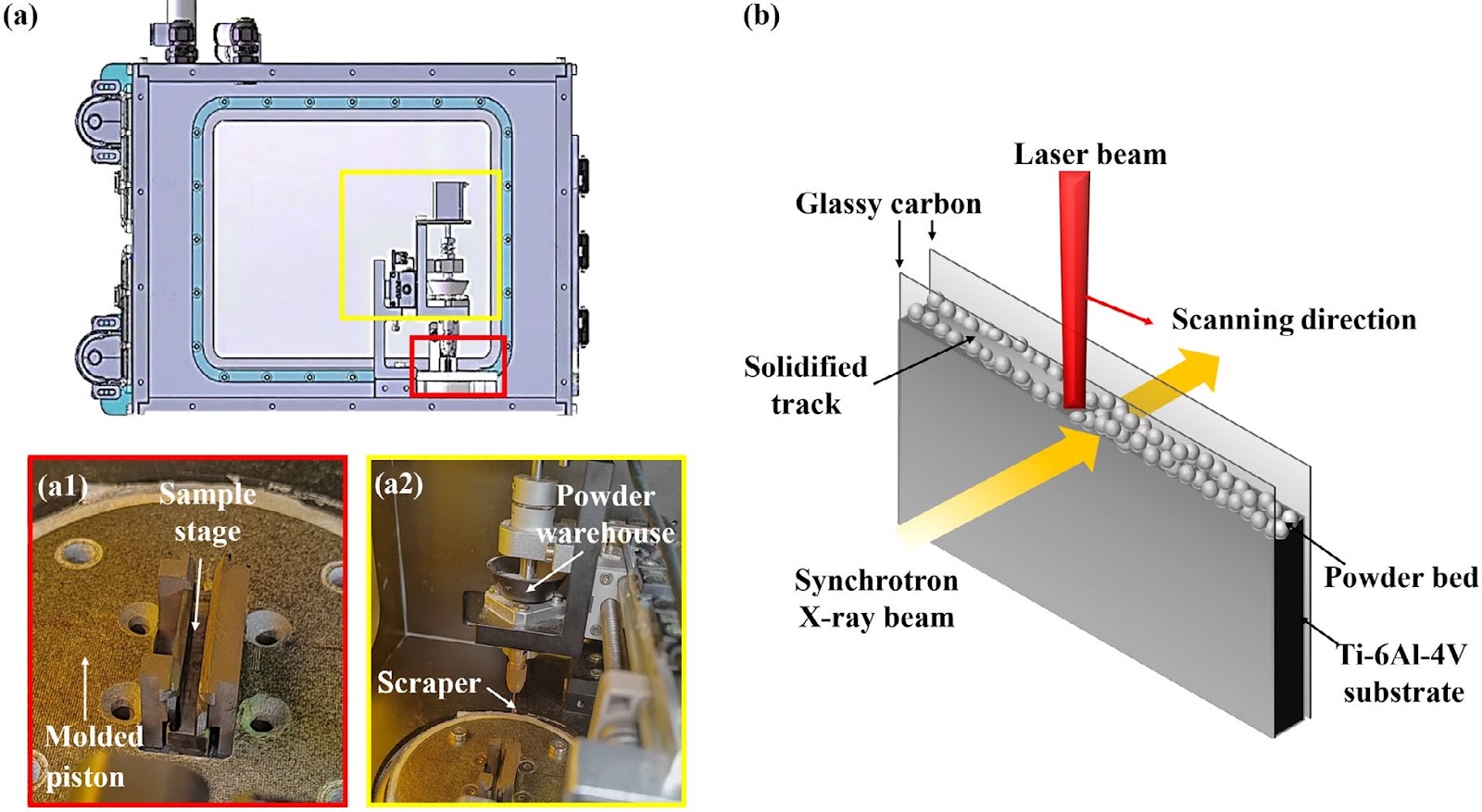
In laser powder bed fusion (LPBF) additive manufacturing, surface depressions caused by melt pool instability can induce defects throughout the layer-by-layer printing process. To address the limited understanding of interlayer defect transmission mechanisms, synchrotron X-ray in situ imaging was used to systematically investigate the dynamic evolution of surface depressions during multi-pass printing by adjusting interlayer process parameters. Experimental results show that insufficient energy input in the first layer leads to balling and fracture of melt tracks. When the energy input in the second layer is increased, local overheating at the gap between melt tracks from the previous layer causes surface depressions. Reducing the energy input in the third layer hinders melt backflow, enlarging the depression region. Further lowering the energy input in the final layer leads to the formation of internal unfused defects. This study reveals the dynamic correlation between surface depressions and interlayer defect evolution, offering critical experimental evidence and theoretical guidance for closed-loop interlayer process control in laser additive manufacturing.

In situ monitoring of surface depressions in metal laser additive manufacturing and its interlayer transfer mechanism
Graphical Abstract
Original ResearchVol. 23, No. 3 • pp. 421-434DOI: 10.1007/s41230-026-5206-2Jan 15, 2026

Effect of critical tempering on microstructure evolution, mechanical performance, and corrosion behavior of a cast multiphase stainless steel

Authors: Jing-yu He, Guo-qiang Liu, Zi-xiang Wu, Hua-wei Zhang, Xiang Chen

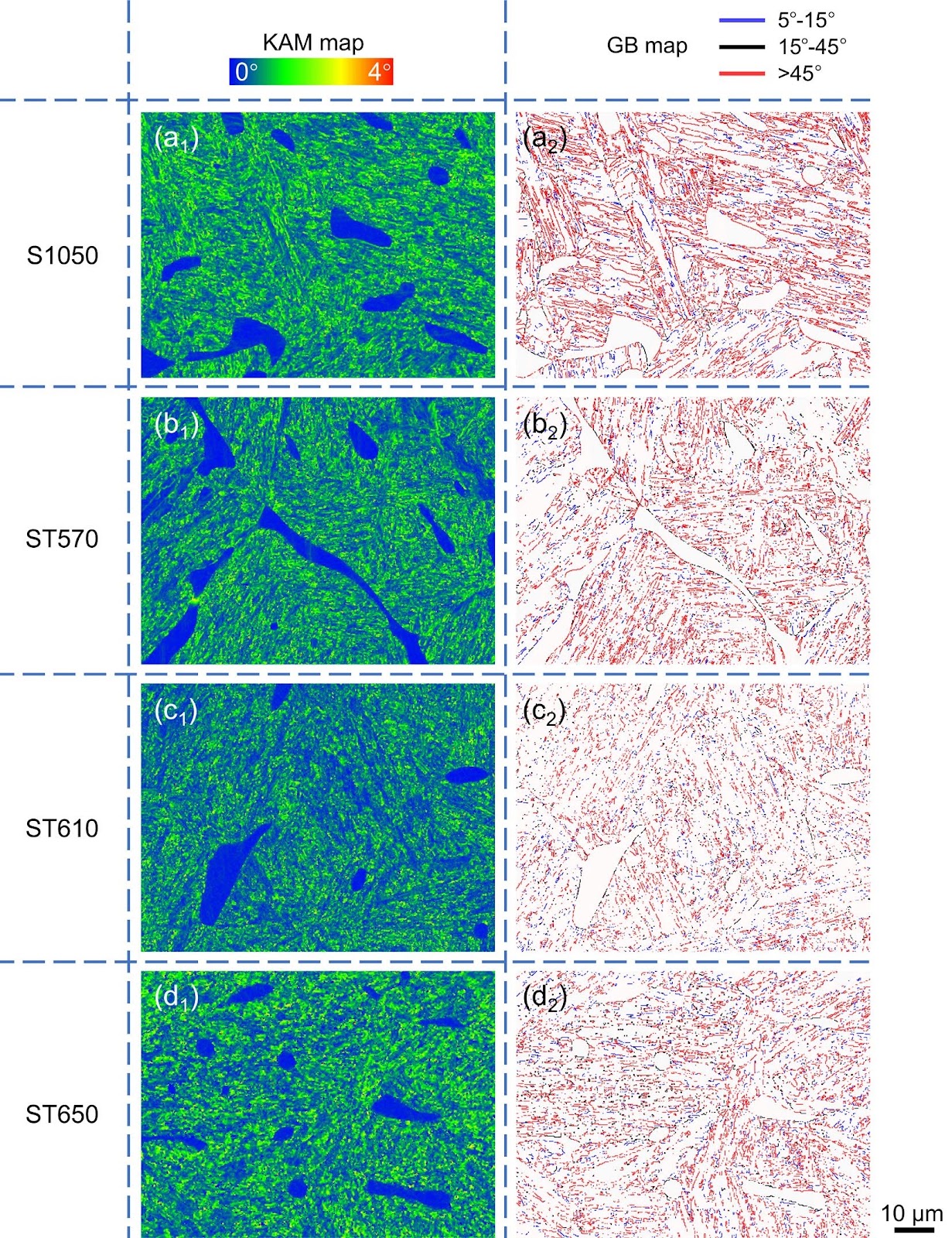
A novel cast stainless steel featuring a multiphase microstructure and a nominal composition of Fe-13.5Cr-2.6Si-6.9Ni-1.1Cu-1.1Mn-1.0Mo-0.35Al-0.025C (wt.%) was investigated. Following solution treatment at 1,050 °C and water quenching, the specimens were subjected to further tempering at 570 °C, 610 °C, and 650 °C to explore the effects of critical tempering on microstructure, mechanical properties, and corrosion resistance. Various characterization techniques were employed to examine the phase distribution within the microstructure, with particular attention given to the content and morphology of reverted austenite. Tensile and corrosion tests were carried out to evaluate the performance of the specimens. The results reveal that critical tempering significantly enhances the mechanical properties, with the specimen tempered at 610 °C achieving the highest product of strength and elongation (PSE=23.6 GPa·%), whereas corrosion resistance deteriorates with increasing tempering temperature. Calculations of the martensite start temperature (Ms) and stacking fault energy (γSFE) for the reversed austenite in different specimens indicate that the stability of reversed austenite strongly influences mechanical behavior through the TRIP and TWIP effects. However, tempering-induced Cr segregation at ferrite/martensite interfaces and the formation of Cr-depleted zones become more pronounced at higher tempering temperatures, leading to a degradation in corrosion resistance. Furthermore, multiphase coordinated deformation improves the strength-ductility balance, while corrosion tends to initiate at chemically inhomogeneous phase boundaries.

Effect of critical tempering on microstructure evolution, mechanical performance, and corrosion behavior of a cast multiphase stainless steel
Graphical Abstract
Original ResearchVol. 23, No. 3 • pp. 385-395DOI: 10.1007/s41230-026-5274-3Jan 15, 2026

Intelligent design of cooling systems for aluminum alloy die-casting dies: A framework integrating topology optimization and particle swarm optimization

Authors: Le-chuan Li, Ya-jun Yin, Xu Shen, Wen Li, Xiao-yuan Ji, Chao-jian Liang, Wei Wei, Jian-xin Zhou

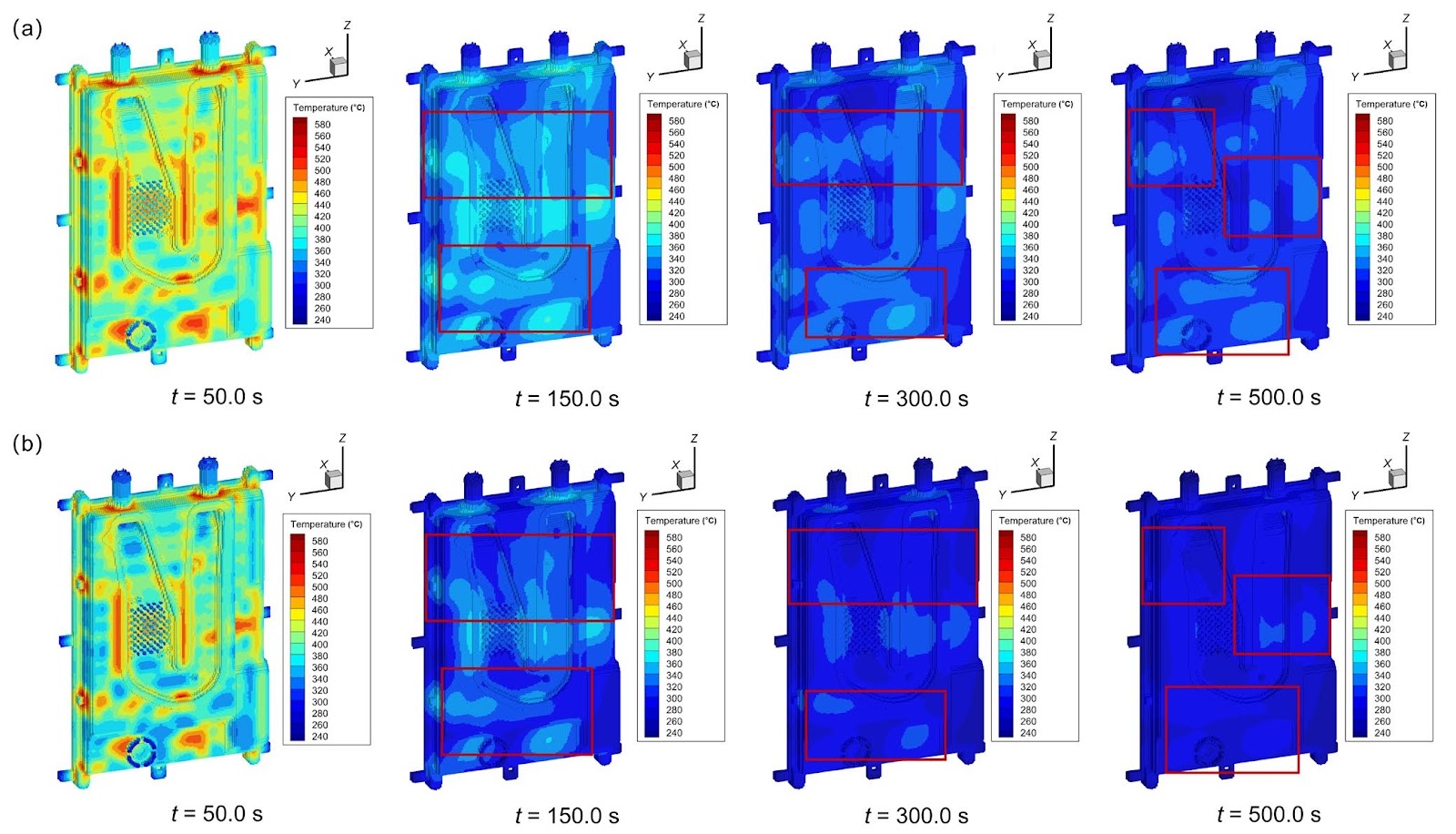
With the growing demand for lightweight and high-performance components in automotive and aerospace industries, aluminum alloy die-castings are evolving toward larger dimensions and thinner walls, posing significant challenges to thermal management during solidification. Traditional cooling channel designs often fail to ensure uniform temperature distribution, leading to defects such as shrinkage porosity and deformation. This study proposes an automated design framework integrating the moving morphable components (MMC) topology optimization method with particle swarm optimization (PSO) to generate efficient and manufacturable cooling channel layouts for A380 aluminum alloys. Firstly, a systematic initialization strategy was developed with component dimensions of 4-10 mm in width and 15-40 mm in length, along with discrete orientation angles. The optimization process effectively guided components toward high-temperature regions identified through numerical simulation, followed by post-processing operations including temperature-based sorting, overlap removal, and component interconnection. The final design with 20 retained components was selected. Then, castings with a conventional cooling system and without any cooling system were employed as benchmark cases for comparison with the current optimized design. Compared with the conventional and no-cooling cases, the current cooling system exhibits a consistently lower temperature standard deviation after 30 s, maintains superior thermal uniformity throughout solidification, and achieves this improvement without comprising the average temperature.

Intelligent design of cooling systems for aluminum alloy die-casting dies: A framework integrating topology optimization and particle swarm optimization
Graphical Abstract
Original ResearchVol. 23, No. 3 • pp. 336-344DOI: 10.1007/s41230-026-5243-xJan 15, 2026

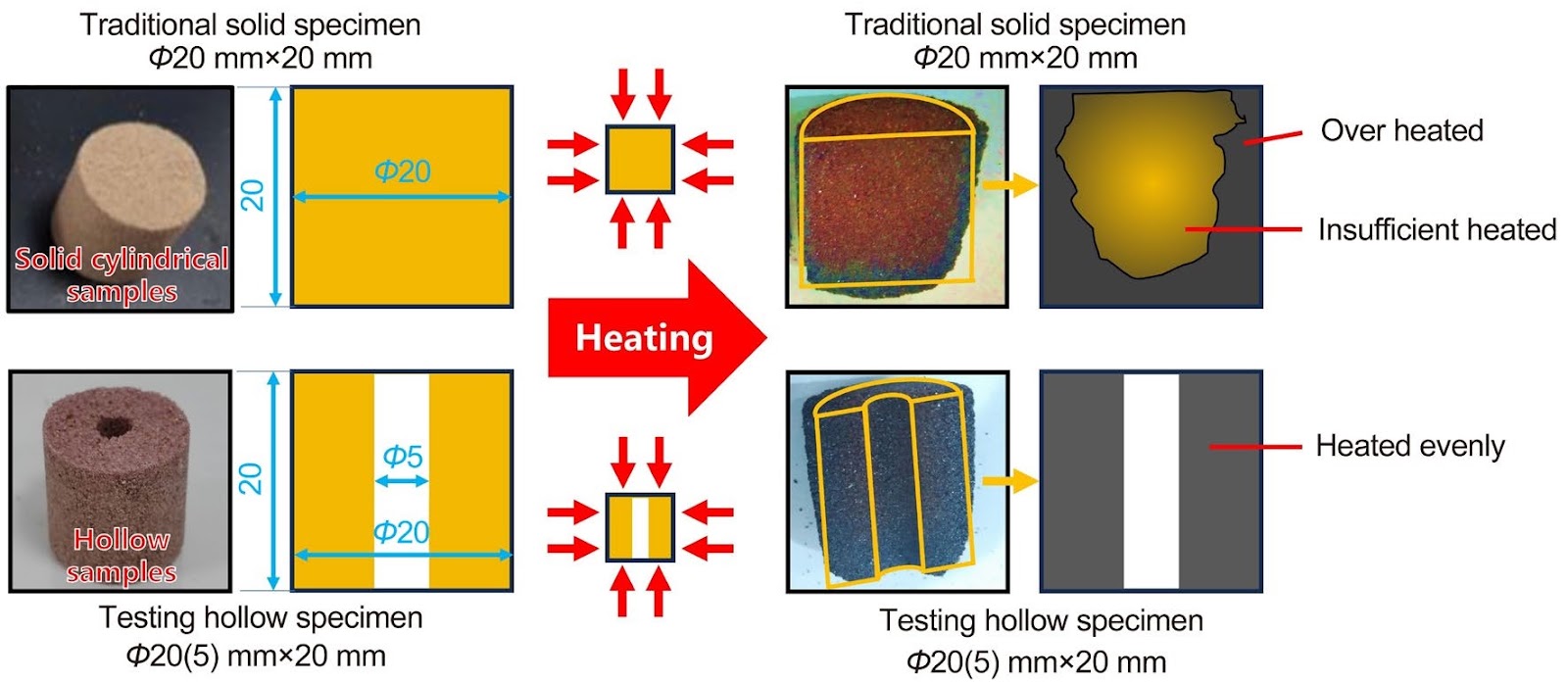
Factors influencing high-temperature compressive strength of alkaline phenolic resin-bonded sand

Authors: Xin Peng, Yu-yang Qi, Peng Yu, Peng Wan, Zhen-wei Liu, Wen Li, Xu Shen, Xiao-yuan Ji, Ya-jun Yin, Yuan-cai Li, Jian-xin Zhou

During the casting process, no-bake resin-bonded sand molds and cores rapidly heat up upon contact with high-temperature molten metal, causing dramatic changes in the resin binder system and a significant deterioration in mechanical properties, which subsequently leads to casting defects. To reveal the mechanism behind the evolution of high-temperature performance, the effects of resin content, base sand type, and particle size on the compressive strength of alkaline phenolic no-bake resin-bonded sand at temperatures ranging from 600 °C to 1,000 °C were investigated. The results show that the temperature range of 600-800 °C represents the primary stage of strength loss, corresponding to intense resin decomposition. Meanwhile, structural reorganization of the carbon skeleton above 900 °C can lead to a partial recovery of strength. This study provides key data and theoretical support for understanding the high-temperature mechanical behavior of resin-bonded sand and its relationship with casting defects.

Factors influencing high-temperature compressive strength of alkaline phenolic resin-bonded sand
Graphical Abstract
Original ResearchVol. 23, No. 3 • pp. 367-376DOI: 10.1007/s41230-026-5146-xJan 15, 2026

Control of fine grain structures and strengthening-toughening mechanisms in magnesium alloys fabricated by wire-arc directed energy deposition

Authors: Wei Liu, Hai-long Jia, Yi-hang Yang, Min Zha, Artem Marchenkov, Pin-kui Ma, Hui-yuan Wang

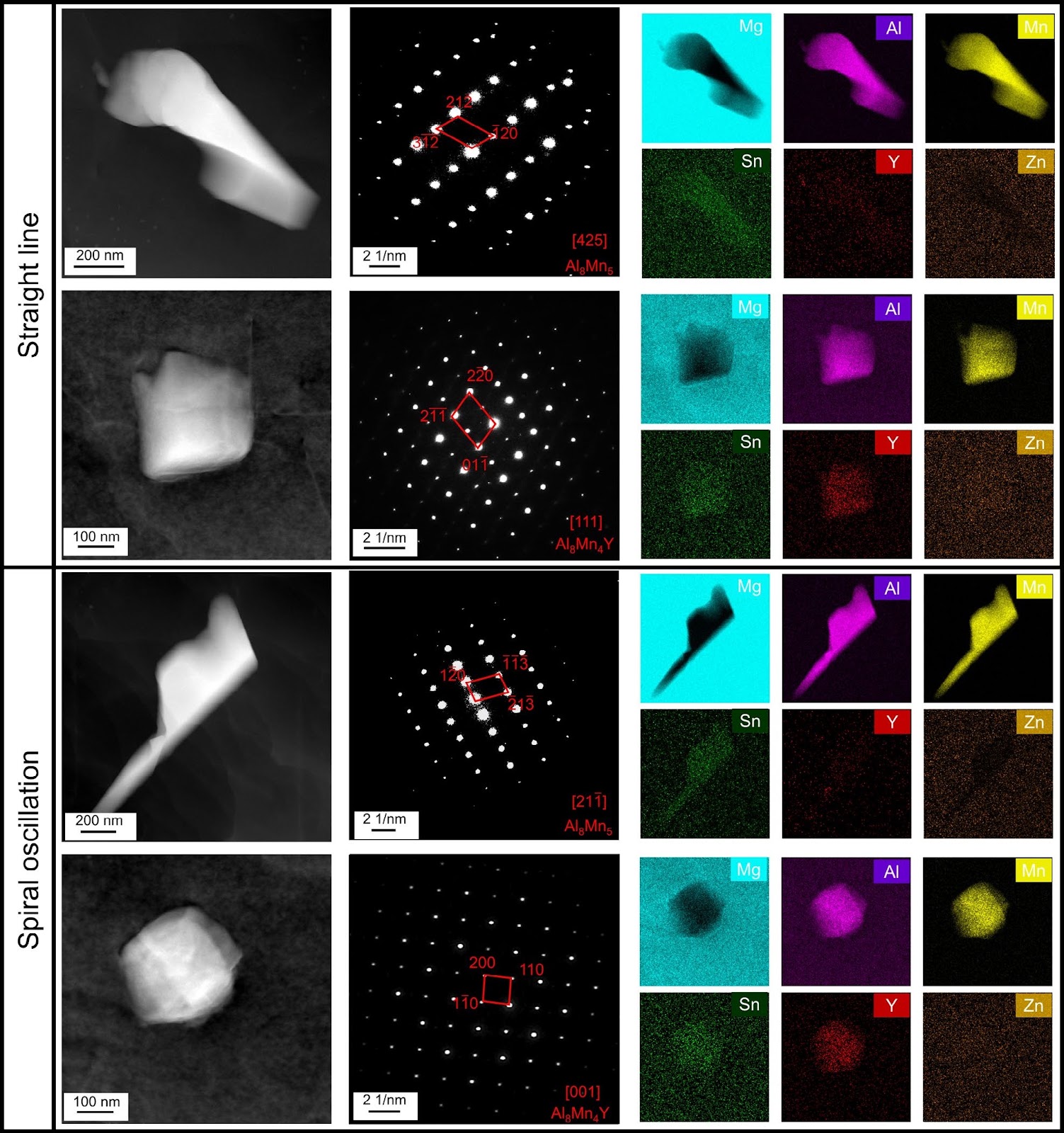
Wire-arc directed energy deposition (WA-DED) has attracted considerable attention for the fabrication of magnesium (Mg) alloys due to its high efficiency, low cost, and rapid prototyping capability for complex components. However, the inherent rapid solidification and complex thermal cycling associated with WA-DED often result in coarse columnar grains and pronounced mechanical anisotropy, which severely limiting its application potential. In this study, a novel spiral oscillation (SO) strategy was implemented during WA-DED AZ31 Mg alloy to refine the microstructure, reduce mechanical anisotropy, and achieve a strength-ductility synergy. Specifically, the yield strength (YS), ultimate tensile strength (UTS), and elongation (EL) are increased by 9.7%, 38.1%, and 147%, respectively. These improvements by the SO strategy are primarily attributed to the promotion of columnar-to-equiaxed transformation (CET), a 74.2% reduction in maximum texture intensity, and a more uniform distribution of second-phase particles. Second-phase particles are primarily composed of Al8Mn5 and Al8Mn4Y. This study provides a novel strategy for microstructural control aimed at improving the performance of WA-DED AZ31 Mg alloy components.

Control of fine grain structures and strengthening-toughening mechanisms in magnesium alloys fabricated by wire-arc directed energy deposition
Graphical Abstract
Original ResearchVol. 23, No. 3 • pp. 327-335DOI: 10.1007/s41230-026-5208-0Jan 15, 2026

Effects of natural and forced convections on dendritic growth in thin-walled Al-Cu alloy by counter-gravity casting: A phase-field lattice-Boltzmann study

Authors: Jia-tuo An, Da-fan Du, Li-jun Zhang, An-ping Dong, Bao-de Sun

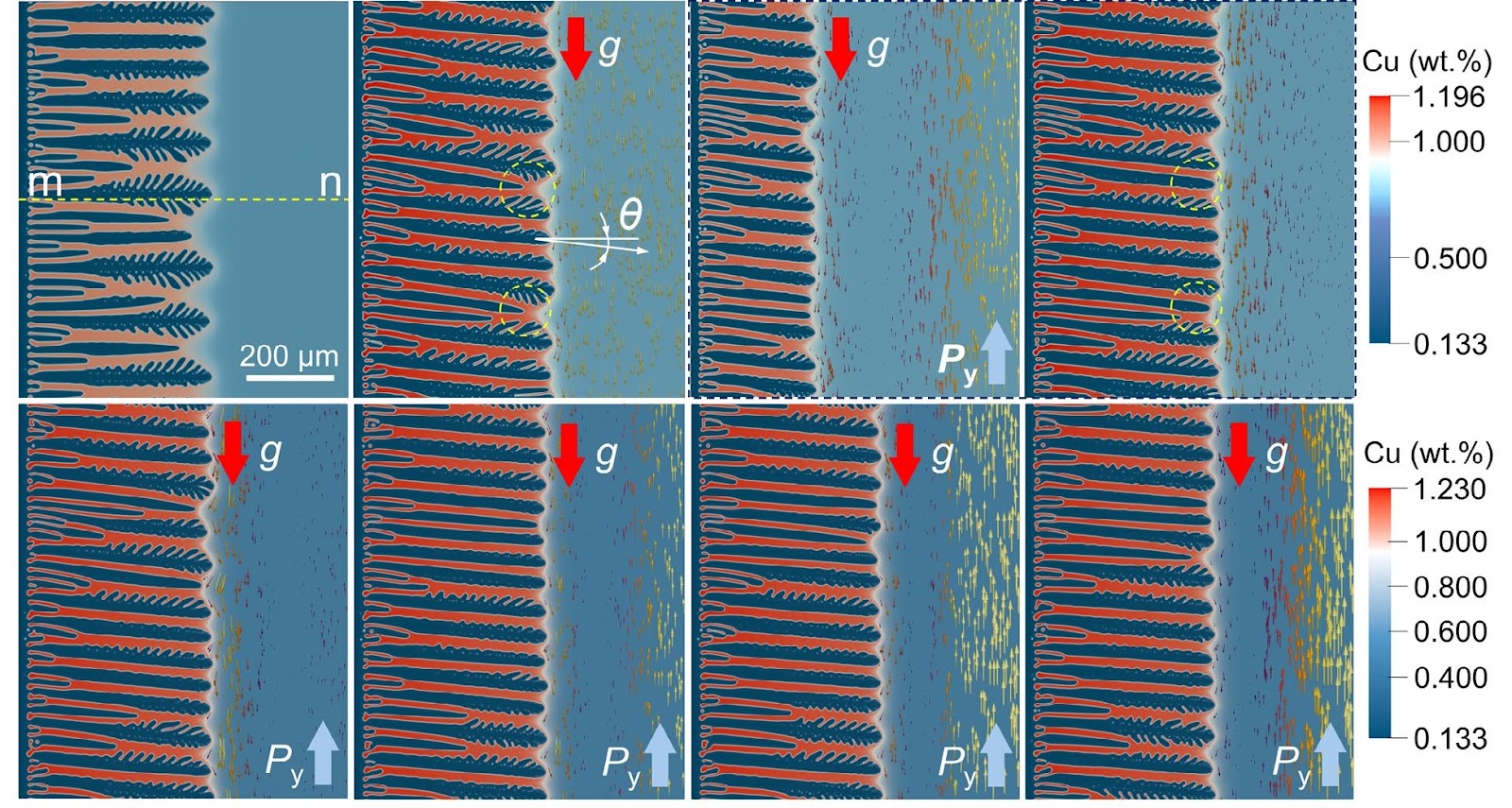
Thin-walled aluminum alloys, prized for their high specific strength, are critical to modern aerospace and other advanced industries. Counter-gravity casting (CGC) is a premier method for fabricating such components, where precise control over solidification microstructure is paramount. However, this control is challenged by the complex interplay of forced and natural convection during solidification. This study employs a coupled multiple-relaxation-time lattice Boltzmann (D2Q9) and quantitative phase-field model to simulate dendritic growth in a thin-walled Al-0.576wt.%Cu alloy. Simulations reveal that convection disrupts dendritic symmetry: for equiaxed crystals, solute plumes and asymmetric arm growth are observed, while for columnar dendrites, an optimal applied force exists that refines the microstructure without compromising economic viability. Furthermore, forced convection consistently reduces the inclination angle of primary dendrites. These findings, validated against experimental data, elucidate the micro-mechanisms of dendritic growth under convection, providing critical theoretical guidance for optimizing CGC processes.

Effects of natural and forced convections on dendritic growth in thin-walled Al-Cu alloy by counter-gravity casting: A phase-field lattice-Boltzmann study
Graphical Abstract
Original ResearchVol. 23, No. 3 • pp. 303-314DOI: 10.1007/s41230-025-5127-5Jan 15, 2026

Tuning needle-like precipitation for enhanced strength-ductility synergy in a non-equiatomic FeNiCoCuTi high-entropy alloy

Authors: Li-ran Huang, Zhi-ming Li, Wei-ping Chen, Zhi-qiang Fu

Precipitation strengthening is an effective strengthening strategy widely utilized in high-entropy alloys (HEAs) with a single-phased face-centered cubic (fcc) structure. In recent research works, reinforcing phase adopted are mostly focused on equiaxed or nearly equiaxed structures (e.g., spherical, cubic, and rod-like), while relatively rare studies on the strengthening effects of needle-like precipitates with large aspect ratios. The η-D024 phase, like the L12 strengthening phase most commonly used in fcc-structured HEAs, features an ordered Ni3Ti-type structure and also exhibits a comparable strengthening effect. However, since the η phase often co-precipitates with other precipitates in alloy system, the strengthening effect of the sole η-D024 phase in fcc-structured alloys remains to be further explored. In this study, microstructural evolution, phase transformation, and mechanical behaviors of a non-equiatomic Fe27Ni27Co26Cu10Ti10 HEA were systematically investigated. Results show that following high-temperature heat treatment, the microstructure of the studied HEA transforms from a combination of the fcc, L12, Cu-rich, and η phases in the as-cast state to a fcc+η structure in the heat-treated state. Meanwhile, the mechanical properties of the heat-treated HEA are significantly improved, with a total elongation increasing from approximately 0.9% to 7.5%. The enhanced ductility of the heat-treated alloy can be attributed to the strong hindering effect of numerous needle-like η phase at the grain boundaries, which restricts crack propagation and dislocation movement. This study develops a novel η-strengthened FeNiCoCuTi HEA, expanding the selection of available reinforcing phases in fcc-structured alloys and providing valuable insights into the phase transformation and strengthening effect of the η-D024 phase.

Tuning needle-like precipitation for enhanced strength-ductility synergy in a non-equiatomic FeNiCoCuTi high-entropy alloy
Graphical Abstract
Original ResearchVol. 23, No. 3 • pp. 315-326DOI: 10.1007/s41230-026-5263-6Jan 15, 2026

Microstructure and mechanical properties evolution of near-β alloy Ti-4Al-6Cr-5Mo-5Nb-xTa

Authors: Jia-qi Hao, Hong-ze Fang, Xing-fang Xue, Ji-chang Yu, Bo-bo Li, Bao-hui Zhu, Rui-run Chen

To meet the aerospace industry’s demand for aircraft featuring high thrust-to-weight ratios and lightweight structures capable of operating in complex service environments, β titanium alloys with high specific strength and good plasticity have become a current research hotspot in the development of domestic fasteners. Based on the calculated Mo equivalent, the alloy composition Ti-4Al-6Cr-5Mo-5Nb is classified as a near-β titanium alloy within the titanium alloy design space. The microstructure is further controlled by adding alloy element Ta with a mass fraction of 0.4wt.%-2.0wt.%. Research results indicate that Ta dissolves completely in the matrix without forming new phases within the investigated range. As the Ta content increases, the proportion of the β phase increases significantly, the β grain diameter decreases markedly from 2.4 mm to 0.4 mm, and the α phase gradually coarsens. When adding 1.6wt.% Ta, the tensile strength and fracture toughness of the alloy reach the peak values of 735 MPa and 55 MPa·m1/2, respectively.

Microstructure and mechanical properties evolution of near-β alloy Ti-4Al-6Cr-5Mo-5Nb-xTa
Graphical Abstract
Original ResearchVol. 23, No. 3 • pp. 291-302DOI: 10.1007/s41230-026-5154-xJan 15, 2026

Microstructure and mechanical properties of high pressure die casting AE81 magnesium alloy battery module ends

Authors: He-cong Xie, Jiang-feng Song, Chuang-ming Li, Zhi-hua Dong, Ang Zhang, Jiang Zheng, Dao-yan Yang, Wei Ren, Xian-yue Qin, Hong-fen Feng, Dong-xia Xiang, Bin Jiang

AE81 magnesium alloy castings for electric vehicle battery module ends were fabricated using high pressure die casting (HPDC). Effects of filling behavior and solidification sequence on the spatial distribution of microstructure and mechanical properties were systematically investigated. The results indicate that along the flow path toward the overflow gate, the area fraction of externally solidified crystals (ESCs) gradually decreases, and the average grain size becomes finer, resulting in a slight increase in yield strength. In addition, the pores’ volume fraction significantly affects ductility and tensile strength, with the gate region exhibiting the highest porosity (0.74%) and thus the lowest elongation (4.3%) and ultimate tensile strength (218 MPa). In other regions, the porosity decreases to 0.33%-0.39%, resulting in increased elongation (6%-7%) and higher ultimate tensile strength (235-242 MPa). Analysis of the microstructure-property relationship reveals that the yield strength follows the Hall-Petch relationship, while elongation and tensile strength are negatively correlated with pore volume fraction. This finding elucidates the mechanism behind the formation of performance gradients in HPDC magnesium alloys and provides a theoretical basis for the design of lightweight components in new energy vehicles.

Microstructure and mechanical properties of high pressure die casting AE81 magnesium alloy battery module ends
Graphical Abstract