SinoTechIntel Academic Portal
🏛️ Indexed Academic JournalImpact Factor: 3.8

Surface Technology (表面技术)

Authoritative peer-reviewed journal in materials science, metallurgy, chemistry and engineering technologies: Surface Technology (表面技术)

Total Research Papers: 50
Access: 100% Free Open Access
Browse by Publication Year & VolumeReset All Filters ✕

Published Research PapersFiltered: Year 2026 • Vol. 32 • 8

Showing 10 of 50 peer-reviewed papers with full Graphical Abstracts.

Original ResearchVol. 32, Issue 8 • pp. 100-112DOI: 10.16490/j.cnki.issn.1001-3660.2026.08.008Jan 15, 2026

Effect of Microstructural Evolution on Wear and Cavitation Erosion Resistance of Laser-cladded CoCrNiNbx Medium-entropy Alloy Coatings

Authors: MA Minghao, MA Xinghua, WANG Yongzhe, MU Yongkun, YIN Zihao, LI Haozhen, MA Xingyi, GAO Bo, ZHANG Shuling, GUO Feng

Cavitation erosion and wear failure critically limit the service life of flow-passing components such as pump impellers, turbine blades, and propeller systems subjected to high-speed liquid impact and cyclic flow-induced stresses. This work aims to design a high-performance surface coating with enhanced hardness, wear resistance, and cavitation erosion resistance by tailoring the Nb content in a CoCrNi medium-entropy alloy (MEA) system. CoCrNiNbx (x = 0, 0.2, 0.4, 0.6, 0.8, 1.0, and 1.2) coatings were fabricated on 316L stainless-steel substrates with an FL020 fiber laser under identical processing parameters. The effect of Nb addition on the phase constitution, microstructure, mechanical properties, tribological behavior, and cavitation performance of the coatings was comprehensively investigated to determine the optimal composition for balanced mechanical and anti-erosion properties. Phase analysis by X-ray diffraction (XRD) showed that increasing Nb content promoted a transition from a single face-centered cubic (FCC) solid solution to a dual FCC + hexagonal close-packed (HCP) phase structure. The emergence and growth of the Nb-rich HCP phase were accompanied by pronounced lattice distortion and precipitation strengthening. Microstructural characterization using field-emission scanning electron microscopy (SEM) combined with energy-dispersive spectroscopy (EDS) revealed that Nb preferentially segregated along interdendritic regions, where fine HCP-phase precipitates gradually formed a semi-continuous strengthening network. Electron backscatter diffraction (EBSD) analysis further quantified grain size and phase distribution. The average microhardness of the coatings initially increased and then decreased with increasing Nb molar ratio x, peaking at 689 HV0.1 for x = 0.6, approximately 3.7 times that of the substrate. Wear performance followed the same trend. Cavitation erosion tests demonstrated that the CoCrNiNb1.0 coating exhibited optimal cavitation erosion resistance, with mass loss significantly lower than that of the 316L substrate, achieving an order-of-magnitude improvement. The optimal Nb addition (x = 0.6–1.0) balances strength and toughness, significantly enhancing the wear and cavitation erosion resistance of CoCrNi-based MEA laser-cladded coatings. This study provides experimental evidence and process references for engineering applications of CoCrNi-based MEA coatings in high-flow-velocity liquid impact environments.
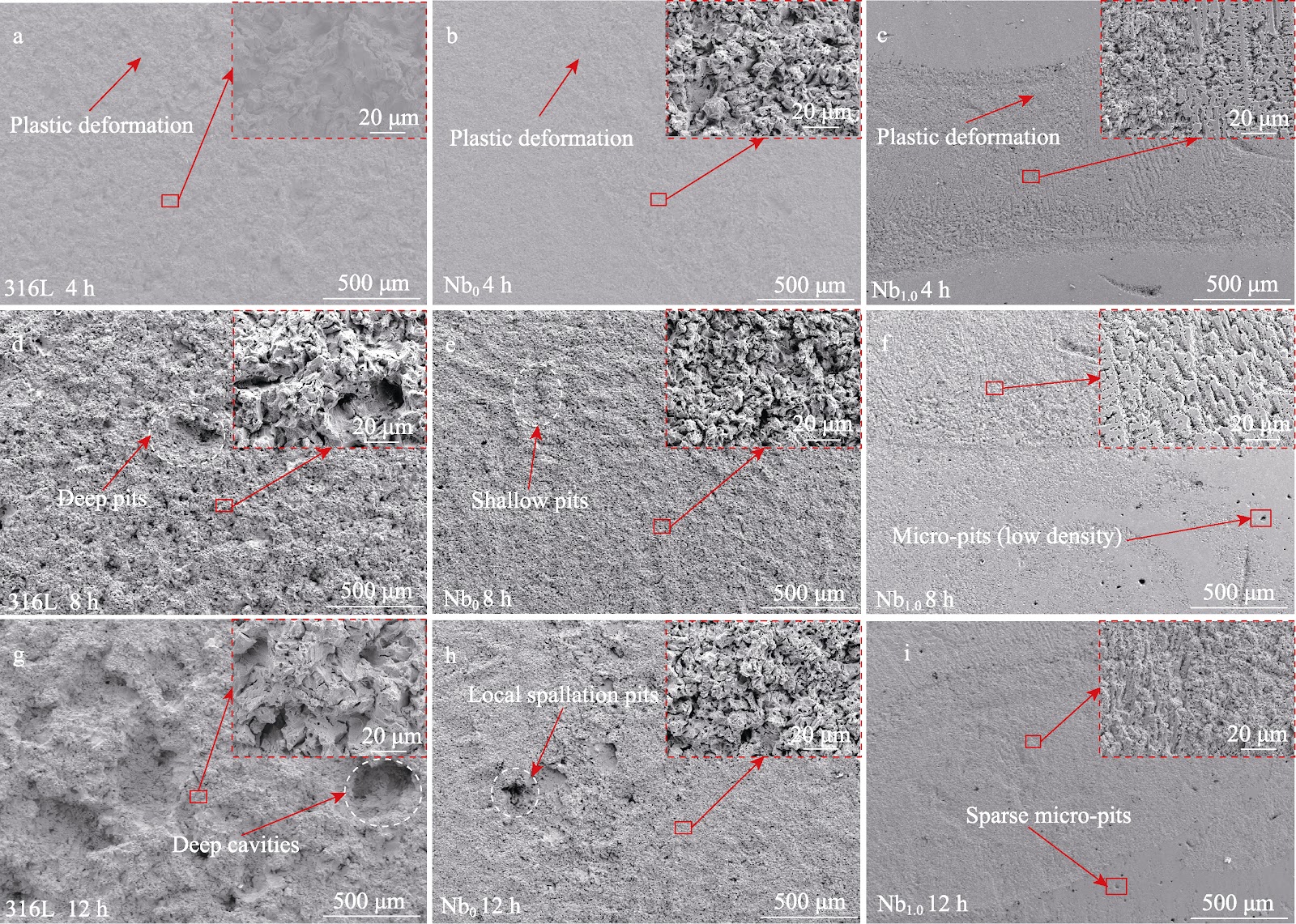
Effect of Microstructural Evolution on Wear and Cavitation Erosion Resistance of Laser-cladded CoCrNiNbx Medium-entropy Alloy Coatings
Graphical Abstract
Original ResearchVol. 32, Issue 8 • pp. 100-112DOI: 10.16490/j.cnki.issn.1001-3660.2026.08.009Jan 15, 2026

Laser Micro-additive Manufacturing with Copper Embedding and Its Effect on the Corrosion Resistance of Metal Surfaces

Authors: WANG Mingjia, WANG Fukai, WANG Huixin, SHI Zhizhong, LIU Chao, WANG Qinghua, BAI Zongchun

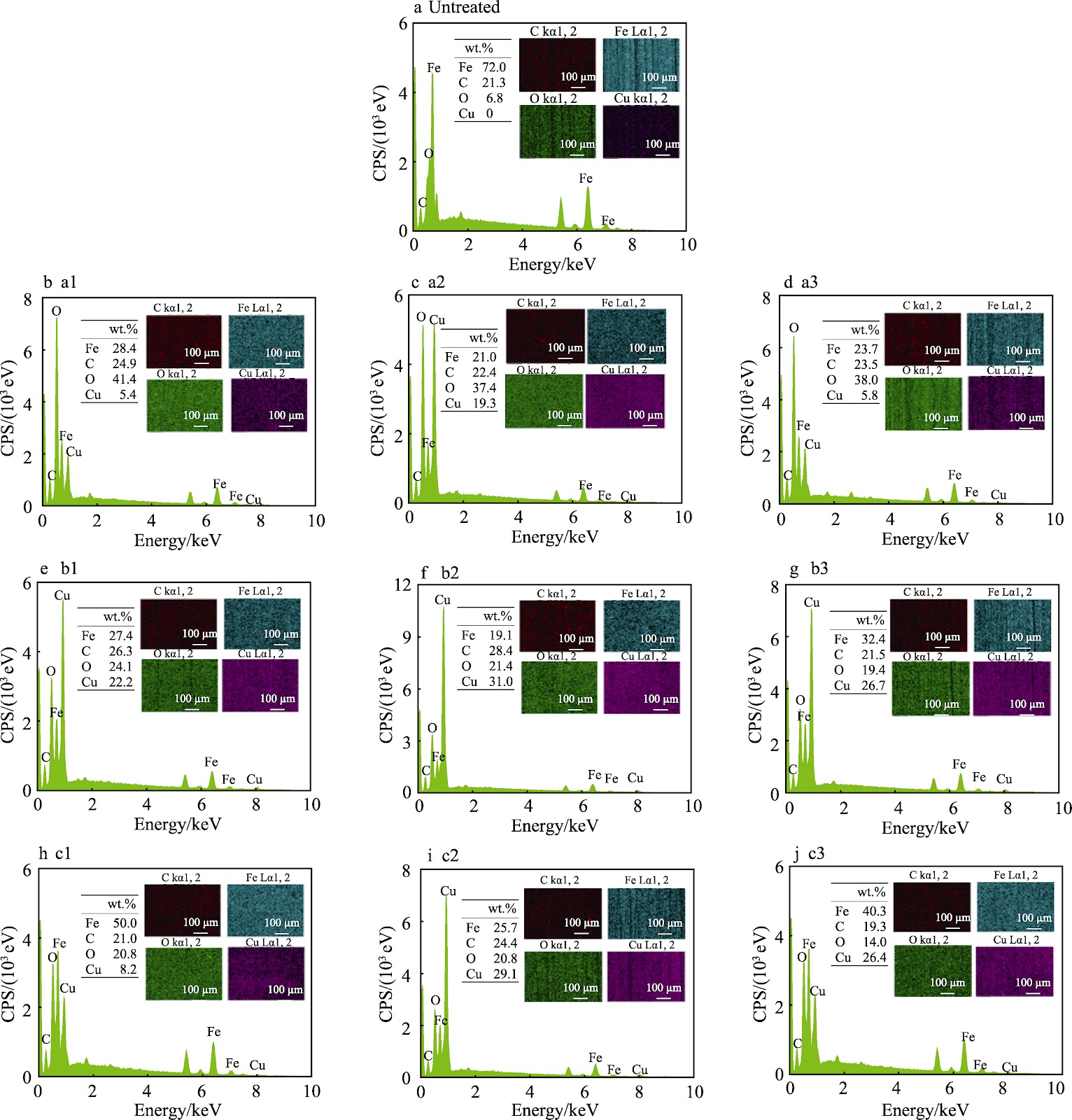
This study addresses the corrosion failure of SS304L stainless steel in breeding environments by developing a laser micro-additive copper-embedded surface functionalization process. A 355 nm nanosecond laser with 60 W average power, 40 kHz repetition rate, and 16 ns pulse width was used to embed a 0.12 µm Cu foil onto SS304L substrates under three coating strategies: single-layer, double-layer, and double-pass, each at scanning speeds of 400, 800, and 1200 mm/s. Surface characterization via 3D profilometry, SEM, EDS, and XPS revealed regular grooves and micro-concave structures with height differences increasing from 0.1 µm (untreated) to 1.6–3.8 µm, with the double-pass sample achieving the maximum 3.8 µm. Cu particles were successfully embedded, forming CuO and Cu2O oxide layers. Electrochemical tests in 3.5 wt.% NaCl solution showed that the optimal sample (double-layer coating at 800 mm/s, designated b2) exhibited the highest corrosion potential (increased by ~0.04 V), a one-order-of-magnitude reduction in corrosion current, and a maximum charge transfer resistance (Rct) of 6954 Ω·cm². These results demonstrate that laser micro-additive embedding of copper synergistically enhances the corrosion resistance of stainless steel through surface texturing, copper particle incorporation, and oxide film formation.

Laser Micro-additive Manufacturing with Copper Embedding and Its Effect on the Corrosion Resistance of Metal Surfaces
Graphical Abstract
Original ResearchVol. 32, Issue 8 • pp. 100-112DOI: 10.16490/j.cnki.issn.1001-3660.2026.08.006Jan 15, 2026

Prediction of Geometric Characteristics of Laser Cladding Process by the GWO-BPNN Algorithm

Authors: DONG Gang, JIANG Zhiyue, WANG Minjie, FAN Shaojun, FAN Dongsheng, YAO Zhehe, CHEN Zhijun, ZHANG Qunli

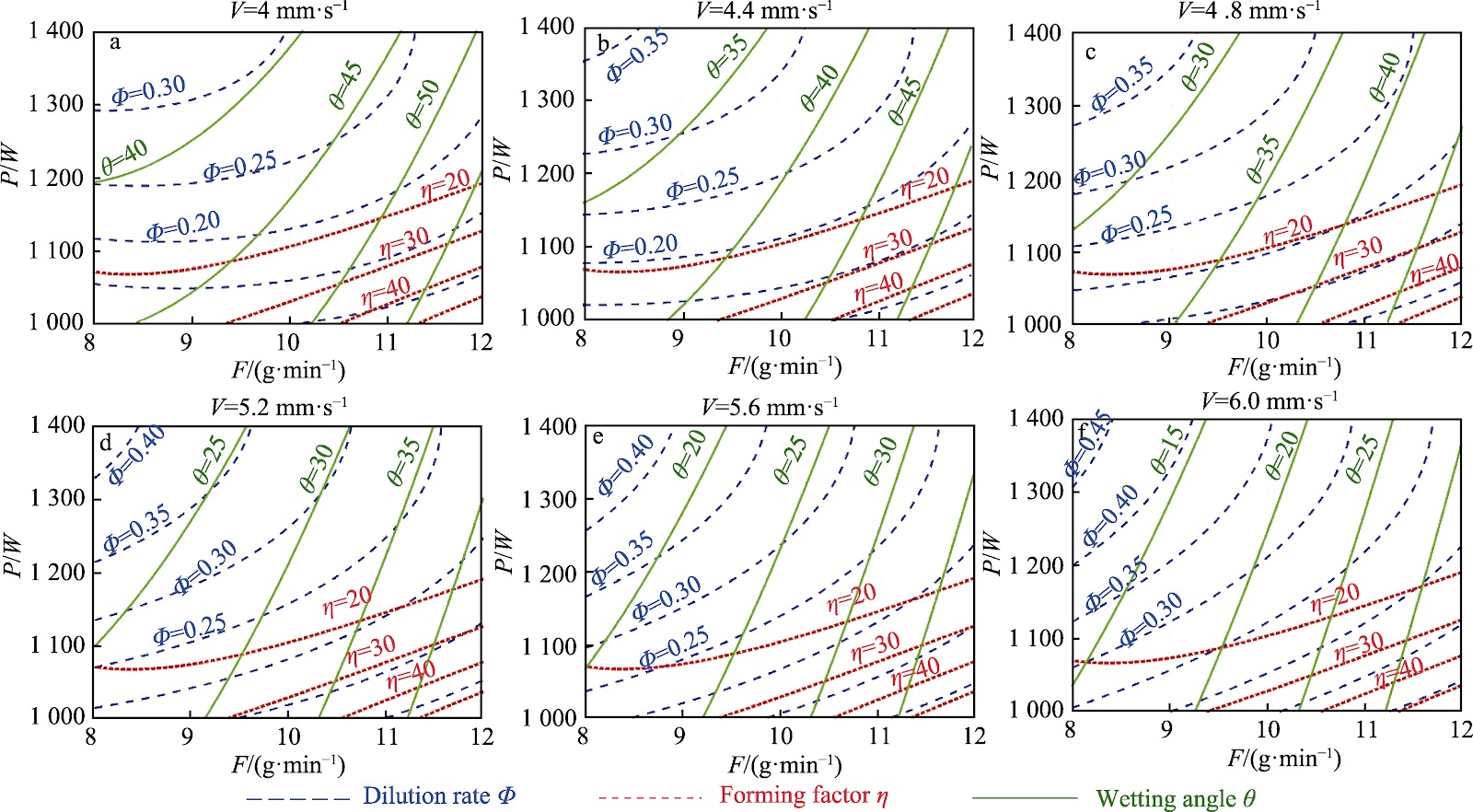
Laser cladding is a green surface modification technology widely used in aerospace and other high-end fields, but traditional process optimization methods such as single-variable analysis and orthogonal experiments suffer from low efficiency and high cost. The geometric characteristics of the cladding layer—dilution rate, forming coefficient, and wetting angle—directly determine service performance. Existing machine learning models often fail to achieve multi-objective optimization and comprehensive prediction. This study proposes a hybrid algorithm combining Grey Wolf Optimizer (GWO) with Backpropagation Neural Network (BPNN) to predict geometric quality indicators. Full-factorial single-track laser cladding experiments were conducted on 316L stainless steel with 316L alloy powder. A polynomial regression model predicted clad width and height with relative error below 4.2%. The GWO-BPNN model predicted dilution rate, forming coefficient, and wetting angle with an average coefficient of determination (R²) of 95.28%, a 12.4% improvement over traditional BPNN (82.93%). Experimental and inverse validation confirmed stable predictive performance across different parameter ranges, meeting engineering tolerance requirements. The method provides a quantitative basis for multi-dimensional optimization of cladding quality and demonstrates practical applicability in industrial scenarios.

Prediction of Geometric Characteristics of Laser Cladding Process by the GWO-BPNN Algorithm
Graphical Abstract
Original ResearchVol. 32, Issue 8 • pp. 100-112DOI: 10.16490/j.cnki.issn.1001-3660.2026.08.007Jan 15, 2026

Scuffing Resistance of Carburized Gear Steel with Laser-cladded Ni-based Composite Coatings

Authors: SHI Jinfang, DU Jiajun, YIN Chaochao, ZHAN Shengpeng, SHI Lubing, LIU Zhongming, DING Haohao, WANG Wenjian

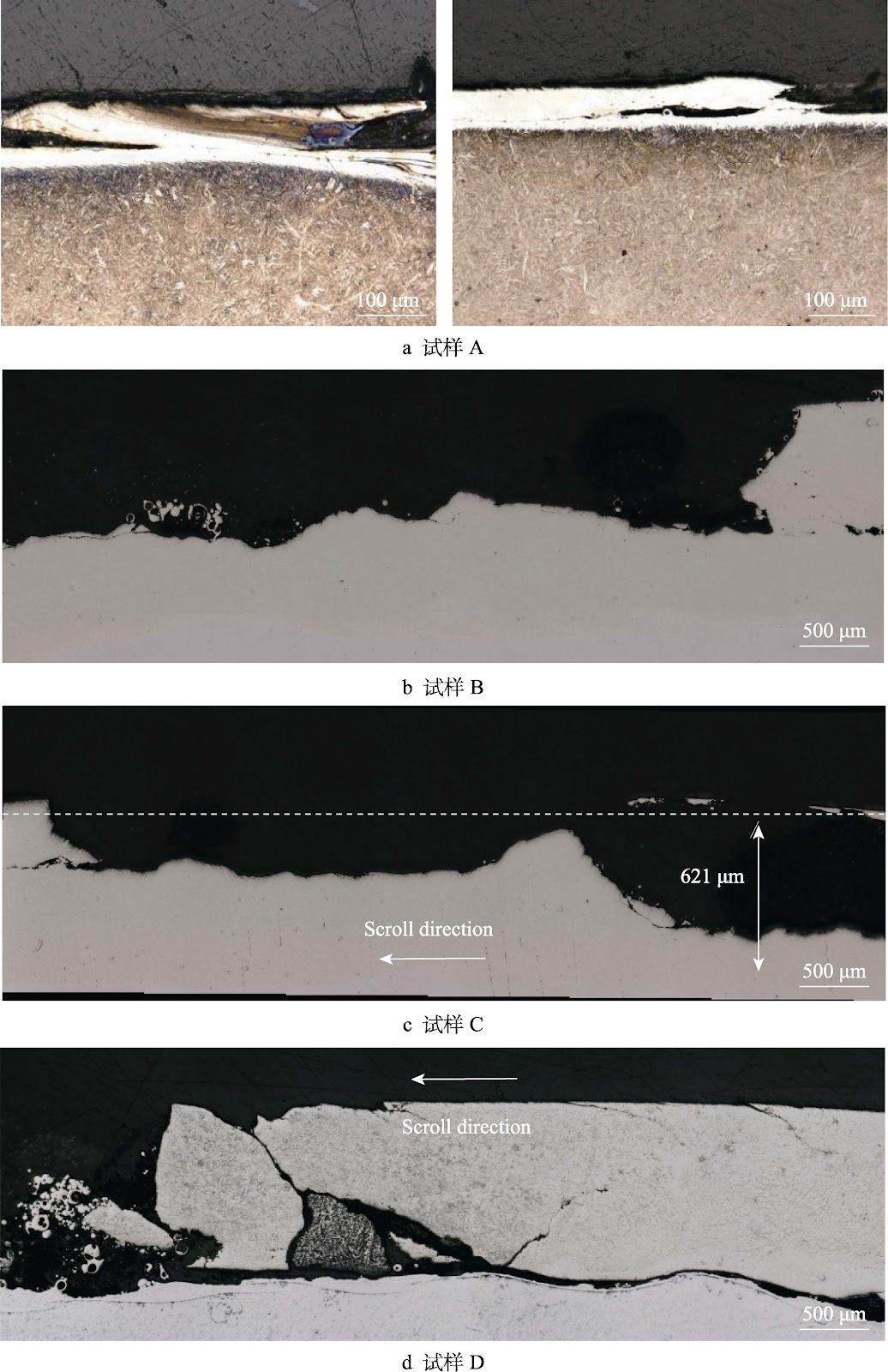
Scuffing constitutes a rapid, catastrophic failure mode in high-speed, heavy-duty gear transmissions, and enhancing scuffing load capacity remains a critical challenge for high-power-density systems. This study investigates the feasibility of laser cladding to improve scuffing resistance and repair scuffed tooth surfaces on 18CrNiMo7-6 gear steel. Three substrate conditions—tempered, carburized, and carburized with pre-induced scuffing damage—were coated with NiCr20-3%ZrO2-1%MoS2 (mass fraction) via a MobiMRO-2 laser cladding system with synchronous powder feeding. The cladded layer, approximately 1.2 mm thick, exhibited a dendritic, cellular, and irregular particulate microstructure with hardness of 690–730 HV0.1, comparable to the carburized case. Laser cladding induced significant heat-affected zone (HAZ) transformations: tempered steel formed lath martensite and lower bainite near the coating, with spheroidized structures in the lower HAZ; carburized steel developed coarse acicular martensite at the top, refined structures in the middle, and troostite at the bottom, with overall temper softening. Scuffing tests using a two-disc rolling contact rig under step-wise loading revealed that cladded tempered, cladded carburized, and repaired samples achieved 94.4%, 61.3%, and 50.7% increases in scuffing load capacity, respectively, relative to uncladded carburized baseline. This enhancement stems from increased hardness and the self-lubricating effect of the coating, which reduced interfacial friction coefficient and delayed critical failure. Failure analysis showed that the cladded layer altered crack initiation and propagation paths, significantly raising the critical failure load. The repaired samples, however, exhibited poor bonding at the original damage interface, leading to localized coating detachment. These findings confirm laser cladding as an effective method for enhancing gear scuffing resistance and repairing scuffed surfaces, providing experimental and theoretical support for surface strengthening and damage repair.

Scuffing Resistance of Carburized Gear Steel with Laser-cladded Ni-based Composite Coatings
Graphical Abstract
Original ResearchVol. 32, Issue 8 • pp. 100-112DOI: 10.16490/j.cnki.issn.1001-3660.2026.08.010Jan 15, 2026

Numerical Simulation and Process Parameter Optimization of Laser Hardening for QT500-7 Ductile Cast Iron

Authors: LIANG Qiang, CHEN Hong, XU Binyuan, ZHAO Bin, JIA Yanyan

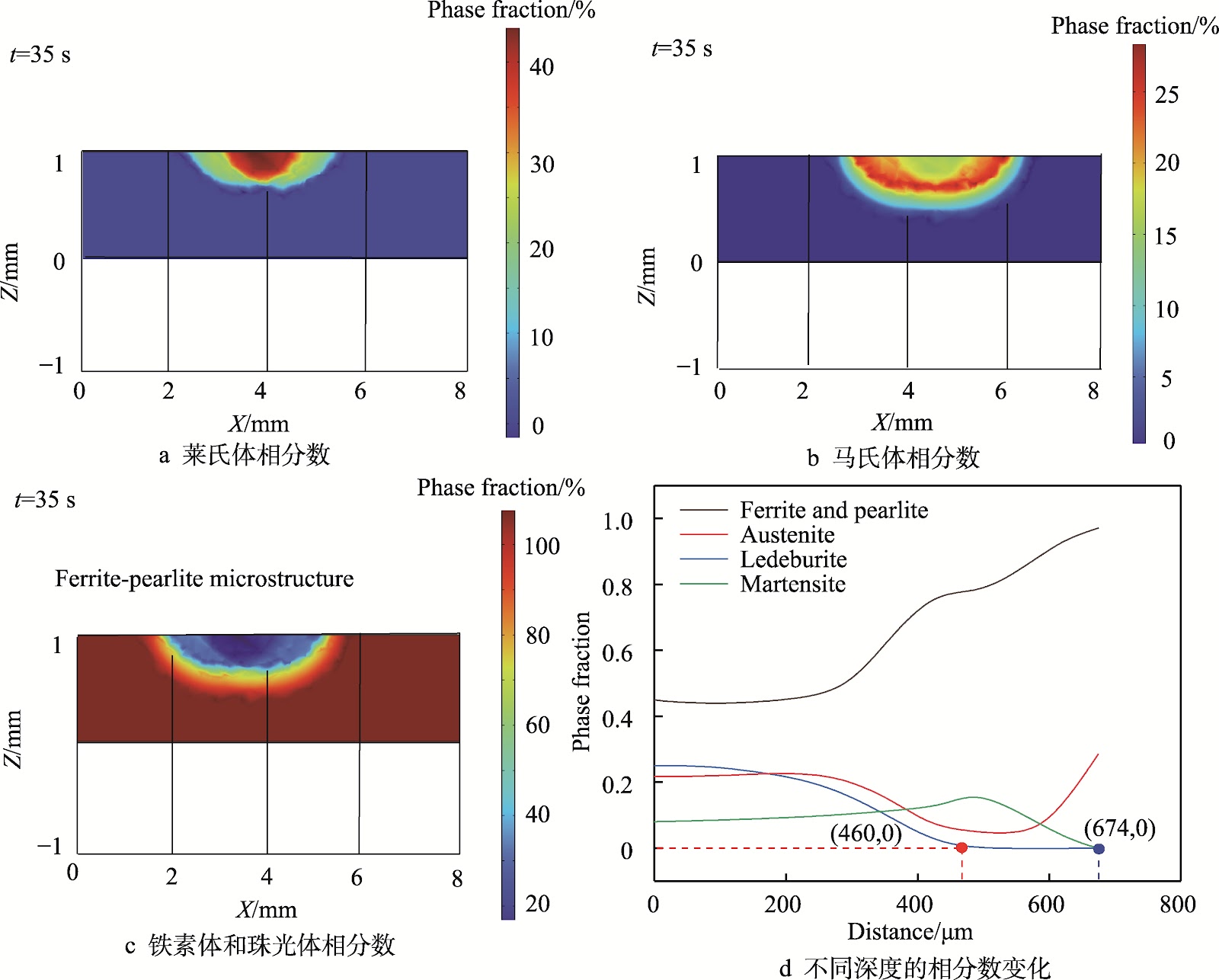
Laser surface hardening of QT500-7 ductile cast iron was investigated through a coupled finite element–machine learning–multi-objective optimization framework. A phase-transformation heat-transfer finite element model screened process windows for laser power (100–400 W), scanning speed (5–15 mm·s⁻¹), and overlap rate (60%–90%). A three-factor, three-level Box-Behnken design yielded hardened layer depth and fused layer depth as response variables. Four predictive architectures were benchmarked: Random Forest (RF), XGBoost, RF-XGBoost ensemble, and Bayesian-optimized RF-XGBoost (BO-RF-XGBoost). The BO-RF-XGBoost model achieved superior accuracy, with relative errors of 6.52% for hardened layer depth and 9.09% for fused layer depth. Multi-objective optimization compared Advantage Actor-Critic (A2C), Multi-Objective Particle Swarm Optimization (MOPSO), and Non-dominated Sorting Genetic Algorithm II (NSGA-II). A TOPSIS-entropy weight method ranked the Pareto front, identifying optimal parameters: laser power 230 W, scanning speed 14 mm·s⁻¹, overlap rate 75%. Experimental validation at these parameters produced a hardened layer depth of 230 μm and fused layer depth of 66 μm, with finite element model errors of 9.13% and 3.03%, respectively. Microhardness measurements showed the fused layer at 940 ± 40 HV0.5 and the hardened layer at 630 ± 30 HV0.5, both significantly exceeding the substrate hardness of 166 ± 15 HV0.5. The framework provides a reliable tool for parameter optimization in laser surface hardening of ductile cast iron.

Numerical Simulation and Process Parameter Optimization of Laser Hardening for QT500-7 Ductile Cast Iron
Graphical Abstract
Original ResearchVol. 32, Issue 8 • pp. 100-112DOI: 10.16490/j.cnki.issn.1001-3660.2026.08.003Jan 15, 2026

Investigation on High Temperature Water Vapor Corrosion Behavior of MCrAlY/8YSZ Thermal Barrier Coatings

Authors: ZHANG Xiao, SU Jianhao, SHEN Hongyu, LIU Guanghua, CHEN Weijie, WANG Lu, XIAO Fei, WANG Jingyang

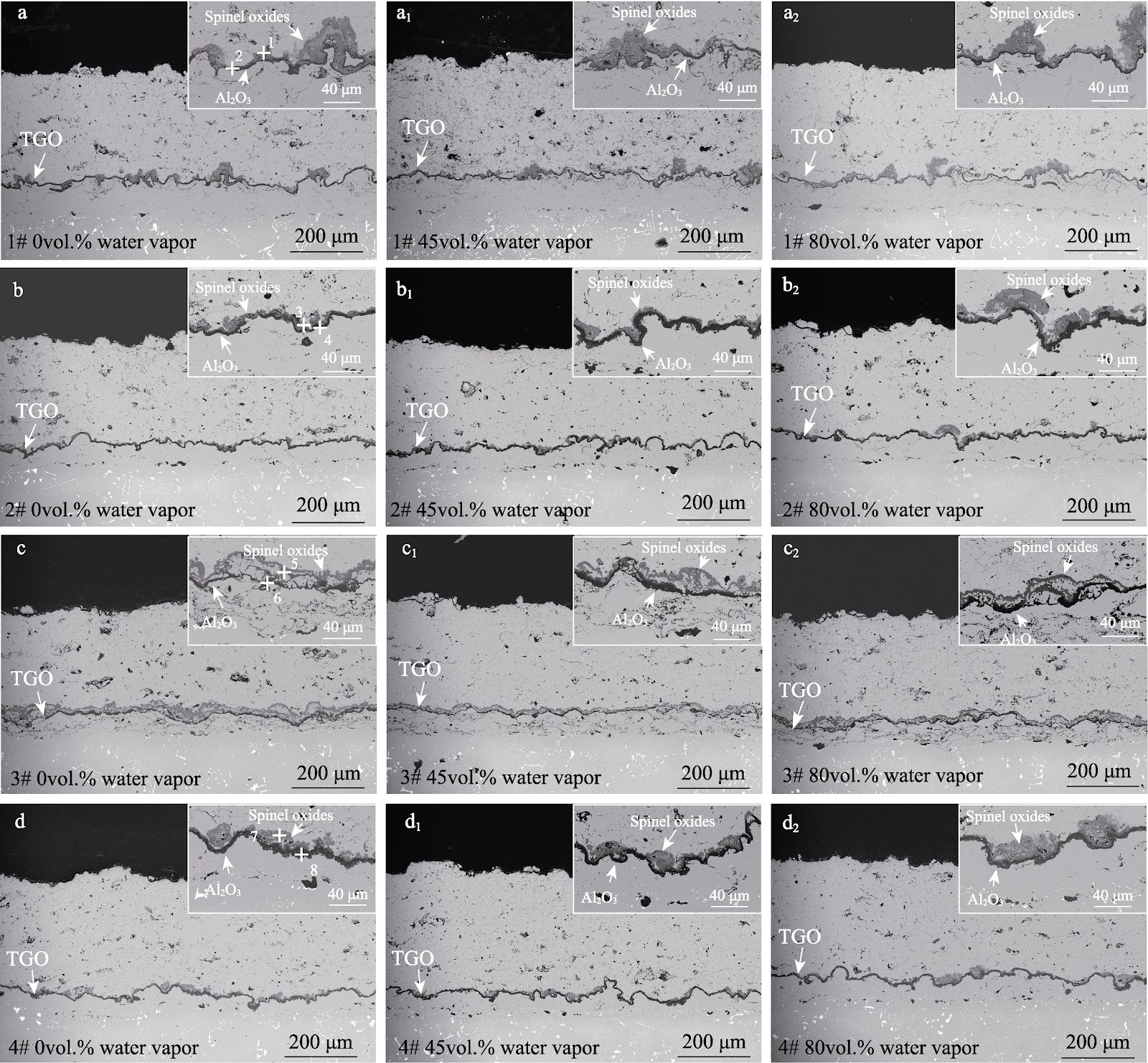
The high-temperature water vapor corrosion behavior of MCrAlY/8YSZ thermal barrier coatings (TBCs) was investigated to address the premature failure of bond coats in hydrogen-blended gas turbine environments. Four MCrAlY bond coats with distinct compositions and microstructures were deposited on MM247 substrates via high-velocity oxy-fuel (HVOF) spraying and atmospheric plasma spraying (APS), followed by APS-deposited 8YSZ ceramic top coats. Corrosion tests were conducted at 1050 °C for 100 h under water vapor contents of 0 vol.%, 45 vol.%, and 80 vol.%. Scanning electron microscopy and energy-dispersive spectroscopy revealed a dual-layer oxide scale consisting of spinel oxides and Al2O3 on all samples. The Al2O3 layer exhibited a continuous, dense microstructure, whereas the spinel oxide grew unevenly with internal porosity. Increasing water vapor content from 0% to 45% and then to 80% progressively elevated the spinel oxide fraction, accelerating bond coat degradation. HVOF-sprayed bond coats, characterized by dense lamellar interfaces, effectively suppressed inward penetration of corrosive species and outward diffusion of metal ions, yielding significantly lower spinel content than APS-sprayed counterparts. The addition of Ta promoted rapid formation of a stable Al2O3 scale and inhibited outward diffusion of other metal cations, with the NiCoCrAlTaY bond coat producing the lowest spinel oxide content and superior protection. These findings indicate that dense bond coat microstructures and Ta alloying are critical for extending TBC service life in high-humidity or hydrogen-blended combustion environments.

Investigation on High Temperature Water Vapor Corrosion Behavior of MCrAlY/8YSZ Thermal Barrier Coatings
Graphical Abstract
Original ResearchVol. 32, Issue 8 • pp. 100-112DOI: 10.16490/j.cnki.issn.1001-3660.2026.08.004Jan 15, 2026

Microstructure and Wear-Corrosion Properties of TiAlN/VN Multilayer Films on Titanium Alloy Connecting Rods

Authors: WU Jie, XU Zhaoying, WANG Jiarong, ZHANG Tengfei, WANG Jinbiao, SU Yongyao

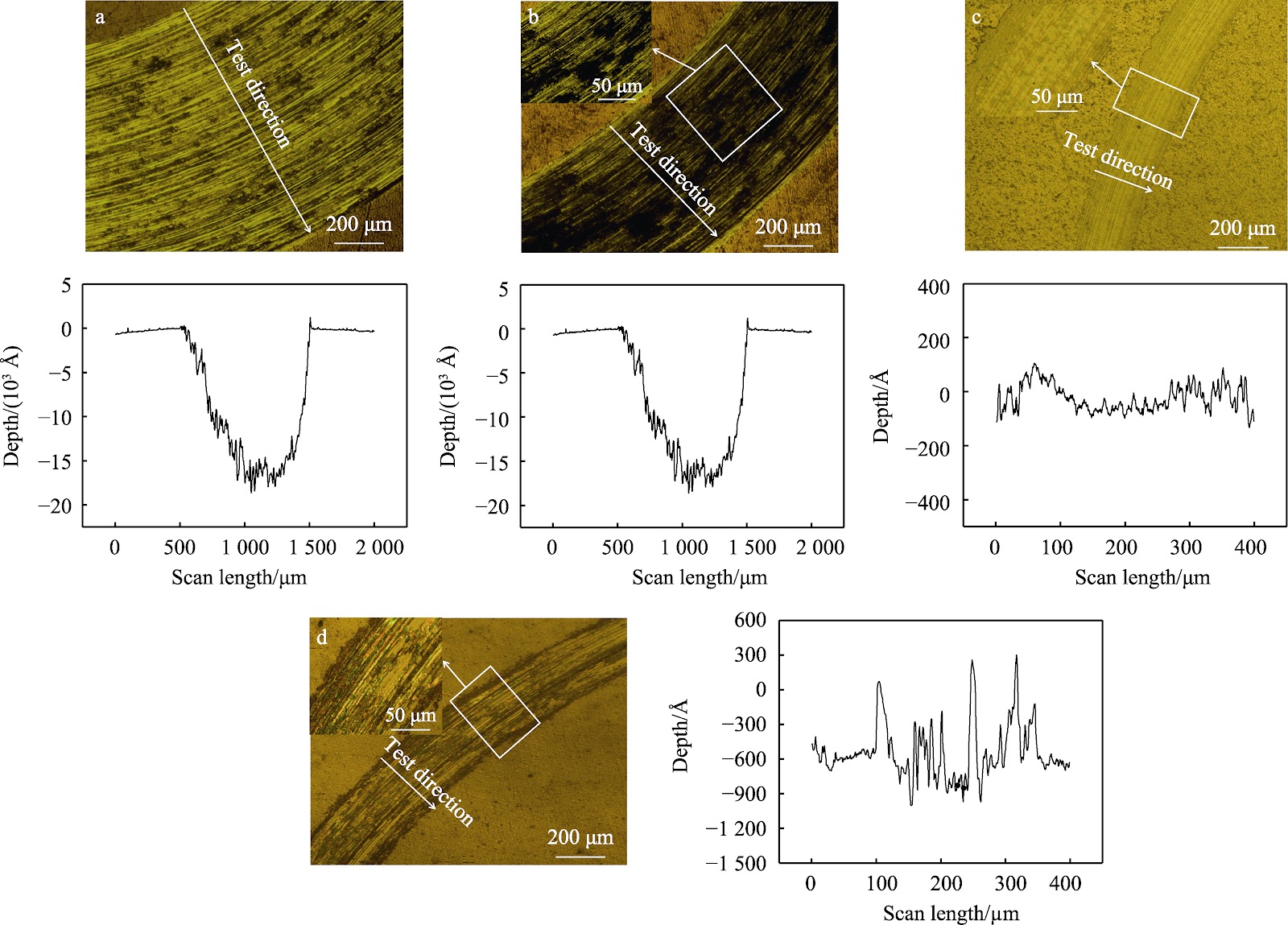
TiAlN/VN multilayer films with modulation periods (Λ) of 186, 280, and other values were deposited on TC4 titanium alloy connecting rods via microwave-enhanced magnetron sputtering to address the inadequate tribological and corrosion performance of monolithic TiAlN and VN coatings. X-ray diffraction confirmed coherent epitaxial growth of a face-centered cubic structure across all multilayers. As Λ decreased from 280 to 186 nm, hardness increased to a maximum of 25.46 ± 0.69 GPa and residual compressive stress decreased to 0.88 GPa, attributed to increased interface density and alternating stress fields that inhibit dislocation motion and relieve internal strain. The multilayer with Λ = 280 nm exhibited the highest H/E and H³/E² ratios, yielding superior fracture toughness, film-substrate adhesion, a stable friction coefficient of 0.5, and optimal wear resistance. Electrochemical testing revealed that the Λ = 186 nm multilayer, with its higher interface count and lower porosity, effectively blocked micro-pores and micro-cracks, increasing the self-corrosion potential and reducing corrosion current density relative to the TC4 substrate. These results demonstrate that TiAlN/VN multilayers provide a dual-function barrier against wear and corrosion, extending the service life of titanium alloy connecting rods in harsh environments and offering a theoretical basis for broadening titanium alloy applications.

Microstructure and Wear-Corrosion Properties of TiAlN/VN Multilayer Films on Titanium Alloy Connecting Rods
Graphical Abstract
Original ResearchVol. 32, Issue 8 • pp. 100-112DOI: 10.16490/j.cnki.issn.1001-3660.2026.08.005Jan 15, 2026

Preparation and Corrosion Resistance of Microcapsule-based Self-reporting and Self-healing Epoxy Coating

Authors: GUO Zanhong, ZENG Xiaotong, ZHANG Kai, LU Qinghong, YANG Xiaokui, LIU Jie

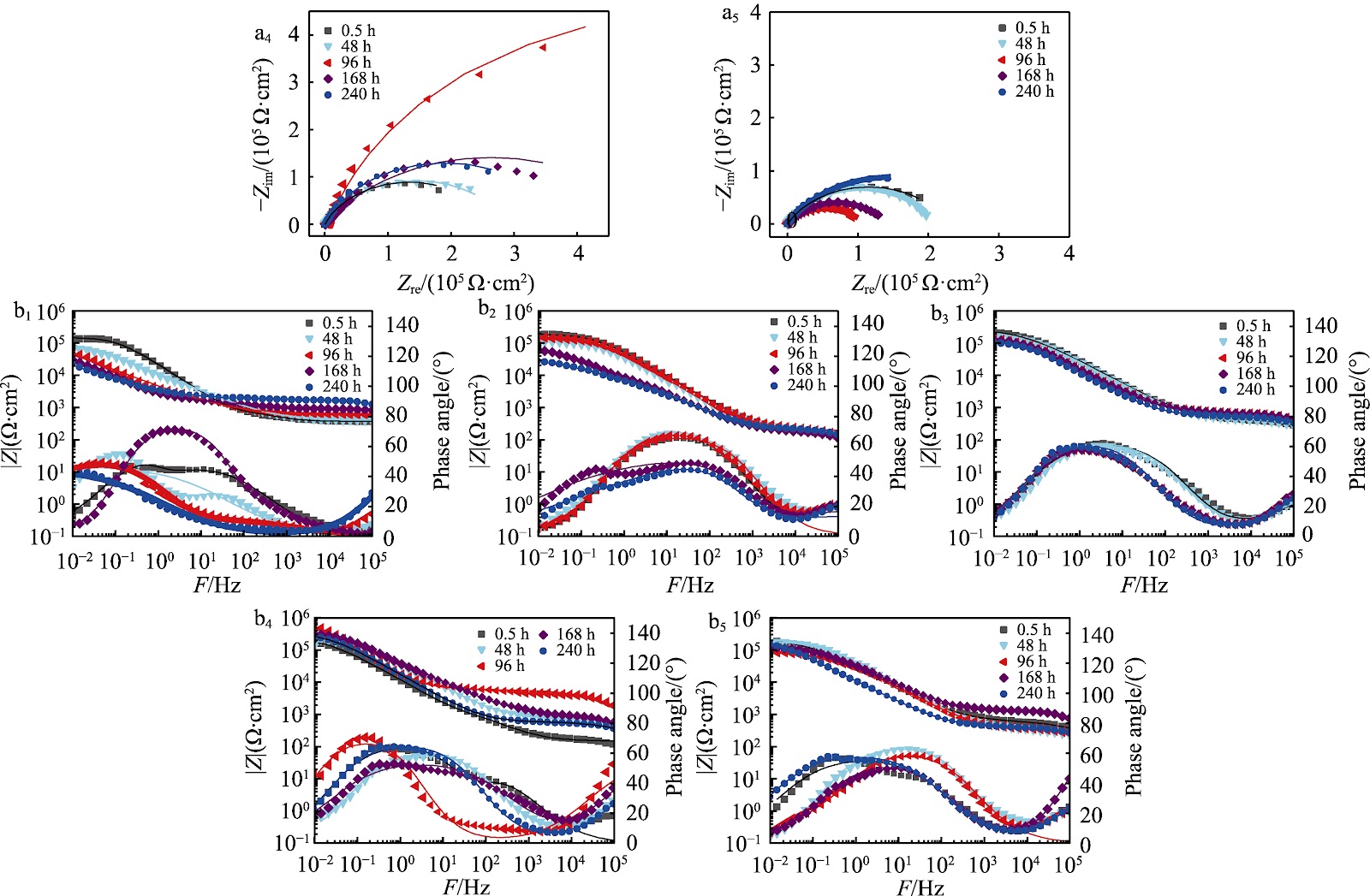
Organic barrier coatings fail prematurely under synergistic marine corrosion factors, necessitating autonomous damage reporting and repair. This study synthesizes DT@PU/UF microcapsules via one-step in-situ polymerization, encapsulating 2′,7′-dichlorofluorescein (DCF) as a reporting agent and tung oil (TO) as a healing agent within a polyurethane/urea-formaldehyde hybrid shell. Single-variable experiments established optimal processing parameters: stirring speed 400 r/min, reaction time 3 h, and emulsifier (EMA) dosage 0.5 wt.%. The resulting microcapsules achieved DCF and TO loading capacities of 1.3% and 35.82%, respectively. Incorporating these microcapsules into an epoxy matrix yielded DP coatings. Electrochemical impedance spectroscopy, adhesion testing, and optical microscopy revealed that a 9 wt.% microcapsule loading (DP9wt.%) delivered optimal performance. After 240 h of seawater immersion, DP9wt.% exhibited an impedance modulus of 2.88×10^5 Ω·cm^2, one order of magnitude higher than the neat epoxy (EP) coating, and a wet adhesion loss of only 37.7%. Scratch tests confirmed that microcapsule rupture releases DCF, which reacts with residual amine groups to form a red precipitate under natural light and yellow fluorescence under UV, enabling dual-mode damage reporting. Simultaneously, TO fills cracks and crosslinks with oxygen to restore barrier integrity. This dual-action mechanism offers a viable route for extending the service life of epoxy coatings in marine environments.

Preparation and Corrosion Resistance of Microcapsule-based Self-reporting and Self-healing Epoxy Coating
Graphical Abstract
Original ResearchVol. 32, Issue 8 • pp. 100-112DOI: 10.16490/j.cnki.issn.1001-3660.2026.08.001Jan 15, 2026

Research Progress on Chromium-free Passivation Technology for Galvanized Steel Sheets

Authors: GUO Guijing, WANG Youqiang, ZHANG Haiyang, REN Yibing, YU Yan, SUI Yi, AN Kai

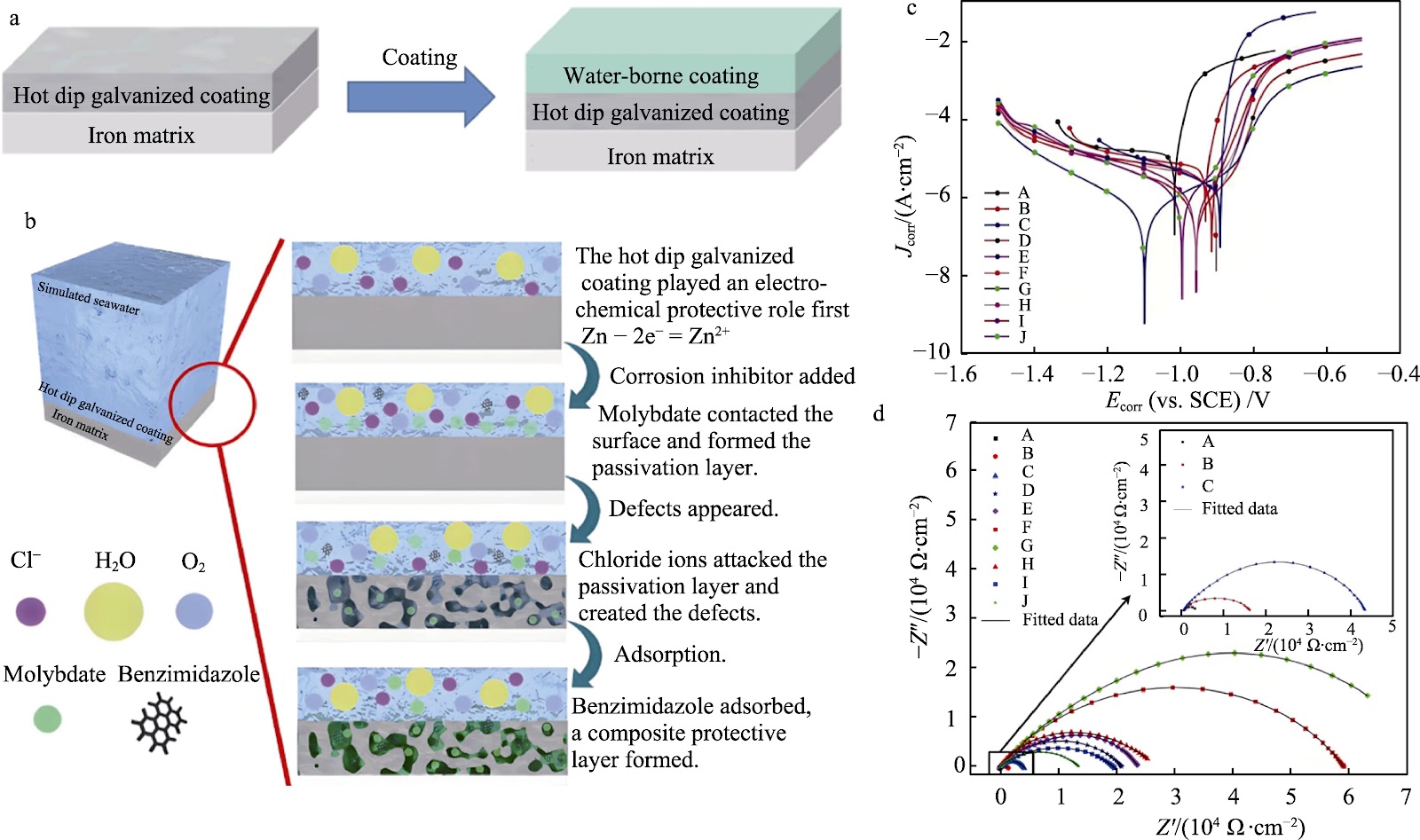
Galvanized steel sheets are widely used in construction, automotive, appliance, and power industries due to their corrosion resistance, which can be further enhanced by passivation. Traditional chromate passivation, while effective due to self-repairing ability and chemical stability, poses severe health and environmental risks from hexavalent chromium. This review systematically categorizes recent chromium-free passivation technologies into inorganic, organic, and organic/inorganic composite systems. Inorganic systems include molybdates, rare earth salts (e.g., cerium, lanthanum), titanium salts, and silicates; organic systems include silanes, tannic acid, and acrylic resins. Film formation mechanisms and anticorrosion properties are examined. Individual systems exhibit limitations: molybdate films have micro-defects and limited thickness uniformity; rare earth films crack upon drying; organic films offer flexibility and adhesion but insufficient barrier properties. Organic/inorganic composite passivation integrates inorganic barrier function with organic interfacial binding and functional regulation, significantly improving film integrity and durability. The review concludes with challenges and prospects for chromium-free passivation.

Research Progress on Chromium-free Passivation Technology for Galvanized Steel Sheets
Graphical Abstract
Original ResearchVol. 32, Issue 8 • pp. 100-112DOI: 10.16490/j.cnki.issn.1001-3660.2026.08.002Jan 15, 2026

Corrosion Challenges and Surface Protection Strategies for Magnesium Alloys

Authors: TANG Rui, LI Chunyan, YANG Longpeng, TANG Yunlong, WANG Xinhua, NAN Hongbing, ZHAO Erxiang, KOU Shengzhong

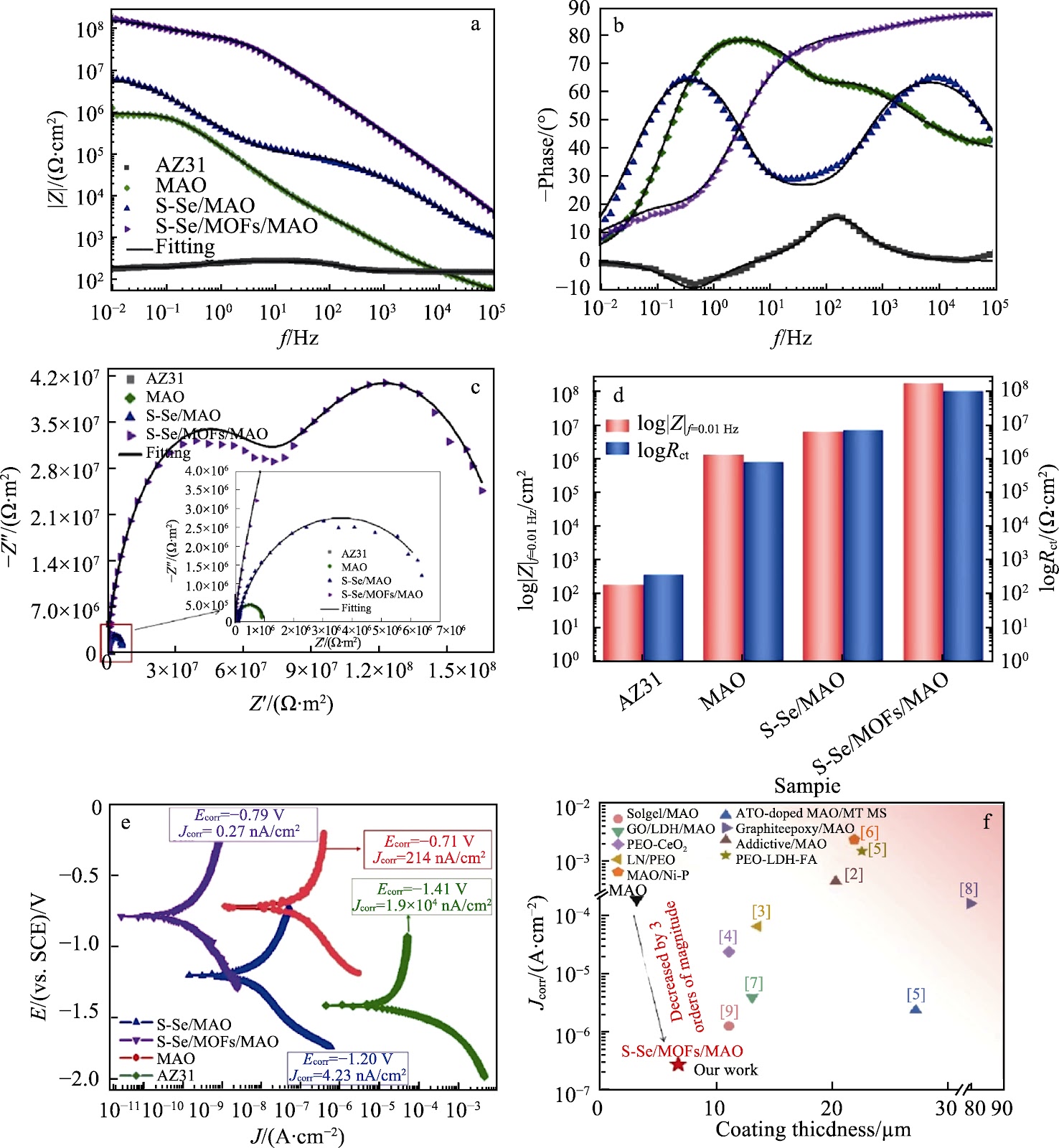
Magnesium alloys, with a density of approximately 1.74 g/cm³ (two-thirds that of aluminum and one-quarter that of steel), offer high specific strength and excellent damping capacity, making them attractive for automotive, aerospace, and consumer electronics applications. However, their standard electrode potential of −2.37 V versus the standard hydrogen electrode renders them highly susceptible to corrosion in humid atmospheres, chloride-containing media, and mild acidic conditions. This review systematically examines the corrosion mechanisms of magnesium alloys, categorizes corrosion types across different environments, and evaluates surface modification technologies including chemical conversion, electroplating and electroless plating, anodizing and micro-arc oxidation, laser surface treatment, thermal spraying, cold spraying, and organic coatings. These techniques form dense protective layers that isolate corrosive media and enhance corrosion resistance. Key findings from the literature demonstrate that laser surface melting with alternating magnetic fields reduces wear and corrosion rates, while laser-clad Al-Cu coatings on AZ91HP improve surface hardness and corrosion potential. Electroless nickel plating on AZ61 and anodizing treatments provide barrier protection, though coating adhesion and porosity remain challenges. The review also discusses current limitations such as long-term durability, cost-effectiveness, and scalability, and outlines future directions including multi-layer composite coatings and environmentally friendly processes. This work provides a reference for advancing magnesium alloy applications in engineering.

Corrosion Challenges and Surface Protection Strategies for Magnesium Alloys
Graphical Abstract