SinoTechIntel Academic Portal
🏛️ Indexed Academic JournalImpact Factor: 3.5 (Q2 - USTB)Original: 矿物冶金与材料学报 (英文版)

Journal of Mineral Metallurgy and Materials Science

3.5 (Q2 - USTB)

Total Research Papers: 111
Access: 100% Free Open Access
Browse by Publication Year & VolumeReset All Filters ✕

Published Research PapersFiltered: Year 2025 • Vol. 32 • Issue 7

Showing 9 of 111 peer-reviewed papers with full Graphical Abstracts.

Original ResearchVol. 32, Issue 7 • pp. 486-498DOI: 10.1007/s12613-026-3455-0Jul 25, 2025

A focused mini-review on high-entropy intermetallics for hydrogen storage

Authors: Xichen Zhang, Yixiong Hu, Weidong Zhang, Qiong Yang, Fei Peng, Qun Luo, and Zhenggang Wu

Intermetallic compounds (IMCs) are considered desirable materials for hydrogen storage. However, traditional hydrogen-storage IMCs have many shortcomings. High-entropy alloys (HEAs), which are composed of multiple metallic elements, exhibit significant lattice distortion and large interstitial sites, making them a promising class of hydrogen storage materials. Among the HEAs used for hydrogen storage, high-entropy intermetallics (HEIs) have shown great potential for hydrogen absorption kinetics
A focused mini-review on high-entropy intermetallics for hydrogen storage
Graphical Abstract
Original ResearchVol. 32, Issue 7 • pp. 658-670DOI: 10.1007/s12613-025-3105-yJul 23, 2025

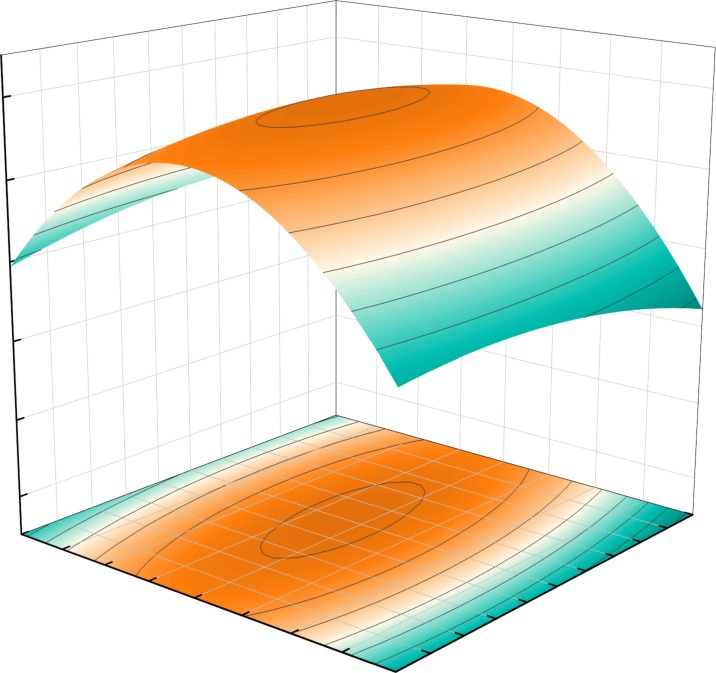
Low-toxicity non-cyanide recovering high-sulfur refractory gold ore via microwave roasting self-leaching process: Response surface optimization and mechanism study

Authors: Zhengyu Liu, Jue Kou, Xiaosong Guo, Wei Liu, Chunbao Sun, Anlin Shao, Chang Liu

Microwave roasting self-leaching is an innovative method for recovering gold from high-sulfur refractory gold concentrates, without using deadly toxic cyanide reagents. However, the mechanism of gold self-leaching, which relies on lixiviants prepared using volatilized sulfur obtained from roasting, has not been fully elucidated. This study employs the response surface methodology to optimize processing parameters, resulting in an increased gold extraction rate of 96.18%. Analytical factorization

Low-toxicity non-cyanide recovering high-sulfur refractory gold ore via microwave roasting self-leaching process: Response surface optimization and mechanism study
Graphical Abstract
Original ResearchVol. 32, Issue 7 • pp. 266-278DOI: 10.1007/s12613-025-3221-8Jul 20, 2025

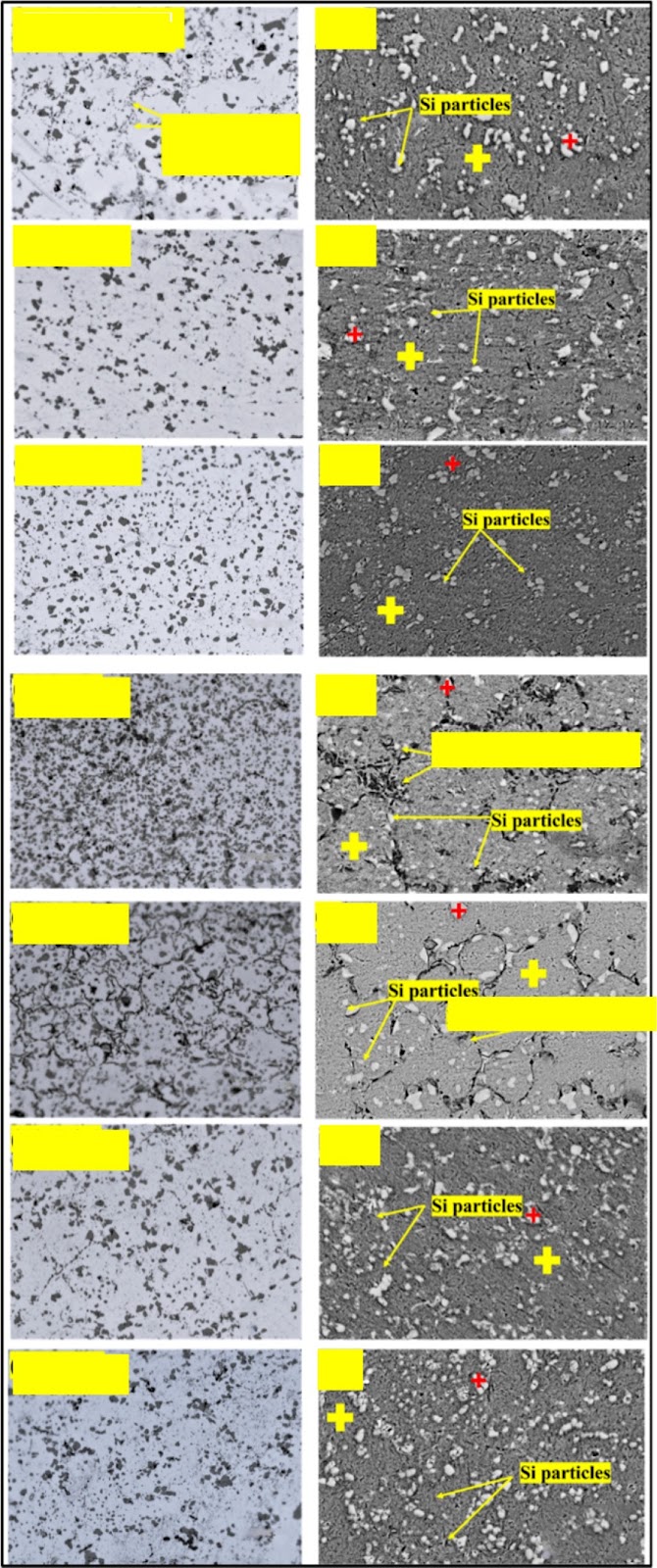
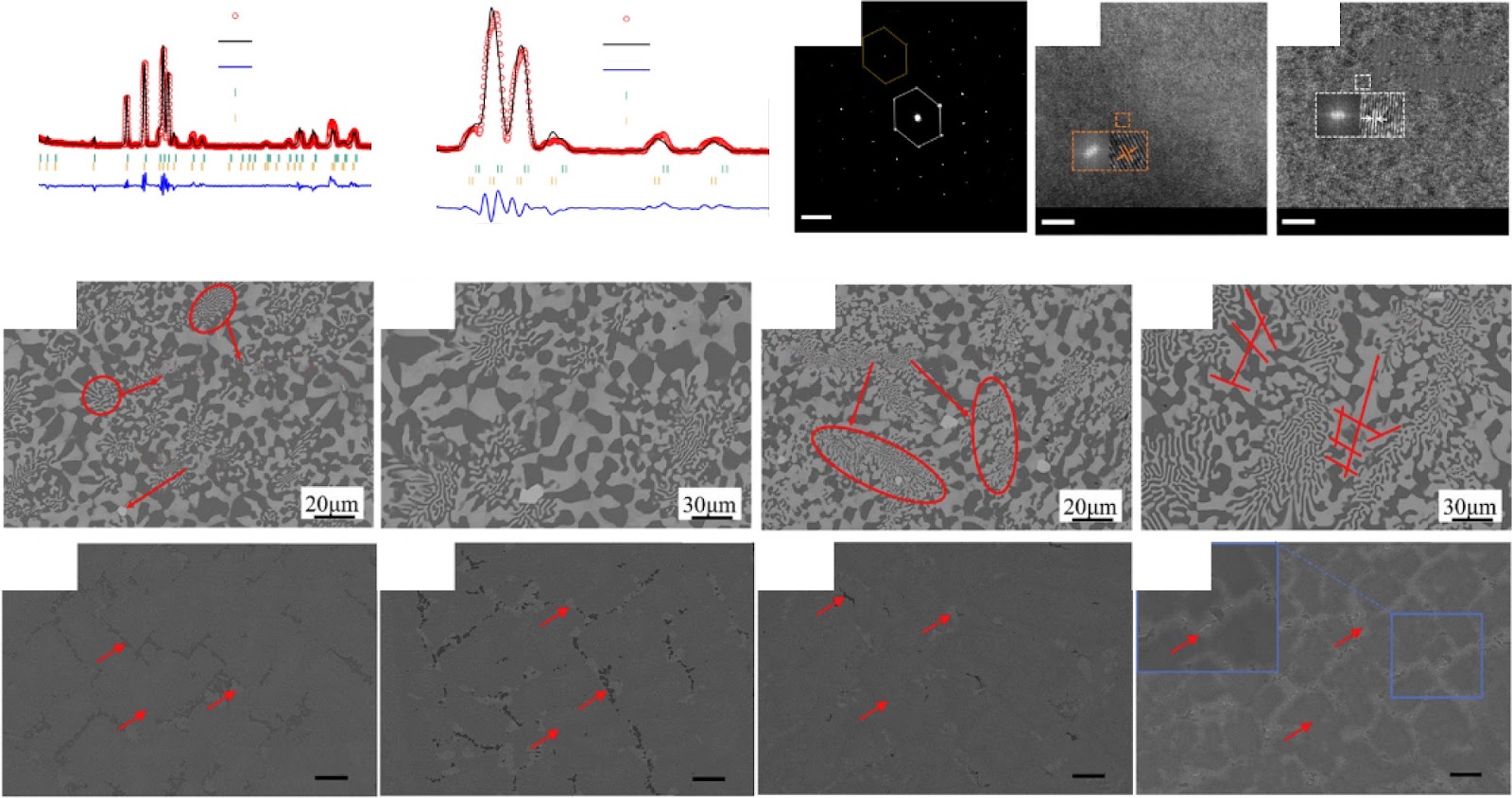
Characterization of heat treatment-driven microstructural evolution, mechanical properties and electrochemical behavior of direct powder forged Al–10Si–0.3Mg alloy

Authors: Akanksha Dwivedi, K.E.R.V. Prasad, Debdipta Banik, Saikat Mandal, A. Durga Prasad, and Srinu Gangolu

This study investigated the effects of direct aging (DA), solution treatment (ST), and ST followed by DA (T6) on the microstructural, mechanical, and corrosion properties of direct powder forged Al–10Si–0.3Mg alloy specimens. Microstructural analyses conducted using optical microscopy, scanning electron microscopy, and electron backscatter diffraction revealed that among DA specimens, direct aging at 200°C (DA-2) exhibited significantly enhanced silicon (Si) particle distribution uniformity and

Characterization of heat treatment-driven microstructural evolution, mechanical properties and electrochemical behavior of direct powder forged Al–10Si–0.3Mg alloy
Graphical Abstract
Original ResearchVol. 32, Issue 7 • pp. 674-686DOI: 10.1007/s12613-026-3385-xJul 17, 2025

Iron phosphide stabilization strategy enables long-cycling Co-free lithium-rich manganese-based cathode materials

Authors: Bufan Cheng, Yiran Cai, Guanxi Lin, Zhiyuan Lu, Ziming Fang, Ruizi Wang, Xin Zhang, Wenping Sun, Mingxia Gao, Hongge Pan

Co-free lithium-rich manganese-based oxides (LRMOs), which offer energy densities over 1000 Wh·kg−1 and low raw material cost, are attractive cathode candidates for next generation high-energy density lithium-ion batteries (LIBs). Nonetheless, their practical application is hindered by their high initial irreversible capacity, capacity and voltage decay, and voltage hysteresis. Herein, a novel iron phosphide modification strategy is presented, where Fe3P is incorporated into the bulk phase of th

Iron phosphide stabilization strategy enables long-cycling Co-free lithium-rich manganese-based cathode materials
Graphical Abstract
Original ResearchVol. 32, Issue 7 • pp. 282-294DOI: 10.1007/s12613-025-3328-yJul 14, 2025

Direct recovery of low-concentration Au(S2O3)3−2 from pregnant leach solution using an activated carbon-coated titanium electrode

Authors: Yong Zeng, Xiyuan Che, Lei Zhang, Peng Chen, Shaoxian Song, Deshou Wang, Feifei Jia

Thiosulfate gold extraction technology has gained considerable interest owing to its environmental compatibility and broad applicability to diverse ore types. However, the lack of efficient methods to recover Au(S2O3)3−2 from leaching solutions has hindered its industrial implementation. To address this challenge, this study used a thiosulfate leaching solution from quartz-type gold ores to design an activated carbon-coated titanium electrode (Ti@AC) with a porous surface structure. This electro

Direct recovery of low-concentration Au(S2O3)3−2 from pregnant leach solution using an activated carbon-coated titanium electrode
Graphical Abstract
Original ResearchVol. 32, Issue 7 • pp. 454-466DOI: 10.1007/s12613-025-3234-3Jul 12, 2025

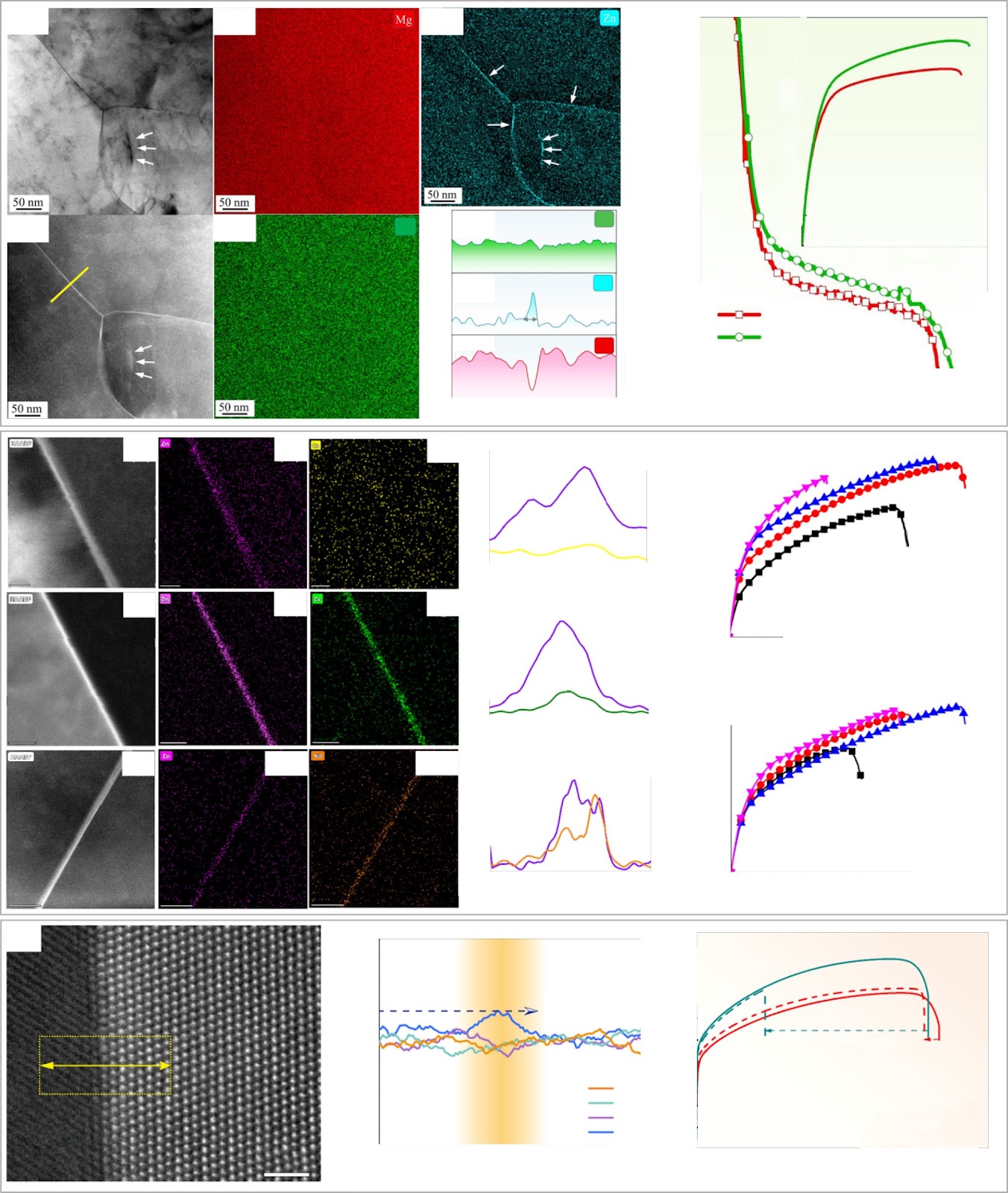
Recent advances and perspectives in interface engineering of high-performance alloys

Authors: Yuan Zhu, Tongbo Jiang, Honghui Wu, Faguo Hou, Xiaoye Zhou, Feiyang Wang, Shuize Wang, Junheng Gao, Haitao Zhao, Chaolei Zhang

High-performance alloys are indispensable in modern engineering because of their exceptional strength, ductility, corrosion resistance, fatigue resistance, and thermal stability, which are all significantly influenced by the alloy interface structures. Despite substantial efforts, a comprehensive overview of interface engineering of high-performance alloys has not been presented so far. In this study, the interfaces in high-performance alloys, particularly grain and phase boundaries, were system

Recent advances and perspectives in interface engineering of high-performance alloys
Graphical Abstract
Original ResearchVol. 32, Issue 7 • pp. 862-874DOI: 10.1007/s12613-025-3271-yJul 9, 2025

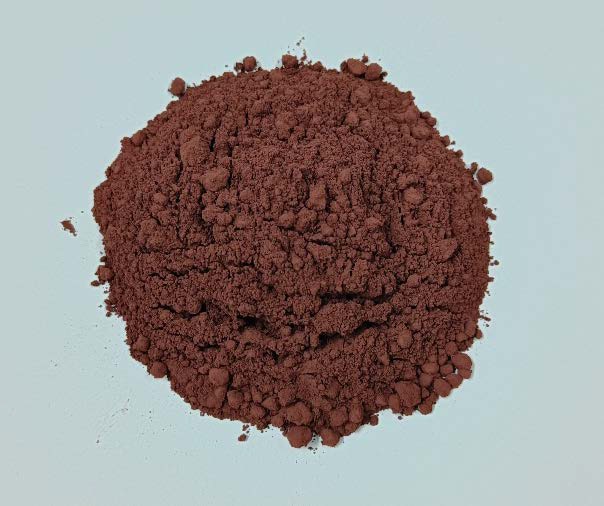
Hazards and optimal utilization of iron in low-carbon recycled aluminum alloys

Authors: Yicheng Gao, Baixin Dong, Hongyu Yang, Zhongyi Cai, Tianshu Liu, Xinmiao Zhong, Peijun Cong, Shili Shu, Jia Meng, Jian Qiao, Ming Zhu, Jie Kang, Lin Liu, Feng Qiu, Qichuan Jiang, Laichang Zhang

Driven by the proposed new circular economy goals and “dual carbon” strategy (carbon peak and carbon neutrality), the inherent recyclability of aluminum and its alloys makes their secondary utilization critical for green and sustainable development. Owing to its controllable source, scrap aluminum produced by manufacturing industries, such as the automobile, aerospace, and electronics industries, represents a high-value resource that will be critical for the global supply of aluminum and its all

Hazards and optimal utilization of iron in low-carbon recycled aluminum alloys
Graphical Abstract
Original ResearchVol. 32, Issue 7 • pp. 470-482DOI: 10.1007/s12613-025-3278-4Jul 6, 2025

Enhancing hydrogen desorption in magnesium hydride via nanosized aluminum catalysts synthesized by electrical explosion of wires: Part 2 – The role of formed defect structure

Authors: Alan Kenzhiyev, Viktor N. Kudiiarov, Roman S. Laptev, Roman R. Elman, Andrei V. Mostovshchikov

The current study presents a composite material based on magnesium hydride with the addition of aluminum, obtained by the method of electrical explosion of wires (EEW). The study demonstrated that the material has improved hydrogen interaction characteristics, which is associated with its core–shell structure, defect formation during milling, and the hydrogenation process. The combination of these factors contributes to a decrease in the activation energy of desorption from (161 ± 2) to (109 ± 1

Enhancing hydrogen desorption in magnesium hydride via nanosized aluminum catalysts synthesized by electrical explosion of wires: Part 2 – The role of formed defect structure
Graphical Abstract
Original ResearchVol. 32, Issue 7 • pp. 878-890DOI: 10.1007/s12613-026-3369-xJul 3, 2025

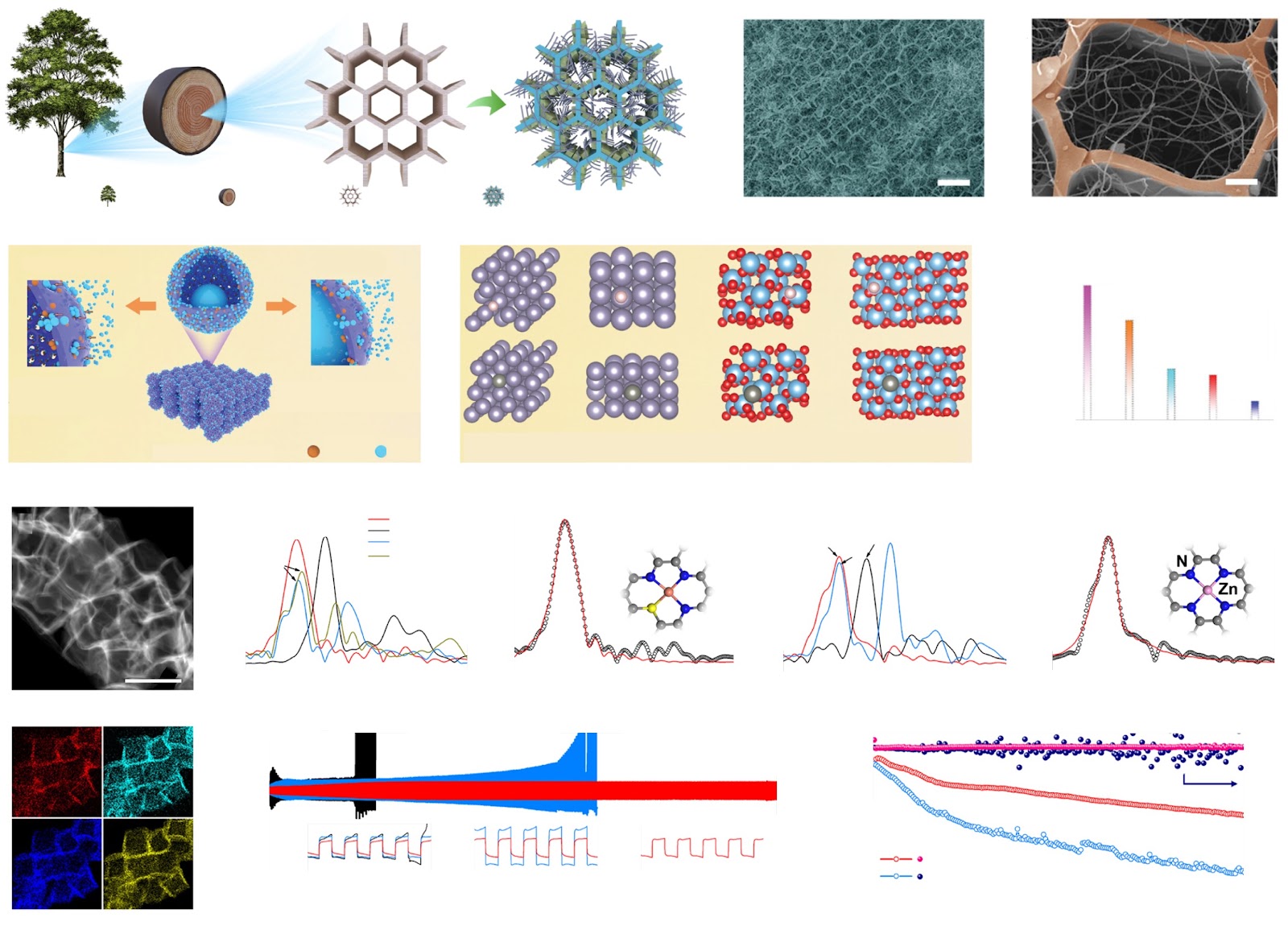
Carbon-based current collectors for stable aqueous Zn anodes

Authors: Yuhan Zou, Tong Shen, Yuyuan Wang, Jingyu Sun

Aqueous Zn metal batteries (AZMBs) have emerged as promising energy-storage systems owing to their inherent safety, environmental compatibility, and cost-effectiveness. However, their practical application is severely hindered by critical challenges pertaining to Zn anodes, including uncontrolled dendrite growth and parasitic side reactions at this anode. Although employing excess Zn foil can mitigate anode failure, this strategy inevitably compromises the energy density of full batteries. Recen

Carbon-based current collectors for stable aqueous Zn anodes
Graphical Abstract