SinoTechIntel Academic Portal
🏛️ Indexed Academic JournalImpact Factor: 3.5 (Q2 - USTB)Original: 矿物冶金与材料学报 (英文版)

Journal of Mineral Metallurgy and Materials Science

3.5 (Q2 - USTB)

Total Research Papers: 111
Access: 100% Free Open Access
Browse by Publication Year & VolumeReset All Filters ✕

Published Research PapersFiltered: Year 2025 • Vol. 32 • Issue 10

Showing 11 of 111 peer-reviewed papers with full Graphical Abstracts.

Original ResearchVol. 32, Issue 10 • pp. 333-345DOI: 10.1007/s12613-024-2923-7Oct 23, 2025

Deep eutectic solvents for separation and purification applications in critical metal metallurgy: Recent advances and perspectives

Authors: Shuo Chen, Shengpeng Su, Yanfang Huang, Bingbing Liu, Hu Sun, Shuzhen Yang, Guihong Han

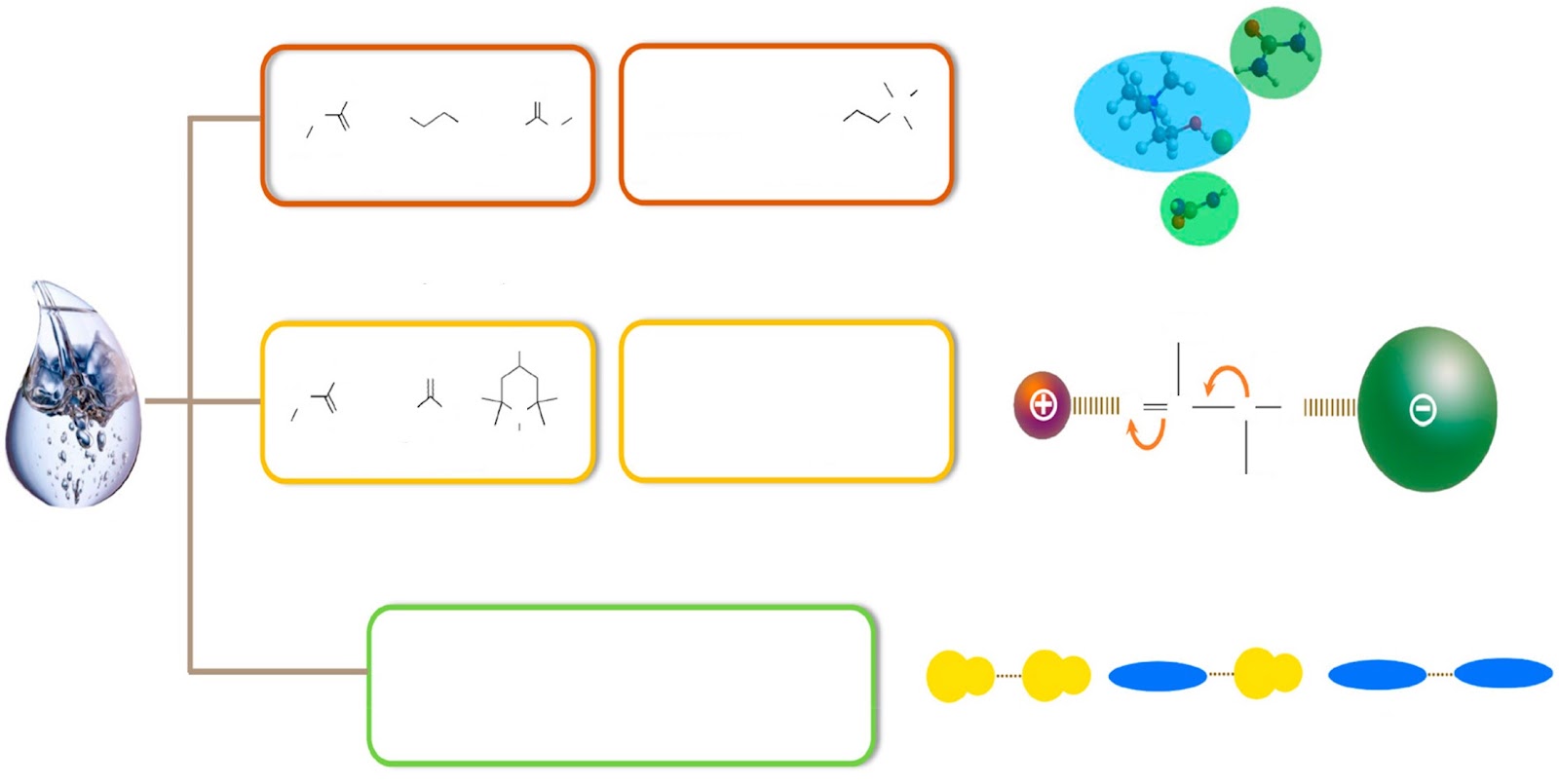
Solvent extraction, a separation and purification technology, is crucial in critical metal metallurgy. Organic solvents commonly used in solvent extraction exhibit disadvantages, such as high volatility, high toxicity, and flammability, causing a spectrum of hazards to human health and environmental safety. Neoteric solvents have been recognized as potential alternatives to these harmful organic solvents. In the past two decades, several neoteric solvents have been proposed, including ionic liqu
Deep eutectic solvents for separation and purification applications in critical metal metallurgy: Recent advances and perspectives
Graphical Abstract
Original ResearchVol. 32, Issue 10 • pp. 505-517DOI: 10.1007/s12613-025-3176-9Oct 21, 2025

A critical review of the challenges of developing continuous casting mold fluxes for high-Ti steels

Authors: Zhuo Chen, Jiajing Zhang, Xiting Li, Weitong Du, Jianchao Ma, Jian Yang

The large-scale production of high-Ti steels is limited by the formation of Ti-containing oxides or nitrides in steel–slag reactions during continuous casting. These processes degrade mold flux properties, clog submerged entry nozzles, form floaters in the molds, and produce various surface defects on the cast slabs. This review summarizes the effects of nonmetallic inclusions on traditional CaO–SiO2-based (CS) mold fluxes and novel CaO–Al2O3-based (CA) low- or non-reactive fluxes containing TiO

A critical review of the challenges of developing continuous casting mold fluxes for high-Ti steels
Graphical Abstract
Original ResearchVol. 32, Issue 10 • pp. 113-125DOI: 10.1007/s12613-025-3252-1Oct 18, 2025

Advances in Fe-based electromagnetic wave absorbers: Multiscale engineering from atomic defects to macroscopic architectures for performance optimization

Authors: Xixi Luo, Hui Xie, Yi Ma, Di Lan, Guanglei Wu, Zirui Jia

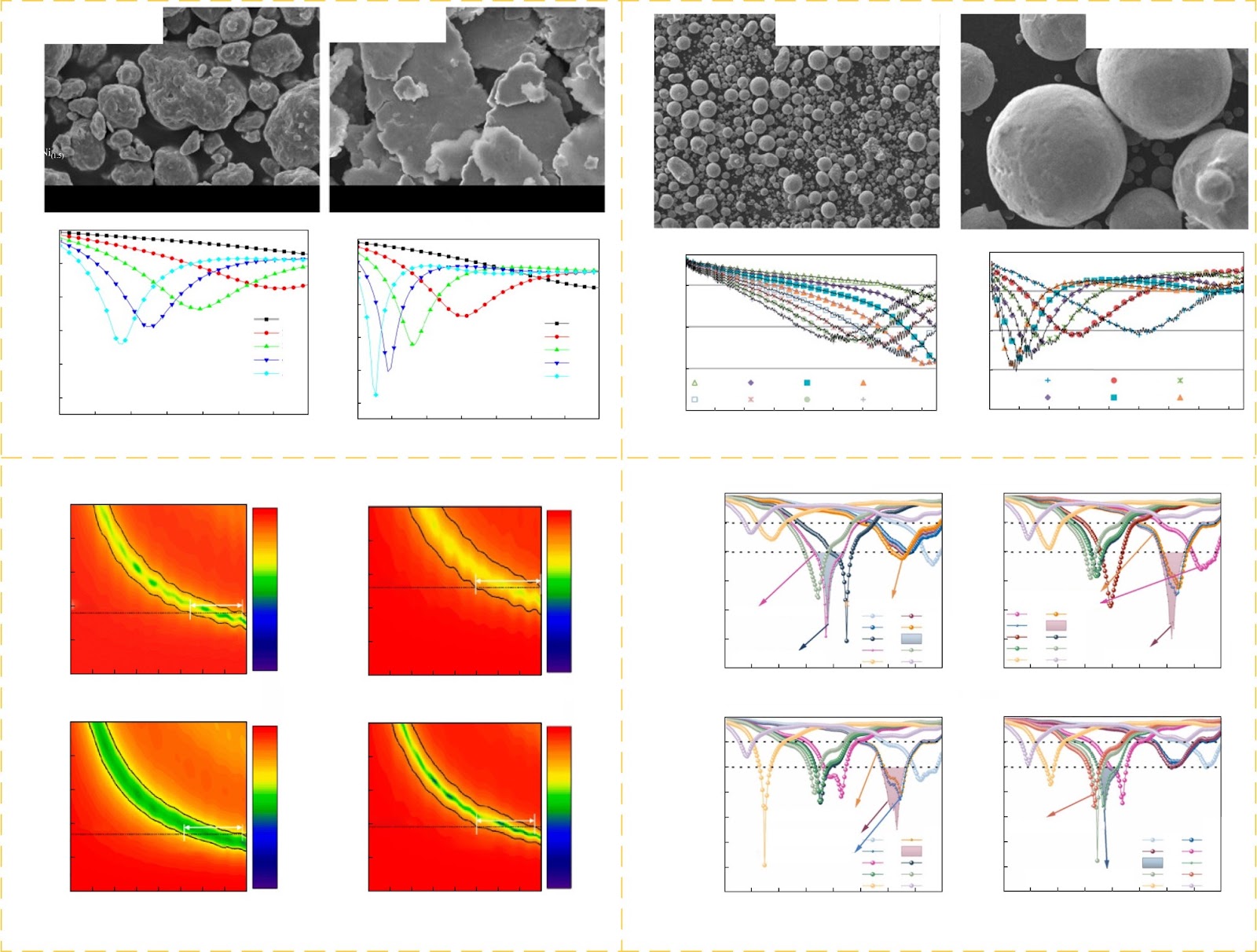
The rapid development of electronic devices and communication technologies has resulted in increasingly severe electromagnetic-wave (EW) pollution. Efficient EW absorption (EWA) materials are essential to mitigate their impact and ensure human safety in modern society. Fe-based EWA materials have garnered significant attention owing to their cost-effectiveness, high saturation magnetization, and superior magnetic loss capabilities. This review begins with an introduction to Fe-based EWA material

Advances in Fe-based electromagnetic wave absorbers: Multiscale engineering from atomic defects to macroscopic architectures for performance optimization
Graphical Abstract
Original ResearchVol. 32, Issue 10 • pp. 521-533DOI: 10.1007/s12613-026-3434-5Oct 15, 2025

Comprehensive structural and hydrogenation analysis of arc-melted and melt-spun Mg1.95Ag0.05Ni alloy

Authors: S.E. Sünbül et al.

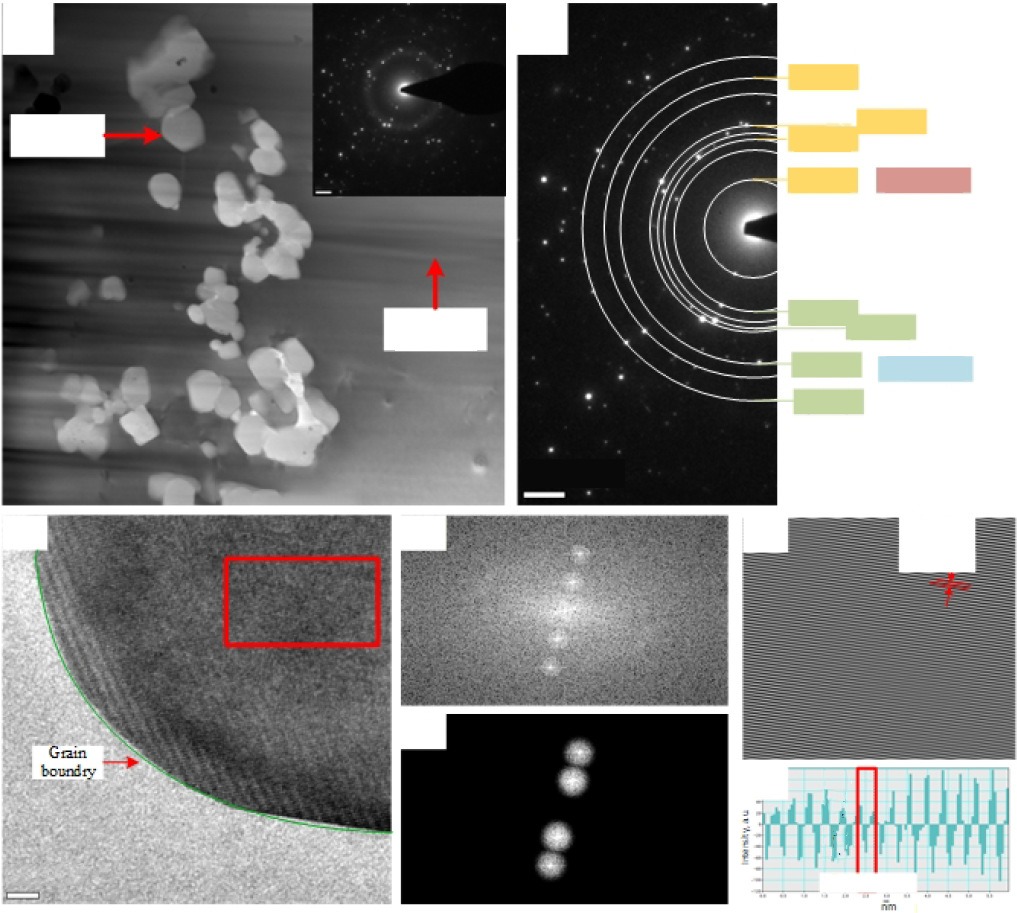
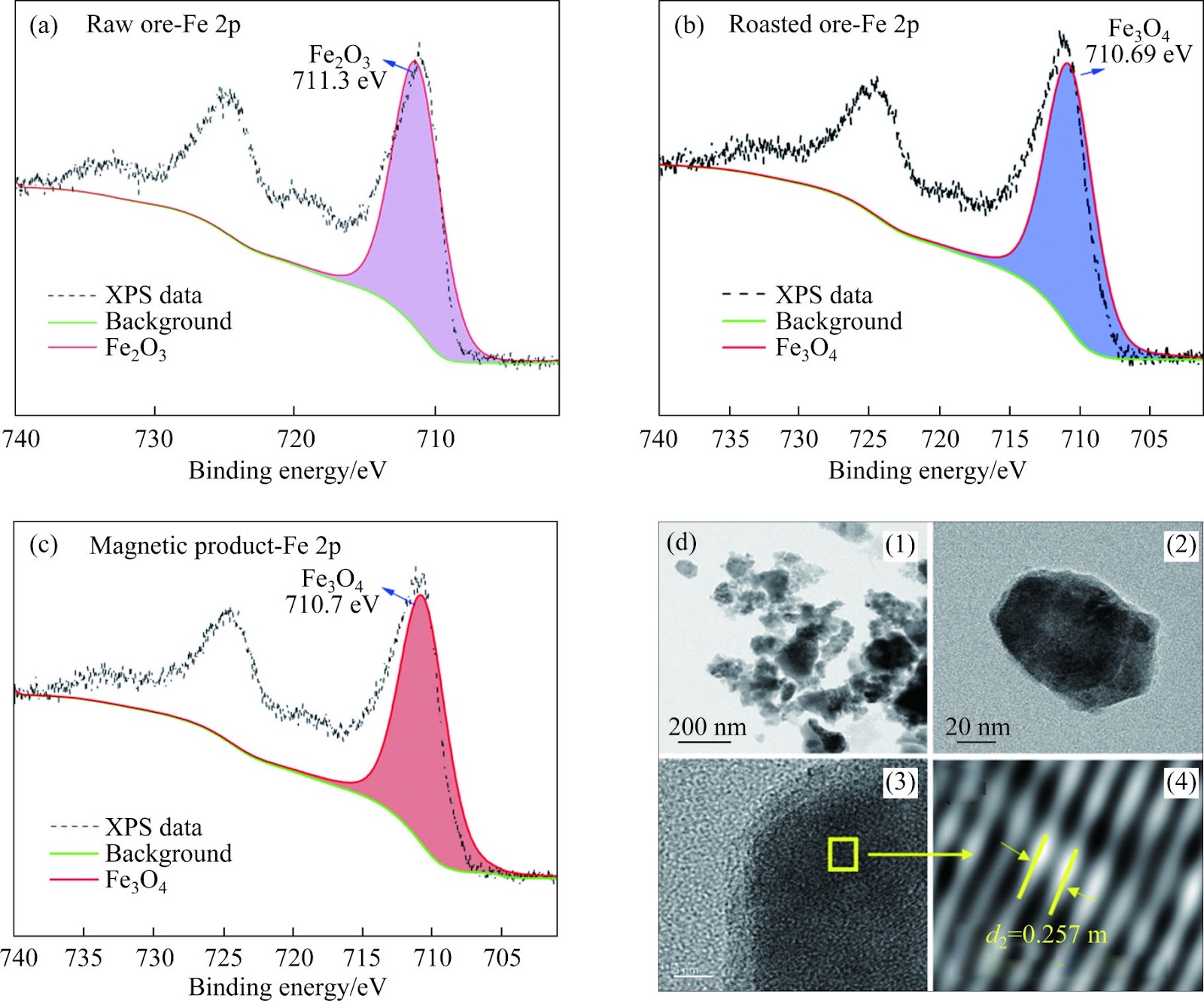
In this study, the hydrogen storage properties of Mg1.95Ag0.05Ni alloy and its melt-spun ribbons were systematically investigated. The alloy was synthesized by vacuum arc melting followed by melt spinning to produce micro/nanostructured ribbons. Comprehensive characterization using XRD, XPS, SEM, TEM, DTA, TGA, and electrochemical measurements revealed that Ag substitution alters the electronic environment and reduces the formation enthalpy of the Mg2NiH4 hydride, thereby weakening metal-hydroge

Comprehensive structural and hydrogenation analysis of arc-melted and melt-spun Mg1.95Ag0.05Ni alloy
Graphical Abstract
Original ResearchVol. 32, Issue 10 • pp. 129-141DOI: 10.1007/s12613-025-3251-2Oct 12, 2025

Thermal decomposition of bastnaesite in an inert atmosphere and influence on flotation behavior

Authors: Qiang Zhang, Yongsheng Sun, Peng Gao, Zhao Cao, Yuexin Han

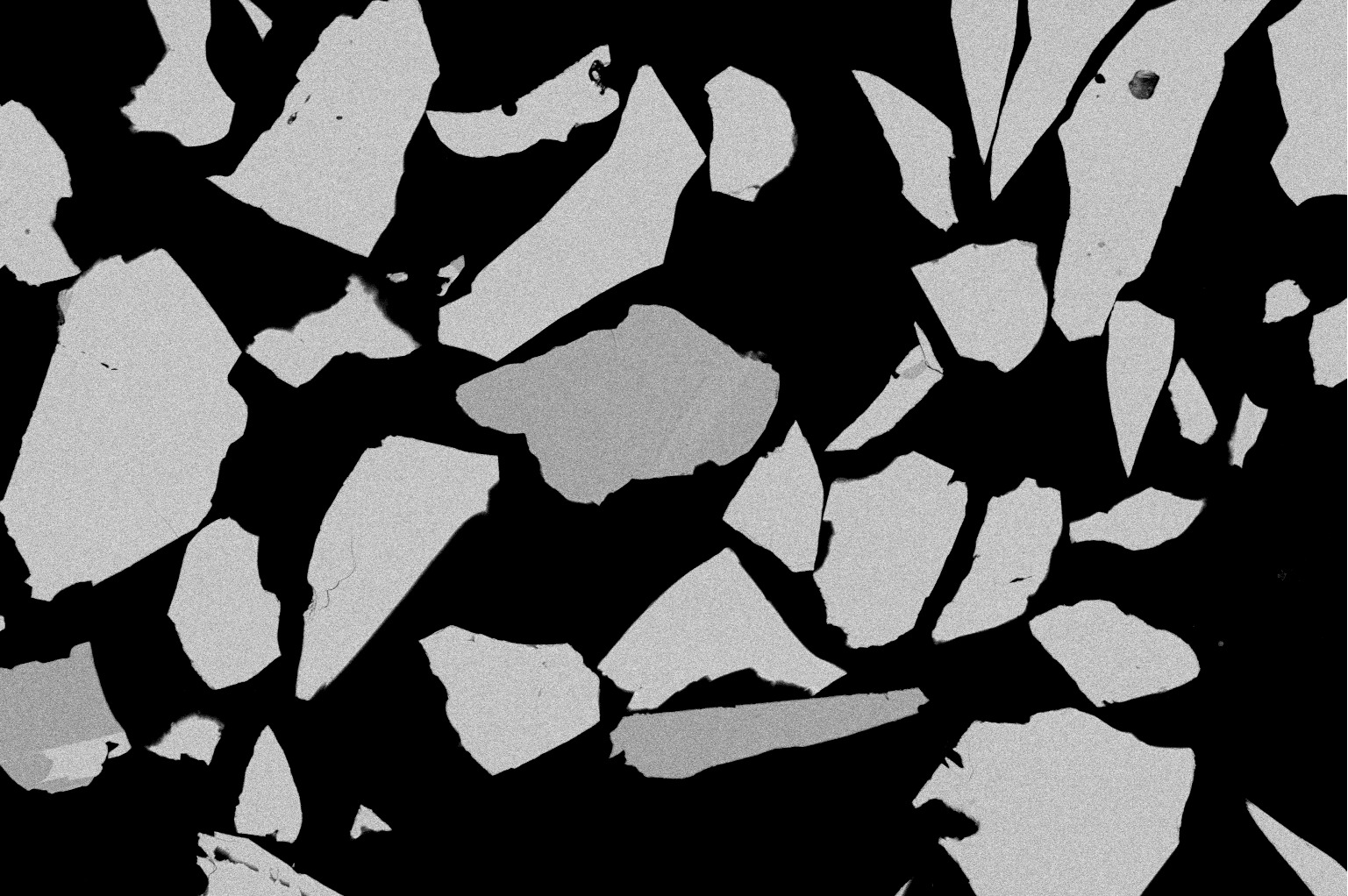
This study aimed to elucidate the influence of thermal decomposition under an inert atmosphere on the phase composition, microstructure, and flotation performance of bastnaesite. Experiments showed that decomposition was strongly temperature-dependent. After complete decomposition, the release of CO2 increased the rare earth oxide grade from 72.90wt% to 86.83wt%, accompanied by an increase in the Ce oxidation degree. Major decomposition products included rare earth oxyfluoride (REOF), rare earth

Thermal decomposition of bastnaesite in an inert atmosphere and influence on flotation behavior
Graphical Abstract
Original ResearchVol. 32, Issue 10 • pp. 537-549DOI: 10.1007/s12613-025-3306-4Oct 9, 2025

Behavioral characteristics and renewal mechanism of deadman coke in the hearth under low-carbon ironmaking blast furnace conditions

Authors: Sai Meng, Kexin Jiao, Zhenxing Zhou, Jianliang Zhang, Yang Li, Yanbing Zong, Lei Zhang, Xuebin Wang

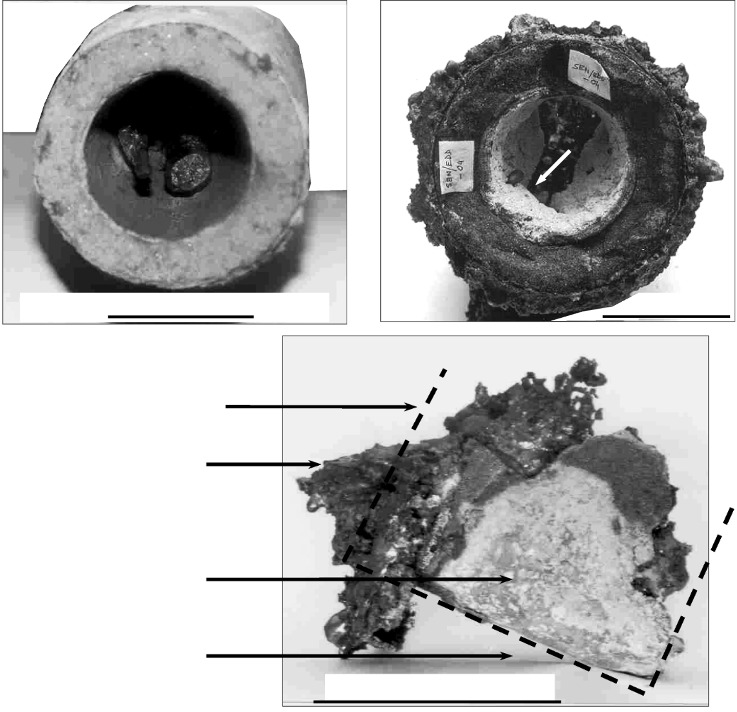
As the sole solid material in the lower part of a blast furnace (BF), the multiphase reaction behavior of coke within the deadman region of the hearth is of significant theoretical and practical importance for carbon emission control and low-carbon production. The multidimensional characterization of the occurrence state, multiphase reaction behavior, and renewal mechanism of deadman coke in the hearth was performed through the dissection of a 3200-m3 BF, combining various methods such as rope-s

Behavioral characteristics and renewal mechanism of deadman coke in the hearth under low-carbon ironmaking blast furnace conditions
Graphical Abstract
Original ResearchVol. 32, Issue 10 • pp. 709-721DOI: 10.1007/s12613-025-3247-yOct 7, 2025

Grain refinement of Ti5321G alloy created by ultrasonic energy field during laser powder direct energy deposition

Authors: Mingxia Diao, Chunhuan Guo, Tao Dong, Shewei Xin, Zhonggang Sun, Siyuan Zhang, Haolun Song, Zubin Chen, Fengchun Jiang, Sergey Konovalov

The ultrasonic energy field (UEF)-induced grain refinement mechanisms in laser powder direct energy deposition-manufactured Ti5321G alloys were systematically investigated in this study. This study focused on the interplay between recrystallization in the high-temperature solid deposition layers and the ultrasonic cavitation-acoustic streaming effects during molten pool solidification. A novel experimental design was developed to decouple these mechanisms by creating four distinct UEF action zon

Grain refinement of Ti5321G alloy created by ultrasonic energy field during laser powder direct energy deposition
Graphical Abstract
Original ResearchVol. 32, Issue 10 • pp. 317-329DOI: 10.1007/s12613-025-3319-zOct 4, 2025

Determination of interfacial reaction rate constant of nitrogen between N2–CO2–CO–Ar and molten iron using isotope exchange technique

Authors: Zhongzi Chen, Yuewen Fan, Xiaojun Hu, Kuochih Chou

The application of CO2 in the steelmaking process has yielded promising results, demonstrating a certain capability for nitrogen removal. To accurately determine the kinetic parameters of nitrogen reactions at the iron melt interface under CO2 injection conditions, an isotope exchange technique was employed. This technique was used to monitor the evolution of the nitrogen isotopic composition during the reaction between a 28N2–30N2–CO2–CO–Ar gas mixture and an iron melt of controlled composition

Determination of interfacial reaction rate constant of nitrogen between N2–CO2–CO–Ar and molten iron using isotope exchange technique
Graphical Abstract
Original ResearchVol. 32, Issue 10 • pp. 725-737DOI: 10.1007/s12613-025-3288-2Oct 1, 2025

Multi-scale modeling of ultra-thin commercially pure titanium sheet for fuel cell bipolar plates: Plastic anisotropy and distortional strain hardening

Authors: Kyung Mun Min, Seonghwan Choi, Xiaohua Hu, Jinwoo Lee, Hyuk Jong Bong

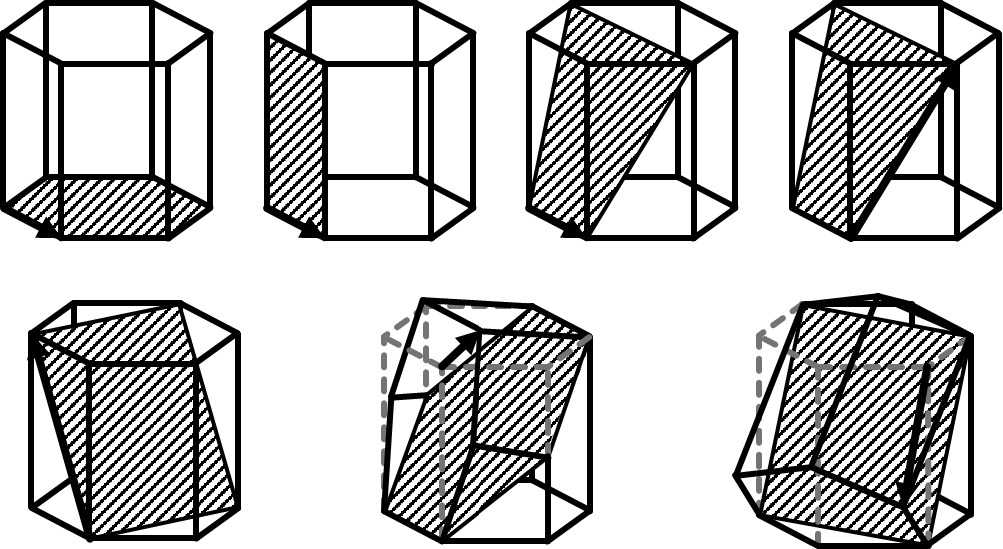
This study presents a multi-scale modeling framework to describe the mechanical behavior of a 0.1 mm-thick commercially pure titanium (CP-Ti) sheet developed for fuel cell bipolar plates. Since standardized methods for characterizing ultra-thin sheets under complex stress states are lacking, a virtual modeling approach was employed. At the grain scale, a crystal plasticity finite element (CPFE) model was constructed to incorporate the relevant slip and twinning systems, enabling prediction of re

Multi-scale modeling of ultra-thin commercially pure titanium sheet for fuel cell bipolar plates: Plastic anisotropy and distortional strain hardening
Graphical Abstract