SinoTechIntel Academic Portal
🏛️ Indexed Academic JournalImpact Factor: 4.4 (Q1 - Springer)Original: 中南大学学报 (自然科学版/英文版)

Journal of Central South University

4.4 (Q1 - Springer)

Total Research Papers: 153
Access: 100% Free Open Access
Browse by Publication Year & VolumeReset All Filters ✕

Published Research PapersFiltered: Year 2025 • Vol. 32 • Issue 1

Showing 13 of 153 peer-reviewed papers with full Graphical Abstracts.

Original ResearchVol. 32, Issue 1 • pp. 636-648DOI: 10.1007/s11771-025-6024-1Jan 25, 2025

Dynamic mechanical characteristics of post-peak sandstone under three-dimensional cyclic impact

Authors: ZHANG Jun-wen, ZHANG Yang, LI Shi-fang, SONG Zhi-xiang, DONG Xu-kai, WU Shao-kang, FAN Wen-bing, ZHOU Yan, SANG Pei-miao, LI Ning

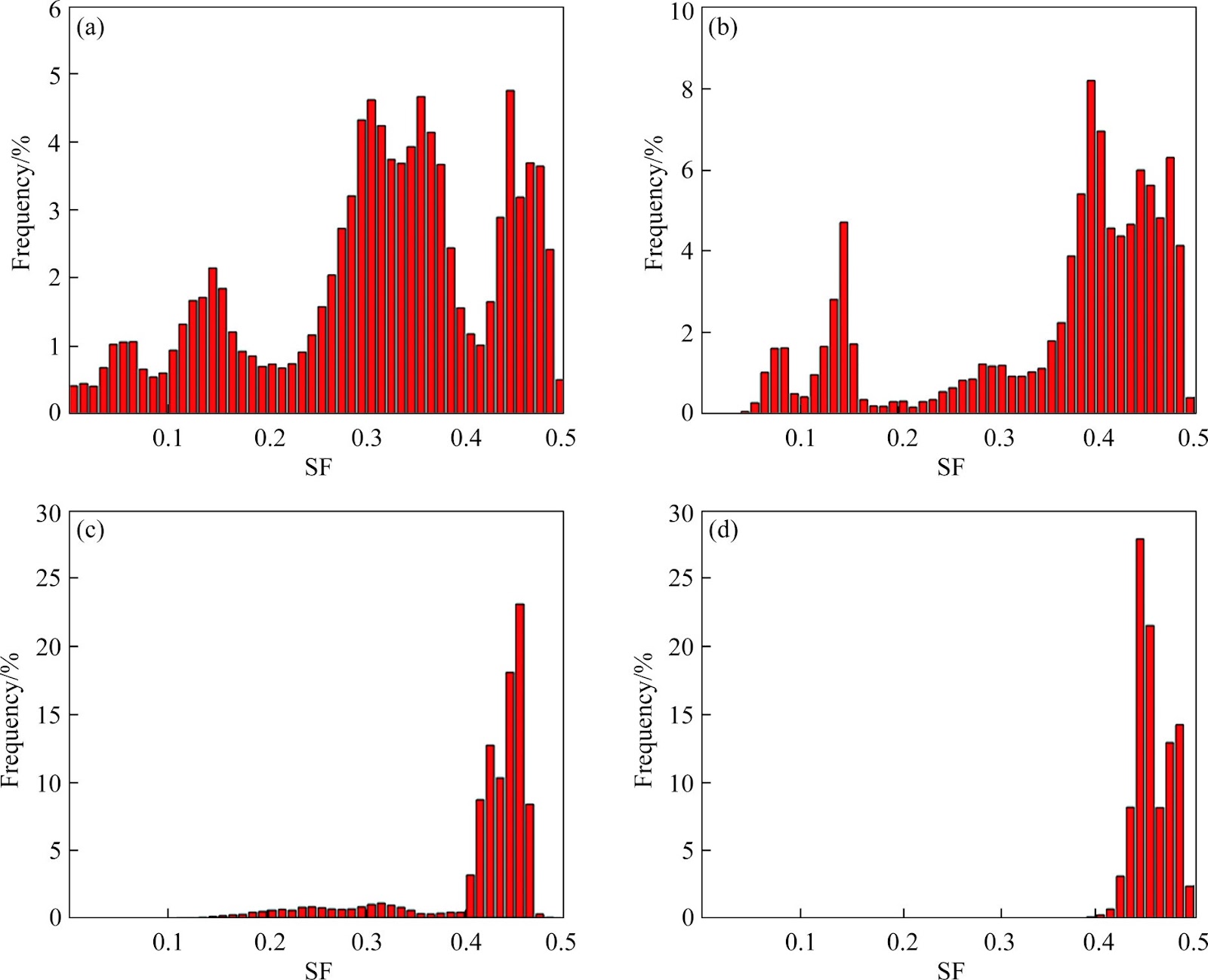
At present, the surrounding rock of the deep mine roadway is prone to post-peak stress under the action of high stress, and secondary rock burst disaster is prone to occur under complex stress disturbance. According to incomplete statistics, as of 2023, 80% of coal mine rock bursts accidents in China occur in mining roadway. In view of this phenomenon, the cyclic impact test of post-peak sandstone is designed, focusing on the post-peak stress state of sandstone, and exploring the post-peak dynamic response of sandstone. The post-peak sandstone specimens were prepared by a uniaxial compressor, and then cyclic impact tests were carried out on the post-peak sandstone under different coaxial pressure conditions by an improved separated Hopkinson equipment. The results show that: 1) The number of impact times required for sandstone failure after peak decreased with the increase of axial pressure, indicating that the impact tendency of sandstone after peak decreased under lower axial pressure. On the contrary, the post-peak sandstone had strong impact tendency under higher axial pressure; 2) The higher the axial pressure, the lower the dynamic strength of the post-peak sandstone, indicating that the axial pressure promoted the failure process of the post-peak sandstone; 3) It was a nonlinear evolution of a quadratic polynomial function between the dissipation-energy release rate and axial pressure; 4) Shear failure occurred mainly in post-peak impact sandstone with the increased axial pressure, and the composite failure of intergranular failure and transgranular failure changed to single intergranular failure at the microscopic level. The research shows that when the roadway surrounding rock was in the post-peak stress state, reducing the static stress was the key to prevent the secondary ground pressure disaster. The research results provide a theoretical basis for the prevention and control of roadway rock burst disaster under high ground stress environment, and promote the research and exploration of post-peak mechanical properties of coal and rock.
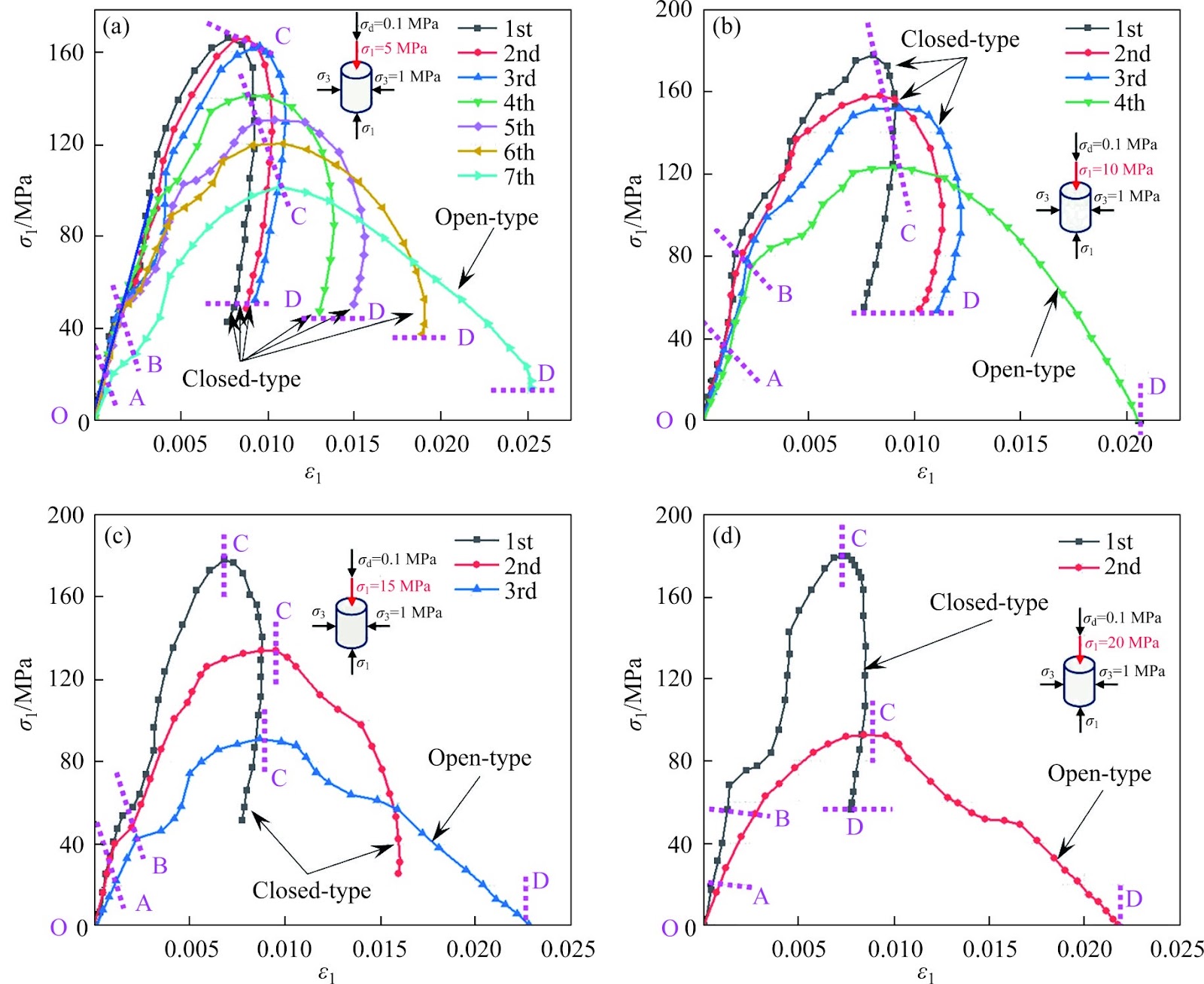
Dynamic mechanical characteristics of post-peak sandstone under three-dimensional cyclic impact
Graphical Abstract
Original ResearchVol. 32, Issue 1 • pp. 808-820DOI: 10.1007/s11771-025-5943-1Jan 23, 2025

Seismic pseudo-static stability analysis of bedding jointed rock slope stability under the interaction of the upper dangerous rock mass and lower stepped slope mass based on acceleration assessment

Authors: LI De-jian, XIAO Yu, YANG Yan-song, YU Peng-cheng, ZHANG Ying-bin, ZHAO Lian-heng

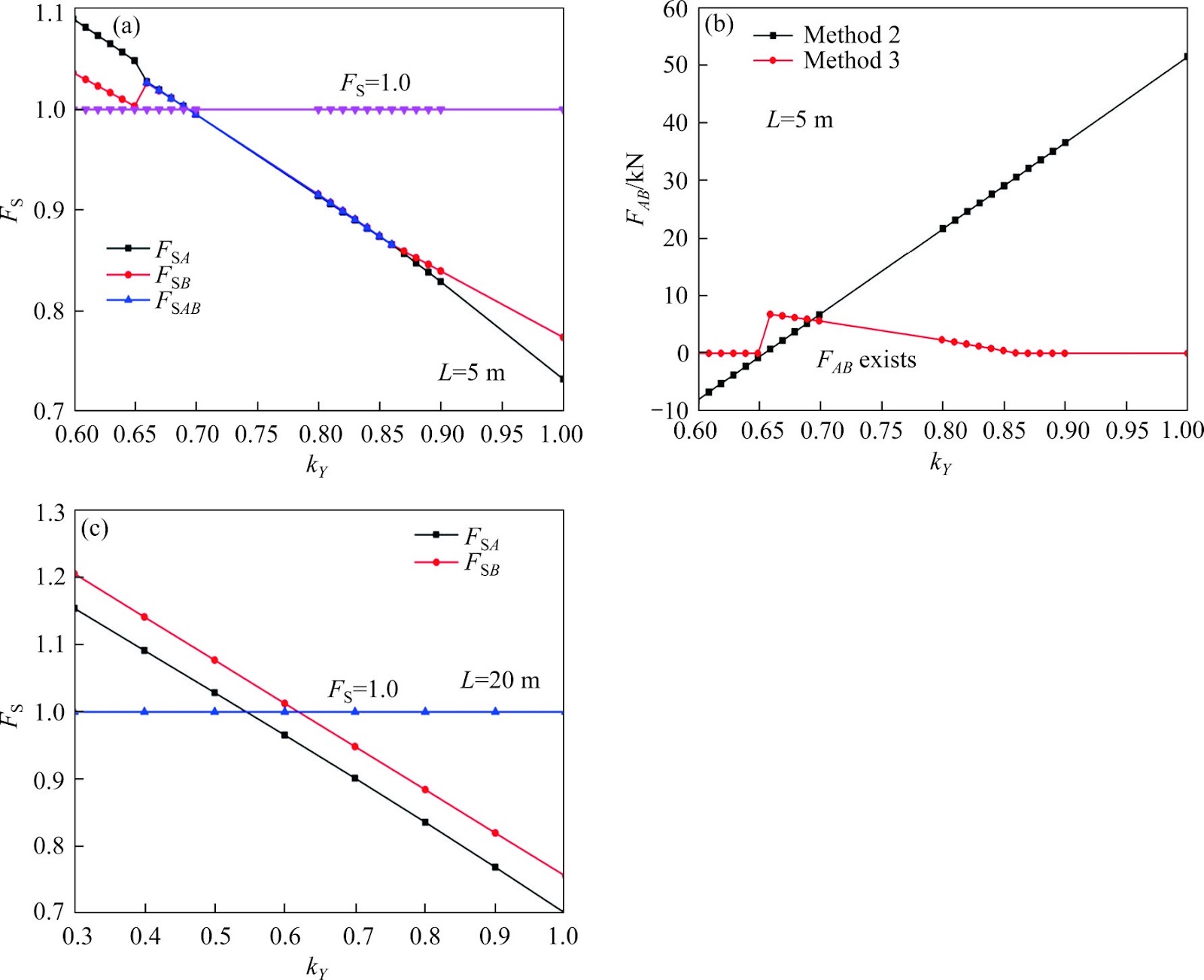
In the practical slope engineering, the stability of lower sliding mass (region A) with back tensile cracks of the jointed rock slope attracts more attentions, but the upper rock mass (region B) may also be unstable. Therefore, in this study, based on the stepped failure mode of bedding jointed rock slopes, considering the influence of the upper rock mass on the lower stepped sliding mass, the improved failure model for analyzing the interaction force (FAB) between two regions is constructed, an

Seismic pseudo-static stability analysis of bedding jointed rock slope stability under the interaction of the upper dangerous rock mass and lower stepped slope mass based on acceleration assessment
Graphical Abstract
Original ResearchVol. 32, Issue 1 • pp. 416-428DOI: 10.1007/s11771-025-5960-0Jan 20, 2025

Tensile deformation characteristics and high-plasticity mechanism of directionally solidified pure magnesium

Authors: ZHANG Hang, FANG Da-ran, ZHAO Sheng-shi, LIN Xiao-ping, LIAN Yong-qiang, ZHANG Xu-zhao, GAO Qiu-zhi

The pure Mg with columnar crystals was prepared by directional solidification, and the effect of process parameters on the crystal orientation and tensile properties was studied. Moreover, the microstructure evolution during tensile deformation was analyzed by electron backscatter diffraction (EBSD) technology. Furthermore, the slip within adjacent grains and grain boundary strain were discussed using the bicrystal model theory. The results show that the microstructure of the pure Mg at a pullin

Tensile deformation characteristics and high-plasticity mechanism of directionally solidified pure magnesium
Graphical Abstract
Original ResearchVol. 32, Issue 1 • pp. 824-836DOI: 10.1007/s11771-025-5992-5Jan 17, 2025

Design of a novel discrete dual-switching tracking differentiator

Authors: HAN Kun, ZHANG Hao-bo

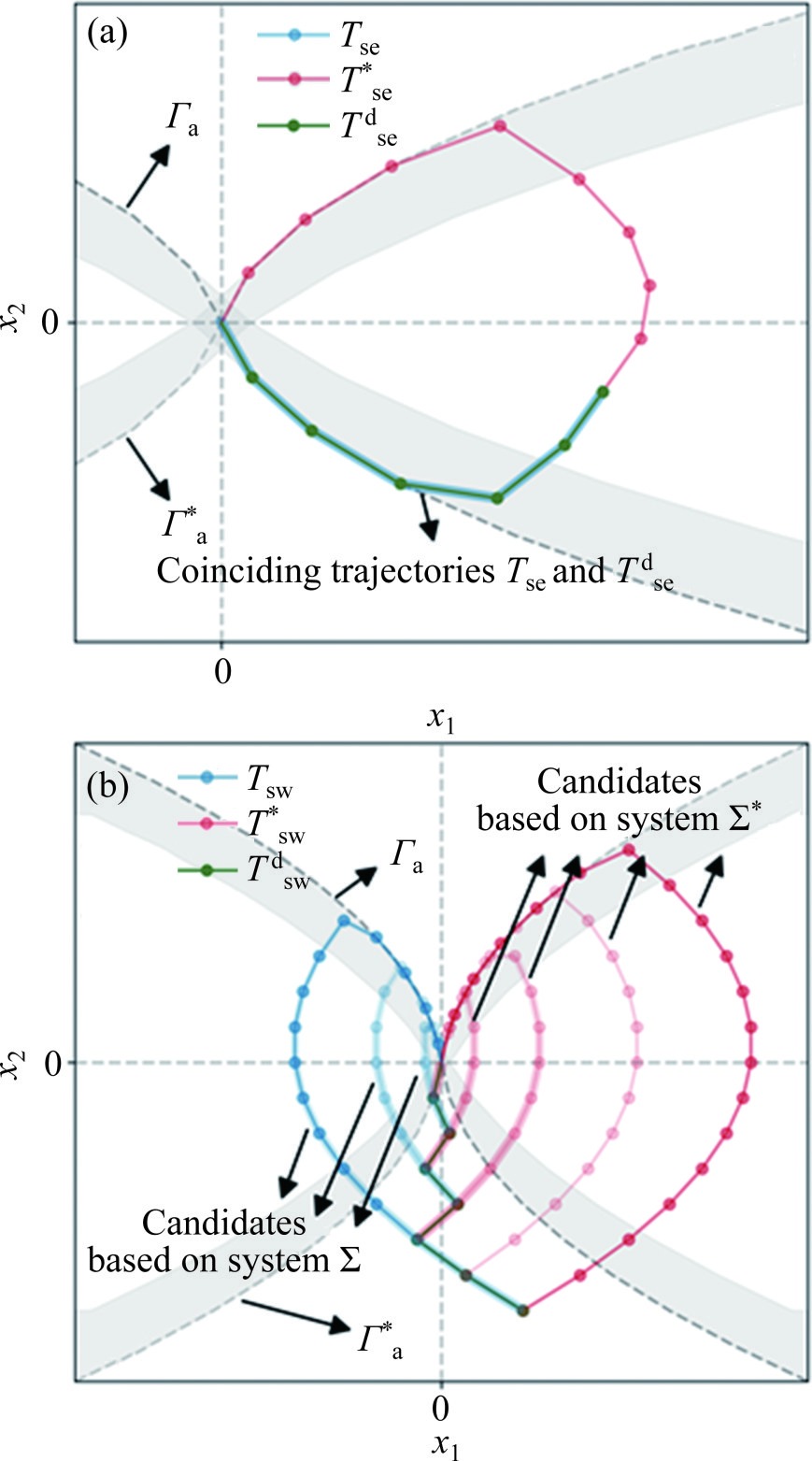
Signal filtering and differential acquisition are classic yet challenging issues in control engineering. The discrete-time optimal control (DTOC) based on classic tracking differentiator (TD) can effectively extract differentiation signals and filter signals, while eliminating the chattering problem that arises during the discretization of the continuous solution. However, under external disturbance, the convergence mode may change, leading to overshoot and noise amplification. In this paper, a

Design of a novel discrete dual-switching tracking differentiator
Graphical Abstract
Original ResearchVol. 32, Issue 1 • pp. 196-208DOI: 10.1007/s11771-025-5880-zJan 15, 2025

A novel five-axis on-machine measurement optimization method for complex curved surfaces

Authors: Guo Yan-heng, Wan Neng, Zhuang Qi-xin

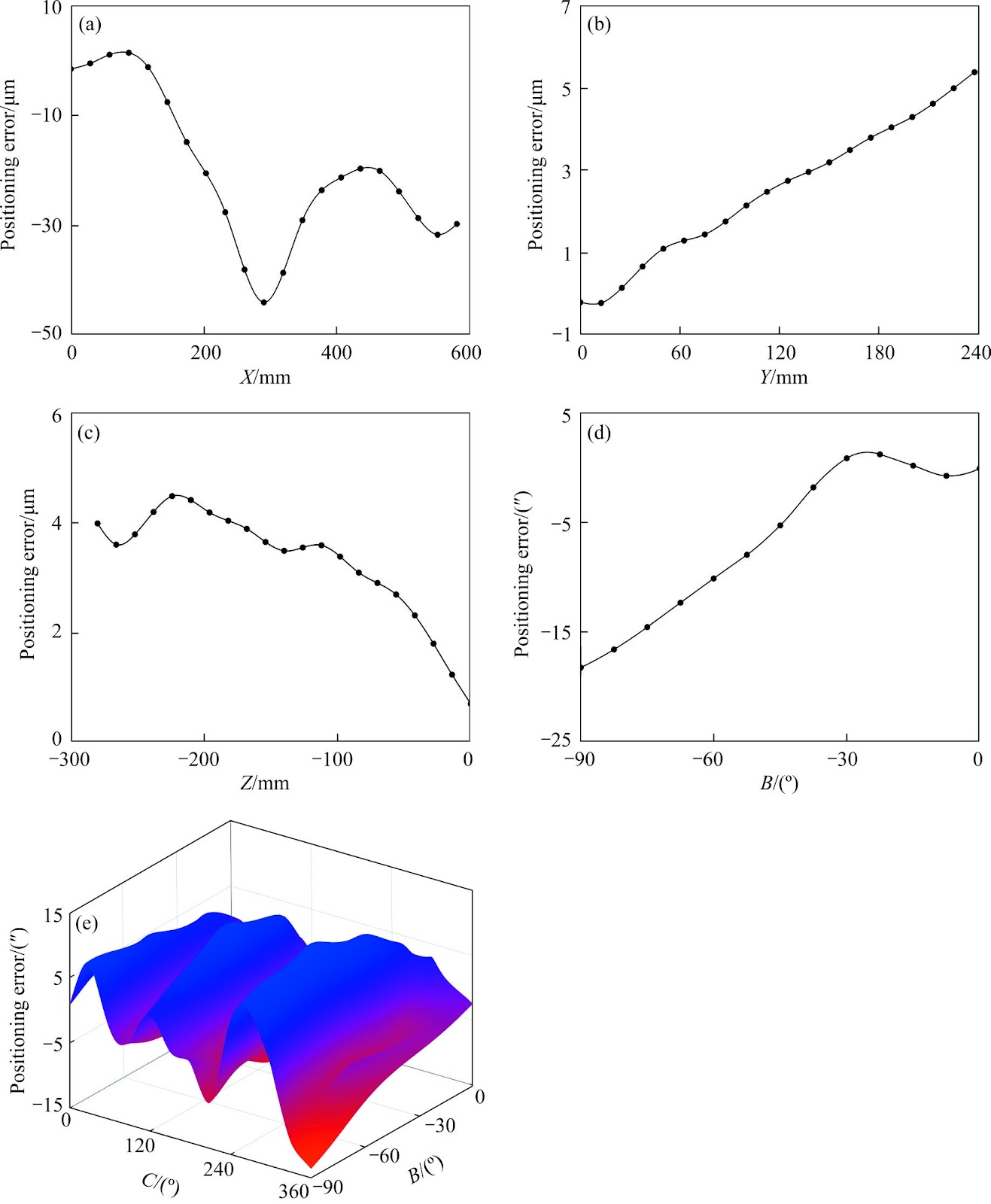
On-machine measurement (OMM) stands out as a pivotal technology in complex curved surface adaptive machining. However, the complex structure inherent in workpieces poses a significant challenge as the stylus orientation frequently shifts during the measurement process. Consequently, a substantial amount of time is allocated to calibrating pre-travel error and probe movement. Furthermore, the frequent movement of machine tools also increases the influence of machine errors. To enhance both accura

A novel five-axis on-machine measurement optimization method for complex curved surfaces
Graphical Abstract
Original ResearchVol. 32, Issue 1 • pp. 432-444DOI: 10.1007/s11771-025-6012-5Jan 14, 2025

Failure behavior of rock and steel slag cemented paste backfill composite structures under uniaxial compression: Effects of interface angle and steel slag content

Authors: HAO Jian-shuai, ZHOU Zi-han, CHEN Zhong-hui, CHE Zeng-hui

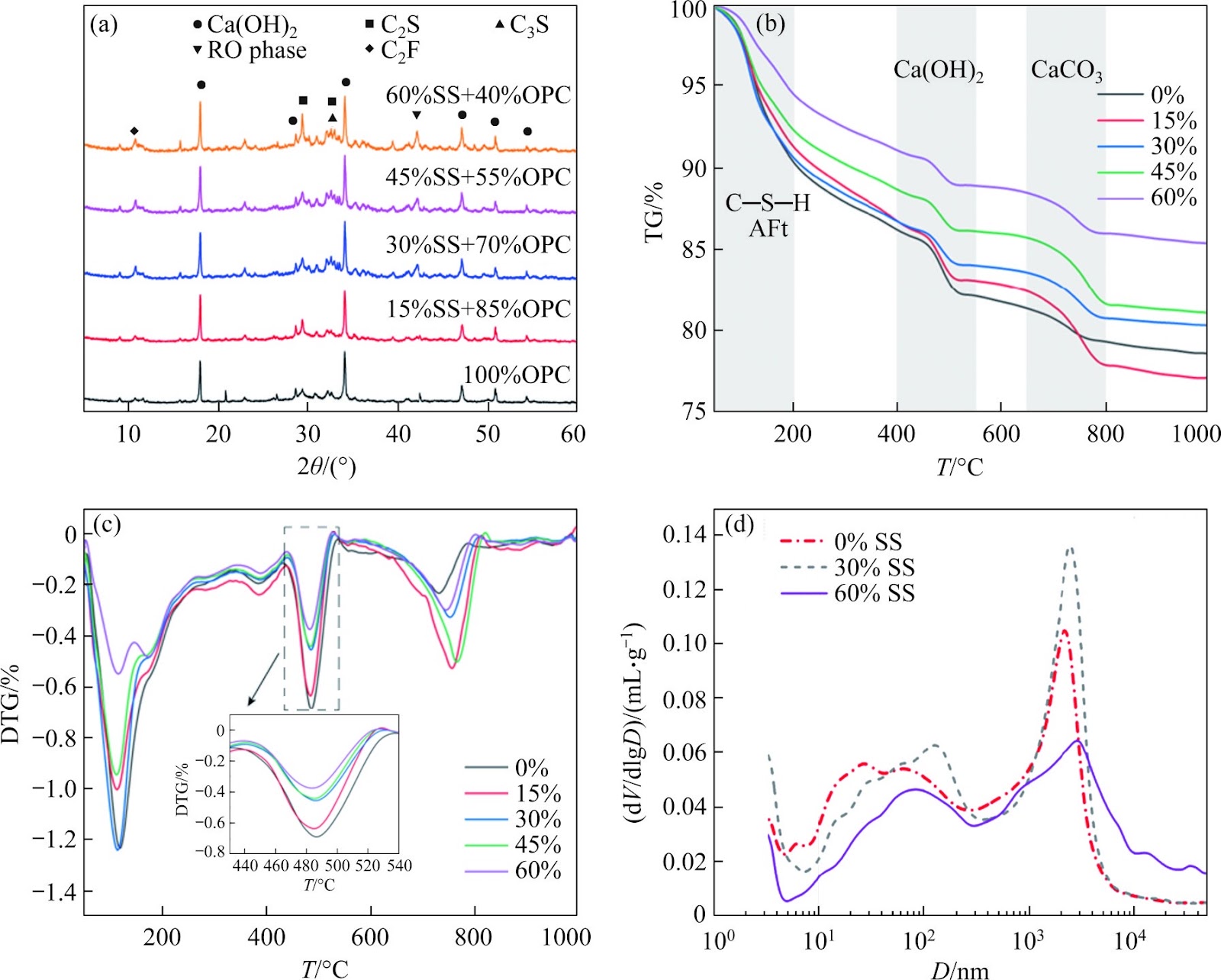
Abstract: The stability of the “surrounding rock-backfill” composite system is crucial for the safety of mining stopes. This study systematically investigates the effects of steel slag (SS) content and interface angle on the strength and failure characteristics of rock and SS-cemented paste backfill composite specimens (RBCS) through uniaxial compression strength tests (UCS), acoustic emission systems (AE), and 3D digital image correlation monitoring technology (3D-DIC). The intrinsic mechanism by which SS content influences the strength of SS-CPB was revealed through an analysis of its hydration reaction degree and microstructural characteristics under varying SS content. Moreover, a theoretical strength model incorporating different interface angles was developed to explore the impact of interface inclination on failure modes and mechanical strength. The main conclusions are as follows: The incorporation of SS enhances the plastic characteristics of RBCS and reduces its brittleness, with the increase of SS content, the stress−strain curve of RBCS in the “staircase-like” stage becomes smoother; When the interface angle is 45°, the RBCS stress−strain curve exhibits a bimodal feature, and the failure mode changes from Y-shaped fractures to interface and axial splitting; The addition of SS results in a reduction of hydration products such as Ca(OH)2 in the backfill cementing system and an increase in harmful pores, which weakens the bonding performance and strength of RBCS, and the SS content should not exceed 45%; As the interface angle increases, the strength of RBCS decreases, and the critical interface slip angle decreases first and then increases with the increase in the ES/ER ratio. This study provides technical references for the large-scale application of SS in mine backfill.

Failure behavior of rock and steel slag cemented paste backfill composite structures under uniaxial compression: Effects of interface angle and steel slag content
Graphical Abstract
Original ResearchVol. 32, Issue 1 • pp. 604-616DOI: 10.1007/s11771-025-5925-3Jan 12, 2025

Large deformation mechanism and “stress relief-support reinforcement” synergetic control method of soft rock roadway in footwall of deep normal fault

Authors: PEI Hong-xi, LIU Xue-sheng, FAN De-yuan, TAN Yun-liang, LI Xue-bin, GAO Yu-dong, SHI Zhi-han, ZHANG Yu

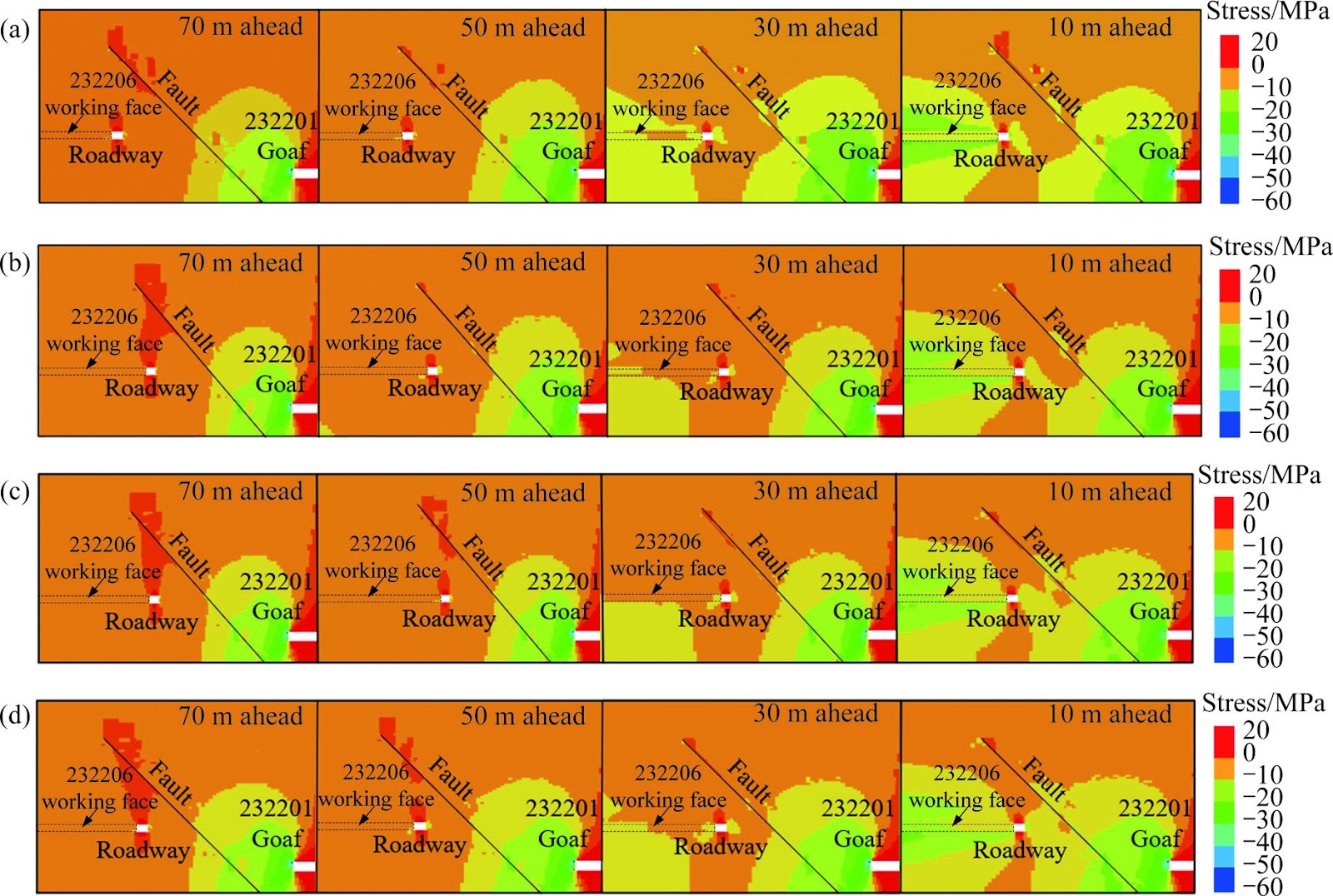
The surrounding rock of the soft rock roadway is seriously deformed and damaged under the superposition of mining stress and fault tectonic stress. In this paper, taking the No. 232206 intake roadway in Meihuajing Coal Mine as the engineering background, the deformation and failure law of the surrounding rock of the roadway in different fault protection pillar widths were obtained by numerical simulation method. On this basis, the mechanical model of the roadway under the action of hanging wall

Large deformation mechanism and “stress relief-support reinforcement” synergetic control method of soft rock roadway in footwall of deep normal fault
Graphical Abstract
Original ResearchVol. 32, Issue 1 • pp. 840-852DOI: 10.1007/s11771-025-6036-xJan 11, 2025

Optimization of crosswind stability for high-speed trains: Aerodynamic analysis of leeward winglet deflection angles

Authors: HUANG Feng-yi, SHANG Wen-fei, ZHANG Jie, KRAJNOVIĆ Siniša

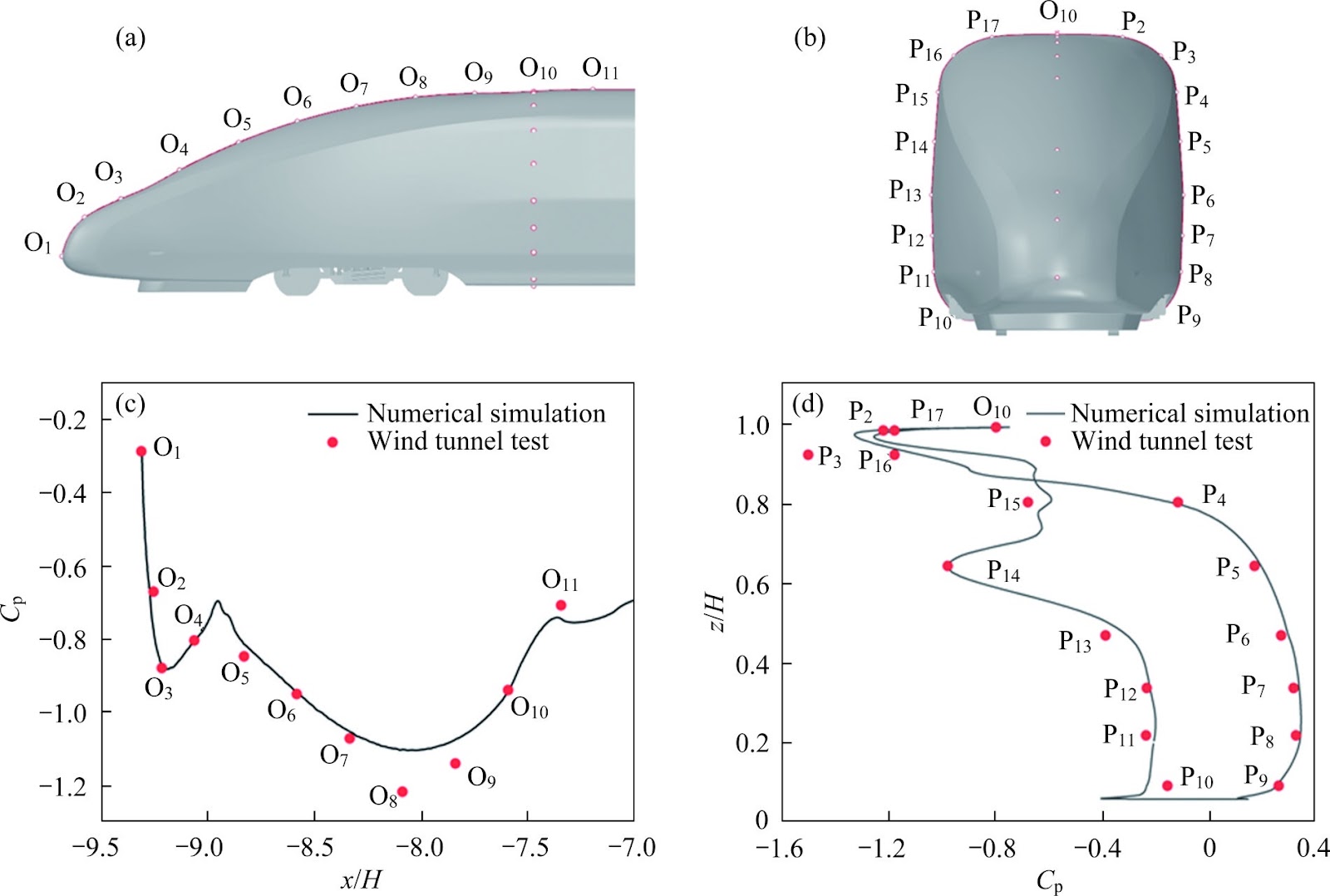
The stability of high-speed trains under crosswind conditions has become a key consideration in aerodynamic design. As running speeds continue to increase and car body weight decreases, crosswinds pose a greater risk to train safety, significantly lowering the critical wind velocity. Therefore, developing strategies to enhance crosswind stability is essential. This study focuses on the leeward region adjacent to the train body, where separated flows with large vortices generate significant negative surface pressure. Enhancing this negative pressure distribution is proposed as a potential method to improve a train’s resistance to overturning. To achieve this, winglets are installed on the leeward side as a flow control measure, and their effects at different deflection angles are evaluated. The influence of five deflection angles on the leeward-side flow field and aerodynamic loads is analyzed, considering the head, middle, and tail cars. Results indicate that a deflection angle of 90° optimally reduces the overall overturning moment by 27.6% compared to the baseline model in a three-car configuration. These findings highlight that optimizing the winglet deflection angle to approximately 90° can significantly enhance a train’s resistance to overturning, offering valuable insights for aerodynamic optimization in strong wind conditions.

Optimization of crosswind stability for high-speed trains: Aerodynamic analysis of leeward winglet deflection angles
Graphical Abstract
Original ResearchVol. 32, Issue 1 • pp. 212-224DOI: 10.1007/s11771-025-5952-0Jan 9, 2025

Production of 2D NbOCl2 with controllable size by liquid phase exfoliation and its photothermal properties

Authors: ASAD Ahmed, KANG Jian-long, ZHENG Wan-xin, LI Xiao-hong, KHANSA Younus, ZHOU Li, WANG Yi-duo, XIAO Si, WANG Ying-wei, HE Jun

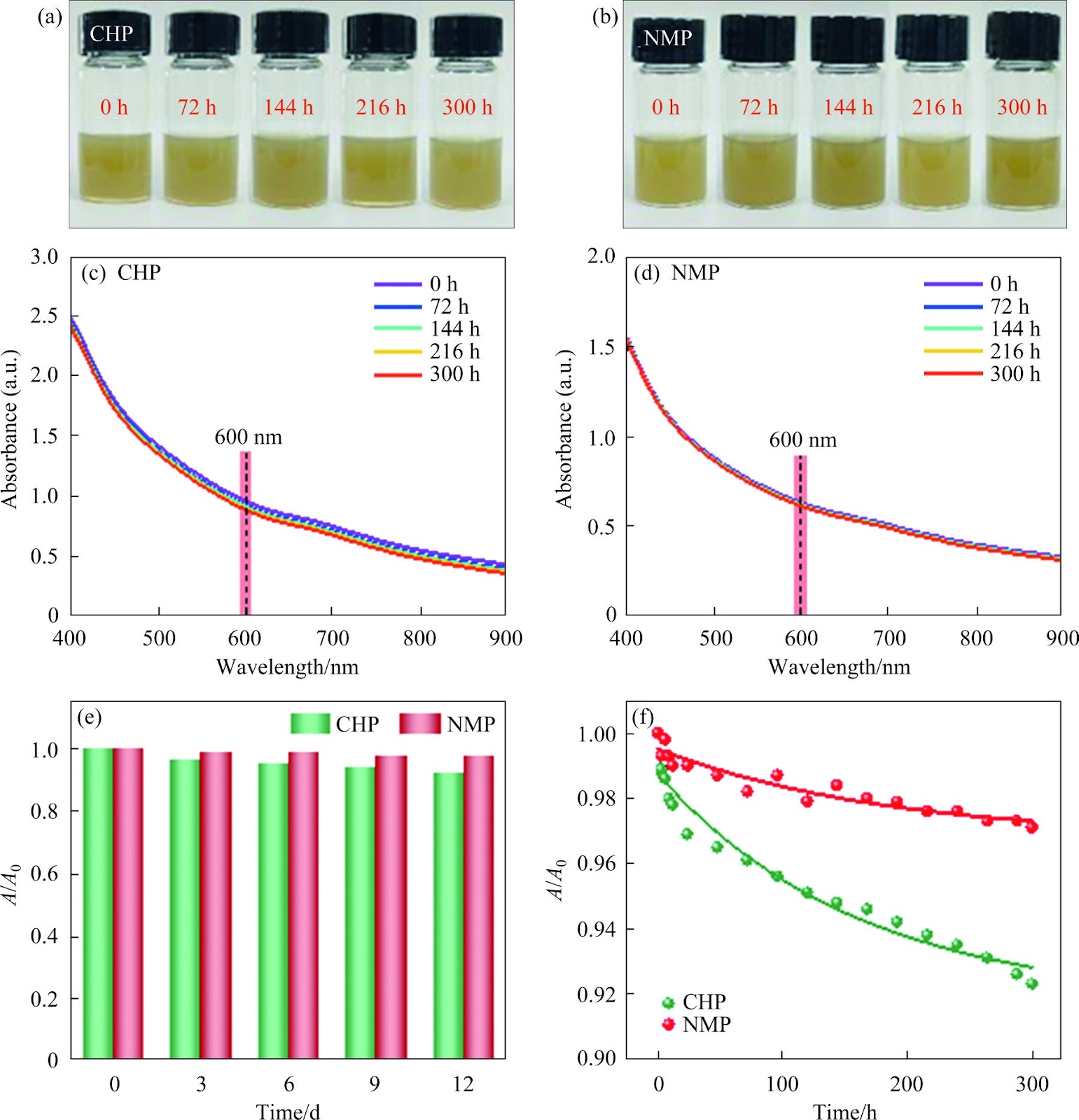
Ultrathin 2D niobium oxide dichloride (NbOCl2) is an emerging member of the 2D ferroelectric material family with extensive potential to provide multifunctionality in electronic devices and nanophotonics elements. It exhibits negligible interlayer electronic coupling and significant excitonic behavior in the bulk state. Here we substantiate that NbOCl2 nanosheets can be exfoliated and effectively size-selected using controlled centrifugation techniques by the liquid phase exfoliation (LPE) metho

Production of 2D NbOCl2 with controllable size by liquid phase exfoliation and its photothermal properties
Graphical Abstract
Original ResearchVol. 32, Issue 1 • pp. 620-632DOI: 10.1007/s11771-025-5987-2Jan 6, 2025

Effect of pre-heat treatment and subsequent ECAP-CU on microstructure and corrosion behavior of 7075 Al alloy fasteners

Authors: ZHANG Jun-jie, HE Tao, DU Xiang-yang, ALEXER Vereschaka, SONG Miao, CHEN Xi-lin, LI Jian

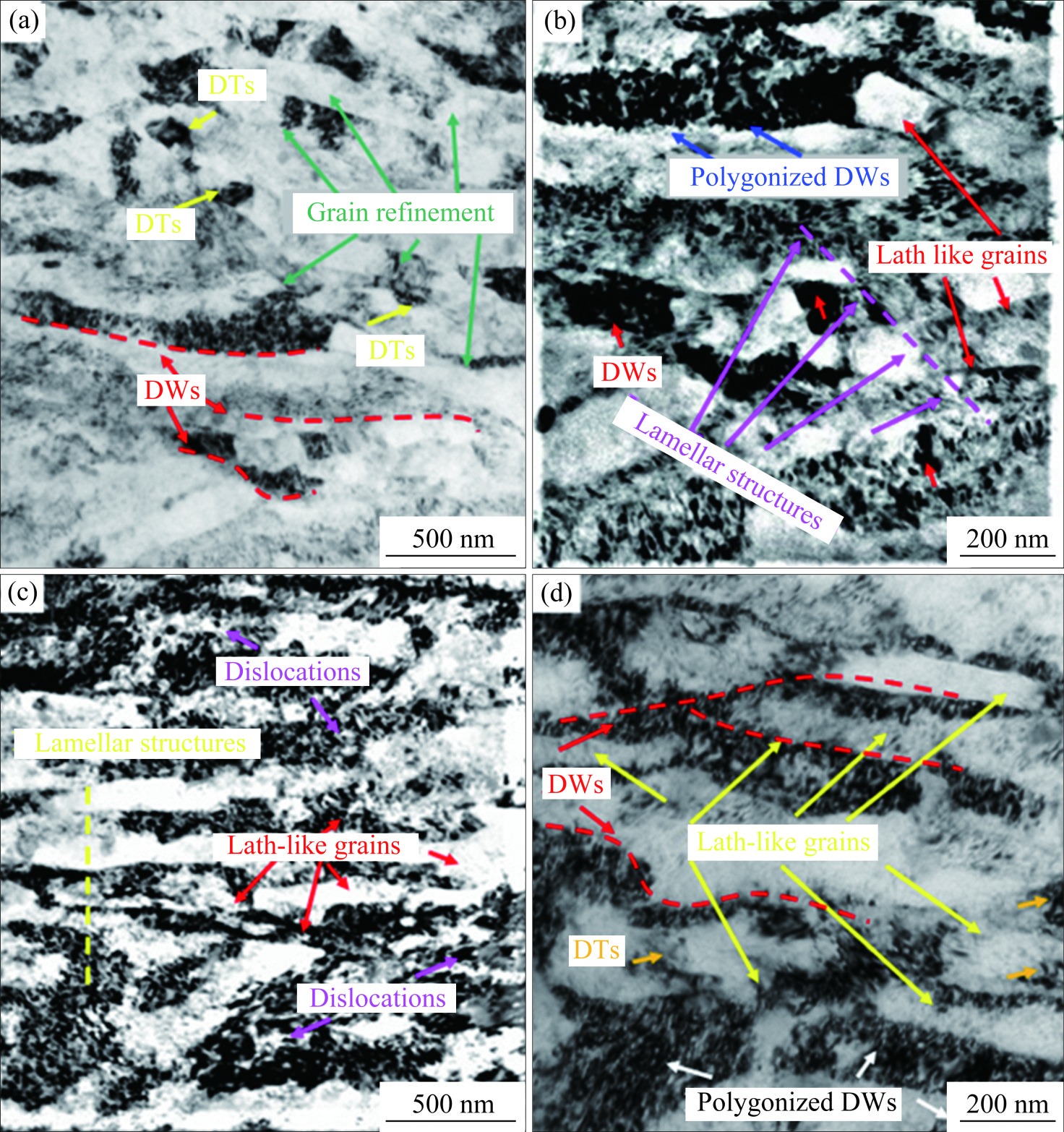
It is of great significance to study the corrosion process of aluminum (Al) alloys fasteners in order to mitigate corrosion for their widespread applications. In this paper, a method for enhancing the corrosion resistance of Al alloy fasteners is proposed. 7075 Al alloy parts with a fine-grained microstructure were prepared by pre-heat treatment (PHT), combined subsequent equal channel angular pressing (ECAP) and cold upsetting (CU). The corrosion behavior of the specimens was investigated by in

Effect of pre-heat treatment and subsequent ECAP-CU on microstructure and corrosion behavior of 7075 Al alloy fasteners
Graphical Abstract
Original ResearchVol. 32, Issue 1 • pp. 792-804DOI: 10.1007/s11771-024-5777-2Jan 4, 2025

An improved model of the Pasternak foundation beam umbrella arch considering the generalized shear force

Authors: CHEN Lei, JIA Chao-jun, LEI Ming-feng, HE Yan-chun, SHI Cheng-hua, LI Ao

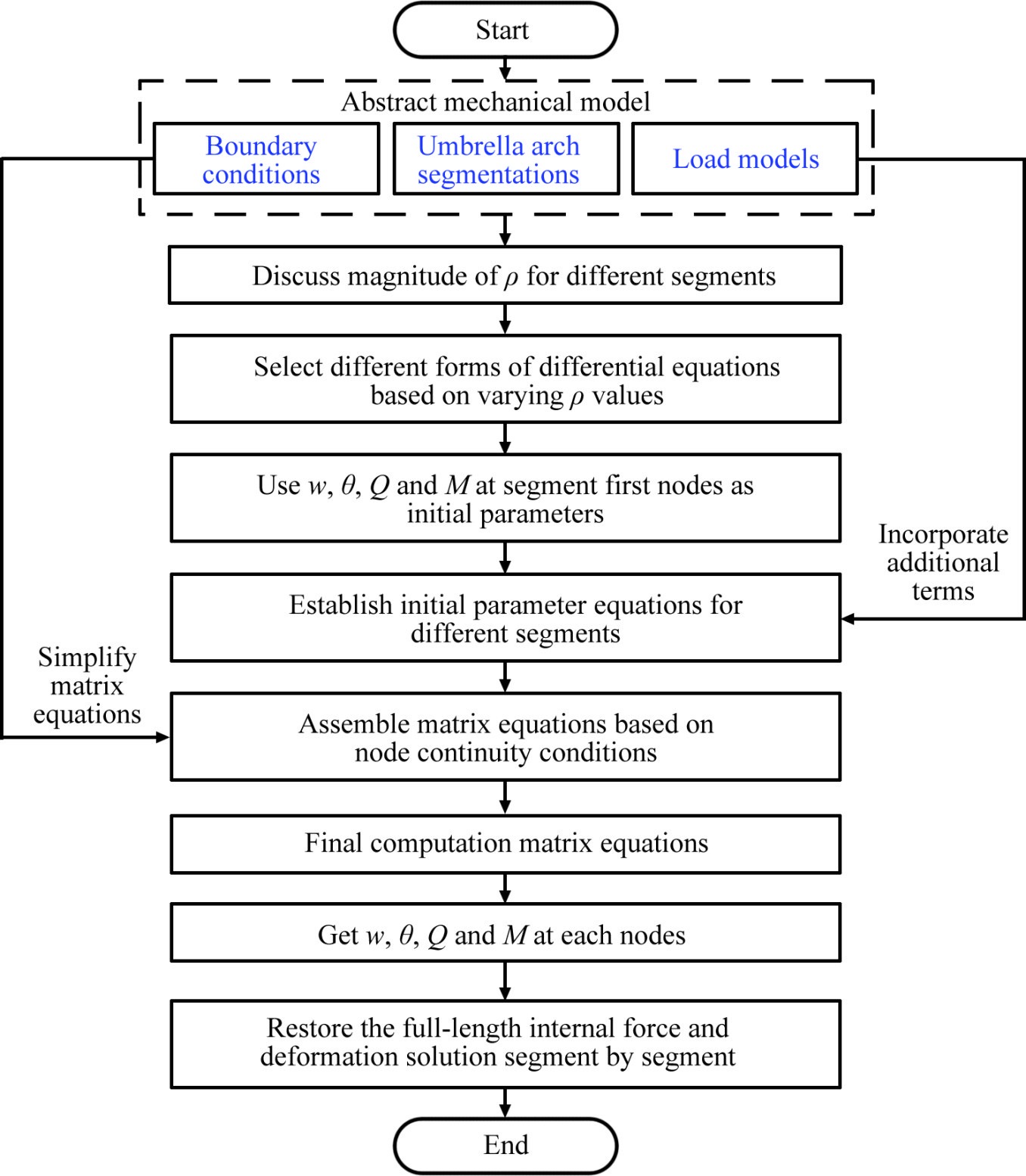
The existing analytical models for umbrella arch method (UAM) based on elastic foundation beams often overlook the influence of the surrounding soil beyond the beam edges on the shear stresses acting on the beam. Consequently, such models fail to adequately reflect the continuity characteristics of soil deformation. Leveraging the Pasternak foundation-Euler beam model, this study considers the generalized shear force on the beam to account for the influence of soil outside the beam ends on the s

An improved model of the Pasternak foundation beam umbrella arch considering the generalized shear force
Graphical Abstract
Original ResearchVol. 32, Issue 1 • pp. 228-240DOI: 10.1007/s11771-025-6007-2Jan 3, 2025

Improved model-based study of backfill stress distribution considering rock-backfill closure, mine depth, and position along stope length

Authors: LIU Chun-kang, WANG Hong-jiang, WU Ai-xiang, LI Hao

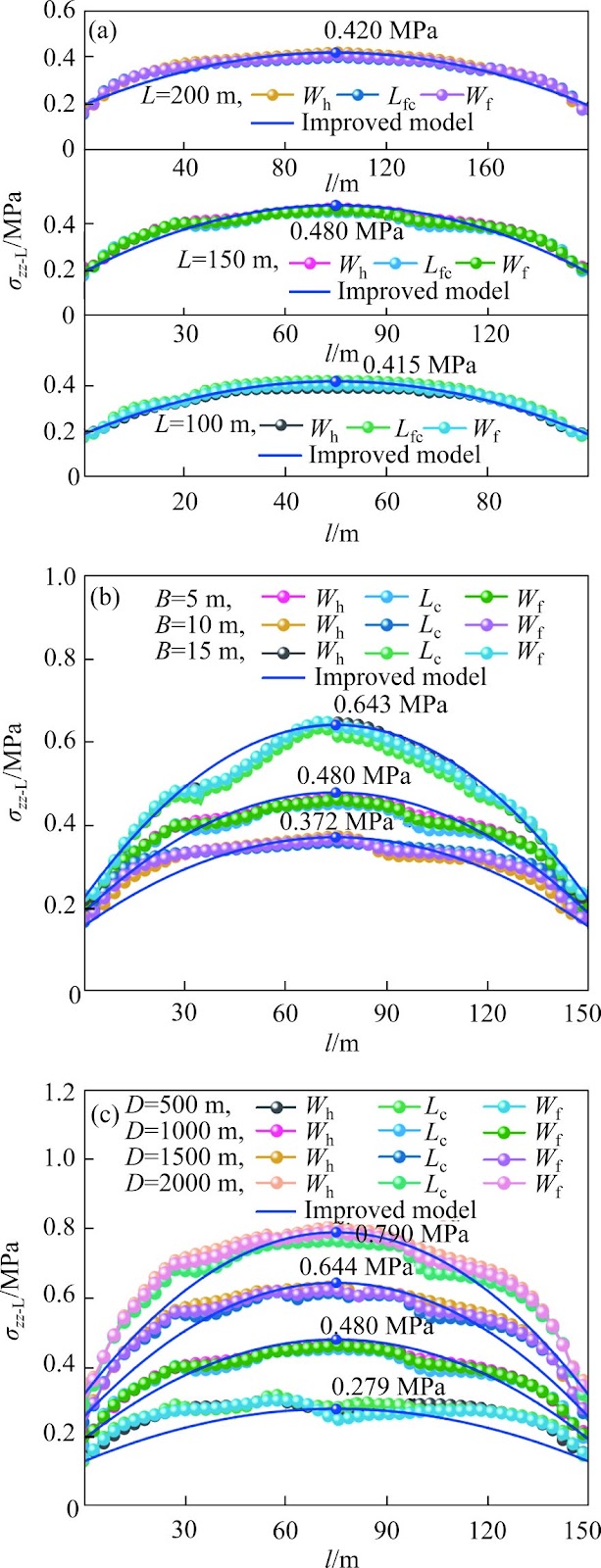
During upward horizontal stratified backfill mining, stable backfill is essential for cap and sill pillar recovery. Currently, the primary method for calculating the required strength of backfill is the generalized three-dimensional (3D) vertical stress model, which ignores the effect of mine depth, failing to obtain the vertical stress at different positions along stope length. Therefore, this paper develops and validates an improved 3D model solution through numerical simulation in Rhino-FLAC3

Improved model-based study of backfill stress distribution considering rock-backfill closure, mine depth, and position along stope length
Graphical Abstract
Original ResearchVol. 32, Issue 1 • pp. 400-412DOI: 10.1007/s11771-025-5907-5Jan 1, 2025

A new method for a numerical investigation of windproof performance of porous windbreaks for high-speed railways based on a physical model

Authors: LIU Dong-run, WAN Yuan, LI Yan-cheng, ZHOU Nan-qing, WANG Tian-tian, ZHANG Lei, LIN Tong-tong

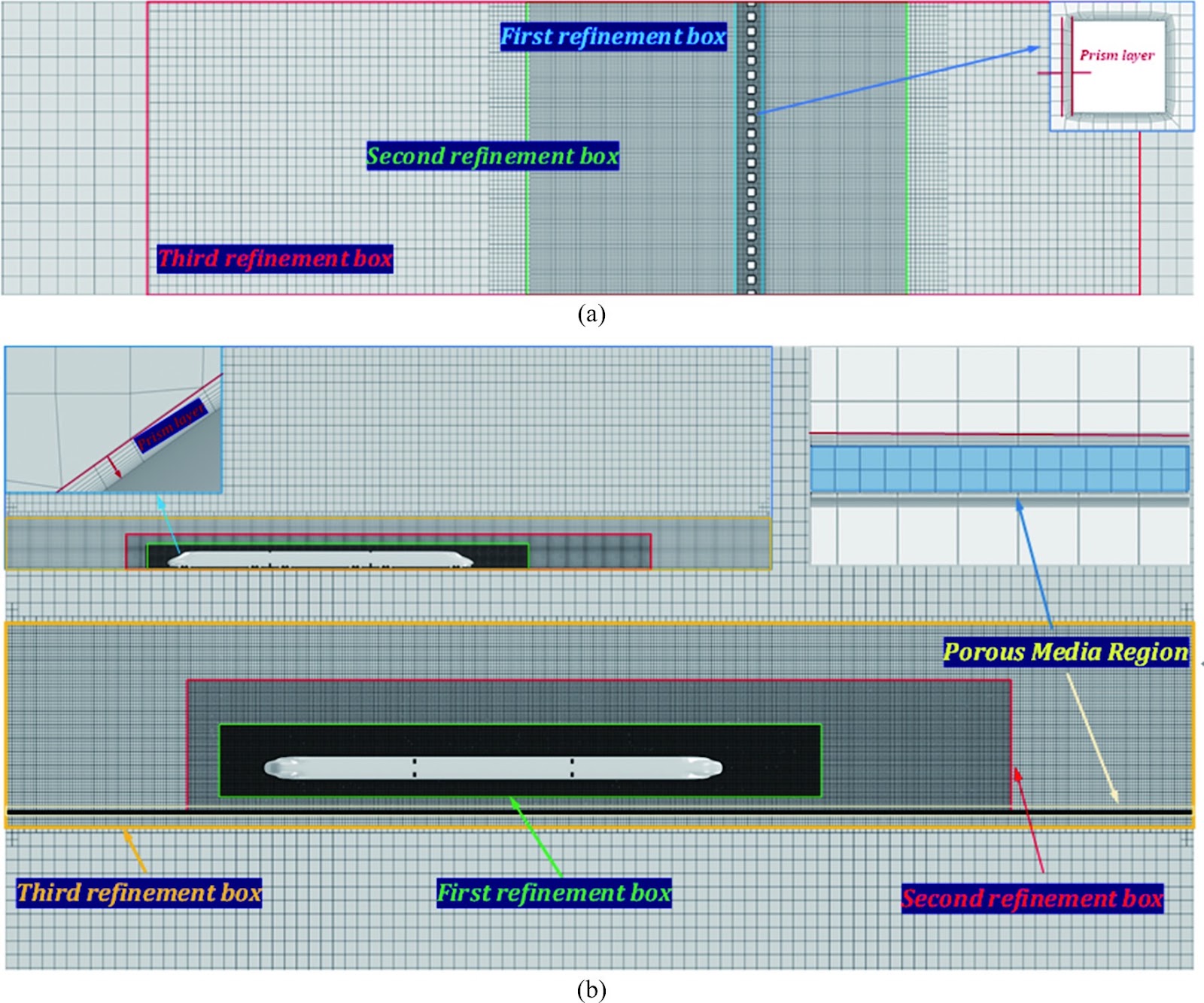
Following the fundamental characteristics of the porosity windbreak, this study suggests a new numerical investigation method for the wind field of the windbreak based on the porous medium physical model. This method can transform the reasonable matching problem of the porosity and windproof performance of the windbreak into a study of the relationship between the resistance coefficient of the porous medium and the aerodynamic load of the train. This study examines the influence of the hole type

A new method for a numerical investigation of windproof performance of porous windbreaks for high-speed railways based on a physical model
Graphical Abstract