Key Takeaways & Executive Findings
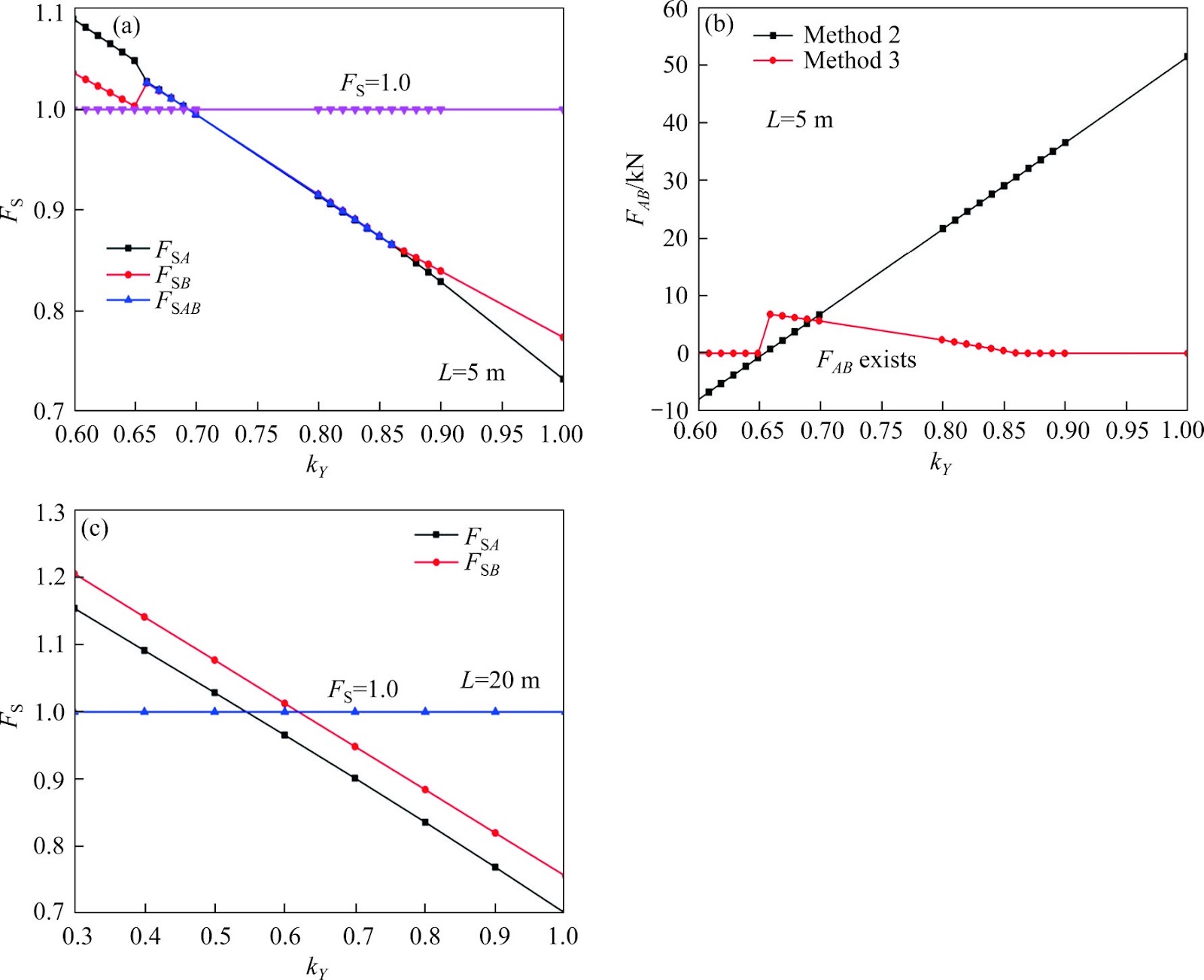
- •• An improved failure model is developed to analyze the interaction force between the upper dangerous rock mass and lower stepped sliding mass in bedding jointed rock slopes. • A novel acceleration-based criterion (aA and aB) is proposed to determine whether the interaction force FAB exists between the two regions. • The interaction force FAB increases the sliding force of the lower sliding mass and weakens its stability, aligning with field observations. • The proposed method accurately calculates safety factors for the upper, lower, and whole regions, with verification through comparative analysis.
Abstract
In the practical slope engineering, the stability of lower sliding mass (region A) with back tensile cracks of the jointed rock slope attracts more attentions, but the upper rock mass (region B) may also be unstable. Therefore, in this study, based on the stepped failure mode of bedding jointed rock slopes, considering the influence of the upper rock mass on the lower stepped sliding mass, the improved failure model for analyzing the interaction force (FAB) between two regions is constructed, and the safety factors (FS) of two regions and whole region are derived. In addition, this paper proposes a method to determine the existence of FAB using their respective acceleration values (aA and aB) when regions A and B are unstable. The influences of key parameters on two regions and the whole region are analyzed. The results show that the variation of the FAB and FS of two regions can be obtained accurately based on the improved failure model. The accuracy of the improved failure model is verified by comparative analysis. The research results can explain the interaction mechanism of two regions and the natural phenomenon of slope failure caused by the development of cracks.
1. Introduction
In practical engineering, tensile cracks generally develop at the back edge of a slope. The tensile cracks divide the sliding mass into an upper dangerous rock mass (region B) and a lower rock mass (region A). In general, the A region is unstable, whereas the B region remains stable. However, regions A and B may be unstable in some landslide cases. For example, the bedding rock slope of the Sanli Line in Guizhou Province, China [1] shows that the lower stepped sliding body is unstable, and an investigation revealed that the upper rock mass is also unstable and needs artificial blasting treatment. However, in some cases, the interaction force (FAB) between regions A and B exists, which increases the sliding force of region A and makes region A further unstable. At present, the lower sliding body is analyzed by most scholars, whereas the influence of the upper rock mass is generally neglected. In practical engineering, the upper rock mass has an adverse effect on the lower sliding body and makes it unstable. Therefore, FAB between the A and B regions needs more attention. For example, the upper rock mass and lower sliding body of the Dagouwan landslide in the Dongping reservoir in Hubei Province, China, clearly interact [2]. The upper rock mass first becomes unstable under shear and tensile forces, and the additional load generated by sliding and accumulation makes the lower sliding body unstable, after which the whole slope is destroyed. Liujian landslide (Luonan County, Shanxi Province, China) under rainfall [3] and the rock slope of the Baocheng Railway 109 tunnel in China under seismic action [4] show that the upper rock mass is more unstable than the lower sliding body.
Especially under seismic action, the horizontal and vertical accelerations of the upper rock mass are greater than those of the lower sliding body, and the amplification effect of seismic action intensifies FAB. In addition, the Tiantai landslide (Xuanhan County, Sichuan Province, China) [5] is as follows: the front sliding body slides first, followed by the back sliding body. The whole landslide process lasted approximately 8.5 h, and the sliding surface experienced nearly 50 secondary landslides. Based on the above analyses, in some landslide cases, when FAB is present, the FAB increases the sliding force of the lower sliding body and weakens its stability. Therefore, the interaction mechanism needs to be further studied. Currently, the stability analysis methods for rock slopes can be
Loading authentic research manuscript (Pages 1–5)...
LI De-jian, XIAO Yu, YANG Yan-song, YU Peng-cheng, ZHANG Ying-bin, ZHAO Lian-heng (2025). Seismic pseudo-static stability analysis of bedding jointed rock slope stability under the interaction of the upper dangerous rock mass and lower stepped slope mass based on acceleration assessment. Journal of Central South University. https://doi.org/10.1007/s11771-025-5943-1
Research & Educational Purpose Only:The translations, structured abstracts, analytical annotations, and data reports provided by SinoTechIntel are intended exclusively for academic research, internal corporate R&D, and educational benchmarking. They do not constitute formal engineering, chemical safety, legal, or professional advice.
Copyright & Intellectual Property Notice: Original copyright of the underlying source articles and experimental data remains with the respective authors, institutions, and original publishing journals. SinoTechIntel claims intellectual property only over its proprietary translations, analytical syntheses, and AEO structured enhancements in accordance with international fair use and academic citation principles.
Frequently Asked Questions
What is the main objective of this study?
The study aims to analyze the seismic stability of bedding jointed rock slopes by considering the interaction between the upper dangerous rock mass and the lower stepped sliding mass, and to propose an acceleration-based criterion for determining the existence of the interaction force FAB.
How does the interaction force FAB affect the stability of the lower sliding mass?
The interaction force FAB increases the sliding force of the lower sliding body and weakens its stability, which can trigger further instability of the already unstable lower region.
What method is used to determine whether FAB exists?
The authors propose comparing the acceleration values (aA and aB) of regions A and B when they are unstable; the presence of FAB can be inferred from the relative acceleration magnitudes.
What failure model is used in the analysis?
An improved failure model based on the stepped failure mode of bedding jointed rock slopes, considering the interaction between the upper and lower rock masses, is developed.
Are the findings supported by field cases?
Yes, the model explains the interaction mechanism behind several landslide cases, including the Sanli Line slope and the Dagouwan landslide, where upper and lower rock masses interact and lead to progressive failure.
Related Technical Papers & Translations
Design and optimization of a high-efficiency distillation process for cellulosic fuel ethanol integrated with thermal coupling and molecular sieve adsorption
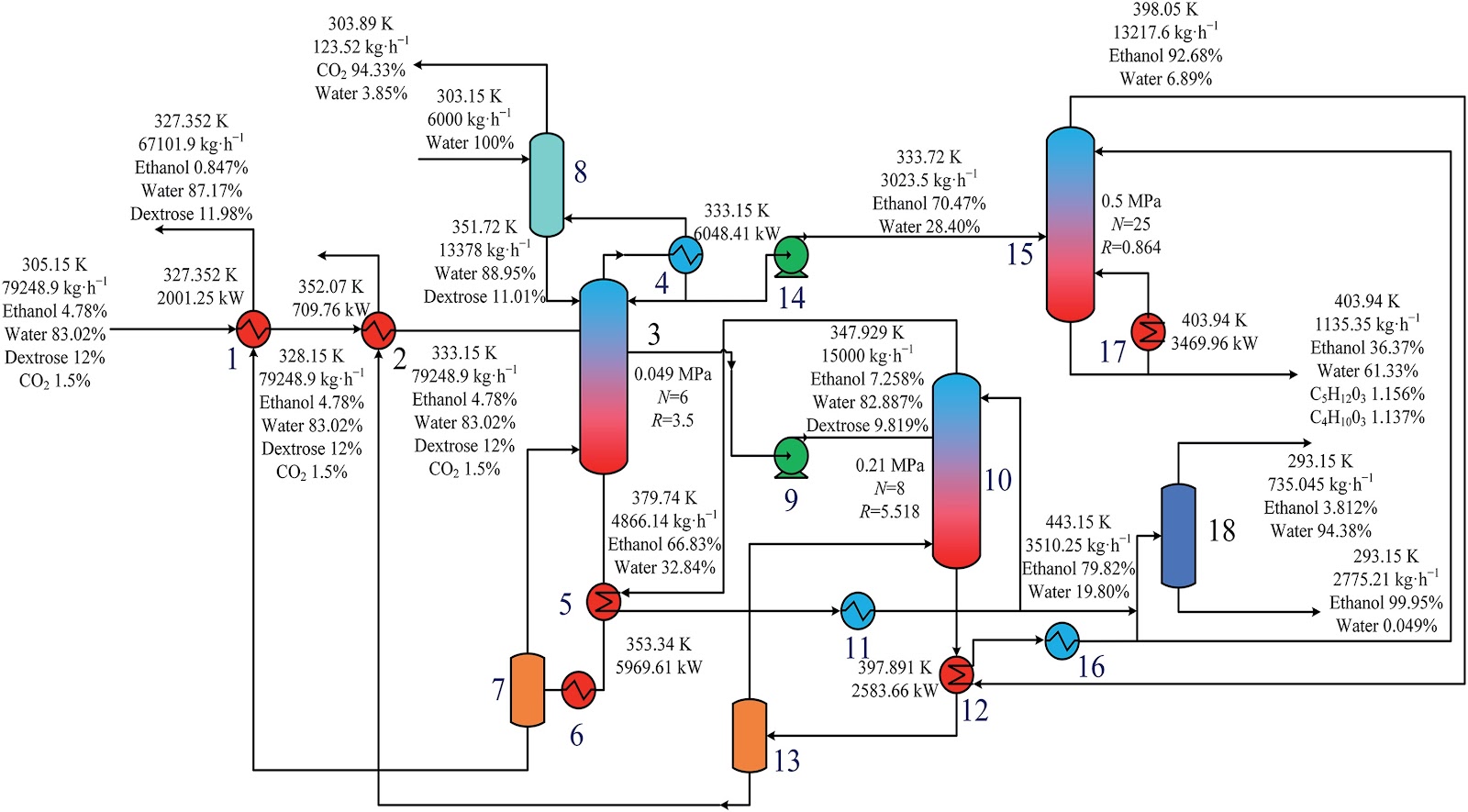
To address the challenges of high energy consumption and prominent costs in the traditional three-columns distillation process for cellulosic fuel ethanol, a distillation—molecular sieve coupling separation process is proposed. This process integrates a three-column (crude distillation column, first distillation column, second distillation column) system with a 3A molecular sieve adsorption deep dehydration unit. A thermal coupling network is constructed via differential pressure design (steam from medium/high-pressure columns as mutual heat sources, reboiler liquid waste heat for feed preheating), and molecular sieve adsorption conditions are optimized. The study first performs a thermodynamic consistency test on the ethanol—water system, determines optimal non-random two-liquid (NRTL) model binary interaction parameters via experimental data regression for Aspen Plus simulation. Aiming at minimum total annual cost (TAC), Aspen Plus is used to optimize process parameters (theoretical tray number, feed location, reflux ratio, side-draw position, etc.). Economic analysis shows this process reduces CO2 emission costs by 27.56%, TAC by 15.58% (to 5.123 × 10⁶ USD·a-1), and increases ethanol purity to >99.6%, providing an effective solution for green, efficient separation.
A cohesion loss model for determining residual strength of deep bedded sandstone
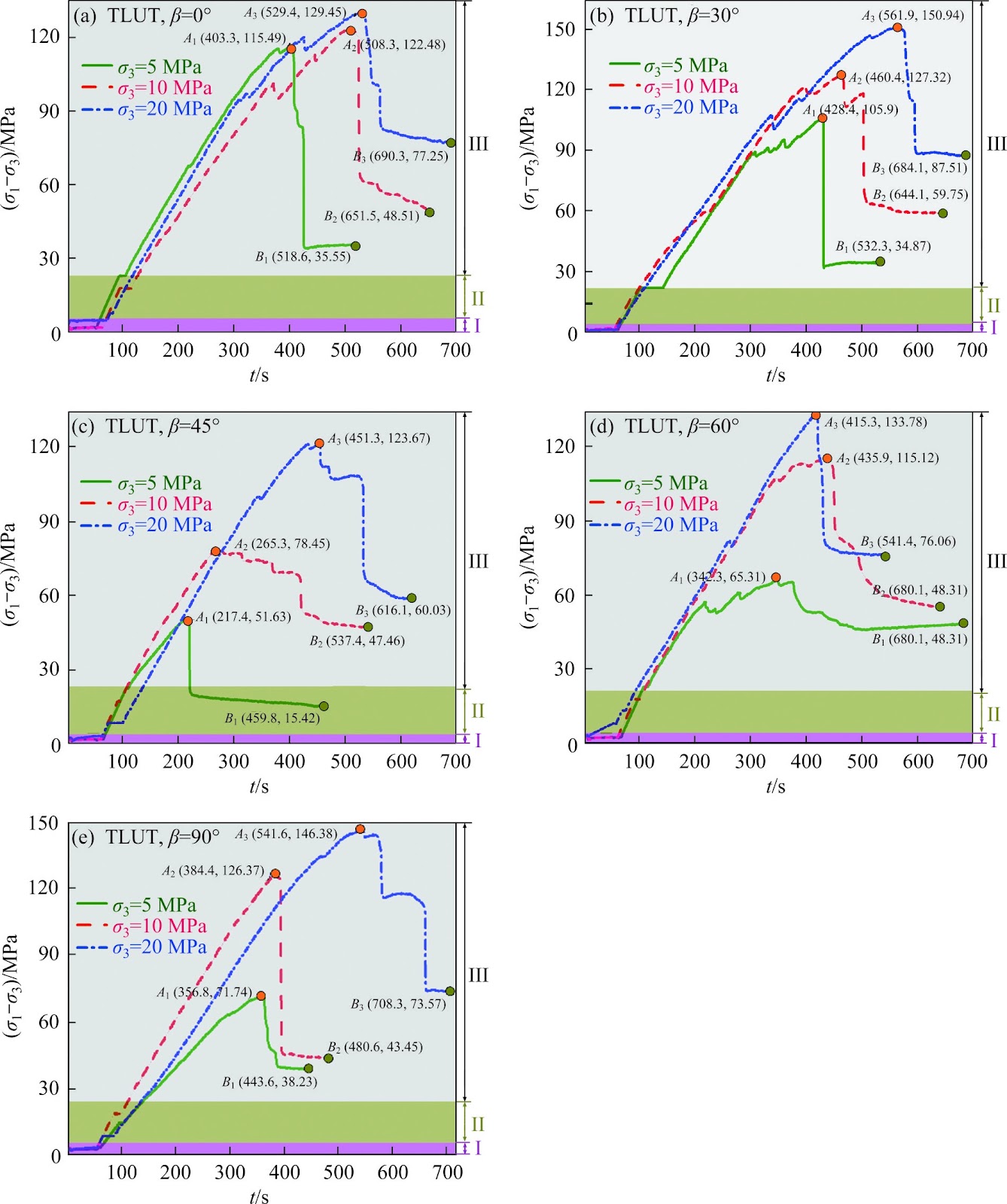
Rock residual strength, as an important input parameter, plays an indispensable role in proposing the reasonable and scientific scheme about stope design, underground tunnel excavation and stability evaluation of deep chambers. Therefore, previous residual strength models of rocks established were reviewed. And corresponding related problems were stated. Subsequently, starting from the effects of bedding and whole life-cycle evolution process, series of triaxial mechanical tests of deep bedded s
Federated model with contrastive learning and adaptive control variates for human activity recognition
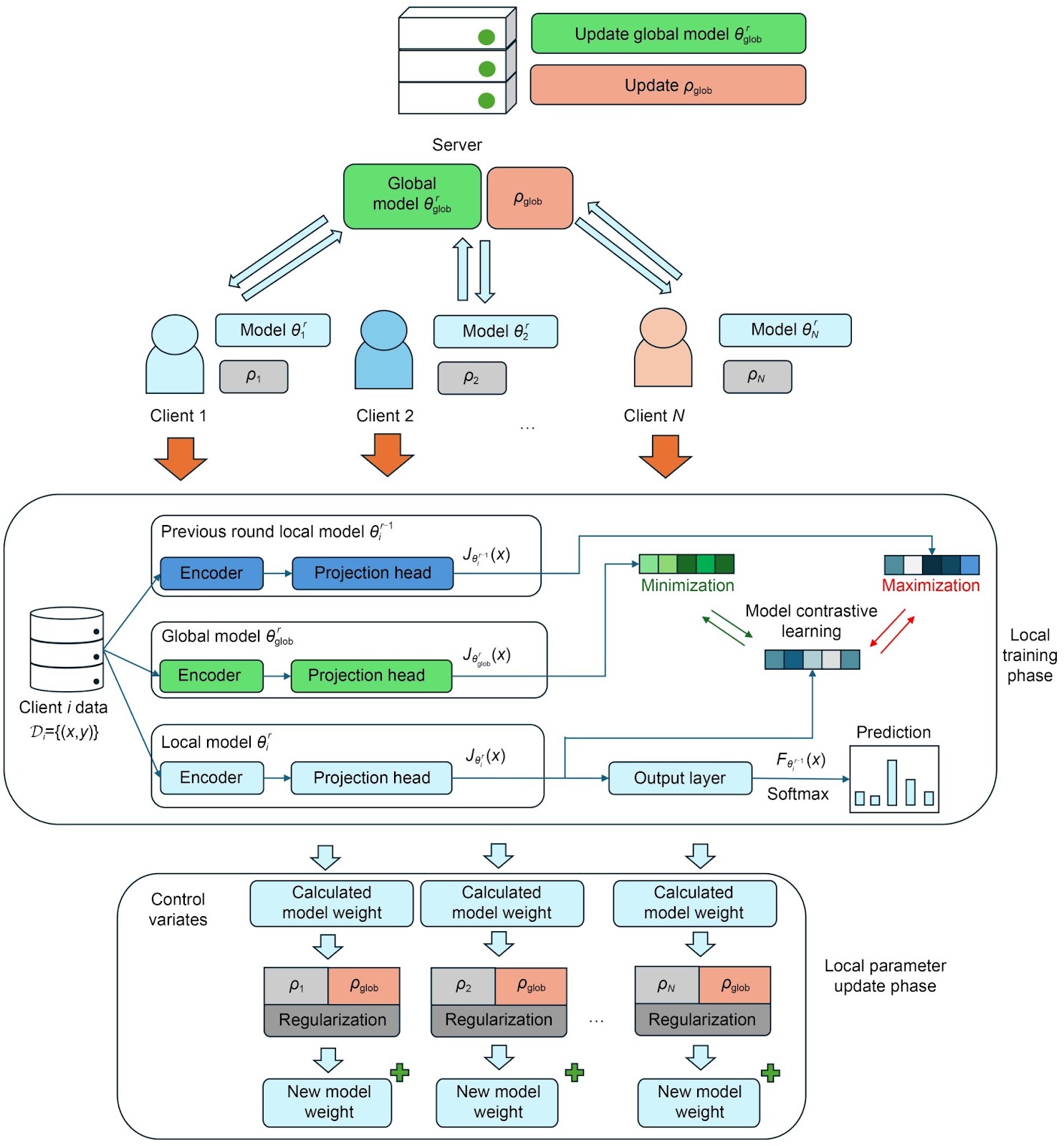
Recent attention to privacy issues demands a communication-safe method for training human activity recognition (HAR) models on client activity data. Federated learning (FL) has become a compelling technique to facilitate model training between the server and clients while preserving data privacy. However, classical FL methods often assume independent and identically distributed (IID) data among clients. This assumption does not hold true in practical scenarios. Human activity in real-world scena