Key Takeaways & Executive Findings
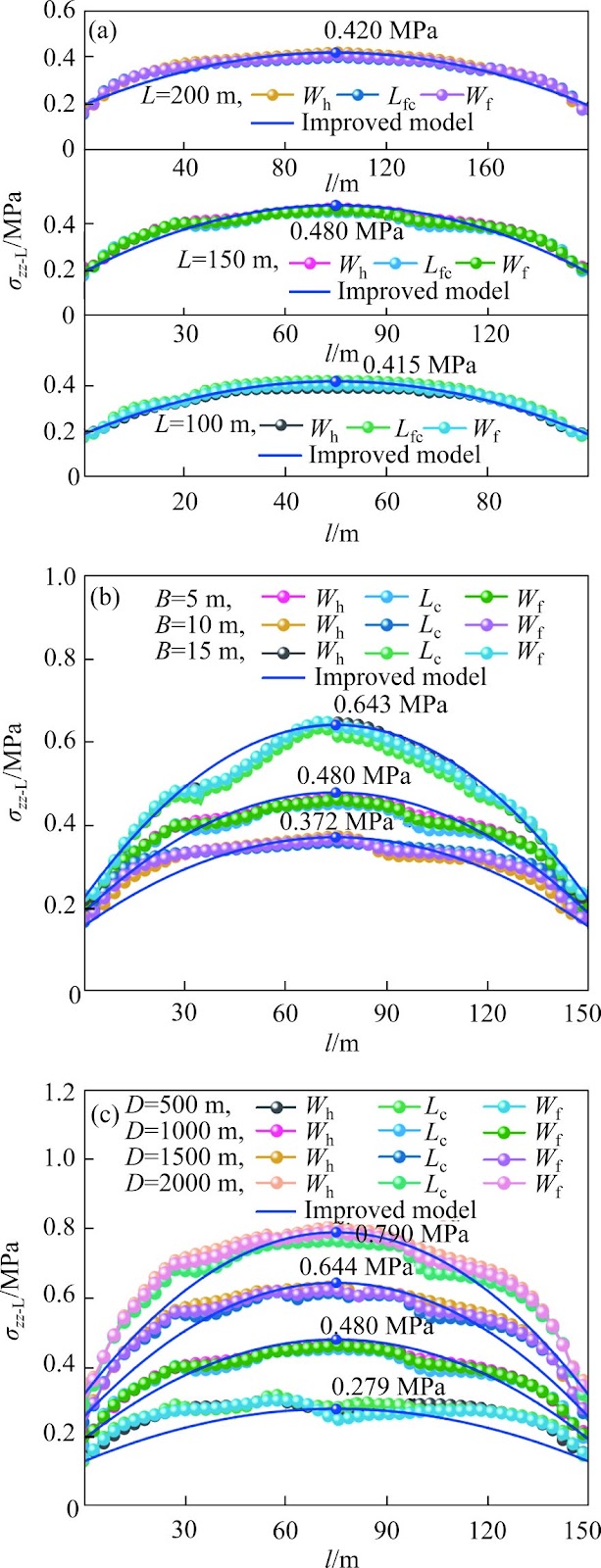
- •• An improved 3D model accurately calculates backfill vertical stress at varying mine depths and positions along stope length, with error rates below 4% versus numerical simulation. • Maximum vertical stress σzz,max is positively correlated with rock-backfill closure; it increases with mine depth and backfill elastic modulus, but decreases with stope width, stope inclination, backfill friction angle, and rock mass elastic modulus. • σzz,max peaks at a stope length of 150 m and remains insensitive to rock-backfill interface parameters. • Reducing σzz,max improves backfill stability, providing direct guidance for backfill strength design and safe deep-mining pillar recovery.
Abstract
During upward horizontal stratified backfill mining, stable backfill is essential for cap and sill pillar recovery. Currently, the primary method for calculating the required strength of backfill is the generalized three-dimensional (3D) vertical stress model, which ignores the effect of mine depth, failing to obtain the vertical stress at different positions along stope length. Therefore, this paper develops and validates an improved 3D model solution through numerical simulation in Rhino-FLAC3D, and examines the stress state and stability of backfill under different conditions. The results show that the improved model can accurately calculate the vertical stress at different mine depths and positions along stope length. The error rates between the results of the improved model and numerical simulation are below 4%, indicating high reliability and applicability. The maximum vertical stress (σzz, max) in backfill is positively correlated with the degree of rock-backfill closure, which is enhanced by mine depth and elastic modulus of backfill, while weakened by stope width and inclination, backfill friction angle, and elastic modulus of rock mass. The σzz, max reaches its peak when the stope length is 150 m, while σzz, max is insensitive to changes in rock-backfill interface parameters. In all cases, the backfill stability can be improved by reducing σzz, max. The results provide theoretical guidance for the backfill strength design and the safe and efficient recovery of ore pillars in deep mining.
1. Introduction
The application of backfill in the upward horizontal layered mining method offers significant safety, economic, and environmental benefits [1]. Specifically, it can improve the stability of surrounding rock [2], minimize ore depletion, and enhance ore recovery [3]. However, if the backfill lacks sufficient strength to maintain stability, it may fail during the recovery of the cap and sill pillars, threatening the safety of workers and equipment and increasing ore depletion [4, 5]. Thus, it is necessary to determine the stress state of backfill for ensuring safe and efficient pillar recovery [6].
The stress state of backfill in mine stopes is crucial for evaluating its stability [7]. When assessing the three-dimensional (3D) stress state of the backfill in a mine stope, it is typically simplified to plane strain conditions [8] by two-dimensional (2D) theoretical modeling [9−12]. Most studies on the 3D stress state of the backfill assume that it is situated in a vertical stope [13−15], with limited consideration given to inclined stopes [7]. Furthermore, the current generalized 3D model for the vertical stress state of backfill fails to explain its variations with mine depth and the position along stope length. Additionally, as the backfill tends to settle after deposition, frictional stresses develop along the rock interface [7]. This will lead to the transfer of loads from backfill to rock mass and the formation of rock-backfill closure [4]. The extent of the closure is influenced by various factors [4, 16], such as mine depth, stope geometric parameters, backfill mechanics, and rock mechanics parameters.
Numerical modeling is an effective method for analyzing the stability and stress state of backfill [4, 8]. This can assess the stability of side-exposed backfill [17], simulate rock-backfill closure through surrounding rock deformation [18], and evaluate the impact of rock-backfill closure on the uniaxial compressive strength (UCS) of the backfill [4]. The maximum stress that the backfill can withstand before failure is typically determined by uniaxial compression test [19−21]. For safe stope operations, the backfill requires a UCS of not less than 300 kPa [22]. The UCS denotes the maximum vertical stress at which the backfill fails in uniaxial compression test [23, 24], underscoring the critical role of vertical stress in evaluating the stability of backfill.
Loading authentic research manuscript (Pages 1–5)...
LIU Chun-kang, WANG Hong-jiang, WU Ai-xiang, LI Hao (2025). Improved model-based study of backfill stress distribution considering rock-backfill closure, mine depth, and position along stope length. Journal of Central South University. https://doi.org/10.1007/s11771-025-6007-2
Research & Educational Purpose Only:The translations, structured abstracts, analytical annotations, and data reports provided by SinoTechIntel are intended exclusively for academic research, internal corporate R&D, and educational benchmarking. They do not constitute formal engineering, chemical safety, legal, or professional advice.
Copyright & Intellectual Property Notice: Original copyright of the underlying source articles and experimental data remains with the respective authors, institutions, and original publishing journals. SinoTechIntel claims intellectual property only over its proprietary translations, analytical syntheses, and AEO structured enhancements in accordance with international fair use and academic citation principles.
Frequently Asked Questions
What does the improved 3D model predict?
The improved three-dimensional model predicts the vertical stress distribution in backfill at different mine depths and positions along the stope length, unlike the generalized 3D model which ignores depth effects. It has been validated against Rhino-FLAC3D numerical simulations with error rates below 4%.
How does mine depth affect backfill vertical stress?
Mine depth enhances the degree of rock-backfill closure, which in turn increases the maximum vertical stress (σzz,max) in the backfill. Thus, deeper mining conditions generally lead to higher backfill stress and require careful strength design.
What is rock-backfill closure and why is it important?
Rock-backfill closure refers to the deformation and load transfer that occurs when backfill settles and interacts with the surrounding rock mass. It is crucial because it directly influences the vertical stress distribution and stability of the backfill, affecting pillar recovery safety.
At what stope length does the maximum vertical stress peak?
The maximum vertical stress (σzz,max) reaches its peak when the stope length is 150 m. Beyond or below this value, σzz,max tends to be lower, though it remains insensitive to changes in rock-backfill interface parameters.
How can backfill stability be improved?
Backfill stability can be improved by reducing the maximum vertical stress (σzz,max). This can be achieved by controlling factors such as stope width, stope inclination, backfill friction angle, and the elastic modulus of rock mass, or by adjusting backfill elastic modulus and mine depth as part of the design.
Related Technical Papers & Translations
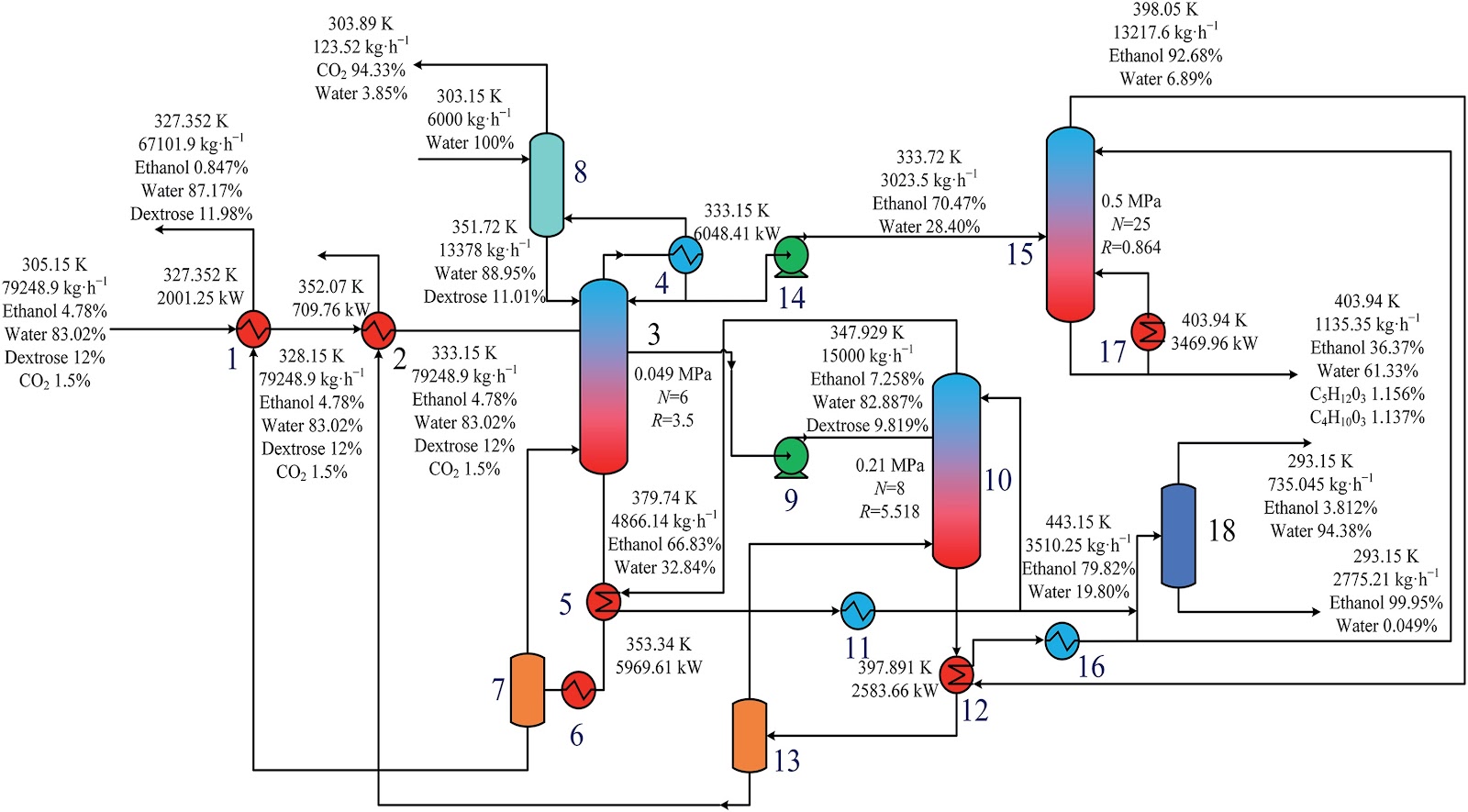
Design and optimization of a high-efficiency distillation process for cellulosic fuel ethanol integrated with thermal coupling and molecular sieve adsorption
To address the challenges of high energy consumption and prominent costs in the traditional three-columns distillation process for cellulosic fuel ethanol, a distillation—molecular sieve coupling separation process is proposed. This process integrates a three-column (crude distillation column, first distillation column, second distillation column) system with a 3A molecular sieve adsorption deep dehydration unit. A thermal coupling network is constructed via differential pressure design (steam from medium/high-pressure columns as mutual heat sources, reboiler liquid waste heat for feed preheating), and molecular sieve adsorption conditions are optimized. The study first performs a thermodynamic consistency test on the ethanol—water system, determines optimal non-random two-liquid (NRTL) model binary interaction parameters via experimental data regression for Aspen Plus simulation. Aiming at minimum total annual cost (TAC), Aspen Plus is used to optimize process parameters (theoretical tray number, feed location, reflux ratio, side-draw position, etc.). Economic analysis shows this process reduces CO2 emission costs by 27.56%, TAC by 15.58% (to 5.123 × 10⁶ USD·a-1), and increases ethanol purity to >99.6%, providing an effective solution for green, efficient separation.
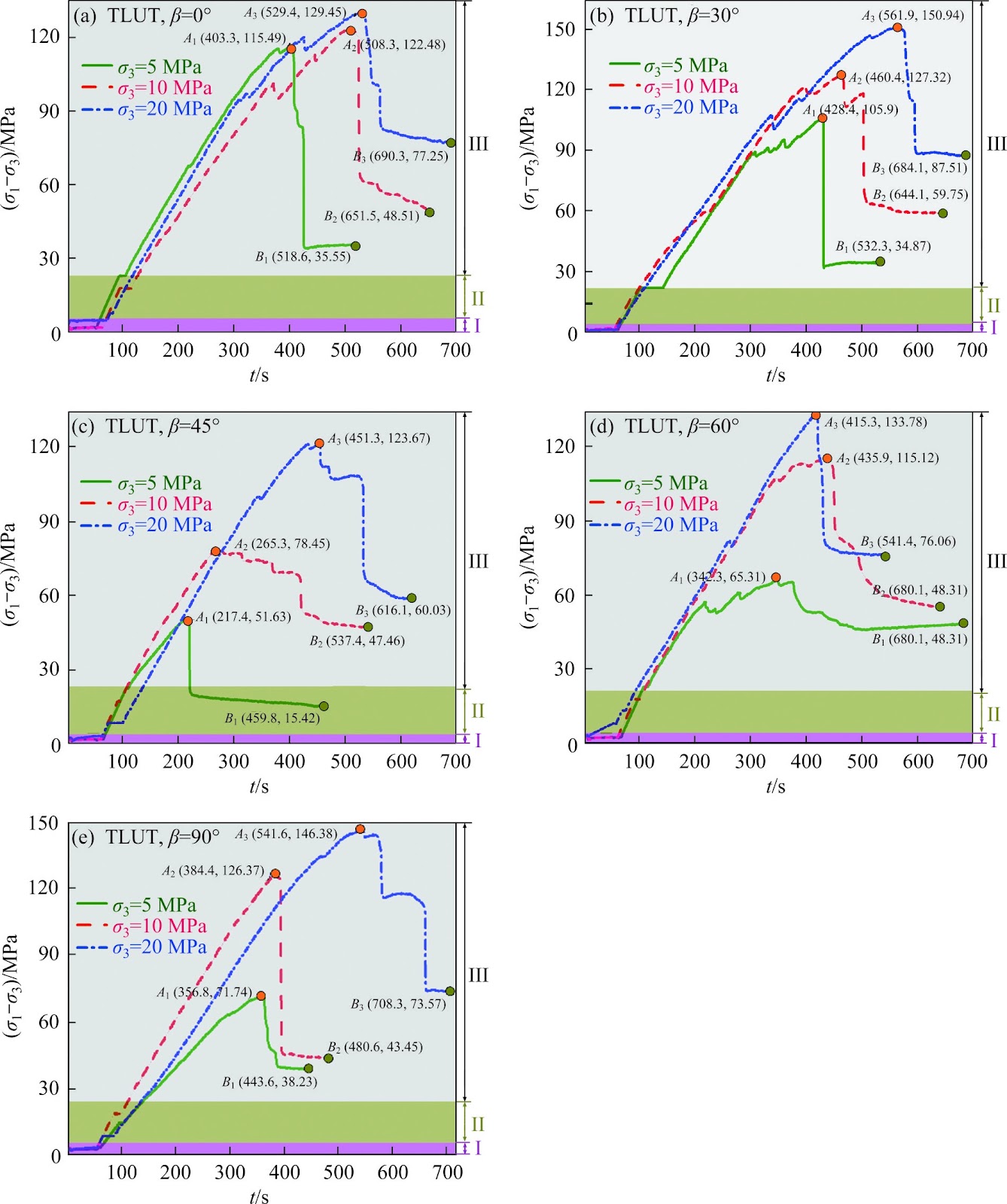
A cohesion loss model for determining residual strength of deep bedded sandstone
Rock residual strength, as an important input parameter, plays an indispensable role in proposing the reasonable and scientific scheme about stope design, underground tunnel excavation and stability evaluation of deep chambers. Therefore, previous residual strength models of rocks established were reviewed. And corresponding related problems were stated. Subsequently, starting from the effects of bedding and whole life-cycle evolution process, series of triaxial mechanical tests of deep bedded s
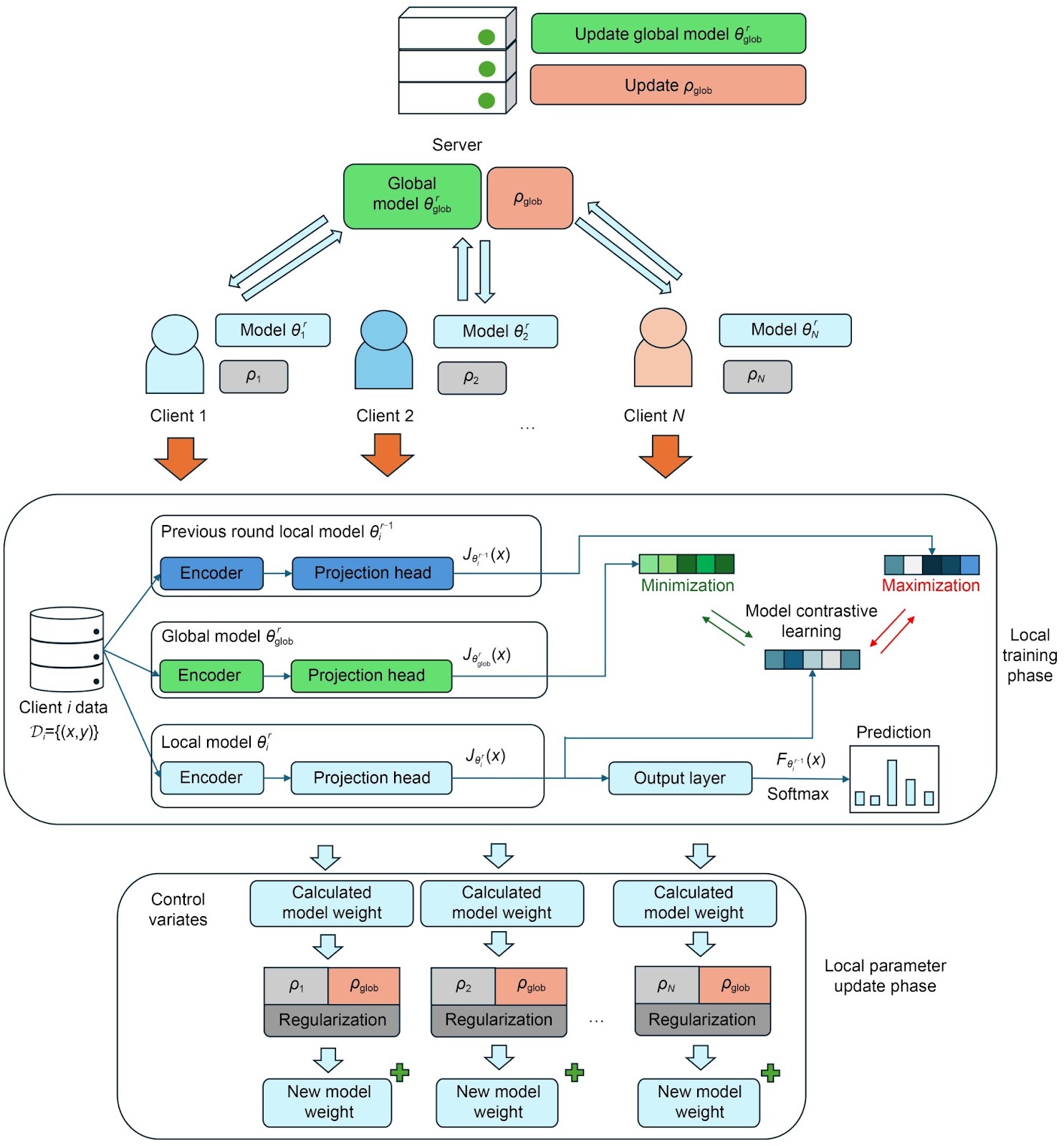
Federated model with contrastive learning and adaptive control variates for human activity recognition
Recent attention to privacy issues demands a communication-safe method for training human activity recognition (HAR) models on client activity data. Federated learning (FL) has become a compelling technique to facilitate model training between the server and clients while preserving data privacy. However, classical FL methods often assume independent and identically distributed (IID) data among clients. This assumption does not hold true in practical scenarios. Human activity in real-world scena