SinoTechIntel Academic Portal
🏛️ Indexed Academic JournalImpact Factor: 3.5 (Q2 - USTB)Original: 矿物冶金与材料学报 (英文版)

INTERNATIONAL JOURNAL OF Minerals, Metallurgy and Materials

4.8 (Q1 - Springer)

Total Research Papers: 111
Access: 100% Free Open Access
Browse by Publication Year & VolumeReset All Filters ✕

Published Research PapersFiltered: Year 2025 • Vol. 32 • Issue 6

Showing 8 of 111 peer-reviewed papers with full Graphical Abstracts.

Original ResearchVol. 32, Issue 6 • pp. 861-873DOI: 10.1007/s12613-026-3402-0Jun 25, 2025

Comprehensive review of current trends and future directions of metal-supported solid oxide fuel cell: From materials to applications

Authors: Yanyu Sun, Xinwei Su, Xiongzhuang Li, Wei Kong, Petr Senin, Daifen Chen, Tao Wei

This review provides a systematic analysis of metal-supported solid oxide fuel cells (MS-SOFCs) as next-generation energy conversion devices. By integrating multiscale simulations with experimental validation, we establish performance benchmarks for key components, including thin electrolytes, mixed ionic–electronic conductors (MIECs) used as cathodes, and corrosion-resistant metal substrates. The paper elucidates critical degradation pathways, such as chromium poisoning and interfacial instabil
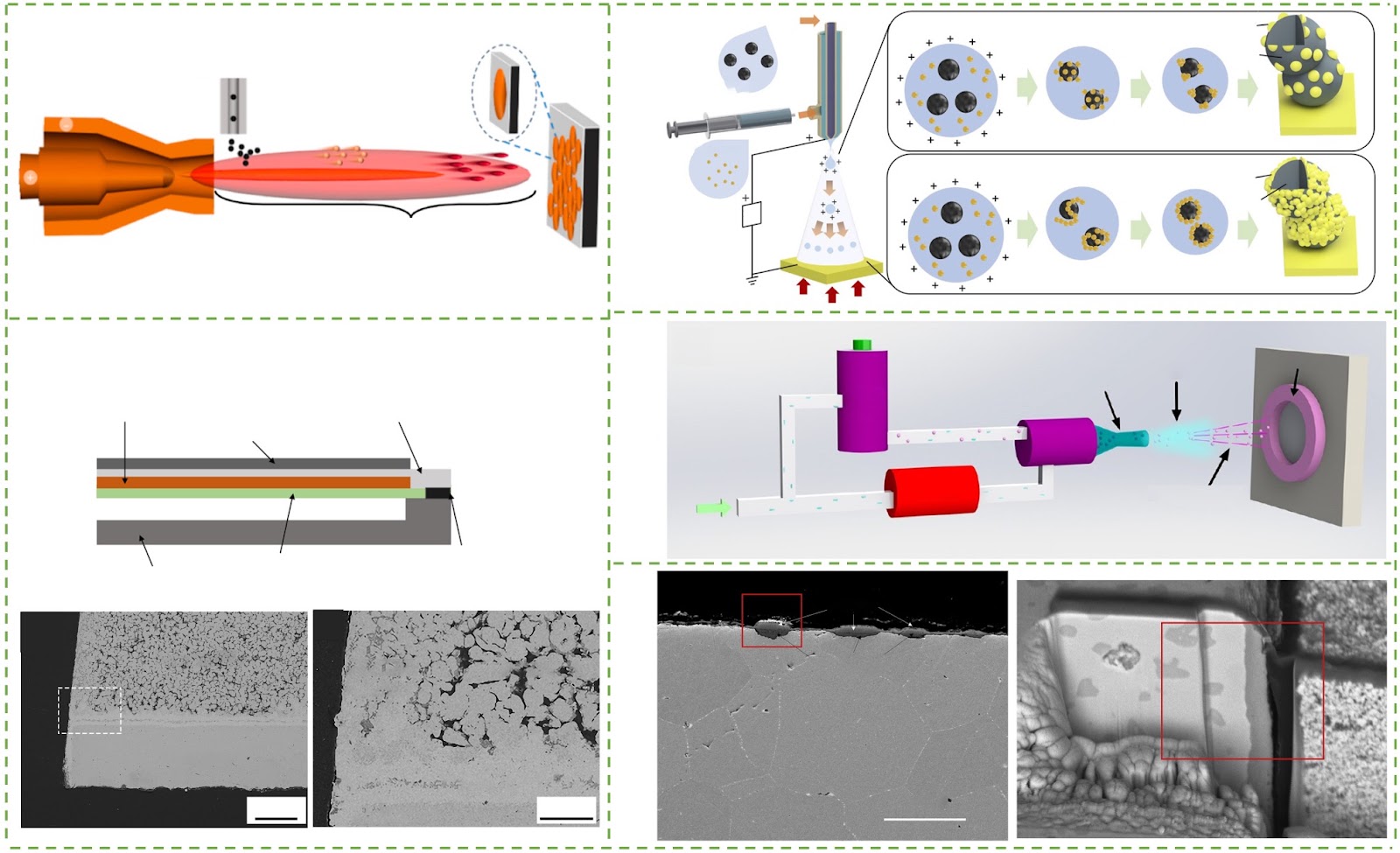
Comprehensive review of current trends and future directions of metal-supported solid oxide fuel cell: From materials to applications
Graphical Abstract
Original ResearchVol. 32, Issue 6 • pp. 469-481DOI: 10.1007/s12613-026-3456-zJun 22, 2025

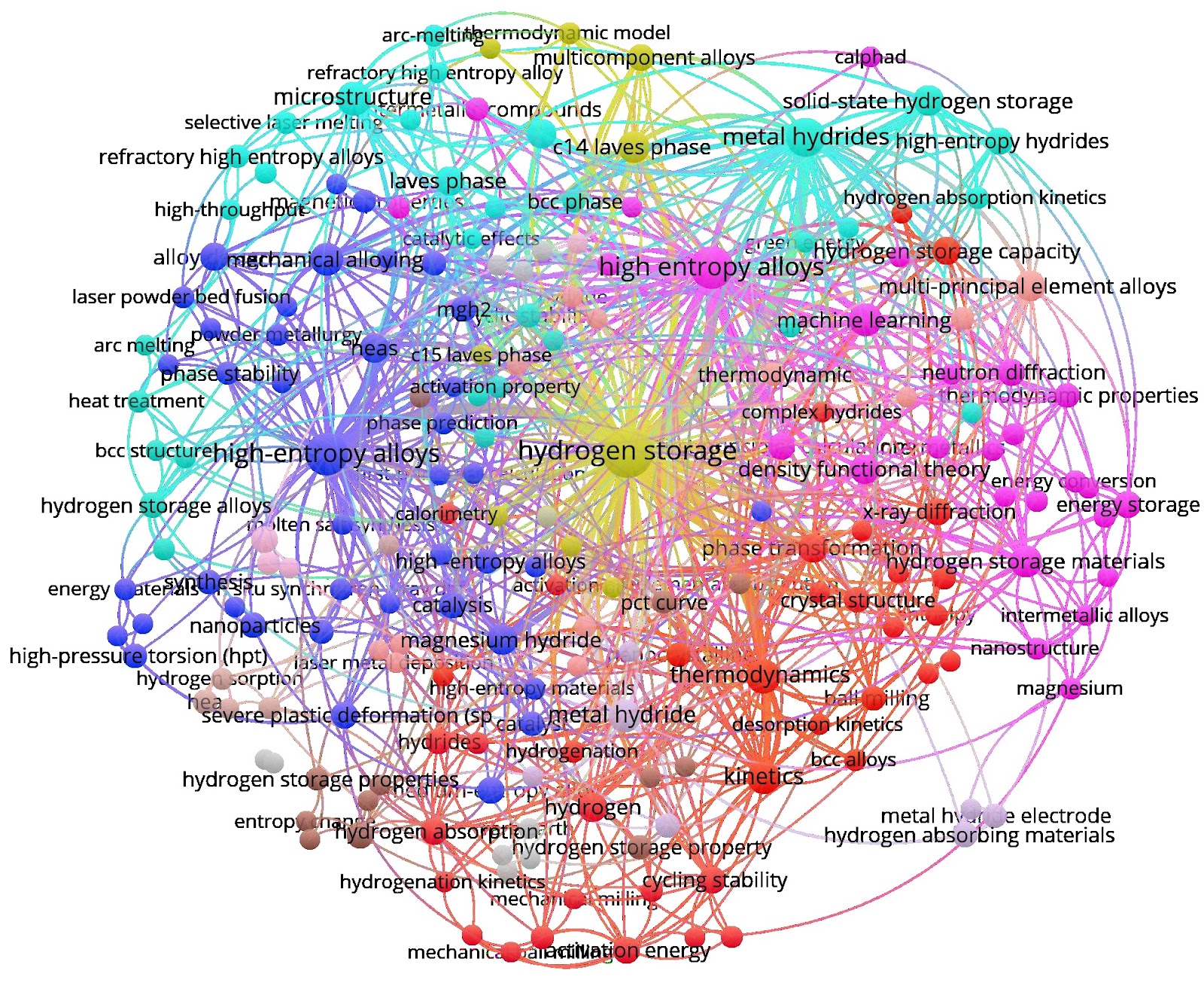
Multiscale regulation of thermodynamics and kinetics in high-entropy body-centered cubic type hydrogen storage alloys

Authors: Zefeng Li, Yi Jiang, Junjie Li, Yangfan Lu, Xiaoming Xiong, Shenglan Yang, Qun Luo, Yan Yang, Qian Li

The thermodynamic and kinetic properties of body-centered-cubic (BCC) hydrogen storage alloys highly depend on their chemical compositions, making high-entropy alloying a promising strategy for performance optimization. However, clarifying how multi-principal element compositions regulate multiscale structures and thereby influence their hydrogen storage performance remains challenging, which limits the rational design of high-performance BCC high-entropy alloys (HEAs). This review provides a co

Multiscale regulation of thermodynamics and kinetics in high-entropy body-centered cubic type hydrogen storage alloys
Graphical Abstract
Original ResearchVol. 32, Issue 6 • pp. 641-653DOI: 10.1007/s12613-025-3156-0Jun 20, 2025

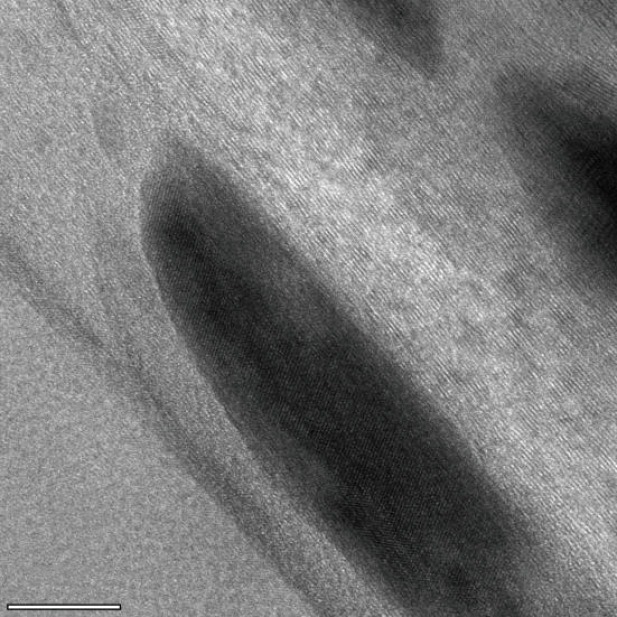
Anisotropic thermal conductivity of aluminum matrix composites reinforced by graphene nanoplates and ZrB2 nanoparticles

Authors: Chuang Guan, Xizhou Kai, Wei Qian, Ran Tao, Gang Chen, Yutao Zhao

This study investigates the anisotropic thermal conductivity of aluminum matrix composites reinforced with graphene nanoplates (GNPs) and in situ ZrB2 nanoparticles, while simultaneously maintaining high strength and toughness. A discontinuous layered GNPs–ZrB2/AA6111 composite was prepared using in situ melt reactions and semi-solid stirring casting technology, combined with hot rolling deformation processing. Microstructural analysis revealed that the GNPs were aligned parallel to the rolling

Anisotropic thermal conductivity of aluminum matrix composites reinforced by graphene nanoplates and ZrB2 nanoparticles
Graphical Abstract
Original ResearchVol. 32, Issue 6 • pp. 249-261DOI: 10.1007/s12613-025-3199-2Jun 17, 2025

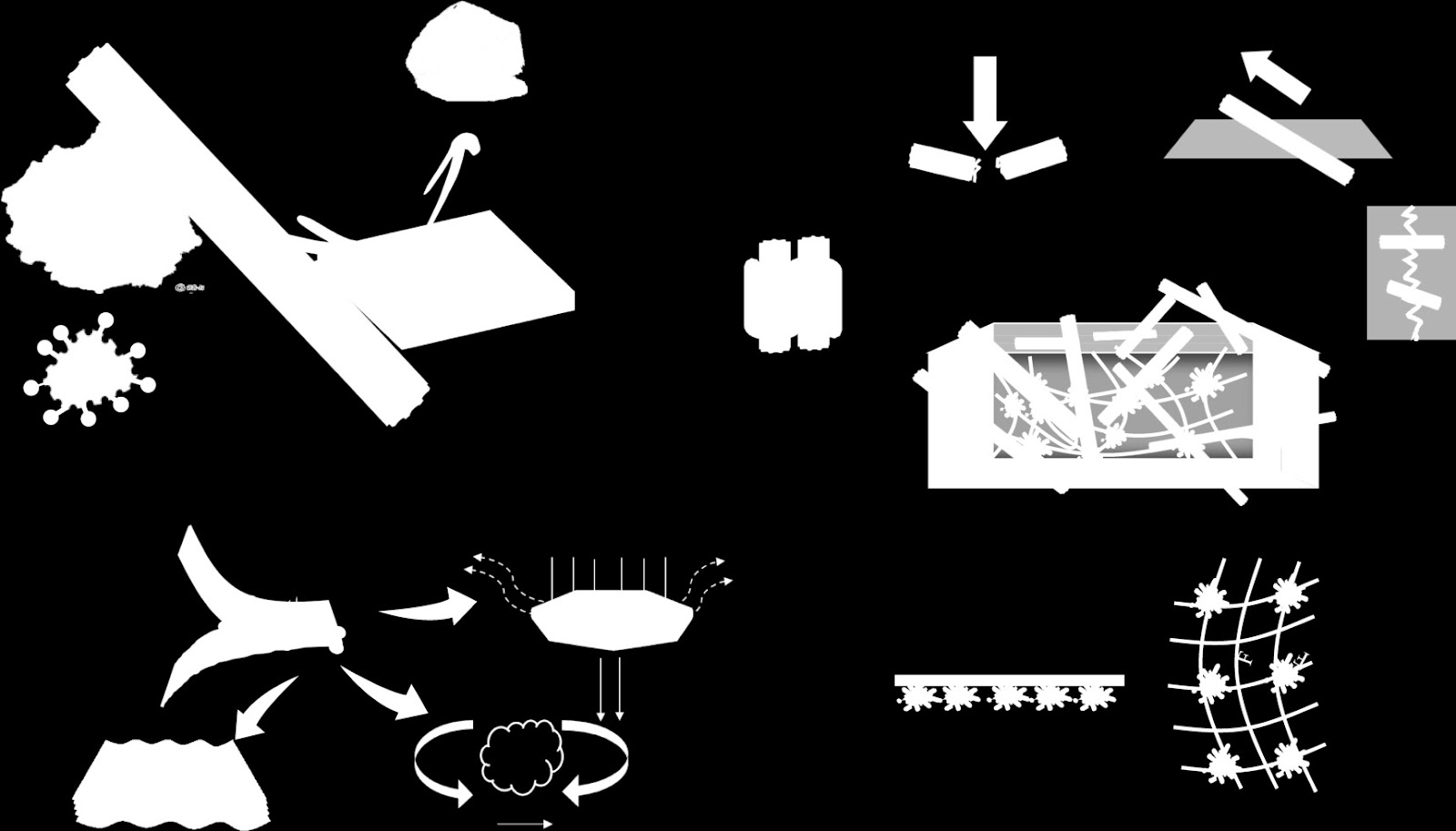
Mechanical and thermal properties of steel slag/stone-wood plastic composites reinforced with calcium sulfate whisker

Authors: Hao Zhang, Qian Wang, Ling Zhao, Liangjun Chen, Xiaojian Ren, Zhifang Zong, Xiaoyan Du

The development of steel slag/stone-wood plastic composites reinforced with calcium sulfate whisker is beneficial for reducing costs in the stone-wood plastic industry and promoting the resource utilization of industrial waste. Steel slag powder (SSP) composited with calcium sulfate whisker (CSW) was investigated as a replacement for a portion of talc powder (TP) in the creation of calcium sulfate whisker-reinforced steel slag/stone-wood plastic composites (CSW-SSP/SPCs). The reinforcement effec

Mechanical and thermal properties of steel slag/stone-wood plastic composites reinforced with calcium sulfate whisker
Graphical Abstract
Original ResearchVol. 32, Issue 6 • pp. 657-669DOI: 10.1007/s12613-025-3329-xJun 14, 2025

Self-assembled nanoflower zeolitic imidazolate framework-carbon for superior sodium storage

Authors: Xiaohua Zhang, Kangjie Han, Xinxin Zhao, Xiaoyan Yan, Kang Zhang, Hengxiang Li, Baosheng Liu

Conventional hard carbon anodes, despite their high sodium storage capacity, suffer from two major limitations: sluggish ion diffusion kinetics due to tortuous micropore networks and significant volume expansion arising from disordered carbon structures. These inherent defects collectively compromise rate capability and cycling stability. Herein, we devise a graphene oxide (GO)-directed templating approach to architect zeolitic imidazolate framework (ZIF)-derived carbon into a hierarchical nanof

Self-assembled nanoflower zeolitic imidazolate framework-carbon for superior sodium storage
Graphical Abstract
Original ResearchVol. 32, Issue 6 • pp. 265-277DOI: 10.1007/s12613-026-3420-yJun 11, 2025

Atomic-scale simulations and experimental insights into the effect of precipitates on the hemming performance of 6xxx Al alloys

Authors: Yucheng Ji, Feng Ding, Jiahao Wen, Wentao Qin, Chenyang Yao, Xiang Xiao, Guojun Wang, Chaofang Dong

Al–Mg–Si alloys are widely employed in automotive vehicles; however, challenges such as cracking often arise during the hemming process (180° bending). Based on the molecular dynamics simulations and experiments, this study investigated the effects of the size and number of MgSi(Fe) clusters on the mechanical properties of 6xxx Al alloys. The results showed that medium-sized MgSi clusters (containing 10–19 atoms) at the grain boundaries (GBs) enhanced the strength of the GBs, effectively inhibit

Atomic-scale simulations and experimental insights into the effect of precipitates on the hemming performance of 6xxx Al alloys
Graphical Abstract
Original ResearchVol. 32, Issue 6 • pp. 845-857DOI: 10.1007/s12613-025-3229-0Jun 6, 2025

Development and characterization of a high-Cr-content Co–Ni–Al–V–Ta–Cr superalloy: Microstructure, mechanical properties and oxidation resistance

Authors: Xiang Yu, Yuechao Chen, Yong Lu, Yihui Guo, Jinbin Zhang, Yixiong Huang, Yupeng Zhang, Jiajia Han, Cuiping Wang, Xingjun Liu

Enhancing the oxidation resistance of Co-based superalloys by adding a high content of Cr, while simultaneously ensuring the stability of the γ/γ′ phases, presents a significant challenge. This study evaluated the alloying potential of Co–30Ni–10Al–5V–4Ta using the CALPHAD method, revealing promising characteristics. The developed Co–30Ni–10Al–5V–4Ta–12Cr alloy characterized by high Cr content and γ/γ′ two-phase structure, demonstrating high γ′ solvus temperature of 1139°C, low density of 8.48 g

Development and characterization of a high-Cr-content Co–Ni–Al–V–Ta–Cr superalloy: Microstructure, mechanical properties and oxidation resistance
Graphical Abstract