SinoTechIntel Academic Portal
🏛️ Indexed Academic JournalImpact Factor: 3.8

Int. Journal of Minerals, Metallurgy and Materials (矿物冶金与材料学报)

Authoritative peer-reviewed journal in materials science, metallurgy, chemistry and engineering technologies: Int. Journal of Minerals, Metallurgy and Materials (矿物冶金与材料学报)

Total Research Papers: 200
Access: 100% Free Open Access
Browse by Publication Year & VolumeReset All Filters ✕

Published Research PapersFiltered: Year 2025 • Vol. 32 • Issue 7

Showing 21 of 200 peer-reviewed papers with full Graphical Abstracts.

Original ResearchVol. 32, Issue 7 • pp. 1641DOI: 10.1007/s12613-024-3023-4Jan 15, 2025

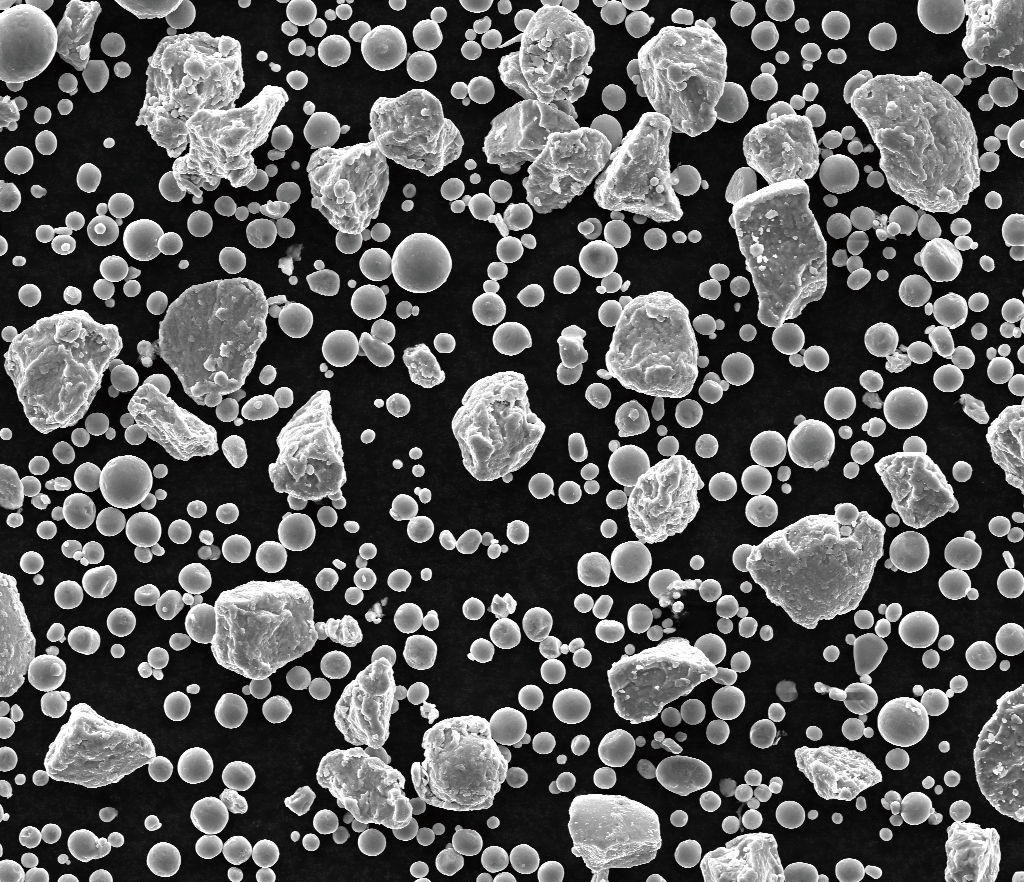
Strength–ductility synergy strategy of Ti6Al4V alloy fabricated by metal injection molding

Authors: Jianzhuo Sun, Yu Pan, Yanjun Liu, Fan Kuang, Ranpeng Lu, Xin Lu

Interstitial oxygen (O) contamination remains a substantial challenge for metal injection molding (MIM) of titanium alloys. Herein, this critical problem is successfully addressed by regulating the thermal debinding temperature and incorporating the oxygen scavenger LaB6. Results indicate that the surface oxide layer (with a thickness of (13.4 ± 0.5) nm) of Ti6Al4V powder begins to dissolve into the Ti matrix within the temperature range of 663–775°C. O contamination in MIM Ti alloys can be effectively mitigated by lowering the thermal debinding temperature and adding LaB6 powder. As a result of reduced dissolved O content, the slips of mixed <a> and <c + a> dislocations are effectively accelerated, leading to improved ductility. Moreover, grain refinement, along with the in situ formation of TiB whiskers and second-phase La2O3 particles, enhances the strength of the material. The fabricated MIM Ti6Al4V sample exhibits excellent mechanical properties, achieving an ultimate tensile strength of (967 ± 5) MPa, a yield strength of (866 ± 8) MPa, and an elongation of 21.4% ± 0.7%. These tensile properties represent some of the best results reported in the literature for MIM Ti6Al4V alloys. This study offers valuable insights into the development of high-performance MIM Ti alloys and other metal materials.
Strength–ductility synergy strategy of Ti6Al4V alloy fabricated by metal injection molding
Graphical Abstract
Original ResearchVol. 32, Issue 7 • pp. 1762-DOI: 10.1007/s12613-024-3010-9Jan 15, 2025

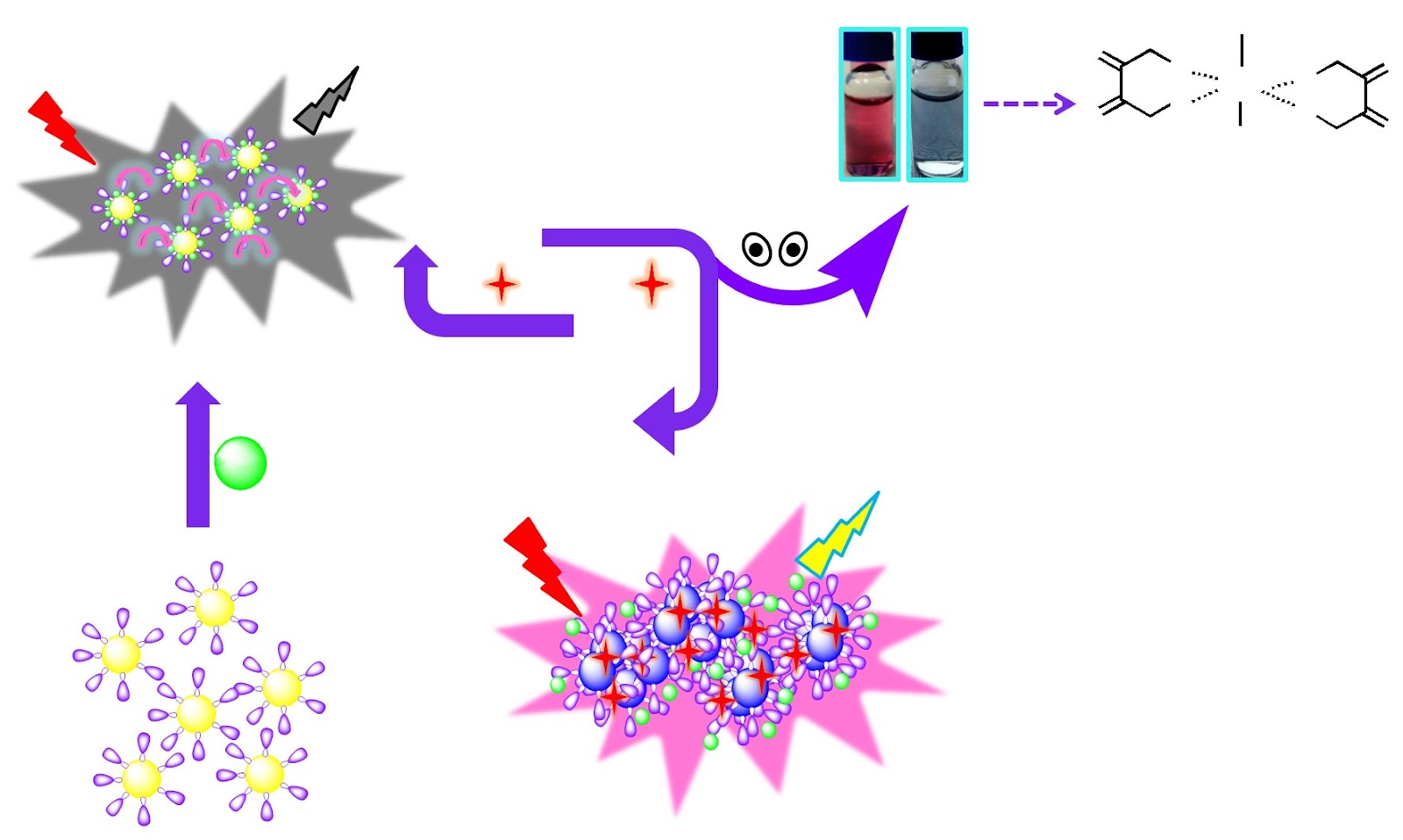
A novel fluorescence turn-on sensor for Cr3+ based on fluorescence resonance energy transfer between gold nanoparticles and rhodamine B

Authors: Qin Ma, Lin Shi, Baocheng Ran, Tianfeng Ma, Huan Wang, Yongchang Lu

Up to now, “Turn-on” fluorescence sensor exhibits promising potential toward the detection of heavy metal ions, anions, drugs, organic dyes, DNA, pesticides, and other amino acids due to their simple, quick detection, and high sensitivity and selectivity. Herein, a novel fluorescence method of detecting Cr3+ in an aqueous solution was described based on the fluorescence resonance energy transfer between rhodamine B (RhB) and gold nanoparticles (AuNPs). The fluorescence of RhB solution could be obviously quenched (“off” state) with the presence of citrate-stabilized AuNPs. However, upon addition of Cr3+ to AuNPs@RhB system, the fluorescence of AuNPs was recovered owing to the strong interaction between Cr3+ and the specific groups on the surface of citrate-stabilized AuNPs, which will lead to the aggregation of AuNPs (“on” state). At this point, the color of the reaction solution turned to black. Under optimal conditions, the limit of detection (LOD) for Cr3+ was 0.95 nM (signal-to-noise ratio, S/N = 3) with a linear range of 0.164 nM to 3.270 μM. Furthermore, the proposed method exhibits excellent performances, such as rapid analysis, high sensitivity, extraordinary selectivity, easy preparation, switch-on fluorescence response, and non-time consuming.

A novel fluorescence turn-on sensor for Cr3+ based on fluorescence resonance energy transfer between gold nanoparticles and rhodamine B
Graphical Abstract
Original ResearchVol. 32, Issue 7 • pp. 1551-1562DOI: 10.1007/s12613-024-3080-8Jan 15, 2025

Numerical simulation of the effect of hydrogen injection and oxygen enrichment interaction on PCI in a blast furnace

Authors: Huan Liu, Li Huang, Zhenyang Wang, Alberto N. Conejo, Jianliang Zhang, Dawei Lan

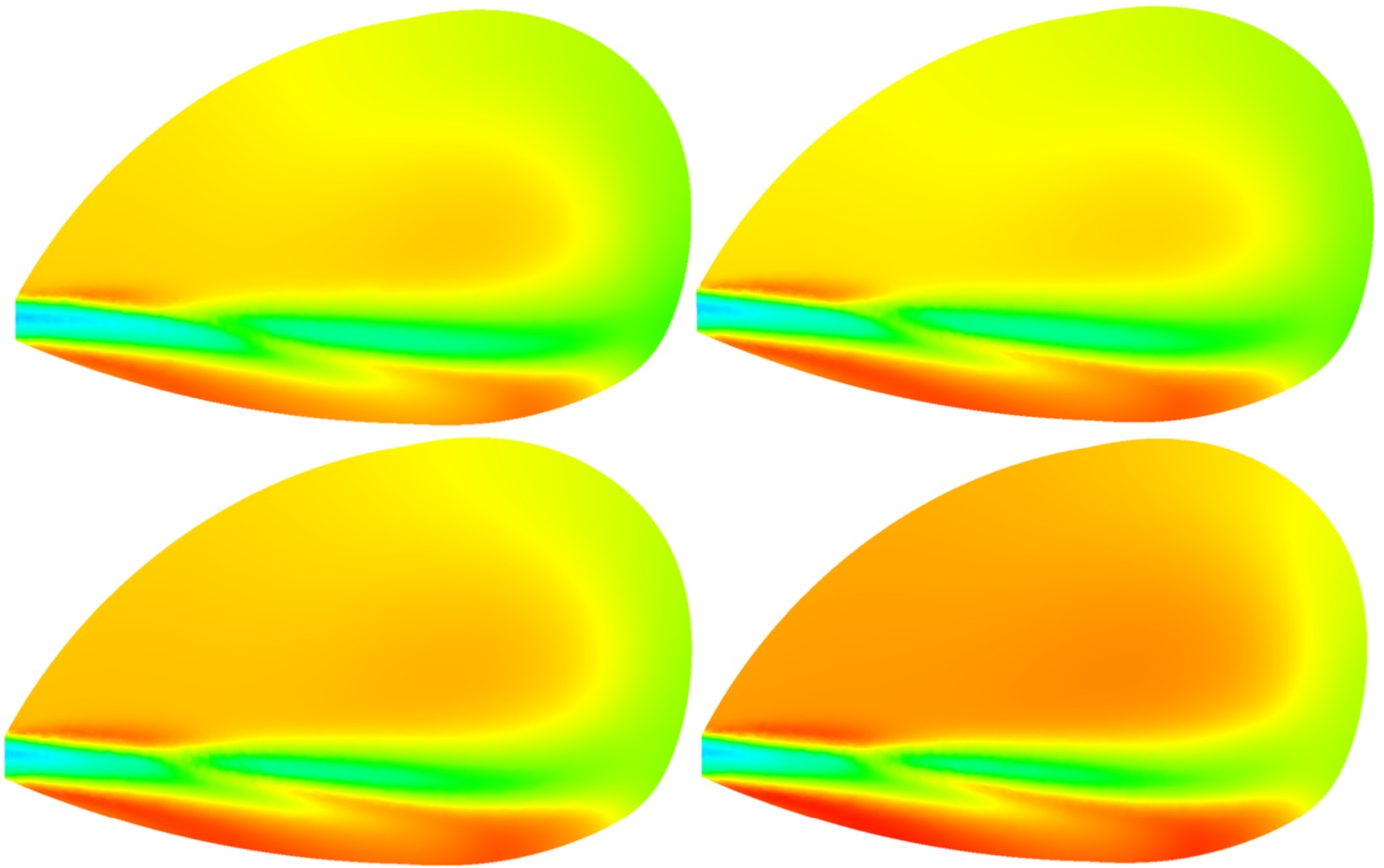
Hydrogen displays the potential to partially replace pulverized coal injection (PCI) in the blast furnace, and it can reduce CO2 emissions. In this paper, a three-dimensional mathematical model of hydrogen and pulverized coal co-injection in blast furnace tuyere was established through numerical simulation, and the effect of hydrogen injection and oxygen enrichment interaction on pulverized coal combustion and raceway smelting was investigated. The simulation results indicate that when the coal injection rate decreased from 36 to 30 t/h and the hydrogen injection increased from 0 to 3600 m3/h, the CO2 emissions decreased from 1860 to 1551 kg/t, which represents a 16.6% reduction, and the pulverized coal burnout decreased from 70.1% to 63.7%. The heat released from hydrogen combustion can not only promote the volatilization of pulverized coal but also affect the combustion reaction between volatilization and oxygen, which resulted in a decrease in the temperature at the end of the raceway. Co-injection of hydrogen with PCI increased the wall temperature near the upper half part of the raceway and at the outlet of the tuyere, which required a high cooling efficiency to extend the service life of the blast furnace. The increase in oxygen level compensated for the decreased average temperature in the raceway due to hydrogen injection. The increase in the oxygen content by 3% while maintaining constant hydrogen and PCI injection rates increased the burnout and average raceway temperature by 4.2% and 43 K, respectively. The mole fraction of CO and H2 production increased by 0.04 and 0.02, respectively. Burnout can be improved through optimization of the particle size distribution of pulverized coal.

Numerical simulation of the effect of hydrogen injection and oxygen enrichment interaction on PCI in a blast furnace
Graphical Abstract
Original ResearchVol. 32, Issue 7 • pp. 1538-DOI: 10.1007/s12613-024-3070-xJan 15, 2025

Thermodynamics and kinetics of alumina and magnesium oxide in calcium ferrite sintering process

Authors: Rende Chang, Chengyi Ding, Hongming Long, Xuewei Lü, Tiejun Chun, Xiaoqing Xu, Zhiming Yan, Xuchao Wang, Sheng Xue, Wei Lü

Al2O3 and MgO serve as the primary gangue components in sintered ores, and they are critical for the formation of CaO–Fe2O3–xAl2O3 (wt%, C–F–xA) and CaO–Fe2O3–xMgO (wt%, C–F–xM) systems, respectively. In this study, a nonisothermal crystallization thermodynamics behavior of C–F–xA and C–F–xM systems was examined using differential scanning calorimetry, and a phase identification and microstructure analysis for C–F–xA and C–F–xM systems were carried out by X-ray diffraction and scanning electron microscopy. Results showed that in C–F–2A and C–F–2M systems, the increased cooling rates promoted the precipitation of CaFe2O4 (CF) but inhibited the formation of Ca2Fe2O5 (C2F). In addition, C–F–2A system exhibited a lower theoretical initial crystallization temperature (1566 K) compared to the C–F system (1578 K). This temperature further decreases to 1554 K and 1528 K in the C–F–4A and C–F–8A systems, respectively. However, in C–F–xM system, the increased MgO content raised the crystallization temperature. This is because that the enhanced precipitation of MF (a spinel phase mainly comprised Fe3O4 and MgFe2O4) and C2F phases suppressed the CF precipitation reaction. In kinetic calculations, the Ozawa method revealed the apparent activation energies of the C–F–2A and C–F–2M systems. Malek’s method revealed that the crystallization process in C–F–2A system initially followed a logarithmic law ( or ), later transitioning to a reaction order law ((1−α)−1 or (1−α)−1/2, n = 2/3) or the function of the exponential law. In C–F–2M system, it consistently followed the sequence ƒ(α) = (1−α)2 (α is the crystallization conversion rate; n is the Avrami constant; ƒ(α) is the differential equations for the model function of C2F and CF crystallization processes).

Thermodynamics and kinetics of alumina and magnesium oxide in calcium ferrite sintering process
Graphical Abstract
Original ResearchVol. 32, Issue 7 • pp. 1617DOI: 10.1007/s12613-024-3011-8Jan 15, 2025

Two new amino acid derivatives as green corrosion inhibitors against Q235 steel in HCl solution: Experimental and theoretical investigations

Authors: Chaoyi Li, Minghao Su, Tianyi Hou, Yuhe Shi, Junrong Huang, Jing Qing, Wenxin Niu, Yinghe Zhang, Ling Zhang, Hengzhi You

Amino acids have emerged as promising green alternatives to replace toxic inhibitors in corrosion protection applications. In this study, we present a one-step synthetic approach to get 4-(tert-butyl)benzoyl)methionine (P-Meth) and 4-(tert-butyl)benzoyl)cysteine (P-Cys) through the acylation reactions between methionine or cysteine and p-tert-butylbenzoic acid, respectively, which exhibit a super protective performance toward metals against corrosion. The corrosion rates of Q235 steel in 1 M HCl were reduced from 4.542 to 0.202 and 0.312 mg·h−1·cm−2 in the presence of 100 mg·L−1 P-Meth and P-Cys, respectively. The surface structures of Q235 steel remained unbroken after 12 h in 1 M HCl medium. The charge transfer resistances of corrosion reactions were enhanced by 12 and 9 times in the presence of P-Meth and P-Cys, respectively. P-Meth and P-Cys were adsorbed onto the Q235 steel via chemical actions, which were accompanied by minimal physical action. Molecular dynamic simulations demonstrate the higher binding energy of P-Meth onto Q235 steel than P-Cys. The study contributes to the corrosion protection of metals with green and environmentally friendly methods.

Two new amino acid derivatives as green corrosion inhibitors against Q235 steel in HCl solution: Experimental and theoretical investigations
Graphical Abstract
Original ResearchVol. 32, Issue 7 • pp. 1771-1780DOI: 10.1007/s12613-024-3027-0Jan 15, 2025

Design of PbS quantum dots–PbMoO4–MoS2 ternary nanocomposites for highly selective NO2 sensing at room temperature

Authors: Jinzhou Bai, Yanbai Shen, Ang Li, Meili Wu, Hong Xiao, Qiang Zhao, Sikai Zhao, Wengang Liu, Baoyu Cui

Traditional resistive semiconductor gas sensors suffer from high operating temperatures and poor selectivity. Thus, to address these issues, a highly selective nitrogen dioxide (NO2) sensor based on lead sulfide (PbS) quantum dots (QDs)–lead molybdate (PbMoO4)–molybdenum disulfide (MoS2) ternary nanocomposites operating at room temperature was fabricated herein. The ternary nanocomposites were synthesized using an in situ method, yielding PbS QDs with an average size of ~10 nm and PbMoO4 nanoparticles in the 10- to 20-nm range, uniformly distributed on ultrathin MoS2 nanosheets with an average thickness of ~7 nm. The optimized sensor demonstrated a significant improvement in response to 1 ppm NO2 at 25°C, achieving a response of 44.5%, which was approximately five times higher than that of the pure MoS2-based sensor (8.5%). The sensor also achieved relatively short response/recovery times and full recovery properties. Notably, the optimal sensor displayed extraordinary selectivity toward NO2, showing negligible responses to different interfering gases. Density functional theory (DFT) calculations were conducted to elucidate the underlying sensing mechanism, which was attributed to the enhanced specific surface area, the receptor function of both PbS QDs and PbMoO4 nanoparticles, and the transducer function of MoS2 nanosheets.

Design of PbS quantum dots–PbMoO4–MoS2 ternary nanocomposites for highly selective NO2 sensing at room temperature
Graphical Abstract
Original ResearchVol. 32, Issue 7 • pp. 1681-1690DOI: 10.1007/s12613-024-2983-8Jan 15, 2025

Evolution of the microstructure and mechanical properties of WE43 magnesium alloy during multipass hot rolling

Authors: Jianlei Yang, Yuxiang Zhai, Taotao Kang, Minmin Fu, Songhui Wang, Xintong Liu, Shijie Zhou, Wenzhuo Xie, Wenke Wang, Xinhua Liu

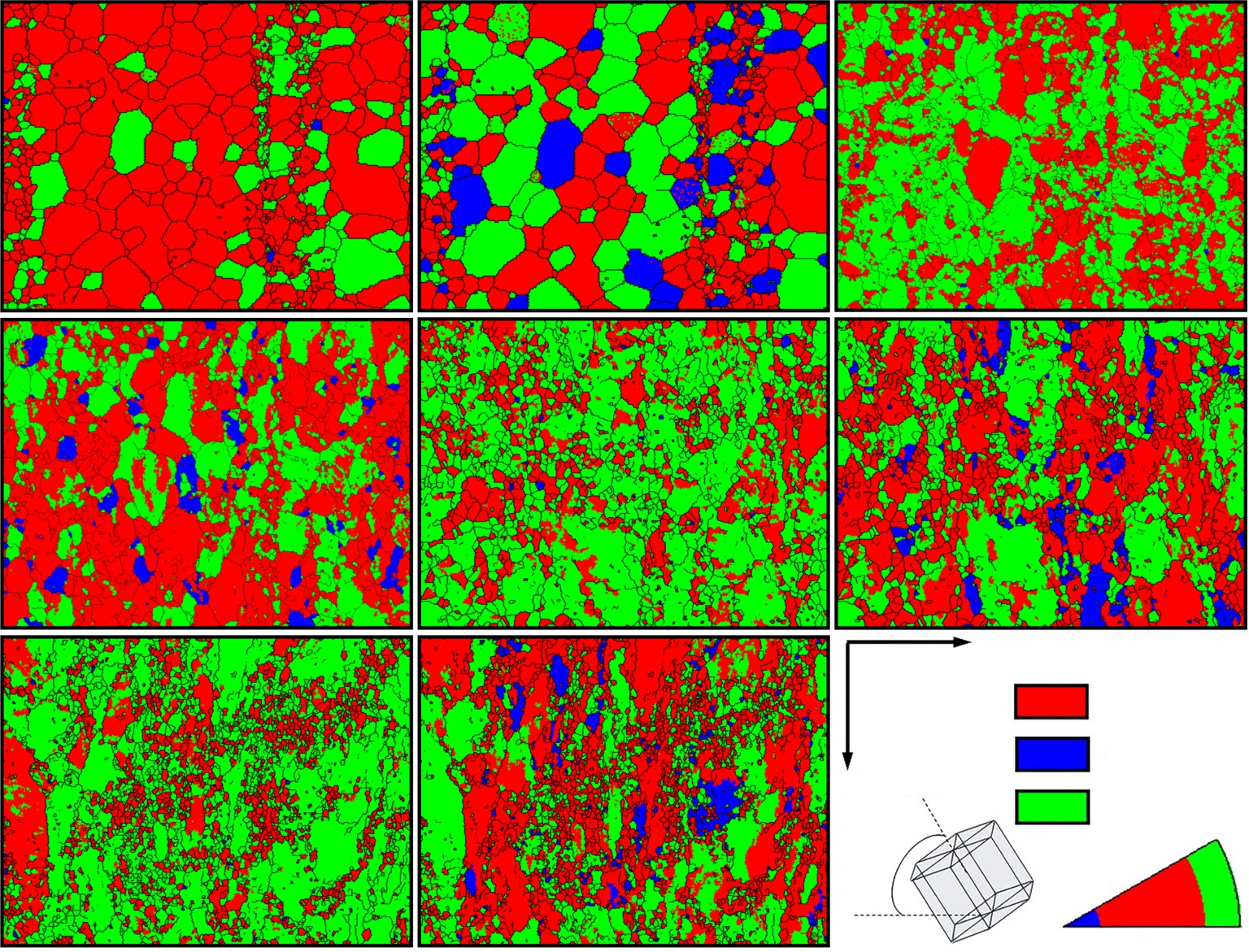
The evolution of the microstructure and mechanical properties of WE43 magnesium alloy during multipass hot rolling was investigated. Results revealed that multipass hot rolling promoted the formation of small second phases, which was conducive to multiple dynamic recrystallization, consequently improving the microstructure homogeneity and refining the average grain size from 34.3 μm in the initial material to 8.83 μm. Meanwhile, the rolling deformation rotated abundant c-axis of the grains in the normal direction, resulting in a strong fiber texture. The yield strength in the rolling direction (RD) was improved from 164 MPa in the initial material to 324 MPa in the Pass 3 sheet due to fine-grained strengthening, second-phase strengthening, and texture modification. In addition, the distribution maps of the deformation mechanism indicated that the yield strength anisotropy between the RD and the transverse direction (TD) can be attributed to the effects of the texture component on the dominant mechanism. The dominant deformation mechanism during the tensile test was the prismatic slip caused by the strong basal texture of the RD, whereas it had a lesser proportion of prismatic slip under the influence of the weak basal texture of the TD. Compared to the basal slip, the higher critical resolved shear stress of the prismatic slip resulted in a higher increase in yield strength along the RD at approximately 51 MPa than that along the TD (RD: increase of 160 MPa; TD: increase of 109 MPa).

Evolution of the microstructure and mechanical properties of WE43 magnesium alloy during multipass hot rolling
Graphical Abstract
Original ResearchVol. 32, Issue 7 • pp. 1730-DOI: 10.1007/s12613-024-3055-9Jan 15, 2025

Strain-enhanced liquid-metal-coated carbonyl-iron-powder-embedded polydimethylsiloxane composites for effective electromagnetic wave absorption

Authors: Haeji Kim, Philippe Tassin, Zungsun Choi, Byungil Hwang

The advancement of wireless technologies has increased the global demand for ubiquitous connectivity. However, this surge has increased electromagnetic pollution. This study introduces a composite comprising a polymer matrix (polydimethylsiloxane, PDMS) and a magnetic filler (carbonyl iron powder, CIP) to effectively absorb electromagnetic waves (EMW) and suppress electromagnetic noise, while exhibiting good mechanical properties. Eutectic gallium–indium (EGaIn) liquid metal (LM) was introduced to improve the insulating properties of magnetic fillers. A core–shell structure was obtained by coating the CIP particles with EGaIn, thereby combining magnetic and dielectric materials to enhance EMW absorption. The fluid characteristics of the LM improved the mechanical properties, whereas its electrical conductivity enhanced interfacial polarization loss, thereby augmenting the dielectric loss value of the composites. Moreover, the application of mechanical strain enhanced the EMW absorption of the LM/CIP/PDMS composites due to the formation of a conductive LM network.

Strain-enhanced liquid-metal-coated carbonyl-iron-powder-embedded polydimethylsiloxane composites for effective electromagnetic wave absorption
Graphical Abstract
Original ResearchVol. 32, Issue 7 • pp. 1580-DOI: 10.1007/s12613-025-3112-zJan 15, 2025

Hook formation and control mechanisms in continuously cast slabs of ultra-low carbon steel

Authors: Wenjie Tong, Sen Luo, Xiaohua Wang, Chunxin Wei, Weiling Wang, Miaoyong Zhu

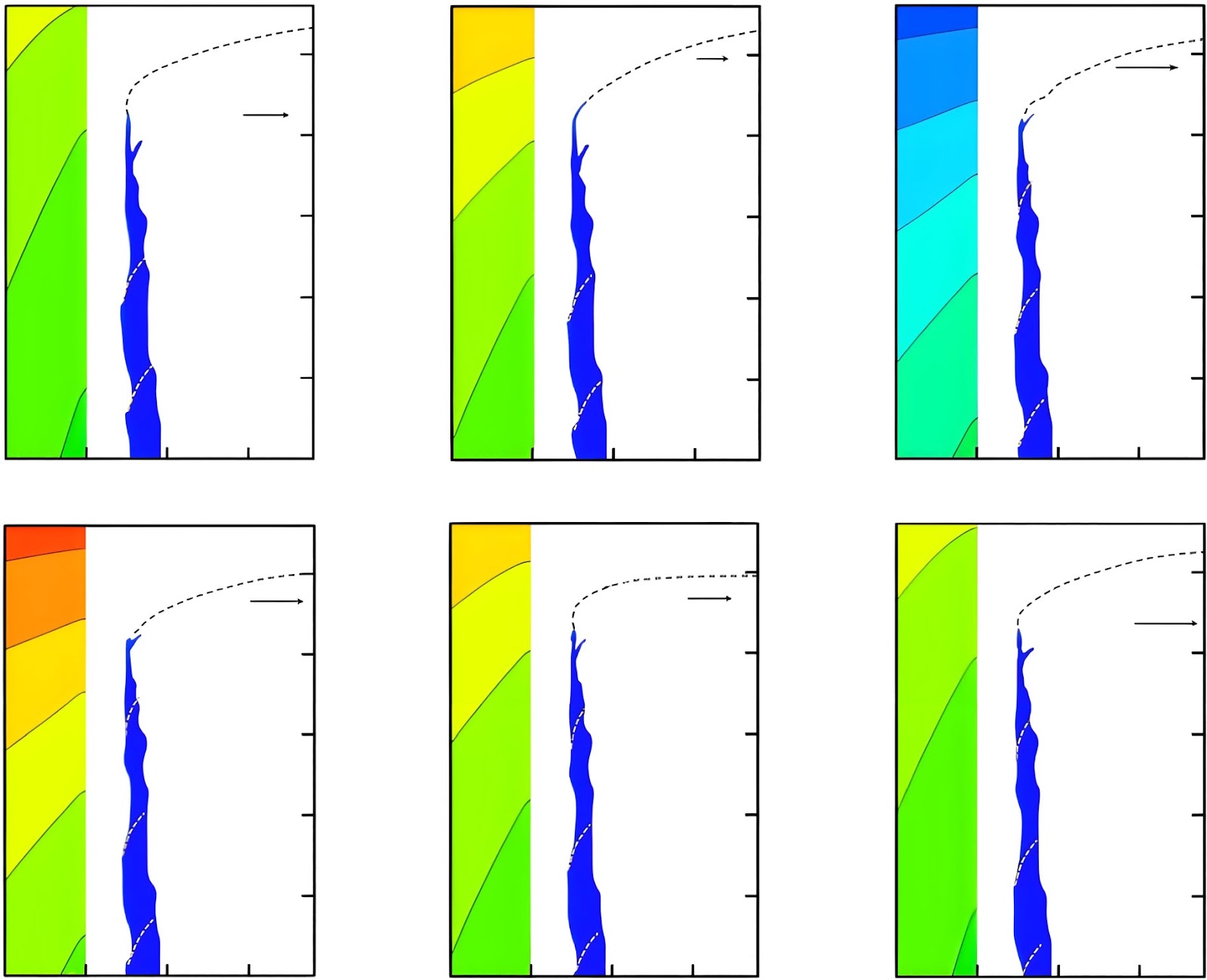
The hook formation mechanism in continuously cast slabs of ultra-low carbon steel was analyzed in detail through numerical calculations and experimental observations using optical microscopy, and its distribution characteristics were determined. Numerical simulations confirmed that the freezing–overflow mechanism is the primary cause of hook formation. They also revealed that the freezing event occurs unpredictably, while the overflow event takes place during the positive strip time. The average pitch of oscillation marks (OMs) on the slab surface was 8.693 mm, while the theoretical pitch was 8.889 mm, with a difference of approximately 2%. This discrepancy primarily results from varying degrees of overflow, which affects the morphology of the OMs and the positions of their deepest points. Notably, this result further confirmed that the freezing and overflow in the meniscus were indeed caused by the periodic oscillation of the mold. Higher superheat hindered hook formation, leading to a negative correlation between the hook depth distribution around the slab and the temperature distribution within the mold. Therefore, the depth of the corner hook was greater than that of other positions, which was caused by the intensified cooling effect of the corner. Moreover, key factors influencing hook development were analyzed, providing insights into transient fluid flow and heat transfer characteristics within the mold. Transient fluid flow and heat transfer contributed to the randomness and tendency of hook formation. This randomness was reflected in the varying angles of the hooks, whereas the tendency was evident in the negative correlation between superheat and hook length. Based on the randomness and tendency of hook formation and its profile characteristics, a new method for controlling hook depth based on “sine law” is proposed.

Hook formation and control mechanisms in continuously cast slabs of ultra-low carbon steel
Graphical Abstract
Original ResearchVol. 32, Issue 7 • pp. 1655-DOI: 10.1007/s12613-024-3049-7Jan 15, 2025

Development of constitutive models and hot-working processing map for Al–12Ce–0.4Sc alloys

Authors: Mohan Raj Athimulam, Jinu Paul, Srinu Gangolu, S. M. Jagadeesh Babu

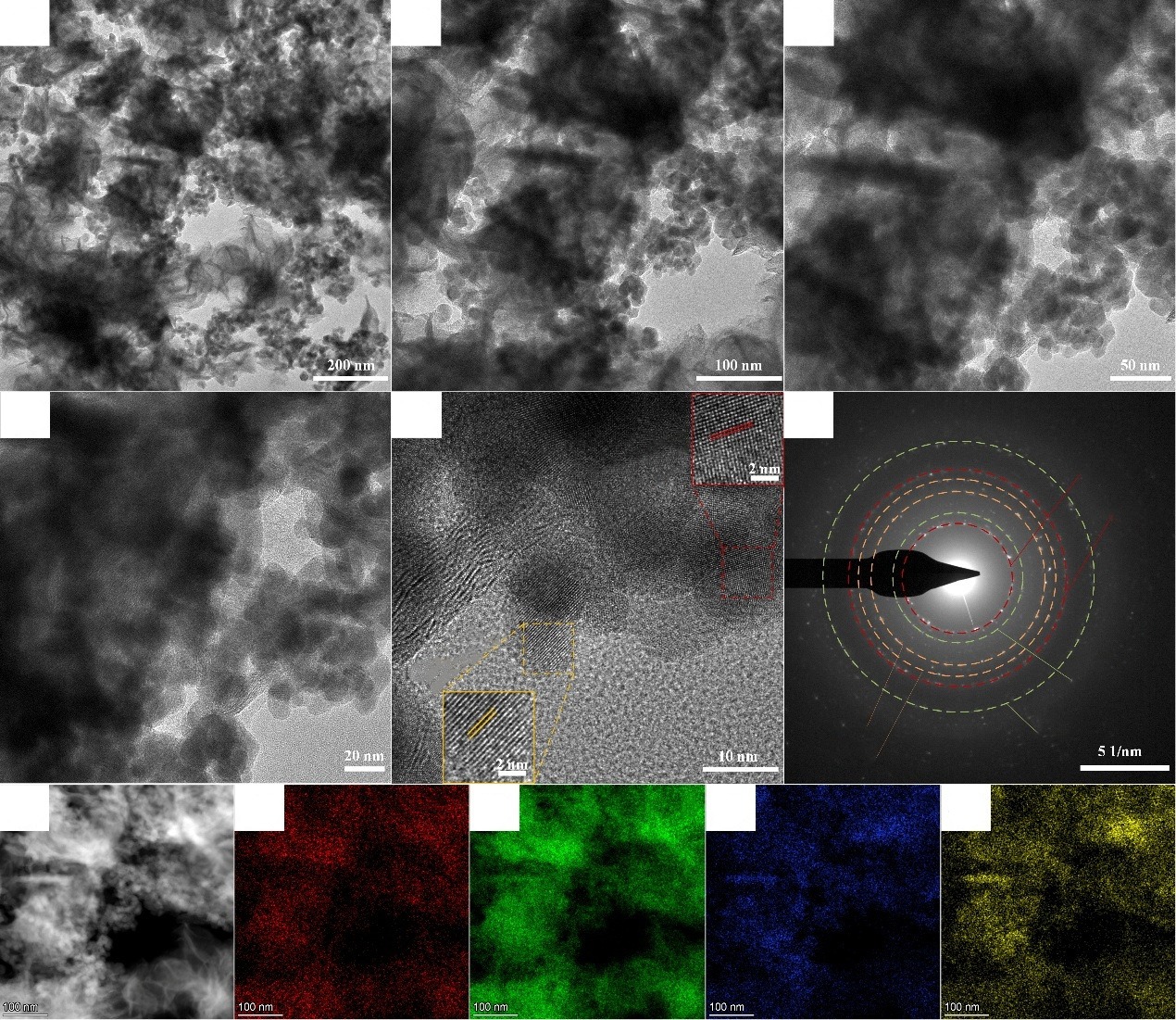
The current study investigates the hot deformation behavior of Al–12Ce–0.4Sc alloy with an isothermal hot compression test at 300–450°C/0.001–1 s−1. Results show that the flow curves exhibit typical dynamic recovery (DRV) and slight flow-softening behavior. Additionally, the flow curves overlap owing to the dynamic strain aging (DSA) phenomenon at 400–450°C/0.01–0.1 s−1. Two different constitutive models were developed using the experimental data for hot deformation: (i) strain-compensated Arrhenius model (Method I) and (ii) logistic regression model (Method II). The average stress exponent (n) and apparent activation energy (Q) are 14.25 and 209.58 kJ·mol–1, respectively. The hot-working processing map shows that the optimal processing condition is 400°C/1 s−1, and the maximum power dissipation efficiency is 22%. Stable and unstable domains indicated by the processing map were correlated using scanning electron microscopy (SEM), transmission electron microscopy (TEM), and electron backscatter diffraction (EBSD) characterization techniques. The unstable domains are primarily associated with pro-eutectic Al11Ce3 intermetallic fracture and interfacial cracks between α-Al and pro-eutectic Al11Ce3.

Development of constitutive models and hot-working processing map for Al–12Ce–0.4Sc alloys
Graphical Abstract
Original ResearchVol. 32, Issue 7 • pp. 1719DOI: 10.1007/s12613-024-3020-7Jan 15, 2025

Zincophilic Cu/flexible polymer heterogeneous interfaces ensuring the stability of zinc metal anodes

Authors: Luyang Sun, Wenjia Zhang, Qiongqiong Lu, Pengfei Yue, Guoshang Zhang, Kexing Song, Yanqing Su

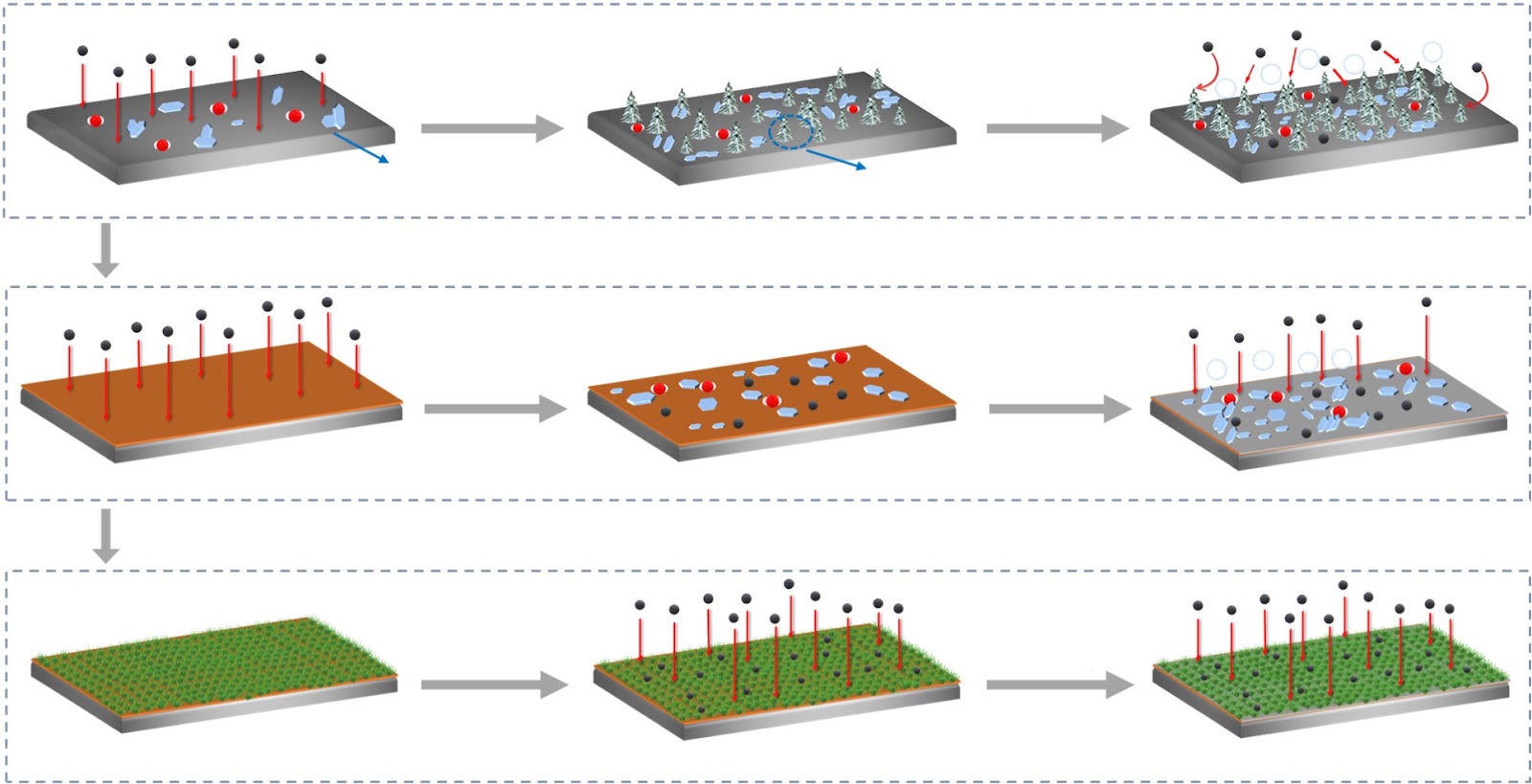
Aqueous zinc-ion batteries are regarded as promising electrochemical energy-storage systems for various applications because of their high safety, low costs, and high capacities. However, dendrite formation and side reactions during zinc plating or stripping greatly reduce the capacity and cycle life of a battery and subsequently limit its practical application. To address these issues, we modified the surface of a zinc anode with a functional bilayer composed of zincophilic Cu and flexible polymer layers. The zincophilic Cu interfacial layer was prepared through CuSO4 solution pretreatment to serve as a nucleation site to facilitate uniform Zn deposition. Meanwhile, the polymer layer was coated onto the Cu interface layer to serve as a protective layer that would prevent side reactions between zinc and electrolytes. Benefiting from the synergistic effect of the zincophilic Cu and protective polymer layers, the symmetric battery exhibits an impressive cycle life, lasting over 2900 h at a current density of 1 mA·cm−2 with a capacity of 1 mA·h·cm−2. Moreover, a full battery paired with a vanadium oxide cathode achieves a remarkable capacity retention of 72% even after 500 cycles.

Zincophilic Cu/flexible polymer heterogeneous interfaces ensuring the stability of zinc metal anodes
Graphical Abstract
Original ResearchVol. 32, Issue 7 • pp. 1750-1760DOI: 10.1007/s12613-025-3148-0Jan 15, 2025

Preparation and fluorescence properties of SiO2-coated CsPb1−xZnxBr3 nanocrystals with enhanced efficiency and stability

Authors: Zhe Qin, Peng Wen, Wenkui Wu, Ting Chen, Yiyuan Peng, Fei Wang, Zhixiang Xie

All-inorganic perovskite CsPbX3 (X = Cl, Br, I) nanocrystals (NCs) have emerged as promising candidates for light-emitting diode (LED) displays due to their outstanding photophysical properties. However, their practical application remains hindered by poor stability and the inherent toxicity of Pb2+. In this study, we present a two-step heating method to synthesize CsPb1−xZnxBr3 NCs with enhanced optoelectronic performance and uniform dispersion. The optimized Zn2+-doped NCs achieve a photoluminescence quantum yield (PLQY) of 86%, with a reduction in lattice spacing from 0.384 to 0.365 nm, attributed to increased perovskite lattice formation energy and effective surface passivation. To further improve stability, a silica (SiO2) shell is introduced via surface modification with (3-aminopropyl) triethoxysilane (APTES), forming CsPb0.7Zn0.3Br3@SiO2 core–shell NCs. At an optimal APTES/B-site metal ion molar ratio of 1.8, the PLQY increases to 96%. The SiO2 encapsulation significantly enhances environmental stability, with coated NCs retaining 43% of their initial photoluminescence (PL) intensity after immersion in water for 36 h, compared to only 5% for uncoated NCs. Furthermore, after ethanol treatment for 210 min, the coated NCs retain 39% of their initial PL intensity, while the uncoated counterparts retain merely 7%. The enhanced stability and luminescence performance of CsPb0.7Zn0.3Br3@SiO2 NCs make them highly promising for LED applications. White light-emitting diodes (WLEDs) fabricated using these NCs exhibit a color rendering index (CRI) of 78.2, a correlated color temperature (CCT) of 5470 K, and a luminous efficiency (LE) of 54.2 lm/W, demonstrating significant potential for next-generation display and lighting technologies.

Preparation and fluorescence properties of SiO2-coated CsPb1−xZnxBr3 nanocrystals with enhanced efficiency and stability
Graphical Abstract
Original ResearchVol. 32, Issue 7 • pp. 1693DOI: 10.1007/s12613-024-3030-5Jan 15, 2025

Fabrication and performance of carbon-sol-reinforced Cu composite coatings

Authors: Zhen He, Songlin Zheng, Lei Zhu, Wuxin Yang, Muhammad D. Hayat, Yuxin Wang

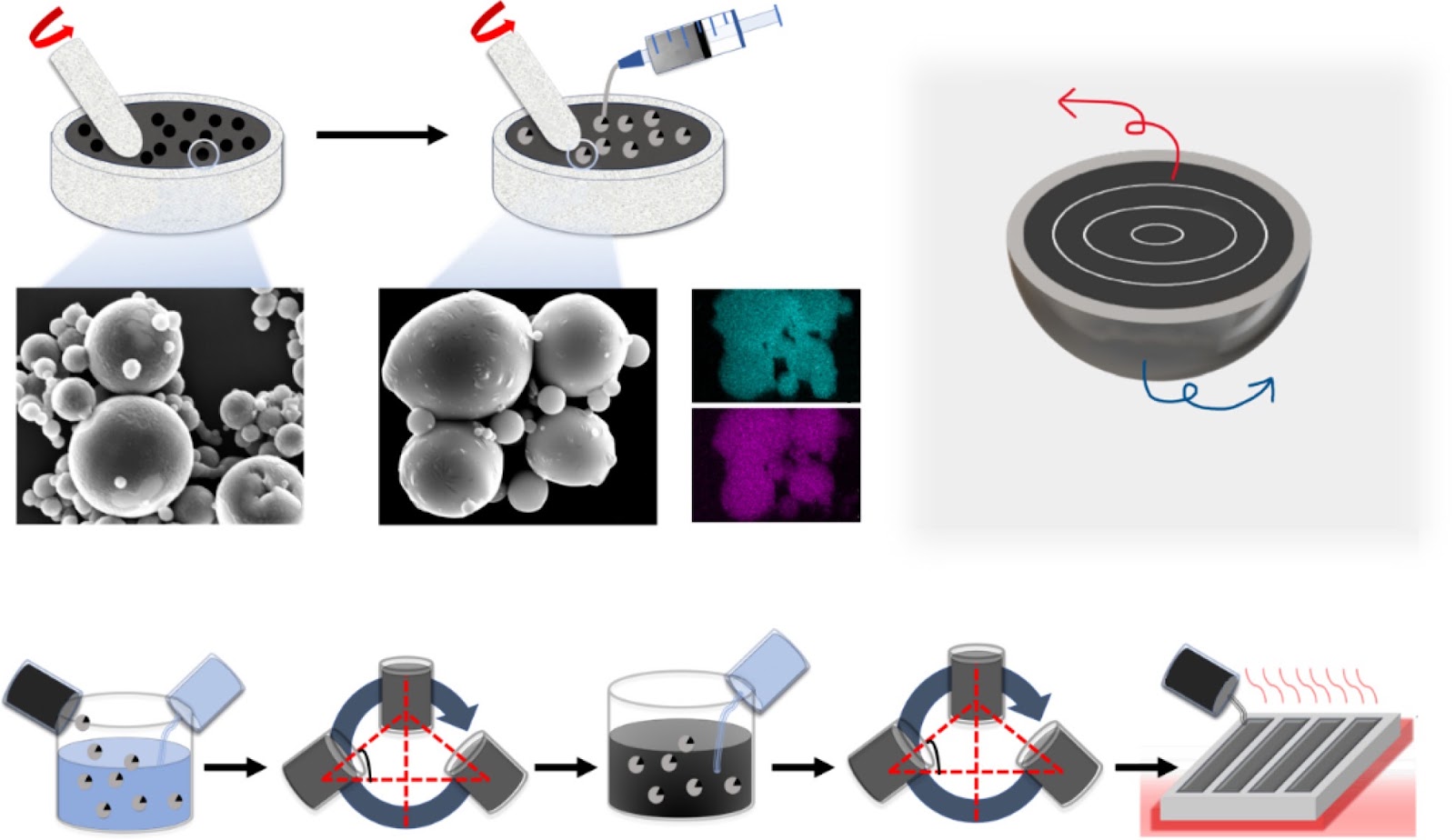
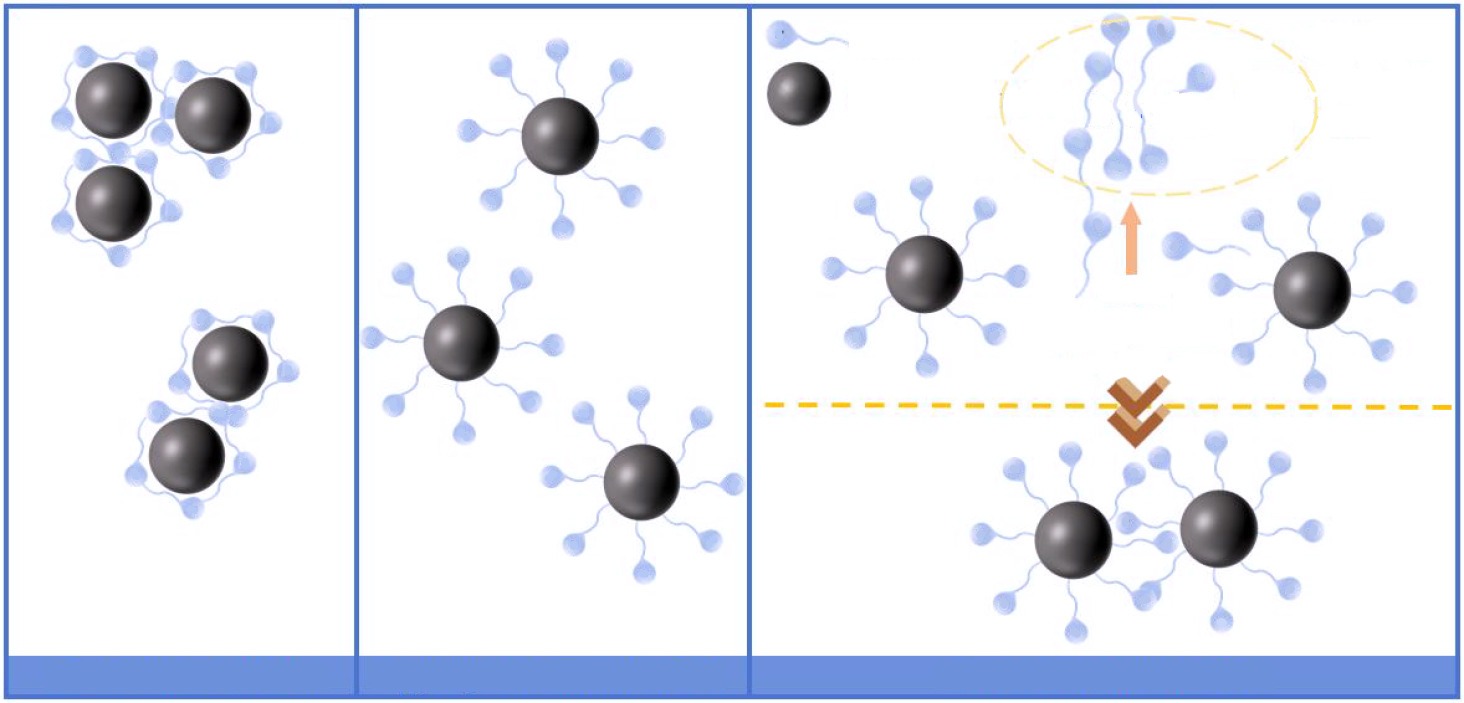
This study successfully developed a series of carbon-sol-reinforced copper (Cu-CS) composite coatings by electrodeposition employing a superiorly dispersed carbon sol (CS) to avoid nanoparticle aggregation. The CS, characterized using transmission electron microscopy and zeta potential analysis, consisted of carbon particles with an approximate diameter of 300 nm uniformly distributed in the electrolytes. The characteristics of the composite coatings were examined via scanning electron microscopy to observe its microstructures, X-ray diffraction to detect its phase constituents, and durability testing to determine the wear and corrosion resistance. Results indicated a significant improvement in coating thickness, density, and uniformity achieved for the Cu-CS composite coating with the addition of 20 mL/L CS. Moreover, the Cu-CS composite coating exhibited a low wear volume (1.15 × 10⁻³ mm3), a high hardness (HV0.5 137.1), and a low corrosion rate (0.191 mm/a). The significant contribution of carbon particles to the improvement of coating performance is mainly influenced by two factors, namely, the strengthening and lubricating effects resulting from the incorporated carbon particles. Nevertheless, overdosage of CS can compromise the microstructure of the Cu-CS composite coating, creating defects and undermining its functionality.

Fabrication and performance of carbon-sol-reinforced Cu composite coatings
Graphical Abstract
Original ResearchVol. 32, Issue 7 • pp. 1669-?DOI: 10.1007/s12613-024-3041-2Jan 15, 2025

Novel non-equilibrium partitioning model and a developed strong and ductile Al–7.5Mg–0.5Sc–0.3Zr–0.6Si alloy for selective laser melting

Authors: Jianzhou Long, Chi Zhou, Gang Wang, Shuai Zhang, Mengmeng Wang, Yuanpei Duan, Qingsong Pan, Zesheng You, Liang Song, Zhourong Feng

Strong and ductile Al alloys and their suitable design strategy have long been desired in selective laser melting (SLM). This work reports a non-equilibrium partitioning model and a correspondingly designed Al–7.5Mg–0.5Sc–0.3Zr–0.6Si alloy. This model effectively quantifies the influence of Mg and Si on hot cracking in aluminum alloy by considering the non-equilibrium partitioning under high cooling rates in SLM. The designed Al–7.5Mg–0.5Sc–0.3Zr–0.6Si alloy exhibits no hot cracks and achieves a remarkably enhanced strength–ductility synergy (a yield strength of (412 ± 8) MPa and a uniform elongation of (15.6 ± 0.6)%), superior to previously reported Al–Mg–Sc–Zr and Al–Mn alloys. A tensile cracking model is proposed to explore the origin of the improved ductility. Both the non-equilibrium partitioning model and the novel Al–7.5Mg–0.5Sc–0.3Zr–0.6Si alloy offers a promising opportunity for producing highly reliable aluminum parts through SLM.

Novel non-equilibrium partitioning model and a developed strong and ductile Al–7.5Mg–0.5Sc–0.3Zr–0.6Si alloy for selective laser melting
Graphical Abstract
Original ResearchVol. 32, Issue 7 • pp. 1595-1605DOI: 10.1007/s12613-024-2988-3Jan 15, 2025

Development of strong Goss texture in ultra-thin high silicon steel with excellent magnetic properties fabricated by two-stage rolling

Authors: Xu Ning, Yongfeng Liang, Chenyang Zhang, Zhen Wang, Yanli Wang, Feng Ye, Junpin Lin

The <001> orientation of the Goss texture aligned with the rolling direction is the most easily magnetized direction, effectively enhancing the magnetic properties of non-oriented silicon steel. In the present study, an ultra-thin high-silicon sheet of 0.2 mm with a strong Goss texture was successfully fabricated using a two-stage rolling method, achieving superior magnetic properties. The combination of suitable primary rolling reduction and intermediate annealing proved beneficial in promoting the formation of Goss texture. Electron back scatter diffraction (EBSD) was used to characterize micro-shear bands within deformed grains of secondary rolled sheets. Observations revealed that the recrystallized Goss nucleus originated from the Goss substructure of shear bands within deformed {111}<112> grains during the initial stages of recrystallization. The influence of stored energy and grain size on texture evolution was thoroughly investigated using quasi-in situ EBSD during recrystallization. In the initial stages, large deformed {111}<112> and near {111}<112> grains with high stored energy facilitated nucleation and growth of Goss and near-Goss grains within shear bands and reduced grain boundary nucleation. In the later stages, large deformed grains with low stored energy underwent a strain-induced grain boundary migration mechanism to nucleate. During the recrystallization, many recrystallized Goss and near-Goss grains clustered together, with Goss grains rotating towards near-Goss orientation. The resulting annealed ultra-thin 0.2 mm sheet with a pronounced Goss texture exhibited superior magnetic properties.

Development of strong Goss texture in ultra-thin high silicon steel with excellent magnetic properties fabricated by two-stage rolling
Graphical Abstract
Original ResearchVol. 32, Issue 7 • pp. 1566-DOI: 10.1007/s12613-024-3054-xJan 15, 2025

Identification of suitable conventional cooling methods for direct aqueous carbonation of blast furnace slags and their mechanism

Authors: Hsing-Jung Ho, Atsushi Iizuka, Hironari Kubo

The iron and steel industries generate large amounts of unavoidable CO2 emissions as well as considerable quantities of slags. More than one-half of the emitted CO2 is produced in blast furnaces during ironmaking, and thus it is meaningful to use blast furnace slags to capture CO2 while addressing the byproducts and flue gas of ironmaking. Mineral carbonation of slags is a promising route to achieve carbon neutrality and effective slag utilization. To exploit slag more effectively and capture CO2 in flue gas, an in-depth investigation into the carbonation of blast furnace slags generated with different cooling methods was conducted. The effects of the solid–liquid ratio and introduced CO2 concentration on carbonation were determined. The CO2 uptake capacity of air-cooled slag (0.04 g/g) was greater than that of water-quenched slag. The CO2 uptake capacities of the two slags were comparable with those of slags in previous works, indicating the potential of the two slags for CO2 sequestration and utilization even with low-energy input and this fact suggests that this process is feasible.

Identification of suitable conventional cooling methods for direct aqueous carbonation of blast furnace slags and their mechanism
Graphical Abstract
Original ResearchVol. 32, Issue 7 • pp. 1483-DOI: 10.1007/s12613-024-3042-1Jan 15, 2025

Effects of gangue particle-size gradation on damage and failure behavior of cemented backfill under uniaxial compression

Authors: Yongliang Li, Shiji Guo, Renshu Yang, Liangyu Xie, Shouheng Lu

Investigation techniques, such as uniaxial compression tests, acoustic emission, digital image correlation monitoring, and scanning electron microscopy, were used from macroscopic and microscopic perspectives to investigate the effects of gangue particle-size gradation on the damage characteristics of cemented backfill. The peak strength, acoustic emission characteristics, and failure modes of cemented backfills with different gangue size gradations were examined. Test results indicated that with an increase in the gradation coefficient, the compressive strength of the gangue-cemented backfill first increased and then decreased. When the gradation coefficient is 0.5, the maximum compressive strength of the backfill is 4.28 MPa. The acoustic emission counts during the loading of gangue-cemented fills with different gradation coefficients passed through three phases: rising, active, and significantly active. The number of internal pores and cracks, as well as the uneven distribution of their locations, cause differences in acoustic emission characteristics at the same stage and variations in the strength of the backfill due to the different gangue particle-size gradations in the filler sample.

Effects of gangue particle-size gradation on damage and failure behavior of cemented backfill under uniaxial compression
Graphical Abstract
Original ResearchVol. 32, Issue 7 • pp. 1519-?DOI: 10.1007/s12613-024-3018-1Jan 15, 2025

Microwave fluidization magnetization roasting of limonite ores: Phase transformation, microstructure and kinetics

Authors: Xinran Zhu, Yuangan Chen, Xu Liu, Yongsheng Sun, Yuexin Han

As a refractory iron ore, the clean and efficient beneficiation of limonite is crucial for ensuring a sustainable long-term supply of iron metal. In this study, the microwave fluidization magnetization roasting of limonite was explored. The micromorphology, microstructure, and mineral phase transformation of the roasted products were analyzed using a scanning electron microscope, an automatic surface area and porosity analyzer, an X-ray diffractometer, and a vibrating sample magnetometer. Kinetic analysis was also conducted to identify the factors limiting the roasting reaction rate. Microwave fluidization roasting significantly increased the specific surface area of limonite, increased the opportunity of contact between CO and limonite, and accelerated the transformation from FeO(OH) to α-Fe2O3 and then to Fe3O4. In addition, the water in the limonite ore and the newly formed magnetite exhibited a strong microwave absorption capacity, which has a certain activation effect on the reduction roasting of limonite. The saturation magnetization and maximum specific magnetization coefficient increased to 23.08 A·m2·kg−1 and 2.50 × 10⁻⁴ m3·kg−1, respectively. The subsequent magnetic separation of the reconstructed limonite yielded an iron concentrate with an Fe grade of 59.26wt% and a recovery of 90.07wt%. Kinetic analysis revealed that the reaction mechanism function model was consistent with the diffusion model (G(α) = α2), with the mechanism function described as k = 0.08208exp[−20.3441/(RgT)]. Therefore, microwave fluidization roasting shows significant potential in the beneficiation of limonite, offering a promising approach for the exploitation of refractory iron ores.

Microwave fluidization magnetization roasting of limonite ores: Phase transformation, microstructure and kinetics
Graphical Abstract
Original ResearchVol. 32, Issue 7 • pp. 1529-DOI: 10.1007/s12613-024-3004-7Jan 15, 2025

High efficiency reduction leaching of iron phosphate residue from the recycling of spent LiFePO4 battery

Authors: Huaijun Liu, Liangxing Jiang, Hengfa Ni, Shenghai Yang, Zongliang Zhang, Fangyang Liu

The effective reuse of iron phosphate residue (IPR) is the key issue in the recycling of spent LiFePO4 batteries. Therefore, in this study, the reduction leaching of IPR in H2SO4 solution by adding iron powder as reducing agent was investigated and compared with direct leaching. The results show that the leaching rate of IPR reached 97% under the optimum reduction leaching conditions. Kinetic studies show that the activation energy for reduction leaching is 12.71 kJ/mol, while that of direct leaching is 21.57 kJ/mol. Moreover, the reduction leaching time is reduced by half and the acid consumption is reduced by 30% compared to direct leaching with the same leaching rate. This work provides a scientific guidance to the treatment of iron phosphate residue from the recycling of spent LiFePO4 batteries.

High efficiency reduction leaching of iron phosphate residue from the recycling of spent LiFePO4 battery
Graphical Abstract
Original ResearchVol. 32, Issue 7 • pp. 1496-DOI: 10.1007/s12613-024-3036-zJan 15, 2025

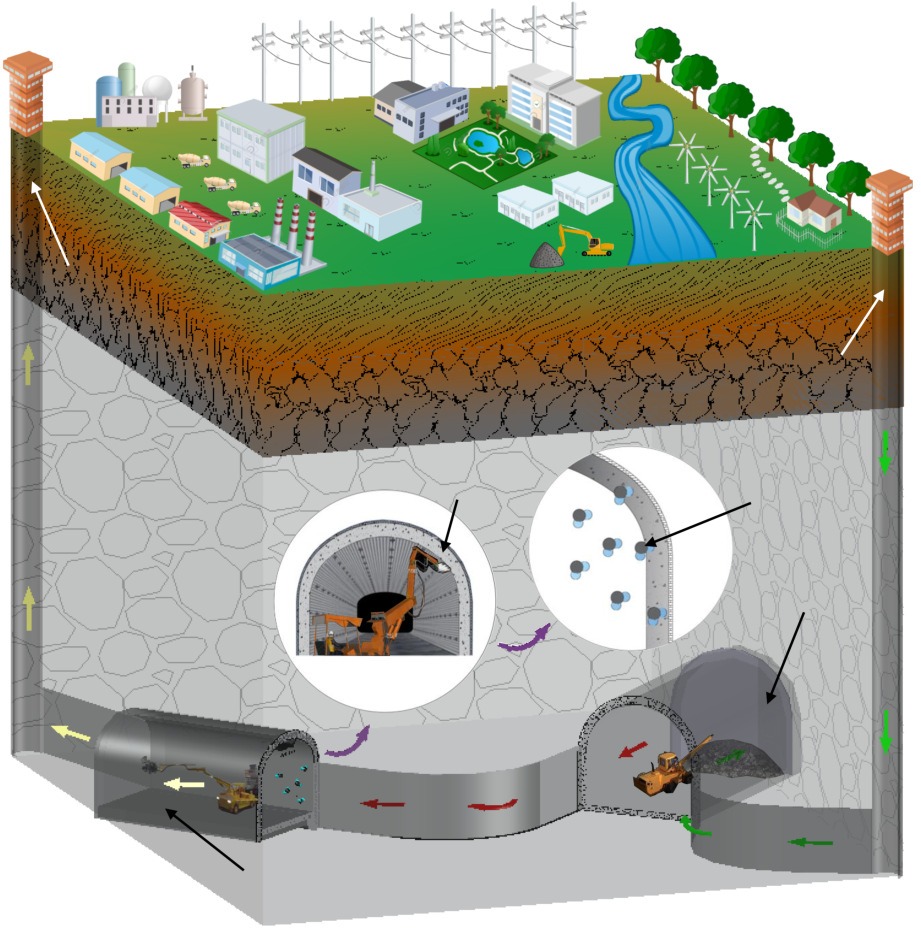
Carbon sequestration potential and mechanisms of shotcrete for tunnel support in underground metal mines through cement hydration

Authors: Qiusong Chen, Chao Zhang, Daolin Wang, Yikai Liu, Chongchong Qi

Growing concerns about greenhouse gas emissions from underground mining have intensified the need for carbon reduction strategies at every stage. Shotcrete used in tunnel support presents a promising opportunity for carbon emission reduction. This study investigates the carbon absorption capacity, mechanical strength, and underlying mechanisms of shotcrete when exposed to varying CO2 concentrations during the mine support process. Findings reveal that higher CO2 concentrations during the initial stages of carbonation curing enhance early strength but may impede long-term strength development. Shotcrete samples exposed to 2vol% CO2 for 14 d exhibited a carbonation degree approximately three times higher than those exposed to 0.03vol% CO2. A carbonation layer formed in the shotcrete, sequestering CO2 as solid carbonates. In practical terms, shotcrete in an underground return-air tunnel absorbed 1.1 kg·m2 of CO2 over 14 d, equivalent to treating 33 m3 of contaminated air. Thus, using shotcrete for CO2 curing in return-air tunnels can significantly reduce carbon emissions, contributing to greener and more sustainable mining practices.

Carbon sequestration potential and mechanisms of shotcrete for tunnel support in underground metal mines through cement hydration
Graphical Abstract
Original ResearchVol. 32, Issue 7 • pp. 1471-DOI: 10.1007/s12613-024-3029-yJan 15, 2025

Numerical analysis of the stability and minimum required strength of sill mats considering creep behavior of rock mass

Authors: Chuan Fan, Li Li, Guangsheng Liu, Xiaocong Yang, Weidong Song, Lijie Guo, Ruofan Wang

The underhand cut-and-fill mining method is widely employed in underground mines, especially when the quality of surrounding rock mass or ore body is inferior or subjected to high stresses. Such a method typically requires the construction of sill mats with cemented backfill to provide operators with safe artificial roofs. Accurate estimation of the minimum required strength of the sill mat is crucial to minimize binder consumption and ensure its stability upon base exposure. Over the years, only a few publications were devoted to determining the minimum required cohesion (cmin) of sill mats. None of them considered rock wall closure to be associated with the creep of surrounding rock mass. Moreover, the effect of rock wall closure associated with rock creep on the cmin of the sill mat remains unknown. Thus, a series of numerical simulations was performed to fill this gap. The influence of rock creep on the cmin of base-exposed sill mat was investigated for the first time. The numerical results indicate that Mitchell’s models could be suitable for sill mats subjected to negligible wall closure. However, this scenario is rare, especially when mine depth is large. In general, the cmin of sill mats increases as mine depth increases. Neglecting rock creep would significantly underestimate the cmin of sill mats. When mine depth is large and the rock mass exhibits severe creep, cemented backfill with ductile behavior (i.e., with low stiffness but enough strength) should be considered to reduce binder consumption and prevent crushing failure. In all cases, promptly filling the mined-out stope below the sill mat can improve its stability and reduce its cmin value.

Numerical analysis of the stability and minimum required strength of sill mats considering creep behavior of rock mass
Graphical Abstract