SinoTechIntel Academic Portal
🏛️ Indexed Academic JournalImpact Factor: 3.8 (Q1 - Elsevier)Original: 中国化学工程学报 (英文版)

Chinese Journal of Chemical Engineering

Access authentic peer-reviewed engineering methodologies, experimental datasets, and scientific literature published in this journal on SinoTechIntel.

Total Research Papers: 98
Access: 100% Free Open Access
Browse by Publication Year & VolumeReset All Filters ✕

Published Research PapersFiltered: Year 2024 • Vol. 31

Showing 7 of 98 peer-reviewed papers with full Graphical Abstracts.

Original ResearchVol. 31, Issue 12 • pp. 635-647DOI: 10.1016/j_cjche_144878035Dec 16, 2024

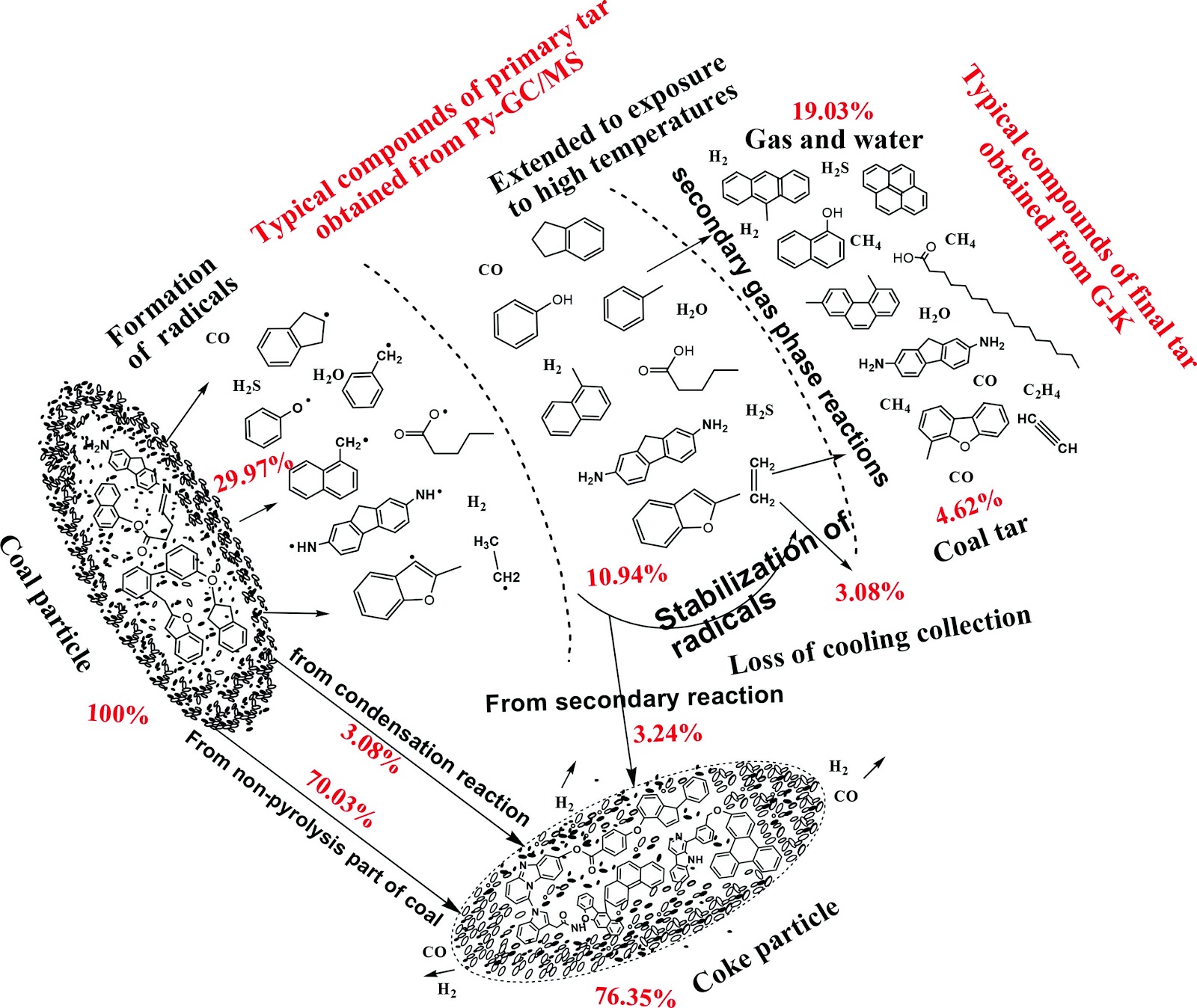
Study on coal pyrolysis characteristics by combining different pyrolysis reactors

Authors: Xiaoping Su, Zhao Wang, Ning Li, Longjian Li, Ping Zhang, Ming Sun, Xiaoxun Ma

The pyrolysis process of Shendong coal (SD) was first studied by combining the characteristics of thermal gravimetric (TG), pyrolysis-gas chromatography/mass spectrometry (Py-GC/MS) and Gray-King assay (G-K). The results show that the order of coke yields is G-K (76.35% (mass))>TG (73.11% (mass))>Py (70.03% (mass)). G-K coke yield caused by condensation reaction and secondary reaction accounts for 3.08% (mass) and 3.24% (mass), respectively. Compared with slow pyrolysis, fast pyrolysis has stronger fracture ability to coal molecules and can obtain more O-compounds, mono-ring aromatics and aliphatics. Especially, the content of phenolics increases significantly from 15.49% to 35.17%, but the content of multi-ring aromatics decreases from 23.13% to 2.36%. By comparing the compositions of Py primary tar and G-K final tar, it is found that secondary reactions occurred during G-K pyrolysis process include the cleavage of alkane and esters, condensation of mono-ring aromatics with low carbon alkene, ring opening, isomerization of tri-ring aromatics, hydrogenation of aromatics and acids.
Study on coal pyrolysis characteristics by combining different pyrolysis reactors
Graphical Abstract
Original ResearchVol. 31, Issue 12 • pp. 839-851DOI: 10.1016/j_cjche_144878459Dec 2, 2024

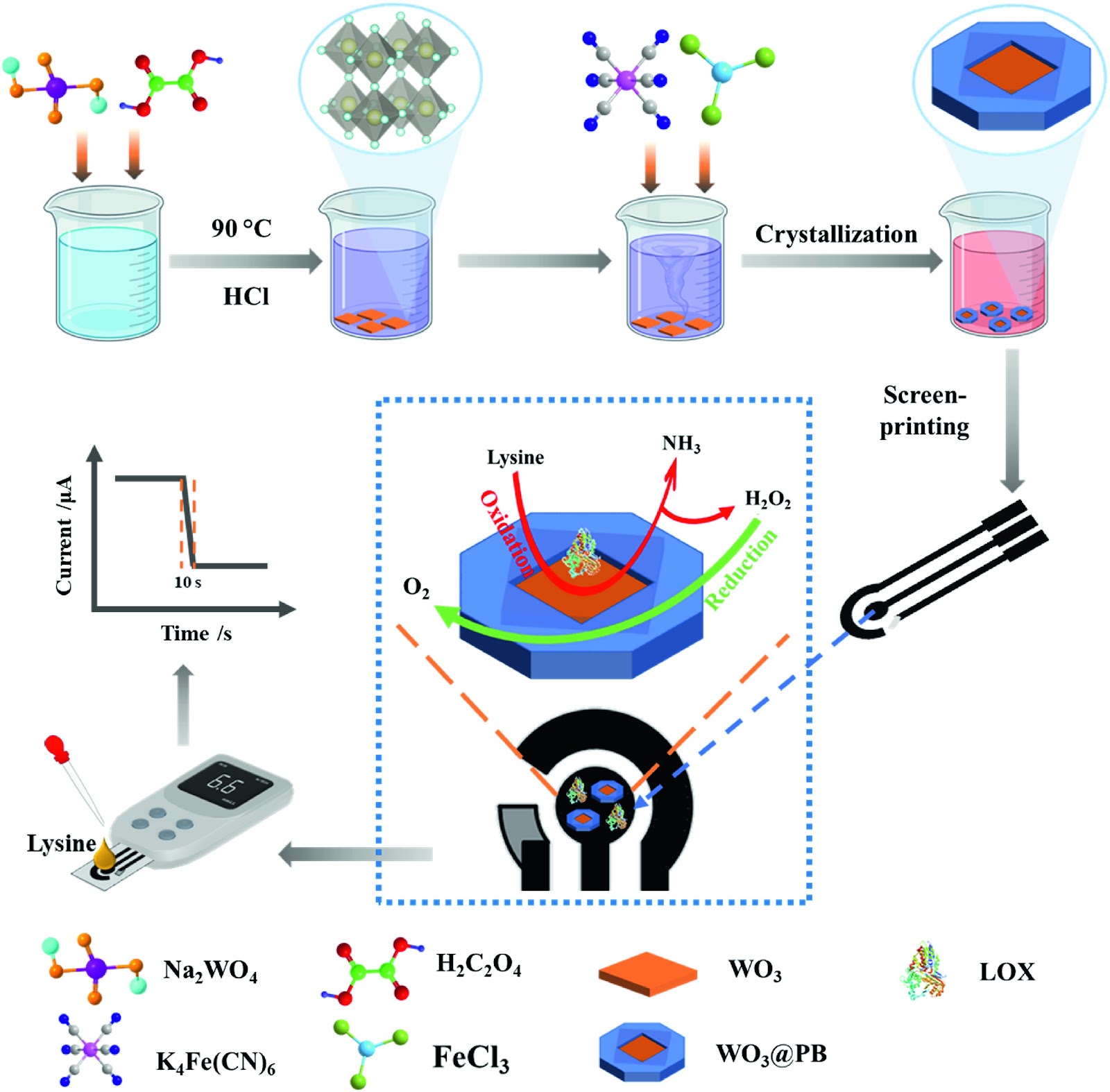
Center-concave nanosheets of core-shell WO3@Prussian blue based handheld microchip-devices for ultrasensitive lysine determination

Authors: Huaiyu Song, Meiyue Wang, Tao Liu, Zhengkun Liu, Ying Xie, Zhenyu Chu, Wanqin Jin

Lysine is one of the essential amino acids for human body, and its imbalance is a major cause to anemia, aging process, leukemia cell proliferation and tumor growth. Therefore, its monitoring is dominative to the prevention the disease progress and guidance to the clinical treatment. However, traditional in-hospital detection methods, such as colorimetry and fluorometric, often suffer the disadvantages of high cost and long time-consuming. These drawbacks show a difficulty in the home-in and dairy monitoring for the lysine regulation in body. In this study, we have proposed an ultrasensitive microchip-based portable device to achieve the onsite and precise determination of lysine within only 10 s. This microchip was functionalized through constructing a center-concave nanosheet of core-shell WO3@Prussian blue (WO3@PB) to remarkably strengthen the generation and transfer of the detection signal. In this special architecture, the core WO3 nanosheet can be exposed at the center region of this nanocomposite to effectively promote the enzymatic oxidation, while the PB shell enables to strongly reduce the H2O2 produced by the enzymatic reaction. Under above synergetic effects, a handheld device was designed to support the plug-and-play microchip, which performed an outstanding accuracy for the lysine detection in blood.

Center-concave nanosheets of core-shell WO3@Prussian blue based handheld microchip-devices for ultrasensitive lysine determination
Graphical Abstract
Original ResearchVol. 31, Issue 9 • pp. 568-580DOI: 10.1016/j_cjche_144878863Sep 12, 2024

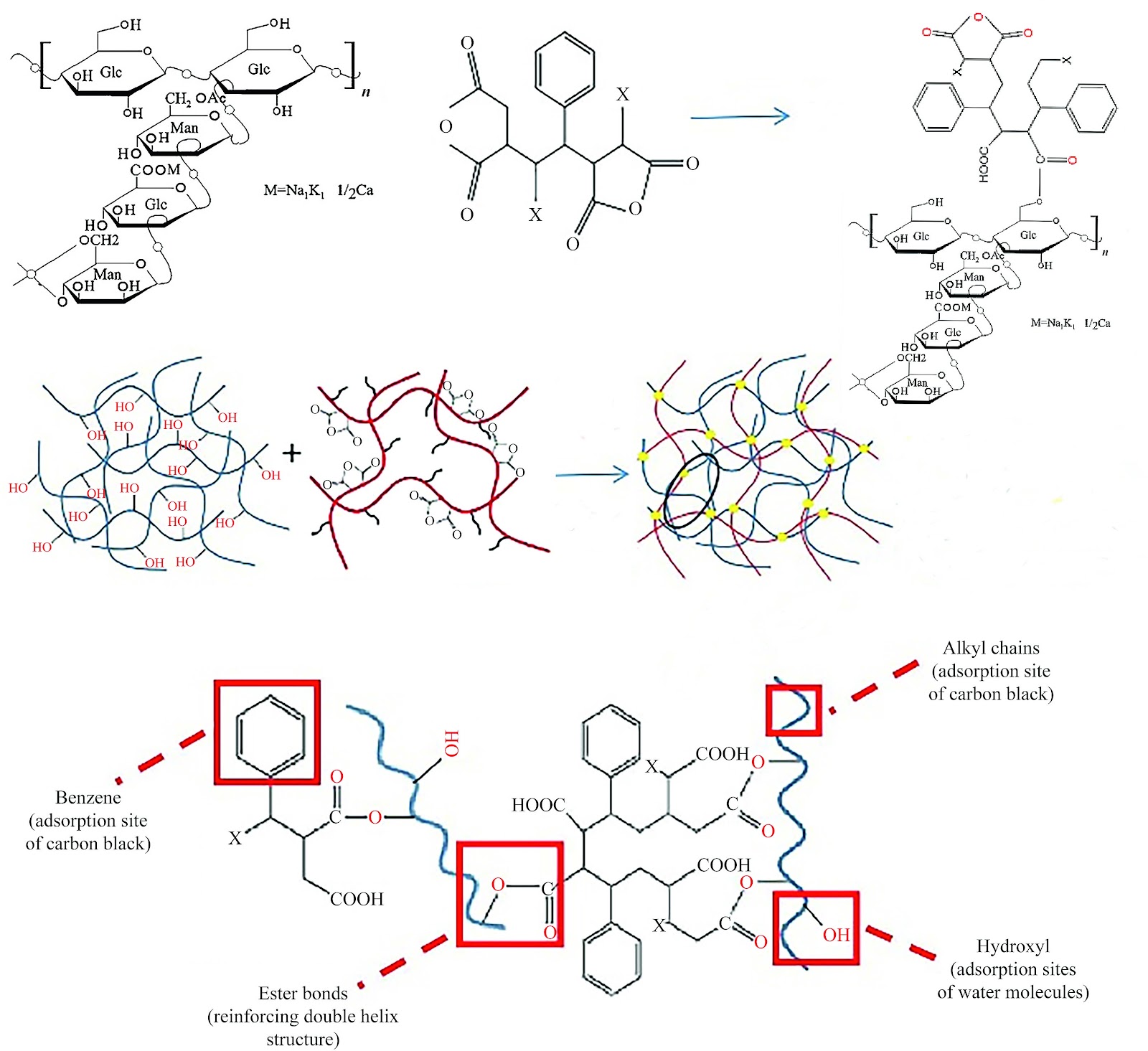
Alleviation of the plastic deformation of gel ink under strong stress through an esterification of xanthan gum reinforcing its double helix structure

Authors: Xiaokun Li, Mingyi Wang, Zilu Liu, Song Yang, Na Xu, Wei Zhao, Gan Luo, Shoujun Liu

As a natural organic polymer, xanthan gum (XG) can alleviate the plastic deformation of gel ink under strong stress and realize the reasonable regulation of the rheological properties of gel ink. However, as the double-helix structure connected by hydrogen bonds cannot resist the mechanical environment of strong stress, XG shows poor shear resistance. In this study, a polymer gel with interpenetrating polymer network structure was prepared by esterifying XG, taking polystyrene maleic anhydride (SMA) as the modifier. In addition to retaining the excellent rheological properties of XG, the generated polymer gel also exhibited high shear resistance. The optimal addition amount of the esterification reaction modifier was determined as mXG: mSMA = 5:3 according to the gel ink standard. With this amount, the viscosity of the modified xanthan gum (SXG) gel increased to 1578.8 mPa·s and 100.7 mPa·s at shear rates of 4 s⁻¹ and 383 s⁻¹, respectively, and the shear resistance increased more than 2 times compared to the unmodified one. It is because of the ester bond formed by esterification that the reaction strengthens the interaction between molecular segments, enabling the new gel to resist to strong mechanical stress. The new polymer gel studied in this paper and the proposed mechanism of action provide new insights for the development of high-end gel ink and also provide theoretical support for the study of rheological properties of non-Newtonian fluids.

Alleviation of the plastic deformation of gel ink under strong stress through an esterification of xanthan gum reinforcing its double helix structure
Graphical Abstract
Original ResearchVol. 31, Issue 7 • pp. 522-534DOI: 10.1016/j_cjche_144878780Jul 25, 2024

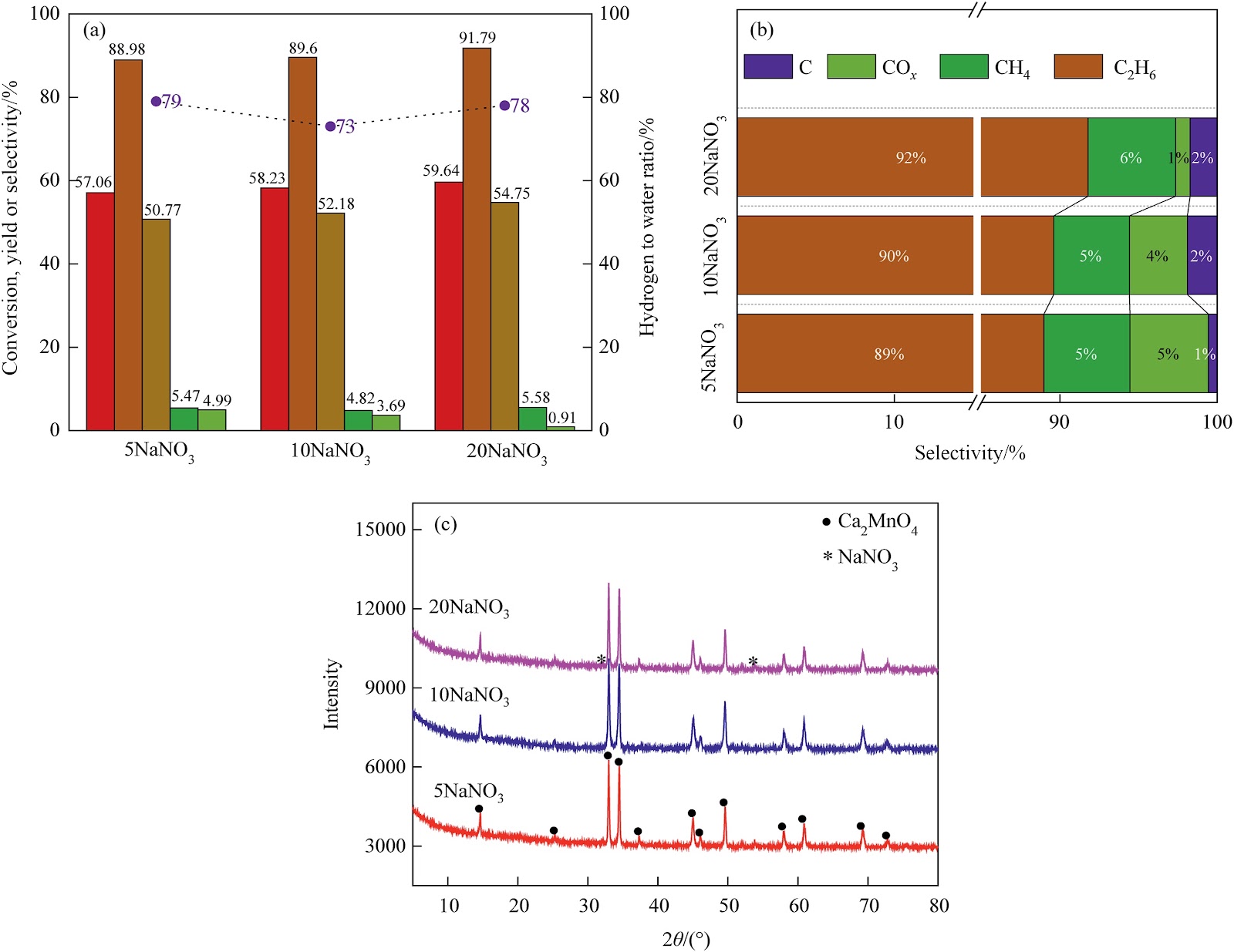
Ca2MnO4-layered perovskite modified by NaNO3 for chemical-looping oxidative dehydrogenation of ethane to ethylene

Authors: Weixiao Ding, Kun Zhao, Shican Jiang, Zhen Huang, Fang He

Chemical-looping oxidative dehydrogenation (CL-ODH) is a process designed for the conversion of alkanes into olefins through cyclic redox reactions, eliminating the need for gaseous O2. In this work, we investigated the use of Ca2MnO4-layered perovskites modified with NaNO3 dopants, serving as redox catalysts (also known as oxygen carriers), for the CL-ODH of ethane within a temperature range of 700-780 °C. Our findings revealed that the incorporation of NaNO3 as a modifier significantly enhanced the selectivity for ethylene generation from Ca2MnO4. At 750 °C and a gas hourly space velocity of 1300 h−1, we achieved an ethane conversion up to 68.17%, accompanied by a corresponding ethylene yield of 57.39%. X-ray photoelectron spectroscopy analysis unveiled that the doping NaNO3 onto Ca2MnO4 not only played a role in reducing the oxidation state of Mn ions but also increased the lattice oxygen content of the redox catalyst. Furthermore, formation of NaNO3 shell on the surface of Ca2MnO4 led to a reduction in the concentration of manganese sites and modulated the oxygen-releasing behavior in a step-wise manner. This modulation contributed significantly to the enhanced selectivity for ethylene of the NaNO3-doped Ca2MnO4 catalyst. These findings provide compelling evidence for the potential of Ca2MnO4-layered perovskites as promising redox catalysts in the context of CL-ODH reactions.

Ca2MnO4-layered perovskite modified by NaNO3 for chemical-looping oxidative dehydrogenation of ethane to ethylene
Graphical Abstract
Original ResearchVol. 31, Issue 7 • pp. 754-766DOI: 10.1016/j_cjche_144878240Jul 12, 2024

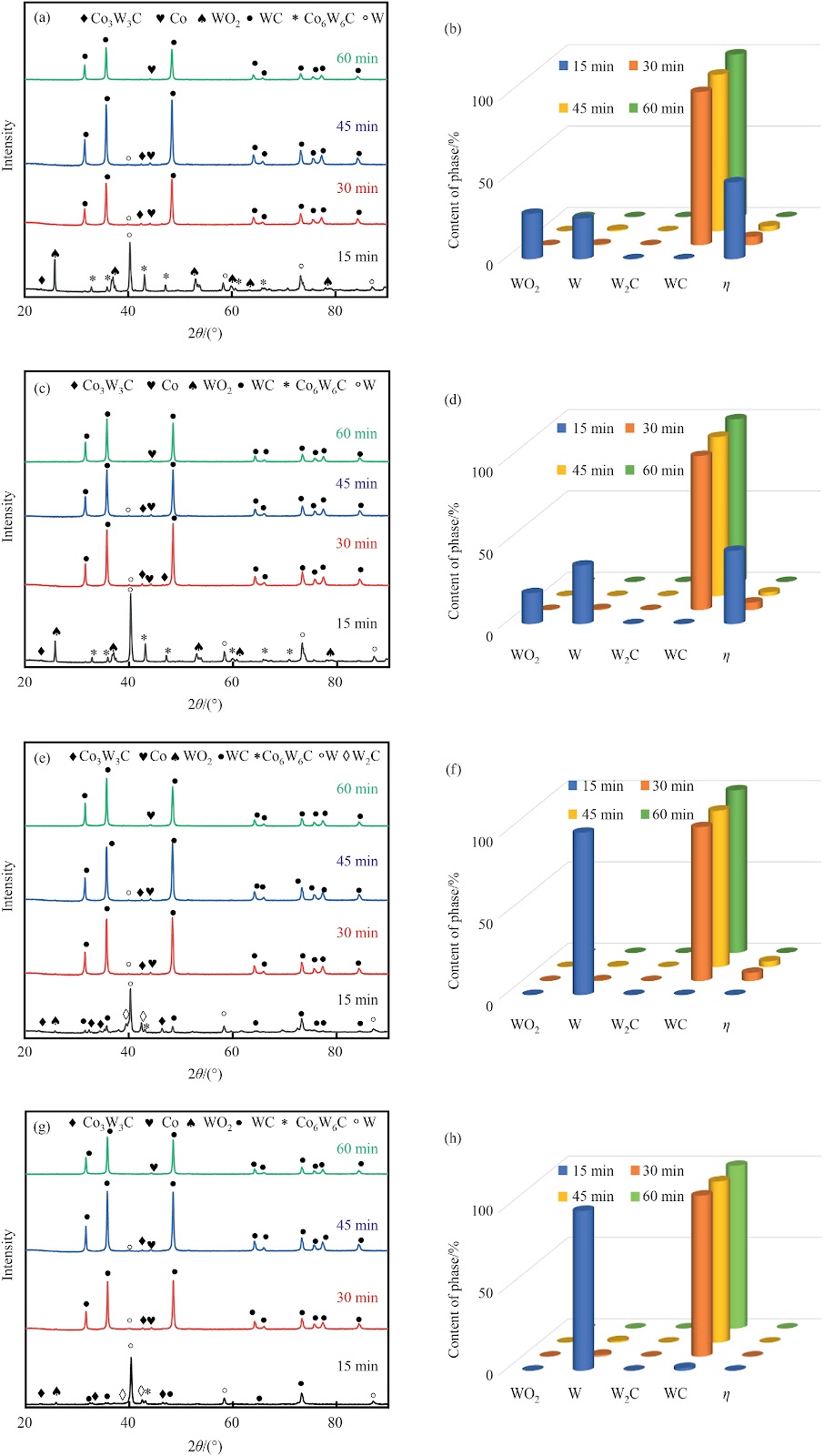
Preparation of ultrafine WC-Co powder via fluidized bed

Authors: Huijun Shang, Hengli Li, Weijun Li, Feng Pan, Zhan Du

In this study, the effects of reaction parameters on the deep-reduction and carbonization process of WO2-Co to WC-Co were studied. The results indicate that the oxygen loss rate of WO2 is positively correlated with temperature and methane partial pressure. The partial pressure of methane has no significant effect on the formation rate of WC. The carbon content and particle size of the product increase with the increase of CH4 partial pressure. By synergistically regulating the reaction temperature to 950 °C, the CH4 partial pressure to 1.25%, and the reaction time to 60 min, ultrafine WC-Co powder without h phase can be obtained. The particle size of the composite powder is 128 nm, with total carbon content of 6.16%, free carbon content of 0.4%, and residual oxygen content of 0.05%, respectively. The growth rate relationship of tungsten carbide is as follows: d(t) = 1.21 × 10^-13 exp(-12809.72/T) √t.

Preparation of ultrafine WC-Co powder via fluidized bed
Graphical Abstract
Original ResearchVol. 31, Issue 5 • pp. 124-136DOI: 10.1016/j_cjche_144878629May 17, 2024

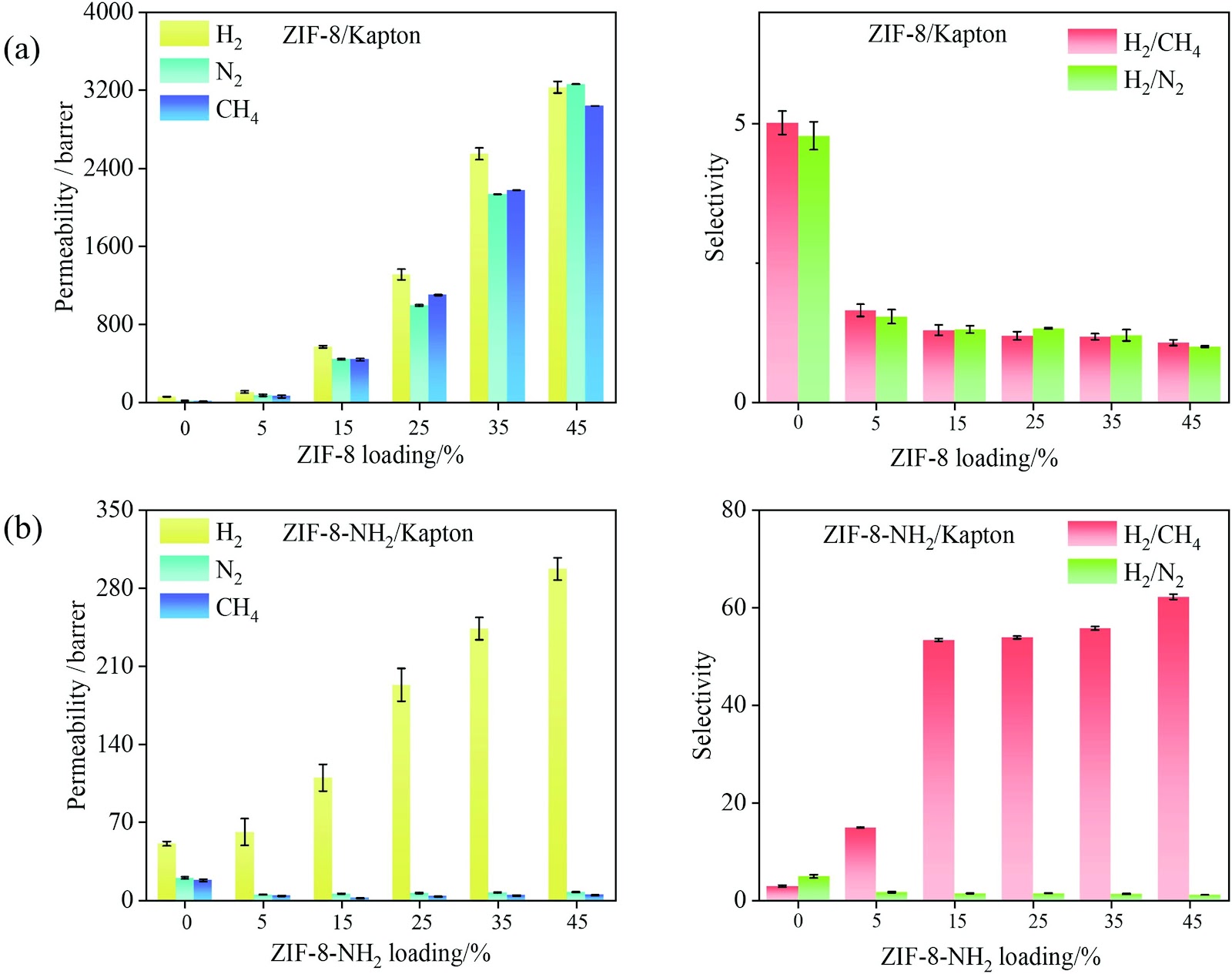
A covalently integrated ZIF-8/polyamide acid mixed matrix membrane with superior gas separation performance

Authors: Guozhen Li, Shiqi Ling, Yuhui Cui, Shilong Dong, Tianyin Liu, Ting Li, Siyu Pang, Peiyong Qin

Zeolitic imidazolate framework-8 (ZIF-8) is a typical filler used to fabricate mixed matrix membranes (MMMs) on account of its attractive advantage of high selective permeability for gas separation. However, the performance is usually affected by filler aggregation due to strong interactions among fillers and weak interactions between the polymer and fillers, which will lead to a decrease of selectivity and the performance of gas separation will be strongly influenced. Herein, we modified ZIF-8 with 3-amino-1,2,4-triazole to obtain ZIF-8-NH2, Kapton polyamide acid was selected as the polymer matrix. Results showed that the ZIF-8-NH2/Kapton MMMs has a good compatibility interface between ZIF-8 and Kapton because of the covalent bridging, even the filler loading up to 45% (mass). The 45% (mass) of ZIF-8-NH2/Kapton membrane showed 297 barrer (1 barrer = 10^-10 cm3·cm·cm^-2·s^-1·cmHg^-1, 1 cmHg = 1333.22 Pa, standard temperature and pressure) of the permeability of H2 and 43.9 and 62.2 of selectivities for H2/N2 and for H2/CH4, respectively, which are beyond the upper limit of Robeson 2008.

A covalently integrated ZIF-8/polyamide acid mixed matrix membrane with superior gas separation performance
Graphical Abstract
Original ResearchVol. 31, Issue 4 • pp. 107-119DOI: 10.1016/j_cjche_144878613Apr 14, 2024

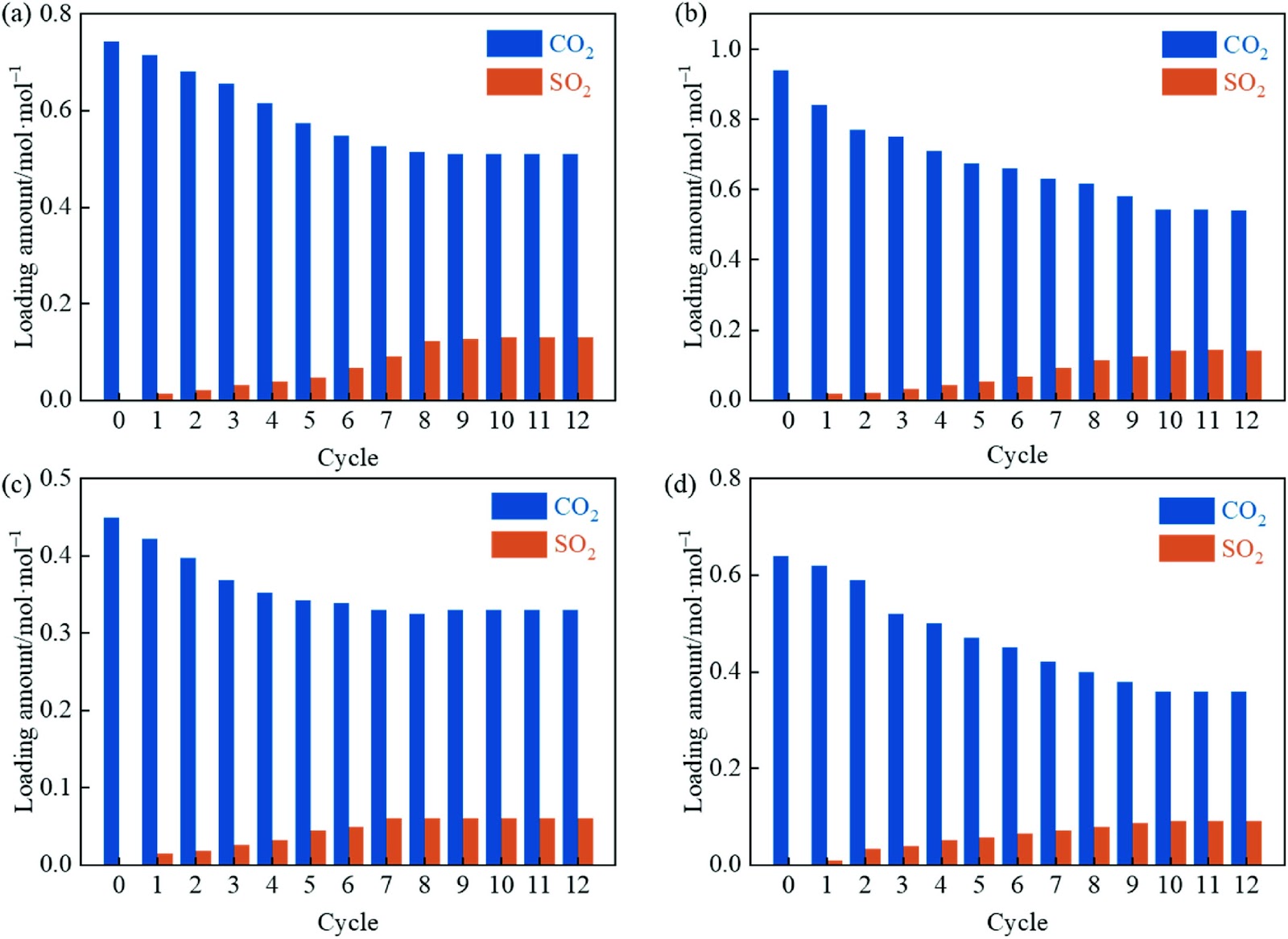
Effect of the presence of trace sulfur dioxide on piperazine-based amine absorbents for carbon dioxide capture

Authors: Songtao Zheng, Yao Jiang, Shaojun Jia, Yan Wu, Peng Cui

The effect of the presence of trace SO2 in industrial flue gas on the amine-scrubbing-based absorption process for CO2 capture has been a matter of concern. This study aimed to investigate the effect of trace SO2 on the CO2 capture process using piperazine-based amine absorbents, focusing on SO2-resistance capability, SO2/CO2 absorption selectivity, and cyclic stability. The presence of trace SO2 not only restrains CO2 absorption, but also promotes the formation of carbamate within the piperazine-based amine absorbents. Remarkably, the incorporation of aminoethyl group in piperazine-based amine absorbents can enhance the SO2-resistance capability by promoting the formation of carbamate, while piperazine-based amine absorbents with hydroxyethyl group can promote the formation of bicarbonate to reduce the SO2-resistance capability. The work offers valuable insights into the efficient application of novel amine absorbents for CO2 capture from practical industrial flue gas.

Effect of the presence of trace sulfur dioxide on piperazine-based amine absorbents for carbon dioxide capture
Graphical Abstract