SinoTechIntel Academic Portal
🏛️ Indexed Academic Journal

China Foundry

Access authentic peer-reviewed engineering methodologies, experimental datasets, and scientific literature published in this journal on SinoTechIntel.

Total Research Papers: 75
Access: 100% Free Open Access
Browse by Publication Year & VolumeReset All Filters ✕

Published Research PapersFiltered: Year 2025 • Vol. 22 • No. 1

Showing 9 of 75 peer-reviewed papers with full Graphical Abstracts.

Original ResearchVol. 22, No. 1 • pp. 83-89DOI: 10.1007/s41230-024-4036-3Jan 15, 2025

New poly-types of LPSO structures in a non-equilibrium Mg97Zn1Y1.6Ca0.4 alloy

Authors: Qian-qian Jin, Zi-hui Tang, Wen-long Xiao, Xiu-yu Qu, Xu-hao Han, Lin Mei, Xiao-hong Shao, Xiu-liang Ma

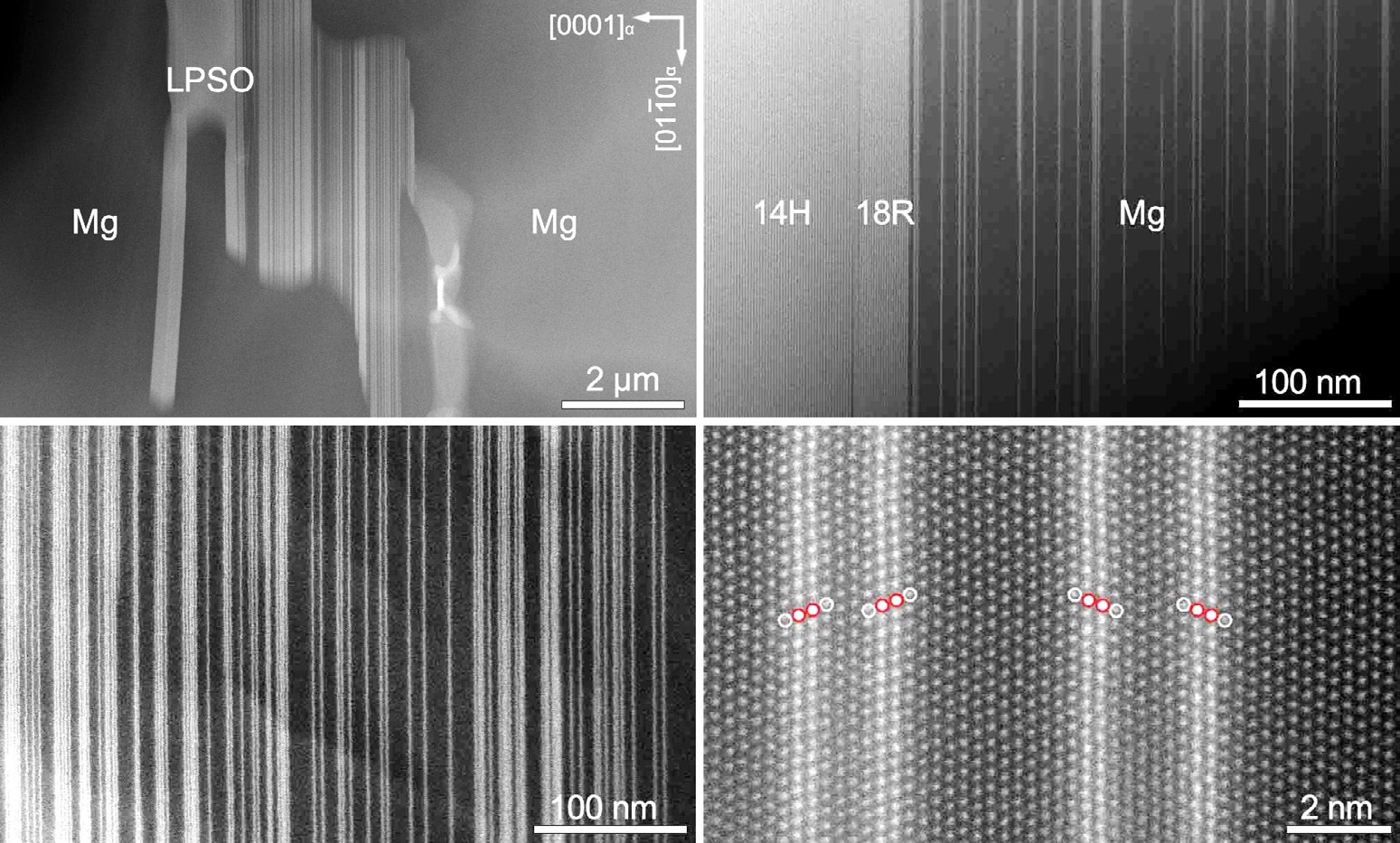
In this study, a comprehensive analysis of microstructural features, morphology, crystal structures, and interface structures of long-period stacking ordered (LPSO) structures in a non-equilibrium Mg97Zn1Y1.6Ca0.4 alloy cast in a steel mold was carried out. The addition of Ca element plays an important role in the refinement of LPSO structure. The result reveals new poly-types including 20H F2F2F4, 60R (F2F3 3)3, and 66H F2F3 3F2(F6)4 featuring a 6-Mg structure, alongside the prevalent 18R and 14H LPSO structures. The incoherent interface between 20H and the Mg matrix is split into two dislocation arrays, leading to the formation of a segment of 60R1. Moreover, the superstructure 116L, designated as (F2)18F4, is formed through the ordered distribution of F4 stacking faults in 18R.

New poly-types of LPSO structures in a non-equilibrium Mg97Zn1Y1.6Ca0.4 alloy
Graphical Abstract
Original ResearchVol. 22, No. 1 • pp. 65-74DOI: 10.1007/s41230-025-3171-9Jan 15, 2025

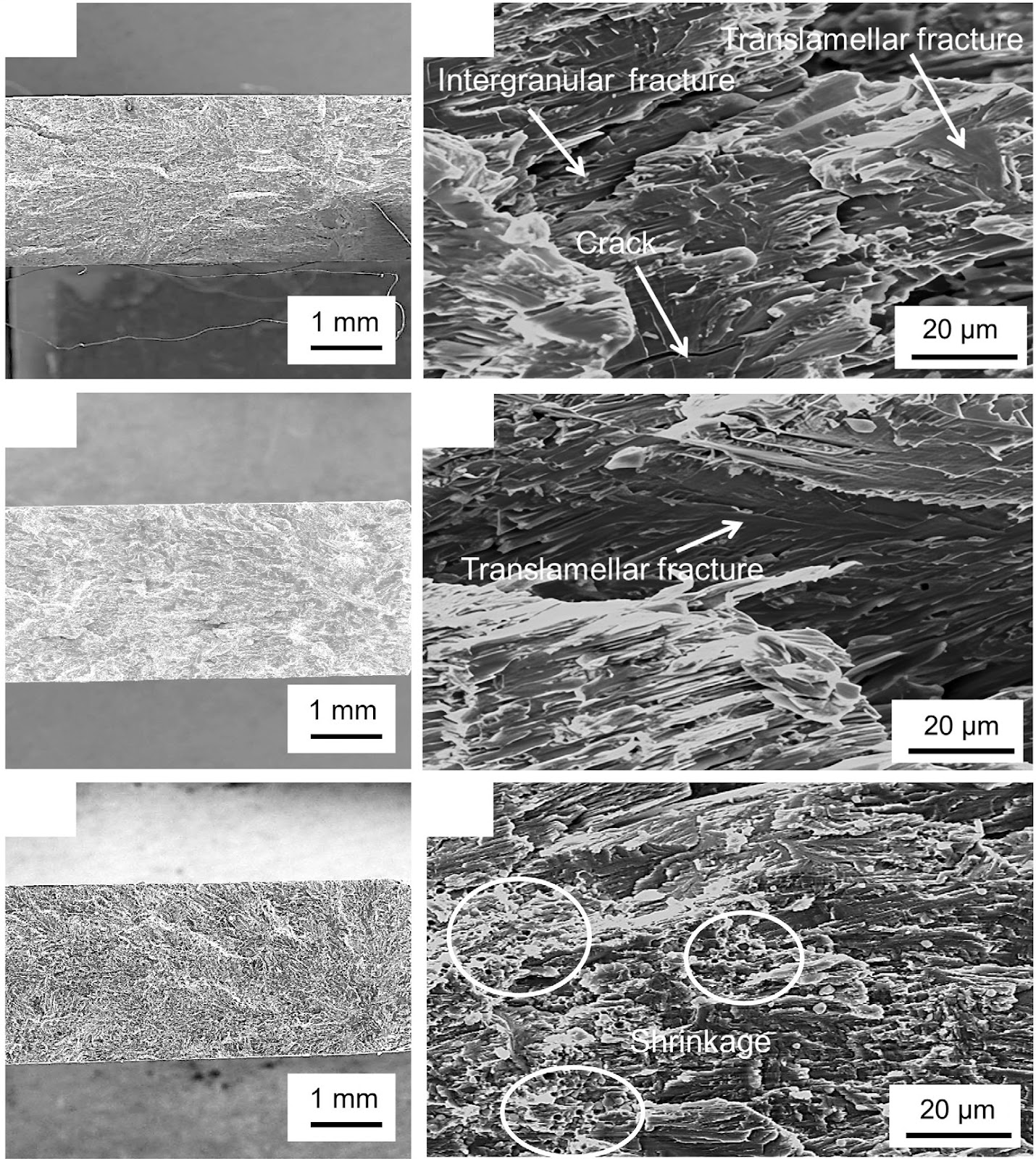
Effect of pouring time on microstructure and mechanical properties of centrifugal cast Ti-46Al alloy tubes

Authors: Gang Huang, Qian Dang, Cong-cong Su, Jing Zhao, Chi Zhang, Guo-huai Liu, Zhao-dong Wang

The grain size of TiAl alloy castings prepared by traditional casting process is coarse, thus showing poor mechanical properties. In this study, a new type of high performance Ti-46Al alloy tube prepared by vacuum centrifugal casting technology was introduced. This research comprehensively examined the influence of pouring time on the microstructure and mechanical performance of the castings, employing both experimental approaches and ProCast simulation methodologies. The findings indicate that prolonging the pouring time facilitates a microstructural evolution from coarse columnar grains to refined equiaxed grains. Under the condition of pouring temperature of 1,600 °C, rotation speed of 800 r·min-1 and pouring time of 6 s, the tensile strength of Ti-46Al alloy at room temperature reaches 650 MPa, and the tensile strength at 800 °C reaches 705 MPa, which is significantly higher than that of traditional as-cast Ti-Al alloy.

Effect of pouring time on microstructure and mechanical properties of centrifugal cast Ti-46Al alloy tubes
Graphical Abstract
Original ResearchVol. 22, No. 1 • pp. 55-64DOI: 10.1007/s41230-025-4006-4Jan 15, 2025

Effect of lanthanum on microstructure of a nickel-based single crystal superalloy

Authors: Hong Gao, Kai Guan, Ren-jie Cui, Jian-chao Qin, Zi-han Zhao, Zhao-hui Huang

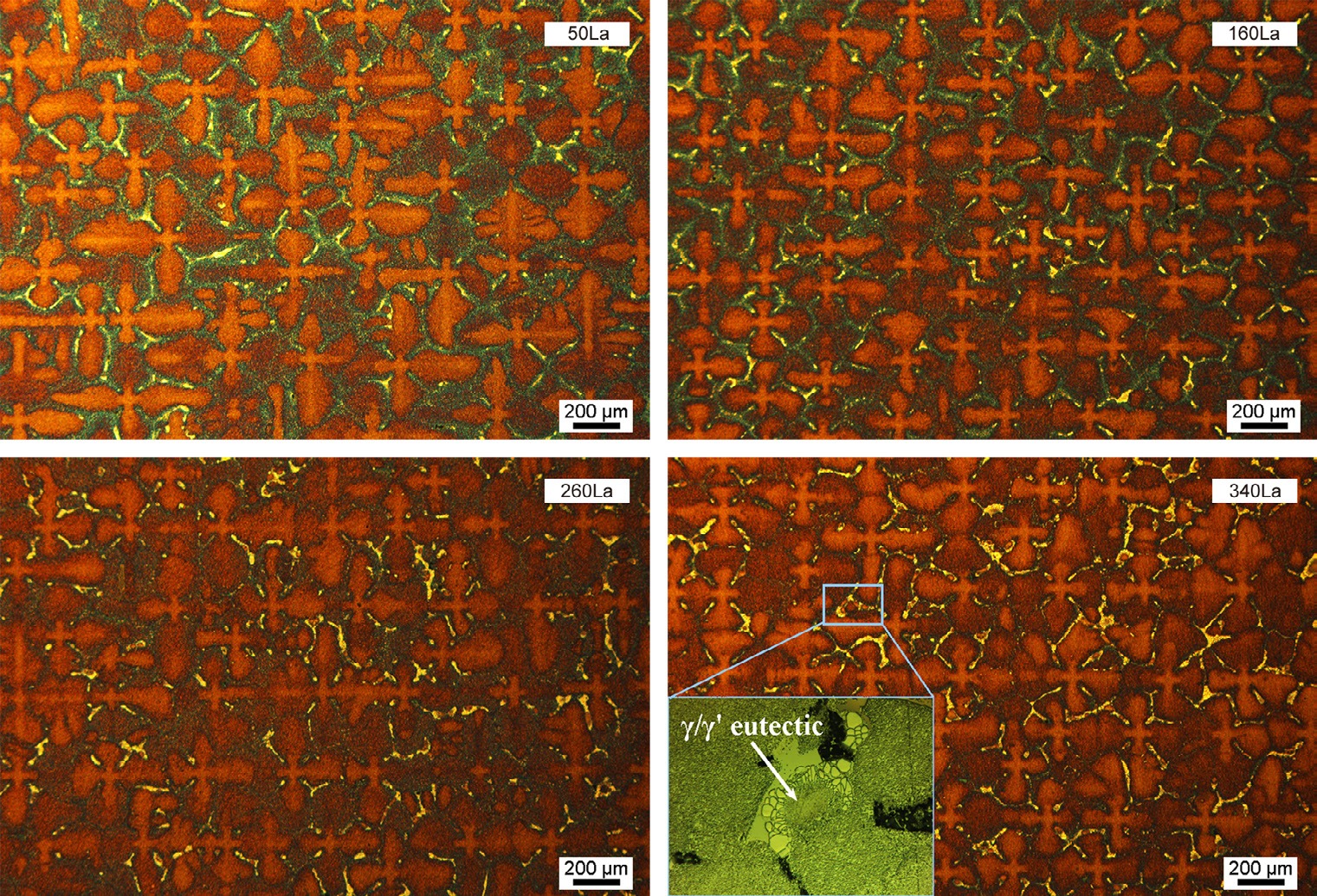
To enhance the high-temperature oxidation resistance and mechanical properties of a second-generation nickel-based superalloy, various concentrations of lanthanum (La) ranging from 5.0×10⁻⁵wt.% to 3.4×10⁻⁴wt.% are added to the alloy. The microstructure of the nickel-based single crystal superalloy with trace of La was examined by means of SEM, EDS and TEM. Results show the addition of La decreases the segregation of elements and increases the amount of γ/γ′ eutectics of the as-cast alloy, and in the interdendritic region, the growth of eutectics is accompanied by the growth of strip clusters composed of Ni5La and Ni3Ta. As the La content in the alloy increases, the proportion of Ni5La in the cluster increases. After heat treatment, incipient melting occurs in the cluster regions, leading to an increase in microporosity compared to the original as-cast samples. Furthermore, the heat treatment alters the shape of the clusters from a strip morphology to an elliptical one, and it changes their composition from Ni5La and Ni3Ta to a combination of Ni5La, Ni3Ta, and MC carbides.

Effect of lanthanum on microstructure of a nickel-based single crystal superalloy
Graphical Abstract
Original ResearchVol. 22, No. 1 • pp. 33-44DOI: 10.1007/s41230-024-4014-9Jan 15, 2025

Numerical simulation of microstructure and microporosity morphology in directional solidification of aluminum-copper alloys: Effect of copper content and withdrawal rate

Authors: Wei Yuan, Hai-dong Zhao, Xu Shen, Chun Zou, Yuan Liu, Qing-yan Xu

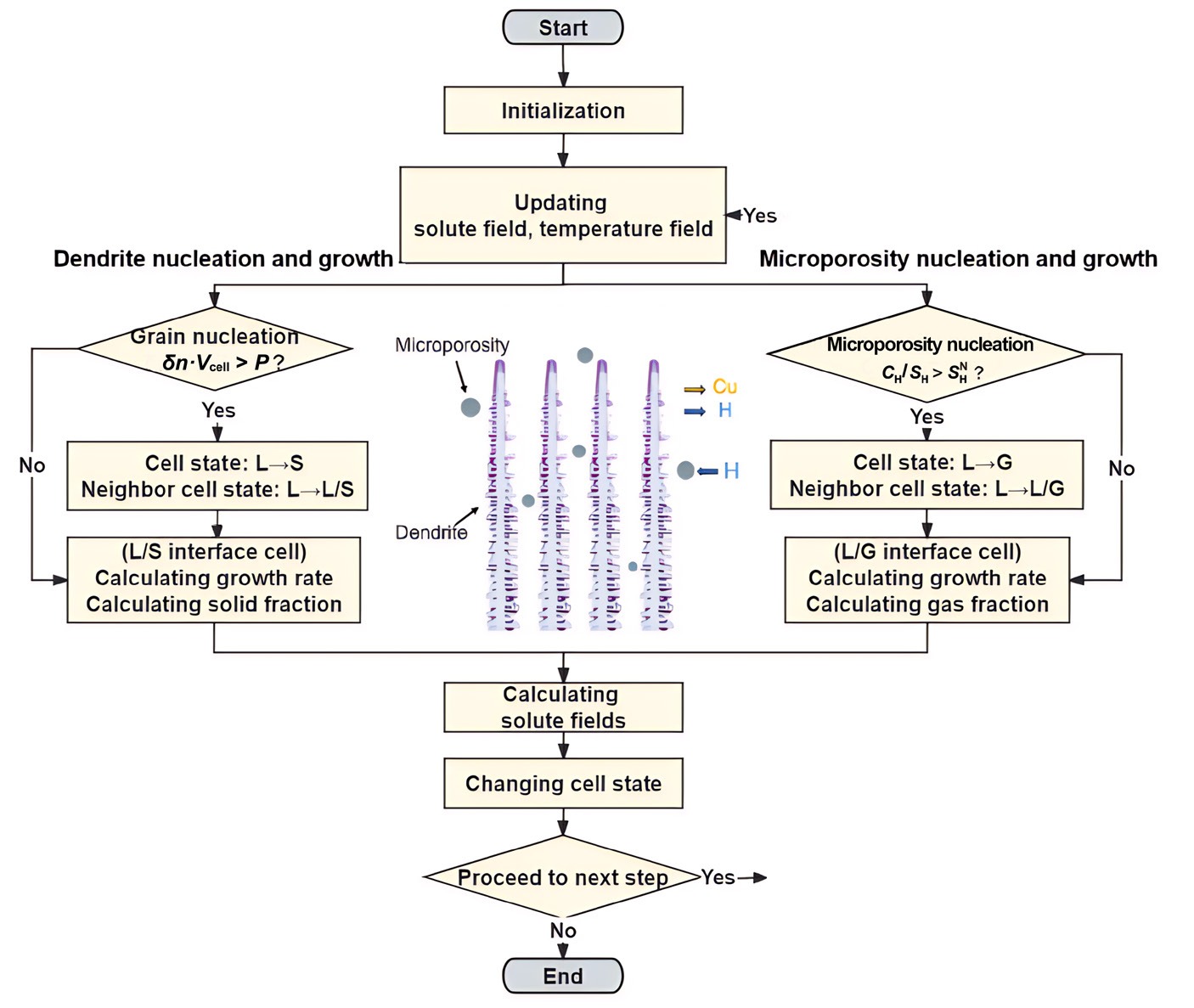
Microporosity formed in the solidification process of Al alloys is detrimental to the alloy properties. A two-dimensional cellular automaton (CA) model was developed to simulate the microstructure and microporosity formation in Al-Cu alloys, considering variations in Cu content and solidification rate. The results indicate that the Cu content primarily influences the growth of microporosity. To validate the model, directional solidification experiments were conducted on Al-Cu alloys with varing Cu contents and withdrawal rates. The experimental results of dendrites and microporosity characteristics agree well with the predictions from the developed model, thus confirming the validity of the model. The alloy’s liquidus temperature, dendrite morphology, and hydrogen saturation solubility arising from different Cu contents have significant effects on microporosity morphology. The withdrawal rate primarily affects the nucleation of hydrogen microporosity by altering cooling rates and dendritic growth rates, resulting in different microporosity characteristics.

Numerical simulation of microstructure and microporosity morphology in directional solidification of aluminum-copper alloys: Effect of copper content and withdrawal rate
Graphical Abstract
Original ResearchVol. 22, No. 1 • pp. 45-54DOI: 10.1007/s41230-024-3147-1Jan 15, 2025

Abrasive wear behavior of functionally graded Al3Ti reinforced aluminum matrix composite

Authors: Eylül Tuğçe Yaman Yildiz, Ömer Savaş, Muhammed Soner Başer, Engin Kocaman

Aluminum alloys are widely used in industry due to their light weight. These alloys are generally exposed to abrasive wear, which diminishes their effective lifespan. The wear resistance of these alloys is enhanced by adding various reinforcements, however, this enhancement comes at the cost of reduced fracture toughness. This paradox of increased wear resistance versus decreased fracture toughness in aluminum alloys can be resolved by using functionally graded materials (FGMs). This study focuses on the abrasive wear behavior of functional graded aluminum matrix composites reinforced with Al3Ti particles. The wear properties of the composites were investigated by considering the characteristics of the composite such as matrix type and various composite zones, as well as the wear parameters such as abrasive particle diameter, load, sliding speed and distance. Taguchi method was used in the abrasive wear tests in order to get more reliable results in a time-efficient manner. Experiment recipes were created based on the L27(3^6) orthogonal series. As a result of the study, it is observed that the wear resistance of the composites increases with an increase in Al3Ti reinforcement content and hardness of the matrix. In addition, the size of abrasive particles and the applied load are significant factors affecting abrasive wear.

Abrasive wear behavior of functionally graded Al3Ti reinforced aluminum matrix composite
Graphical Abstract
Original ResearchVol. 22, No. 1 • pp. 23-32DOI: 10.1007/s41230-024-4091-9Jan 15, 2025

Prediction of intrusive gas pores caused by resin burning in sand core for iron castings

Authors: Ji-wu Wang, Xiao-long Wang, Yu-cheng Sun, Yu-hang Huang, Xiu-ming Chen, Xiong-zhi Wu, Na Li, Jin-wu Kang, Tao Jing, Tian-you Huang, Hai-liang Yu

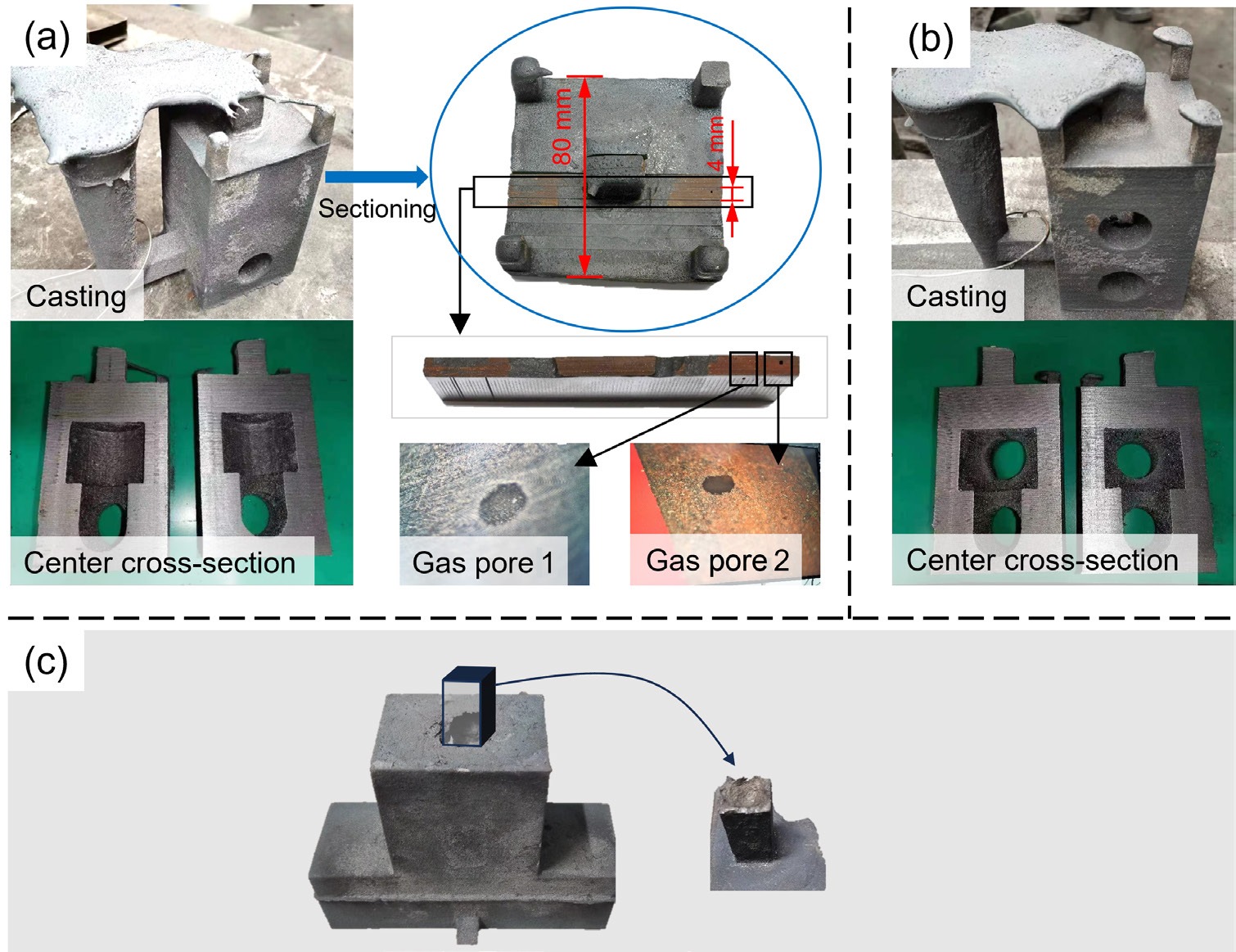
In the production of castings, intrusive gas pore represents a kind of common defects which can lead to leakage in high gas-tightness requirement castings, such as cylinder blocks and cylinder heads for engines. It occurs due to the intrusion of gases generated during the resin burning of the sand core into castings during the casting process. Therefore, a gas generation and flow constitution model was established, in which the gas generation rate is a function of temperature and time, and the flow of gas is controlled by the gas release, conservation, and Darcy’s law. The heat transfer and gas flow during casting process was numerically simulated. The dangerous point of cores is firstly identified by a virtual heat transfer method based on the similarity between heat transfer and gas flow in the sand core. The gas pores in castings are predicted by the gas pressure, the viscosity and state of the melt for these dangerous points. Three distinct sand core structures were designed and used for the production of iron castings, and the simulated gas pore results were validated by the obtained castings.

Prediction of intrusive gas pores caused by resin burning in sand core for iron castings
Graphical Abstract
Original ResearchVol. 22, No. 1 • pp. 12-22DOI: 10.1007/s41230-024-3072-3Jan 15, 2025

Review of rare earth oxide doping-modified laser cladding of Fe-based alloy coatings

Authors: Han-yu Zhou, Li-yao Li, Yang Zhao, Ming-xue Shen, Huo-ping Zhao, Ye-long Xiao, Shao-peng Liu

Conventional Fe-C alloy parts used in mechanical transmission and braking systems exposed to the external environment often suffer from wear and corrosion failures. Surface coating strengthening technologies have been explored to improve the surface performance and prolong service life of these parts. Among these technologies, laser cladding has shown promise in producing Fe-based alloy coatings with superior interfacial bonding properties to the Fe-C alloy substrate. Additionally, the microstructure of the Fe-based alloy coating is more uniform and the grain size is finer than that of surfacing welding, thermal spraying, and plasma cladding, and the oxide film of alloying elements on the coating surface can improve the coating performance. However, Fe-based alloy coatings produced by laser cladding typically exhibit lower hardness, lower wear resistance, corrosion resistance, and oxidation resistance compared to coatings based on Co and Ni alloys. Moreover, these coatings are susceptible to defects such as pores and cracks. To address these limitations, the incorporation of rare-earth oxides through doping in the laser cladding process has garnered significant attention. This approach has demonstrated substantial improvements in the microstructure and properties of Fe-based alloy coatings. This paper reviewed recent research on the structure and properties of laser-cladded Fe-based alloy coatings doped with various rare earth oxides, including La2O3, CeO2, and Y2O3. Specifically, it discussed the effects of rare earth oxides and their concentrations on the structure, hardness, friction, wear, corrosion, and oxidation characteristics of these coatings. Furthermore, the mechanisms by which rare earth oxides influence the coating’s structure and properties were summarized. This review aimed to serve as a valuable reference for the application and advancement of laser cladding technology for rare earth modified Fe-based alloy coatings.
Review of rare earth oxide doping-modified laser cladding of Fe-based alloy coatings
Graphical Abstract
Original ResearchVol. 22, No. 1 • pp. 90-98DOI: 10.1007/s41230-025-3157-7Jan 1, 2025

Influence of surface layer slurry temperature on surface cracks and holes of ZTC4 titanium alloy by investment casting

Authors: Wei-dong Li, Xu-na Shi

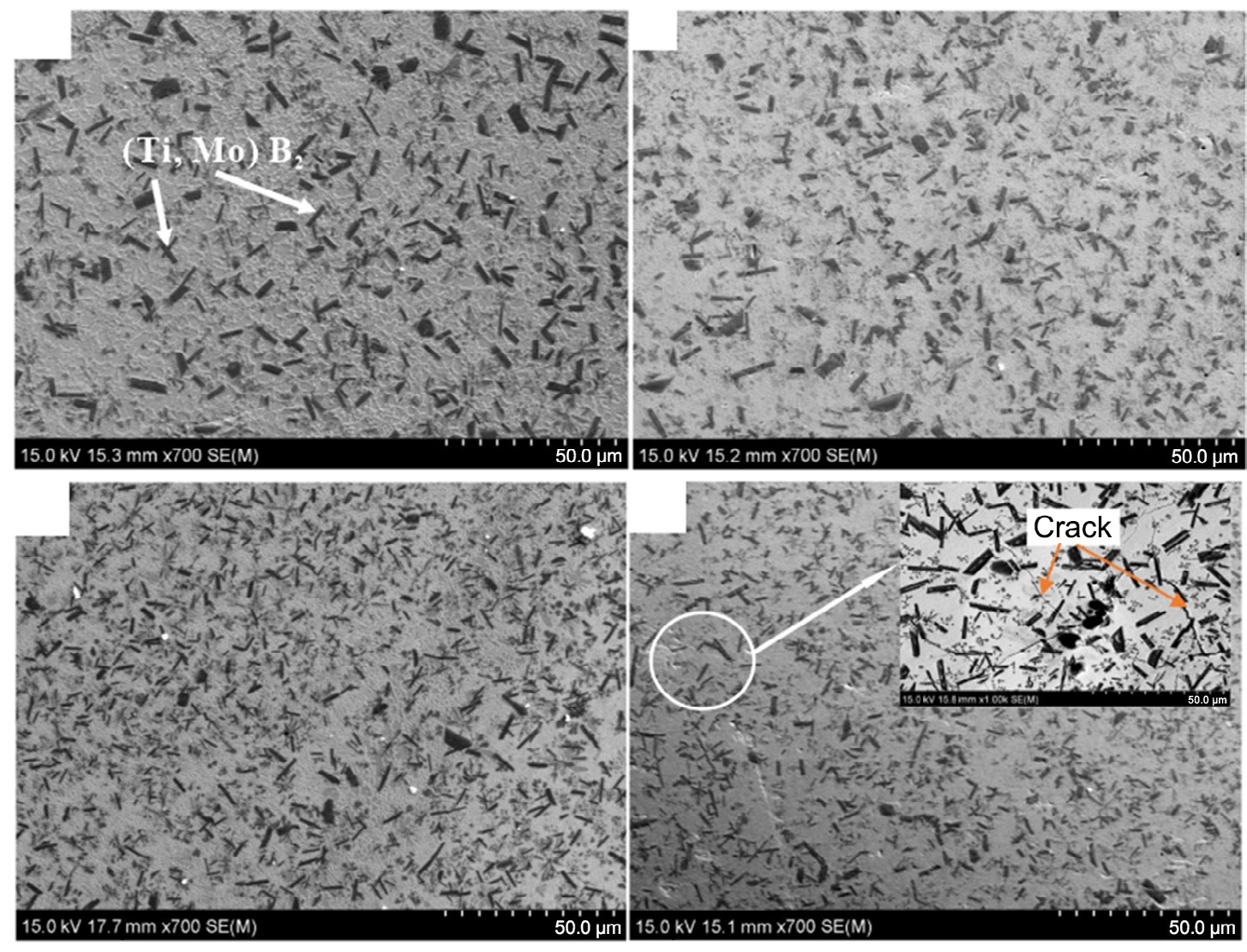
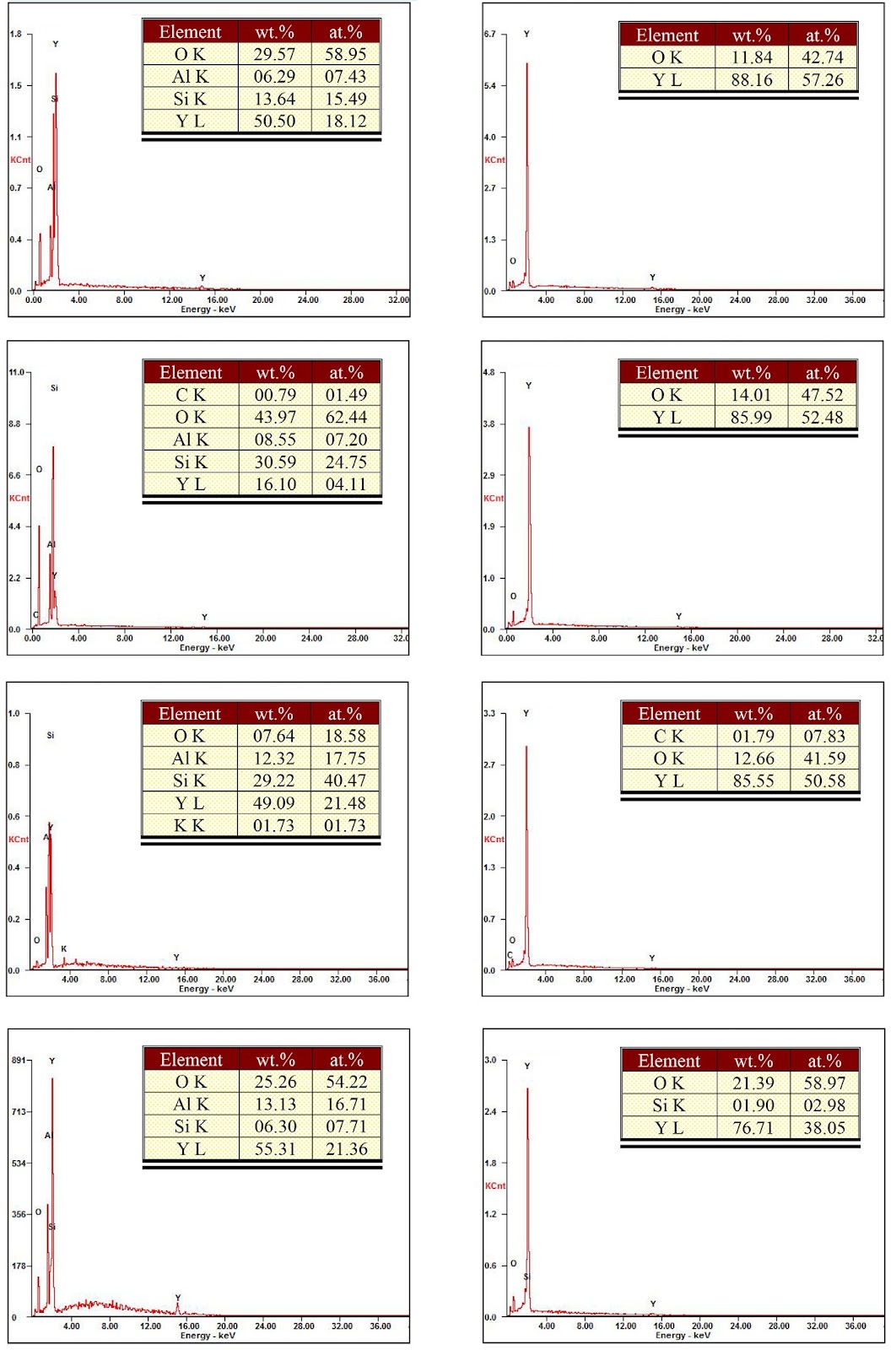
In this work, the influences of surface layer slurry at different temperatures (10 °C, 14 °C, 18 °C, 22 °C) on wax patterns deformation, shrinkage, slurry coating characteristics, and the surface quality of the casting were investigated by using a single factor variable method. The surface morphologies of the shell molds produced by different temperatures of the surface (first) layer slurries were observed via electron microscopy. Furthermore, the microscopic composition of these shell molds was obtained by EDS, and the osmotic effect of the slurry on the wax patterns at different temperatures was also assessed by the PZ-200 Contact Angle detector. The forming reasons for the surface cracks and holes of thick and large ZTC4 titanium alloy by investment casting were analyzed. The experimental results show that the surface of the shell molds prepared by the surface layer slurry with a low temperature exhibits noticeable damage, which is mainly due to the poor coating performance and the serious expansion and contraction of wax pattern at low temperatures. The second layer shell material (SiO2, Al2O3) immerses into the crack area of the surface layer, contacts and reacts with the molten titanium to form surface cracks and holes in the castings. With the increase of the temperature of surface layer slurry, the damage to the shell surface tends to weaken, and the composition of the shell molds’ surface becomes more uniform with less impurities. The results show that the surface layer slurry at 22 °C is evenly coated on the surface of the wax patterns with appropriate thickness, and there is no surface shell mold rupture caused by sliding slurry after sand leaching. The surface layer slurry temperature is consistent with the wax pattern temperature and the workshop temperature, so there is no damage of the surface layer shell caused by expansion and contraction. Therefore, the shell mold prepared by the surface layer slurry at this temperature has good integrity, isolating the contact between the low inert shell material and the titanium liquid effectively, and the ZTC4 titanium alloy cylinder casting prepared by this shell mold is smooth, without cracks and holes.

Influence of surface layer slurry temperature on surface cracks and holes of ZTC4 titanium alloy by investment casting
Graphical Abstract
Original ResearchVol. 22, No. 1 • pp. 75-82DOI: 10.1007/s41230-024-4124-4Jan 1, 2025

Achieving further refinement of grain structure and improvement of mechanical properties in Al-12Si-4Cu-2Ni-1Mg alloy by Al-Ti-C-B master alloy addition and deep cryogenic treatment

Authors: Lin-fei Xia, Wen-bo Li, Zuo-shan Wei, Yu-ying Wu, Xiang-fa Liu

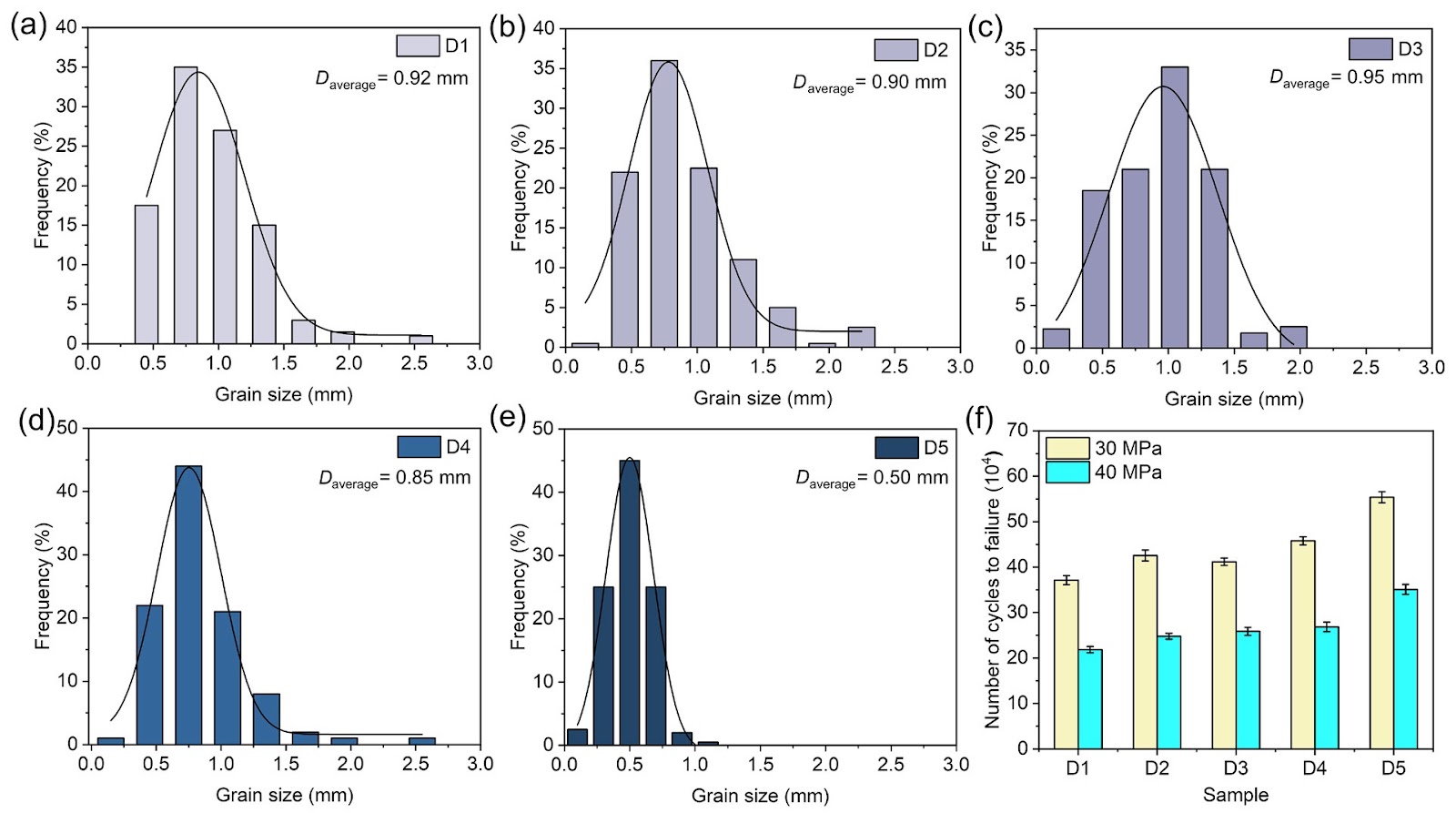
Near-eutectic Al-Si alloys are widely used in automotive manufacturing due to their superior wear resistance and high temperature performance. Because of high Si content, the grain refinement of near-eutectic Al-Si alloy has been a problem for many years. In this study, the effect of deep cryogenic treatment (DCT) on the microstructure and mechanical properties of Al-12Si-4Cu-2Ni-Mg alloy with addition of Al-Ti-C-B master alloy was fully investigated. Results show that the average grain size of the alloy is greatly reduced from 0.92 mm to 0.50 mm, and the eutectic Si and Al7Cu4Ni precipitates are spheroidized and refined in Al-12Si-4Cu-2Ni-Mg after DCT for 24 h and aging treatment. Thereby these changes of microstructures result in a significant increment of about 22.5% in elongation and a slight enhancement of about 6.8% in tensile strength. Moreover, the refinement of microstructure also significantly improves the fatigue life of the alloy.

Achieving further refinement of grain structure and improvement of mechanical properties in Al-12Si-4Cu-2Ni-1Mg alloy by Al-Ti-C-B master alloy addition and deep cryogenic treatment
Graphical Abstract