SinoTechIntel Academic Portal
🏛️ Indexed Academic JournalImpact Factor: 9.9 (Q1 - Tsinghua / Springer Nature)Original: 纳米研究 (Nano Research)

Nano Research

Access authentic peer-reviewed engineering methodologies, experimental datasets, and scientific literature published in this journal on SinoTechIntel.

Total Research Papers: 21
Access: 100% Free Open Access
Browse by Publication Year & VolumeReset All Filters ✕

Published Research PapersFiltered: Year 2026 • Vol 14

Showing 10 of 21 peer-reviewed papers with full Graphical Abstracts.

Original ResearchVol 14, Issue 10 • pp. 100-112DOI: 10.26599/FRICT.2026.9441262Jan 15, 2026

Novel surface engineering design enabled surface multifunctionalisation of metastable Ti–15–3 β-titanium alloy

Authors: Tong Pan, Xuan Huang, Behnam Dashtbozorg, Siyu Sun, Yepeng Yang, Ke Ren, Artemis Stamboulis, Xiaoying Li, Kan Ma, Hanshan Dong

The growing demand for high-performance and long-service components in challenging applications has driven the development of high-strength metastable β-titanium alloys with multifunctional surfaces. This study introduces a novel surface engineering strategy, integrated bulk heat treatment with surface functionalisation (IBTSF), which combines bulk aging treatment with catalytic ceramic conversion treatment (C3T) incorporating Ag or Au. This approach simultaneously imparts surface multifunctionalities—high hardness, desirable tribological properties, and high antibacterial efficacy—while enhancing bulk mechanical properties. Using the metastable β-titanium alloy Ti–15V–3Al–3Cr–3Sn (Ti–15–3) as a representative, C3T was catalysed with either Au or Ag. Under a 20 N load, Au-catalysed C3T achieved near-zero wear and a low, stable coefficient of friction (COF) of ~0.3, attributed to the formation of a lubricating tribo-film. In contrast, Ag-catalysed C3T maintained stable tribological performance up to 10 N while delivering high antibacterial efficacies of 99.878% and 99.999% against E. coli and S. aureus within 3–6 h of contact, respectively, through passive Ag-ion release. Both treatments enhanced bulk tensile strength by approximately 50%, from 872±39 to 1,280±40 MPa. This combination of exceptional wear resistance, potent antibacterial activity, and improved mechanical strength offers a promising pathway to surface multifunctionalising metastable alloys for long-service, high-reliability applications.
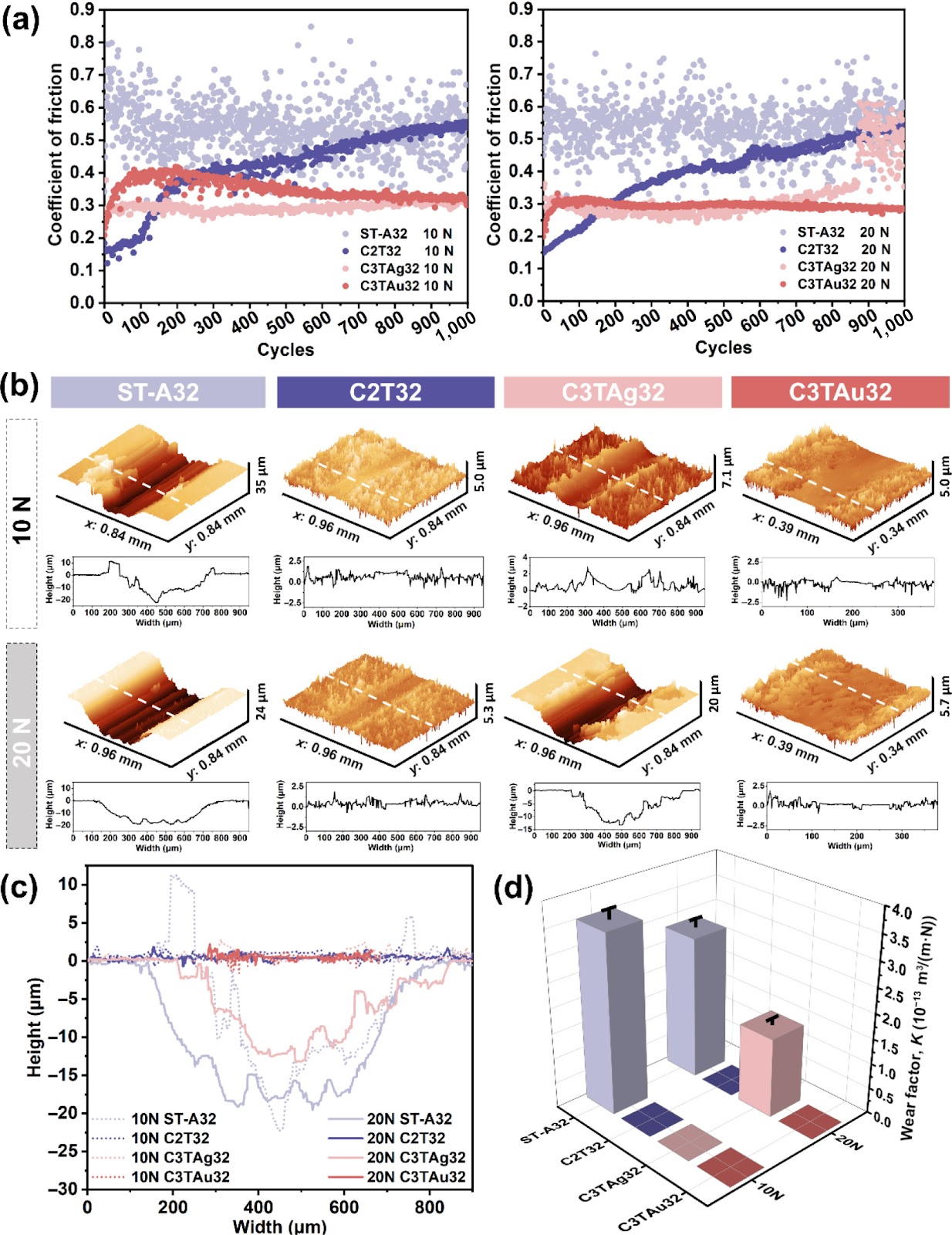
Novel surface engineering design enabled surface multifunctionalisation of metastable Ti–15–3 β-titanium alloy
Graphical Abstract
Original ResearchVol 14, Issue 10 • pp. 100-112DOI: 10.26599/FRICT.2026.9441216Jan 15, 2026

Mechanistic Investigation of Friction-Induced Vibration and Noise Behaviors of Lightweight Brake Material

Authors: LIAO Caiqi, MO Jiliang, WANG Quan, WANG Zhiwei, ZHANG Qixiang, JIN Wenwei

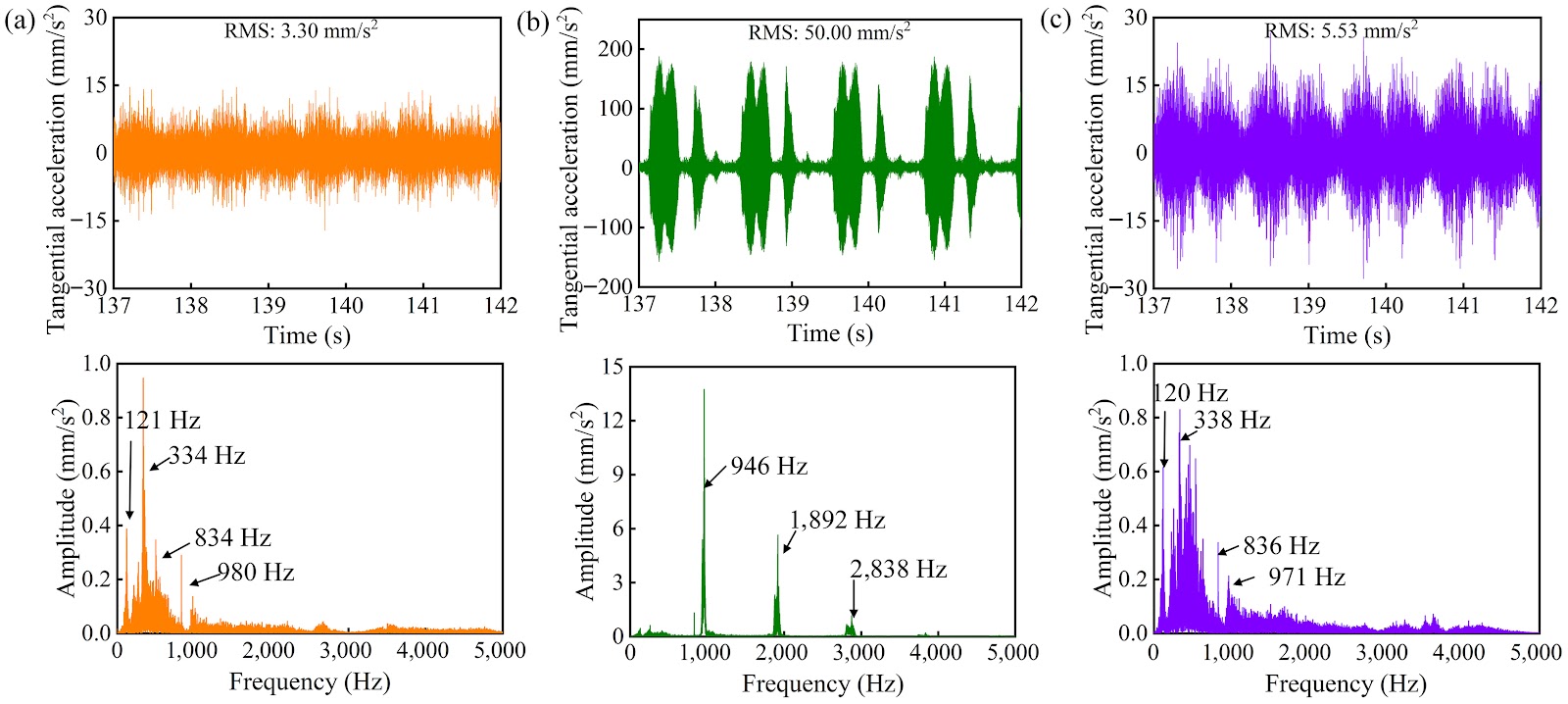
The vibration and noise issues of lightweight friction pairs in suburban train braking systems have become a critical bottleneck restricting their engineering application. This study investigated lightweight friction pairs composed of three representative synthetic brake pads and an aluminum matrix composite brake disc. Utilizing tribological tests, interfacial wear analysis, and dynamic modeling, the study investigated the impact of interfacial wear and contact behaviors on vibration and noise and elucidated the mechanisms by which pad material properties influence these responses. The experimental findings revealed that the pad material properties significantly affect the wear behavior and friction-induced vibration and noise responses of lightweight friction pairs. The pad enriched with lubricating phases (Pad A) readily established stable lubricating films, while the highly plastic pad (Pad C) effectively captured wear debris to build the third-body layers that cushioned loads. Both reduced friction fluctuations and contact stiffness, thereby attenuating vibration and noise. Conversely, the high-hardness pad (Pad B) failed to form continuous lubricating films, leading to intensified friction, higher contact stiffness, and pronounced vibration and noise. Numerical simulations further confirmed that the friction coefficient and normal contact stiffness synergistically regulated system stability, directly affecting the vibration and noise responses. Systems characterized by high friction and large contact stiffness (Pad B) were particularly susceptible to modal coupling, resulting in dynamic instability and elevated vibration and noise levels. Therefore, optimizing the pad material properties and regulating the behavior of wear debris to facilitate the stable formation of lubricating films or third-body layers can effectively suppress friction coefficient fluctuations, reduce normal contact stiffness, and enhance interfacial stability, thereby mitigating vibration and noise. The findings provide a theoretical foundation and engineering guidance for optimizing the design of low-noise lightweight braking systems and selecting appropriate friction materials.

Mechanistic Investigation of Friction-Induced Vibration and Noise Behaviors of Lightweight Brake Material
Graphical Abstract
Original ResearchVol 14, Issue 10 • pp. 100-112DOI: 10.26599/FRICT.2026.9441261Jan 15, 2026

Selenium-doped WS2 for improved humid-air lubricity via weakened interfacial hydrogen bonding

Authors: Yuqian Huang, Bin Zhang, Zhiwei Wang, Zaixiu Yang, Zhenwei Niu, Kaixiong Gao, Junyan Zhang, Goksel Hizli, Kürşat Kazmanlı, Ahmet T. Alpas

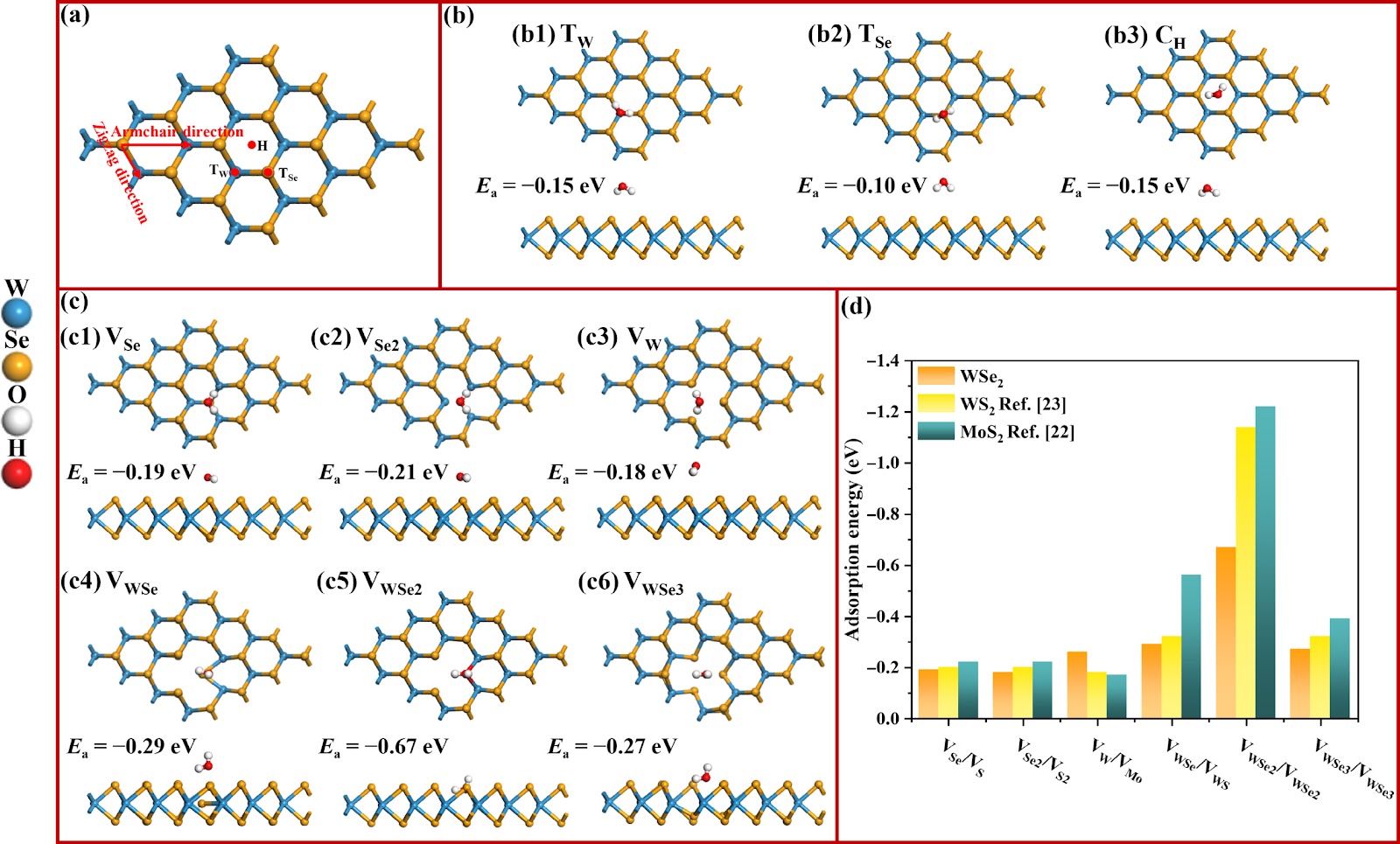
The degradation of the tribological performance of WS2 in humid environments represents a persistent scientific and practical challenge, limiting its application scope despite its excellent lubricity in inert atmospheres. While the superior moisture tolerance of WSe2 has been recognized, the fundamental atomic-scale mechanisms governing this difference remain inadequately understood. This work addresses this critical knowledge gap by revealing that this disparity originates from the distinct hydrogen bond strengths formed at the material–water interface. Through integrated density functional theory (DFT) calculations and experimental validation, we quantitatively demonstrate that water molecules form significantly weaker O–H···Se hydrogen bonds with WSe2 (bond lengths: 3.02–3.25 Å) compared to O–H···S bonds with WS2 (2.80–2.98 Å). This fundamental difference manifests functionally as a 35% lower interlayer sliding energy barrier for WSe2 under humid conditions, providing the first atomistic explanation for its sustained lubricity. Leveraging this mechanistic insight, we propose and validate a novel materials design strategy: selectively doping the WS2 lattice with selenium to engineer its interfacial chemistry. The developed W–S–Se coating exhibits remarkable performance, achieving an 18% reduction in the coefficient of friction and a 78% decrease in the wear rate at 40% RH compared to pristine WS2. Extensive characterization confirms the formation of a reoriented, crystalline transfer layer with insignificant oxidation. This study establishes a new paradigm for solid lubricant design, shifting the focus from conventional microstructure optimization toward direct atomic-level engineering of interfacial water interactions, opening avenues for developing advanced lubricants operable across diverse environmental conditions.

Selenium-doped WS2 for improved humid-air lubricity via weakened interfacial hydrogen bonding
Graphical Abstract
Original ResearchVol 14, Issue 10 • pp. 100-112DOI: 10.26599/FRICT.2026.9441260Jan 15, 2026

Investigating Dry Ski–Snow Friction: Mechanisms and Temperature Dependence

Authors: Shiraz Ahmed Siddiqui, Michael Hasler, Martin Mössner, Joost van Putten, Werner Nachbauer

The gliding of skis on snow involves multiple coexisting mechanisms, including dry friction, lubrication by frictional meltwater, and capillary suction, complicating the isolation of individual contributions. This study focuses exclusively on dry friction, employing a linear tribometer with a flat slider at -8 °C under conditions where no frictional meltwater was previously observed. To eliminate the influence of the quasi-liquid layer (QLL), experiments were also conducted below -30 °C using dry ice, ensuring dry friction as the sole active mechanism. Additionally, frictional behavior representative of cross-country skiing was investigated. Results show that the friction coefficient decreased with increasing speed at temperatures below -30 °C, but increased with speed at -8 °C. Increasing pressure reduced the friction coefficient at both temperatures. Comparison with theoretical models indicates that the primary friction mechanism is the tearing out of grains below -30 °C, and the shearing off of grain tips (abrasion) at -8 °C. The findings demonstrate that friction under all investigated conditions can be explained by these mechanisms, along with mechanical and thermal effects and granular lubrication, without invoking the QLL. While the QLL is often considered crucial for ice friction, its role in snow friction appears far less significant.

Investigating Dry Ski–Snow Friction: Mechanisms and Temperature Dependence
Graphical Abstract
Original ResearchVol 14, Issue 10 • pp. 100-112DOI: 10.26599/FRICT.2025.9441210Jan 15, 2026

Steady Shear Rheological Response of Ferrofluids Containing Hydrophilic Fumed Silica under Magnetic Fields

Authors: LI Qianping, LI Decai, WEI Yijian, ZHANG Shiting, HU Yang, CAI Jingcheng, LIU Sijia, LIU Lifen, WANG Zhibin, QIAO Yajing

This study investigates the steady shear rheological behavior of water-based ferrofluids composited with hydrophilic fumed silica under different magnetic field strengths, with particular attention paid to avoiding gelation that reduces fluidity. Seven composite ferrofluid samples were prepared and characterized. By adjusting the silica particle size and volume fraction, their effects on viscosity and yield stress were explored. As a result, pronounced shear-thinning behavior is observed in this dispersion, with their flow curves under different magnetic field strengths effectively scaled by the Mason number. A higher silica concentration or larger particle size increases the critical Mason number, showing that field-induced structures become more stable. In contrast, only high silica concentrations significantly enhance shear thinning, as reflected by a larger flow index, whereas particle size has little influence. Yield stress analysis further shows that macroscopic models capture normalized Bingham yield stress, while microscopic models better predict normalized static yield stress. Overall, this work demonstrates that hydrophilic fumed silica offers a simple and effective route for tuning the magnetorheology of water-based ferrofluids without inducing gelation, ensuring controllable rheology and good fluidity.

Steady Shear Rheological Response of Ferrofluids Containing Hydrophilic Fumed Silica under Magnetic Fields
Graphical Abstract
Original ResearchVol 14, Issue 10 • pp. 100-112DOI: 10.26599/FRICT.2025.9441191Jan 15, 2026

Slippery Liquid-Infused Porous Surface with Layered Double Hydroxides for Enhanced Corrosion and Wear Resistance of TC4 Alloys

Authors: Xionggang Chen, Deke Li, Tianqi Wei, Zhiwei Chen, Haidong Wang, Danyan Zhan, Jinxia Huang, Zhiguang Guo

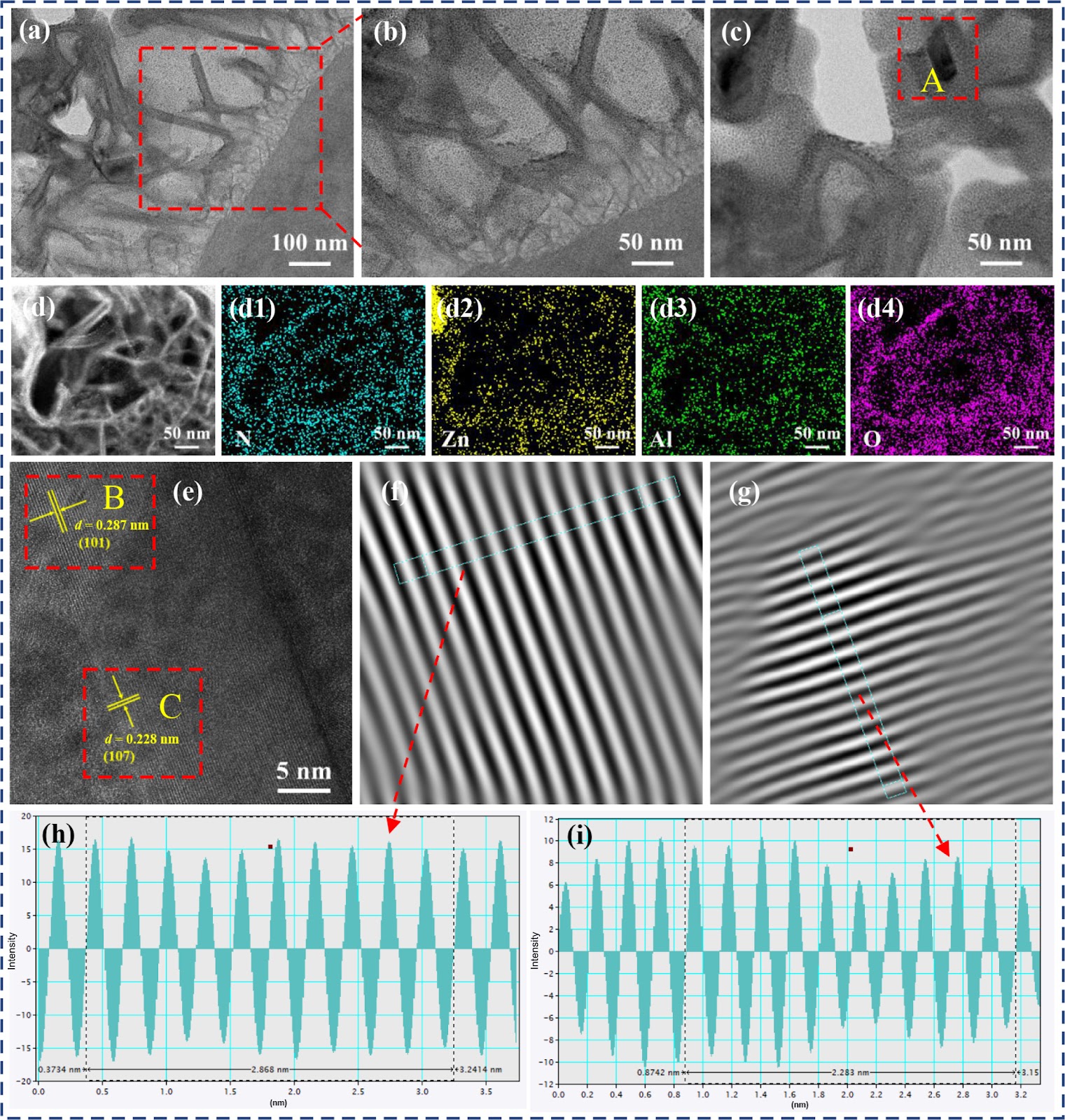
Titanium alloys, particularly TC4 (Ti–6Al–4V), suffer from poor wear performance and susceptibility to pitting corrosion, limiting their application in marine and biomedical fields. Layered double hydroxide (LDH) coatings offer potential protection, but the dense oxide layer on titanium alloys hinders LDH growth. In this study, a ZnAl LDH coating was fabricated on TC4 via an in situ growth method, followed by ion exchange to incorporate molybdate anions. A biomimetic slippery liquid-infused porous surface (SLIPS) was then prepared by UV-grafting polydimethylsiloxane (PDMS) onto the nanoporous LDH structure. The resulting surface exhibited excellent hydrophobicity, corrosion resistance, and wear resistance. Electrochemical tests (Tafel polarization and electrochemical impedance spectroscopy) demonstrated superior corrosion protection, with a corrosion current density as low as 2.34×10⁻⁷ A/cm2, significantly lower than bare TC4. The infused silicone oil and ZnAl LDH nanosheets contributed to improved wear performance. This work provides insights into controllable in situ fabrication of LDH coatings and offers a new strategy for enhancing the durability of TC4 alloys in demanding environments.

Slippery Liquid-Infused Porous Surface with Layered Double Hydroxides for Enhanced Corrosion and Wear Resistance of TC4 Alloys
Graphical Abstract
Original ResearchVol 14, Issue 10 • pp. 100-112DOI: 10.26599/FRICT.2025.9441197Jan 15, 2026

Molecular Dynamics Simulations Addressing Atomic-Scale Core Issues in Chemical Mechanical Polishing and Post-CMP Cleaning: A Concise Review

Authors: Lifei Zhang, Ming Ji, Xinchun Lu

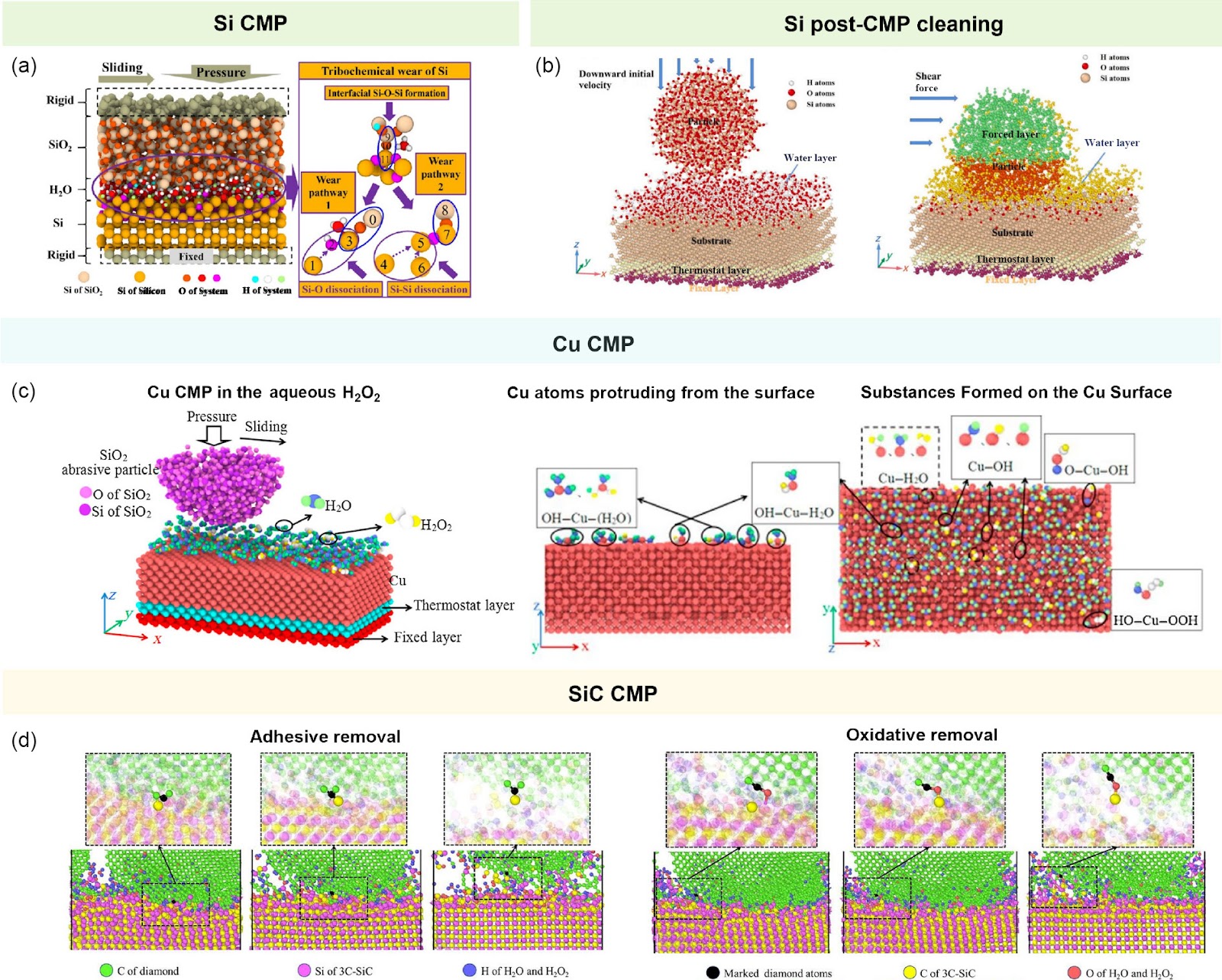
Chemical mechanical polishing (CMP) and post-CMP cleaning are critical steps in current semiconductor manufacturing, requiring atomic-scale flatness and complete removal of contaminants. This review examines molecular dynamics (MD) simulations to elucidate atomic-scale mechanisms underlying these processes, focusing on four major methodologies: classical MD, reactive force field MD (ReaxFF), tight-binding quantum chemical MD (TB-QC MD), and ab initio MD (AIMD). Classical MD enables large-scale simulations but lacks chemical accuracy. ReaxFF allows real-time bond breaking and formation during CMP. TB-QC MD combines quantum accuracy with classical efficiency, enabling exploration of chemical reaction effects on friction and material removal. AIMD directly calculates atomic interactions for precise chemical depictions, albeit with high computational cost. MD simulations act as a 'computational microscope', enhancing CMP and postcleaning by quantifying interactions, material removal pathways, and contaminant desorption. Future research should address multiscale modeling challenges, improve AIMD efficiency, and develop accurate potential functions to advance semiconductor manufacturing precision and efficiency.

Molecular Dynamics Simulations Addressing Atomic-Scale Core Issues in Chemical Mechanical Polishing and Post-CMP Cleaning: A Concise Review
Graphical Abstract
Original ResearchVol 14, Issue 10 • pp. 100-112DOI: 10.26599/FRICT.2025.9441207Jan 15, 2026

Manipulating the Conversion of Nanoscale Wear Debris into Tribofilm for Wear Reduction of Steel

Authors: Hujun Wang, Zhengcan Xie, Hongcai Huang, Wei Liu, Jing Zheng, Zhongrong Zhou

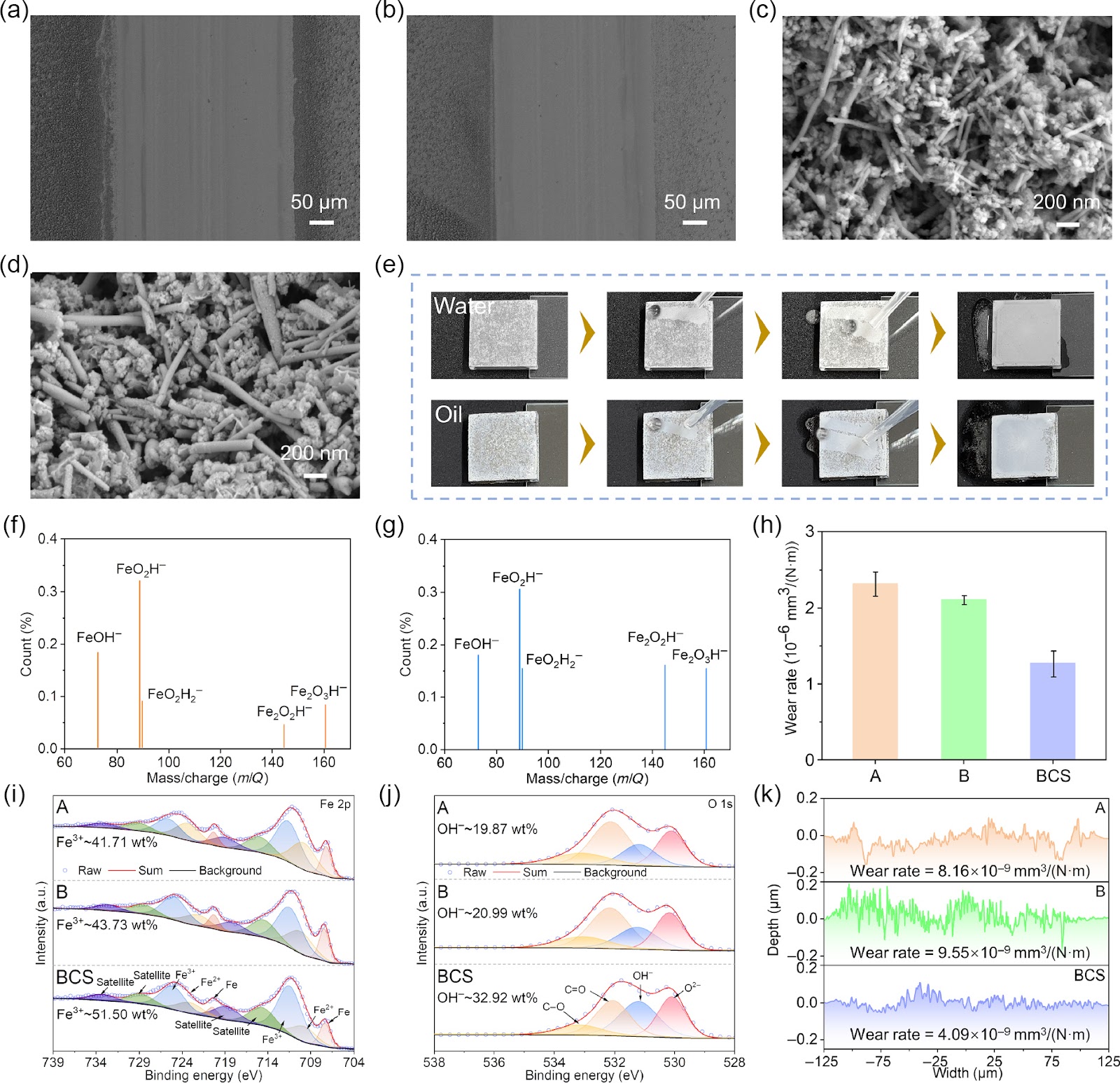
Wear debris particles critically influence frictional interfaces. Conventional understanding holds that debris accumulation causes severe wear. However, debris from metal friction pairs includes anti-wear metal oxides generated by tribochemical reactions, which can form a protective oxidation film to resist wear. Minimizing abrasive damage from accumulated debris and exploiting the anti-wear property of metal oxides are mutually exclusive. Here, a rational design of a bioinspired coupling surface (BCS) that manipulates nanoscale wear debris to resist further wear is reported. The BCS comprises surface textures that capture and temporarily store excess nanoscale wear debris, and a deposited self-cleaning coating that subsequently transfers part of the captured debris back into the sliding-contact interface, where it converts into a protective oxidation film. The coexistence of these two elements with contrasting properties in manipulating nanoscale wear debris considerably reduces wear under water lubrication, oil lubrication, and macroscale superlubricity. Specifically, the wear rate of steel is reduced by 50.4%, 51.2%, and 46.3% under these respective conditions. This strategy achieves the manipulation and utilization of wear debris for anti-wear purposes, promoting further investigation into the role of nanoscale wear debris and its utilization approaches.

Manipulating the Conversion of Nanoscale Wear Debris into Tribofilm for Wear Reduction of Steel
Graphical Abstract
Original ResearchVol 14, Issue 10 • pp. 100-112DOI: 10.26599/FRICT.2026.9441213Jan 15, 2026

Research Progress and Application Prospects of Nanocomposites in Lubricants

Authors: Siyuan Wang, Hengyuan Liu, Gang Liu, Fang Xie, Ding Chen, Jingyi Liu, Bin Wang, Zhao Liang, Guanlin Ren

Nanocomposites have attracted significant attention as lubricant additives due to their advantages in reducing friction, enhancing wear resistance, and improving thermal and oxidative stability. In recent years, increasing research has explored how different types of nanomaterials (such as carbon-based materials, metallic nanoparticles, and ceramic phases) can use synergistic effects to achieve performance surpassing that of their single components. This review focuses on relevant studies published between 2020 and 2025, providing an updated overview of the advantages, synthesis methods, structures, dispersion stability, lubrication mechanisms, and tribological behavior of nanocomposites. Various structural types are discussed, including core–shell, layered, and in situ hybrid systems, along with their fabrication routes, such as sol–gel processing, hydrothermal synthesis, and surface modification strategies. The lubrication mechanism of nanocomposites is analyzed based on the material structure and the testing conditions. Particular attention is paid to the synergistic effects among multiple components within the nanocomposites and to how these synergies enhance tribological performance. Furthermore, the challenges faced by nanocomposites and potential future developments are discussed. This review aims to clarify the current status of nanocomposites as lubricant additives and facilitate their future application in advanced lubrication systems.

Research Progress and Application Prospects of Nanocomposites in Lubricants
Graphical Abstract
Original ResearchVol 14, Issue 10 • pp. 100-112DOI: 10.26599/FRICT.2025.9441201Jan 15, 2026

Study of Lubricating Nanocoatings for Cardiovascular Catheters Based on Molecular Self-Assembly and Schiff Base Reactions

Authors: LIN Chengxiong, YUAN Huilu, WANG Chengyong

During cardiovascular interventional surgeries, catheters contact vascular tissues, causing friction, collisions, and compression that may damage tissue. Surface engineering is essential to modify catheter surfaces. Effective coatings require high adhesion to prevent delamination from the inner surface, while the outer surface must provide excellent lubricity and biocompatibility. In this study, layer-by-layer (LbL) technique was employed to introduce catechol-modified chitosan (CC) and dopamine-modified oxidized hyaluronic acid (DOHA), forming a nanoscale, superhydrophilic, strongly adhesive, and biocompatible coating on cardiovascular catheters. Tight binding of CC and DOHA results from electrostatic interactions, chemical reactions, and catechol group enrichment, yielding an adhesion strength of up to 1 MPa. These CC/DOHA multilayers greatly enhance lubrication of the TPU substrate, reducing the coefficient of friction (COF) by up to 95% compared with the uncoated state. After a 30-min friction test, the COF of the CC/DOHA16 coating only slightly increased from 0.032 to 0.044, demonstrating excellent stability. Evaluations revealed a reduction in vascular intima damage from grade 5 without coating to grade 3, confirming the coating's effectiveness in minimizing friction-induced damage. The coating thickness was approximately 150 nm, and superhydrophilicity was achieved at 16 layers. These findings indicate that the CC/DOHA LbL coating offers a promising solution for improving catheter safety and performance.

Study of Lubricating Nanocoatings for Cardiovascular Catheters Based on Molecular Self-Assembly and Schiff Base Reactions
Graphical Abstract