SinoTechIntel Academic Portal
🏛️ Indexed Academic JournalImpact Factor: 3.5 (Q2 - USTB)Original: 矿物冶金与材料学报 (英文版)

Journal of Mineral Metallurgy and Materials Science

3.5 (Q2 - USTB)

Total Research Papers: 111
Access: 100% Free Open Access
Browse by Publication Year & VolumeReset All Filters ✕

Published Research PapersFiltered: Year 2025 • Vol. 32 • Issue 4

Showing 8 of 111 peer-reviewed papers with full Graphical Abstracts.

Original ResearchVol. 32, Issue 4 • pp. 811-823DOI: 10.1007/s12613-025-3205-8Apr 25, 2025

Effect of gadolinium on the anisotropic tensile properties of a forged high sulfur steel through in-situ tensile experiment

Authors: Lifeng Zhang, Hong Wei, Yadong Wang

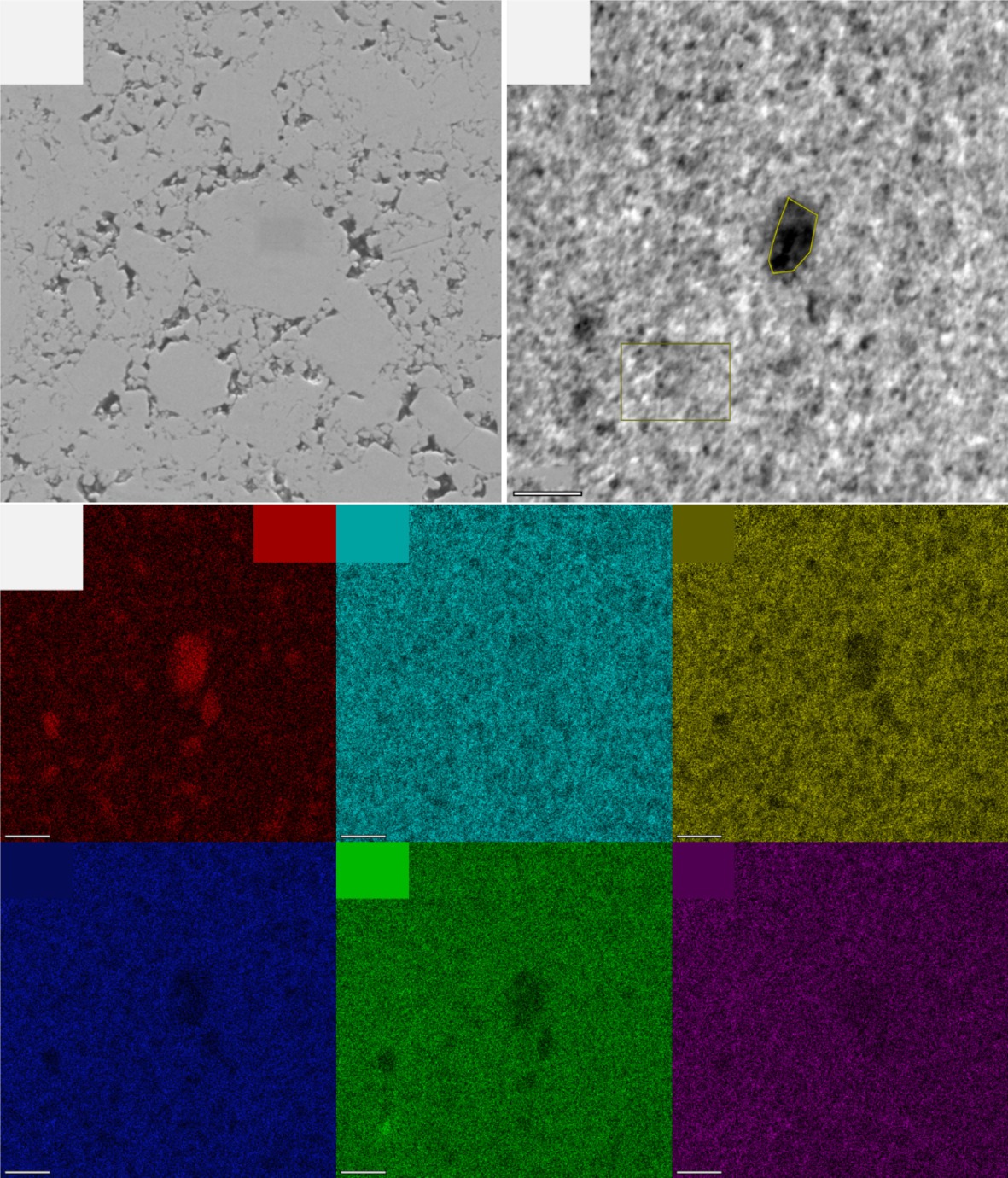
The effect of manganese sulfide (MnS) inclusions and gadolinium–sulfide (Gd–S) inclusions on the deformation behavior of steel matrix at different stages was studied by in-situ tensile experiments using a scanning electron microscopy (SEM) at room temperature. Two in-situ tensile experiments of tensile force along the elongation direction of inclusions and perpendicular to the elongation direction were conducted. The hole-induced nucleation mechanism of different tensile directions and inclusion
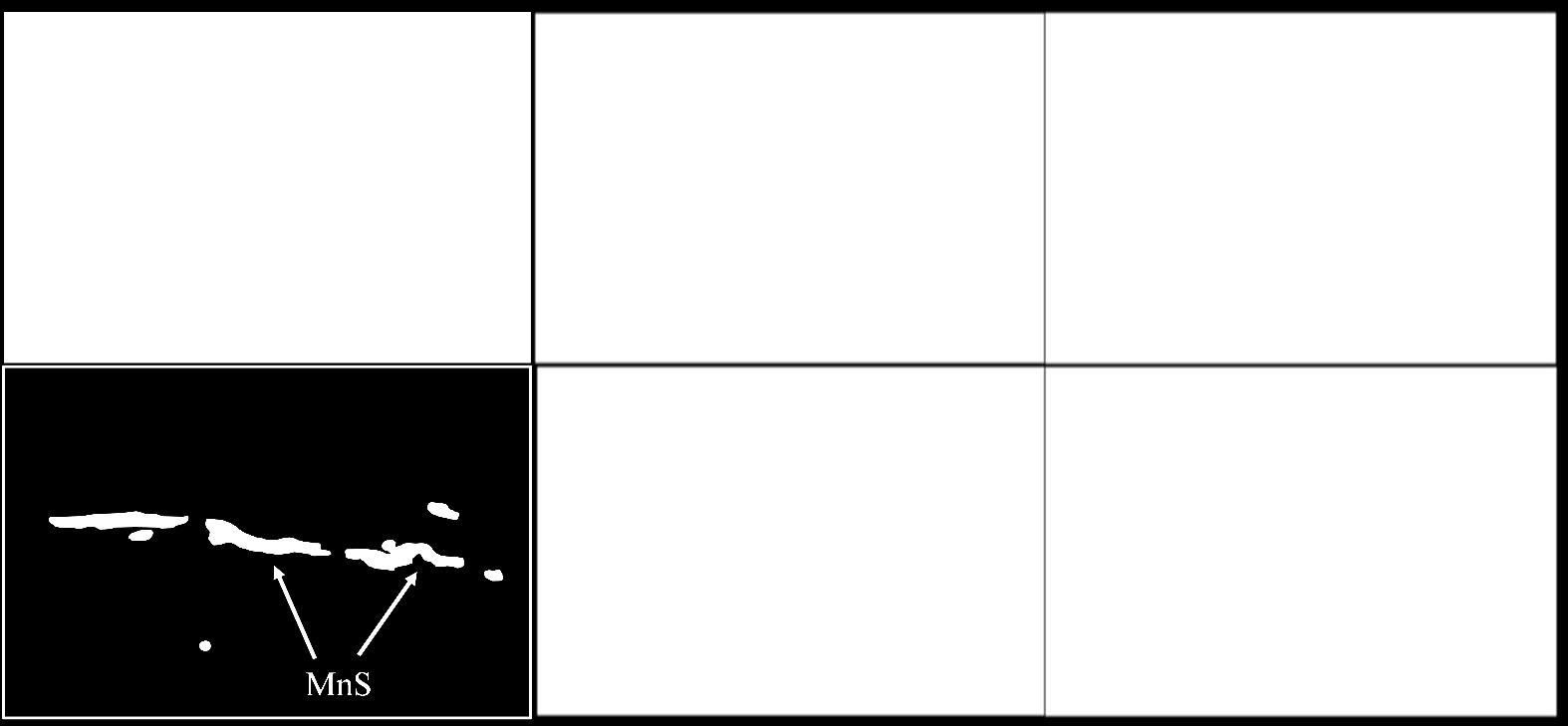
Effect of gadolinium on the anisotropic tensile properties of a forged high sulfur steel through in-situ tensile experiment
Graphical Abstract
Original ResearchVol. 32, Issue 4 • pp. 419-431DOI: 10.1007/s12613-025-3311-7Apr 22, 2025

From elemental metals to synergistic electrocatalysis: Comparative theoretical and experimental insights into FeNiCoCuMo high-entropy alloy for alkaline oxygen evolution reaction

Authors: Víctor M. Jiménez-Arévalo, Pablo Martin, Pedro Zamora, Xiaorong Zhou, Yi Wang, Gino Ramirez, José H. Zagal, Felipe M. Galleguillos Madrid, Maritza Paez

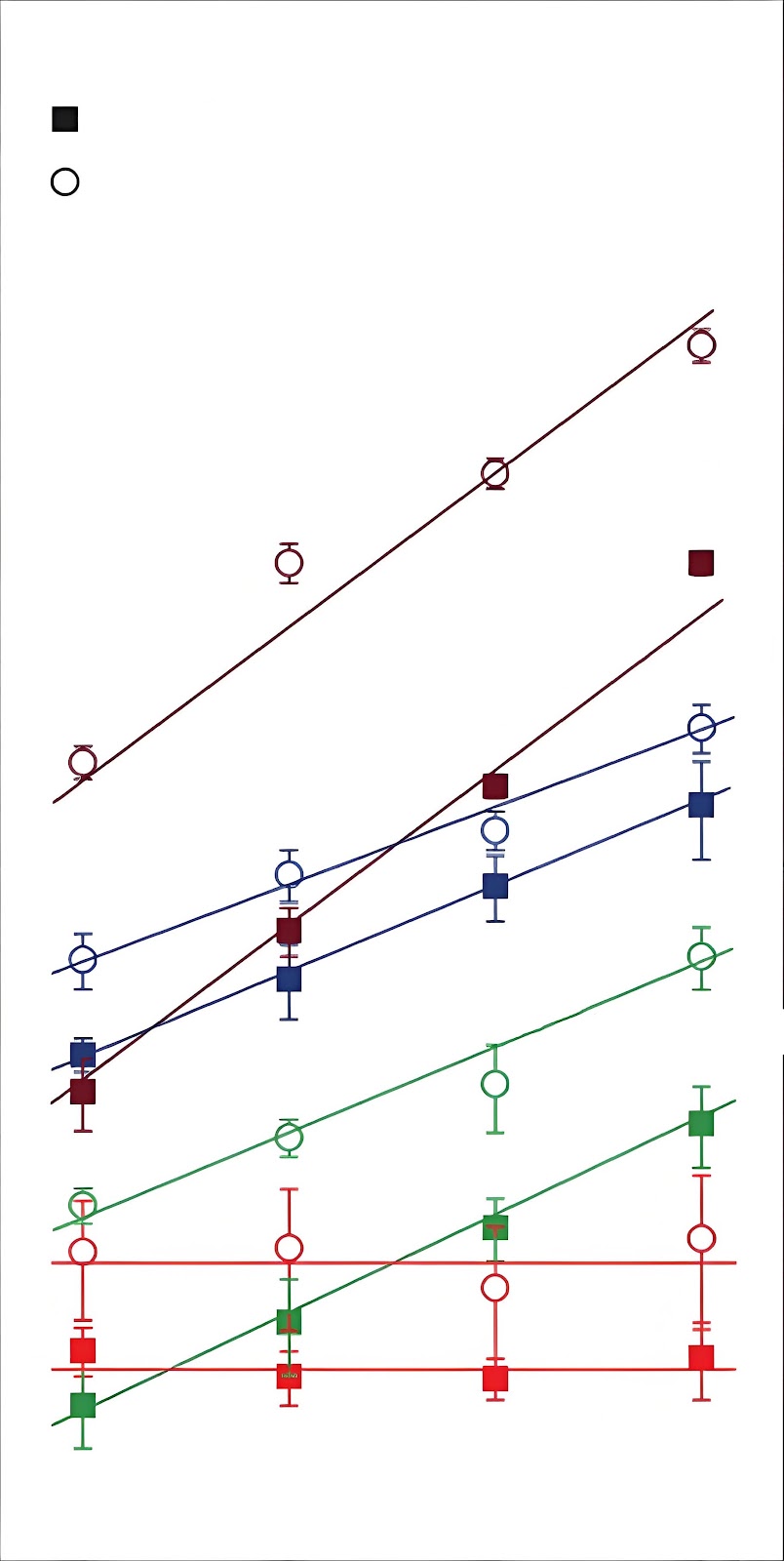
Self-supported, hot-pressed FeNiCoCuMo high-entropy alloy (HEA) electrodes were fabricated and characterized by X-ray diffraction (XRD), high-resolution transmission electron microscopy (HR-TEM), and energy dispersive spectroscopy (EDS), confirming a face-centered cubic (FCC) matrix with minor body-centered cubic (BCC) phase (~1wt%). We map the redox behavior of the individual constituents (Fe, Ni, Co, Cu, and Mo) and compare it with HEA to reveal solid-solution synergy (“cocktail effect”). Elec

From elemental metals to synergistic electrocatalysis: Comparative theoretical and experimental insights into FeNiCoCuMo high-entropy alloy for alkaline oxygen evolution reaction
Graphical Abstract
Original ResearchVol. 32, Issue 4 • pp. 827-839DOI: 10.1007/s12613-025-3321-5Apr 19, 2025

Oxygen evolution reaction mechanism and identification procedure

Authors: Haoze Li, Tao Yang, Dongdong Zhou, Shuang Liu, Liming Yang, Enhui Wang, Xiangtao Yu, Kang Wang, Xinmei Hou

Amidst escalating global energy demands and the environmental constraints of conventional fossil fuels, hydrogen energy has emerged as a pivotal zero-emission energy carrier. The four-electron oxygen evolution reaction (OER) exhibits slower kinetics compared to the two-electron hydrogen evolution reaction (HER), constitutes the limiting process in electrolytic hydrogen production, with two principal mechanisms currently understood to govern its kinetics: the adsorbate evolution mechanism (AEM),

Oxygen evolution reaction mechanism and identification procedure
Graphical Abstract
Original ResearchVol. 32, Issue 4 • pp. 435-447DOI: 10.1007/s12613-025-3337-xApr 16, 2025

Developing sodium-doped ceria-based electrolytes for low-temperature solid oxide fuel cells

Authors: Qi An, Ruyi Hou, Xinchao Mei, Muhammad Afzal, Wenjing Dong, Baoyuan Wang, Xunying Wang, Chen Xia

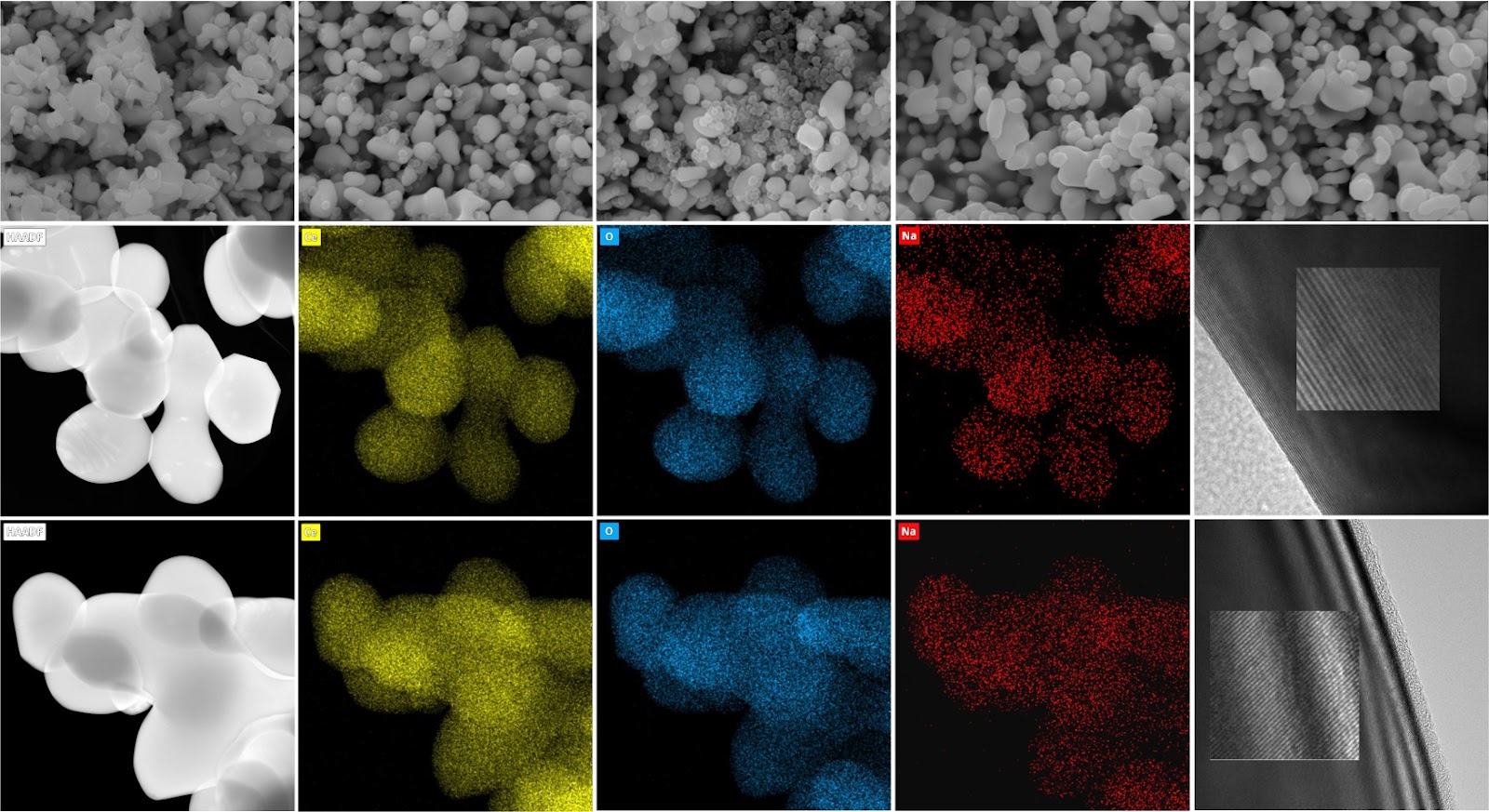
Na-doped CeO2 (NDC) electrolytes with 0.05, 0.10, 0.15, and 0.20 molar ratios of Na ions (0.05NDC, 0.1NDC, 0.15NDC, and 0.2NDC) were synthesized and systematically evaluated for low-temperature solid oxide fuel cell (SOFC) applications. Density functional theory (DFT) calculations reveal that Na doping lowers the oxygen-vacancy formation energy. Structural analysis confirms progressive lattice expansion in NDCs and a maximum oxygen-vacancy concentration in 0.15NDC, while incomplete incorporation

Developing sodium-doped ceria-based electrolytes for low-temperature solid oxide fuel cells
Graphical Abstract
Original ResearchVol. 32, Issue 4 • pp. 607-619DOI: 10.1007/s12613-025-3192-9Apr 14, 2025

Influence of manganese on vanadium precipitation and V2O5 purity based on different roasting methods of vanadium slag

Authors: Lan Zhang, Tao Jiang, Jing Wen, Tangxia Yu, Changqing Li, Xinyu An

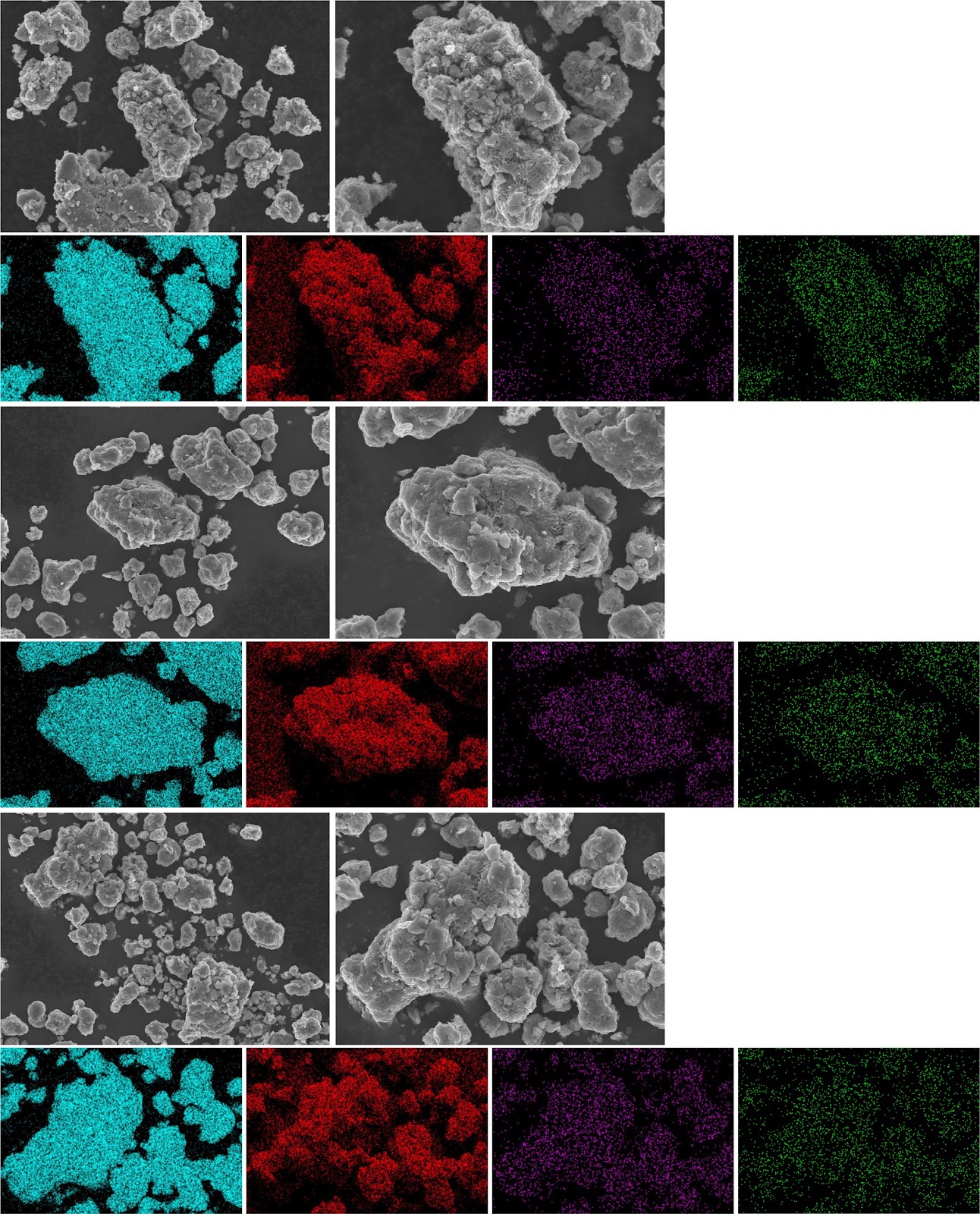
Manganese is a major impurity in acidic vanadium-bearing leaching solutions, but its effects on vanadium precipitation via hydrolysis and acidic ammonium salts remain unclear. In this study, vanadium-bearing leachates with varying manganese concentrations (VL-cMn) were prepared through calcium, a calcium–manganese composite, and manganese-based roasting of vanadium slag (VS) to investigate the influence of manganese on vanadium precipitation behavior during hydrolysis precipitation (HP) and ammo

Influence of manganese on vanadium precipitation and V2O5 purity based on different roasting methods of vanadium slag
Graphical Abstract
Original ResearchVol. 32, Issue 4 • pp. 215-227DOI: 10.1007/s12613-025-3200-0Apr 11, 2025

Effect of magnetic field on eutectic carbide morphology and mechanical properties in electroslag remelted M2 high-speed steel

Authors: Mingliang Zhang, Zhonghao Sun, Zhibin Xia, Wenhao Lin, Bangfei Zhou, Zhe Shen, Biao Ding, Tianxiang Zheng, Qiang Li, Yunbo Zhong

65, 130, and 160 mT transverse static magnetic field (TSMF) were introduced into the electroslag remelting (ESR) process to investigate the evolution of eutectic carbide morphology and mechanical property of M2 high speed steel. The application of TSMF induces the homogenization of the temperature field and reduces local solidification time, thereby inhibiting the non-heterogeneous nucleation and the growth of eutectic carbides. According to the result of electron back scatter diffraction (EBSD)

Effect of magnetic field on eutectic carbide morphology and mechanical properties in electroslag remelted M2 high-speed steel
Graphical Abstract
Original ResearchVol. 32, Issue 4 • pp. 623-635DOI: 10.1007/s12613-025-3284-6Apr 8, 2025

Establishing optical indicators for the state of hydrogen in MgH2

Authors: Yuxuan Liu, Tingyan Wang, Man Shu, Jianghao Cai, Xiaotian Tang, Tongao Yao, Zhuoran Xu, Zhengyang Gao, Juan Chen, Weijie Yang

Accurate determination of the state of hydrogen (SOH) in solid-state hydrogen storage materials is essential not only for optimizing hydrogen release kinetics and enhancing storage efficiency but also for ensuring system safety in practical applications. While most existing studies have concentrated on thermodynamics and kinetics, direct monitoring of residual hydrogen content, a parameter of critical engineering relevance, has rarely been reported. This highlights the urgent need to realize onl

Establishing optical indicators for the state of hydrogen in MgH2
Graphical Abstract
Original ResearchVol. 32, Issue 4 • pp. 231-243DOI: 10.1007/s12613-025-3334-0Apr 5, 2025

Mechanistic insights into the synergistic depression of pyrite by H2O2 and Fe3+ in low-alkalinity Cu–S flotation separation

Authors: Yubin Sun, Qian Zhang, Shuming Wen, Yongchao Miao, Ping Zhang

Conventional lime depressants used in copper sulfide flotation separation are limited by persistent challenges of scaling, corrosion, and compromised target-metal recovery, which necessitates the development of efficient and green alternatives. This study demonstrates the synergistic depression of pyrite by H2O2/Fe3+ under low-alkalinity conditions. The complementary action pathways were systematically elucidated by multiscale characterization techniques including mono- and mixed-mineral flotati

Mechanistic insights into the synergistic depression of pyrite by H2O2 and Fe3+ in low-alkalinity Cu–S flotation separation
Graphical Abstract