A sediment sampling system for monitoring plume redeposition from deep-sea polymetallic nodule mining
Authors: Jiale Wu, Jiawang Chen, Xinghui Tan, Kaichuang Wang, Jianling Zhou, Zhangyong Jin, Congchi Huang, Yuan Lin, Chunsheng Wang, Junyi Yang, Shiquan Lin
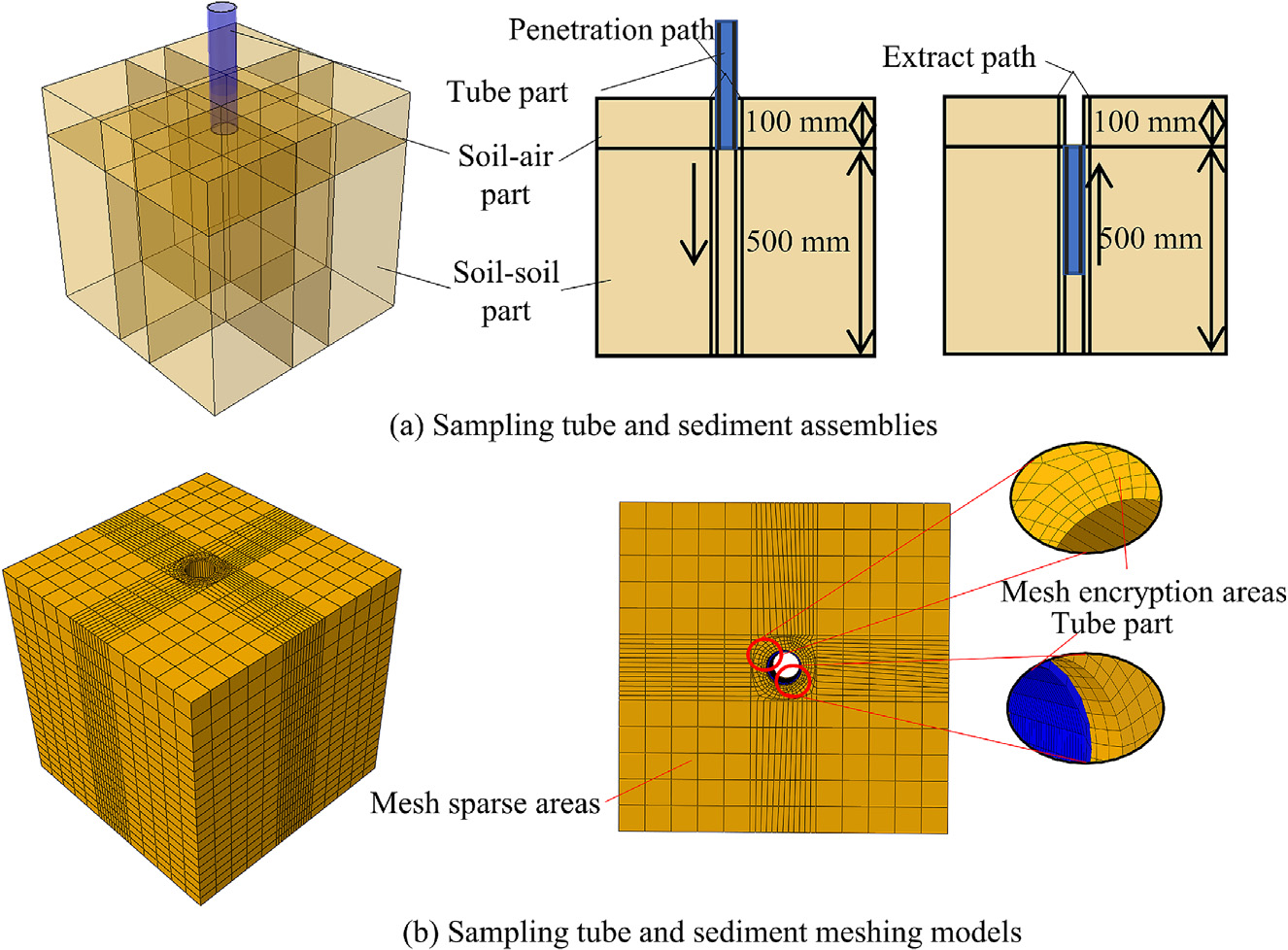
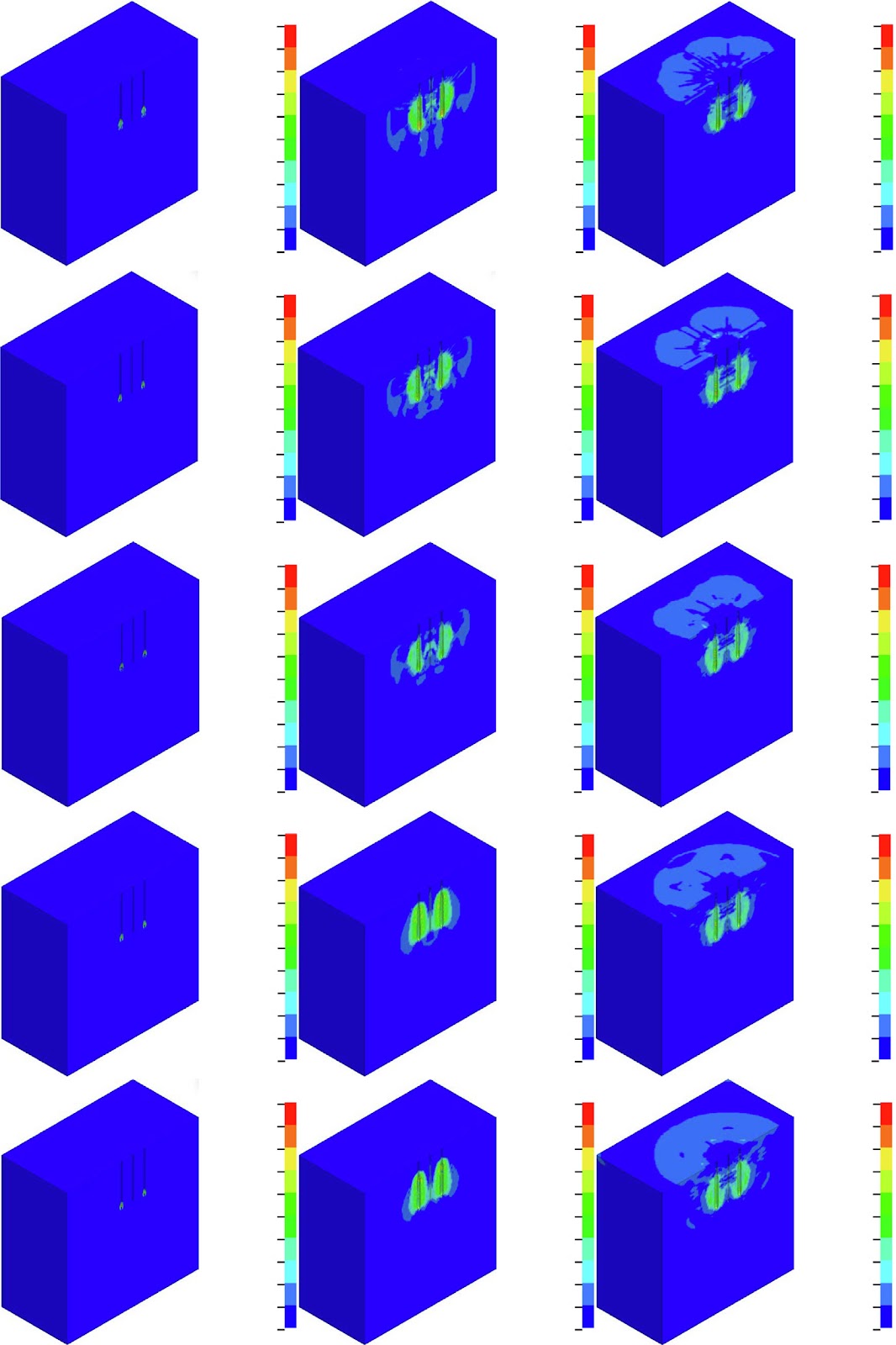
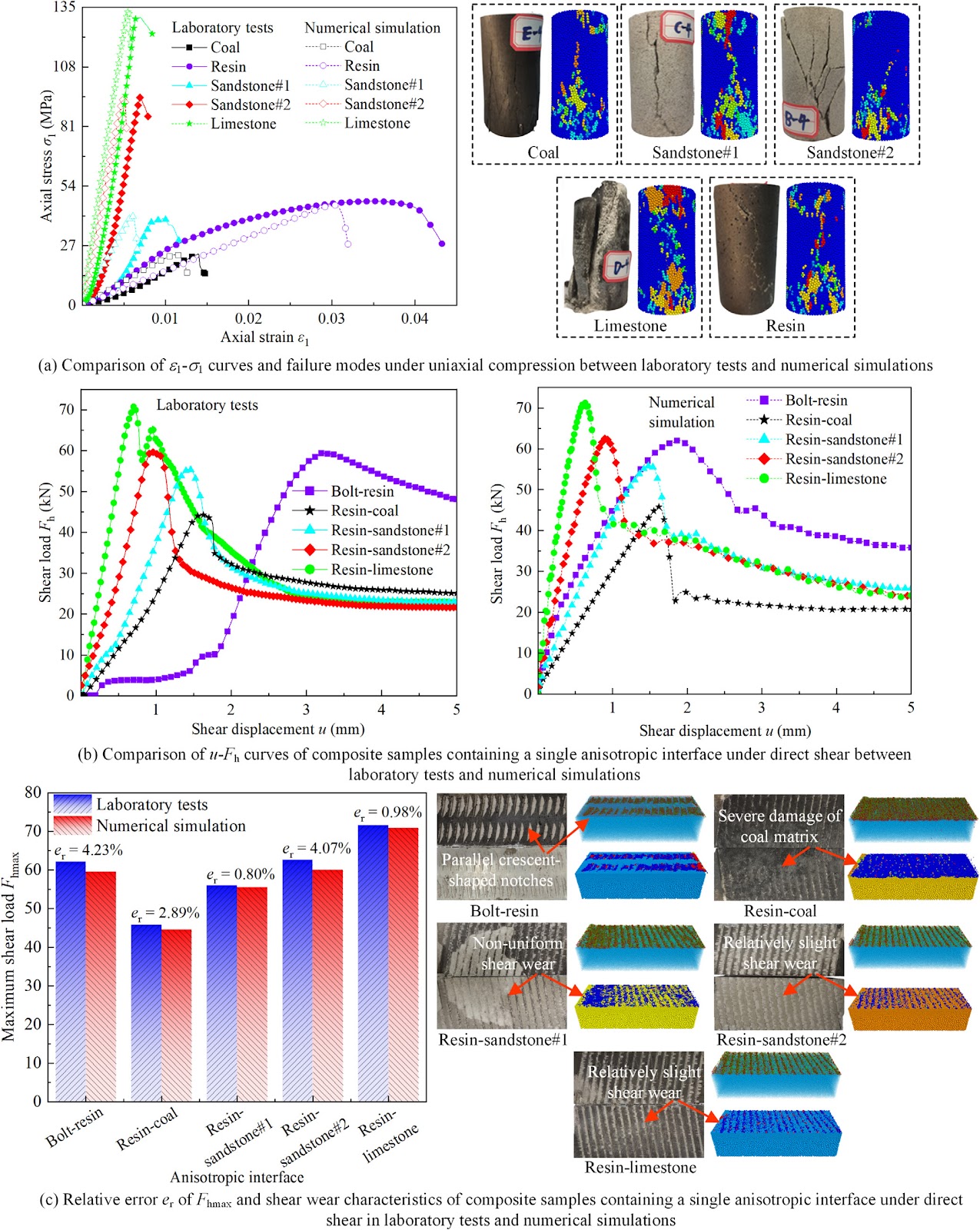
The spatiotemporal characterization of plume sedimentation and microorganisms is critical for developing plume ecological monitoring model. To address the limitations of traditional methods in obtaining high-quality sediment, a novel sampling system with 6000 m operational capability and three-month endurance was developed. It is equipped with three sediment samplers, a set of formaldehyde preservation solution injection devices. The system is controlled by a low-power, timing-triggered controllers. To investigate low-disturbance rheological mechanisms, gap controlled rheological tests were conducted to optimize the structural design of the sampling and sealing assembly. Stress-controlled shear rheological tests were employed to investigate the mechanisms governing yield stress in sediments under varying temperature conditions and boundary roughness. Additionally, the coupled Eulerian-Lagrangian (CEL) method and sediment rheological constitutive models were employed to simulate tube-soil interaction dynamics and sediment disturbance. The radial heterogeneity of sediment disturbance and friction variation of the sampling tube were revealed. The tube was completely ''plugged'' at a penetration depth of 261 mm, providing critical data support to the penetration depth parameters. The deep-sea pressure test and South China Sea field trials demonstrated the system's capability to collect and preserve quantitative time-series sediment samples with high fidelity.