SinoTechIntel Academic Portal
🏛️ Indexed Academic Journal

China Foundry

Access authentic peer-reviewed engineering methodologies, experimental datasets, and scientific literature published in this journal on SinoTechIntel.

Total Research Papers: 75
Access: 100% Free Open Access
Browse by Publication Year & VolumeReset All Filters ✕

Published Research PapersFiltered: Year 2026 • Vol. 23 • No. 1

Showing 6 of 75 peer-reviewed papers with full Graphical Abstracts.

Original ResearchVol. 23, No. 1 • pp. 73-82DOI: 10.1007/s41230-025-4045-xJan 15, 2026

Evolution of microstructure and properties of Cu-12Fe alloys prepared by twin-roll strip casting

Authors: Tian-mo Wu, Yuan-xiang Zhang, Shuai-jie Guo, Nuo-jin Wang, Jian Kang, Guo Yuan

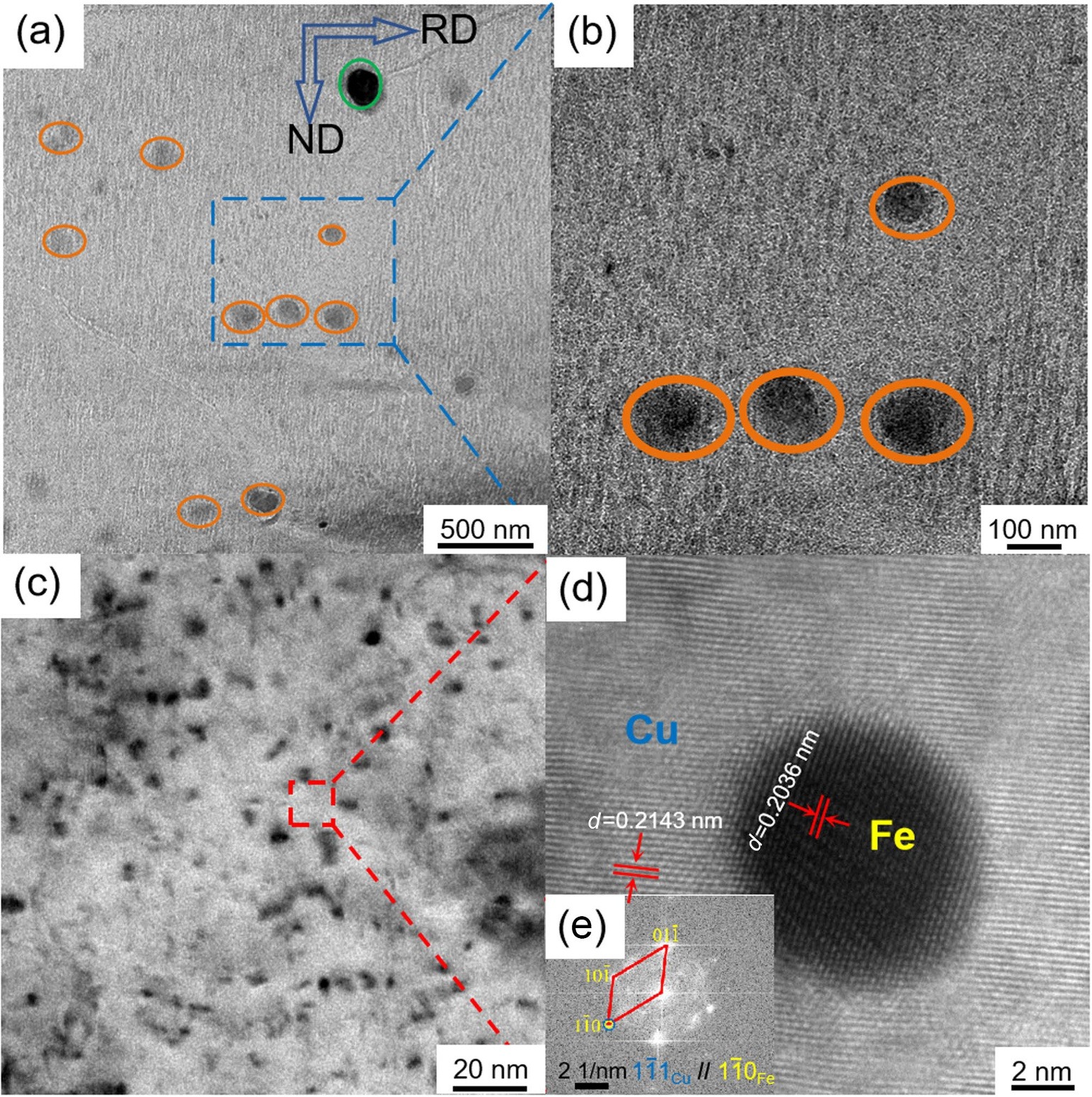
The Cu-12Fe alloy has attracted significant attention due to its excellent electrical conductivity and electromagnetic shielding capability, high strength, cost-effectiveness, and recyclability. In the present work, the Cu-12Fe alloy strip with the thickness of 2.4 mm was successfully produced by twin-roll strip casting. The microstructure and properties of the Cu-12Fe alloy were tailored by cold rolling and aging treatment. The tensile strength of the as-cast strip is approximately 328 MPa and its elongation is 25%. The Fe phase randomly dispersed in the matrix, and the average size of Fe-rich phase is 2 μm. Besides, enrichment of Fe phase is observed in the central layer of the strip, results in the formation of the “sandwich structure”. Moreover, the as-cast strip of Cu-12Fe was directly cold-rolled from 2.4 to 0.12 mm. The directly cold-rolled sample after aging at 450 °C for 16 h (Process I) shows excellent electrical conductivity of 69.5% IACS, the tensile strength and elongation are 513 MPa and 3.8%, the saturation magnetic flux density is 20.1 emu·g-1, and the coercive force is 25.2 Oe. In Process II, the as-cast strip firstly cold-rolled to 1.2 mm, then aged at 500 °C for 1.5 h, followed by cold rolling to 0.12 mm, finally aged at 450 °C for 16 h. The sample after Process II shows the electrical conductivity of 66.3% IACS, the tensile strength of 533 MPa, an elongation of 3.5%, saturation magnetic flux density of 21.4 emu·g-1, and the coercive force of 22.3 Oe.
Evolution of microstructure and properties of Cu-12Fe alloys prepared by twin-roll strip casting
Graphical Abstract
Original ResearchVol. 23, No. 1 • pp. 83-93DOI: 10.1007/s41230-025-4083-4Jan 15, 2026

Effect of cooling rate on solidification behavior and micro-segregation of high-alloyed wrought superalloy GH4975

Authors: Guang-di Zhao, Xi-min Zang, Yi-xuan Sun, Xiao-yu Yao

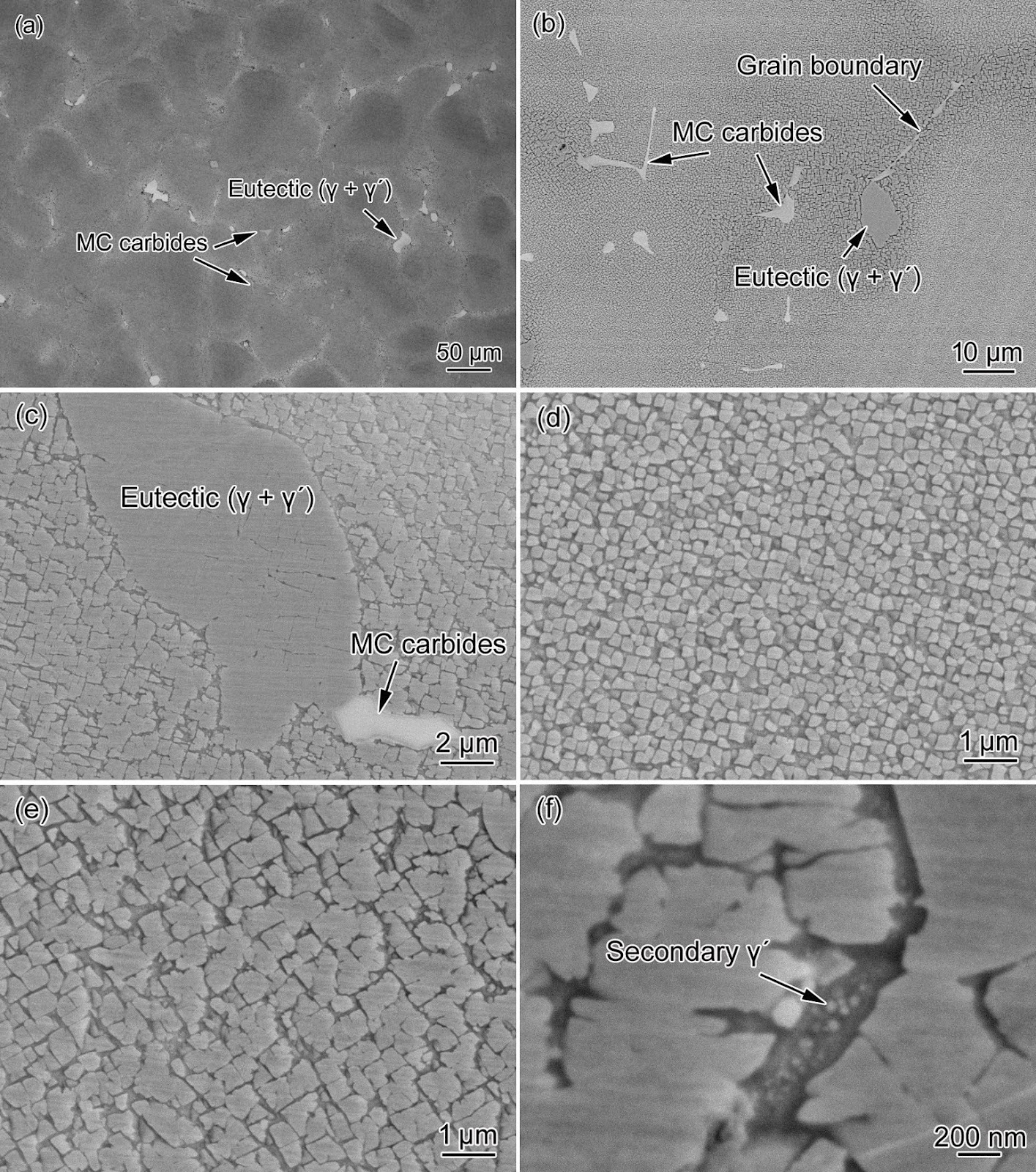
The high-alloyed wrought superalloy GH4975 tends to form coarse MC carbides and eutectic (γ+γ′) phases, which adversely affect the cogging and homogenization process. To provide theoretical guidance for control of MC carbides and eutectic (γ+γ′) formation, differential thermal analysis (DTA) was utilized to investigate the effect of cooing rate (10-90 °C·min-1) on solidification behavior and micro-segregation of GH4975 alloy. According to the thermodynamic calculation and distribution characteristics of precipitates, the MC carbides can act as nucleation sites for γ dendrites, but the nucleation of γ dendrites becomes less dependent on the MC carbide primers at higher cooling rates. As the γ dendrites grow, the elements including Ti and Nb gradually accumulate in the residual liquid and leads to the formation of more MC carbides near the interdendritic region. Finally, the solidification is terminated with the formation of eutectic (γ+γ′). With an increase in cooling rate, the liquidus temperature rises, but the solidus temperature decreases, and thus the solidification range is obviously enlarged. The dendritic structure is significantly refined by the increase of cooling rate. The secondary dendrite arm spacing, λ2, as a function of cooling rate, , can be expressed as λ2=216.78 -0.42. Moreover, the increasing cooling rate weakens the back diffusion of Al, Ti, and Nb, increases the undercooling, and limits the growth of precipitates. Consequently, the sizes of MC carbides, eutectic (γ+γ′), and primary γ′ significantly decrease, but the area fraction of eutectic (γ+γ′) linerly increases as the cooling rate rises. Thus moderate cooling rate (such as 30 °C·min-1) should be selected during the solidification process of GH4975 alloy.

Effect of cooling rate on solidification behavior and micro-segregation of high-alloyed wrought superalloy GH4975
Graphical Abstract
Original ResearchVol. 23, No. 1 • pp. 45-54DOI: 10.1007/s41230-025-5024-yJan 15, 2026

Stray grains evolution and high-temperature stress rupture behavior of crystallographic lamellar microstructure in Ni-based superalloys prepared by laser powder bed fusion

Authors: Peng Wang, Jing-jing Liang, Yu-ping Zhu, Wei Song, Qiao-lei Li, Yi Qiu, Ying-ju Li, Yi-zhou Zhou, Han-lin Liao, Lei Shi, Li-ming Lei, Xiao-feng Sun, Jin-guo Li

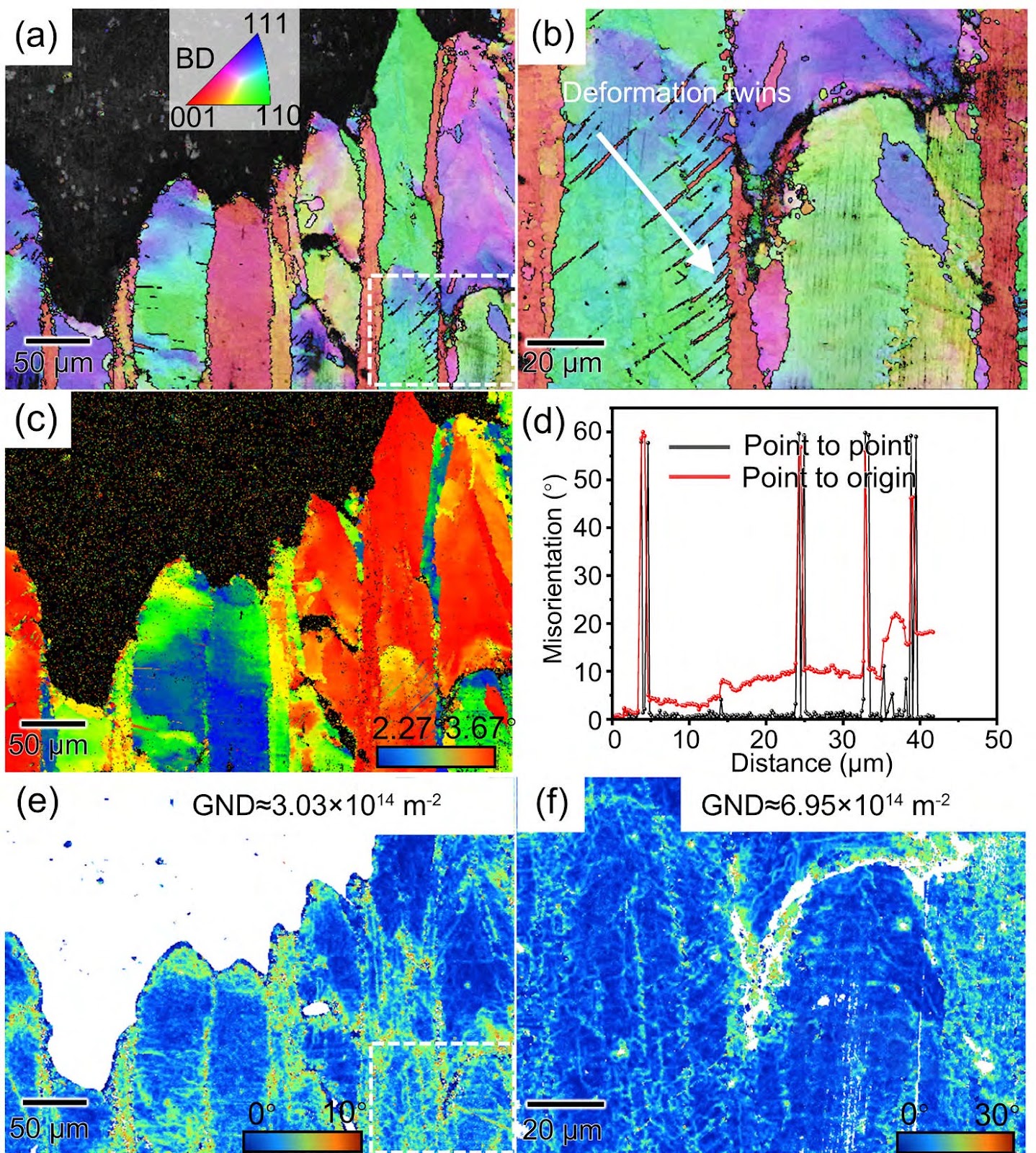
Abstract: The unique crystallographic lamellar microstructure (CLM) Ni-based superalloys fabricated by laser powder bed fusion (LPBF) exhibits excellent tensile properties. This study aims to investigate CLM’s high-temperature stress rupture behavior and use these findings to improve the additive manufacturing process. The result shows that the high temperature-induced intergranular fracture in <110> grain region is responsible for stress rupture failure under both conditions of 760 °C/780 MPa and 980 °C/260 MPa. Among them, the sub-grain boundary fracture occurs only under high temperature and low stress, 980 °C/260 MPa. Due to the severe intergranular fracture induced by stray grains, the stress rupture life is very low under both conditions. According to the finite element simulation, the formation of stray grains stems from the unstable heat flow within the melt pool during the process. In addition, the shorter stress rupture lifetime does not excite a more pronounced dislocation network around the γ′ phase. However, the deformation twins can still be activated inside the <110> grains, so it has excellent plasticity under both test conditions. Finally, this work indicates that the future optimization of CLM by LPBF should focus on eliminating of high-angle grain boundaries in <110> grains.

Stray grains evolution and high-temperature stress rupture behavior of crystallographic lamellar microstructure in Ni-based superalloys prepared by laser powder bed fusion
Graphical Abstract
Original ResearchVol. 23, No. 1 • pp. 94-100DOI: 10.1007/s41230-025-4147-5Jan 15, 2026

Controlling externally solidified crystals and porosity for enhancing mechanical properties of a die-casting aluminum-silicon alloy

Authors: Yi-hui Zhang, Xiang-yi Jiao, Peng-yue Wang, Yi-xian Liu, Jin-rui Wang, Wen-ning Liu, Li-jun Shi, Cheng-gang Wang, Shou-mei Xiong

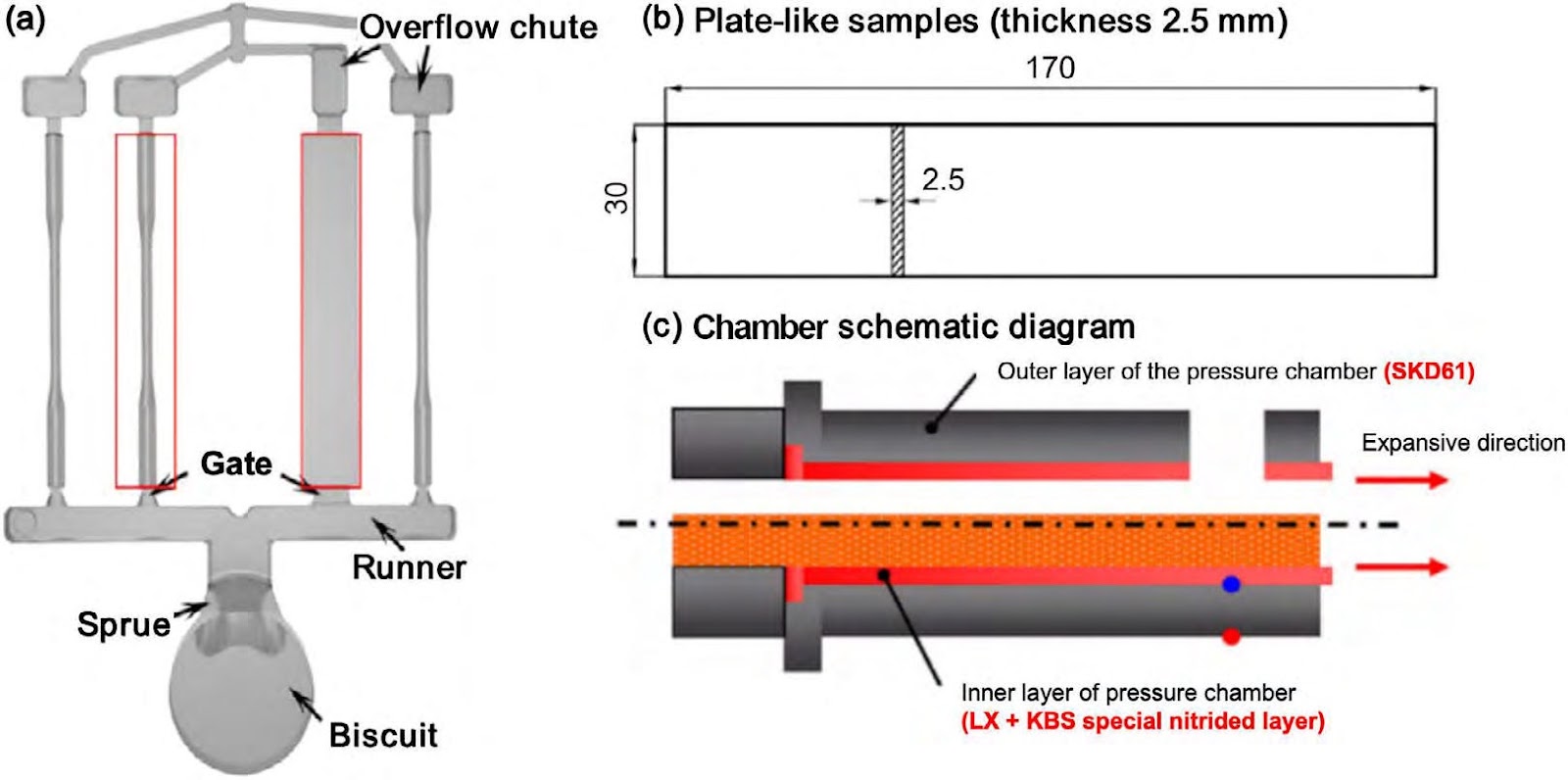
The effects of the high pressure die casting (HPDC) processes on porosity, microstructure, and mechanical properties of heat-treatment-free aluminum silicon (Al-Si) alloys have long been a focal point in automotive die-casting research. In this work, the combined effect of shot sleeve materials and slow shot speeds on porosity, microstructure and mechanical properties of a newly designed HPDC Al-Si alloy was investigated. Results show that employing a ceramic shot sleeve or increasing the slow shot speed significantly reduces both the average size and area fraction of externally solidified crystals (ESCs), as well as the average pore size and volume fraction. When the slow shot speed is increased from 0.05 m·s-1 to 0.1 m·s-1, the pore volume fraction decreases by 10.2% in steel-shot-sleeve samples, compared to a substantial 67.1% reduction in ceramic-shot-sleeve samples. At a slow shot speed of 0.1 m·s-1, castings produced with a ceramic shot sleeve exhibit superior mechanical properties: 8.3% higher yield strength, 17.4% greater tensile strength, and an 81.4% improvement in elongation, relative to those from a steel shot sleeve. These findings provide valuable insights for minimizing porosity and coarse ESCs in die castings, offering promising potential for broader industrial applications.

Controlling externally solidified crystals and porosity for enhancing mechanical properties of a die-casting aluminum-silicon alloy
Graphical Abstract
Original ResearchVol. 23, No. 1 • pp. 001-019DOI: 10.1007/s41230-026-5085-6Jan 15, 2026

A review of electroslag remelting composite technologies

Authors: Yu Wang, Yan-chun Lou, Fang Wang, Heng Cao, Yun-bao Gao, Ling Zhao, Zhi Han, Meng Li

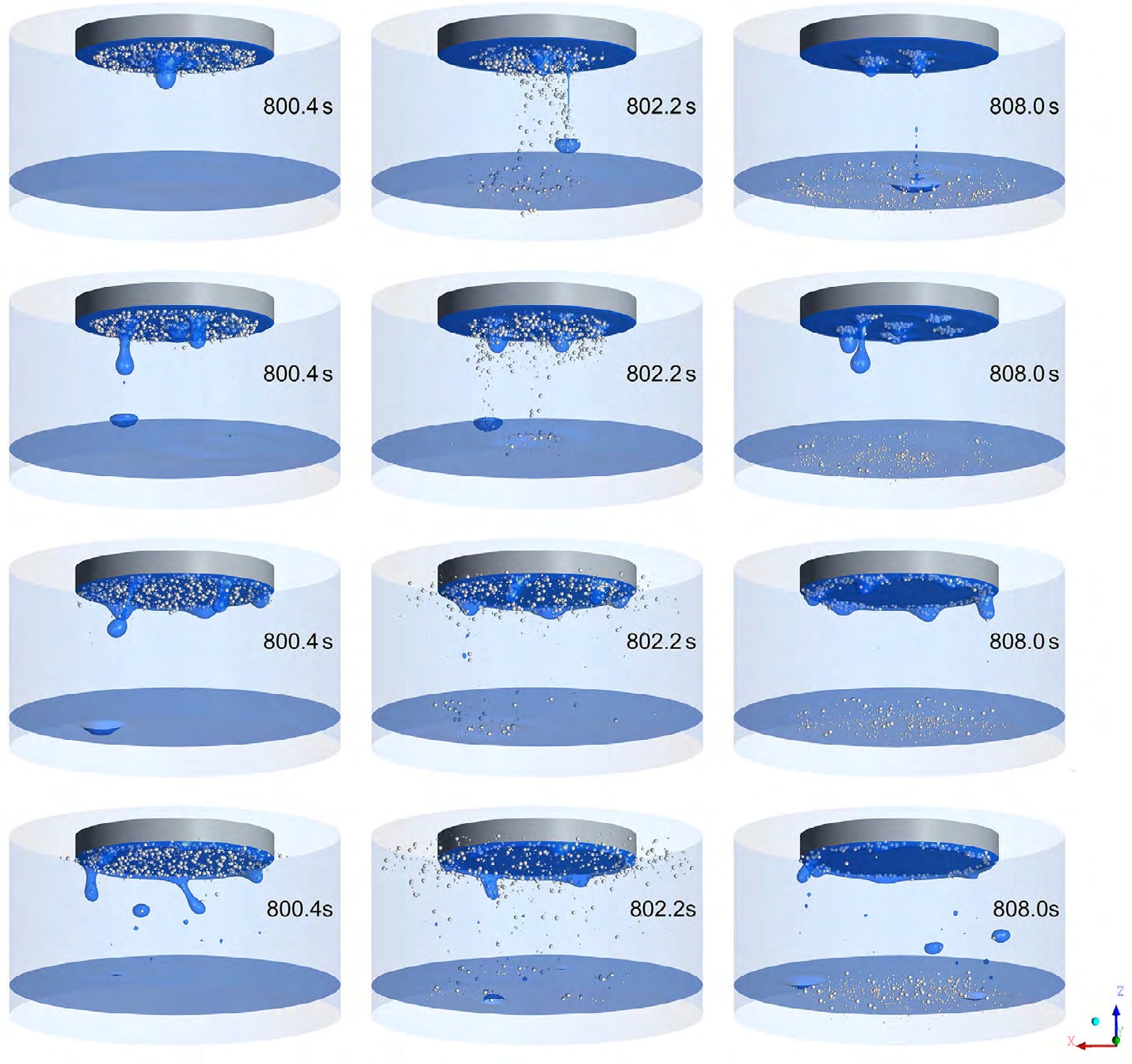
Electroslag remelting (ESR) is an important metallurgical process for producing high-purity materials with homogeneous compositions and sound microstructures, and its typical products are ingots or simple castings. The core principle involves the resistive melting of a consumable electrode within a slag pool, followed by the refining of molten metal droplets as they traverse the slag, and subsequent sequential solidification in a water-cooled mold. However, conventional ESR processes face limitations in producing large or complex-shaped components, enhancing production efficiency, achieving highly specialized microstructures, and meeting ultra-high purity demands for advanced applications. Advanced composite ESR technologies have been developed to overcome these limitations by innovatively modifying key process aspects. For instance, electrode systems are improved using vibration, rotation, or multiple electrodes. Enhanced mold design and solidification control are achieved through techniques including conductive molds, mold rotation, and ingot withdrawal. Precise control of the process is realized through the use of protective gas, vacuum, or elevated pressure, as well as the application of external fields such as magnetic fields or ultrasonic vibration. This review comprehensively summarizes these advanced techniques, examining their principles and characteristics, and discussing their specific advantages and challenges.

A review of electroslag remelting composite technologies
Graphical Abstract
Original ResearchVol. 23, No. 1 • pp. 37-44DOI: 10.1007/s41230-025-5004-2Jan 15, 2026

Effect of Ta addition on microstructure and mechanical properties of Ti46Al1.5Cr8Nb alloy

Authors: Jiang-shan Liang, Liao Mi, Hong-ze Fang, Xin Ding, Xian-fei Ding, Bao-hui Zhu, Rui-run Chen

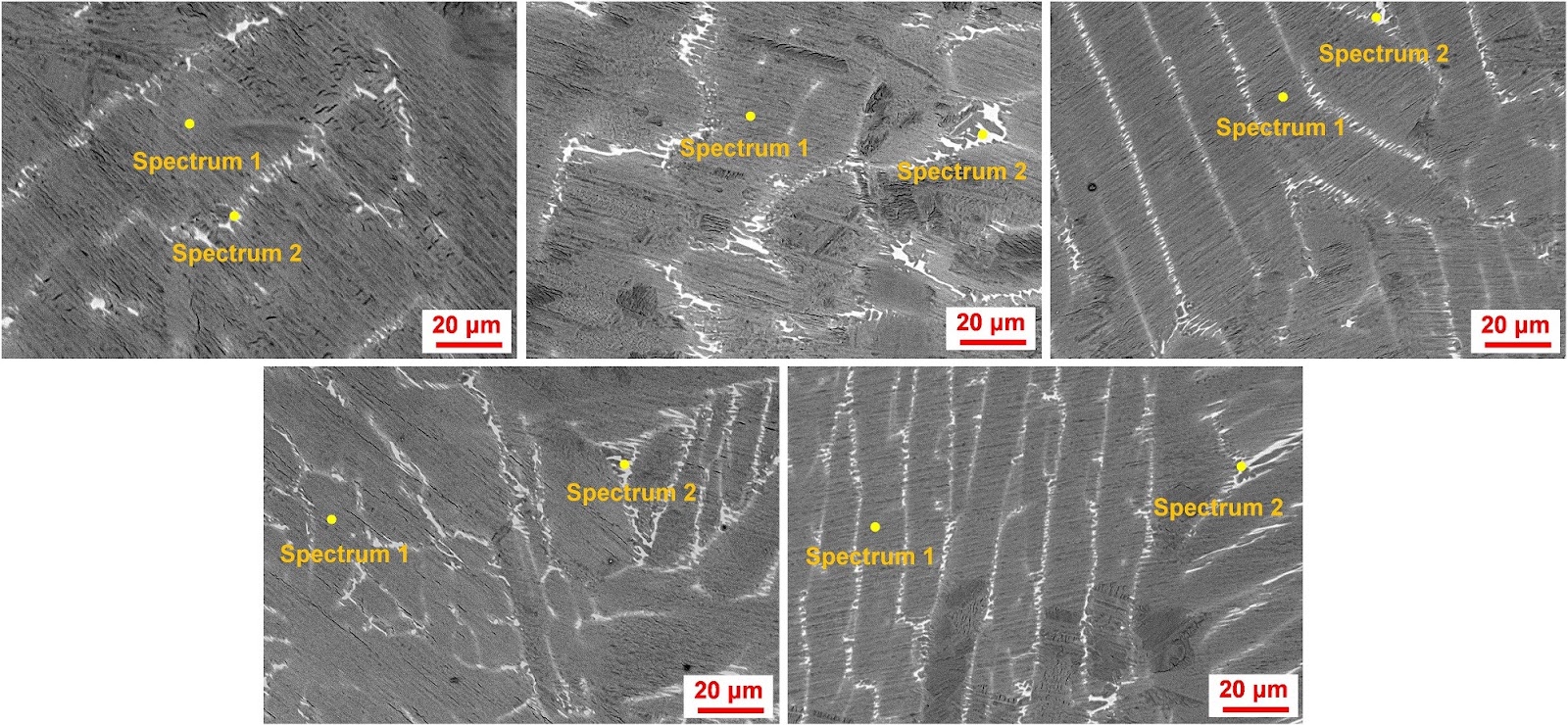
The microstructure of high Nb-TiAl alloys was optimized by the addition of a small amount of Ta elements to further improve their properties. A series of Ti46Al1.5Cr8Nb-xTa (x=0.2, 0.4, 0.6, 0.8, 1.0, at.%) alloys were prepared by vacuum arc melting. The microstructure, mechanical properties, and related influencing mechanisms were systematically investigated. The results indicate that the solidification microstructure of the Ti46Al1.5Cr8Nb-xTa alloys comprises the γ-TiAl phase, α2-Ti3Al phase, and B2 phase. As the Ta content increases from 0.2at.% to 1.0at.%, the content of α2 phase and B2 phase increases, while the γ phase content decreases. Among them, the B2 phase shows the most pronounced change, being significantly refined, with its content increasing from 12.49% to 21.91%. In addition, the average size of the lamellar colony decreases from 160.65 to 94.44 μm. The addition of the Ta element shifts the solidification path toward lower aluminum concentrations, leading to changes in phase content. The tantalum-induced increase in the B2 phase and enhanced supercooling at the solidification front provide the basis for lamellar colony refinement. Compressive testing at room temperature reveals that the Ti46Al1.5Cr8Nb0.4Ta alloy exhibits optimal compressive properties, achieving a compressive strength of 2,434 MPa and a compressive strain of 33.1%. The improvement of its properties is attributed to a combination of lamellar colony refinement, solid solution strengthening resulting from the incorporation of Ta element, and a reduction in the c/a of the γ phase.

Effect of Ta addition on microstructure and mechanical properties of Ti46Al1.5Cr8Nb alloy
Graphical Abstract