SinoTechIntel Academic Portal
🏛️ Indexed Academic Journal

Journal of Central South University

Access authentic peer-reviewed engineering methodologies, experimental datasets, and scientific literature published in this journal on SinoTechIntel.

Total Research Papers: 152
Access: 100% Free Open Access
Browse by Publication Year & VolumeReset All Filters ✕

Published Research PapersFiltered: Year 2025 • 32 • 11

Showing 9 of 152 peer-reviewed papers with full Graphical Abstracts.

Original ResearchVol. 32, Issue 11 • pp. 4196-4209DOI: 10.1007/s11771-025-6123-zJan 15, 2025

Experimental study and creep constitutive modeling for 2219 aluminum alloy under tension and compression conditions

Authors: LI Shuang-bo, MAO Xiao-bo, ZHAN Li-hua, YANG You-liang, LIU Chun-hui, ZENG Quan-qing

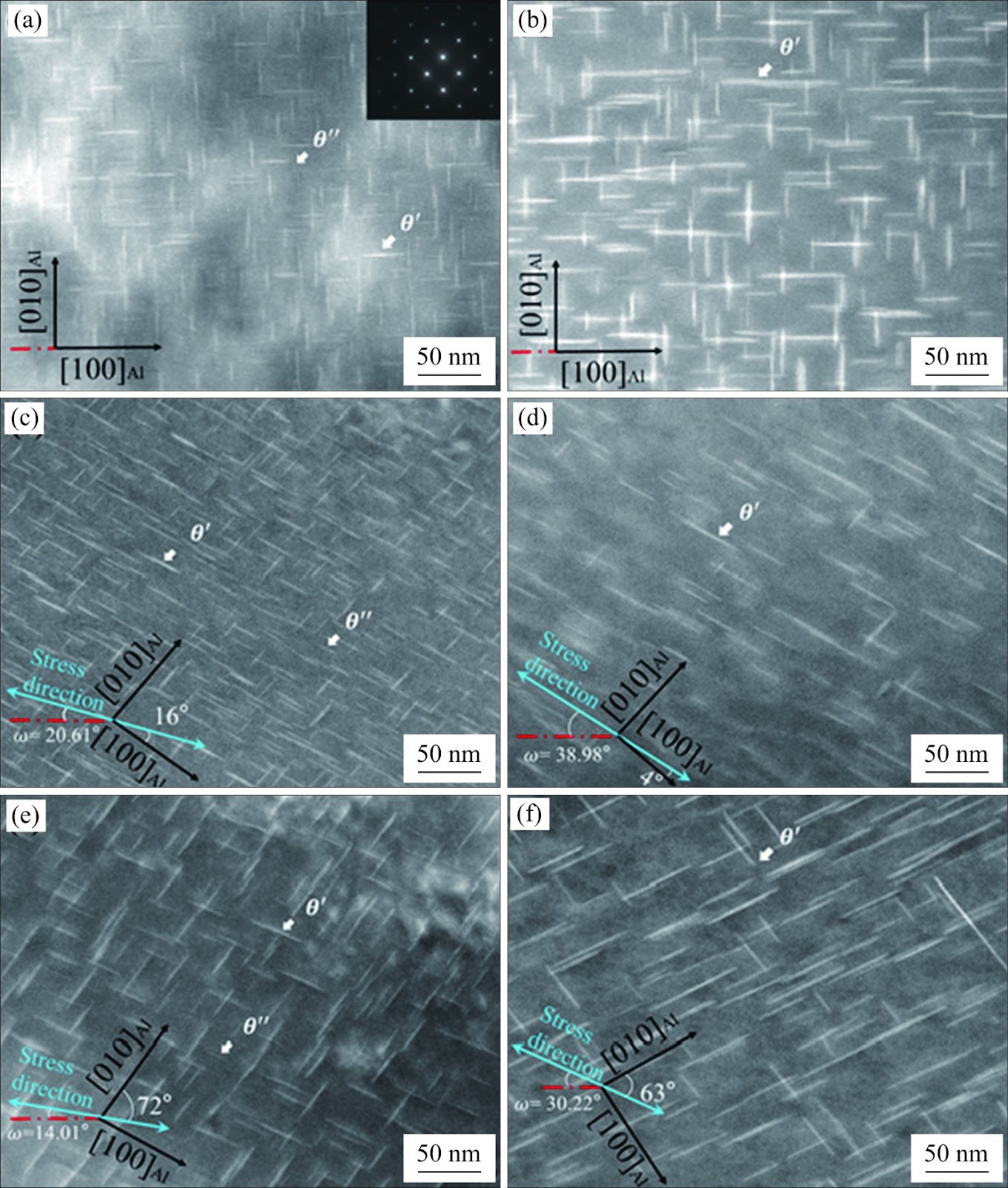
The creep deformation and mechanical properties of 2219 aluminum alloy were experimentally investigated under both tension and compression at the temperature of 165 ℃ for different time. The results indicated that the creep deformation under tensile stress was greater than that under compressive stress. As the stress level increases, the compressive creep rate showed more significant increase. The yield strength after compressive stress creep-ageing was higher than that after stress-free ageing, with the lowest strength observed in the tensile-aged sample. Overall, the average phase length after compressive stress creep-ageing was larger than after tensile stress ageing. Under tensile stress, the number and size of precipitates at small angles to the stress direction were larger than those perpendicular to the stress direction. In contrast, under compressive stress, this relationship was reversed, and the preferential orientation of phases became more pronounced with ageing time. A unified, physics-based creep-ageing constitutive model, accounting for the orientation of precipitation, was developed for both tensile and compressive stress conditions. The predicted results were in good agreement with the experimental data. These findings, along with the developed model, provide a theoretical and simulation basis for precise creep-ageing forming of components under complex stresses.
Experimental study and creep constitutive modeling for 2219 aluminum alloy under tension and compression conditions
Graphical Abstract
Original ResearchVol. 32, Issue 11 • pp. 4228-4247DOI: 10.1007/s11771-025-6126-9Jan 15, 2025

Prediction of macroscopic abnormally coarse grain during solid solution of Ti-10V-2Fe-3Al alloy based on dynamic recrystallization kinetics

Authors: ZHANG Yu-sen, CHEN Lei, GAO Xiao-peng, GUO Cong-de, CAI Xing-zhou, JIN Miao, MA Xiao-cong

After the hot deformation sample of Ti-10V-2Fe-3Al alloy was treated by solid solution in the α+β two-phase region, the coarse β grains that often appeared in the β single phase region were observed in the local region, indicating that the abnormal grain growth occurred in the local microstructural region, and the macrostructure also showed abnormally coarse grains (ACGs). The dynamic recrystallization (DRX) behavior of Ti-10V-2Fe-3Al titanium alloy was systematically investigated through hot compression tests on the Gleeble-3800 system. The DRX model of β grains was established, and the quantitative correlation between DRX characteristics and the appearance of ACG was clarified. Based on these results, a numerical simulation platform was developed to realize the visual prediction of ACG distribution. The results show that the increase of deformation temperature and the decrease of strain rate both contribute to a significant increase in the grain size (dDRX) and volume fraction (XDRX) of DRXed grains. However, the proper XDRX and smaller dDRX at low deformation temperature and high strain rate make the macro and microstructure show ACGs after solid solution. Interestingly, if the DRX degree is excessive or insufficient, ACGs cannot be produced, indicating that ACGs are solid solution products based on the appropriate DRX degree. According to the flow curves and statistical results of microstructure, the quantitative model of DRX kinetics and DRX grain size model were constructed, and the quantitative criterion model that is related to the formation of ACG with grain size (dDRX) and volume fraction (XDRX) of DRXed grains as the key parameters was established, i. e., dDRX£2.60 μm, 72.5%£XDRX£87.9%. By integrating the subroutine of coarse grain criterion, the isothermal compression process of cylindrical samples and the actual die forging process of H-shaped parts were simulated by DEFORM-3D software of finite element (FE), respectively, and the visual prediction of the distribution of macroscopic ACGs was realized. There is a good consistency between the tested results and the simulated results, indicating a strong correlation between macroscopic ACGs and microscopic DRX.

Prediction of macroscopic abnormally coarse grain during solid solution of Ti-10V-2Fe-3Al alloy based on dynamic recrystallization kinetics
Graphical Abstract
Original ResearchVol. 32, Issue 11 • pp. 4613-4632DOI: 10.1007/s11771-025-6124-yJan 15, 2025

Influence of deterioration of CRTSⅢ slab ballastless track irregularity on the safety and stability of high-speed vehicles

Authors: GAO Rui-kai, XIN Tao, GAO Liang, MA Shuai, LIU Xiu-bo

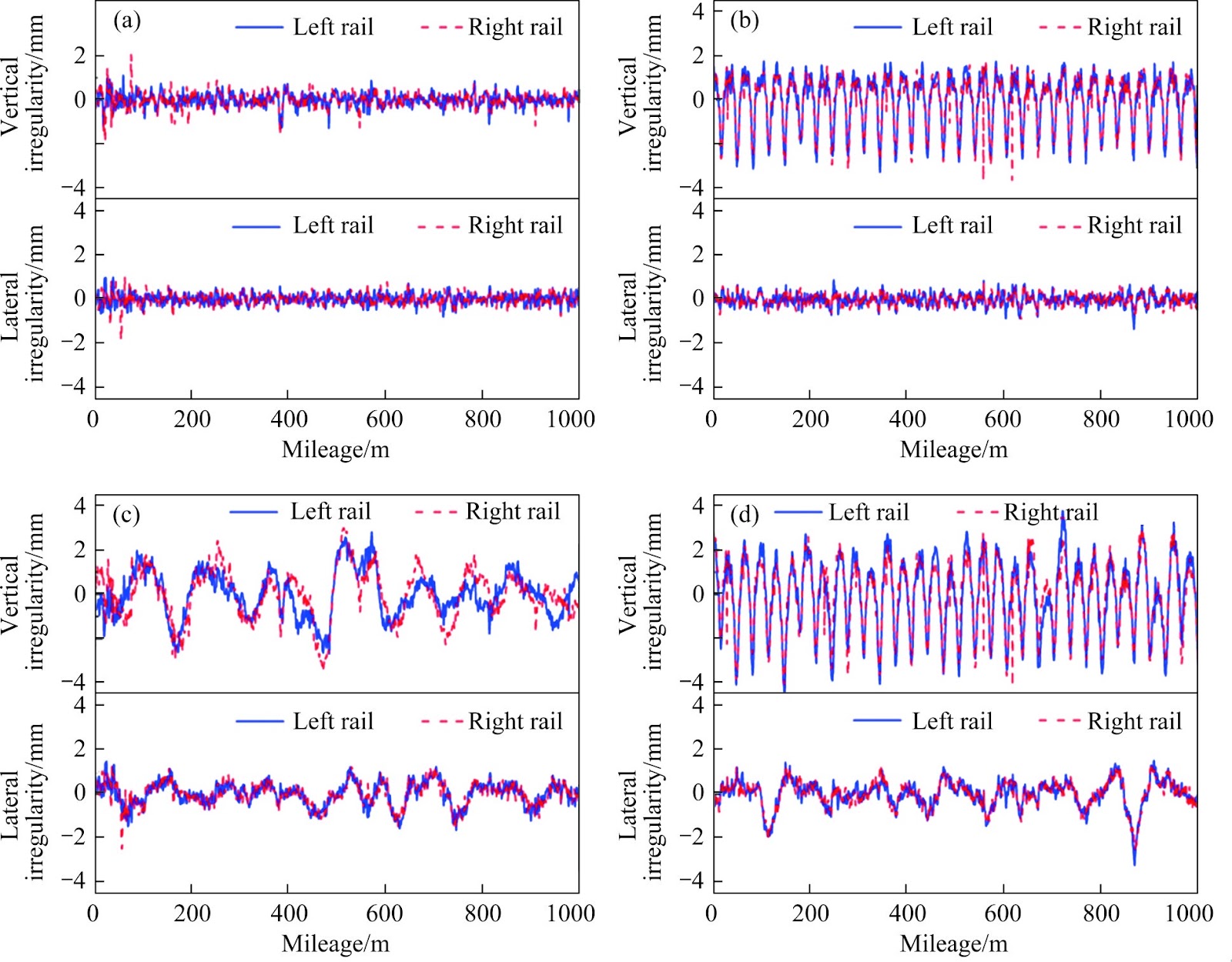
Abstract: As one of the major high-speed railway ballastless track structures in China, CRTSⅢ slab ballastless track has been laid for more than 6500 km. However, there are no detailed studies on its track irregularity deterioration throughout extended service periods, which may threaten the safety and stability of high-speed vehicles (HSV). In this study, a long-term tracking detection of CRTSⅢ slab ballastless track irregularities has been conducted, revealing its annual evolution law. An HSV-track coupled dynamics model was established to investigate the HSV dynamic responses under annual evolution of track irregularities. Considering the potential deterioration of track irregularities to extremely bad condition, the recommended classified limits for irregularity are proposed by analyzing the limit-exceeding probability of the safety and stability indexes of HSV. The results show that: taking 10 m wavelength as a demarcation, longer-wavelength irregularities exhibit larger amplitudes, faster evolution rates and a linear increasing trend, primarily affecting the stability of HSV. Conversely, shorter-wavelength irregularities exhibit smaller amplitudes and an insignificant evolution trend, predominantly affecting the safety of HSV. Furthermore, the periodic irregularity induced by the arching of 32 m simply-supported beam bridge should be paid closer attention to, as their evolution rate significantly surpasses that of irregularities at other wavelengths.

Influence of deterioration of CRTSⅢ slab ballastless track irregularity on the safety and stability of high-speed vehicles
Graphical Abstract
Original ResearchVol. 32, Issue 11 • pp. 4574-4592DOI: 10.1007/s11771-025-6130-0Jan 15, 2025

Dynamic response characteristics and failure mechanisms of a high-steep bedding rock slope under successive earthquakes in a high-seismic-intensity zone via discrete element method and shaking table tests

Authors: SONG Dan-qing, SHI Wan-peng, HUANG Kun-peng, XIN Chun-lei, LIU Xiao-li, TIAN Yu-xin, ZHANG Bing-hui

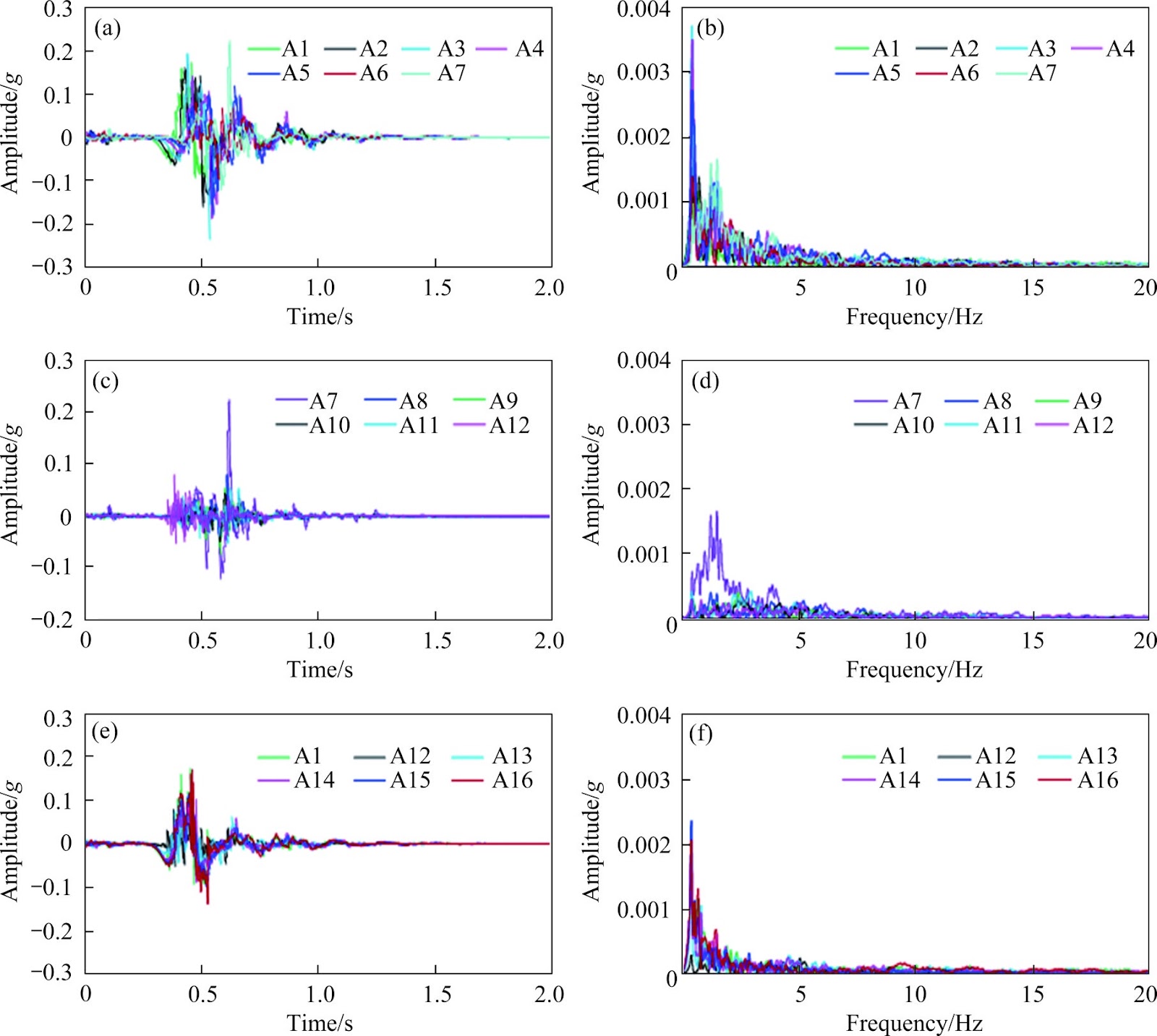
Steep bedding slopes are widely distributed in Southwestern China’s mountainous regions and have complex seismic responses and instability risks, causing casualties and property losses. Considering the high-seismic-intensity environment, the dynamic failure evolution and instability mechanism of high-steep bedding slopes are simulated via the discrete element method and shaking table test. The dynamic response characteristics and cumulative failure effects of slopes subjected to continuous ground motion are investigated. The results show that the dynamic response characteristics of slopes under continuous earthquakes are influenced by geological and topographic conditions. Elevation has a distinct impact on both the slope interior and surface, with amplification effects more pronounced on the surface. The weak interlayers have different influences on the dynamic amplification effect of slopes. Weak interlayers have dynamic magnification effects on the slope surface at relative elevations of 0 −0.33 and 0.82 −1.0 but have weakening effects between 0.33 and 0.82. Moreover, the weak interlayers also have controlling effects on the dynamic instability mode of slopes. The characteristics of intergranular contact failure, fracture propagation, and displacement distribution are analyzed to reveal the dynamic failure evolution and instability mechanism through the discrete-element model. The dynamic instability process of slopes includes three stages: fracture initiation (0−0.2g), fracture expansion (0.2g−0.3g), and sliding instability (0.3g−0.6g). This work can provide a valuable reference for the seismic stability and reinforcement of complex slopes.

Dynamic response characteristics and failure mechanisms of a high-steep bedding rock slope under successive earthquakes in a high-seismic-intensity zone via discrete element method and shaking table tests
Graphical Abstract
Original ResearchVol. 32, Issue 11 • pp. 4593-4612DOI: 10.1007/s11771-025-6129-6Jan 15, 2025

A lithium-ion battery state-of-health prediction model based on physical information constraints and multimodal feature fusion

Authors: XU Hai-ming, YU Tian-jian, FENG En-lai, ZENG Xiao-yan, HU Yu-song, CHEN Lan

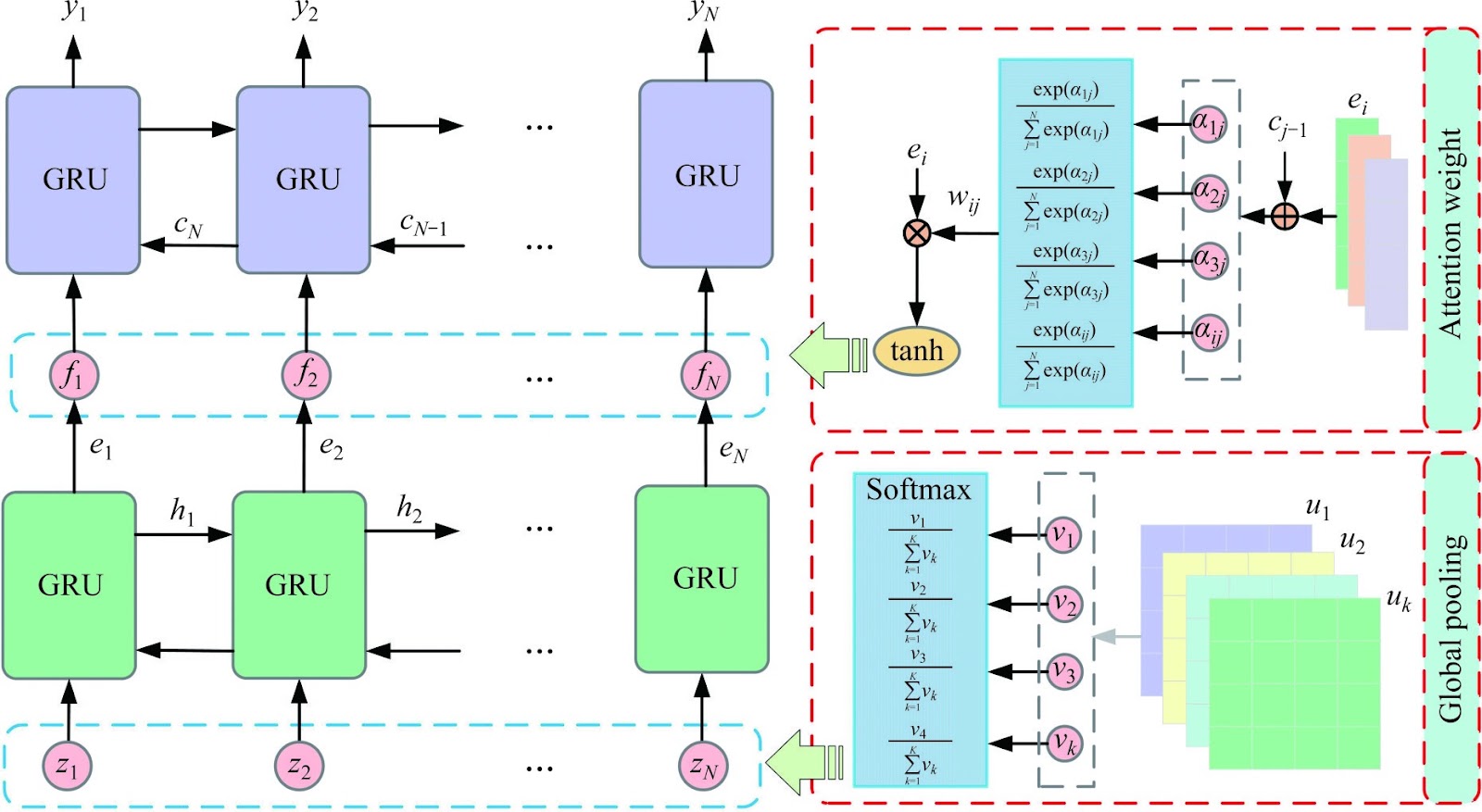
Accurate estimation of lithium battery state-of-health (SOH) is essential for ensuring safe operation and efficient utilization. To address the challenges of complex degradation factors and unreliable feature extraction, we develop a novel SOH prediction model integrating physical information constraints and multimodal feature fusion. Our approach employs a multi-channel encoder to process heterogeneous data modalities, including health indicators, raw charge/discharge sequences, and incremental capacity data, and uses multi-channel encoders to achieve structured input. A physics-informed loss function, derived from an empirical capacity decay equation, is incorporated to enforce interpretability, while a cross-layer attention mechanism dynamically weights features to handle missing modalities and random noise. Experimental validation on multiple battery types demonstrates that our model reduces mean absolute error (MAE) by at least 51.09% compared to unimodal baselines, maintains robustness under adverse conditions such as partial data loss, and achieves an average MAE of 0.0201 in real-world battery pack applications. This model significantly enhances the accuracy and universality of prediction, enabling accurate prediction of battery SOH under actual engineering conditions.

A lithium-ion battery state-of-health prediction model based on physical information constraints and multimodal feature fusion
Graphical Abstract
Original ResearchVol. 32, Issue 11 • pp. 4340-4360DOI: 10.1007/s11771-025-6119-8Jan 15, 2025

Stability analysis of inclined bauxite pillar under goaf of coal seam considering principal stress rotation

Authors: LIU Wang, YANG Yu-gui, CHEN Yong, HUANG Bing-xiang, CAI Cheng-zheng, SHANG Run-peng, QIU Chao

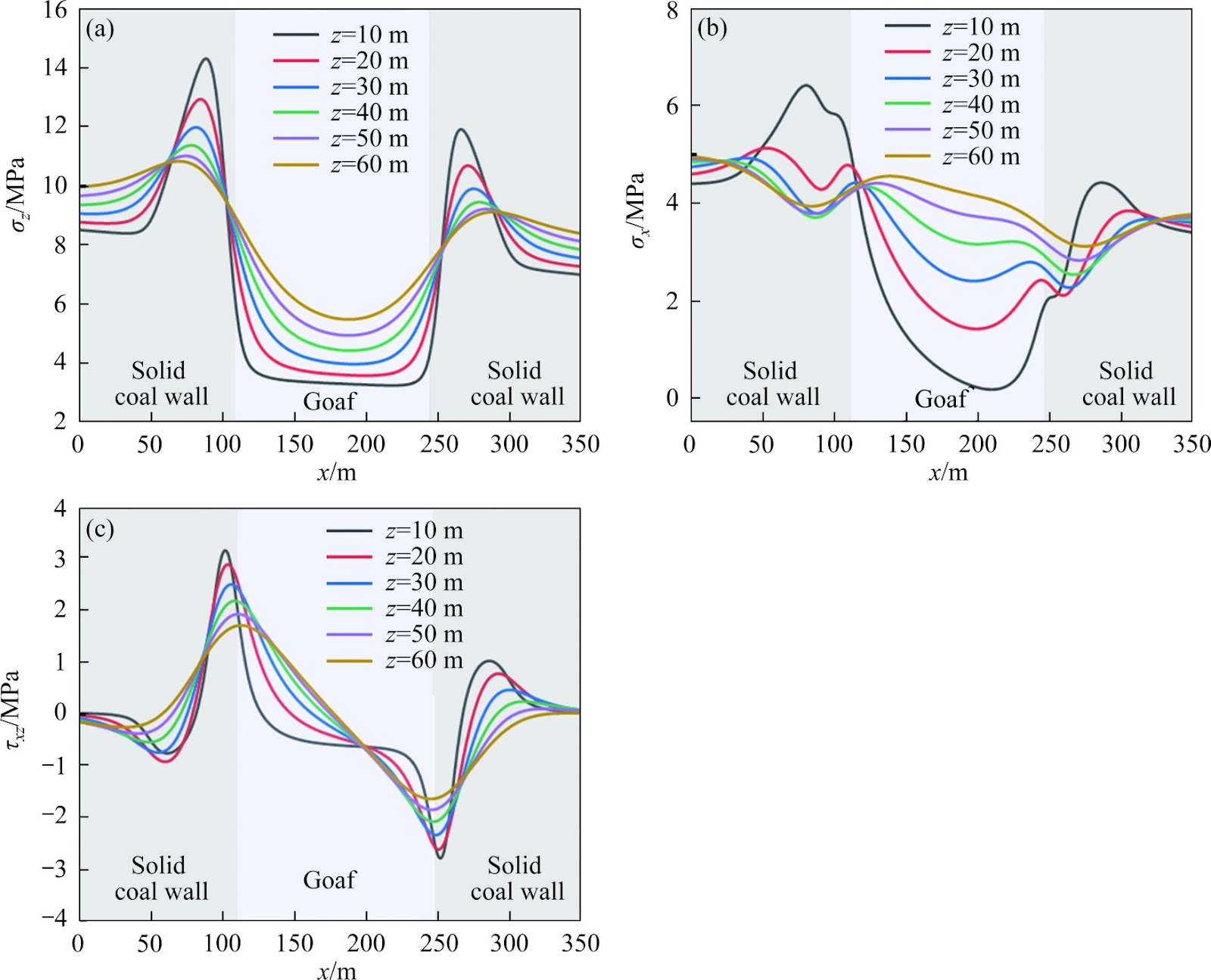
The “upper coal and lower bauxite” resource distribution pattern is widespread in China, where mining of the overlying coal seam significantly alters the stress environment of the underlying bauxite layer. This study investigates the stability of inclined bauxite pillars under the influence of stress redistribution caused by coal seam extraction. A theoretical model is developed to calculate the direction and magnitude of principal stresses in the inclined floor strata, and a pillar stability analysis model is established that considers the effect of principal stress rotation. The research employs a combination of theoretical analysis, physical modeling, numerical simulation, and field observation. Findings indicate that stress rotation is most pronounced at both ends of the coal seam goaf, with the maximum clockwise and counterclockwise rotation angles of 19° and −40°, respectively, observed in the bauxite layer. Inclined bauxite pillars are subjected to combined compressive and shear loading. Under such conditions, clockwise rotation of principal stress increases the shear-to-normal stress ratio, thereby reducing pillar stability. Pillars located beneath the coal wall are the first to fail due to stress concentration and principal stress rotation, which can trigger a cascade of instability among the adjacent pillars. The findings provide a theoretical basis and practical guidance for ensuring the safe co-mining of coal seams and bauxite resources.

Stability analysis of inclined bauxite pillar under goaf of coal seam considering principal stress rotation
Graphical Abstract
Original ResearchVol. 32, Issue 11 • pp. 4312-4325DOI: 10.1007/s11771-025-6106-0Jan 15, 2025

Transformation pathways and zinc binding mechanisms in magnetite crystallization: Implications for zinc hydrometallurgy

Authors: LI Chun-xue, WU Jia-hui, ZHANG Wen-chao, SHI Mei-qing, WANG Yun-yan, DUAN Ying, YAN Xu, WANG Qing-wei, MIN Xiao-bo, CHAI Li-yuan

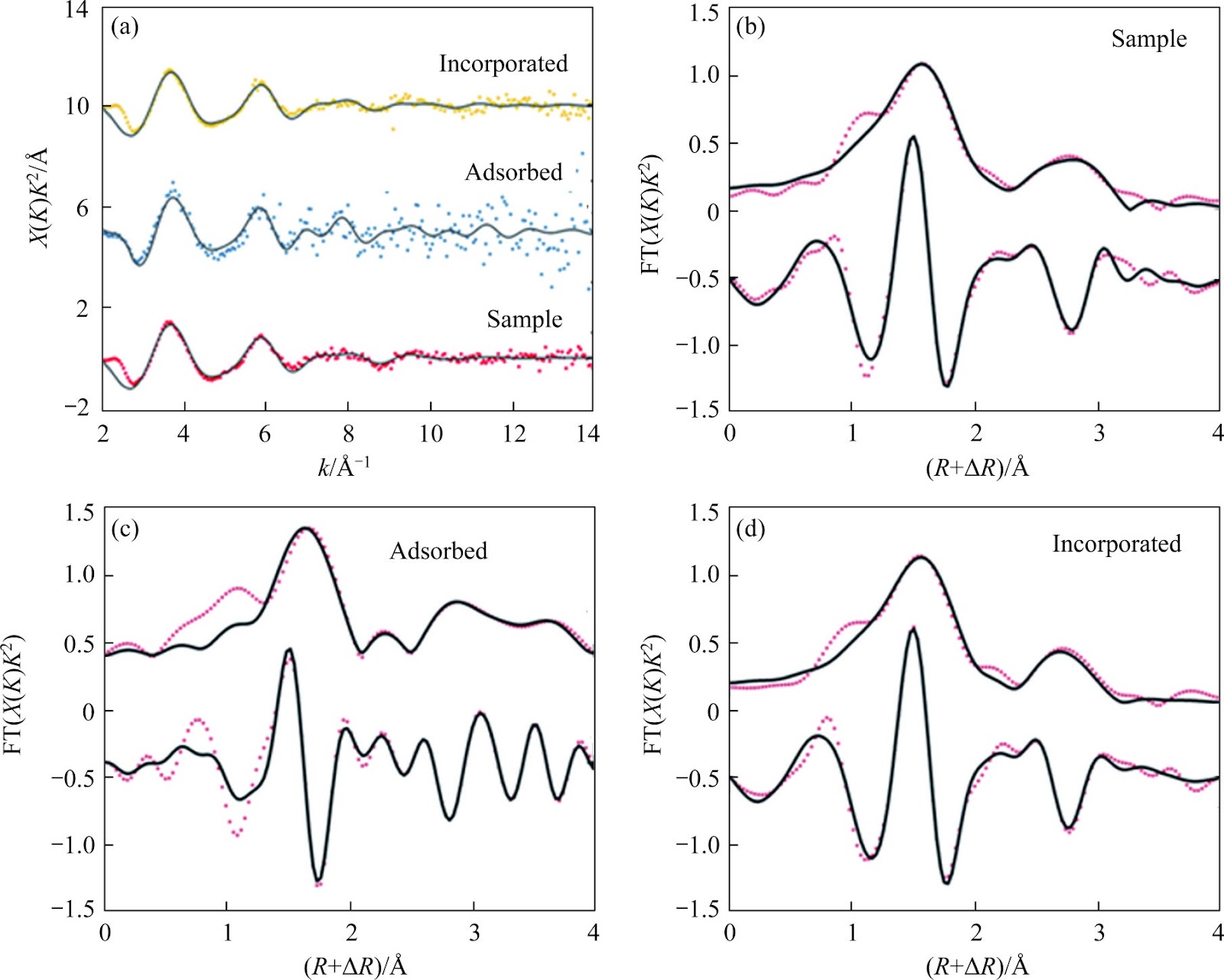
Iron removal from zinc leachate in hydrometallurgy produces large volumes of low-grade, impurity-laden iron waste, posing significant environmental challenges. Magnetite precipitation offers a novel method for iron removal and resource recycling in zinc hydrometallurgy. However, the chemical similarity between ferrous and zinc ions, along with high zinc concentrations, causes zinc co-precipitation, challenging its application. To address this issue, this study utilized electron microscopy to observe key intermediate products in magnetite crystallization and employed EXAFS (extended X-ray absorption fine structure) to analyze their evolutionary mechanisms and zinc-binding configurations. The results indicate that the intermediate products during magnetite formation are sequentially green rust, feroxyhyte (δ-FeOOH), and weakly crystalline nanoparticles, and further analysis revealed that their transformation follows the dissolution-recrystallization mechanism. Furthermore, it was found that intermediate products such as green rust exhibit strong binding with zinc (via adsorption and lattice substitution), which was confirmed as a significant reason for the difficulty in separating zinc from magnetite. This study elucidates the transformation process of intermediate products during magnetite formation and, for the first time, reveals the binding configurations of zinc with these key intermediate products. This has significant implications for the development and optimization of new technologies for the efficient separation of iron and zinc during the magnetite precipitation process.

Transformation pathways and zinc binding mechanisms in magnetite crystallization: Implications for zinc hydrometallurgy
Graphical Abstract
Original ResearchVol. 32, Issue 11 • pp. 4281-4295DOI: 10.1007/s11771-025-6104-2Jan 15, 2025

Interaction and mechanism of sub-micron La2Zr2O7 ceramic with calcium-ferrum-alumina-silicate (CFAS) melt at 1673 K

Authors: CHEN Peng-ju, HE Ling, PAN Ling, TIAN Tian, ZHANG Hao, XIAO Peng, LI Yang

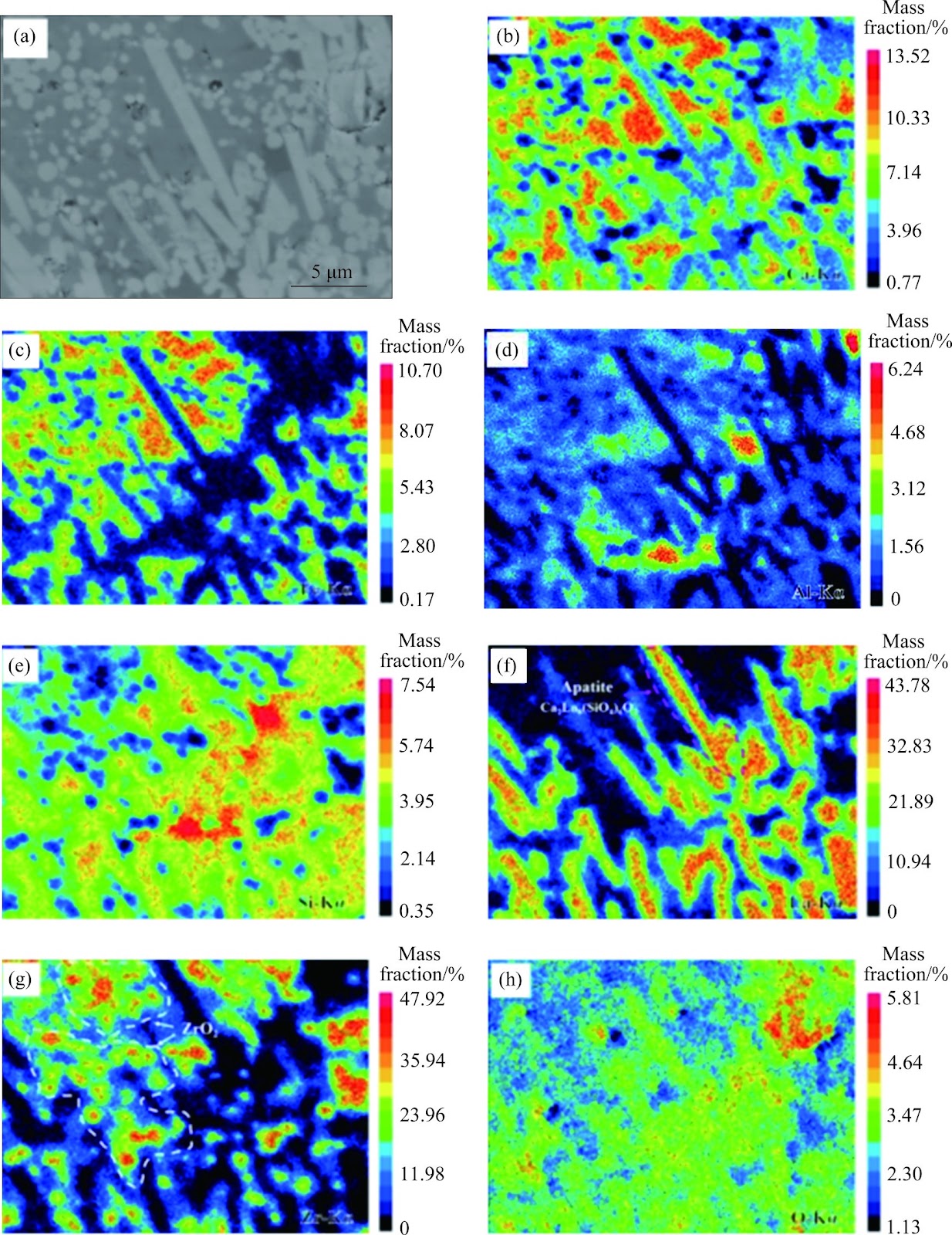
Herein, a sub-micron lanthanum zirconate ceramic (La2Zr2O7, LZO) with a pyrochlore structure was prepared by the sol-gel and high temperature sintering methods. The corrosion behavior and mechanism of calcium-ferrum-alumina-silicate (CFAS) powder (33CaO: 10FeO1.5: 13AlO1.5: 44SiO2) on the sub-micron LZO ceramic at 1673 K was investigated. The results indicate that the average grain size of sub-micron LZO ceramic was 895 nm. The CFAS melt rapidly diffused into the interior of the LZO ceramic wafer and reacted with it to generate high melting point rod-shaped Ca2La8(SiO4)6O2 apatite and m-ZrO2 phases, which can effectively hinder further diffusion of CFAS melt, resulting in a slow increase in corrosion depth with corrosion time. After 30 h of CFAS corrosion at 1673 K, the corrosion depth of the LZO ceramic wafer was only 160.3 μm, demonstrating its excellent high-temperature resistance to CFAS corrosion.

Interaction and mechanism of sub-micron La2Zr2O7 ceramic with calcium-ferrum-alumina-silicate (CFAS) melt at 1673 K
Graphical Abstract
Original ResearchVol. 32, Issue 11 • pp. 4159-4179DOI: 10.1007/s11771-025-6084-2Jan 15, 2025

Microstructure evolution and mechanical properties of 2195 Al-Li alloy with different heat-treatment states via friction stir additive manufacturing

Authors: GAO Yong-hui, JIANG Tao, DAI Guo-qing, LI Jun, GUO Yan-hua, SUN Zhong-gang, LIU Chun-hui, ZHAN Li-hua

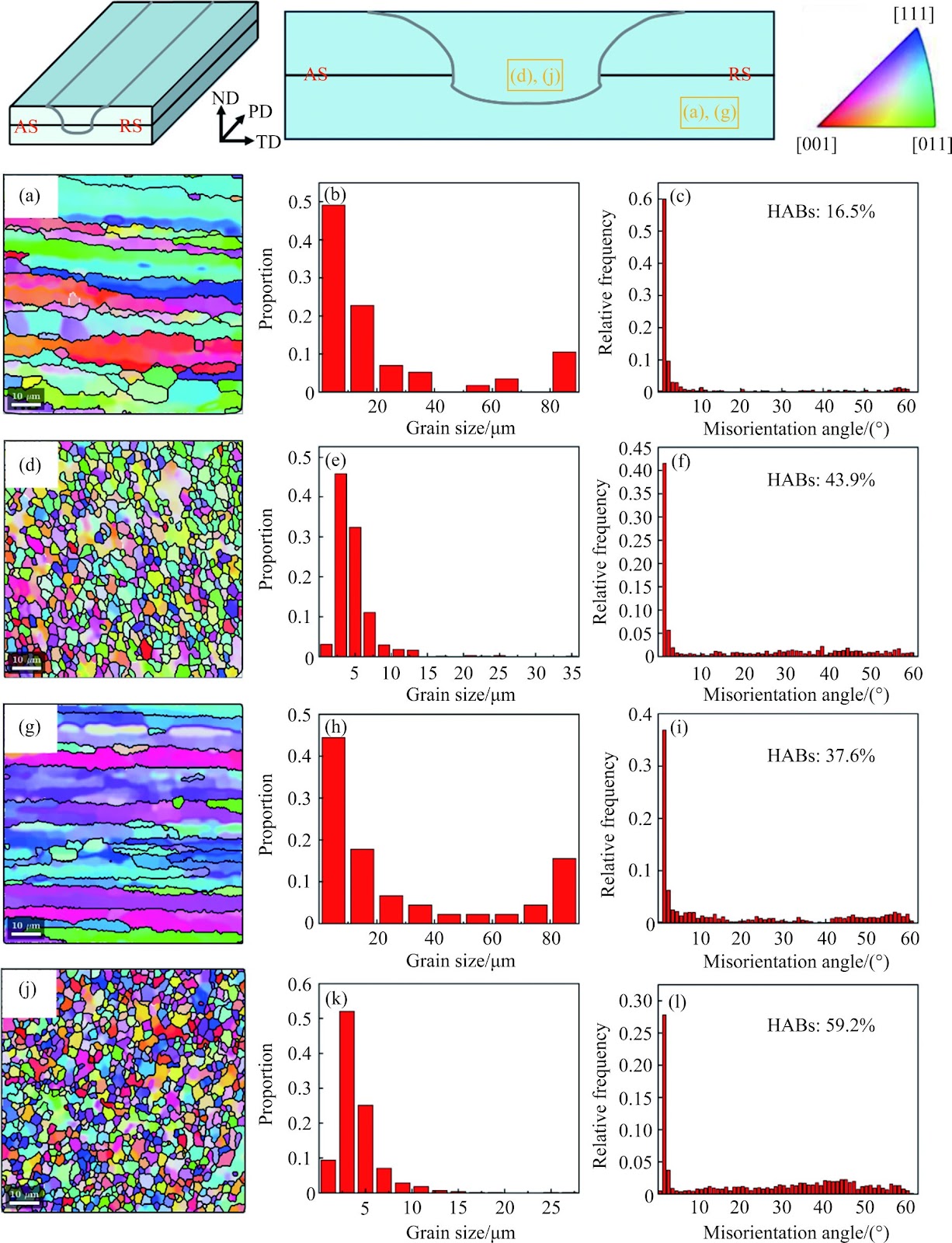
Friction stir additive manufacturing (FSAM) is an innovative additive manufacturing (AM) method. The various heat treatment conditions of aluminum-lithium alloys using this method have not been widely discussed. In this study, the microstructure evolution and mechanical properties of FSAM 2195 aluminum-lithium alloy in different heat treatment conditions (T3 and T8) were investigated. The results demonstrated that the heat treatment state of 2195 Al-Li alloys was minimally influenced by FSAM as the FSAM temperature exceeded the solid solution temperature. After conducting a single-pass FSAM experiment, a notable grain refinement was observed in the nugget zone (NZ) region compared to the base material (BM). The average grain size of the 2195-T3 alloy decreased from 6.1 to 2.9 μm, while the proportion of high-angle grain boundaries increased from 16.5% to 43.9%. Similarly, the average grain size of the 2195-T8 alloy decreased from 8.9 to 2.8 μm, with an increase in high-angle grain boundary from 37.6% to 59.2%. The tensile strength of the 2195-T3 Al-Li alloy reached 466 and 478 MPa in the NZ of single-pass and lap experiments, respectively. In comparison, the tensile strength of the 2195-T8 Al-Li alloy in the NZ could reach 452 and 481 MPa in single-pass and lap experiments, respectively. These results demonstrate the significant improvements in microstructure and mechanical properties were achieved through the FSAM process.

Microstructure evolution and mechanical properties of 2195 Al-Li alloy with different heat-treatment states via friction stir additive manufacturing
Graphical Abstract