SinoTechIntel Academic Portal
🏛️ Indexed Academic Journal

Journal of Central South University

Access authentic peer-reviewed engineering methodologies, experimental datasets, and scientific literature published in this journal on SinoTechIntel.

Total Research Papers: 152
Access: 100% Free Open Access
Browse by Publication Year & VolumeReset All Filters ✕
Select Specific Issue:

Published Research PapersFiltered: Year 2026 • 33 • 1

Showing 9 of 152 peer-reviewed papers with full Graphical Abstracts.

Original ResearchVol. 33, Issue 1 • pp. 66-77DOI: 10.1007/s11771-026-6173-xJan 15, 2026

Laser powder bed fusion of biodegradable Zn-4Cu alloy: Processing, microstructure and properties

Authors: WANG Han-dan, ZHAO Yang, DONG An-ping, HE Lin, SHUAI Ci-jun, GAO Cheng-de

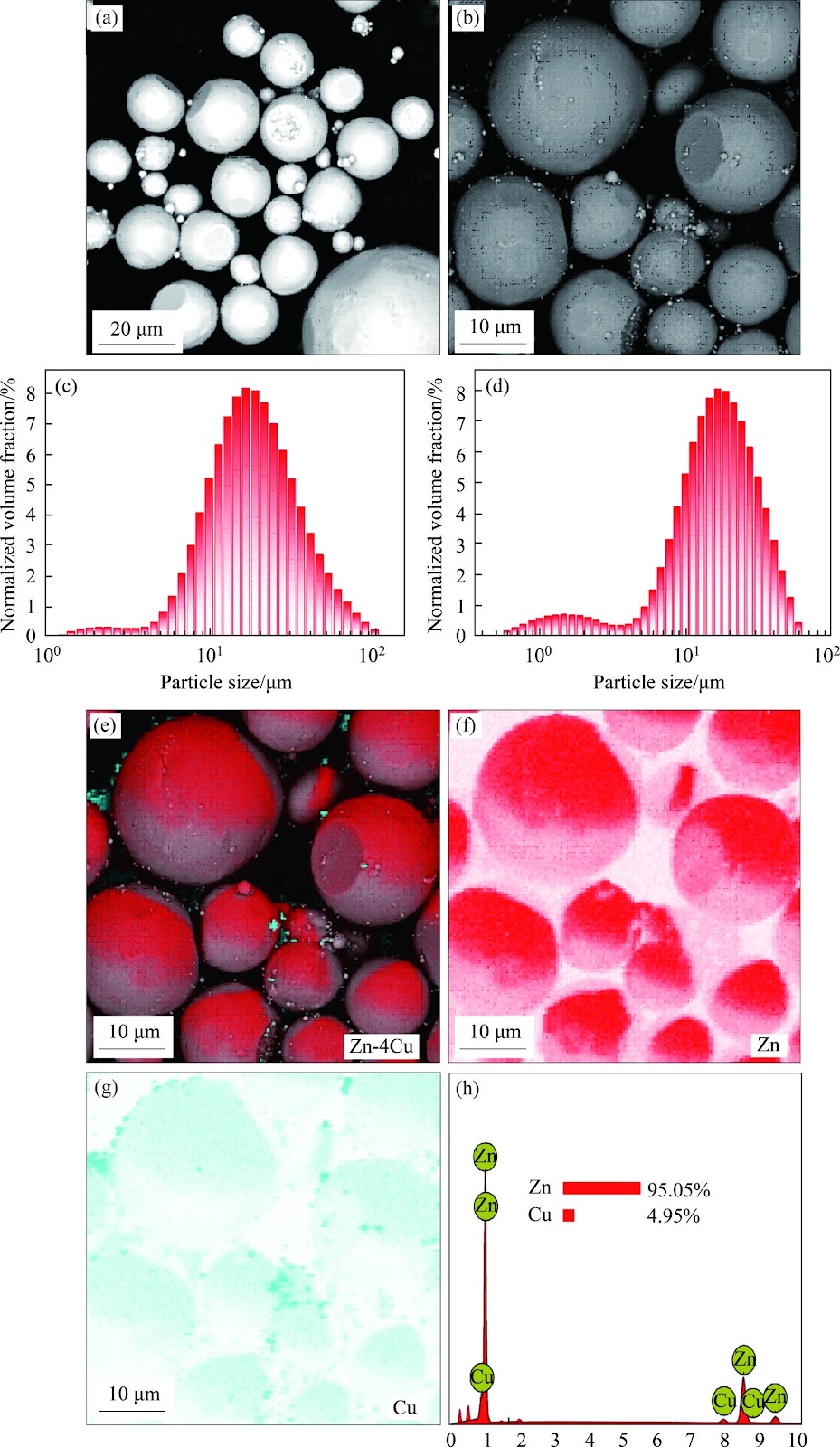
Zn's natural degradability and biocompatibility make it a promising candidate for implants, however, its mechanical properties remain insufficient for bone applications. In this study, the performance of Zn was enhanced by developing Zn-Cu alloys via laser powder bed fusion (LPBF). Optimal LPBF parameters for forming stable tracks were achieved by adjusting laser power and scanning speed. Under optimized conditions of 100 W and 100 mm/s, high-density (99.58%) Zn-Cu alloys with improved hardness (68.2HV) and yield strength (160 MPa) were achieved. These improvements are attributed to solid solution strengthening, segregation strengthening, and grain refinement. The Zn-Cu alloys also demonstrated favorable degradation behavior, with a rate of 0.16 mm/year. This degradation is primarily driven by micro-galvanic corrosion between the CuZn5 phase and Zn matrix, along with refined grains and increased grain boundary density. This work demonstrates a viable strategy for fabricating Zn-based implants with enhanced structural integrity and mechanical performance via LPBF.
Laser powder bed fusion of biodegradable Zn-4Cu alloy: Processing, microstructure and properties
Graphical Abstract
Original ResearchVol. 33, Issue 1 • pp. 50-65DOI: 10.1007/s11771-026-6161-1Jan 15, 2026

Pressure-driven Mn solubility enhancement in Zn alloy: Synergistic strengthening and reduced corrosion rate for biomedical application

Authors: LU Gang, DAI Yi-long, LEI Xiao-li, GUO Lin, ZHANG De-chuang, LIN Jian-guo

Zn-Mn alloys are regarded as promising biodegradable metals for orthopedic applications owing to their moderate degradation rates and favorable osteogenic properties. However, the presence of a substantial number of second-phase particles in Zn-based alloys might induce severe localized degradation via micro-coupling corrosion, thereby compromising the mechanical integrity of the alloy during in vivo tissue regeneration. In this study, high-pressure solid solution (HPSS) treatment was conducted at 5 GPa and 380 ℃ for 1 h to fabricate Zn-0.5Mn alloys. Microstructural characterization revealed that the HPSS treatment facilitated the formation of a supersaturated solid solution by completely dissolving the ζ-MnZn13 phase into the α-Zn matrix. The resultant strengthening mechanisms, including supersaturated solid solution strengthening, grain-size strengthening, and dislocation strengthening, collectively enhanced the compressive yield strength (σcys) of the Zn-0.5Mn alloy to about 183.7 MPa, approximately three times that of the as-cast (AC) Zn-0.5Mn alloy. Moreover, compared with the AC alloy, the HPSS Zn-0.5Mn alloy exhibited uniform degradation behavior with a markedly reduced degradation rate.

Pressure-driven Mn solubility enhancement in Zn alloy: Synergistic strengthening and reduced corrosion rate for biomedical application
Graphical Abstract
Original ResearchVol. 33, Issue 1 • pp. 1-49DOI: 10.1007/s11771-025-6102-4Jan 15, 2026

Chemistry and potential applications of multifunctional polymer nanocomposite coatings: A review

Authors: A.M. FADL

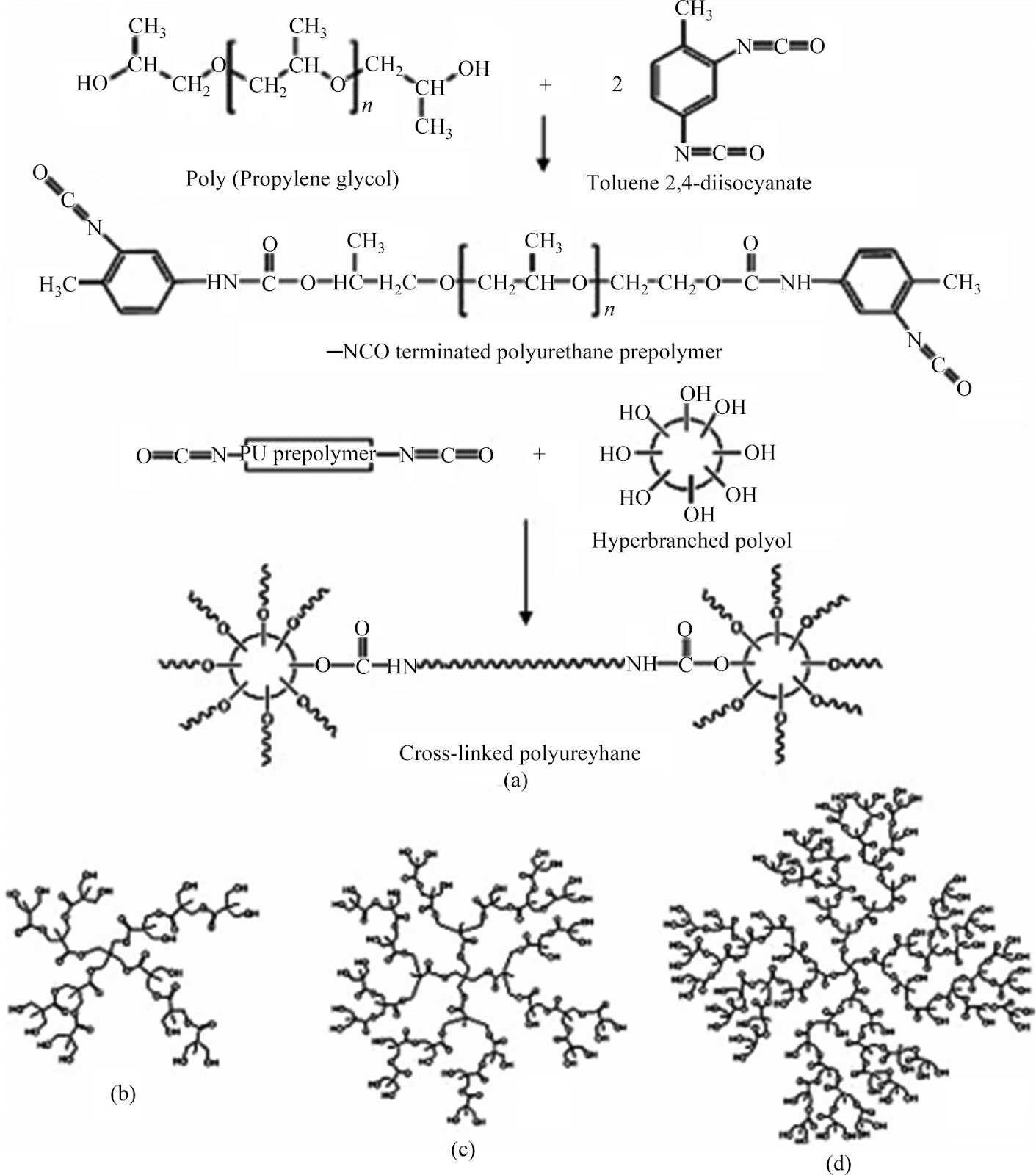
Polymer nanocomposite coatings (PNCCs) are unprecedented generation of coatings engineered for displaying inexpensive and brilliant functional surface coatings with eminent corrosion guard, mechanical resistance, antimicrobial, chemical durability, electrical insulation, and UV aging features. Due to their widely anticipation in petroleum, applications in building, conveyance, aerospace, electronics, automobiles and energy, these multi-functional coatings have a tremendous leverage in human life, all technological and scientific subjects. Numerous applications have been made for multilateral polymers like polyurethane (PU), epoxy (EP), polyaniline (PANI) conductive polymer, polypyrrole (PPy), and etc, on various metallic surfaces especially, carbon steel substrate owing to their excellent resistance properties. Practically, nanomaterials can possess potential in the all-interdisciplinary domains of materials science and engineering, chemical and physical sciences, biological and health sciences. As known, the designed polymer nanocomposite coating paradigm is fundamentally constituted from polymer or resin as a vehicle and inorganic nanofillers (nanoparticles and nanocomposites). Some commercialized and excessively employed nanocontainers in polymer nanocomposite coating formulations, like ZnO, TiO2, carbon nanotubes (CNTs), clay, SiO2, Al2O3, graphene, GO, CeO2, ZrO2, FeTiO3, etc were discussed. The current review covered the chemistry and potential applications of the largest utilized multifunctional polymer nanocomposite coatings such as EP, PU and other considerable PNCCs. Lately, a titanic attention was made for epoxy nanocomposites because of their distinct physicochemical characteristics, which result from the combined qualities of the nanoparticles and polymer material unity. In addition, the author incorporated some of his scientific contributions in this area represented in construction of innovative functional polymer nanocomposites for a variety of uses with high economic, industrial impacts and future orientation. Furthermore, some newly published applications of polymer nanocomposite coatings were incorporated and discussed.

Chemistry and potential applications of multifunctional polymer nanocomposite coatings: A review
Graphical Abstract
Original ResearchVol. 33, Issue 1 • pp. 131-143DOI: 10.1007/s11771-026-6166-9Jan 15, 2026

Microstructure and the corrosion resistance of SiC reinforced pyrolytic graphite coating under physical vapor transport SiC environment

Authors: TAO Xian-cheng, SUN Wei, SUN Ye-hua, DENG Nan-jun, WANG Zi-wei, XIONG Xiang

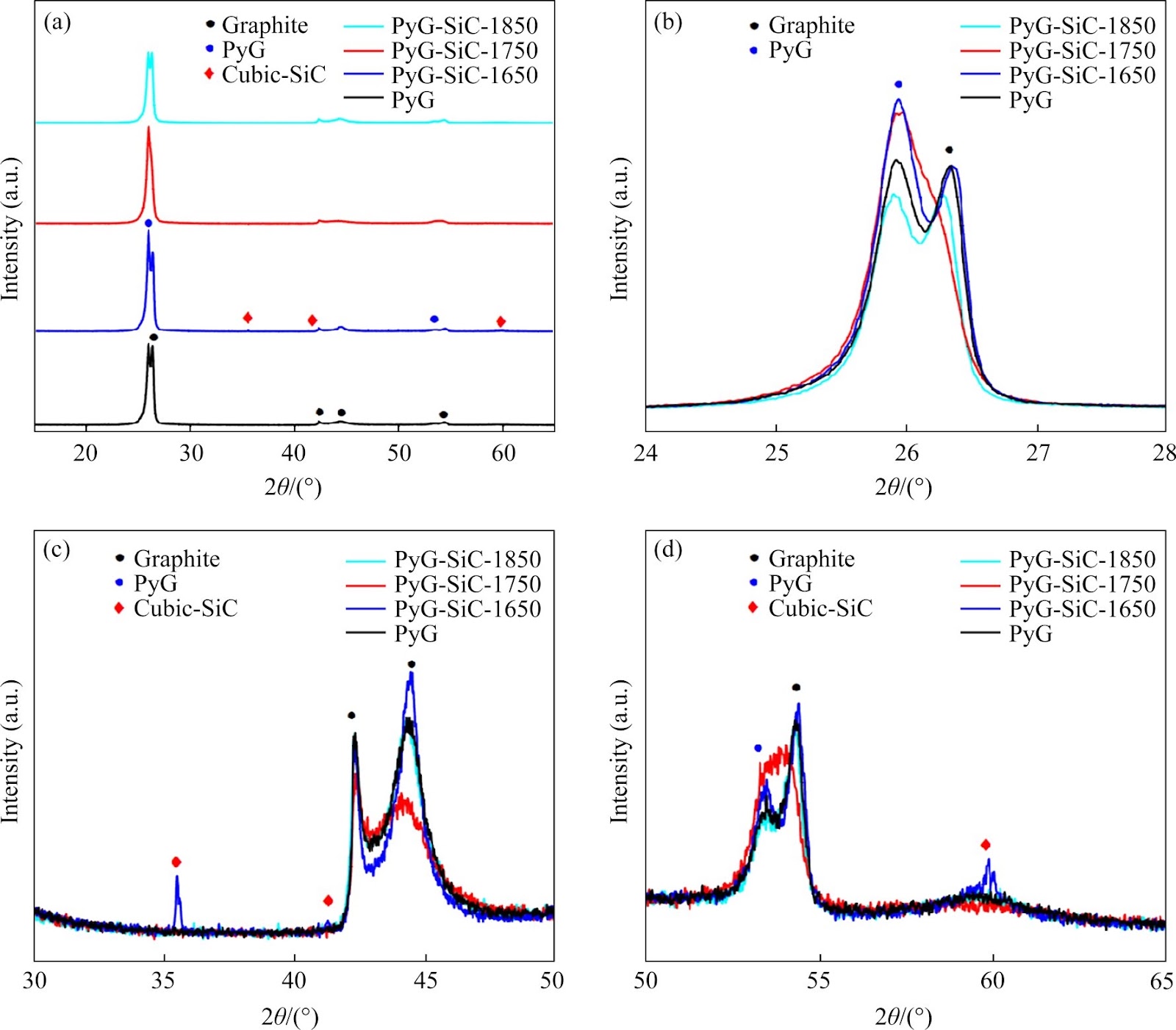
In order to effectively prevent the contamination of carbon particle volatiles during high-purity SiC crystals are prepared using the physical vapor transport (PVT) method in ultra-high temperature environments (T≥2000 ℃), this study innovatively attempts to protect graphite materials with SiC reinforced pyrolytic graphite (PyG) coating. It is discovered by preparing the SiC particle layer, the degree of graphitization and stability of PyG coating can be improved. The corrosion test results demonstrated that the SiC reinforced PyG coating can maintain an intact coating with a high graphitization degree after the SiC vapour corrosion test of 2050 ℃-120 h. Conversely, the samples with and without PyG coating reveal porous and eroded surfaces. Furthermore, following the SiC vapour corrosion test, the PyG coating sample’s integral ratio of D-band and G-band (ID/IG) of Raman spectrum test data, reduced by 6.5%, while the SiC reinforced PyG coating decreased by 17.2%, indicating its excellent corrosion resistance. The application of SiC reinforced pyrolytic graphite coating in preparing the SiC single crystal might received a theoretical foundation according to this work.

Microstructure and the corrosion resistance of SiC reinforced pyrolytic graphite coating under physical vapor transport SiC environment
Graphical Abstract
Original ResearchVol. 33, Issue 1 • pp. 175-188DOI: 10.1007/s11771-026-6182-9Jan 15, 2026

An innovative design driven by contact performances for skiving of spur face gear drive with single cutter

Authors: TANG Zhong-wei, ZHOU Yuan-sheng, MO Shuai, TANG Jin-yuan, MA Chi, ZHANG Wu-ji, HE Hai-yu

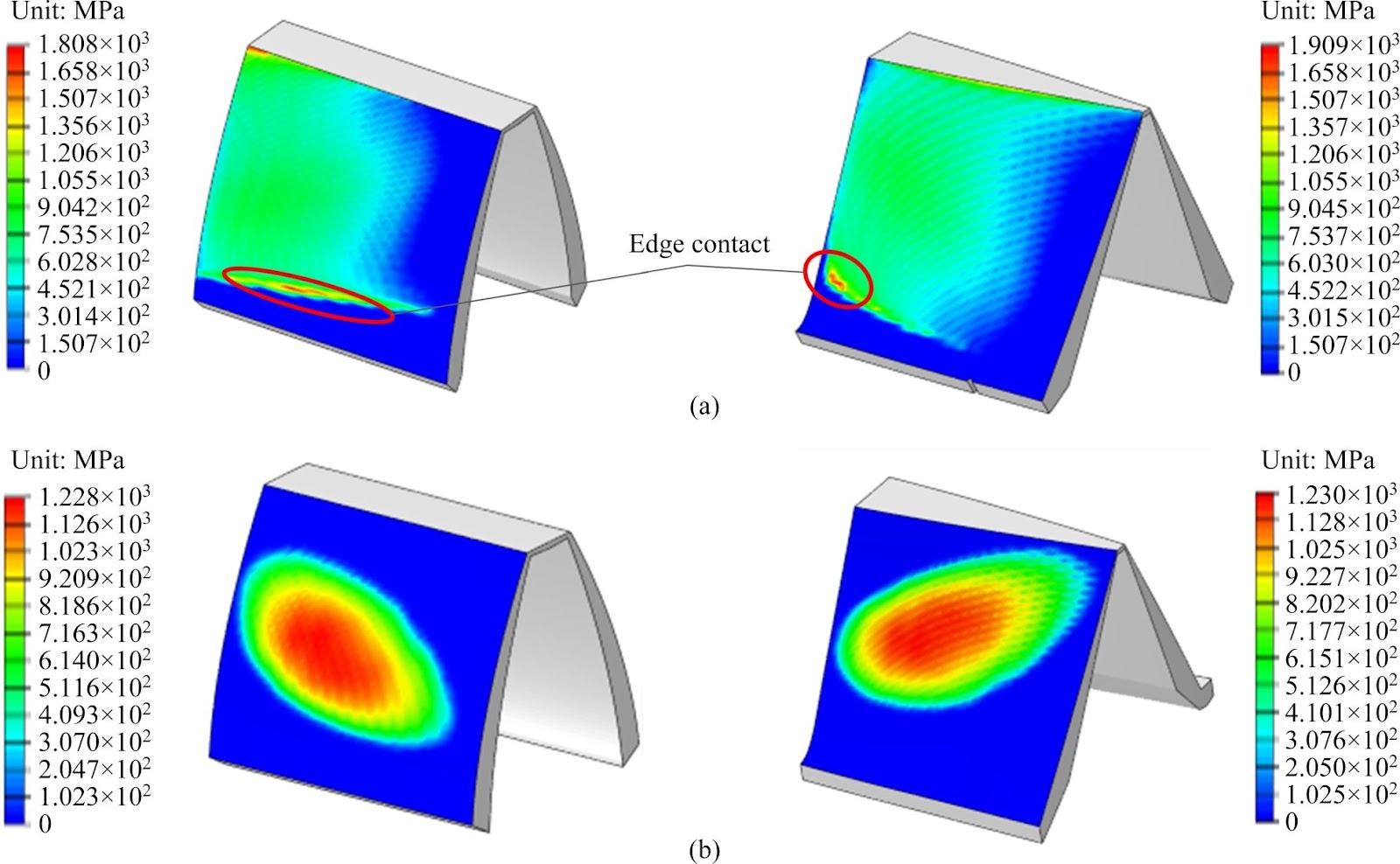
This study develops a contact performance-driven method for skiving face gear drives using a single cutter, eliminating the traditional need for separate cutters to reduce production costs and time. First, the mathematical models of the tooth flanks for the face gear drives are established based on the gear skiving processes. Then, load tooth contact analysis (LTCA) model is established to calculate the contact performance data. Next, a two-stage optimization model is employed to determine the optimal parameters of the cutting edge with improved contact performances. The effectiveness of this method is validated through simulations and rolling tests. Compared with the traditional method, the proposed method can machine both the face gear and its mating pinion with a single cutter. Simulation results show that the proposed method avoids tooth surface edge contact, with the maximum tooth surface contact stress reduced by 31.7%, the contact ratio decreases by 21.5%, and the transmission error increases by 22.3%. Rolling tests verify the consistency of tooth surface contact patterns between simulations and experiments. The proposed method provides a reference for the cutting edge design of skiving cutters for face gear pairs.

An innovative design driven by contact performances for skiving of spur face gear drive with single cutter
Graphical Abstract
Original ResearchVol. 33, Issue 1 • pp. 144-159DOI: 10.1007/s11771-025-6116-yJan 15, 2026

In-situ phosphatization of waterborne acrylic latex coatings for long-term corrosion protection of metal without flash rust

Authors: YUAN Rui, TANG Zhi-xing, XIAO Min-di, CAI Min-zhao, ZHAO Zi-long, GU Lin

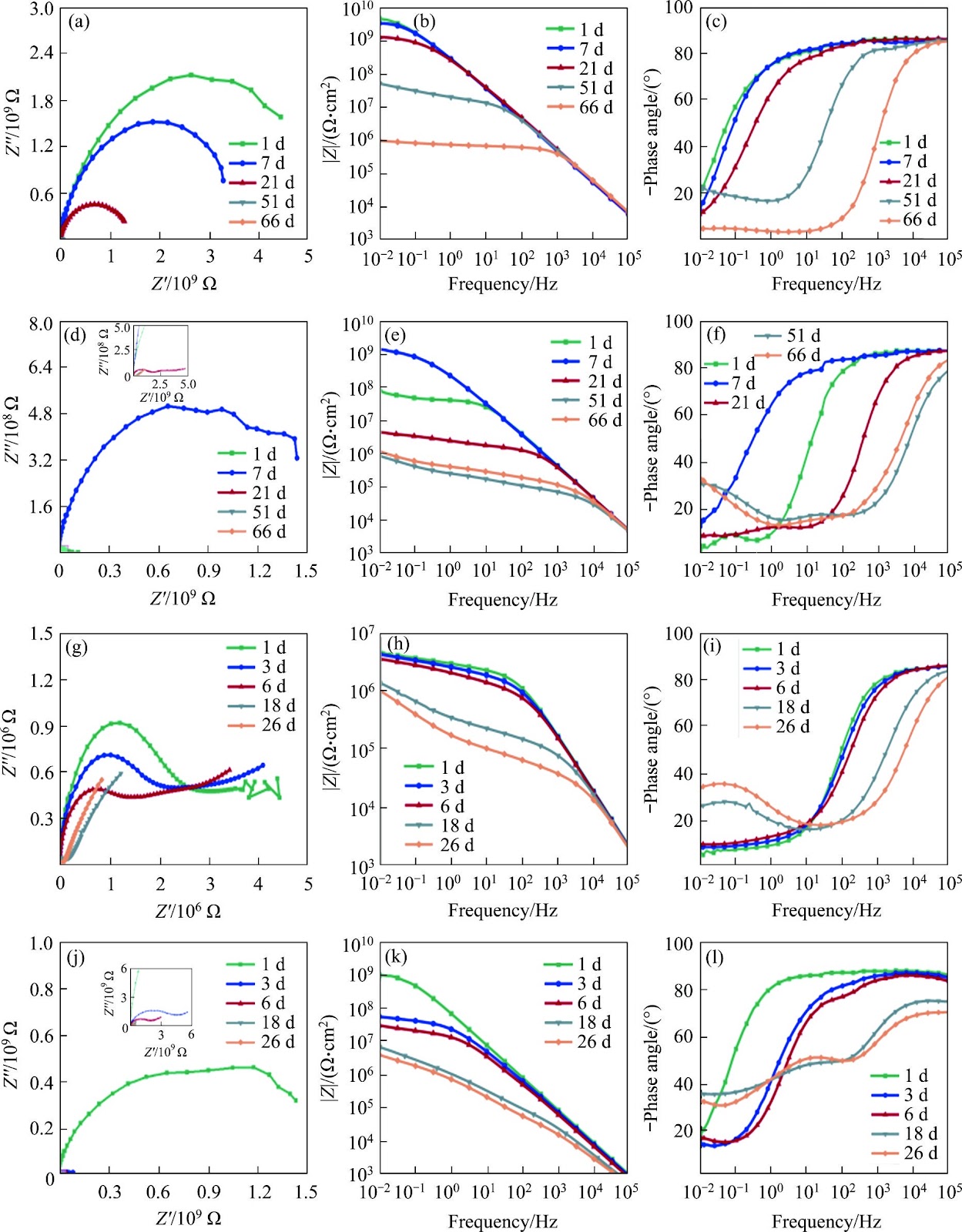
Waterborne acrylic coatings are widely utilized due to their cost-effectiveness, high transparency, strong resistance to weather and chemicals, impressive mechanical properties, and excellent adhesion to various substrates. In these coatings, a reactive emulsifier containing phosphate groups can be integrated into the molecular chain during polymerization, which enhances the coating's compactness and corrosion resistance. This work focuses on the synthesis of styrene-butyl acrylate (St-BA) latex and methyl methacrylate-butyl acrylate (MMA-BA) latex using the reactive phosphate emulsifier ANPEO10-P1 through seed emulsion polymerization, achieving a conversion rate of approximately 99% and a solid content close to 50%. The resulting coatings from St-BA and MMA-BA latexes demonstrated long-term corrosion protection for carbon steel and aluminum alloy due to in-situ phosphatization, effectively preventing flash rust. Notably, the MMA-BA coating exhibited remarkable durability, enduring immersion for up to 1224 h (51 d) on Q235 carbon steel before reaching the failure threshold (|Z|0.01Hz£106 Ω·cm2) on Q235 carbon steel. On 5052 aluminum alloy, the St-BA coating maintained |Z|0.01Hz>108 Ω·cm2 for 480 h (20 d). Furthermore, the corrosion resistance of St-BA and MMA-BA coatings on Q235 steel sheet and 5052 aluminum alloy surpassed that of commercially available MMA-BA and St-BA coatings after immersion in a 3.5 wt% NaCl aqueous solution. This work also delves into the anticorrosion mechanism of MMA-BA and St-BA coatings.

In-situ phosphatization of waterborne acrylic latex coatings for long-term corrosion protection of metal without flash rust
Graphical Abstract
Original ResearchVol. 33, Issue 1 • pp. 160-174DOI: 10.1007/s11771-025-6125-xJan 15, 2026

Three-dimensional characterization of intermetallic compound formation in magnesium alloys with micro X-ray computed tomography

Authors: SUN Wei, HU Xiao-juan, DENG Yang-chao, YANG Yang, YAO Hu, ZHANG Yong-hong, ZHANG Rui-feng, ZENG Guang

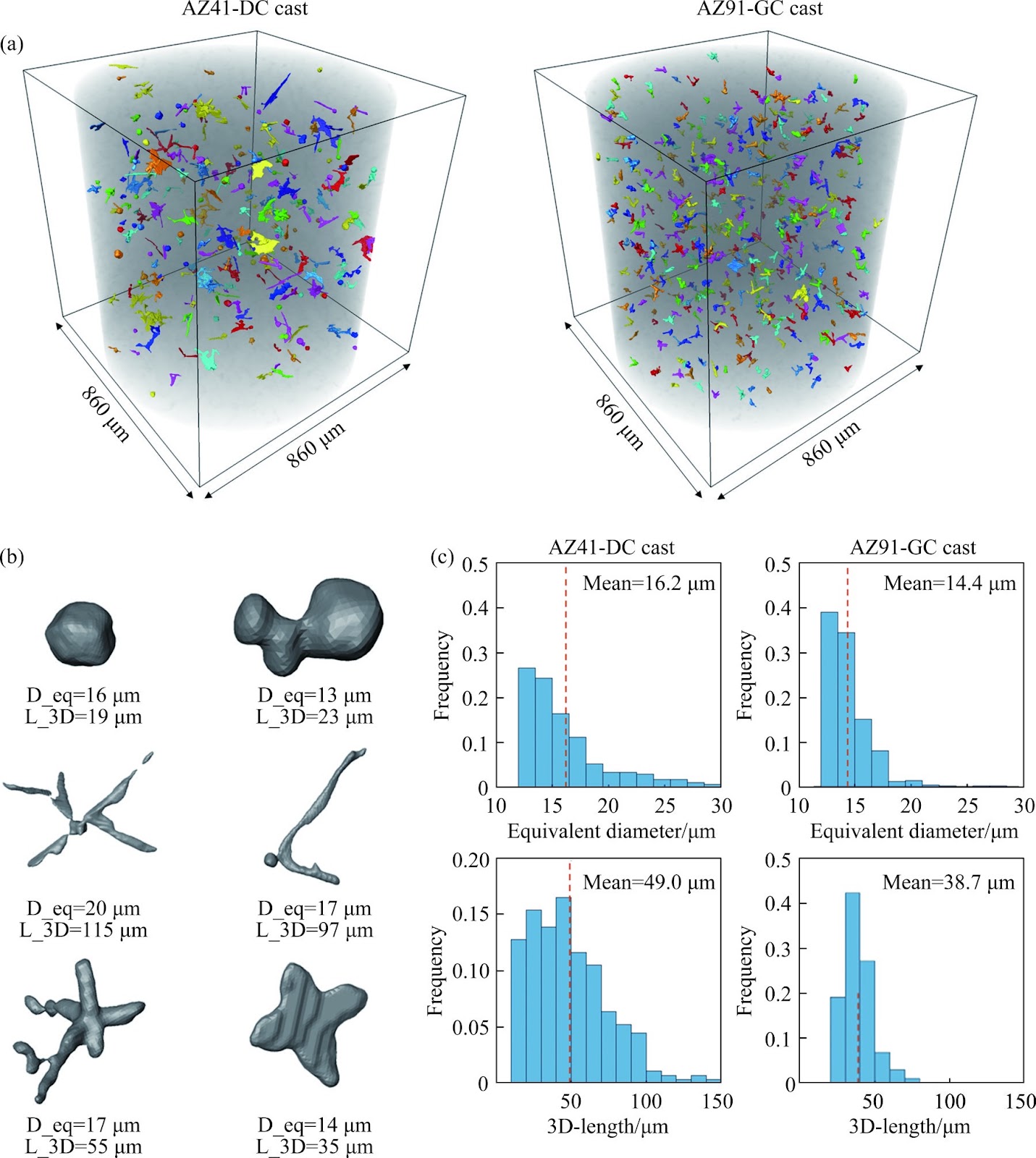
This comprehensive study investigates the formation and evolution of intermetallic compounds during the solidification process of magnesium alloys using advanced micro X-ray computed tomography. By analyzing both common industrial Mg-Al-Zn alloys and a novel rare earth-containing Mg-Ni-Gd-Y alloy, we aim to characterize the nucleation, growth, and distribution of Al-Mn and eutectic intermetallics across various stages of solidification. The non-destructive imaging technique employed in this research provides high-resolution, three-dimensional insights into the microstructural development, allowing for a detailed examination of the morphology, spatial arrangement, and interconnectivity of intermetallic phases. This approach overcomes limitations of traditional two-dimensional metallographic methods, offering a more comprehensive understanding of the complex three-dimensional structures formed during solidification.

Three-dimensional characterization of intermetallic compound formation in magnesium alloys with micro X-ray computed tomography
Graphical Abstract
Original ResearchVol. 33, Issue 1 • pp. 78-89DOI: 10.1007/s11771-026-6176-7Jan 15, 2026

A low-cost TiNb alloy with high strength for orthopedic implants with low modulus tuned by oxygen concentration

Authors: LOU Jia, TANG Xin-dong, DU Chang-hai, LI Dong-yang, LI Yi-min

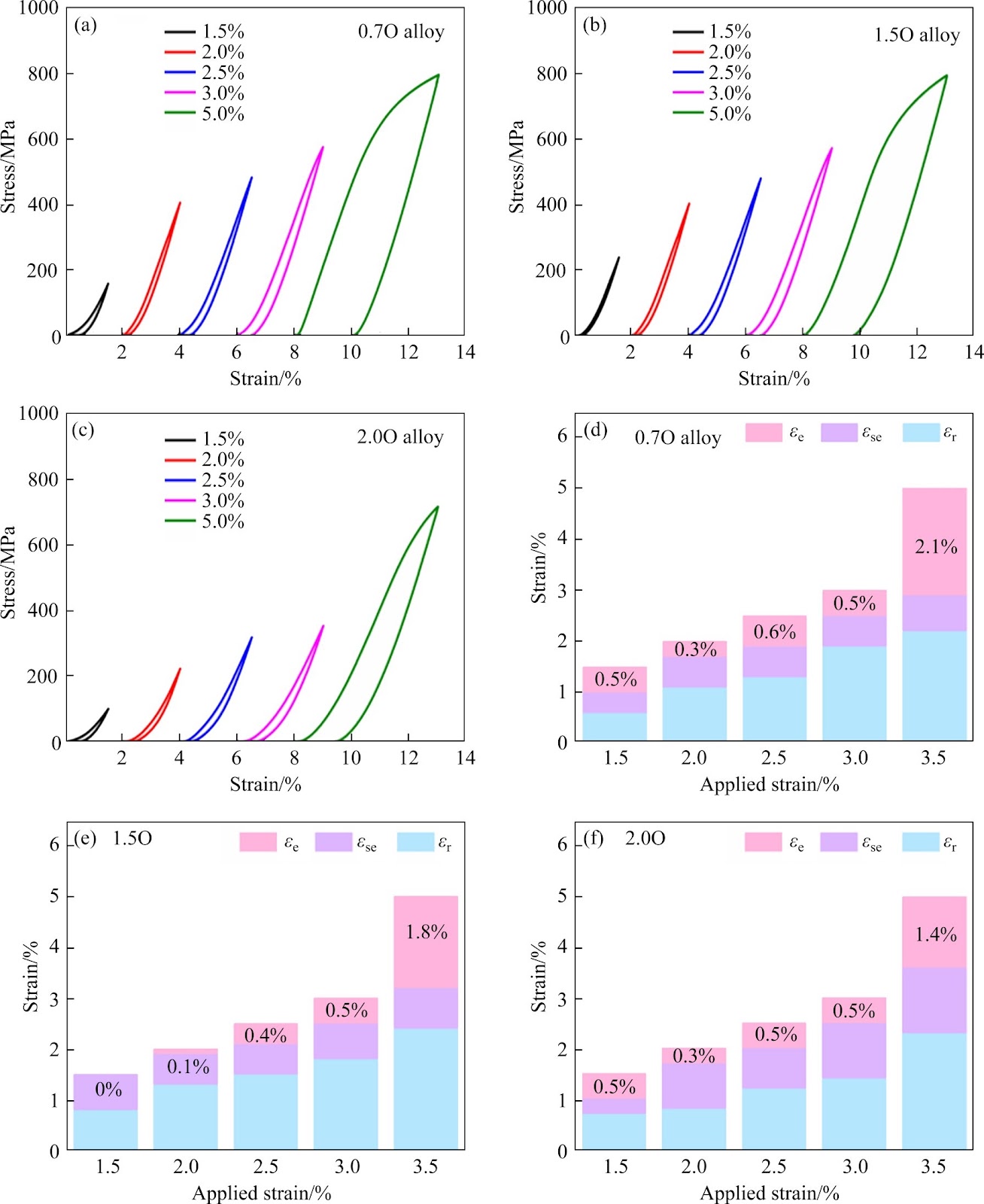
Hard tissue repair materials that balance high strength with low modulus are highly promising, representing a transformative focus in applied biomaterials research. In this study, Ti-Nb alloys with high performance are prepared by a low-cost process for orthopedic applications. Phase composition, modulus, compressive strength and recovery properties are effectively manipulated by tailoring trace amounts of interstitial oxygen. With increasing oxygen concentration in sintered Ti-Nb alloys, the β (body centered cubic) phase was stabilized due to the lattice distortion. The elastic modulus declined from 91 to 24 GPa. The compressive strength slightly decreased from 1595 to 1404 MPa and yield strength increased from 760 to 904 MPa. Additionally, the recovery properties were enhanced by the interstitial oxygen as a shape memory alloy. The utilization of trace oxygen serves to modulate the thermoelastic martensitic transformation in Ti-Nb alloys, thereby obtaining appropriate mechanical properties. A notable reduction in modulus is achieved while maintaining high strength, which facilitates the development of orthopedic implants capable of withstanding more complex forces.

A low-cost TiNb alloy with high strength for orthopedic implants with low modulus tuned by oxygen concentration
Graphical Abstract
Original ResearchVol. 33, Issue 1 • pp. 110-130DOI: 10.1007/s11771-026-6160-2Jan 15, 2026

Influence mechanism of cooling strategy on the improvement of corrosion performance of fine-grained Al7075 friction stir welding joint

Authors: Yang Bo-hai, Luo Lei, Wang Wen, Cui Chun-juan, Yang Xi-rong, Gan Chen, Yan Wen-wen, Han Ying

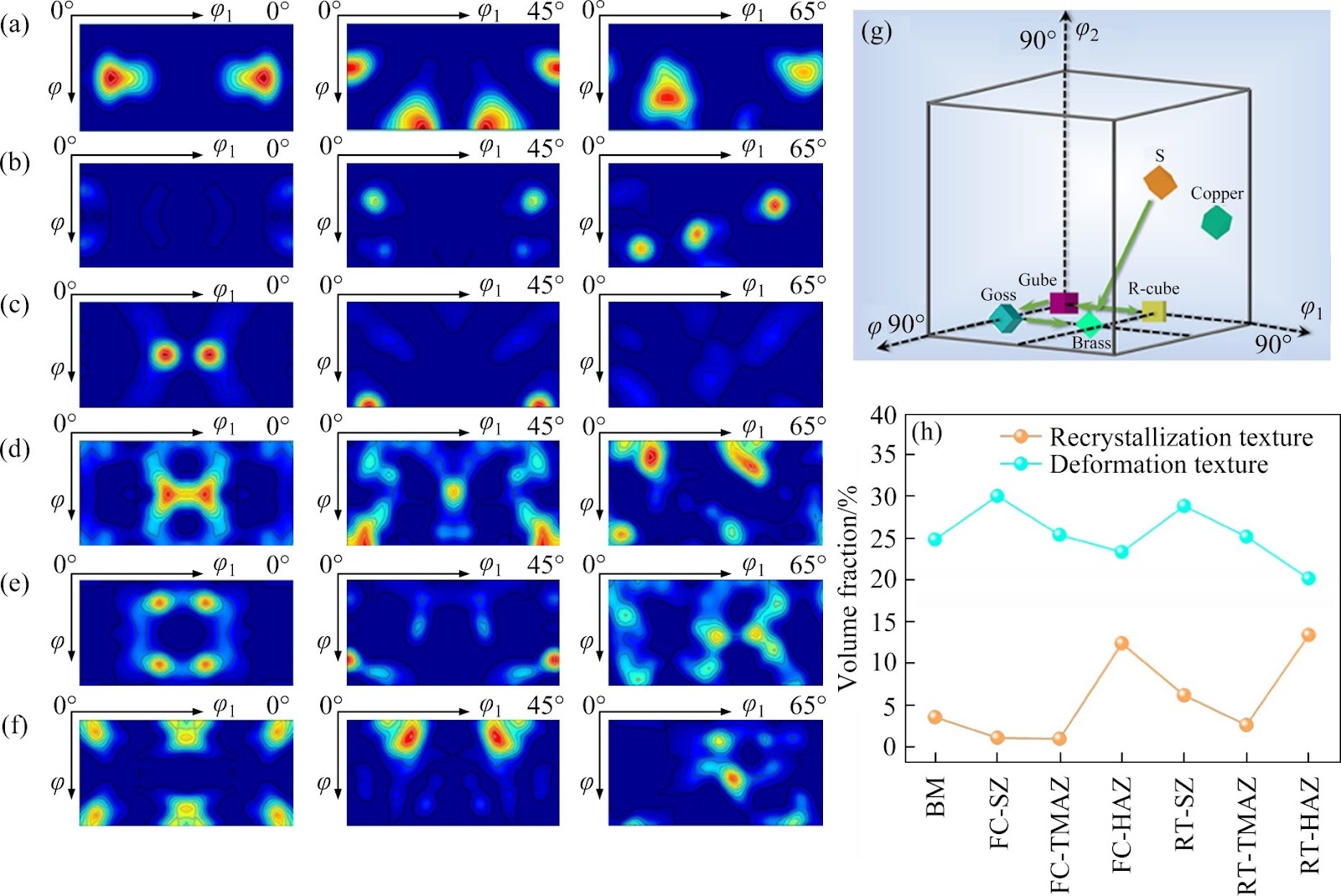
This work examines the microstructure and corrosion properties of fine-grained Al7075 across different regions under varying cooling conditions during friction stir welding. The findings demonstrate that forced cooling significantly improves the corrosion resistance of the welded joints. Specifically, the corrosion resistance was the highest in the stir zone, followed by the thermo-mechanical affected zone, and then the heat affected zone. Forced cooling mitigates grain growth by controlling the welding thermal effects, thereby increasing the proportion of Σ3 grain boundaries. The modification of these microstructural characteristics promotes the formation of a dense oxide layer, thereby enhancing the corrosion resistance. Furthermore, forced cooling mitigates the precipitation and coarsening of the anodic phase in the stir zone, which in turn reduces the susceptibility of the joint to pitting corrosion. Additionally, the lower recrystallization texture content in the joint, resulting from forced cooling, contributes to a reduction in the number of corrosion-active sites, thereby further improving the corrosion performance of the welded joint.

Influence mechanism of cooling strategy on the improvement of corrosion performance of fine-grained Al7075 friction stir welding joint
Graphical Abstract