SinoTechIntel Academic Portal
🏛️ Indexed Academic JournalImpact Factor: 3.5 (Q2 - USTB)Original: 矿物冶金与材料学报 (英文版)

INTERNATIONAL JOURNAL OF Minerals, Metallurgy and Materials

4.8 (Q1 - Springer)

Total Research Papers: 111
Access: 100% Free Open Access
Browse by Publication Year & VolumeReset All Filters ✕

Published Research PapersFiltered: Year 2025 • Vol. 32 • Issue 12

Showing 9 of 111 peer-reviewed papers with full Graphical Abstracts.

Original ResearchVol. 32, Issue 12 • pp. 147-159DOI: 10.1007/s12613-025-3207-6Dec 24, 2025

Probing the interfacial role of hydrolysed polymaleic anhydride for efficient target adsorption in scheelite–calcite flotation system: Experimental application and atomic-scale mechanisms

Authors: Qing Shi, Binbin Li, Guofan Zang

Tungsten, a strategic non-ferrous metal critical for advanced industrial applications, predominantly exists as underutilized scheelite resources characterized by fine-grained intergrowths with calcite that are challenging to separate. This study deciphers the atomic-scale mechanism underlying the selective flotation separation of scheelite from calcite mediated by hydrolyzed polymaleic anhydride (HPMA), a novel environmentally benign reagent, through integrated experimental characterization and
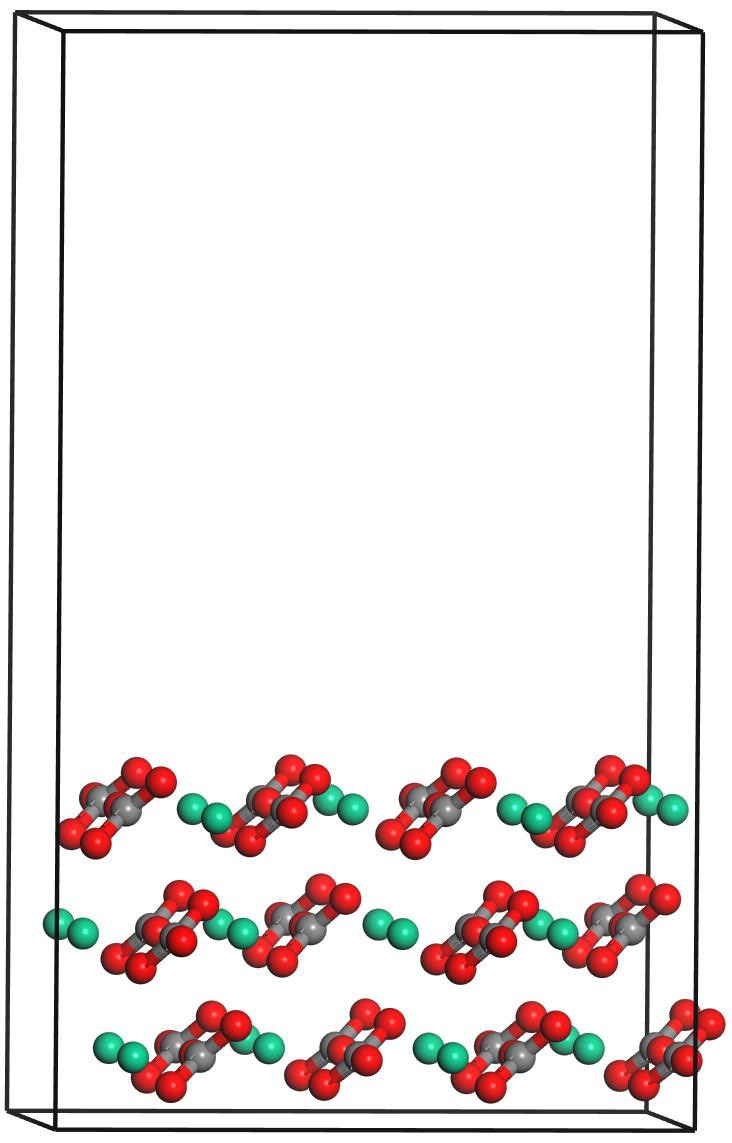
Probing the interfacial role of hydrolysed polymaleic anhydride for efficient target adsorption in scheelite–calcite flotation system: Experimental application and atomic-scale mechanisms
Graphical Abstract
Original ResearchVol. 32, Issue 12 • pp. 163-175DOI: 10.1007/s12613-025-3316-2Dec 18, 2025

Coupled effect of SiO2 content and hydrogen-enriched atmospheres on the reduction behavior and microstructural evolution of fired hematite pellets

Authors: Bohua Li, Deqing Zhu, Zhengqi Guo, Jian Pan, Congcong Yang, Siwei Li

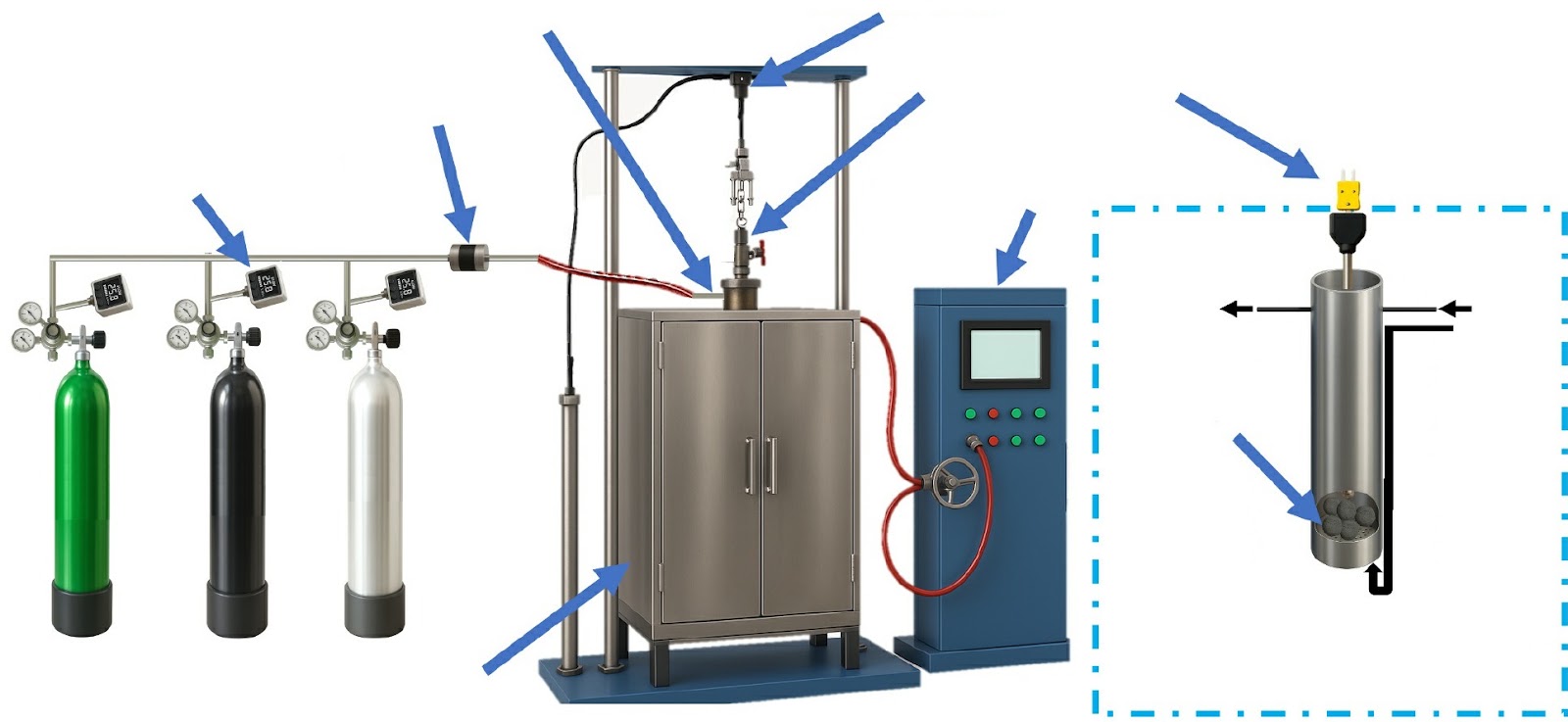
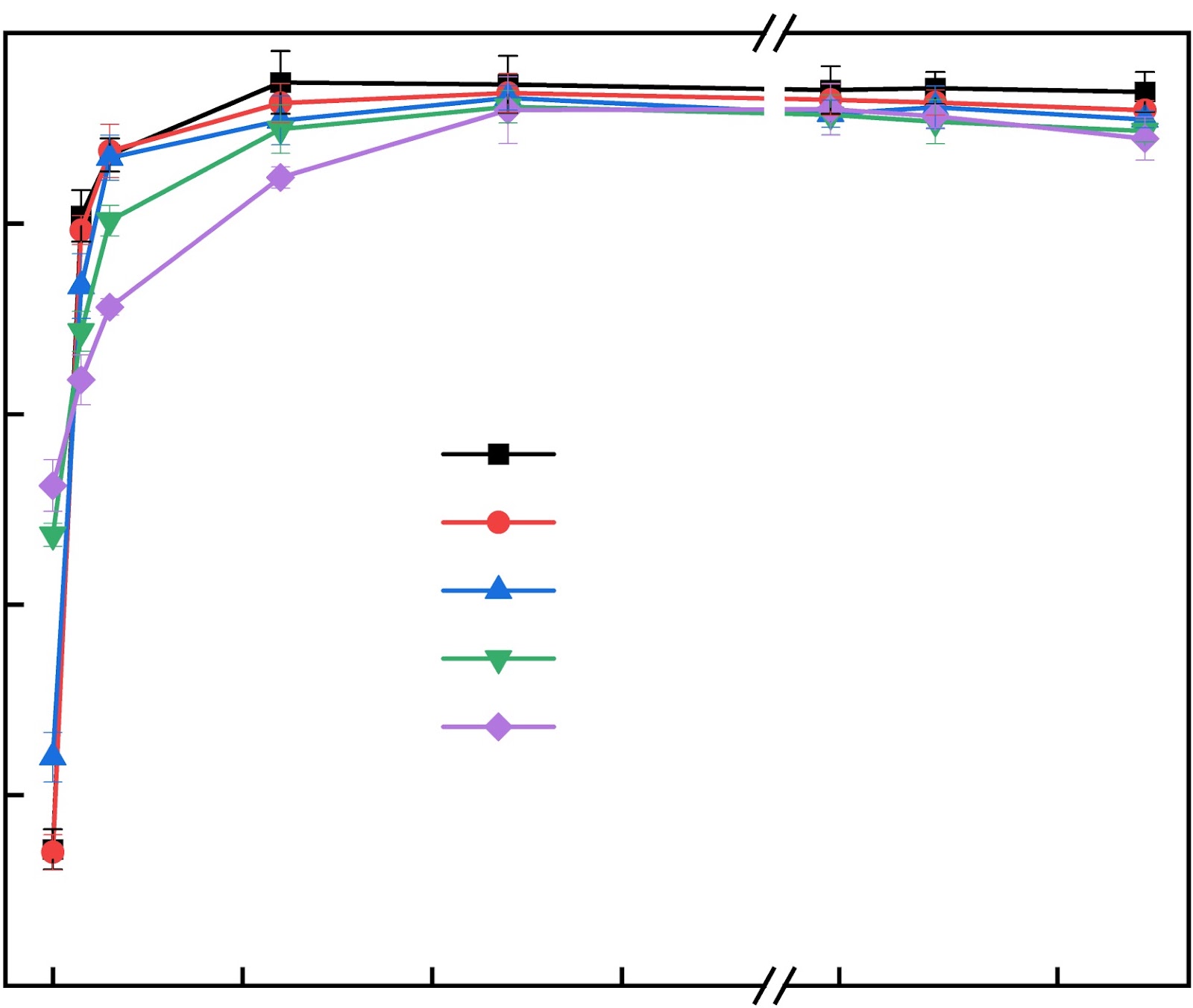
As demand grows for low-carbon ironmaking, it is essential to understand how hydrogen reduces iron ore pellets under varying gangue compositions and gas atmospheres. In this work, fired hematite pellets with a basicity (mass ratio of CaO to SiO2) of 0.3 and SiO2 contents ranging from 1wt% to 4wt% were systematically investigated under three typical shaft furnace atmospheres (Midrex, HYL, and coke oven gas (COG)) as well as under 100% H2, to clarify the reduction kinetics, reaction mechanism, and

Coupled effect of SiO2 content and hydrogen-enriched atmospheres on the reduction behavior and microstructural evolution of fired hematite pellets
Graphical Abstract
Original ResearchVol. 32, Issue 12 • pp. 571-583DOI: 10.1007/s12613-025-3254-zDec 15, 2025

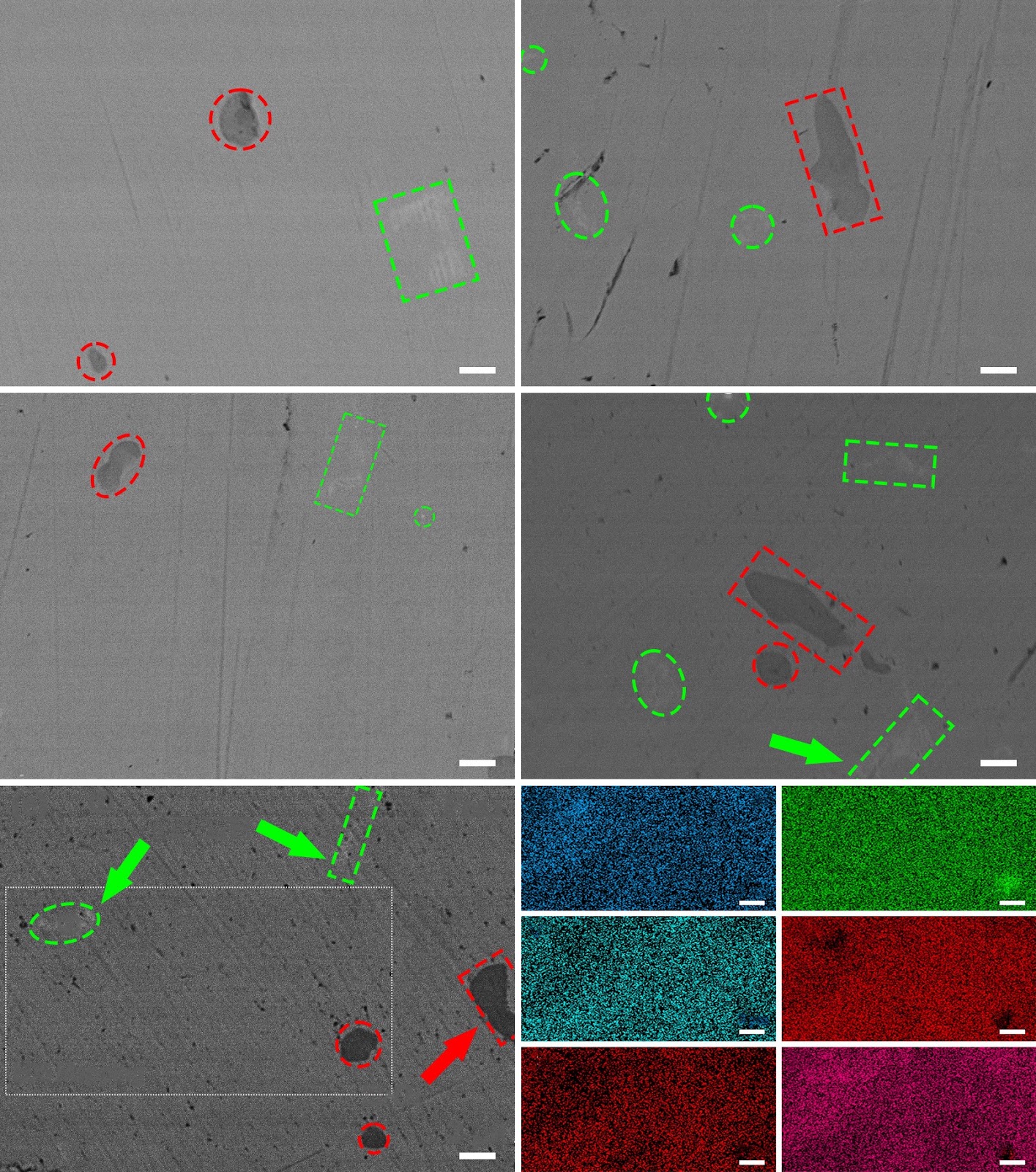
Suppressing negative natural aging effect in automotive AlMgSiCu alloys via Sn microalloying

Authors: Xuemei Xiang, Yuxiang Lai, Guisen Chen, Cuilan Wu, Jianghua Chen

Although Sn has been established as an effective microalloying element for suppressing the negative natural aging (NA) effect in Al–Mg–Si alloys, its potential to mitigate the negative NA effect in Al–Mg–Si–Cu alloys remains to be confirmed. This study systematically investigated the role of Sn in the NA of Al–Mg–Si–Cu alloys through hardness measurements, differential scanning calorimetry, and atomic-resolution high-angle annular dark-field scanning transmission electron microscopy. Our results

Suppressing negative natural aging effect in automotive AlMgSiCu alloys via Sn microalloying
Graphical Abstract
Original ResearchVol. 32, Issue 12 • pp. 743-755DOI: 10.1007/s12613-025-3203-xDec 13, 2025

Microstructure, mechanical properties and deformation of electrically assisted friction stir welded twinning-induced plasticity steel joint

Authors: Kaiwei Wang, Ke Qiao, Kuaishe Wang, Wen Wang, Hongduo Wang, Jiangyun Zhang, Yi Liu, Xu Guo, Kai Zhou, Fengming Qiang

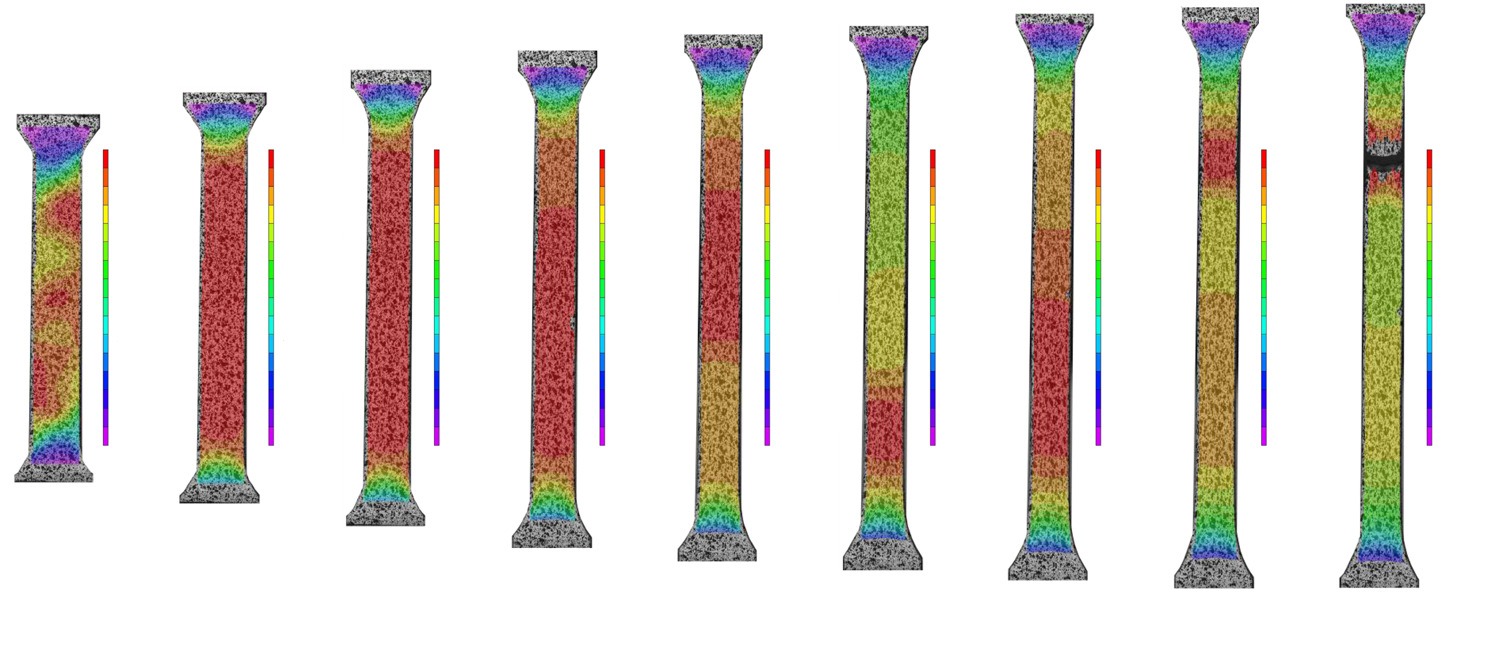
Twinning-induced plasticity (TWIP) steel was processed using electrically assisted friction stir welding (EFSW). The microstructure, mechanical properties, and deformation behavior of the welded joints were systematically investigated. The results show that the average grain size was refined from 3.67 μm in the base material (BM) to 1.39 μm in the stir zone (SZ), while it increased to 4.19 μm in the heat-affected zone (HAZ). The fraction of twin boundaries (TBs) decreased from 20.7% in the BM to

Microstructure, mechanical properties and deformation of electrically assisted friction stir welded twinning-induced plasticity steel joint
Graphical Abstract
Original ResearchVol. 32, Issue 12 • pp. 351-363DOI: 10.1007/s12613-025-3332-2Dec 10, 2025

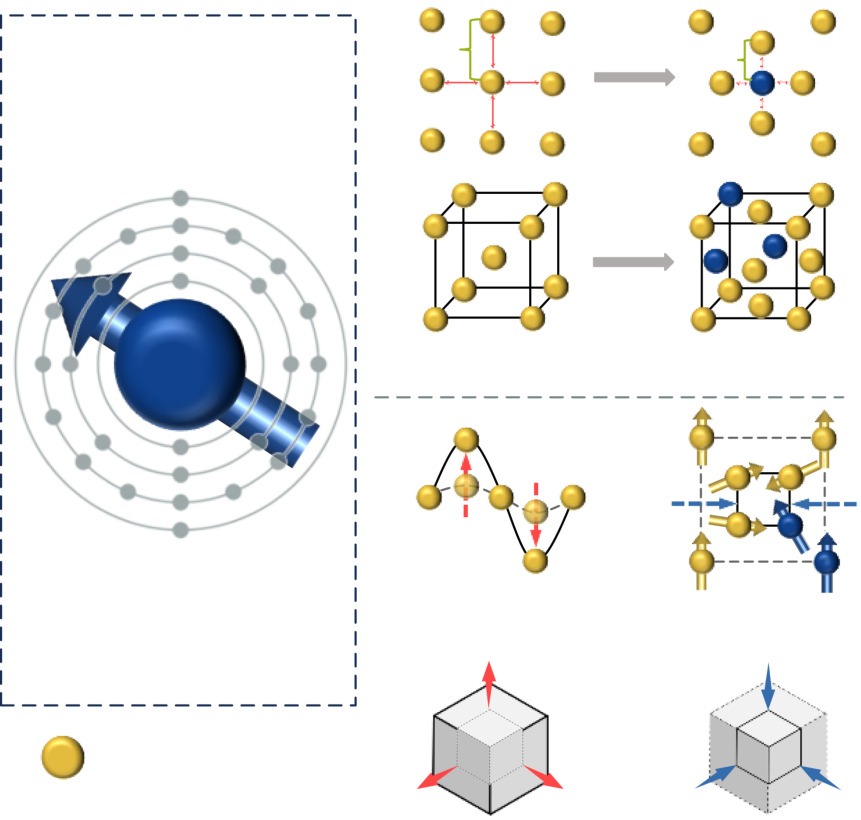
Strength, ductility and zero thermal expansion in multicomponent TRIP-Invar alloys

Authors: Wanda Yang, Haowei Zhou, Jing Chen, Chengyi Yu, Yili Cao, Ke An, Yan Chen, Dunji Yu, Kun Lin, Xianran Xing

Multi-principal-element alloys (MPEAs) have emerged as a transformative class of metallic materials, surpassing conventional alloys due to their “four core effects”. The inherent compositional complexity and programmable multifunctionality of MPEAs collectively drive their emergence as a vanguard in materials innovation. By synergistically modulating metastable engineering and magneto-volume effects, we developed a MPEA (Fe,Co,Cr)100−xNix with an ultralow coefficient of thermal expansion (αl = 1

Strength, ductility and zero thermal expansion in multicomponent TRIP-Invar alloys
Graphical Abstract
Original ResearchVol. 32, Issue 12 • pp. 759-771DOI: 10.1007/s12613-025-3302-8Dec 7, 2025

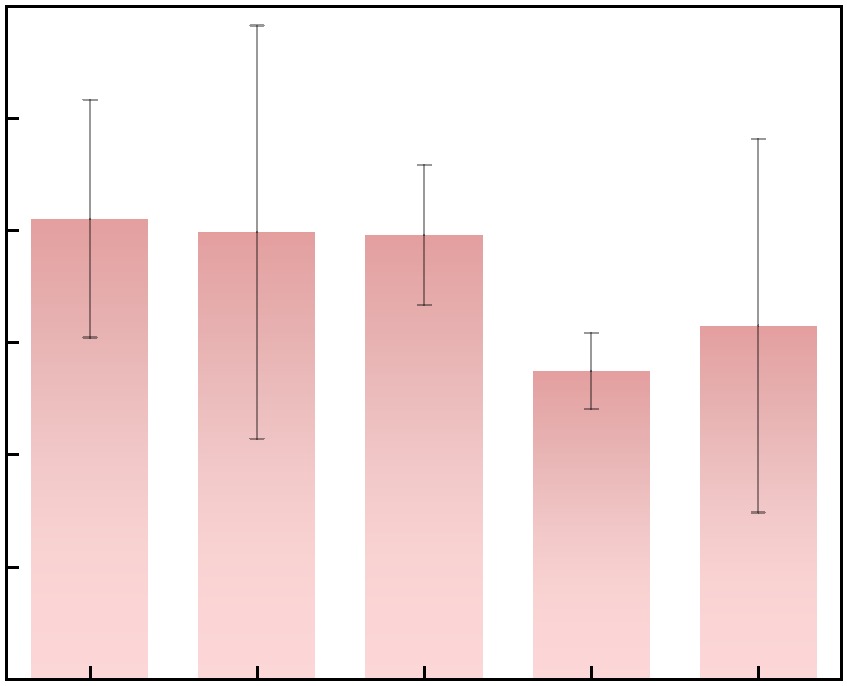
Phase structure evolution and performance divergence in AB2-type alloys induced by Al and Fe elemental substitution

Authors: Guangbo Shi, Haideng Wang, Kwo Young, Chubin Wan, Xiaoyu Hu, Yuting Wang, Xin Ju, Yuan Wu

This work investigated the crystal structure, hydrogen storage, and electrochemical properties of the Ti0.2Zr0.8(V0.2Mn0.8)1−xMxNi1.0 (M = Al, Fe; x = 0, 0.05, 0.1) Zr-rich AB2 alloys. Rietveld refinement of X-ray diffraction (XRD) revealed that C14 phase abundance increased with Al content, while Fe promoted C15 phase formation, accompanied by a variation in the lattice constants. Hydrogen storage experiments showed C15 phase abundance positively correlated with maximum adsorption capacity, whi

Phase structure evolution and performance divergence in AB2-type alloys induced by Al and Fe elemental substitution
Graphical Abstract
Original ResearchVol. 32, Issue 12 • pp. 367-379DOI: 10.1007/s12613-026-3395-8Dec 4, 2025

Sensitivity analysis of a CNN–LSTM prognostic framework for proton exchange membrane fuel cells: Effects of sliding window size and training data allocation

Authors: Qin Lin, Liang Hu, Wenmiao Liu, Xiaomin Tang, Yuhao Wang, Zhibin Yang

For proton exchange membrane fuel cell (PEMFC) prognostics, deploying deep learning models in real applications depends not only on the network architecture but also on carefully chosen hyperparameters and training strategies. Hybrid Convolutional Neural Network–Long Short-Term Memory (CNN–LSTM) models can attain high predictive accuracy, yet their sensitivity to practical implementation choices has not been systematically quantified. This work addresses that gap by performing a methodological a

Sensitivity analysis of a CNN–LSTM prognostic framework for proton exchange membrane fuel cells: Effects of sliding window size and training data allocation
Graphical Abstract
Original ResearchVol. 32, Issue 12 • pp. 539-551DOI: 10.1007/s12613-025-3154-2Dec 2, 2025

CO2 nanobubble-enhanced cement–fly ash backfill: Optimizing aggregate gradation and microstructure

Authors: Xiaoxiao Cao, Haoyan Lyu, Yanlong Chen, Jiangyu Wu, Hideki Shimada, Takashi Sasaoka, Akihiro Hamanaka

Mine filling materials urgently need to improve mechanical properties and achieve low-carbon transformation. This study explores the mechanism of the synergistic effect of optimizing aggregate fractal grading and introducing CO2 nanobubble technology to improve the performance of cement–fly ash-based backfill materials (CFB). The properties including fluidity, setting time, uniaxial compressive strength, elastic modulus, porosity, microstructure and CO2 storage performance were systematically st

CO2 nanobubble-enhanced cement–fly ash backfill: Optimizing aggregate gradation and microstructure
Graphical Abstract