SinoTechIntel Academic Portal
🏛️ Indexed Academic JournalImpact Factor: 3.8

Int. Journal of Mining Science and Technology (采矿与安全工程)

Authoritative peer-reviewed journal in materials science, metallurgy, chemistry and engineering technologies: Int. Journal of Mining Science and Technology (采矿与安全工程)

Total Research Papers: 147
Access: 100% Free Open Access
Browse by Publication Year & VolumeReset All Filters ✕

Published Research PapersFiltered: Year 2025 • Vol. 32 • 12

Showing 9 of 147 peer-reviewed papers with full Graphical Abstracts.

Original ResearchVol. 32, Issue 12 • pp. 100-112DOI: 10.1016/j.ijmst.2025.12.016Jan 15, 2025

Distinct gas production characteristics from laboratory-synthesized Class I, II, and III hydrate reservoirs: A novel thermally-segmented rotatable approach

Authors: Hongyu Ye, Jie Li, Yuanxin Yao, Daoyi Chen, Jun Duan, Xuezhen Wu, Dayong Li, Mucong Zi

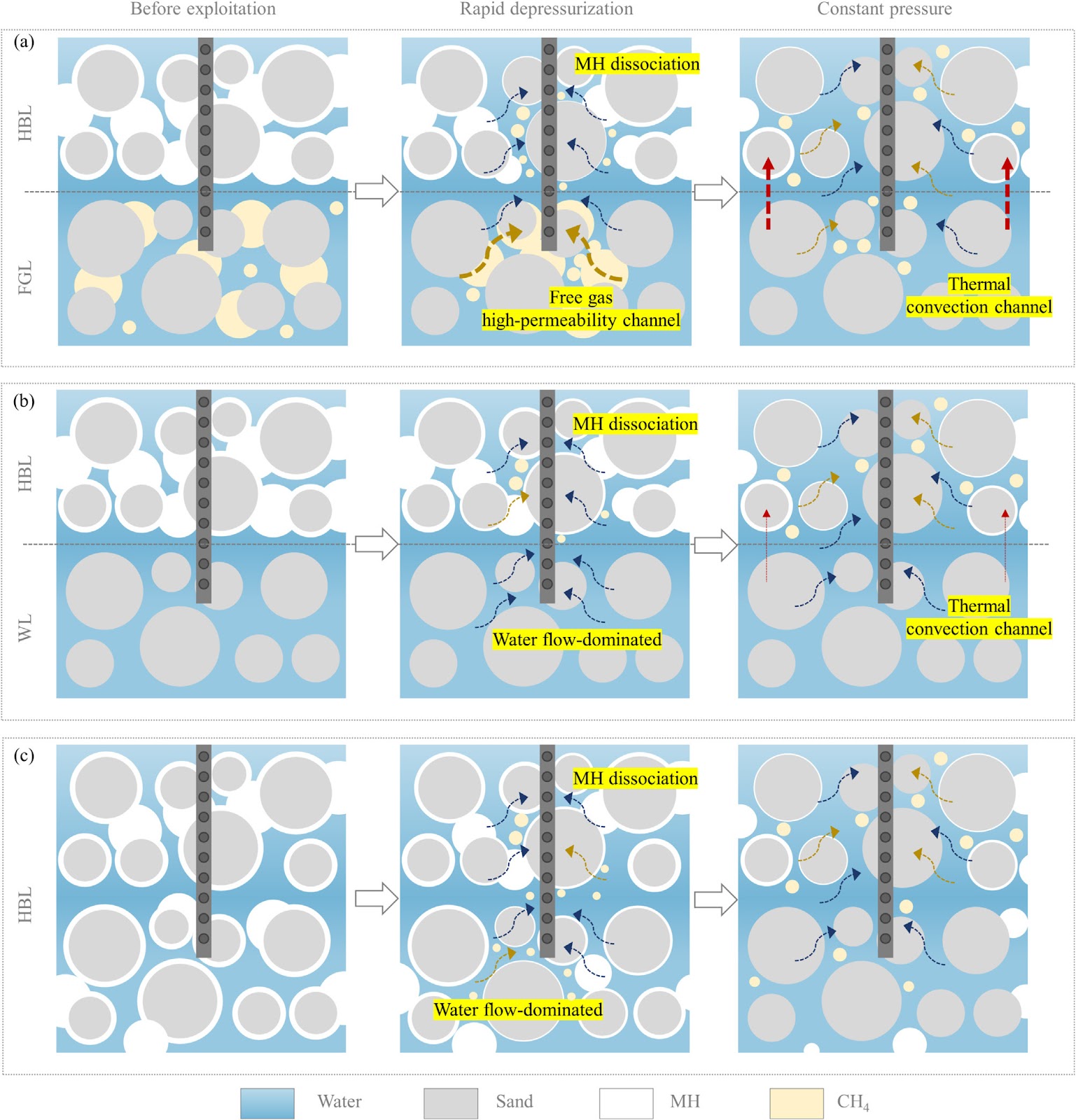
Natural gas hydrate in Class I reservoirs holds significant commercial potential, as demonstrated by production trials in the South China Sea. However, experimental studies have focused largely on Class III systems, with Class I/II reservoirs remaining underrepresented due to the difficulties in simulating the geothermal gradient and interlayer interactions. This study investigates depressurization performance across all three classes using a novel 360° rotatable reactor with segmented temperature control, enabling precise simulation of reservoir conditions. Results reveal: (i) Class I shows two-stage gas production, with 50% from early free gas enabling rapid depressurization, followed by dissociated gas dominance. They achieve 38.4%–78.3% higher cumulative production and superior gas-to-water ratios due to efficient energy use. (ii) The free gas layer in Class I accelerates pressure and heat transfer. Class II’s water layer provides sensible heat but causes water blocking, impairing heat flow. Class III exhibits rapid initial dissociation but a quick decline without fluid support. (iii) Low temperature, low hydrate saturation, and high production pressure collectively reduce efficiency by increasing flow resistance, limiting gas supply, and reducing dissociation drive. Over-depressurization risks hydrate reformation and ice blockage. This work bridges experimental gaps for Class I/II reservoirs, offering key insights for optimizing recovery.
Distinct gas production characteristics from laboratory-synthesized Class I, II, and III hydrate reservoirs: A novel thermally-segmented rotatable approach
Graphical Abstract
Original ResearchVol. 32, Issue 12 • pp. 100-112DOI: 10.1016/j.ijmst.2025.12.014Jan 15, 2025

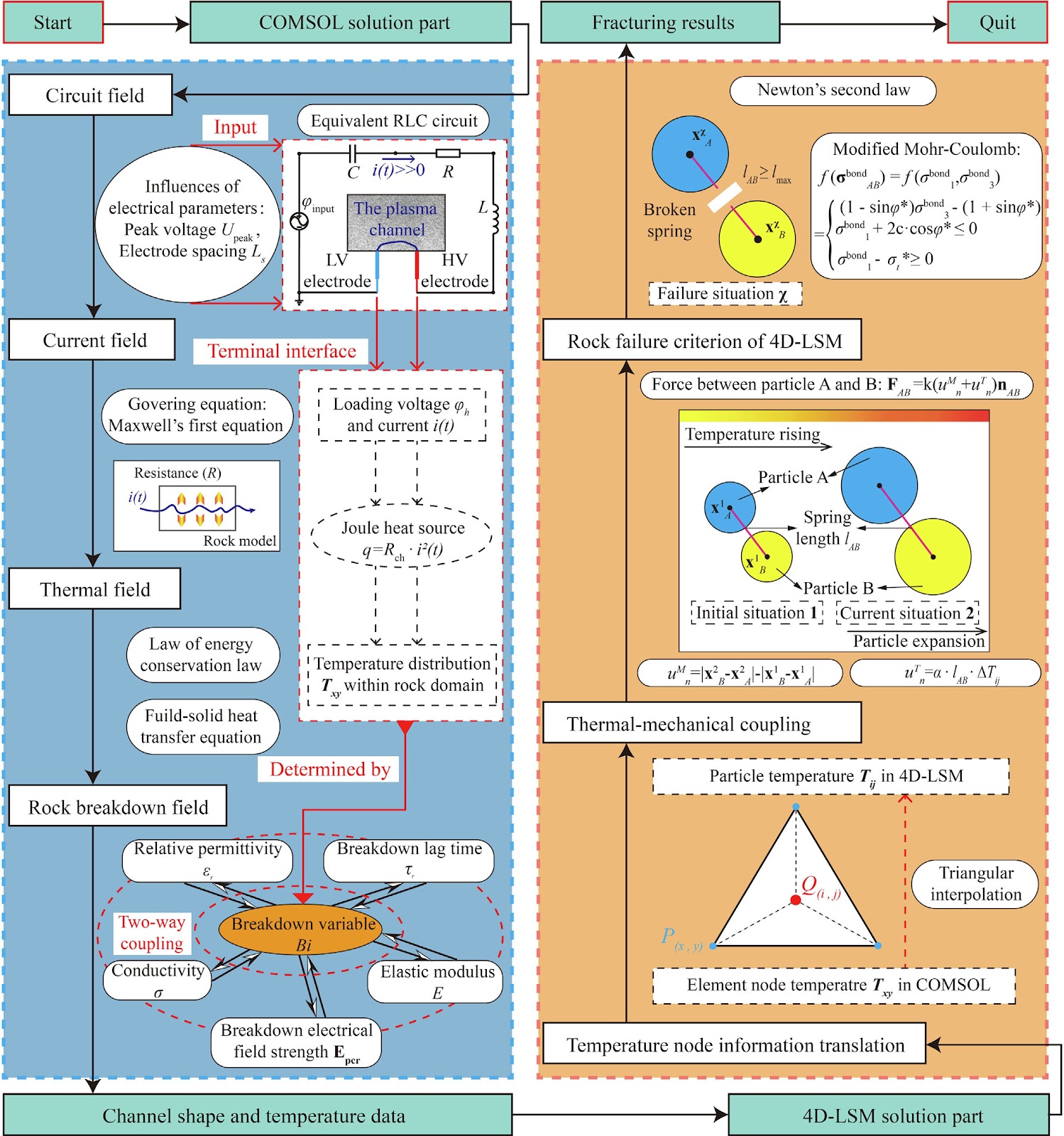
Coupled Numerical Modelling of High-Voltage Electric Pulse (HVEP) Rock Fracturing Using COMSOL and 4D-LSM

Authors: Chenghui Liu, Qin Li, Fuxin Rui, Tubing Yin, Yang Zou, Gaofeng Zhao

High-voltage electric pulse (HVEP) rock fragmentation has demonstrated substantial potential for sustainable fracturing of hard rocks owing to its energy efficiency. The transient nature and highly disruptive characteristics of its physical fracturing process render experimental investigation of the underlying rock-breaking mechanisms challenging. However, existing numerical studies lack comprehensive models that precisely link electrical breakdown phenomena with mechanical disintegration processes. This study combines COMSOL electrical breakdown simulations with four-dimension lattice spring model (4D-LSM) mechanical analysis to establish a coupled HVEP rock fragmentation model. The core concept of the model construction is to import the temperature field of the plasma channel obtained from the electrical breakdown into the mechanical solver to realize the precise connection between the two stages. The validated numerical model elucidates the full process of HVEP-induced fragmentation under varying electrical parameters. Furthermore, the effects of confining pressure and mineral grain size on fragmentation behavior have been investigated. Finally, parametric simulations across 25 electrical parameter combinations demonstrate the critical role of electrode spacing optimization in achieving energy-efficient rock fragmentation. These findings provide a predictive tool for designing efficient HVEP systems in deep resource extraction and mineral processing engineering.

Coupled Numerical Modelling of High-Voltage Electric Pulse (HVEP) Rock Fracturing Using COMSOL and 4D-LSM
Graphical Abstract
Original ResearchVol. 32, Issue 12 • pp. 100-112DOI: 10.1016/j.ijmst.2025.12.013Jan 15, 2025

Quantitative calibration method for the evolution of mechanical properties of gas-containing coal under mining-induced stress and microscopic failure evaluation

Authors: Zeqi Wang, Liang Yuan, Bin Hu, Bo Li, Laisheng Huang

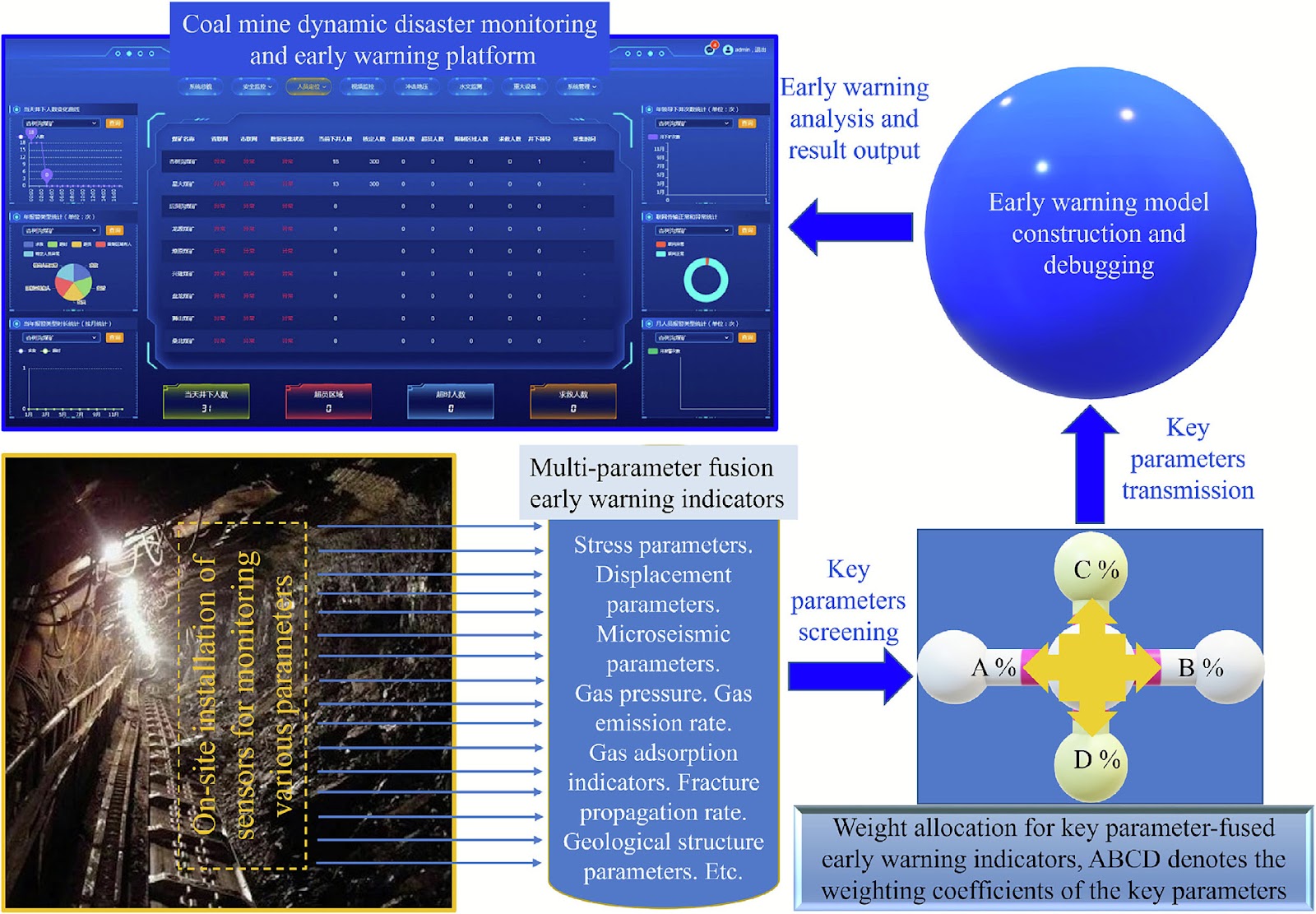
Current quantitative characterization methods for the mechanical response and damage evolution of coal seams at different burial depths under mining-induced stress remain insufficient. To address this, this study establishes a quantitative characterization model for the evolution of mechanical properties in gas-bearing coal masses at varying burial depths. It innovatively introduces a dual damage quantification technique and develops a coupled damage evolution model that comprehensively considers energy evolution, effective mining-induced stress, permeability, and a damage sensitivity coefficient, followed by extensive analysis. Key findings include: coal damage exhibits heterogeneous evolutionary characteristics under mining-induced stress; based on the theory of irreversible deformation, the proposed damage characterization equation can effectively determine the critical damage threshold of coal; the three-parameter EXP function model is more suitable for characterizing the time-dependent damage process of coal under mining-induced stress; a new characterization method for the coal brittleness evaluation index is proposed, revealing an 800 m burial depth boundary for the coal brittleness index; at the microscopic level, achieving quantitative characterization of the correlation between peak stress and the average reduction in functional groups during mining-induced failure of coal at different burial depths. Finally, the mapping relationship between laboratory experimental parameters and field monitoring indicators for early warning of coal mine dynamic disasters is established.

Quantitative calibration method for the evolution of mechanical properties of gas-containing coal under mining-induced stress and microscopic failure evaluation
Graphical Abstract
Original ResearchVol. 32, Issue 12 • pp. 100-112DOI: 10.1016/j.ijmst.2025.12.011Jan 15, 2025

Fragmentation characteristics and mechanical response of hard rock indented by cutting picks: Effects of confinement, spacing, and pre-grooving

Authors: Pingkuang Luo, Diyuan Li, Hiroyuki Noda, Ruiyuan Li

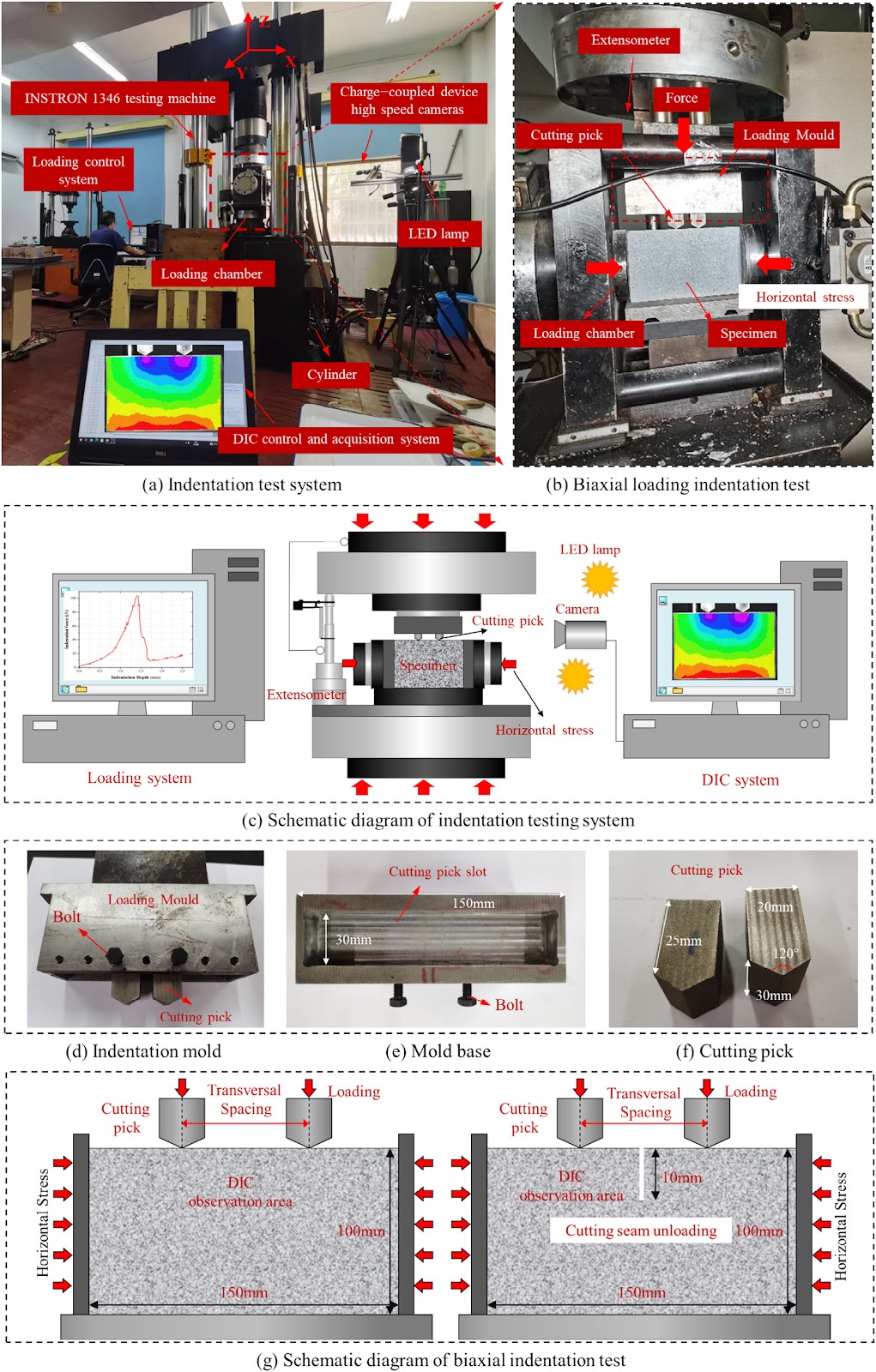
Efficient hard-rock fragmentation remains a critical challenge in mechanized mining. This study designed an adjustable-spacing mold and conducted double cutting pick indentation tests on granite. Mechanical responses and fragmentation characteristics under varying horizontal stresses, pick spacings, and groove depths were systematically analyzed. Unidirectional stress concentration altered the rock fragmentation modes, exhibiting a dual effect on the fragmentation process. The maximum indentation force (Fmax), indentation hardness index (IHI), indentation modulus (IM), and indentation energy (W) initially increased and then decreased with rising horizontal stress. Appropriate spacing promoted radial crack coalescence, whereas too small a spacing (20 mm) caused repetitive re-fragmentation of rock chips, and too large a spacing (50 mm) resulted in unbroken ridges. Pre-cut grooves weakened the rock, reducing Fmax and specific energy (SE), thus improving fragmentation efficiency, although the improvement slowed beyond a 10-mm groove depth. Based on the results and rock-mass conditioning assisted fragmentation mechanism, a “stress-structure dual control” assisted fragmentation mechanism was proposed, and a “pre-drilling unloading −alternate stopping” mining scheme was exploratorily designed. This approach creates favorable conditions for rock fragmentation by reducing stress levels and rock mass integrity in target zones, providing theoretical support and an engineering paradigm for mechanized mining of deep resources.

Fragmentation characteristics and mechanical response of hard rock indented by cutting picks: Effects of confinement, spacing, and pre-grooving
Graphical Abstract
Original ResearchVol. 32, Issue 12 • pp. 100-112DOI: 10.1016/j.ijmst.2025.12.008Jan 15, 2025

An attention module integrated hybrid model for recognizing microseismic signals induced by high-pressure grouting in deep rock layers

Authors: Yongshu Zhang, Lianchong Li, Wenqiang Mu, Jian Chen, Peng Chen

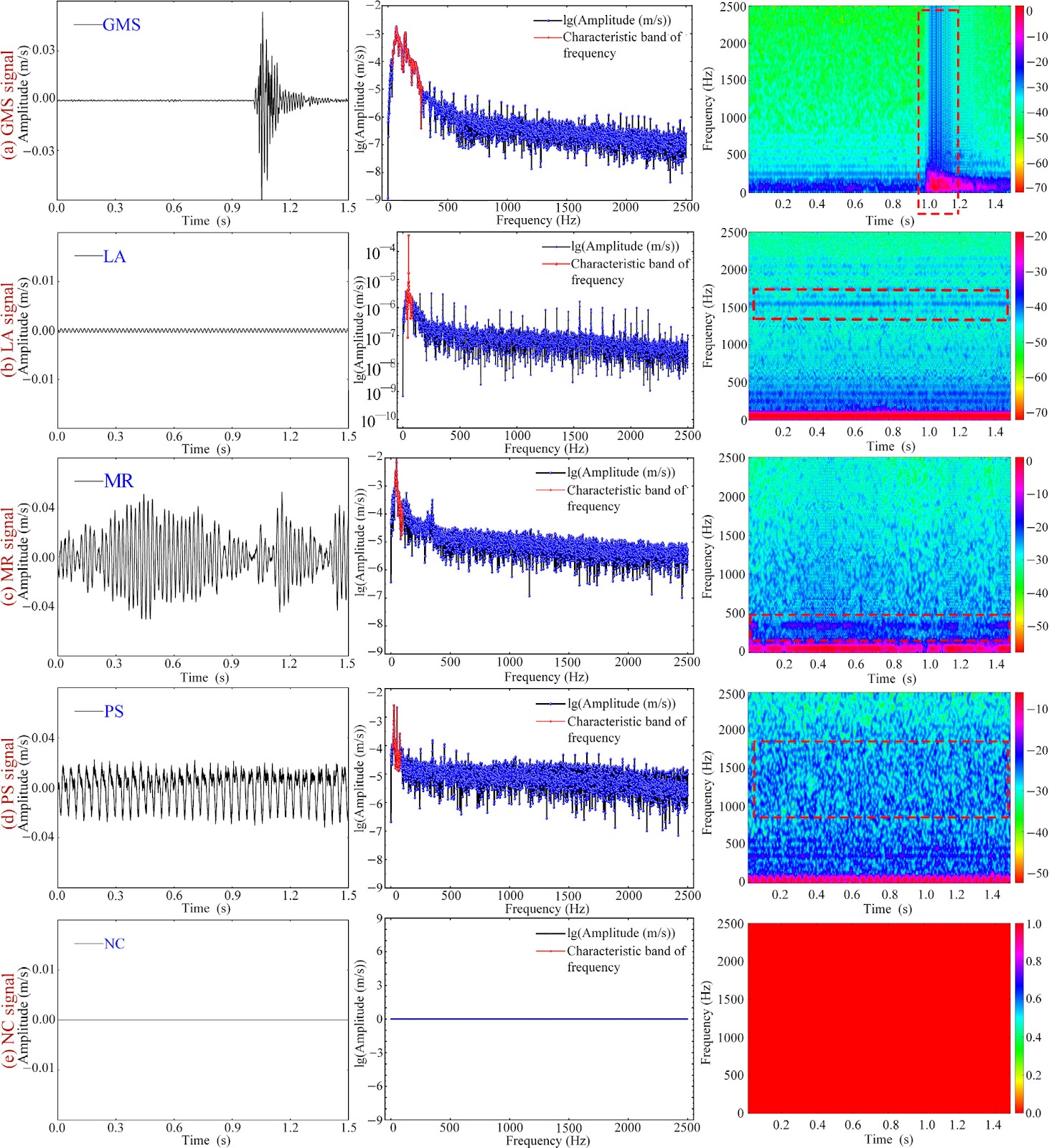
Microseismic (MS) monitoring is an effective technique to detect mining-induced rock fractures. However, recognizing grouting-induced signals is challenging due to complex geological conditions in deep rock plates. Therefore, a hybrid model (WM-ResNet50) integrating data enhancement, a deep convolutional neural network (CNN), and convolutional block attention modules (CBAM) was proposed. Firstly, an MS system was established at the Xieqiao coal mine in Anhui Province, China. MS waveforms and injection parameters were acquired during grouting. Secondly, signals were categorized based on time–frequency characteristics to build a dataset, which was divided into training, validation, and test sets at a ratio of 4:1:1. Subsequently, the performance of WM-ResNet50 was evaluated based on indices such as individual precision, total accuracy, recall, and loss function. The results indicated that WM-ResNet50 achieved an average recognition accuracy of 94.38%, surpassing that of a simple CNN (90.04%), ResNet18 (91.72%), and ResNet50 (92.48%). Finally, WM-ResNet50 was applied to monitor the whole process at laboratory tests and field cases. Both results affirmed the feasibility and effectiveness of MS inversion in predicting actual slurry diffusion ranges within deep rock layers. By comparison, it was revealed that the MS sources classified by WM-ResNet50 matched grouting records well. A solution to address insufficient diffusion under long-borehole grouting has been proposed. WM-ResNet50's accuracy was validated through in-situ coring and XRD analysis for cement-based hydration products. This study provides a beneficial reference for similar rock signal processing and in-field grouting practices.

An attention module integrated hybrid model for recognizing microseismic signals induced by high-pressure grouting in deep rock layers
Graphical Abstract
Original ResearchVol. 32, Issue 12 • pp. 100-112DOI: 10.1016/j.ijmst.2025.12.012Jan 15, 2025

Effects of Combined Dynamic-Static Loading and Acidic Corrosion Treatment on the Mechanical Properties and Microstructure of Shale

Authors: Kang Peng, Hankuo Zhang, Mao Jing, Yunge Zhao

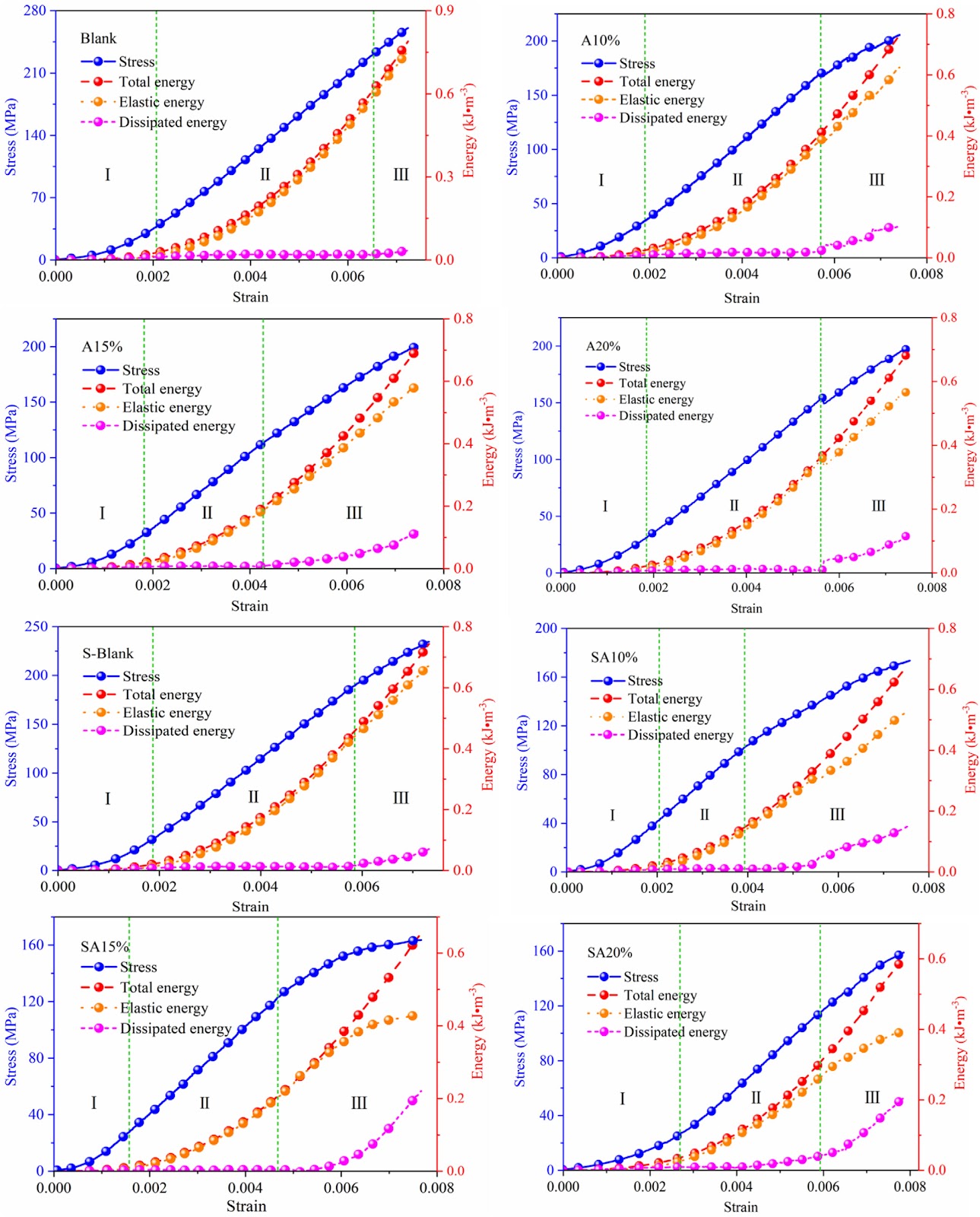
A critical scientific gap exists in quantifying the intrinsic mechanisms of shale mechanical property degradation induced by the combined effects of perforation (impact) and acidization—two core techniques for shale reservoir permeability enhancement. To address this gap, this study proposed an innovative coupled experimental framework integrating dynamic-static cyclic loading (to simulate perforation impact) and acid erosion. Static uniaxial compression tests were performed on treated damaged shale samples, with microstructural characterization via X-ray diffraction (XRD) and scanning electron microscopy (SEM). Key findings include: (1) The damage factor (characterized by longitudinal wave velocity) showed a significant positive correlation with acid concentration; (2) Combined damage (impact + acidization) caused far more severe mechanical deterioration than single damage modes—for instance, samples under combined damage with 20% hydrochloric acid exhibited a strength reduction to 158.97 MPa, with sharp decreases in peak strength and elastic modulus; (3) Damage reduced total energy and elastic strain energy of samples while increasing dissipated energy proportion, leading to more developed internal fractures and severe failure in combined damage samples; (4) Acidization promoted sample fragmentation into smaller debris, resulting in significantly higher fractal dimensions of acidized shale than other damage types under the same acid concentration; (5) XRD and SEM analyses confirmed that high-concentration acid erosion reduced shale carbonate content, and the synergy of mechanical pre-damage and chemical dissolution in combined damage accelerated acid-rock reactions, significantly increasing micro-interfacial pores and degrading shale structural integrity. This study’s innovation lies in establishing a coupled experimental framework that reproduces the actual “perforation-acidization” sequence, quantitatively revealing the synergistic degradation mechanism of shale mechanical properties under combined damage—providing a novel theoretical basis for optimizing shale reservoir stimulation parameters.

Effects of Combined Dynamic-Static Loading and Acidic Corrosion Treatment on the Mechanical Properties and Microstructure of Shale
Graphical Abstract
Original ResearchVol. 32, Issue 12 • pp. 100-112DOI: 10.1016/j.ijmst.2025.12.017Jan 15, 2025

Reconstruction of pore structure and transformation of failure mode in reef limestone under MICP grouting

Authors: Wenxi Zhu, Huafeng Deng, Linjian Ma, Mingyang Wang, Yao Xiao, Hongya Li, Lei Cheng

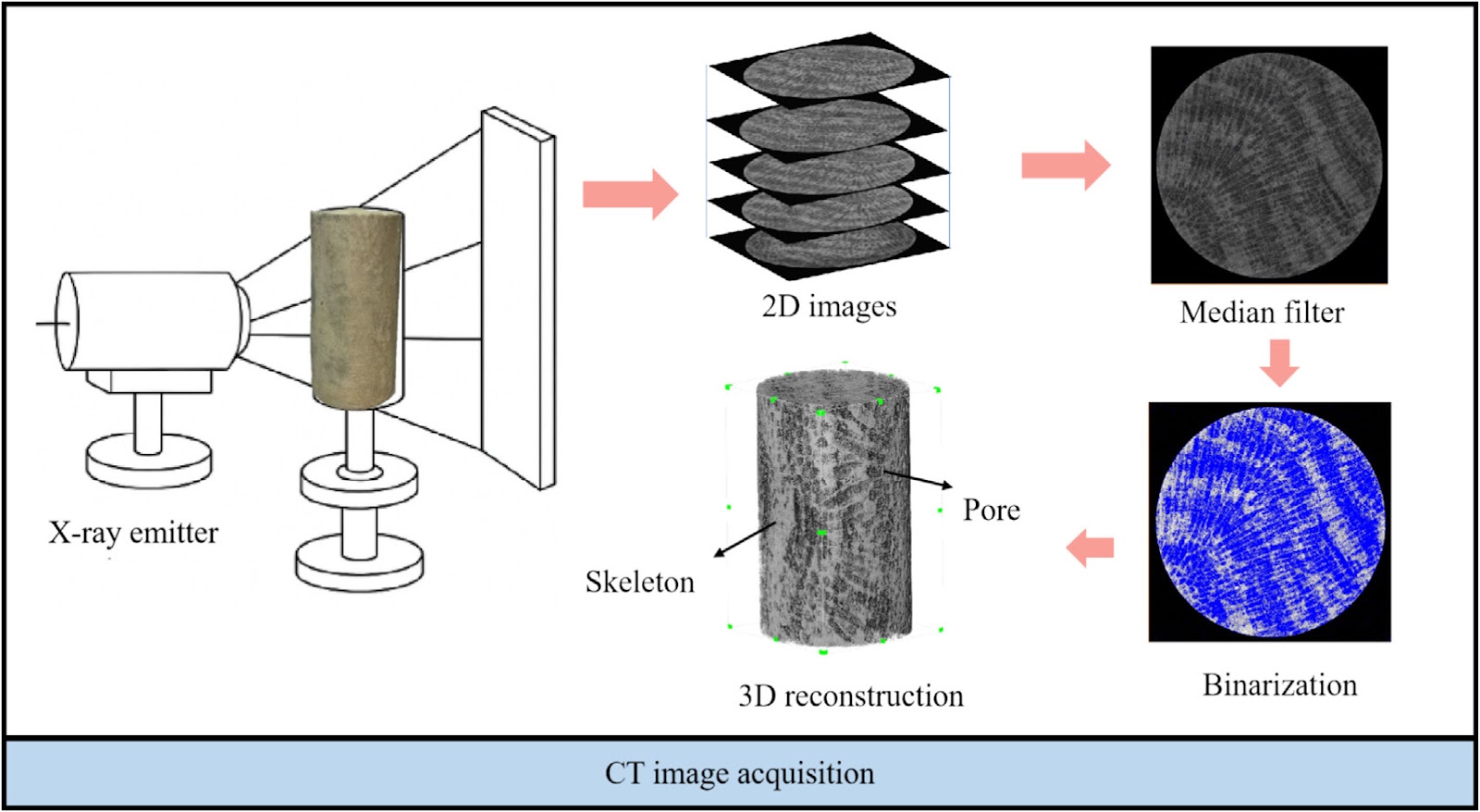
Given the high porosity, strong connectivity, and low strength of reef limestone, microbial-induced carbonate precipitation (MICP) reinforcement tests were performed under different grouting cycles. CT-based three-dimensional reconstruction, uniaxial compression, and acoustic emission analyses were employed to elucidate the coupling mechanism between microstructural evolution and macroscopic mechanical behavior. MICP-induced calcium carbonate deposition exhibited distinct scale selectivity, initially occurring in large pores and highly coordinated nodes, which reduced the average pore diameter from 221.26 μm to 75.36 μm and transformed the pore network from a highly connected loose type to a dense isolated one. The elastic modulus increased from 3.27 GPa to 6.21 GPa, and the peak strength approximately doubled, while the failure mode evolved from brittle to brittle–ductile. Acoustic emission analysis revealed a greater proportion of post-peak high-energy events and a frequency shift from high to mid–low ranges, indicating a multi-stage energy dissipation process. A reinforcement variable was introduced to quantify the MICP-induced strengthening, and a structural densification factor was incorporated to establish a constitutive model governed by densification. The study clarifies the coupling mechanism from microscopic densification to macroscopic enhancement, providing theoretical support for the green reinforcement of highly porous rock masses.

Reconstruction of pore structure and transformation of failure mode in reef limestone under MICP grouting
Graphical Abstract
Original ResearchVol. 32, Issue 12 • pp. 100-112DOI: 10.1016/j.ijmst.2025.12.015Jan 15, 2025

Study on the mechanism of temperature-responsive composite inhibitors in suppressing coal spontaneous combustion at different reaction stages

Authors: Yumo Wu, Dan Zhao, Jinzhang Jia

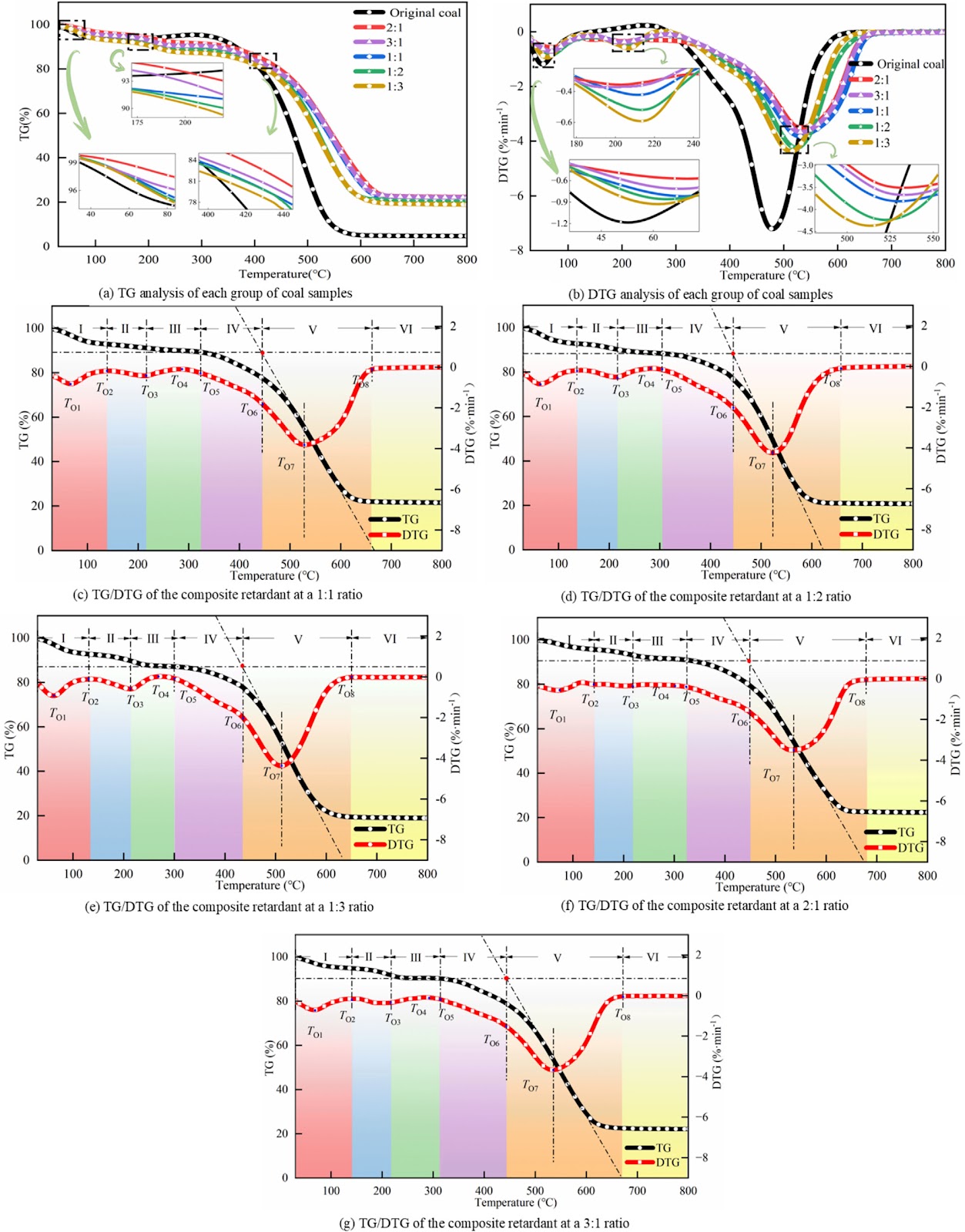
Temperature is one of the main causes of spontaneous coal combustion. To improve the flame retardant performance, CaCl2, ammonium polyphosphate (APP), and calcium phosphate (CaHP) were compounded to control the temperature response of different stages of coal spontaneous combustion through physical and chemical synergy. Simultaneous thermal analysis, thermogravimetric-Fourier infrared spectroscopy (TG-FTIR), in-situ FTIR and electron paramagnetic resonance (EPR) were used to study the multi-temperature stage synergistic inhibition of coal spontaneous combustion. The results show that the proposed method is effective. By obtaining the characteristics of the spontaneous combustion reaction stage of coal in advance, the method of configuring an appropriate composite inhibitor can effectively realize the intelligent control of the temperature response of coal spontaneous combustion. The ignition point of long-flame coal increased by 37.15 °C. The inhibition rate of the gas phase products was more than 20%, and the inhibition rate of the functional groups was more than 30%. It has a good quenching effect on free radicals and can effectively inhibit the oxidation activity of active free radicals such as H, HO, and O. The results provide experimental and theoretical support for the study of temperature-responsive composite flame retardants for coal with different metamorphic degrees.

Study on the mechanism of temperature-responsive composite inhibitors in suppressing coal spontaneous combustion at different reaction stages
Graphical Abstract
Original ResearchVol. 32, Issue 12 • pp. 100-112DOI: 10.1016/j.ijmst.2025.12.006Jan 15, 2025

Time-dependent behavior of deep roadway surrounding rock considering damage induced by excavation and mining disturbances: Experiments, modeling, and simulation

Authors: Qingzhe Cui, Rongbin Hou, Zhenhua Li, Feng Du, Xu Chen, Boyang Zhang, Lielie Li

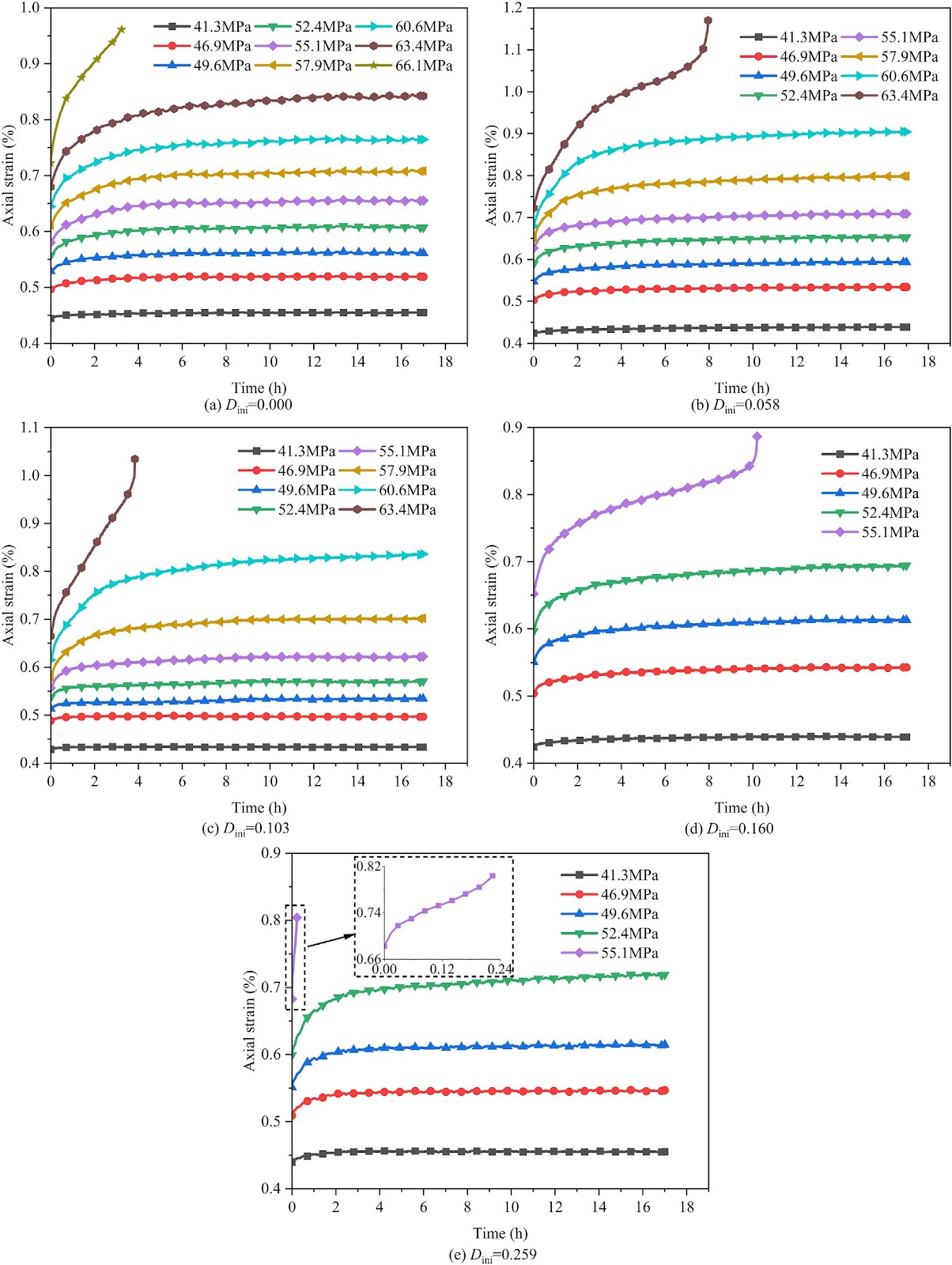
In deep coal mining, surrounding rock is subjected to both high in-situ stress and intense mining disturbances, leading to significant time-dependent behavior. Accurately capturing this behavior is essential for predicting long-term roadway stability, necessitating the development of a reliable constitutive creep model and numerical simulation approach. In this study, creep experiments were conducted on pre-damaged rock with varying initial damage levels to investigate the time-dependent mechanical properties. Based on the experimental results, an accelerated-creep criterion was proposed, and an elastic-viscoplastic creep damage model (EVPCD) was established that simultaneously considers the effects of time-dependent damage and instantaneous damage caused by stress disturbances on rock creep behavior. Subsequently, the effectiveness of the proposed creep model was verified using experimental data, and the secondary development of the EVPCD model was completed based on the FLAC3D platform. Following this, a long-term stability analysis method of deep surrounding rock that accounts for excavation-and mining-induced disturbances was proposed. Using the main roadway of Xutuan Coal Mine as a case study, numerical simulations were carried out to investigate the time-dependent deformation and failure characteristics of the surrounding rock following excavation and mining disturbance. Combined with on-site monitoring of the surrounding rock damage areas, the results indicate that the EVPCD outperforms the CVISC and Nishihara models in predicting the time-dependent behavior of deep surrounding rock.

Time-dependent behavior of deep roadway surrounding rock considering damage induced by excavation and mining disturbances: Experiments, modeling, and simulation
Graphical Abstract