SinoTechIntel Academic Portal
🏛️ Indexed Academic JournalImpact Factor: 3.8

Int. Journal of Minerals, Metallurgy and Materials (矿物冶金与材料学报)

Authoritative peer-reviewed journal in materials science, metallurgy, chemistry and engineering technologies: Int. Journal of Minerals, Metallurgy and Materials (矿物冶金与材料学报)

Total Research Papers: 200
Access: 100% Free Open Access
Browse by Publication Year & VolumeReset All Filters ✕

Published Research PapersFiltered: Year 2025 • Vol. 32 • Issue 11

Showing 19 of 200 peer-reviewed papers with full Graphical Abstracts.

Original ResearchVol. 32, Issue 11 • pp. 2621DOI: 10.1007/s12613-025-3159-xJan 15, 2025

A high-entropy engineered perovskite oxide for efficient and stable LSCF-based air electrode of tubular reversible solid oxide cells

Authors: Shiyue Zhu, Tian Li, Ruoyu Li, Xiaoyong Lu, Yihan Ling, Dong Tian

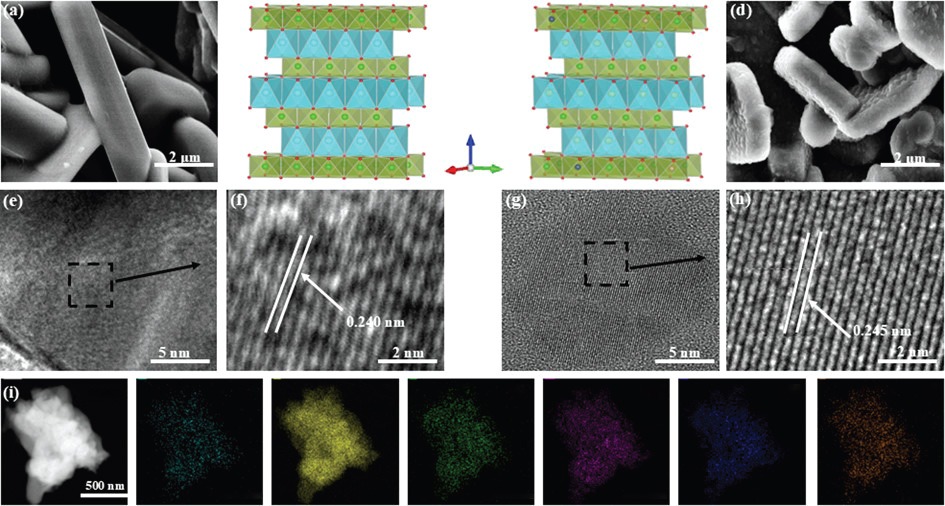
Developing highly active and stable air electrodes remains challenging for reversible solid oxide cells (R-SOCs). Herein, we report an A-site high-entropy engineered perovskite oxide, La0.2Pr0.2Nd0.2Ba0.2Sr0.2Co0.8Fe0.2O3−δ (HE-LSCF), and its electrocatalytic activity and stability property are systematically probed for tubular R-SOCs. The HE-LSCF air electrode exhibits excellent oxygen reduction reaction (ORR) activity with a low polarization resistance of 0.042 Ω·cm2 at 700°C, which is much lower than that of La0.6Sr0.4Co0.8Fe0.2O3−δ (LSCF), indicating the excellent catalytic activity of HE-LSCF. Meanwhile, the tubular R-SOCs with HE-LSCF shows a high peak power density of 1.18 W·cm−2 in the fuel cell mode and a promising electrolysis current density of −0.52 A·cm−2 at 1.5 V in the electrolysis mode with H2 (~10% H2O) atmosphere at 700°C. More importantly, the tubular R-SOCs with HE-LSCF shows favorable stability under 180 h reversible cycling test. Our results show the high-entropy design can significantly enhance the activity and robustness of LSCF electrode for tubular R-SOCs.

A high-entropy engineered perovskite oxide for efficient and stable LSCF-based air electrode of tubular reversible solid oxide cells
Graphical Abstract
Original ResearchVol. 32, Issue 11 • pp. 2593DOI: 10.1007/s12613-025-3293-5Jan 15, 2025

Editorial for special issue on high-entropy and multicomponent-doped materials for energy applications: Innovations in energy conversion and storage

Authors: Konrad Świerczek, Kun Zheng, Liuting Zhang, Yihan Ling, Mingjiong Zhou

This editorial introduces a special issue of the International Journal of Minerals, Metallurgy and Materials focused on high-entropy and multicomponent-doped materials for energy applications. The collection highlights recent research on the preparation, property optimization, and potential applications of high-entropy materials (HEMs) and other compounds with increased configurational entropy. The accelerating global transition toward sustainable, carbon-neutral energy technologies calls for a new generation of materials with exceptional performance, stability, and scalability. From the perspective of materials science and solid-state chemistry, HEMs and multicomponent-doped systems are at the forefront of this transformation. By harnessing configurational entropy and exploring vast compositional spaces, researchers are uncovering previously inaccessible combinations of properties, from enhanced structural stability to tunable electronic, ionic, and catalytic functionalities. This special issue brings together work on the design, synthesis, characterization, and application of such materials for energy conversion and storage. Together, these contributions provide a comprehensive overview of how compositional complexity can be leveraged to address some of the most pressing challenges in energy science. The issue features 21 articles exploring the frontiers of HEMs for diverse energy applications, including solid oxide electrochemical cells, hydrogen storage, batteries, and capacitors. Many studies focus on designing new materials using high-entropy or multicomponent strategies to significantly enhance performance, while others investigate the physicochemical properties of novel high-entropy oxides and theoretical calculations to guide future HEM design.

Editorial for special issue on high-entropy and multicomponent-doped materials for energy applications: Innovations in energy conversion and storage
Graphical Abstract
Original ResearchVol. 32, Issue 11 • pp. 2814DOI: 10.1007/s12613-025-3268-6Jan 15, 2025

Orbital hybridization-engineered electronic structure in multicomponent sulfides boosts the performance of polysulfide/iodide flow batteries

Authors: Wenjing Li, Renhua Qian, Boxu Dong, Zhou Xu, Changyu Yan, Menghan Yang, Yuxuan Liu, Xinrui Yan, Jiantao Zai, Xuefeng Qian

Despite their attractive features of high energy density, low cost, and safety, polysulfide/iodide flow batteries (SIFBs) are hampered by the sluggish kinetics of the iodide redox couple, which restricts overall performance. Multicomponent sulfides are demonstrated as promising catalysts for accelerating redox reactions. Concurrently, the enhanced configurational entropy arising from multinary compositions drives synergistic effects among constituent elements, establishing a viable pathway to optimize catalytic performance. Building on these foundations, this work introduces a targeted orbital hybridization-optimized electron density strategy to enhance the catalytic activity. Implementing this concept, we developed an in-situ solvothermal synthesis process for an entropy-enhanced AgCuZnSnS4 loaded graphite felt (ACZTS/GF) electrode. The engineered electrode demonstrates exceptional electrocatalytic performance with improved bulk conductivity and interfacial charge transfer kinetics within a SIFB. The cell achieves a high energy efficiency of 88.5% at 20 mA·cm−2 with 10% state-of-charge. Furthermore, the battery delivers a maximum power density of 119.8 mW·cm−2 and exhibits excellent long-term cycling stability. These significant results stem from orbital hybridization-driven electronic state optimization and entropy effect-induced synergistic catalysis.

Orbital hybridization-engineered electronic structure in multicomponent sulfides boosts the performance of polysulfide/iodide flow batteries
Graphical Abstract
Original ResearchVol. 32, Issue 11 • pp. 2821DOI: 10.1007/s12613-025-3169-8Jan 15, 2025

Structural stability, optical and dielectric properties of the (Ba1/5Pb1/5Sr1/5RE1/5K1/5)TiO3 high-entropy ceramic

Authors: C. Herbert-Galarza, A. Durán

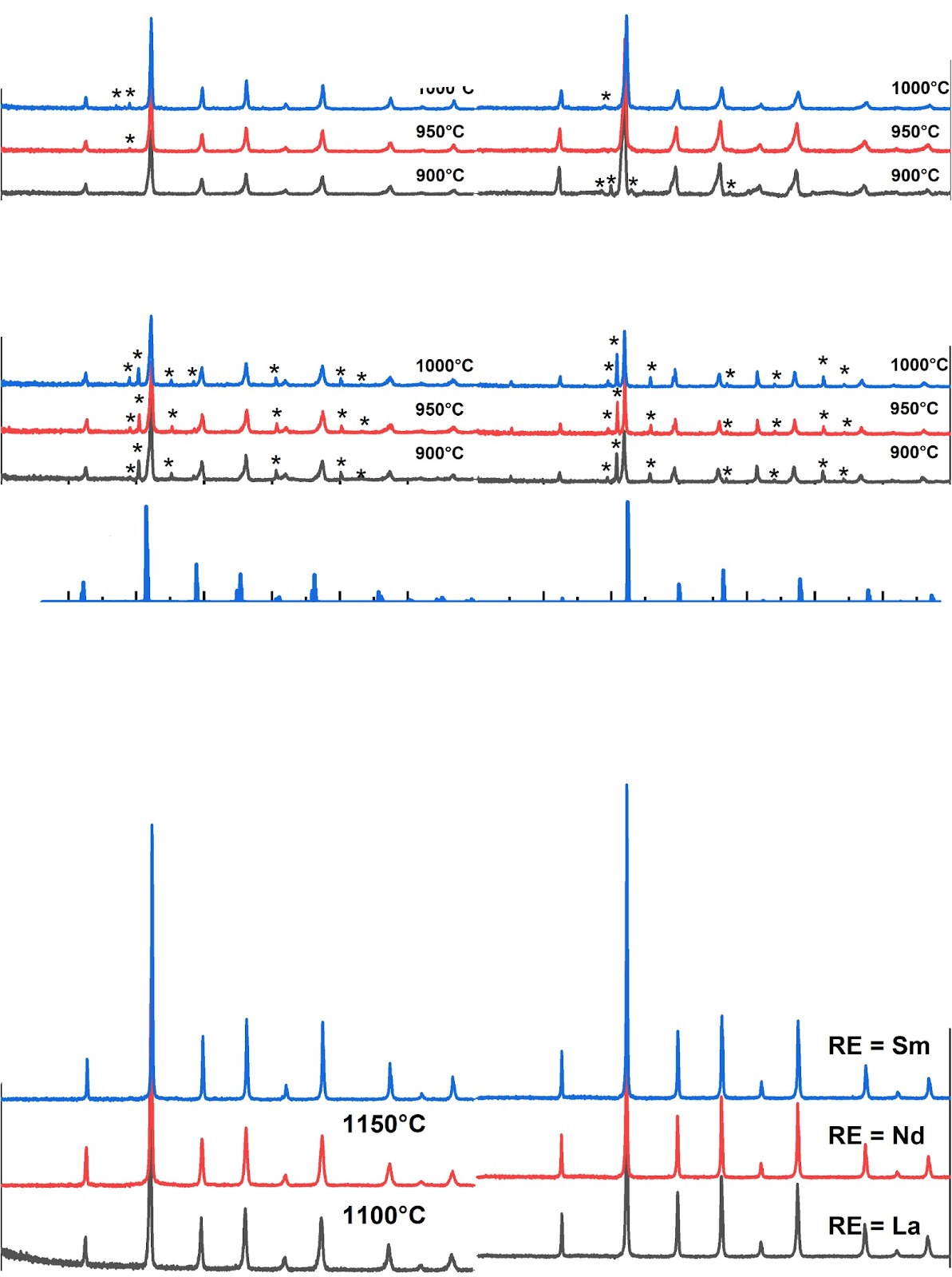
A high-entropy matrix with highly polarizable elements sharing a rare-earth element at the same crystallographic site was designed using the chemical formula Ba1/5Pb1/5Sr1/5RE1/5K1/5TiO3 (BPSREKTO), where rare-earth (RE) = La, Nb, Sm, Gd, Dy, Ho, Y, and Lu. Single-phase stability was observed only in the BPSREKTO with RE = La, Nd, and Sm high-entropy compounds. The crystal structure, optical properties, and ferroelectric nature of the single-phase ceramic compounds were investigated. Elemental and structural analyses revealed that all the cations were homogeneously distributed in a global centrosymmetric cubic structure (S.G. Pm¯3m). Optical absorption showed that the RE = Nd compound is more photoactive in the 200–1000 nm wavelength range, unlike the RE = La, Sm high-entropy compounds. The introduction of RE elements in high-entropy ceramic (HEC) systems affects the indirect bandgap of BPSREKTO with RE = La, Nd, and Sm. It was also found that cationic disorder increases the Urbach energy, leading to a decrease in the indirect energy bandgap in the HEC compound compared to the homologue BaTiO3/SrTiO3 single-phase. The dielectric spectra show a broad peak in the dielectric constant and dielectric loss, which are shifted in temperatures with increasing frequencies due to a relaxor ferroelectric transition typical of the diffuse phase transitions. This relaxor behavior was unexpected, because the global crystal structure was centrosymmetric, implying an increase in the number of polar nanoregions (PNRs). These PNRs coexisting with non-polar regions (NPRs) were observed using piezo-force microscopy. Furthermore, the slim polarization loop confirmed the relaxor behavior of BPSREKTO with RE = La, Nd, and Sm. These ferroelectric features make these RE-modified HEC materials good candidates for high-energy storage applications.

Structural stability, optical and dielectric properties of the (Ba1/5Pb1/5Sr1/5RE1/5K1/5)TiO3 high-entropy ceramic
Graphical Abstract
Original ResearchVol. 32, Issue 11 • pp. 2806DOI: 10.1007/s12613-025-3260-1Jan 15, 2025

Understanding of TiO2/Co3O4-modified configuration strategy for stabilizing O3-type NaNi0.4Fe0.2Mn0.4O2 cathodes with enhanced long-term and rate performance

Authors: Zidong Yu, Xiaojuan Liu, Zhicheng Liu, Ye Liu, Chao Su, Zhi Sun, Jilei Du, Tao Wei

Sodium-ion batteries (SIBs) have recently gained wildly interest due to the abundance of sodium, lower production costs, and better low-temperature performance compared to lithium-ion batteries (LIBs). Among various cathode materials of SIBs, O3-type NaNi0.4Fe0.2Mn0.4O2 (NFM424) demonstrates high capacity and ease of synthesis, yet suffers from structural degradation and sluggish Na+ kinetics caused by large ionic radius and strong electrostatic interactions. To overcome these issues, a configuration strategy combined with TiO2 and Co3O4 by a simple solid-state reaction method was introduced to improve structural and electrochemical stability. XRD, SEM, TEM, and various electrochemical characterizations as well as TGA/DSC tests were conducted. The resulting NaNi0.4Fe0.2Mn0.3Co0.05Ti0.05O2 (NFMCT) cathode mitigated Jahn-Teller distortions and Na+/vacancy ordering while enhancing phase integrity and diffusion pathways. The obtained NFMCT maintained 93.7 mAh·g−1 after 550 cycles at 1 C, with superior rate capabilities at 2 C and 5 C. These findings deepen the understanding of configuration strategy by using multi-element oxide and highlight a practical strategy for designing high-performance SIB cathodes.

Understanding of TiO2/Co3O4-modified configuration strategy for stabilizing O3-type NaNi0.4Fe0.2Mn0.4O2 cathodes with enhanced long-term and rate performance
Graphical Abstract
Original ResearchVol. 32, Issue 11 • pp. 2756DOI: 10.1007/s12613-025-3276-6Jan 15, 2025

Ultrafast laser synthesis of sub-10 nm FeCoNiMnCr high-entropy alloy nanoparticles for enhanced oxygen evolution catalysis

Authors: Jiuyang Xia, Jianghong Zhang, Mingzhen Xiu, Bowei Zhang, Zehong Zhou, Yu Lu, Yizhong Huang, Junsheng Wu

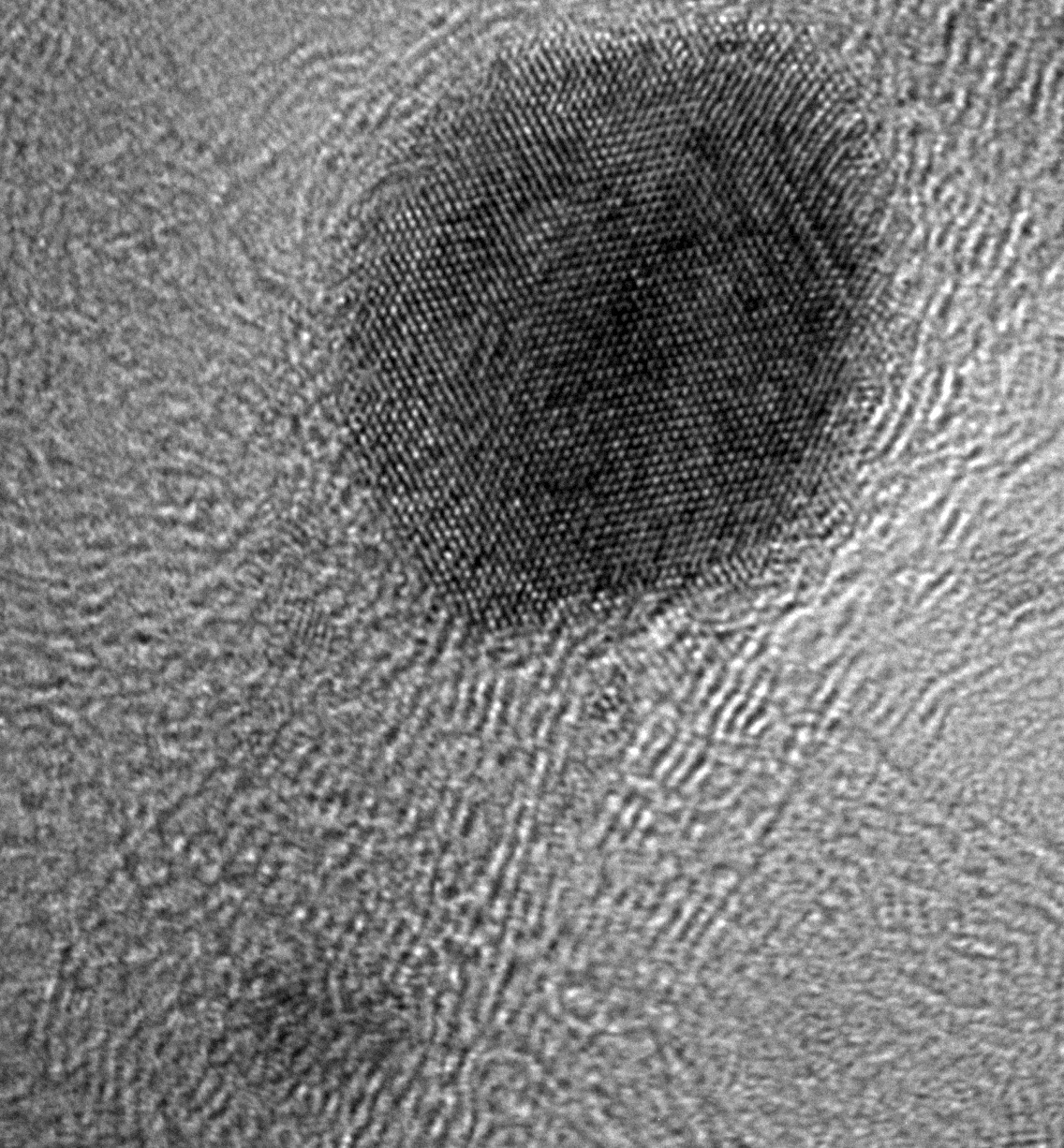
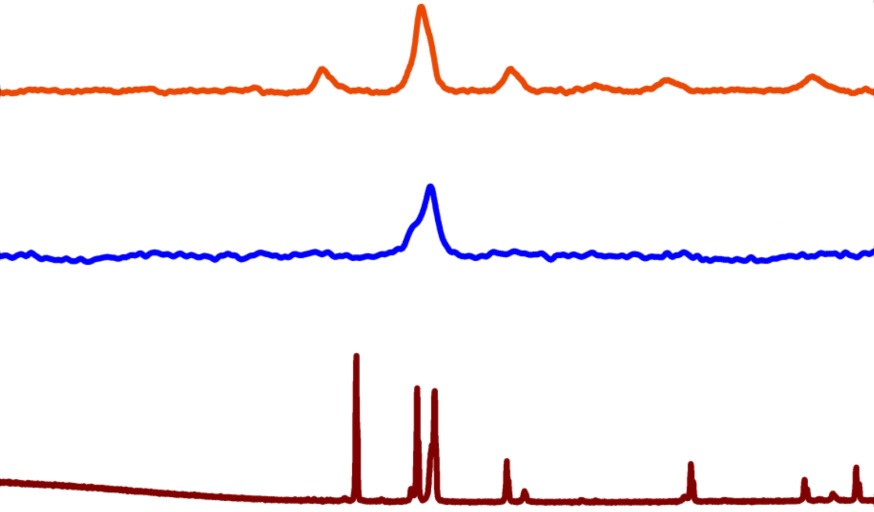
The development of efficient and robust oxygen non-precious catalysts for the oxygen evolution reaction (OER) remains a critical scientific hurdle in realizing cost-effective renewable energy conversion systems. Herein, we present a rapid laser irradiation synthesis strategy for the successful fabrication of sub-10 nm FeCoNiMnCr high-entropy alloy nanoparticles (HEA-NPs) on multi-wall carbon nanotube (MWCNT) paper, serving as highly efficient OER electrocatalysts. The synthesis of high-entropy alloy nanoparticles with precise control was accomplished through systematic optimization of laser processing parameters. Structural characterization via X-ray diffraction, high-resolution transmission electron microscopy, and high-angle annular dark-field scanning transmission electron microscopy collectively verified the formation of a phase-pure face-centered cubic crystal structure with homogeneous elemental mixing at the atomic scale. Furthermore, COMSOL Multiphysics simulations confirm that this rapid and discontinuous laser irradiation approach enables the precursor material to undergo ultrafast heating and quenching processes, effectively suppressing Ostwald ripening phenomena, which is conducive to the formation of ultrafine (sub-10 nm) high-entropy alloy nanoparticles. The synthesized HEA-NPs catalyst demonstrates exceptional oxygen evolution activity in alkaline electrolyte (1 M KOH), achieving a current density of 10 mA·cm−2 at a low overpotential of 255 mV while maintaining remarkable stability with negligible activity decay during prolonged operation (>100 h), representing state-of-the-art performance among non-precious metal catalysts. This study provides perspectives on the rapid preparation and performance regulation of HEA-NPs catalysts.

Ultrafast laser synthesis of sub-10 nm FeCoNiMnCr high-entropy alloy nanoparticles for enhanced oxygen evolution catalysis
Graphical Abstract
Original ResearchVol. 32, Issue 11 • pp. 2777-DOI: 10.1007/s12613-025-3173-zJan 15, 2025

Machine learning-accelerated density functional theory optimization of PtPd-based high-entropy alloys for hydrogen evolution catalysis

Authors: Patcharaporn Khajondetchairit, Siriwimol Somdee, Tinnakorn Saelee, Annop Ektarawong, Björn Alling, Piyasan Praserthdam, Meena Rittiruam, Supareak Praserthdam

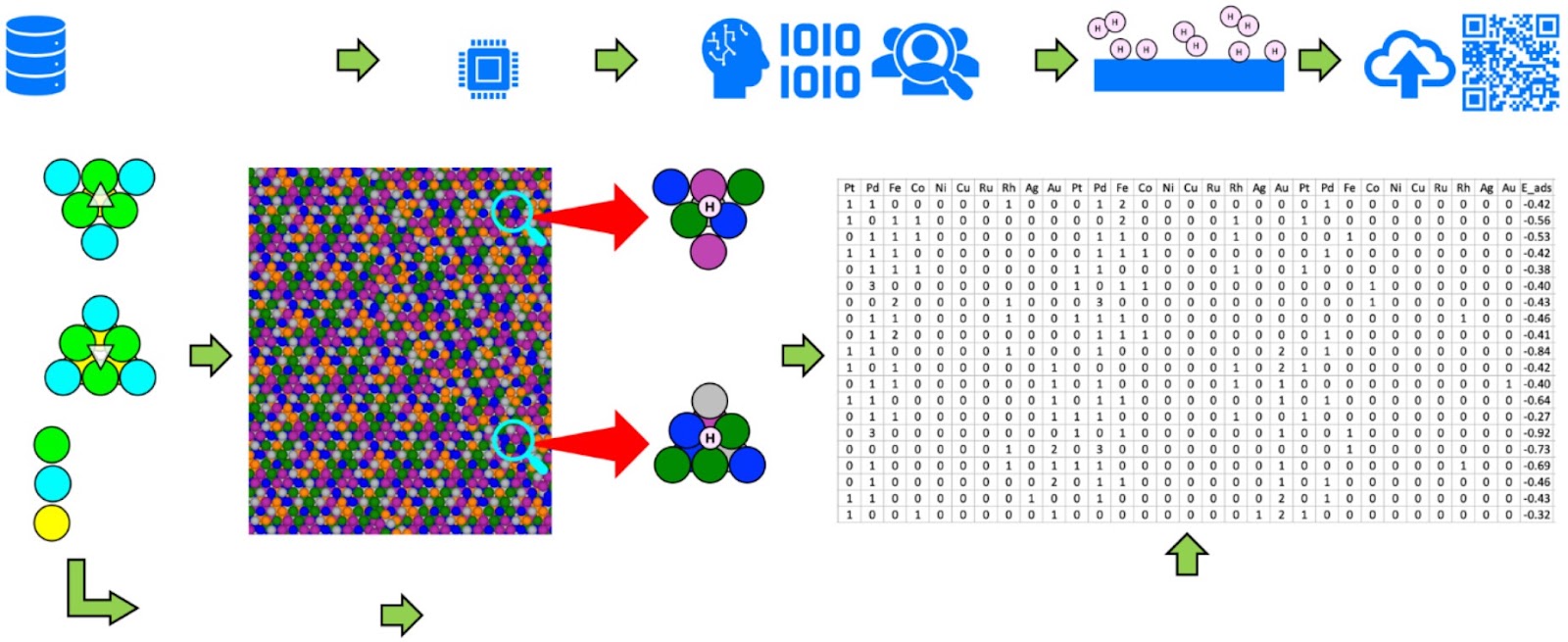
High-entropy alloys (HEAs) have emerged as promising catalysts for the hydrogen evolution reaction (HER) due to their compositional diversity and synergistic effects. In this study, machine learning-accelerated density functional theory (DFT) calculations were employed to assess the catalytic performance of PtPd-based HEAs with the formula PtPdXYZ (X, Y, Z = Fe, Co, Ni, Cu, Ru, Rh, Ag, Au; X ≠ Y ≠ Z). Among 56 screened HEA(111) surfaces, PtPdRuCoNi(111) was identified as the most promising, with adsorption energies (Eads) between −0.50 and −0.60 eV and high d-band center of −1.85 eV, indicating enhanced activity. This surface showed the hydrogen adsorption free energy (ΔGH*) of −0.03 eV for hydrogen adsorption, outperforming Pt(111) by achieving a better balance between adsorption and desorption. Machine learning models, particularly extreme gradient boosting regression (XGBR), significantly reduced computational costs while maintaining high accuracy (root-mean-square error, RMSE = 0.128 eV). These results demonstrate the potential of HEAs for efficient and sustainable hydrogen production.

Machine learning-accelerated density functional theory optimization of PtPd-based high-entropy alloys for hydrogen evolution catalysis
Graphical Abstract
Original ResearchVol. 32, Issue 11 • pp. 2743DOI: 10.1007/s12613-025-3138-2Jan 15, 2025

Unraveling the poisoning mechanism of impurity gases on TiFe hydrogen storage alloys

Authors: Hangyan Shi, Yingxian Zhang, Zhenglong Li, Fan Gao, Xinqiang Wang, Yaxiong Yang, Yanxia Liu, Xuezhang Xiao, Fang Fang, Wen-Gang Cui

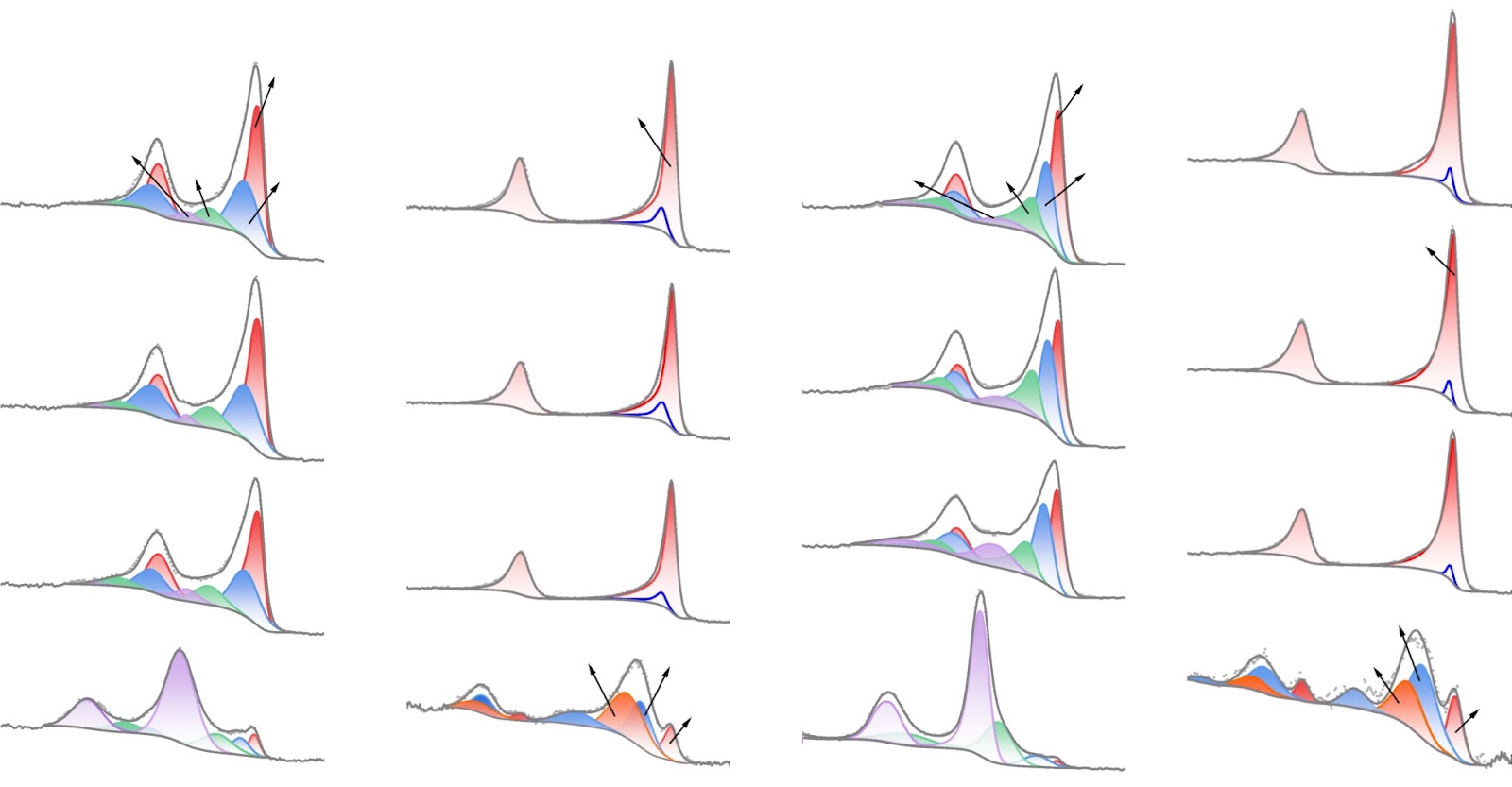
TiFe alloys are AB-based hydrogen storage materials with unique characteristics and a wide range of applications. However, the presence of impurity gases (such as O2, CO, CO2, and CH4) has a considerable impact on the hydrogen storage capacity and kinetics of TiFe alloys, drastically limiting their practical application in hydrogen storage. Consequently, in this study, we investigated the hydrogen absorption kinetics and cycling performance of the TiFe0.9 alloy in the presence of common impurity gases (including CH4, CO, CO2, and O2) and determined the corresponding poisoning mechanisms. Specifically, we found that CH4 did not react with the alloy but acted through physical coverage. In contrast, CO and CO2 occupy the active sites for H2, significantly impeding the dissociation and absorption of H2. In addition, O2 reacts directly with the alloy to form a passivating layer that prevents hydrogen absorption. These findings were further corroborated by in situ Fourier transform infrared spectrometry (FTIR) and density functional theory (DFT). The relationship between the adsorption energies of the impurity gases and hydrogen obtained through DFT calculations complements the experimental results. Understanding these poisoning behaviors is crucial for designing Ti-based high-entropy hydrogen storage alloy alloys with enhanced resistance to poisoning.

Unraveling the poisoning mechanism of impurity gases on TiFe hydrogen storage alloys
Graphical Abstract
Original ResearchVol. 32, Issue 11 • pp. 2733DOI: 10.1007/s12613-025-3175-xJan 15, 2025

Impact of Ce doping and cold rolling on the activation performance of V70Ti10Cr20 alloy

Authors: Zhenguang Huang, Qiang Shen, Shiting Yang, Peimei Dong, Chunju Lv, Meiqiang Fan, Yongfu Cui, Leichao Meng, Chao Li, Zhendong Yao

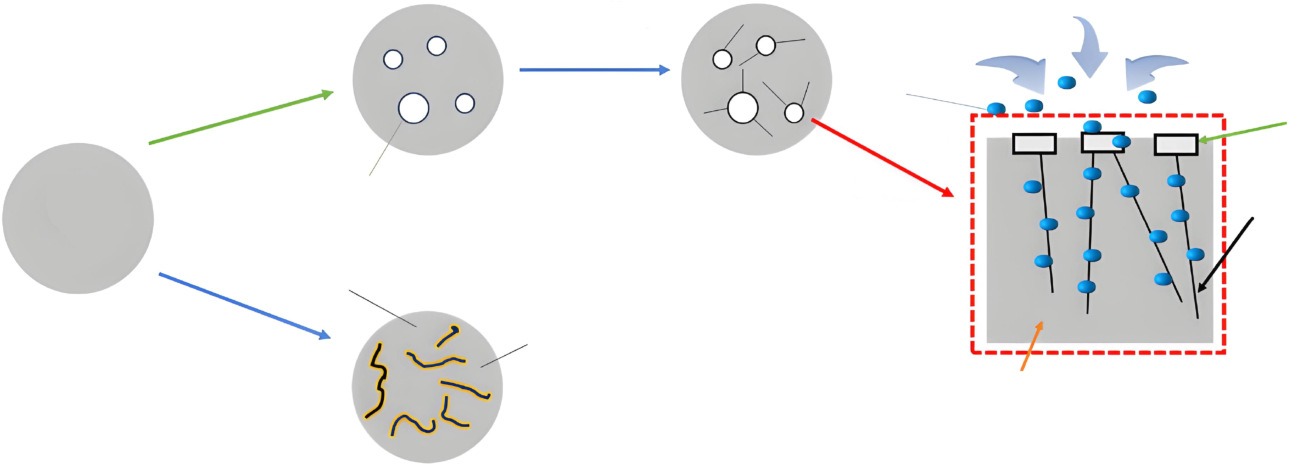
The study investigated the influence of Ce alloying and cold rolling on the activation behavior of V70Ti10Cr20-based alloys. The activation conditions of single cold rolled (V70Ti10Cr20-0.3) and single Ce replaced (V70Ti10Cr20Ce1) samples were reduced from the original two heat treatments to one heat treatment, and the incubation time was about 105 min. Unexpectedly, the two modification methods produce excellent synergistic effects that the co-modified sample (V70Ti10Cr20Ce1-0.5) was activated at room temperature (25°C) without incubation period, and reached saturation capacity (4wt%) within 12 min. Further studies show that CeO2 formed through Ce doping, serves as an active site for hydrogen absorption, facilitating the passage of hydrogen atoms through the dense oxide layer on the surface of vanadium-based alloys. Upon the foundation of Ce doping, cold rolling leads to the aggregation of dislocations around CeO2 sites, thereby further establishing a hydrogen diffusion pathway from the surface into the bulk phase, thus significantly improving the activation performance of the alloy. This work establishes a robust basis for the practical engineering use of vanadium-based hydrogen storage alloys.

Impact of Ce doping and cold rolling on the activation performance of V70Ti10Cr20 alloy
Graphical Abstract
Original ResearchVol. 32, Issue 11 • pp. 2676DOI: 10.1007/s12613-025-3277-5Jan 15, 2025

Enhancing performance and stability of Sm0.2Ce0.8O1.9-decorated La0.6Sr0.4CoO3−δ composite cathode in flat-tube solid oxide fuel cell

Authors: Zixiang Pei, Jie Zhang, Yang Zhang, Lizeng Han, Tiancheng Fan, Yang Wu, Jianxin Wang, Wanbing Guan

The commercialization of solid oxide fuel cells depends on the cathode, which possesses both high catalytic activity and a thermal-expansion coefficient (TEC) that aligns with the electrolyte. Although the cobalt-based cathode La0.6Sr0.4CoO3 (LSC) offers excellent catalytic performance, its TEC is significantly larger than that of the electrolyte. In this study, we mechanically mix Sm0.2Ce0.8O2−δ (SDC) with LSC to create a composite cathode. By incorporating 50wt% SDC, the TEC decreases significantly from 18.29 × 10⁻⁶ to 13.90 × 10⁻⁶ K−1. Under thermal-shock conditions ranging from room temperature to 800°C, the growth rate of polarization resistance is only 0.658% per cycle, i.e., merely 49% that of pure LSC. The button cell comprising the LSC-SDC composite cathode operates stably for over 900 h without Sr segregation, with a voltage growth rate of 1.11%/kh. A commercial flat-tube cell (active area: 70 cm2) comprising the LSC-SDC composite cathode delivers 54.8 W at 750°C. The distribution of relaxation-time shows that the non-electrode portion is the main rate-limiting step. This study demonstrates that the LSC-SDC mixture strategy effectively improves the compatibility with the electrolyte while maintaining a high output, thus rendering it a promising commercial cathode material.

Enhancing performance and stability of Sm0.2Ce0.8O1.9-decorated La0.6Sr0.4CoO3−δ composite cathode in flat-tube solid oxide fuel cell
Graphical Abstract
Original ResearchVol. 32, Issue 11 • pp. 2723DOI: 10.1007/s12613-025-3266-8Jan 15, 2025

Notable hydrogen storage properties in nanocrystalline Al–Cr–Cu–Fe–Ni high entropy alloy

Authors: Yogesh Kumar Yadav, Mohammad Abu Shaz, Thakur Prasad Yadav

The hydrogen storage mechanism of a single-phase nanocrystalline mechanically alloyed Al–Cr–Cu–Fe–Ni high-entropy alloy (HEA) was investigated in this study. The alloys were synthesized from the elemental powders using high-energy attritor ball mill with hexane as the process control agent. The material obtained after 40 h of milling was nanocrystalline and exhibited body-centered cubic (BCC) phase with a lattice parameter of 0.289 nm. The nanocrystalline Al–Cr–Cu–Fe–Ni HEA demonstrated remarkable hydrogen storage capacity at 300°C and 50 atm hydrogen pressure, absorbing 2.1wt% of hydrogen within 3 min and desorbing approximately 1.6wt% of hydrogen in 6 min. These rapid absorption and desorption processes highlighted the efficiency of the alloy for hydrogen uptake and release. Additionally, the alloy exhibited good cyclic stability, with a loss of only 0.2wt% of its hydrogen capacity across 25 cycles. The exceptional cycle stability and rapid kinetics of hydrogen storage and release make the nanocrystalline Al–Cr–Cu–Fe–Ni HEA a viable choice for hydrogen storage applications.

Notable hydrogen storage properties in nanocrystalline Al–Cr–Cu–Fe–Ni high entropy alloy
Graphical Abstract
Original ResearchVol. 32, Issue 11 • pp. 2666DOI: 10.1007/s12613-025-3206-7Jan 15, 2025

High-entropy oxide ceramics for detecting the ionic conductivity component in electron conductors

Authors: A.V. Shlyakhtina, E.D. Baldin, N.V. Gorshkov, D.N. Stolbov, N.V. Lyskov

A series of solid solutions with high content of Tb2O3–(TbxTi1−x)4O8−2x (x = 0.667–0.830) are synthesized in the Tb2O3–TiO2 system via co-precipitation and/or mechanical activation. This is followed by high-temperature annealing for 4–22 h. The X-ray diffraction method showed that the fluorite structure was realized for (TbxTi1−x)4O8−2x (x = 0.75–0.817). The solid solution Tb3.12Ti0.88O6.44 (64mol% Tb2O3 (x = 0.78)) with a fluorite structure exhibited a maximum hole conductivity of ~22 S/cm at 600°C. To separate the ionic component of the conductivity in the electronic conductor Tb3.12Ti0.88O6.44, its high entropy analogue, (La0.2Gd0.2Tm0.2Lu0.2Y0.2)3.12Ti0.88O6.44, was synthesized in which all rare-earth elements (REE) cations exhibited valency of +3. Consequently, the contribution of ionic (proton) conductivity (~7 × 10⁻⁶ S/cm at 600°C) was revealed with respect to the background of dominant hole conductivity. The proton conductivity of high-entropy oxide (HEО) (La0.2Gd0.2Tm0.2Lu0.2Y0.2)3.12Ti0.88O6.44 was confirmed by the detection of the isotope effect, where the mobility of the heavier O–D ions was lower than that of the O–H hydroxyls, resulting in lower conductivity in D2O vapors when compared to H2O.

High-entropy oxide ceramics for detecting the ionic conductivity component in electron conductors
Graphical Abstract
Original ResearchVol. 32, Issue 11 • pp. 2699DOI: 10.1007/s12613-025-3149-zJan 15, 2025

Optimization of Mg-based hydrogen storage materials with multicomponent and high-entropy catalysts

Authors: Yu Sun, Jiayi Cheng, Yaru Jiang, Yafei Liu, Yijing Wang

Novel hydrogen storage materials have propelled progress in hydrogen storage technologies. Magnesium hydride (MgH2) is a highly promising candidate. Nevertheless, several drawbacks, including the need for elevated thermal conditions, sluggish dehydrogenation kinetics, and high thermodynamic stability, limit its practical application. One effective method of addressing these challenges is catalyst doping, which effectively boosts the hydrogen storage capability of Mg-based materials. Herein, we review recent advancements in catalyst-doped MgH2 composites, with particular focus on multicomponent and high-entropy catalysts. Structure–property relationships and catalytic mechanisms in these doping strategies are also summarized. Finally, based on existing challenges, we discuss future research directions for the development of Mg-based hydrogen storage systems.

Optimization of Mg-based hydrogen storage materials with multicomponent and high-entropy catalysts
Graphical Abstract
Original ResearchVol. 32, Issue 11 • pp. 2689-2700DOI: 10.1007/s12613-025-3274-8Jan 15, 2025

Tuning negative thermal expansion in Sm0.85Zn0.15MnO3−δ via synthesis optimization for enhancing the stability of heterostructured solid oxide fuel cell cathodes

Authors: Jakub Fudalewski, Piotr Winiarz, Kun Zheng

Minimizing the thermal expansion coefficient (TEC) mismatch between the cathode and electrolyte in solid oxide fuel cells is crucial for achieving stable, durable operation and high performance. Recently, materials with negative thermal expansion (NTE) have attracted significant attention as effective additives for tailoring the thermomechanical properties of electrodes and enhancing cell durability. In this work, for the first time, single-phase NTE perovskite Sm0.85Zn0.15MnO3−δ (SZM15) was successfully synthesized via the sol–gel method, eliminating the unwanted ZnO phase typically observed in materials obtained through the conventional solid-state reaction route. The sol–gel approach proved highly advantageous, offering low cost, robustness, excellent chemical homogeneity, precise compositional control, and high phase purity. After optimization of synthesis parameters, a negative TEC of approximately −6.5 × 10⁻⁶ K−1 was achieved in the 400–850°C range. SZM15 was then incorporated as an additive (10wt%–50wt%) into a SmBa0.5Sr0.5CoCuO5+δ (SBSCCO) cathode to tune the thermomechanical properties with a La0.8Sr0.2Ga0.8Mg0.2O3−δ (LSGM) electrolyte, achieving a minimal TEC mismatch of only 1%. Notably, the SBSCCO + 10wt% SZM15 composite cathode exhibited the lowest polarization resistance of 0.019 Ω·cm2 at 900°C, showing approximately 70% lower than that of the pristine cathode. Excellent long-term stability after 100 h of operation was achieved. In addition, a high peak power density of 680 mW·cm−2 was achieved in a Ni-YSZ (yttria-stabilized zirconia)|YSZ|Ce0.9Gd0.1O2−δ (GDC10)|SBSCCO + 10wt% SZM15 anode-supported fuel cell at 850°C, highlighting the effectiveness of incorporating NTE materials as a promising strategy for regulating the thermomechanical properties and improving the long-term stability of intermediate temperature solid oxide fuel cells (IT-SOFCs).

Tuning negative thermal expansion in Sm0.85Zn0.15MnO3−δ via synthesis optimization for enhancing the stability of heterostructured solid oxide fuel cell cathodes
Graphical Abstract
Original ResearchVol. 32, Issue 11 • pp. 2639DOI: 10.1007/s12613-025-3201-zJan 15, 2025

Synergistic multielement effect at the B-site of high entropy double perovskite oxide: A promising fuel electrode for efficient co-electrolysis of H2O and CO2

Authors: Hui Xu, Ning Sun, Jiancheng Wang, Guozhu Zheng, Xiaoyu Zhang, Yingxue Ju, Ting Chen, Shaorong Wang

The performance of the fuel electrode in a solid oxide electrolysis cell (SOEC) is crucial to facilitating fuel gas electrolysis and is the key determinant of overall electrolysis efficiency. Nevertheless, the commercialization of integrated CO2–H2O electrolysis in SOEC remains constrained by suboptimal catalytic efficiency and long-term stability limitations inherent to conventional fuel electrode architectures. A novel high-entropy Sr2FeTi0.2Cr0.2Mn0.2Mo0.2Co0.2O6−δ (SFTCMMC) was proposed as a prospective electrode material of co-electrolysis in this work. The physicochemical properties and electrochemical performance in the co-electrolysis reaction were investigated. Full cell is capable of electrolyzing H2O and CO2 effectively with an applied voltage. The effects of temperature, H2O and CO2 concentrations, and applied voltage on the electrochemical performance of Sc0.18Zr0.82O2−δ (SSZ)-electrolyte supported SOEC were investigated by varying the operating conditions. The SOEC obtains a favorable electrolysis current density of 1.47 A·cm−2 under co-electrolysis condition at 850°C with 1.5 V. Furthermore, the cell maintains stable performance for 150 h at 1.3 V, and throughout this period, no carbon deposition is detected. The promising findings suggest that the high-entropy SFTCMMC perovskite is a viable fuel electrode candidate for efficient H2O/CO2 co-electrolysis.

Synergistic multielement effect at the B-site of high entropy double perovskite oxide: A promising fuel electrode for efficient co-electrolysis of H2O and CO2
Graphical Abstract
Original ResearchVol. 32, Issue 11 • pp. 2598-DOI: 10.1007/s12613-025-3172-0Jan 15, 2025

High-entropy materials for solid oxide cells

Authors: Qinqin Wang, Wei Kong, Shanshan Jiang, Daifen Chen

Solid oxide cells (SOCs), which include solid oxide fuel cells (SOFCs), symmetrical solid oxide cells (S-SOCs), and reversible solid oxide cells (R-SOCs), are considered key technologies for driving low-carbon and green revolution in the energy sector. Because of their clean, low-cost, and high-efficiency characteristics, SOCs have great potential for energy conversion and storage. However, the further development of SOC technologies faces challenges, such as a lack of long-term operational stability of the cell system, high material cost under high-temperature operating conditions, and limited catalytic effects at low temperatures. Recently, high-entropy materials (HEMs) have demonstrated excellent performance and wide application prospects in catalytic reactions, energy storage, supercapacitors, and other fields owing to their unique atomic arrangement and the four core effects (high mixed entropy stabilization effect, sluggish diffusion effect, lattice distortion effect, and “cocktail” effect). HEMs provide a new perspective for solving the aforementioned problems in the field of SOCs. This comprehensive review summarizes the applications of HEMs in the three fundamental components of SOCs: electrodes, electrolytes, and interconnects, focusing on the role of HEMs in enhancing catalytic activity and conductivity while mitigating harmful gas poisoning. In addition, this review proposes possible development directions for HEMs in SOCs based on the current research progress, providing valuable reference for high-entropy designs aimed at further enhancing the performance of SOCs.

High-entropy materials for solid oxide cells
Graphical Abstract
Original ResearchVol. 32, Issue 11 • pp. 2659DOI: 10.1007/s12613-025-3158-yJan 15, 2025

Structure and electrical conductivity of compositionally complex double perovskite cobaltites

Authors: Sebastian L Wachowski, Hanna Kavaliuk, Maria Sywanycz, Paula Rosiak, Tadeusz Miruszewski, Maria Gazda

In this study, compositionally complex cobaltites with the general formula BaLnCo2O6−δ with three to eight different lanthanides at the Ln-site were synthesized using the solid-state reaction method and studied. Analysis of entropy metrics and configurational entropy calculations indicated that these compounds are medium entropy oxides. All of these crystallize as tetragonal double perovskites from the space group P4/mmm. The unit cell parameters are controlled by the average ionic radius, not the configurational entropy. On the other hand, the oxygen non-stoichiometry is consistently higher than in the case of low entropy double perovskite cobaltites. The total electrical conductivity of all materials in studied conditions is well above 50 S/cm, peaking at 1487 S/cm for BaLa1/3Nd1/3Gd1/3Co2O6−δ at 300°C. The electrical conductivity decreases with the number of substituents.

Structure and electrical conductivity of compositionally complex double perovskite cobaltites
Graphical Abstract
Original ResearchVol. 32, Issue 11 • pp. 2628-DOI: 10.1007/s12613-025-3262-zJan 15, 2025

Multicomponent Gd1−xSmxBa0.5Sr0.5CoCuO5+δ double perovskites as oxygen electrodes for solid oxide cells: Effect of chemical composition and electrospun morphology

Authors: Jacek Winiarski, Piotr Winiarz, Konrad Świerczek

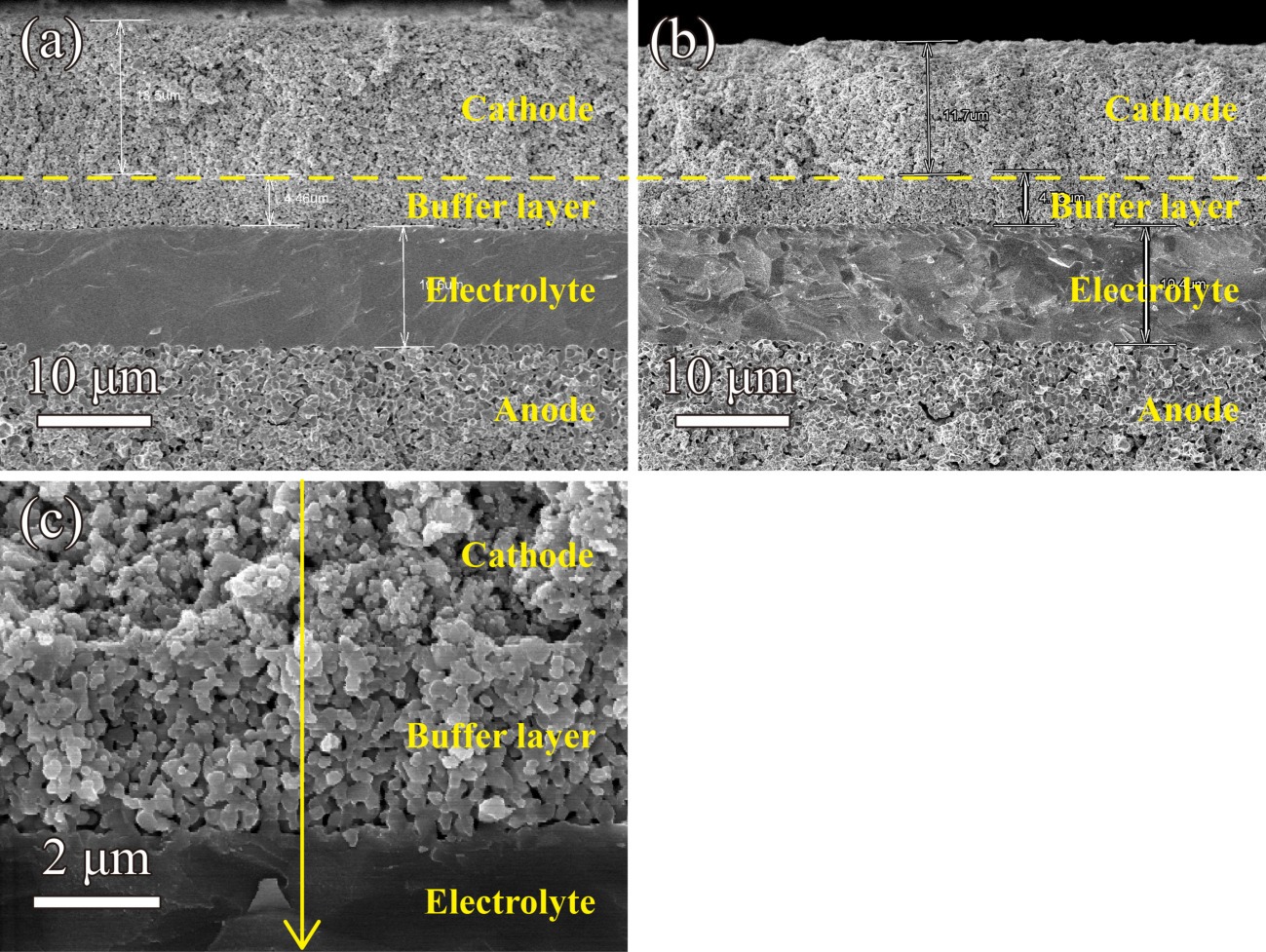
Multicomponent Gd1−xSmxBa0.5Sr0.5CoCuO5+δ double perovskites are optimized for application in terms of chemical composition and morphology for the use as oxygen electrodes in solid oxide cells. Structural studies of other physicochemical properties are conducted on a series of materials obtained by the sol–gel method with different ratios of Gd and Sm cations. It is documented that changing the x value, and the resulting adjustment of the average ionic radius, have a significant impact on the crystal structure, stability, as well as on the total conductivity and thermomechanical properties of the materials, with the best results obtained for the Gd0.75Sm0.25Ba0.5Sr0.5CoCuO5+δ composition. Oxygen electrodes are prepared using the selected compound, allowing to obtain low polarization resistance values, such as 0.086 Ω·cm2 at 800°C. Systematic studies of electrocatalytic activity are conducted using La0.8Sr0.2Ga0.8Mg0.2O3−δ as the electrolyte for all electrodes, and Ce0.8Gd0.2O2−δ electrolyte for the best performing Gd0.75Sm0.25Ba0.5Sr0.5CoCuO5+δ electrodes. The electrochemical data are analyzed using the distribution of relaxation times method. Also, the influence of the preparation method of the electrode material is investigated using the electrospinning technique. Finally, the performance of the Gd0.75Sm0.25Ba0.5Sr0.5CoCuO5+δ electrodes is tested in a Ni-YSZ (yttria-stabilized zirconia) anode-supported cell with a Ce0.8Gd0.2O2−δ buffer layer, in the fuel cell and electrolyzer operating modes. With the electrospun electrode, a power density of 462 mW·cm−2 is obtained at 700°C, with a current density of ca. 0.2 A·cm−2 at 1.3 V for the electrolysis at the same temperature, indicating better performance compared to the sol–gel-based electrode.

Multicomponent Gd1−xSmxBa0.5Sr0.5CoCuO5+δ double perovskites as oxygen electrodes for solid oxide cells: Effect of chemical composition and electrospun morphology
Graphical Abstract
Original ResearchVol. 32, Issue 11 • pp. 2650-DOI: 10.1007/s12613-025-3269-5Jan 15, 2025

Application of Sr2FeMoO6−δ-based medium entropy oxide as an anode internal reforming catalyst in solid oxide fuel cells fueled by low-concentration coal mine methane

Authors: Chuanqi Sun, Jinke Zhang, Xiuyang Qian, Mingfei Li, Hongming Liu, Jiangbo Dong, Jinda Li, Wenlin Yang, Mumin Rao, Yihan Ling

Low-concentration coal mine methane (LC-CMM), which is predominantly composed of methane, serves as a clean and low-carbon energy resource with significant potential for utilization. Utilizing LC-CMM as fuel for solid oxide fuel cells (SOFCs) represents an efficient and promising strategy for its effective utilization. However, direct application in Ni-based anodes induces carbon deposition, which severely degrades cell performance. Herein, a medium-entropy oxide Sr2FeNi0.1Cr0.3Mn0.3Mo0.3O6−δ (SFNCMM) was developed as an anode internal reforming catalyst. Following reduction treatment, FeNi3 nano-alloy particles precipitate on the surface of the material, thereby significantly enhancing its catalytic activity for LC-CMM reforming process. The catalyst achieved a methane conversion rate of 53.3%, demonstrating excellent catalytic performance. Electrochemical evaluations revealed that SFNCMM-Gd0.1Ce0.9O2−δ (GDC) with a weight ratio of 7:3 exhibited superior electrochemical performance when employed as the anodic catalytic layer. With H2 and LC-CMM as fuels, the single cell achieved maximum power densities of 1467.32 and 1116.97 mW·cm−2 at 800°C, respectively, with corresponding polarization impedances of 0.17 and 1.35 Ω·cm2. Furthermore, the single cell maintained stable operation for over 100 h under LC-CMM fueling without significant carbon deposition, confirming its robust resistance to carbon formation. These results underscore the potential of medium-entropy oxides as highly effective catalytic layers for mitigating carbon deposition in SOFCs.

Application of Sr2FeMoO6−δ-based medium entropy oxide as an anode internal reforming catalyst in solid oxide fuel cells fueled by low-concentration coal mine methane
Graphical Abstract