SinoTechIntel Academic Portal
🏛️ Indexed Academic JournalImpact Factor: 3.8

Int. Journal of Minerals, Metallurgy and Materials (矿物冶金与材料学报)

Authoritative peer-reviewed journal in materials science, metallurgy, chemistry and engineering technologies: Int. Journal of Minerals, Metallurgy and Materials (矿物冶金与材料学报)

Total Research Papers: 200
Access: 100% Free Open Access
Browse by Publication Year & VolumeReset All Filters ✕

Published Research PapersFiltered: Year 2025 • Vol. 32 • Issue 10

Showing 16 of 200 peer-reviewed papers with full Graphical Abstracts.

Original ResearchVol. 32, Issue 10 • pp. 2523-2535DOI: 10.1007/s12613-025-3153-3Oct 1, 2025

Experimental study and thermodynamic modeling of the phase equilibria in the Mg-rich corner of Mg–Zn–Mn system

Authors: Tian Yin, Yang Guo, Zheng Ma, Wenxin Hu, Qun Luo, Bin Liu, Jieyu Zhang, Guangxin Wu

Mg–Zn–Mn alloys have the advantages of low cost, excellent mechanical properties, and high corrosion resistance. To clarify the phase equilibria of Mg–Zn–Mn alloy in the Mg-rich corners, the present work experimentally investigated the phase equilibria in the Mg-rich corner at 300–400°C with equilibrated alloy method using electron probe micro analyzer (EPMA), X-ray diffractometer (XRD), transmission electron microscopy (TEM), and differential scanning calorimeter (DSC). Mn atoms were found to dissolve into MgZn2 to form a ternary solid-solution type compound, in which Mn content can be up to 15.1at% at 400°C. Three-phase equilibrium of α-Mg + MgZn2 + α-Mn and liquid + α-Mg + MgZn2 were confirmed at 400°C. Subsequently, thermodynamic modeling of the Mg–Zn–Mn system was carried out using the CALPHAD method based on the experimental data of this work and literature data. The calculated invariant reaction Liquid + α-Mn → α-Mg + MgZn2 at 430°C shows good agreement with the DSC results. In addition, the results of solidification path calculations explain the microstructure in the as-cast and annealed alloys well. The agreement between the calculated results and experimental data proves the self-consistency of the thermodynamic database, which can provide guidance for the compositional design of Mg–Zn–Mn alloys.
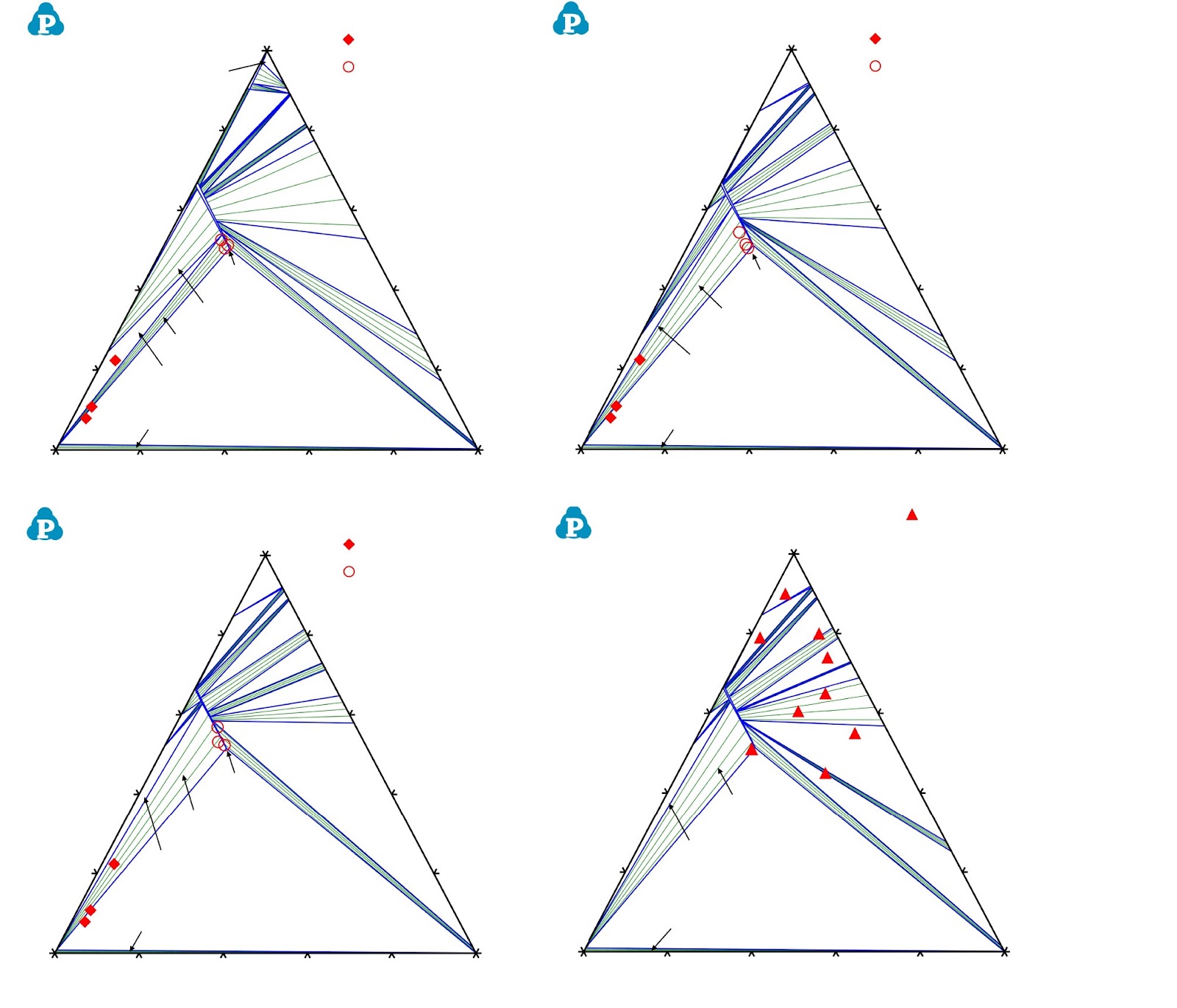
Experimental study and thermodynamic modeling of the phase equilibria in the Mg-rich corner of Mg–Zn–Mn system
Graphical Abstract
Original ResearchVol. 32, Issue 10 • pp. 2560DOI: 10.1007/s12613-025-3167-xJan 15, 2025

Synthesis diamond films on high entropy alloys by chemical vapor deposition: Microstructure, growth behavior and corrosion

Authors: Wenchao Xu, Yongsheng Wang, Xiaoqin Yang, Zhen Zeng, Jianwei Wang, Naixu Wang, Sifan Chen, Dariusz M. Jarząbek, Shengwang Yu

The heteroepitaxy of diamond films has received widespread attention; however, its application remains limited owing to the mismatch in properties and structure between diamond and heterogeneous substrates. In this study, diamond films were successfully synthesized on high-entropy alloys (HEAs) substrates using microwave plasma chemical vapor deposition. The resulting diamond films were continuous, uniform, and adhered to the HEAs substrates. The mixed carbides were identified using X-ray diffraction, and the quality of the diamond films was examined using Raman spectroscopy. Moreover, the corrosion test revealed that the diamond/TiZrHfMo samples had excellent electrochemical stability and corrosion resistance with a corrosion potential value of −0.169 V in a 3.5wt% NaCl solution. A multiple regression model was established to evaluate the effects of the structure and growth parameters, which confirmed that the mixing entropy significantly affected the grain size and corrosion properties.

Synthesis diamond films on high entropy alloys by chemical vapor deposition: Microstructure, growth behavior and corrosion
Graphical Abstract
Original ResearchVol. 32, Issue 10 • pp. 2579-DOI: 10.1007/s12613-025-3212-9Jan 15, 2025

Optimization of Eu-doped lanthanum tungstate nanophosphors via surface modification for superior red luminescence and photonic applications

Authors: K. Naveen Kumar, L. Vijayalakshmi, P.K. Vishwakarma, Jiseok Lim, Mohammad Rezaul Karim, Ibrahim A. Alnaser, D. Rajesh

The luminescence behavior of Eu3+-activated lanthanum tungstate nanophosphors exhibiting intense red emission was systematically explored by modifying their surfaces using various agents, including polyvinylpyrrolidone (PVP), cetyltrimethylammonium bromide (CTAB), trisodium citrate (TC), polyvinyl alcohol (PVA), and ethylene glycol (EG). These nanophosphors were synthesized via a facile hydrothermal-assisted solid-state reaction. X-ray diffraction (XRD) analysis confirmed the orthorhombic crystal structure of all the prepared samples. Morphological and size analyses were performed using scanning electron microscopy (SEM) and particle size distribution profiling. High-resolution transmission electron microscopy (HRTEM) complemented by elemental mapping was used to evaluate the particle dimensions and interplanar spacing of the optimized sample. Fourier-transform infrared spectroscopy (FTIR) was used to identify functional groups and assign corresponding vibrational bands. X-ray photoelectron spectroscopy (XPS) provided insights into the elemental composition and binding energies of the optimized nanophosphors. Notably, the PVA-modified sample doped with 14mol% Eu3+ exhibited pronounced red emission at 616 nm, attributed to the 5D0→7F2 electric dipole transition of Eu3+ ions under ultraviolet (UV) excitation. Detailed excitation and emission spectral analyses were performed, with band assignments corresponding to the relevant electronic transitions. Among the surface-treated variants, the PVA-modified nanophosphors demonstrated exceptional color purity of 99.6%, international commission on illumination (CIE) chromaticity coordinates of (0.6351, 0.3644), and a correlated color temperature of 1147 K. These superior optical features are ascribed to the enhanced surface passivation and suppression of nonradiative recombination, facilitated effectively by the PVA surface layer. Lifetime decay analysis across all samples revealed a significantly extended lifetime for the optimized composition, further supporting its superior luminescence efficiency. In addition, evaluation of the biocompatibility of the nanophosphors highlighted their potential for biomedical applications. Overall, these findings emphasize the efficacy of PVA-modified Eu3+-doped lanthanum tungstate nanophosphors as highly efficient red emitters, suitable for application in white light-emitting diodes (WLEDs) and latent fingerprint detection while offering valuable insights into the role of surface modification in tuning the optical properties of nanophosphors.

Optimization of Eu-doped lanthanum tungstate nanophosphors via surface modification for superior red luminescence and photonic applications
Graphical Abstract
Original ResearchVol. 32, Issue 10 • pp. 2572DOI: 10.1007/s12613-025-3177-8Jan 15, 2025

An environmentally friendly synthesis route: Low-temperature preparation of vacancy-ordered double perovskites Cs2SnX6 (X = Cl, Br, I) via ionic liquid

Authors: Yuxin Huang, Yibo Cui, Qipeng Lu, Xin Liu, Lijie Zhu

Lead-free vacancy-ordered double perovskites have emerged as promising materials for optoelectronic applications due to their environmentally friendly characteristics and exceptional properties. However, conventional synthesis methods often depend on toxic reagents and stringent conditions, limiting their large-scale synthesis and practical application. In this work, an environmentally friendly synthesis route was proposed for preparing vacancy-ordered double perovskites Cs2SnX6 (X = Cl, Br, and I) with high crystallinity under low-temperature and ambient-pressure conditions. This method utilizes ion liquid (i.e., 1-butyl-3-methylimidazolium chloride ([Bmim]Cl), 1-butyl-3-methylimidazolium bromide ([Bmim]Br) and 1-butyl-3-methylimidazolium iodide ([Bmim]I)) in combination with saturated aqueous solutions of ammonium halides as solvents, replacing traditional hydrogen halide acid or polar organic solvents. Experimental and characterization results demonstrate that the Cs2SnX6 (X = Cl, Br, and I) possess high crystallinity, well-defined morphology, and improved thermal stability. These improvements are attributed to the hydrogen bonding interactions between ionic liquids and the perovskite precursors. Additionally, the halogen-rich environment provided by ionic liquids and ammonium halide salts facilitates defect passivation. Furthermore, this method is applicable to the synthesis of doped perovskite crystals, demonstrated by the successful synthesis of Bi-doped Cs2SnCl6 crystals with a photoluminescence quantum efficiency of 12.73%. This study presents a novel strategy for synthesizing high-quality vacancy-ordered double perovskites and their doping or alloyed compounds.

An environmentally friendly synthesis route: Low-temperature preparation of vacancy-ordered double perovskites Cs2SnX6 (X = Cl, Br, I) via ionic liquid
Graphical Abstract
Original ResearchVol. 32, Issue 10 • pp. 2534DOI: 10.1007/s12613-025-3092-zJan 15, 2025

Effect of low Zn content on corrosion resistance and biocompatibility of biodegradable Mg–Zn–Y–Zr alloys

Authors: Xinyi Zhou, Jun Cheng, Jun Xu, Yipei Mao, Yang Dong, Yixuan He, Meifeng He

Although the degradability and biosafety of magnesium alloys make them advantageous for biological applications, medical implants made of magnesium alloys often fail prematurely due to corrosion. Therefore, improving the corrosion resistance of magnesium alloys has become an urgent problem in the alloy design process. In this study, we designed and prepared Mg–xZn–0.5Y–0.5Zr (x = 1, 2, and 3, wt%) alloys in a hot extruded state and analyzed their surface structure through scanning electron microscopy, energy dispersion spectrometry, and X-ray diffraction. It was found that increasing the Zn content refined the recrystallized grains in the alloy. Particularly in Mg–3Zn–0.5Y–0.5Zr, the I phase became finer, forming both granular and nanoscale needle-like particles. Surface characterization after the immersion experiment showed that the corrosion product layer was mainly composed of Mg(OH)2, Zn(OH)2, CaCO3, and hydroxyapatite. The degradation rate of ZW305K was the lowest, measured as 4.1 and 6.0 mm·a−1 with the hydrogen precipitation method and weight loss method respectively. Electrochemical experiments further explained the corrosion circuit model of the alloy in solution and confirmed the earlier results. The maximum polarization resistance of ZW305K was 874.5 Ω·cm2, and the lowest corrosion current density was 0.104 mA·cm−2. As a biomedical alloy, it must exhibit good biocompatibility, so the alloy was also tested through cytotoxicity, cell adhesion, and staining experiments. The cell viability of each group after 48 h was greater than 80%, showing that the addition of zinc enhances the alloy’s biocompatibility. In summary, the prepared alloys have the potential to be used as biodegradable implant materials.

Effect of low Zn content on corrosion resistance and biocompatibility of biodegradable Mg–Zn–Y–Zr alloys
Graphical Abstract
Original ResearchVol. 32, Issue 10 • pp. 2547DOI: 10.1007/s12613-025-3111-0Jan 15, 2025

Densification, microstructure, mechanical properties, and thermal stability of high-strength Ti-modified Al–Si–Mg–Zr aluminum alloy fabricated by laser-powder bed fusion

Authors: Yaoxiang Geng, Zhifa Shan, Jiaming Zhang, Tianshuo Wei, Zhijie Zhang

Micrometer-sized, irregularly shaped Ti particles (0.5wt% and 1.0wt%) were mixed with an Al–Si–Mg–Zr matrix powder, and a novel Ti-modified Al–Si–Mg–Zr aluminum alloy was subsequently fabricated via laser-powder bed fusion (L-PBF). The results demonstrated that the introduction of Ti particles promoted the formation of near-fully equiaxed grains in the alloy owing to the strong grain refinement of the primary (Al,Si)3(Ti,Zr) nanoparticles. Furthermore, the presence of (Al,Si)3(Ti,Zr) nanoparticles inhibited the decomposition of Si-rich cell boundaries and the precipitation of Si nanoparticles in the α-Al cells. The ultimate tensile strength (UTS), yield strength (YS), and elongation of the as-built 0.5wt% Ti (0.5Ti) alloy were (468 ± 11), (350 ± 1) MPa, and (10.0 ± 1.4)%, respectively, which are comparable to those of the L-PBF Al−Si−Mg−Zr matrix alloy and significantly higher than those of traditional L-PBF Al−Si−Mg alloys. After direct aging treatment at 150°C, the precipitation of secondary nanoparticles notably enhanced the strength of the 0.5Ti alloy. Specifically, the 0.5Ti alloy achieved a maximum UTS of (479 ± 11) MPa and YS of (376 ± 10) MPa. At 250°C, the YS of the L-PBF Ti/Al−Si−Mg−Zr alloy was higher than that of the L-PBF Al−Si−Mg−Zr matrix alloy due to the retention of Si-rich cell boundaries, indicating a higher thermal stability. As the aging temperature was increased to 300°C, the dissolution of Si-rich cell boundaries, desolvation of solid-solution elements, and coarsening of nanoprecipitates led to a decrease in the UTS and YS of the alloy to below 300 and 200 MPa, respectively. However, the elongation increased significantly.

Densification, microstructure, mechanical properties, and thermal stability of high-strength Ti-modified Al–Si–Mg–Zr aluminum alloy fabricated by laser-powder bed fusion
Graphical Abstract
Original ResearchVol. 32, Issue 10 • pp. 2510DOI: 10.1007/s12613-025-3088-8Jan 15, 2025

Multiphysics modeling of dendritic thermomechanical deformation during the directional solidification of nickel-based single-crystal superalloys

Authors: Luwei Yang, Neng Ren, Mingxu Xia, Jun Li, Jianguo Li

Nickel-based single-crystal (SX) superalloys are the key metallic materials of aeroengines. However, thermomechanical deformation always occurs during the directional solidification of SX superalloys, negatively influencing the SX structure. Casting deformation is simulated in most of the previous studies, whereas the direct simulation of dendritic thermomechanical deformation has been largely ignored, resulting in a lack of comprehensive understanding of this process. In this study, we systematically investigate dendritic thermomechanical deformation with a model coupled with dendrite growth, fluid flow, and thermomechanical deformation behavior. Results reveal that the dendritic thermomechanical deformation-induced dendrite bending is not randomly distributed but is mainly concentrated on the casting surface. The dendritic thermal stress increases as dendrite grows and accumulates after dendrite bridging. Transverse thermal contraction mainly occurs at the edge of casting in the corner, and axial thermal contraction is larger than transverse contraction. The high-stress region of the primary dendrite trunk is mainly distributed below the dendrite bridging near the solidified part, and the stress along the transverse direction reaches its maximum value on the casting surface. Stress concentrated on the casting surface is mainly attributed to variations in transverse temperature gradients caused by heat dissipation on the lateral mold wall, and inconsistent constraints in the lateral mold walls.

Multiphysics modeling of dendritic thermomechanical deformation during the directional solidification of nickel-based single-crystal superalloys
Graphical Abstract
Original ResearchVol. 32, Issue 10 • pp. 2444-?DOI: 10.1007/s12613-025-3104-zJan 15, 2025

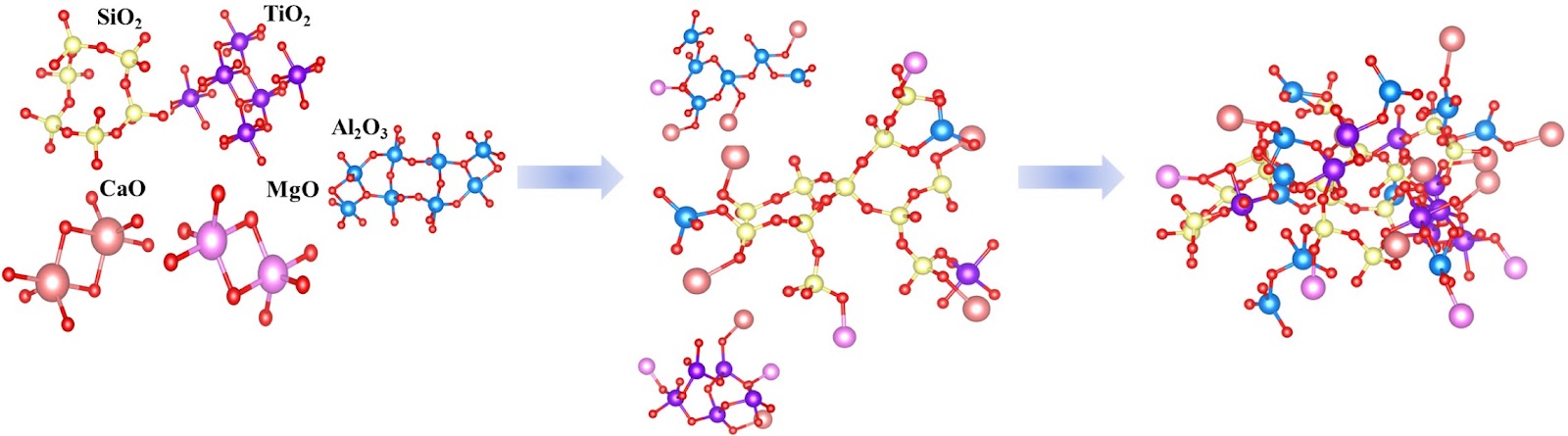
Coupling effect of TiO2 and Al2O3 on the structure of CaO–SiO2–MgO–xwt%Al2O3–ywt%TiO2 slag systems

Authors: Mao Chen, Bo Yang, Kaixuan Zhang, Junyu Chen, Yehui Li, Shuangjiang He, Meilong Hu

This study analyzes the influence of TiO2 and Al2O3 contents on the microstructure of CaO–SiO2–MgO–xwt%Al2O3–ywt%TiO2 (14 ≤ x ≤ 22, 0 ≤ y ≤ 10) blast furnace slag systems based on the change of slag viscosity, Raman spectroscopy, and molecular dynamics. The Raman spectroscopy results indicate that an increase in TiO2 content leads to the gradual depolymerization of complex silicate structures ( and ) into simpler structures ( and ) in the slag. At the same time, the Al–O–Al bonds in the aluminate structures of the slag also depolymerize into simpler Al–O− forms, resulting in a decrease in the degree of polymerization of both silicates and aluminates. In contrast, an increase in Al2O3 content generally results in an increased degree of polymerization for the silicates and aluminates. Molecular dynamics simulations of the polymerization and depolymerization processes in the microstructure of the blast furnace slag reveal that Si and Al mainly exist in tetrahedral [SiO4]4− and [AlO4]4−, while Ti mainly exists in the form of simple pentacoordinate [TiO5]6− and hexacoordinate [TiO6]8−. TiO2 exhibits basic properties in this system, whereas Al2O3 demonstrates acidic behavior. The addition of TiO2 introduces free oxide ions into the system, causing the bridging oxygens to break into non-bridging oxygens, leading to the depolymerization of complex structures and , which simplifies the slag structure. On the other hand, an increase in Al2O3 content tends to capture or share the oxide ions within the system to form [AlO4]4−, resulting in the polymerization of free oxygens into non-bridging oxygens, which further polymerize into bridging oxygens and lead to the consolidation of simple structures and , resulting in a more complex slag structure. Both Raman spectroscopy analysis and molecular dynamics simulation results indicate that the degree of polymerization of [SiO4]4− and [AlO4]4− in the slag network structure is a crucial factor determining the fluidity of the slag.

Coupling effect of TiO2 and Al2O3 on the structure of CaO–SiO2–MgO–xwt%Al2O3–ywt%TiO2 slag systems
Graphical Abstract
Original ResearchVol. 32, Issue 10 • pp. 2418DOI: 10.1007/s12613-025-3116-8Jan 15, 2025

Na2SO4-assisted reductive roasting for enhanced Ni and Co recovery from limonitic laterite: Mechanism and pilot-scale rotary kiln validation

Authors: Jing Chen, Yuqi Zhong, Boqi Wang, Jun Luo, Zhiwei Peng, Yanhu Chen, Guanghui Li, Mingjun Rao

The growing demand for Ni and Co in the new energy sector necessitates efficient extraction methods for limonitic laterite ores. This study demonstrated the effectiveness of sodium sulfate (Na2SO4) as an additive for enhancing the co-enrichment of Ni and Co during solid-state reduction. Na2SO4 promoted the formation of two distinct liquid phases, low-melting-point FeS–FeO–Fe and NaAlSiO4–NaFeSiO4, facilitating the migration and aggregation of Ni–Co–Fe alloy particles, leading to a high-grade alloy powder with 11.98wt% Ni and 0.88wt% Co and recoveries of 94.03% and 80.16%, respectively. Ni–Co–Fe particle growth was mainly driven by the FeS–FeO–Fe eutectic melt, aligned with a liquid-phase sintering mechanism. Pilot-scale rotary kiln experiments validated the industrial feasibility of this approach, which offers a promising solution for the sustainable extraction of these critical metals.

Na2SO4-assisted reductive roasting for enhanced Ni and Co recovery from limonitic laterite: Mechanism and pilot-scale rotary kiln validation
Graphical Abstract
Original ResearchVol. 32, Issue 10 • pp. 2429DOI: 10.1007/s12613-025-3121-yJan 15, 2025

Hydrogen-assisted mineral phase transformation for iron recovery and sulfur removal from laterite nickel ore tailings

Authors: Na Zhao, Yuchao Qiu, Sainan Qi, Mengyu He, Qianwen Li, Yongsheng Sun

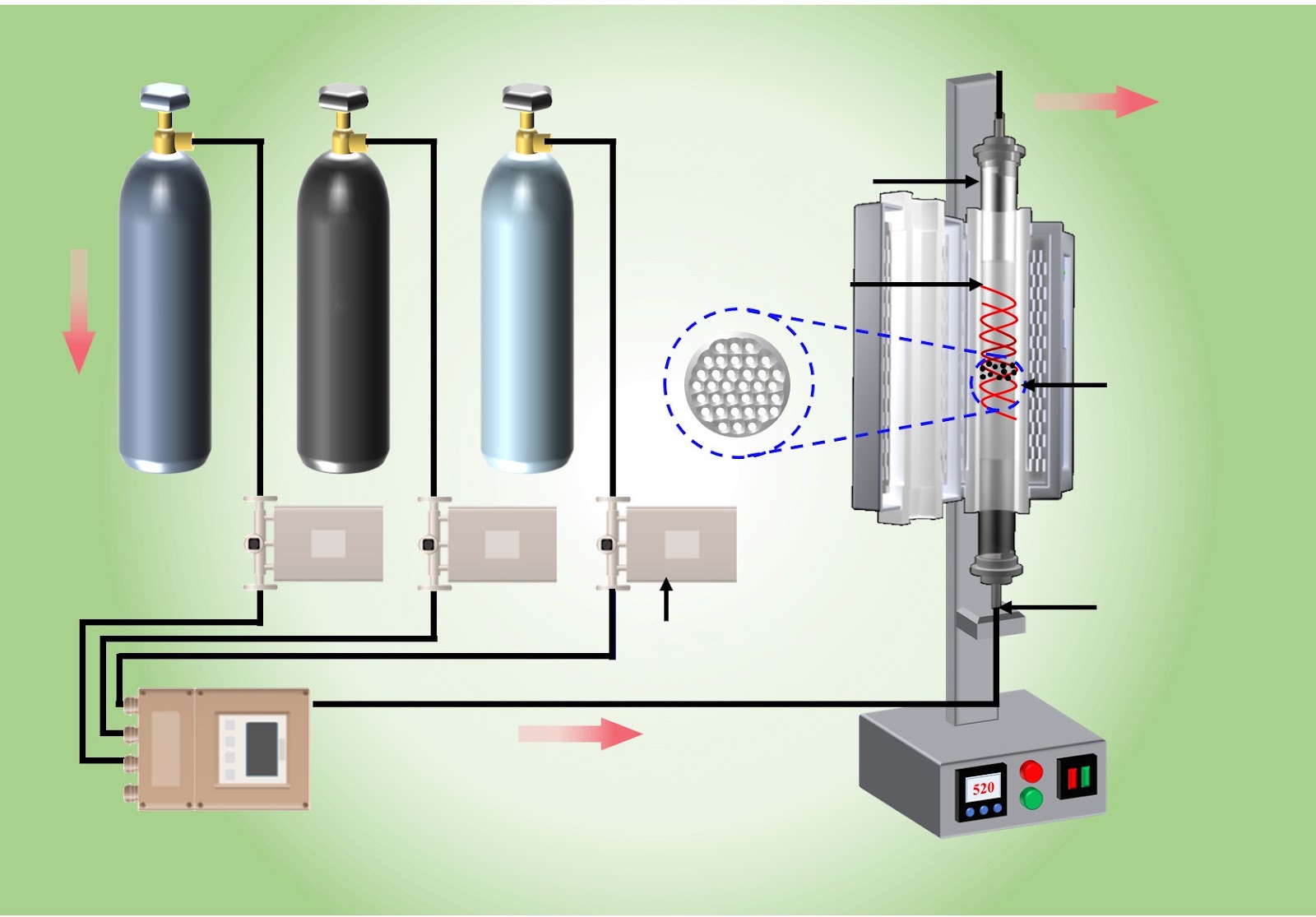
This study explores a hydrogen-assisted mineral phase transformation process with synergistic desulfurization for the efficient recovery of iron from the high-pressure acid leach (HPAL) tailings of laterite nickel ore. HPAL tailings containing 51.50wt% iron and 2.09wt% sulfur present environmental challenges due to their sulfur content. Pre-treatment at 950°C for 15 min successfully reduced the sulfur content to 0.295wt% and increased the iron grade to 57.66wt%. Further hydrogen-assisted mineral phase transformation at 520°C for 30 min, using 40vol% hydrogen and a gas flow rate of 600 mL·min–1, resulted in a product with an iron grade of 61.00wt% and 90.11% iron recovery. The overall desulfurization rate reached 85.83% when wet scrubbing and limestone were used to capture the sulfur. This study demonstrates the efficiency of this hydrogen-assisted process for sustainable iron recovery and sulfur removal from laterite nickel ore tailings, with potential for industrial applications.

Hydrogen-assisted mineral phase transformation for iron recovery and sulfur removal from laterite nickel ore tailings
Graphical Abstract
Original ResearchVol. 32, Issue 10 • pp. 2366-DOI: 10.1007/s12613-024-3085-3Jan 15, 2025

Influence of unloading orifice size on the production of microsized ore particles by gas rapid unloading

Authors: Genghao Zhang, Deyang Zhao, Yi Chang, Yongbo Fan, Renshu Yang, Shihai Li

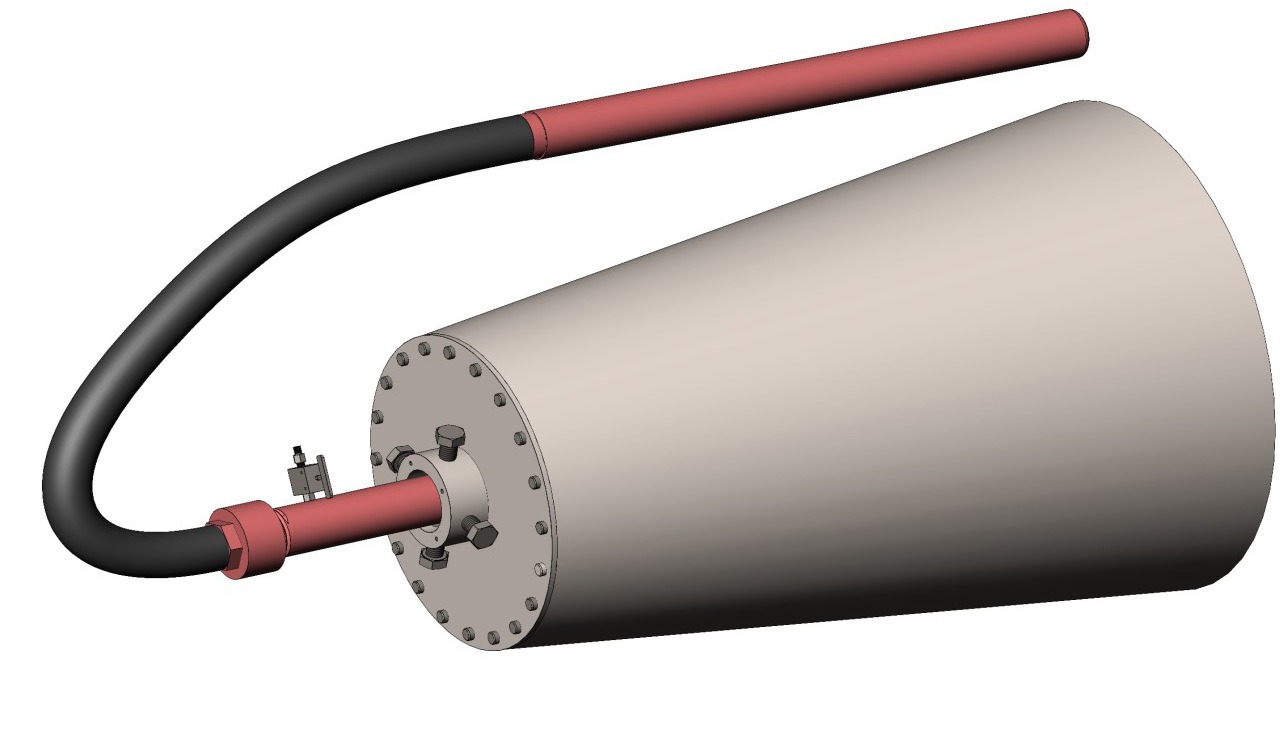
Gas rapid unloading (GRU) is an innovative technology for ore comminution. Increasing the production of fine powder in each ore grinding cycle is vital for scaling up the GRU method to industrial applications. This study utilizes laboratory experiments to demonstrate that moderately reducing the orifice size significantly enhances pulverization and increases fine particle yield. Numerical simulations suggest that smaller orifices improve pulverization by increasing jet speed, reducing pressure drop, and creating a larger pressure difference inside and outside the unloading orifice. The orifice size should be optimized based on feed size to ensure efficient ore discharge. Reducing the unloading orifice size improves GRU grinding efficiency and energy use, offering guidance for the design of ore discharge ports in future industrial-scale equipment.

Influence of unloading orifice size on the production of microsized ore particles by gas rapid unloading
Graphical Abstract
Original ResearchVol. 32, Issue 10 • pp. 2391DOI: 10.1007/s12613-025-3102-1Jan 15, 2025

Mechanical properties, deformation response, energy evolution and failure pattern of stratified cemented tailings backfill under triaxial compression

Authors: Wenbin Xu, Yalun Zhang, Kangqi Zhao, Tong Sun

The backfill should keep stable in the primary stope when mining an adjacent secondary stope in subsequent open stoping mining methods, and the large-size mined-out area is usually backfilled by multiple backfilling before the recovery of a secondary stope, resulting in a layered structure of backfill in stope. Therefore, it is significant to investigate the deformation responses and mechanical properties of stratified cemented tailings backfill (SCTB) with different layer structures to remain self-standing as an artificial pillar in the primary stope. The current work examined the effects of enhance layer position (1/3, 1/2, and 2/3) and thickness ratio (0, 0.1, 0.2, and 0.3) on the mechanical properties, deformation, energy evolution, microstructures, and failure modes of SCTB. The results demonstrate that the incorporation of an enhance layer significantly strengthens the deformation and strength of SCTB. Under a confining pressure of 50 kPa, the peak deviatoric stress rises from 525.6 to 560.3, 597.1, and 790.5 kPa as the thickness ratio of enhance layer is increased from 0 to 0.1, 0.2, and 0.3, representing a significant increase of 6.6%, 13.6%, and 50.4%. As the confining pressure increases, the slopes of the curves in the elastic stage become steep, and the plastic phase is extended accordingly. Additionally, the incorporation of the enhance layer significantly improves the energy storage limit of SCTB specimen. As the thickness ratio of the enhance layer increases from 0 to 0.1, 0.2, and 0.3, the elastic energy rises from 0.54 to 0.67, 0.84, and 1.00 MJ·m−3, representing a significant increase of 24.1%, 55.6%, and 85.2%. The internal friction angles and cohesions of the SCTB specimens are higher than those of the CTB specimens, however, the cohesion is more susceptible to enhance layer position and thickness ratio than the internal friction angle. The failure style of the SCTB specimen changes from shear failure to splitting bulging failure and shear bulging failure with the presence of an enhance layer. The crack propagation path is significantly blocked by the enhance layer. The findings are of great significance to the application and stability of the SCTB in subsequent stoping backfilling mines.

Mechanical properties, deformation response, energy evolution and failure pattern of stratified cemented tailings backfill under triaxial compression
Graphical Abstract
Original ResearchVol. 32, Issue 10 • pp. 2406DOI: 10.1007/s12613-025-3136-4Jan 15, 2025

Enhanced prediction of occurrence forms of heavy metals in tailings: A systematic comparison of machine learning methods and model integration

Authors: Pengxin Zhao, Kechao Li, Nana Zhou, Qiusong Chen, Min Zhou, Chongchong Qi

Tailings produced by mining and ore smelting are a major source of soil pollution. Understanding the speciation of heavy metals (HMs) in tailings is essential for soil remediation and sustainable development. Given the complex and time-consuming nature of traditional sequential laboratory extraction methods for determining the forms of HMs in tailings, a rapid and precise identification approach is urgently required. To address this issue, a general empirical prediction method for HM occurrence was developed using machine learning (ML). The compositional information of the tailings, properties of the HMs, and sequential extraction steps were used as inputs to calculate the percentages of the seven forms of HMs. After the models were tuned and compared, extreme gradient boosting, gradient boosting decision tree, and categorical boosting methods were found to be the top three performing ML models, with the coefficient of determination (R2) values on the testing set exceeding 0.859. Feature importance analysis for these three optimal models indicated that electronegativity was the most important factor affecting the occurrence of HMs, with an average feature importance of 0.4522. The subsequent use of stacking as a model integration method enabled the ability of the ML models to predict HM occurrence forms to be further improved, and resulting in an increase of R2 to 0.879. Overall, this study developed a robust technique for predicting the occurrence forms in tailings and provides an important reference for the environmental assessment and recycling of tailings.

Enhanced prediction of occurrence forms of heavy metals in tailings: A systematic comparison of machine learning methods and model integration
Graphical Abstract
Original ResearchVol. 32, Issue 10 • pp. 2341DOI: 10.1007/s12613-025-3220-9Jan 15, 2025

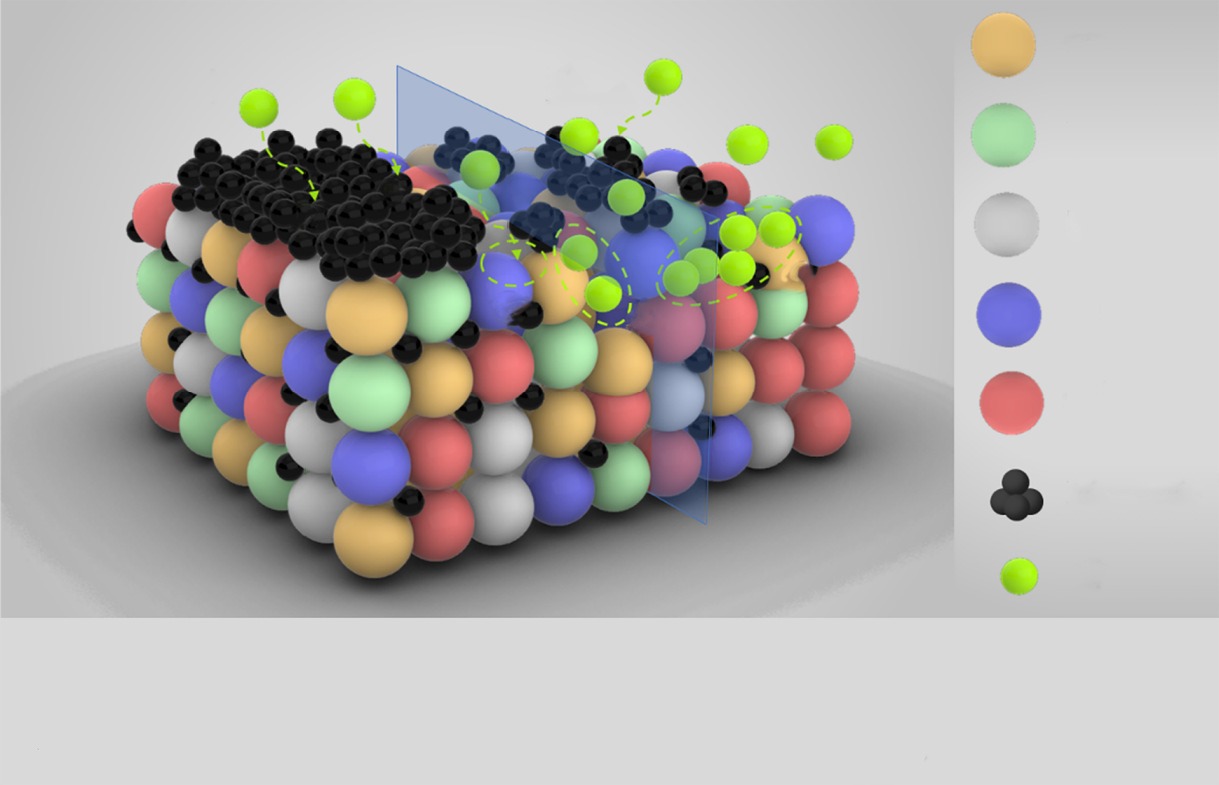
Hand-printed paper-based devices: Toward green flexible electronics and sensing applications

Authors: Parth Shah, Sanjay A. Bhakhar, Pratik M. Pataniya, C.K. Sumesh

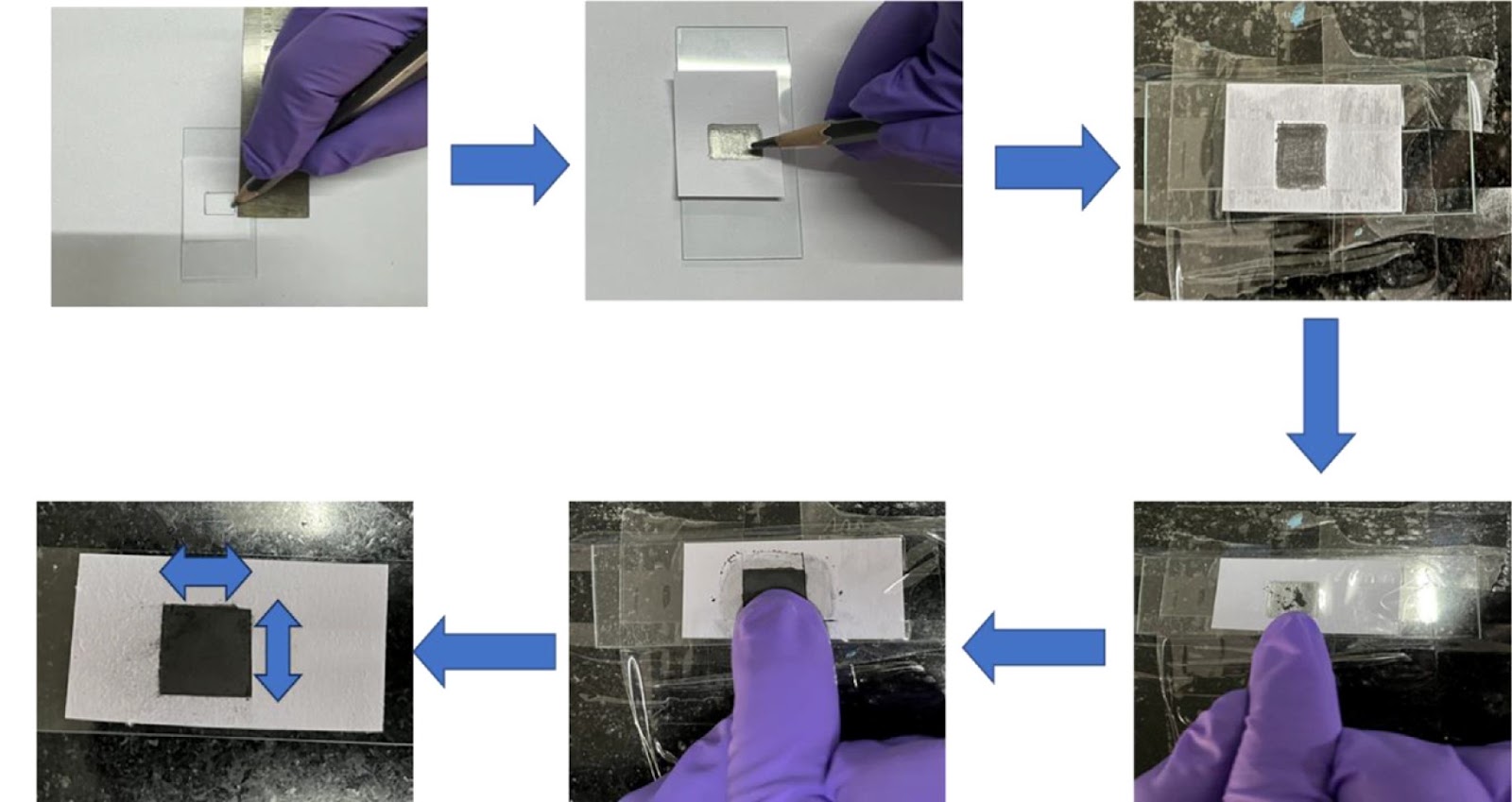
The rapid advancement of modern electronics has led to a surge in solid electronic waste, which poses significant environmental and health challenges. This review focuses on recent developments in paper-based electronic devices fabricated through low-cost, hand-printing techniques, with particular emphasis on their applications in energy harvesting, storage, and sensing. Unlike conventional plastic-based substrates, cellulose paper offers several advantages, including biodegradability, recyclability, and low fabrication cost. By integrating functional nanomaterials such as two-dimensional chalcogenides, metal oxides, conductive polymers, and carbon-based structures onto paper, researchers have achieved high-performance devices such as broadband photodetectors (responsivity up to 52 mA/W), supercapacitors (energy density ~15.1 mWh/cm2), and pressure sensors (sensitivity ~18.42 kPa−1). The hand-printing approach, which eliminates the need for sophisticated equipment and toxic solvents, offers a promising route for scalable, sustainable, and disposable electronics. This review outlines fabrication methods and key performance metrics, and discusses the current challenges and future directions for realizing robust, flexible devices aligned with green technology and the United Nation’s Sustainable Development Goals.

Hand-printed paper-based devices: Toward green flexible electronics and sensing applications
Graphical Abstract
Original ResearchVol. 32, Issue 10 • pp. 2322DOI: 10.1007/s12613-025-3188-5Jan 15, 2025

Advancements in production planning and scheduling within steel manufacturing: A review and its intelligent development

Authors: Yongzhou Wang, Zhong Zheng, Liang Guo, Yongjie Yang, Shiyu Zhang, Xueying Liu, Xiaoqiang Gao

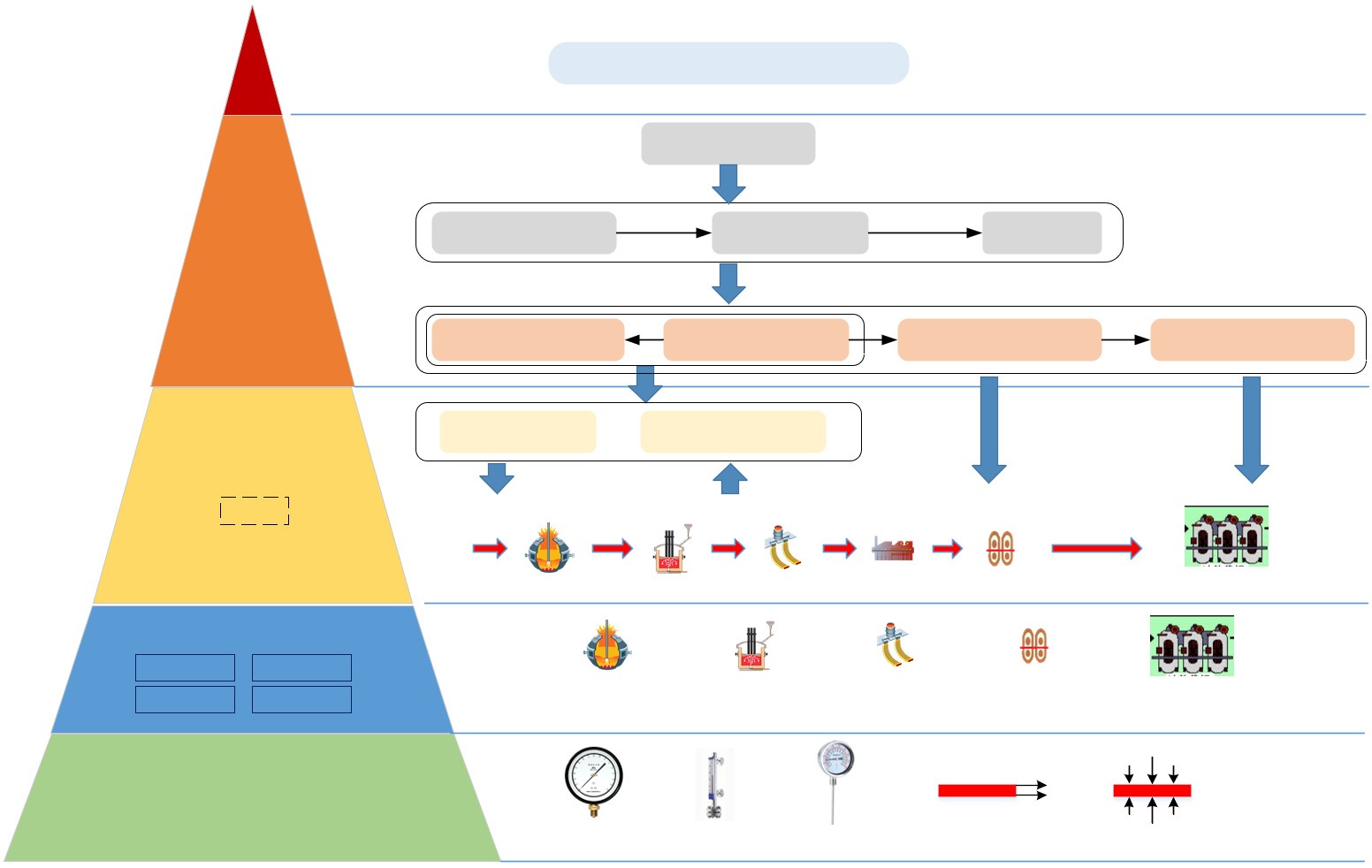
In the context of reducing its carbon emissions, the Chinese steel industry is currently undergoing an intelligent transformation to enhance its profitability and sustainability. The optimization of production planning and scheduling plays a pivotal role in realizing these objectives such as improving production efficiency, saving energy, reducing carbon emissions, and enhancing quality. However, current practices in steel enterprises are largely dependent on experience-driven manual decision approaches supported by information systems, which are inadequate to meet the complex requirements of the industry. This study explores the current situation in production planning and scheduling, analyzes the characteristics and limitations of existing methods, and emphasizes the necessity and trends of intelligent systems. It surveys the current literature on production planning and scheduling in steel enterprises and analyzes the theoretical advancements and practical challenges associated with combinatorial and sequential optimization in this field. A key focus is on the limitations of current models and algorithms in effectively addressing the multi-objective and multiconstraint characteristics of steel production. To overcome these challenges, a novel framework for intelligent production planning and scheduling is proposed. This framework leverages data- and knowledge-driven decision-making and scenario adaptability, enabling the system to respond dynamically to real-time production conditions and market fluctuations. By integrating artificial intelligence and advanced optimization methodologies, the proposed framework improves the efficiency, cost-effectiveness, and environmental sustainability of steel manufacturing.

Advancements in production planning and scheduling within steel manufacturing: A review and its intelligent development
Graphical Abstract
Original ResearchVol. 32, Issue 10 • pp. 2305DOI: 10.1007/s12613-025-3208-5Jan 15, 2025

Sustainable utilization of fluorite flotation tailings resources: A review

Authors: Shenxu Bao, Hailin Zhou, Yimin Zhang, Ye Zhang, Muyang Huang

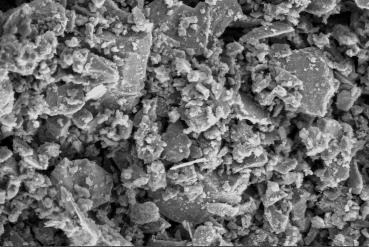
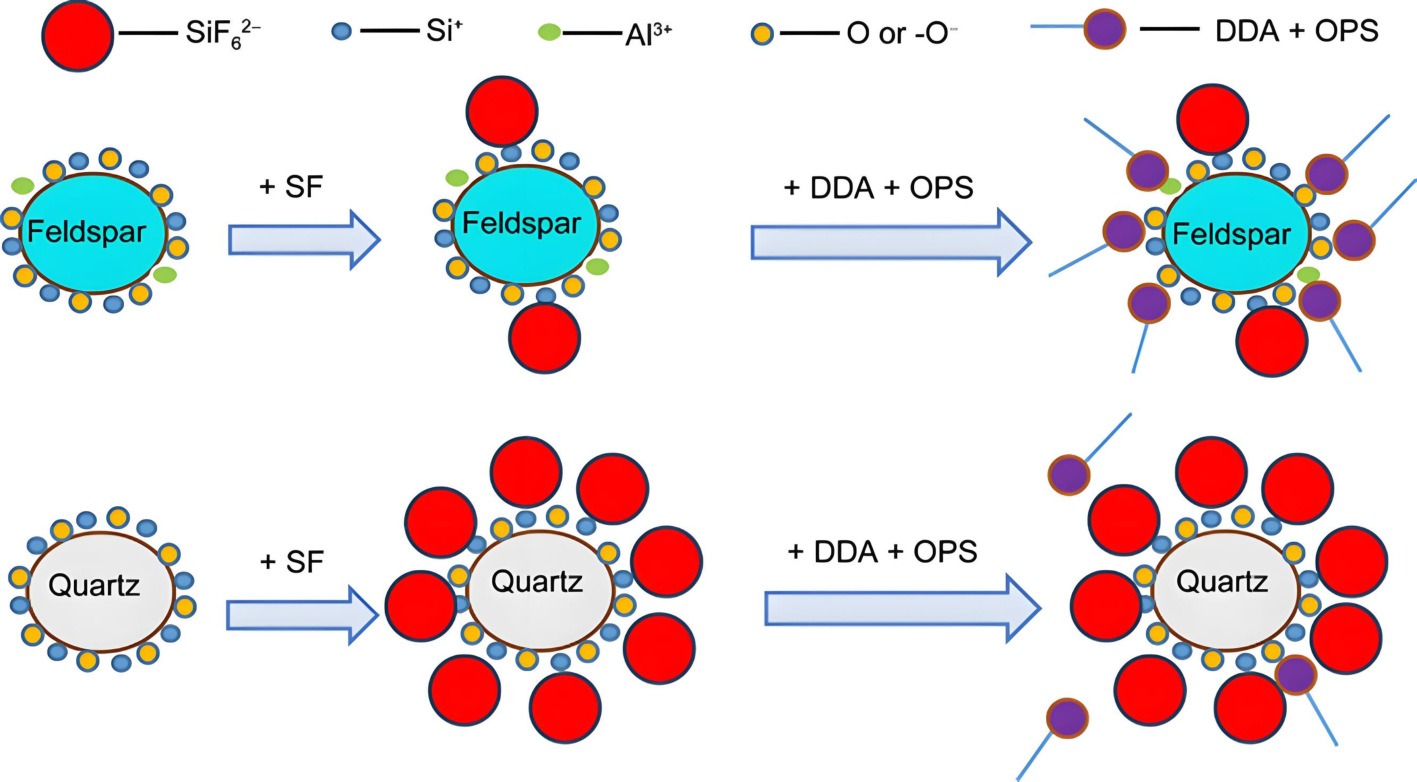
The rapid development of novel energy materials has led to a sustained surge in the global demand for fluorine. Fluorite is the primary source of fluorine globally and is increasingly being exploited. The estimated annual production of fluorite worldwide is approximately 8 million tons, with an additional 5 million tons of fluorite tailings. This accumulation not only consumes land resources, but also contributes to dust generation and F– percolation, leading to water and air contamination. This paper comprehensively reviews the utilization methods of fluorite tailings, including the flotation recovery of quartz and fluorite, the preparation of cement mineralizing agents, and the preparation of concrete mineral additives, autoclaved lime sand brick, and glass-ceramics. Furthermore, potential future applications and research directions are proposed, including the comprehensive recovery of valuable minerals, auxiliary cementitious materials preparation, and the functionalization of glass-ceramics. This study can serve as a reference for expediting the utilization of fluorite tailings, promoting the development of tailing-free mines, and establishing sustainable development strategies.

Sustainable utilization of fluorite flotation tailings resources: A review
Graphical Abstract