SinoTechIntel Academic Portal
🏛️ Indexed Academic JournalImpact Factor: 3.8

Int. Journal of Minerals, Metallurgy and Materials (矿物冶金与材料学报)

Authoritative peer-reviewed journal in materials science, metallurgy, chemistry and engineering technologies: Int. Journal of Minerals, Metallurgy and Materials (矿物冶金与材料学报)

Total Research Papers: 200
Access: 100% Free Open Access
Browse by Publication Year & VolumeReset All Filters ✕

Published Research PapersFiltered: Year 2025 • 32 • 7

Showing 5 of 200 peer-reviewed papers with full Graphical Abstracts.

Original ResearchVol. 32, Issue 7 • pp. 1739DOI: 10.1007/s12613-025-3099-5Jan 15, 2025

Controllable synthesis and structure-activity relationship of Ni doping in SmCrO3 for improved magnetic and dielectric properties

Authors: Wenjie Huang, Rui Li, Ruoxuan Zhang, Yimin Cui, Rongming Wang

Doping small amounts at the A-site or B-site of SmCrO3 ceramics is a promising approach for modifying their microstructure, as well as their magnetic and dielectric properties. In this study, polycrystalline ceramics of Sm1−xNixCrO3 (x = 0, 0.05, and 0.20) and SmCr1−yNiyO3 (y = 0.05 and 0.20) were synthesized via a conventional solid-state reaction. X-ray diffraction validated that all the doped ceramics maintained an orthorhombic crystalline structure consistent with the Pbnm space group. Furthermore, X-ray photoelectron spectroscopy demonstrated the presence of Ni2+ ions in the doped specimens. Notably, doping resulted in significant enhancement of low-temperature magnetic properties, particularly in samples doped at the A-site, such as Sm0.80Ni0.20CrO3. Compared with the pristine sample, the maximum magnetization of Sm0.80Ni0.20CrO3 increased by approximately 60.9% and 93.5% in the zero-field cooling and field-cooling modes, respectively, in an external magnetic field of 100 Oe. Furthermore, the dielectric constants of the Ni-doped ceramics initially exceeded that of the pristine sample as the temperature increased. At equivalent doping ratios, A-site doping demonstrated superior performance over B-site doping, including higher magnetization, lower dielectric loss, and enhanced electrical quality factors.
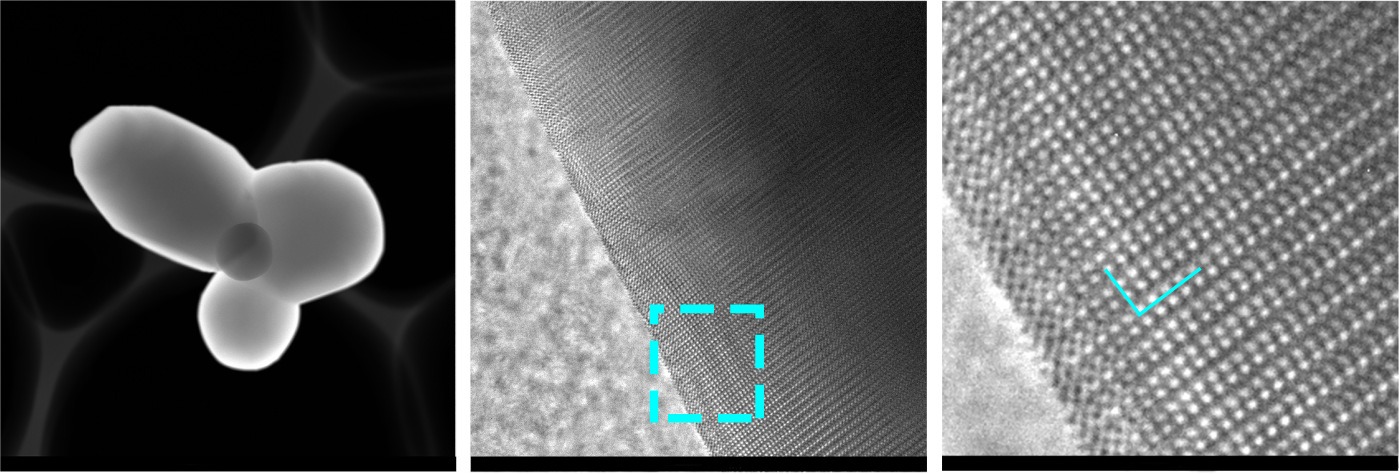
Controllable synthesis and structure-activity relationship of Ni doping in SmCrO3 for improved magnetic and dielectric properties
Graphical Abstract
Original ResearchVol. 32, Issue 7 • pp. 1628DOI: 10.1007/s12613-024-3017-2Jan 15, 2025

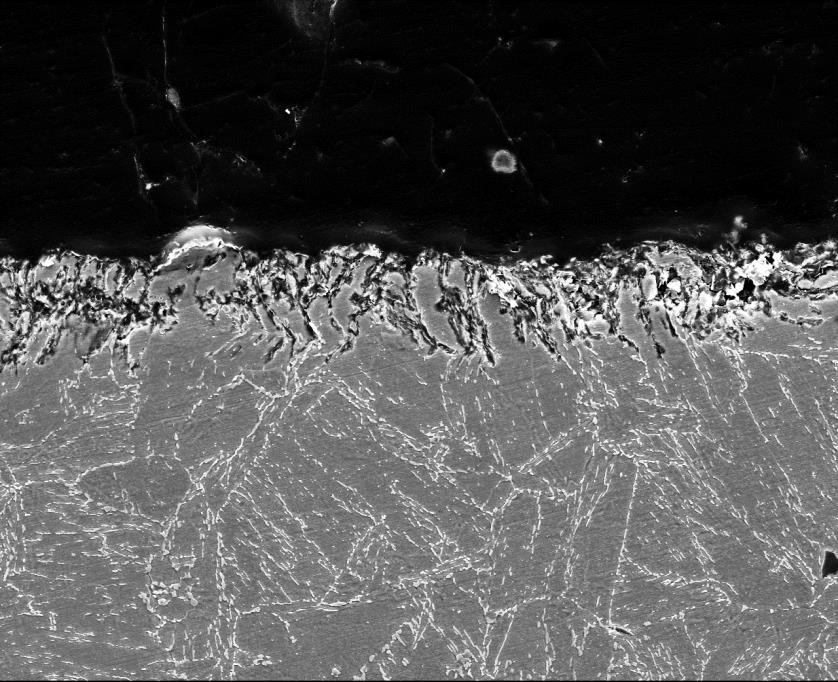
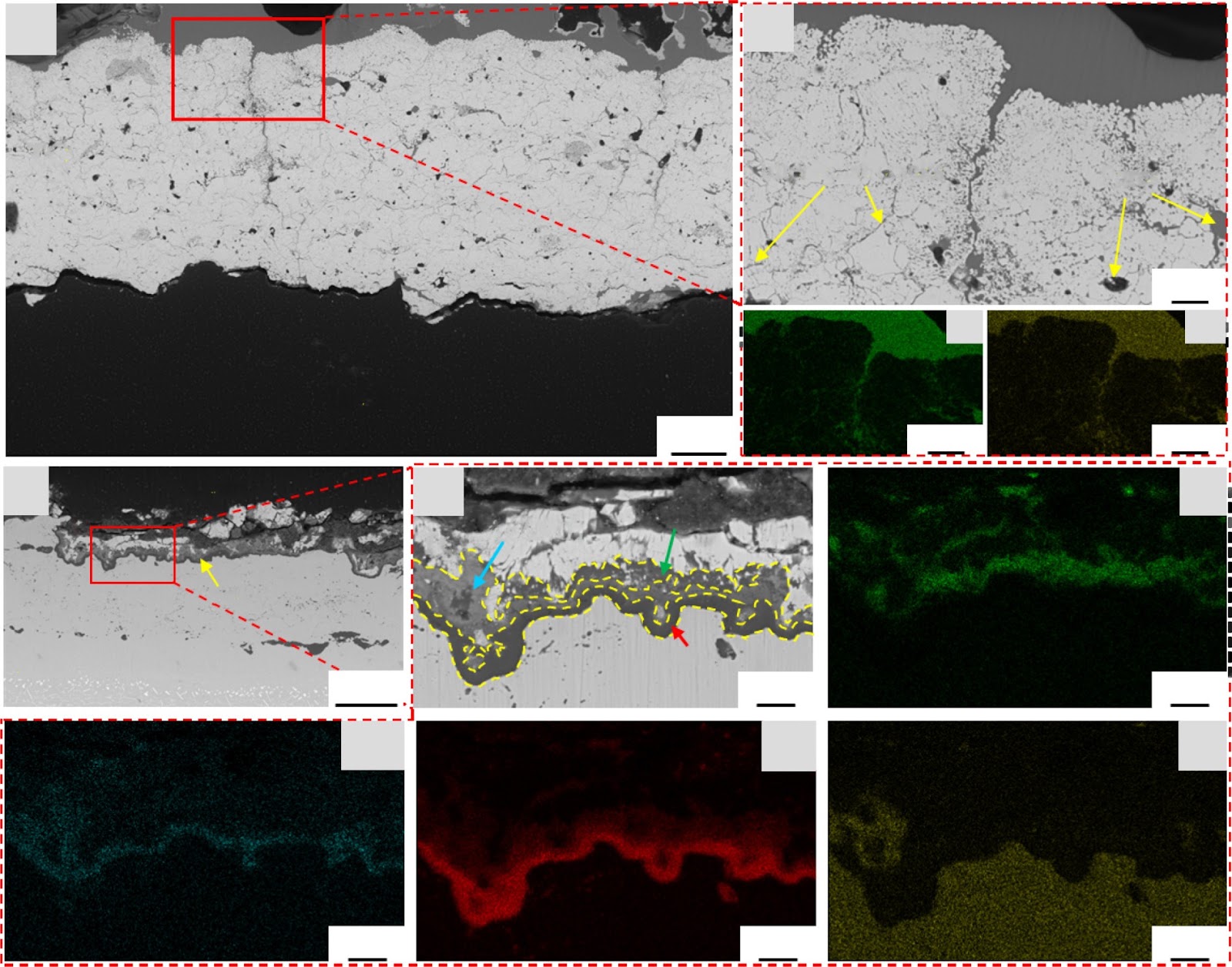
Effects of calcium–magnesium–alumina–silicate and NaCl melting sequence on corrosion resistance of thermal barrier coatings

Authors: Yang Feng, Yong Shang, Chun Li, Xiao Zhang, Yanling Pei, Shengkai Gong, Huibin Xu

Calcium–magnesium–alumina–silicate (CMAS) and/or molten salt corrosion have attracted increased attention, which is an important cause of thermal barrier coating (TBC) failure. In this study, the effect of CMAS and NaCl melting sequence on the corrosion mechanisms of yttria-stabilized zirconia (YSZ) TBCs was revealed through experiments and finite element simulations. The YSZ TBCs were prepared via atmospheric plasma spraying. Subsequently, the CMAS and NaCl corrosion experiments of the TBCs were conducted at 1250°C. Results indicated that the melting sequence of CMAS and NaCl could influence the TBC failure mode. The coating failure modes after CMAS + NaCl mixed corrosion and NaCl melting followed by CMAS melting were buckling failures. Conversely, the coating failure mode was observed to be spalling failures. This study provides data support for the optimization of TBC systems in complex corrosive environments.

Effects of calcium–magnesium–alumina–silicate and NaCl melting sequence on corrosion resistance of thermal barrier coatings
Graphical Abstract
Original ResearchVol. 32, Issue 7 • pp. 1703DOI: 10.1007/s12613-024-3058-6Jan 15, 2025

Microstructural optimization and strengthening mechanisms of in-situ TiB2/Al–Cu composite after multidirectional forging for six passes

Authors: Sen Yang, Zhiren Sun, Zipeng Wang, Shuhui Zhao, Kaikun Wang, Dun Li, Xiaokai Wang

In-situ TiB2/Al–Cu composite was processed by multidirectional forging (MDF) for six passes. The microstructure evolution of the forged workpiece was examined across various regions. The mechanical properties of the as-cast and MDFed composites were compared, and their strengthening mechanisms were analyzed. Results indicate that the grain refinement achieved through the MDF process is mainly due to the subdivision of the original grains through mechanical geometric fragmentation and the occurrence of dynamic recrystallization (DRX). DRX grains are formed through discontinuous DRX, continuous DRX, and recrystallization induced by particle-stimulated nucleation. A rise in accumulated equivalent strain results in finer α-Al grains and a more uniform distribution of TiB2 particles, which enhance the Vickers hardness of the composite. In addition, the tensile properties of the MDFed composite significantly improve compared with those of the as-cast composites, with ultimate tensile strength and yield strength increasing by 51.2% and 54%, respectively. This enhancement is primarily due to grain refinement strengthening and dislocation strengthening achieved by the MDF process.

Microstructural optimization and strengthening mechanisms of in-situ TiB2/Al–Cu composite after multidirectional forging for six passes
Graphical Abstract
Original ResearchVol. 32, Issue 7 • pp. 1607DOI: 10.1007/s12613-024-3077-3Jan 15, 2025

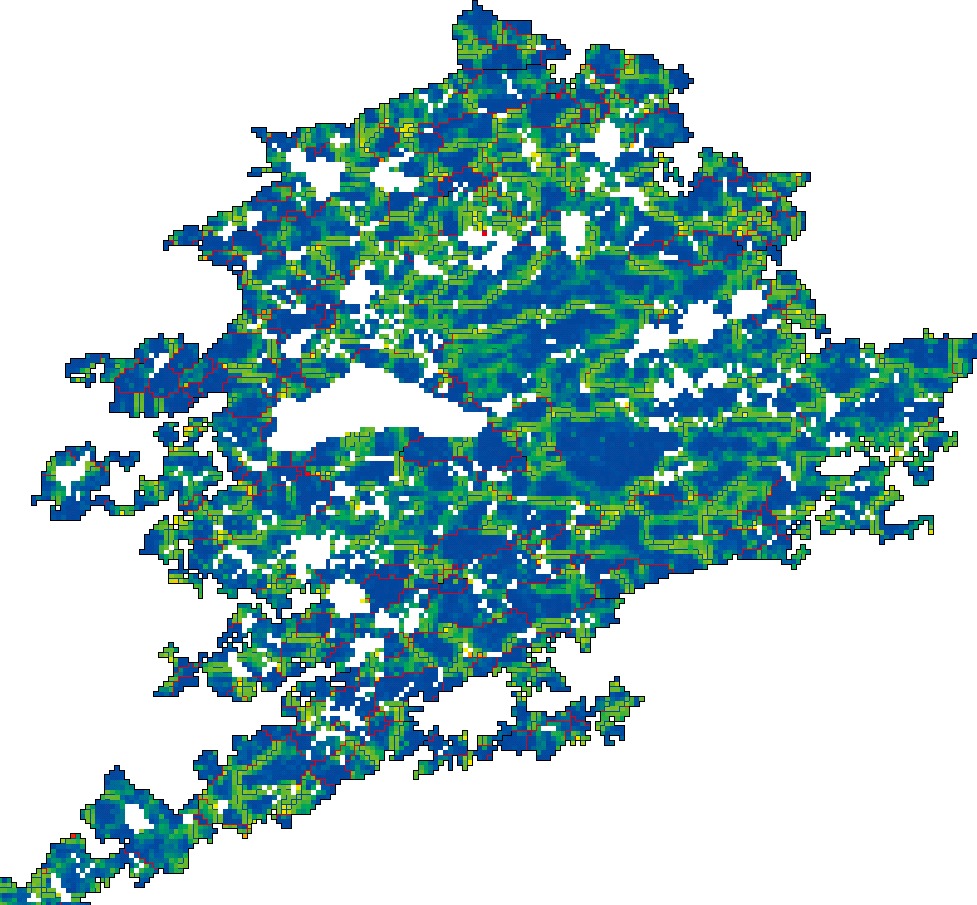
Optimizing microstructure of medium Ni-bearing steel to ensure high resistance to corrosion and corrosion-assisted mechanical degradation

Authors: Jin Sung Park, Seung Woo Jin, Seong Jun Yun, Gyu Bin Baek, Jun-Seob Lee, Soon Gi Lee, Sung Jin Kim

Through quenching and tempering (QT) and quenching and partitioning (Q&P) processes, this study aimed to investigate the effects of microstructural modifications on the corrosion behavior and corrosion-assisted mechanical degradation of medium Ni-bearing steel. The primary objective was the identification of strategies for the enhancement of the long-term lifespan and reliability of these alloys in neutral aqueous environments. Various electrochemical evaluations and microstructural characterizations were conducted to elucidate the relationship between heat treatment processes and corrosion behavior. The findings reveal that the conventional Q&P process formed partitioned austenite with a coarse size within the martensitic matrix, which led to an uneven distribution of Ni and high kernel average misorientation and resulted in an increased susceptibility to corrosion and corrosion-induced mechanical degradation. In addition, the corroded QT sample displayed preferential attacks around cementite clusters due to selective dissolution. By contrast, a slightly higher partitioning temperature, just above the martensite transformation start temperature, provided finely distributed austenite within bainite in the microstructure, which exhibited lower corrosion kinetics and reduced susceptibility to mechanical degradation in the corrosive environment. This study highlights the potential of microstructural optimization through the Q&P process with a high partitioning temperature as an effective technical strategy for achieving the superior durability and reliability of medium Ni-bearing steel alloys in neutral aqueous environments.

Optimizing microstructure of medium Ni-bearing steel to ensure high resistance to corrosion and corrosion-assisted mechanical degradation
Graphical Abstract
Original ResearchVol. 32, Issue 7 • pp. 1507DOI: 10.1007/s12613-024-2977-6Jan 15, 2025

Intelligent identification of acoustic emission Kaiser effect points and its application in efficiently acquiring in-situ stress

Authors: Zhangwei Chen, Zhixiang Liu, Jiangzhan Chen, Xibing Li, Linqi Huang

Large-scale underground projects need accurate in-situ stress information, and the acoustic emission (AE) Kaiser effect method currently offers lower costs and streamlined procedures. In this method, the accuracy and speed of Kaiser point identification are important. Thus, this study aims to integrate chaos theory and machine learning for accurately and quickly identifying Kaiser points. An intelligent model of the identification of AE partitioned areas was established by phase space reconstruction (PSR), genetic algorithm (GA), and support vector machine (SVM). Then, the plots of model classification results were made to identify Kaiser points. We refer to this method of identifying Kaiser points as the partitioning plot method based on PSR–GA–SVM (PPPGS). The PSR–GA–SVM model demonstrated outstanding performance, which achieved a 94.37% accuracy rate on the test set, with other evaluation metrics also indicating exceptional performance. The PPPGS identified Kaiser points similar to the tangent-intersection method with greater accuracy. Furthermore, in the feature importance score of the classification model, the fractal dimension extracted by PSR ranked second after accumulated AE count, which confirmed its importance and reliability as a classification feature. The PPPGS was applied to in-situ stress measurement at a phosphate mine in Guizhou Weng’an, China, to validate its practicability, where it demonstrated good performance.

Intelligent identification of acoustic emission Kaiser effect points and its application in efficiently acquiring in-situ stress
Graphical Abstract