SinoTechIntel Academic Portal
🏛️ Indexed Academic JournalImpact Factor: 3.8 (Q1 - Elsevier)Original: 中国化学工程学报 (英文版)

Chinese Journal of Chemical Engineering

Access authentic peer-reviewed engineering methodologies, experimental datasets, and scientific literature published in this journal on SinoTechIntel.

Total Research Papers: 98
Access: 100% Free Open Access
Browse by Publication Year & VolumeReset All Filters ✕

Published Research PapersFiltered: Year 2025 • Vol. 32 • Issue 6

Showing 4 of 98 peer-reviewed papers with full Graphical Abstracts.

Original ResearchVol. 32, Issue 6 • pp. 499-511DOI: 10.1016/j_cjche_144878716Jun 18, 2025

Effects of ionic liquids on the vapor–liquid equilibrium of 1,3,5-trioxane–water system at 101.3 kPa

Authors: Fei Li, Tao Zhang, Li Lv, Wenxiang Tang, Yan Wang, Shengwei Tang

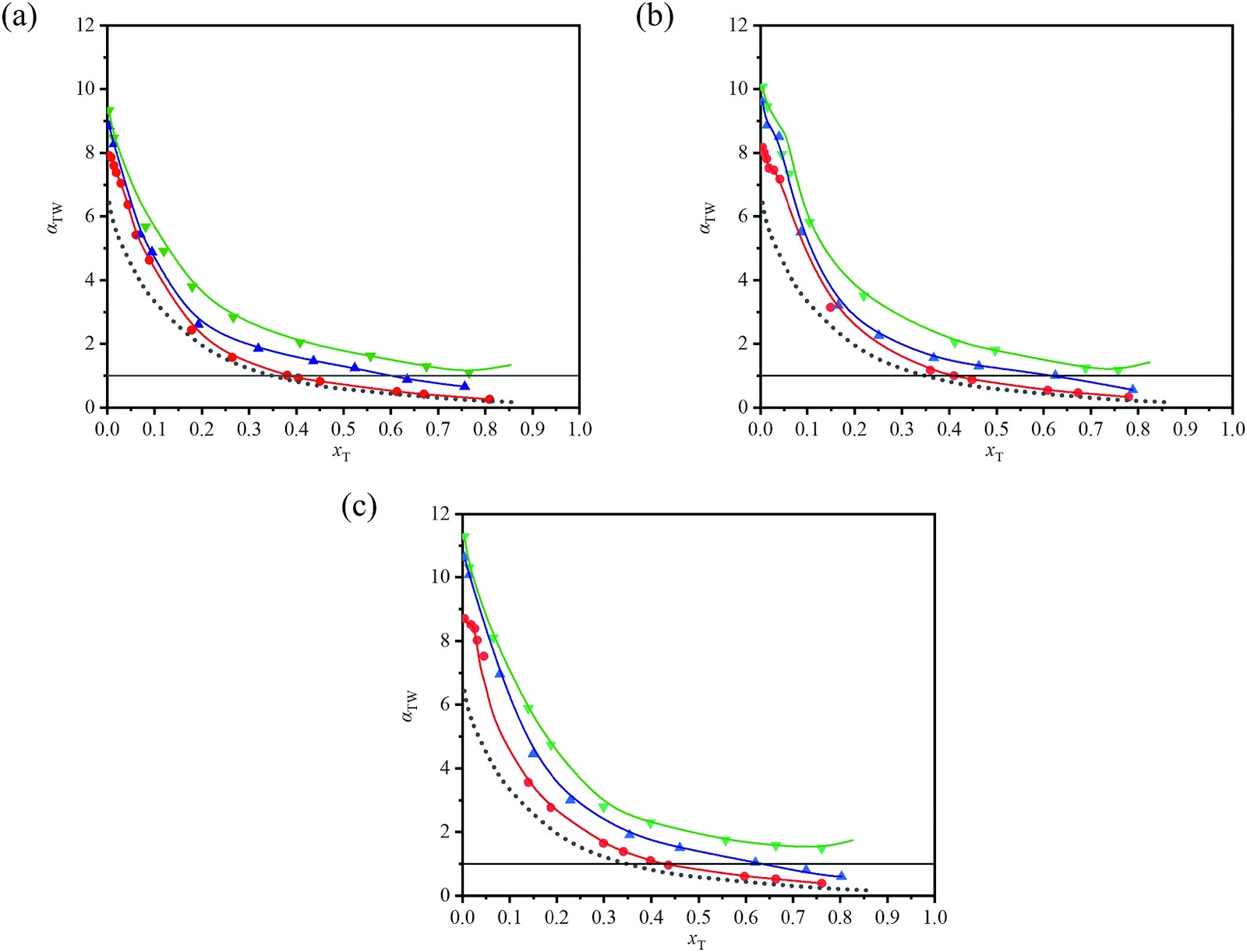
Increasing the 1,3,5-trioxane (TOX) concentration in the equilibrated vapor phase of TOX–H2O system has been recognized as a challenge for the azeotrope. Ionic liquids (ILs) were used to improve the relative volatility of TOX to H2O and destroy the azeotrope in the TOX–H2O system. The vapor–liquid equilibrium of TOX–H2O system at 101.3 kPa was studied with the addition of 1-butyl-3-methylimidazolium hydrogen sulfate, 1-hexyl-3-methylimidazolium hydrogen sulfate and 1-butyl-3-methylimidazolium nitrate, respectively. The results showed that the volatility of TOX increased with the increase in IL dosage. And the volatility of water decreased with the increase in IL dosage. The relative volatility of TOX to H2O was improved with the increase in ILs dosage. The azeotrope could be destroyed with an IL mole fraction of about 0.10. A non-random two-liquid (NRTL) model was successfully used to correlate the experimental data. The interaction parameters were obtained by fitting the experimental data with the model. The results indicated that a strong interaction existed between ILs and water. The strong interaction improved the volatility of TOX and inhibited the volatility of water, and then intensified the relative volatility of TOX to H2O. The results showed that an ILs with strong polarity and hydrophilicity may be a potential additive to improve the TOX concentration in the equilibrated vapor phase.
Effects of ionic liquids on the vapor–liquid equilibrium of 1,3,5-trioxane–water system at 101.3 kPa
Graphical Abstract
Original ResearchVol. 32, Issue 6 • pp. 533-545DOI: 10.1016/j_cjche_144877061Jun 23, 2023

Highly selective extraction of aromatics from aliphatics by using metal chloride-based ionic liquids

Authors: Hui Yu, Xiaojia Wu, Chuanqi Geng, Xinyu Li, Chencan Du, Zhiyong Zhou, Zhongqi Ren

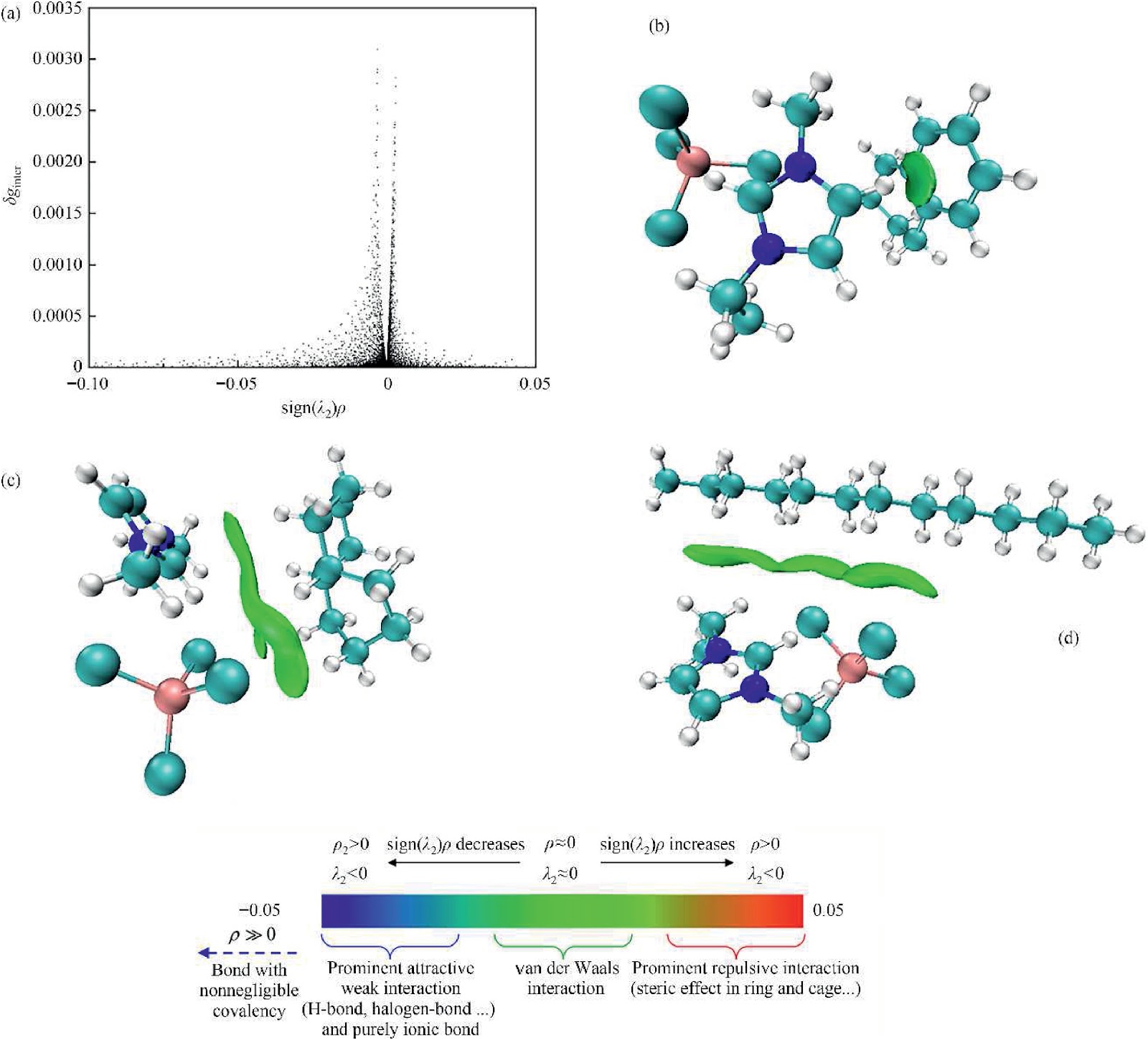
The separation of aromatics from aliphatics is essential for achieving maximum exploitation of oil resources in the petrochemical industry. In this study, a series of metal chloride-based ionic liquids were prepared and their performances in the separation of 1,2,3,4-tetrahydronaphthalene (tetralin)/dodecane and tetralin/decalin systems were studied. Among these ionic liquids, 1-ethyl-3-methylimidazolium tetrachloroferrate ([EMIM][FeCl4]) with the highest selectivity was used as the extractant. Density functional theory calculations showed that [EMIM][FeCl4] interacted more strongly with tetralin than with dodecane and decalin. Energy decomposition analysis of [EMIM][FeCl4]–tetralin indicated that electrostatics and dispersion played essential roles, and induction cannot be neglected. The van der Waals forces was a main effect in [EMIM][FeCl4]–tetralin by independent gradient model analysis. The tetralin distribution coefficient and selectivity were 0.8 and 110, respectively, with 10% (mol) tetralin in the initial tetralin/dodecane system, and 0.67 and 19.5, respectively, with 10% (mol) tetralin in the initial tetralin/decalin system. The selectivity increased with decreasing alkyl chain length of the extractant. The influence of the extraction temperature, extractant dosage, and initial concentrations of the system components on the separation performance were studied. Recycling experiments showed that the regenerated [EMIM][FeCl4] could be used repeatedly.

Highly selective extraction of aromatics from aliphatics by using metal chloride-based ionic liquids
Graphical Abstract
Original ResearchVol. 32, Issue 6 • pp. 329-341DOI: 10.1016/j_cjche_144874886Jun 12, 2023

Boosting kinetic separation of ethylene and ethane on microporous materials via crystal size control

Authors: Yixuan Ma, Cong Yu, Lifeng Yang, Rimin You, Yawen Bo, Qihan Gong, Huabin Xing, Xili Cui

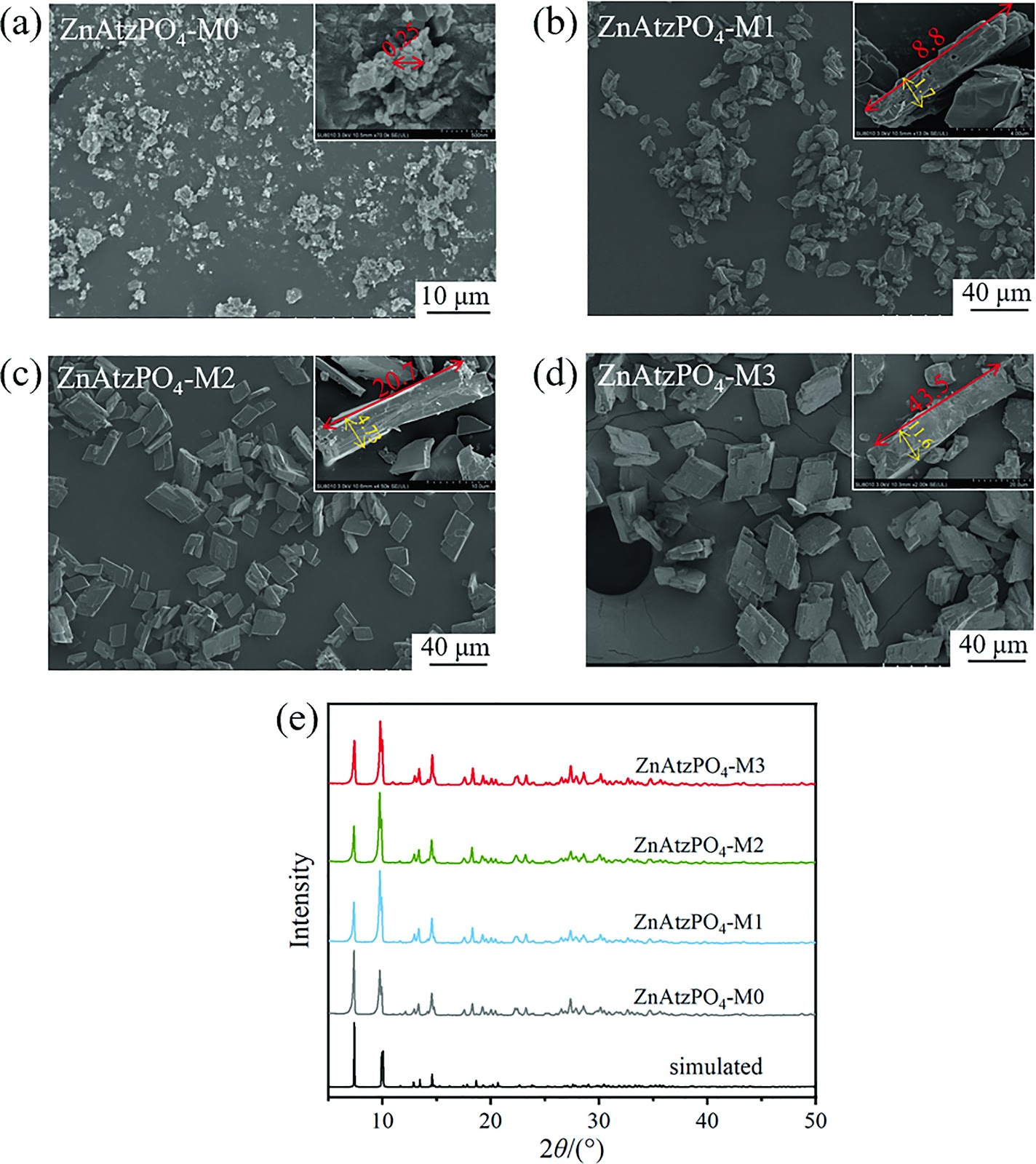
The adsorptive separation of C2H4 and C2H6, as an alternative to distillation units consuming high energy, is a promising yet challenging research. The great similarity in the molecular size of C2H4 and C2H6 brings challenges to the regulation of adsorbents to realize efficient dynamic separation. Herein, we reported the enhancement of the kinetic separation of C2H4/C2H6 by controlling the crystal size of ZnAtzPO4 (Atz = 3-amino-1,2,4-triazole) to amplify the diffusion difference of C2H4 and C2H6. Through adjusting the synthesis temperature, reactant concentration, and ligands/metal ions molar ratio, ZnAtzPO4 crystals with different sizes were obtained. Both single-component kinetic adsorption tests and binary-component dynamic breakthrough experiments confirmed the enhancement of the dynamic separation of C2H4/C2H6 with the increase in the crystal size of ZnAtzPO4. The separation selectivity of C2H4/C2H6 increased from 1.3 to 98.5 with the increase in the crystal size of ZnAtzPO4. This work demonstrated the role of morphology and size control of adsorbent crystals in the improvement of the C2H4/C2H6 kinetic separation performance.

Boosting kinetic separation of ethylene and ethane on microporous materials via crystal size control
Graphical Abstract
Original ResearchVol. 32, Issue 6 • pp. 737-749DOI: 10.1016/j_cjche_144878195Jun 9, 2023

Thermogravimetric characteristics of corn straw and bituminous coal co-pyrolysis based the ilmenite oxygen carriers

Authors: Pengxing Yuan, Xiude Hu, Jingjing Ma, Tuo Guo, Qingjie Guo

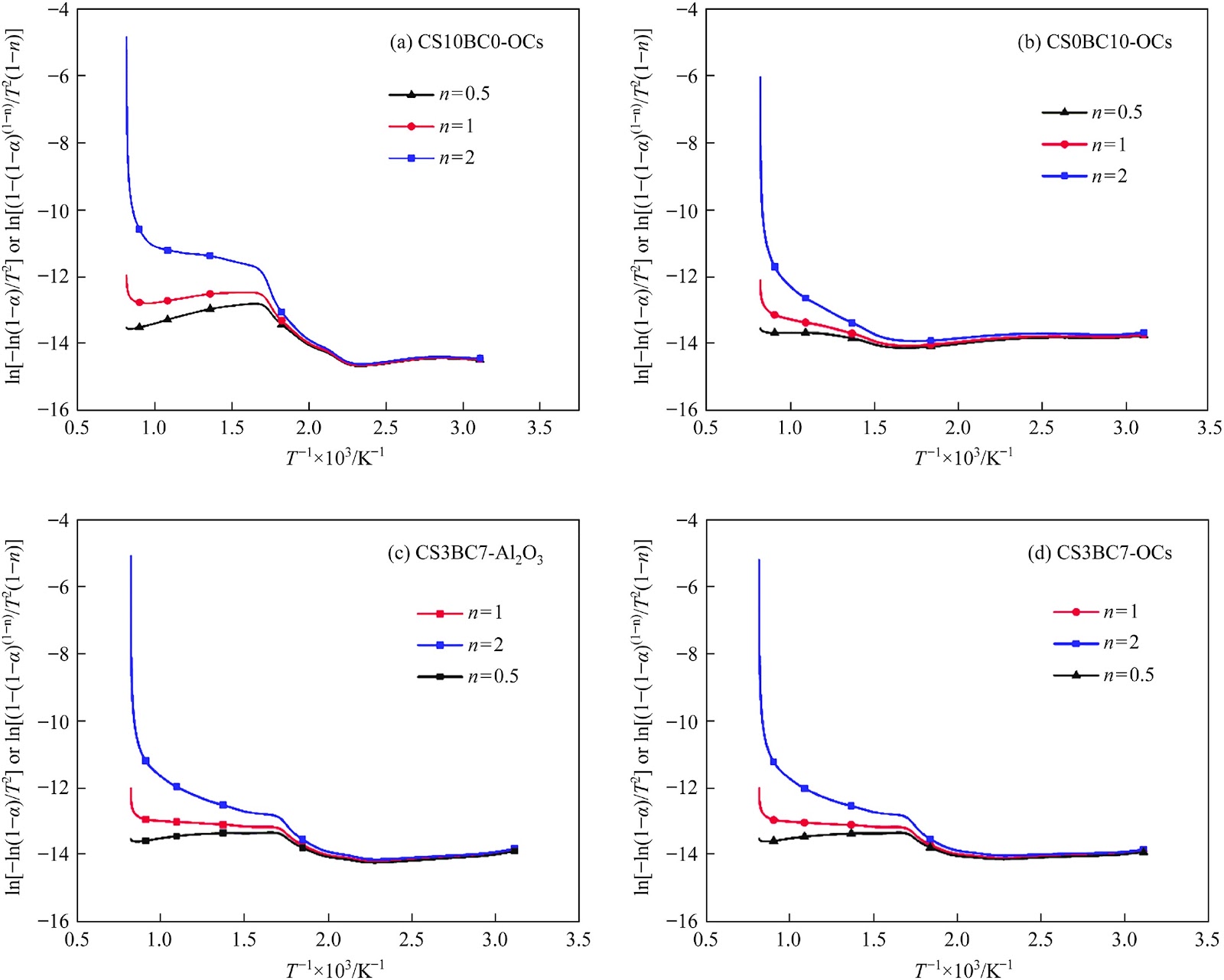
Herein, the co-pyrolysis reaction characteristics of corn straw (CS) and bituminous coal in the presence of ilmenite oxygen carriers (OCs) are investigated via thermogravimetry coupled with mass spectrometry. The results reveal that the participation of OCs weakens the devolatilization intensity of co-pyrolysis. When the CS blending ratio is <50%, the mixed fuel exhibits positive synergistic effects. The fitting results according to the Coats-Redfern integral method show that the solid–solid interaction between OCs and coke changes the reaction kinetics, enhancing the co-pyrolysis reactivity at the high-temperature zone (750–950 °C). The synergistic effect is most prominent at a 30% CS blending ratio, with co-pyrolysis activation energy in the range of 26.35–40.57 kJ·mol⁻¹.

Thermogravimetric characteristics of corn straw and bituminous coal co-pyrolysis based the ilmenite oxygen carriers
Graphical Abstract