SinoTechIntel Academic Portal
🏛️ Indexed Academic Journal

China Foundry

Access authentic peer-reviewed engineering methodologies, experimental datasets, and scientific literature published in this journal on SinoTechIntel.

Total Research Papers: 75
Access: 100% Free Open Access
Browse by Publication Year & VolumeReset All Filters ✕

Published Research PapersFiltered: Year 2025 • Vol. 22 • No. 6

Showing 12 of 75 peer-reviewed papers with full Graphical Abstracts.

Original ResearchVol. 22, No. 6 • pp. 710-722DOI: 10.1007/s41230-025-4145-7Jan 15, 2025

Deep learning retrieval of 3D casting models combined with professional knowledge for process reuse

Authors: Xiao-long Pei, Hua Hou, Li-wen Chen, Zhi-qiang Duan, Yu-hong Zhao

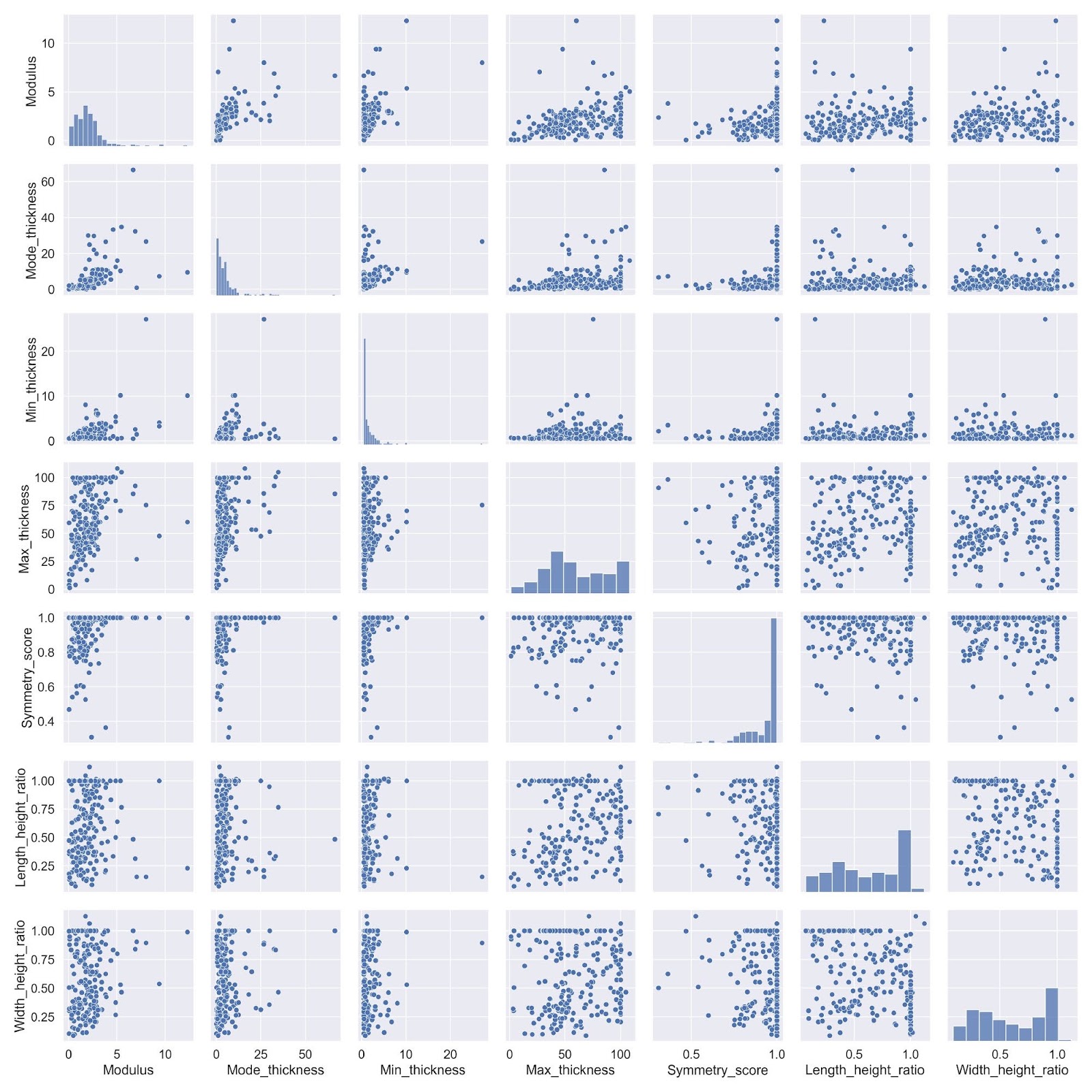
Accurate retrieval of casting 3D models is crucial for process reuse. Current methods primarily focus on shape similarity, neglecting process design features, which compromises reusability. In this study, a novel deep learning retrieval method for process reuse was proposed, which integrates process design features into the retrieval of casting 3D models. This method leverages the comparative language-image pretraining (CLIP) model to extract shape features from the three views and sectional views of the casting model and combines them with process design features such as modulus, main wall thickness, symmetry, and length-to-height ratio to enhance process reusability. A database of 230 production casting models was established for model validation. Results indicate that incorporating process design features improves model accuracy by 6.09%, reaching 97.82%, and increases process similarity by 30.25%. The reusability of the process was further verified using the casting simulation software EasyCast. The results show that the process retrieved after integrating process design features produces the least shrinkage in the target model, demonstrating this method’s superior ability for process reuse. This approach does not require a large dataset for training and optimization, making it highly applicable to casting process design and related manufacturing processes.
Deep learning retrieval of 3D casting models combined with professional knowledge for process reuse
Graphical Abstract
Original ResearchVol. 22, No. 6 • pp. 701-709DOI: 10.1007/s41230-025-4043-zJan 15, 2025

A new oolitic content test method for green sand by repeated approximation

Authors: Yu-yang Qi, Jian-xin Zhou, Xin Peng, Si-yuan Pan, Ya-jun Yin, Xiao-yuan Ji, Yuan-cai Li, Peng-fei Lin, Peng Wan

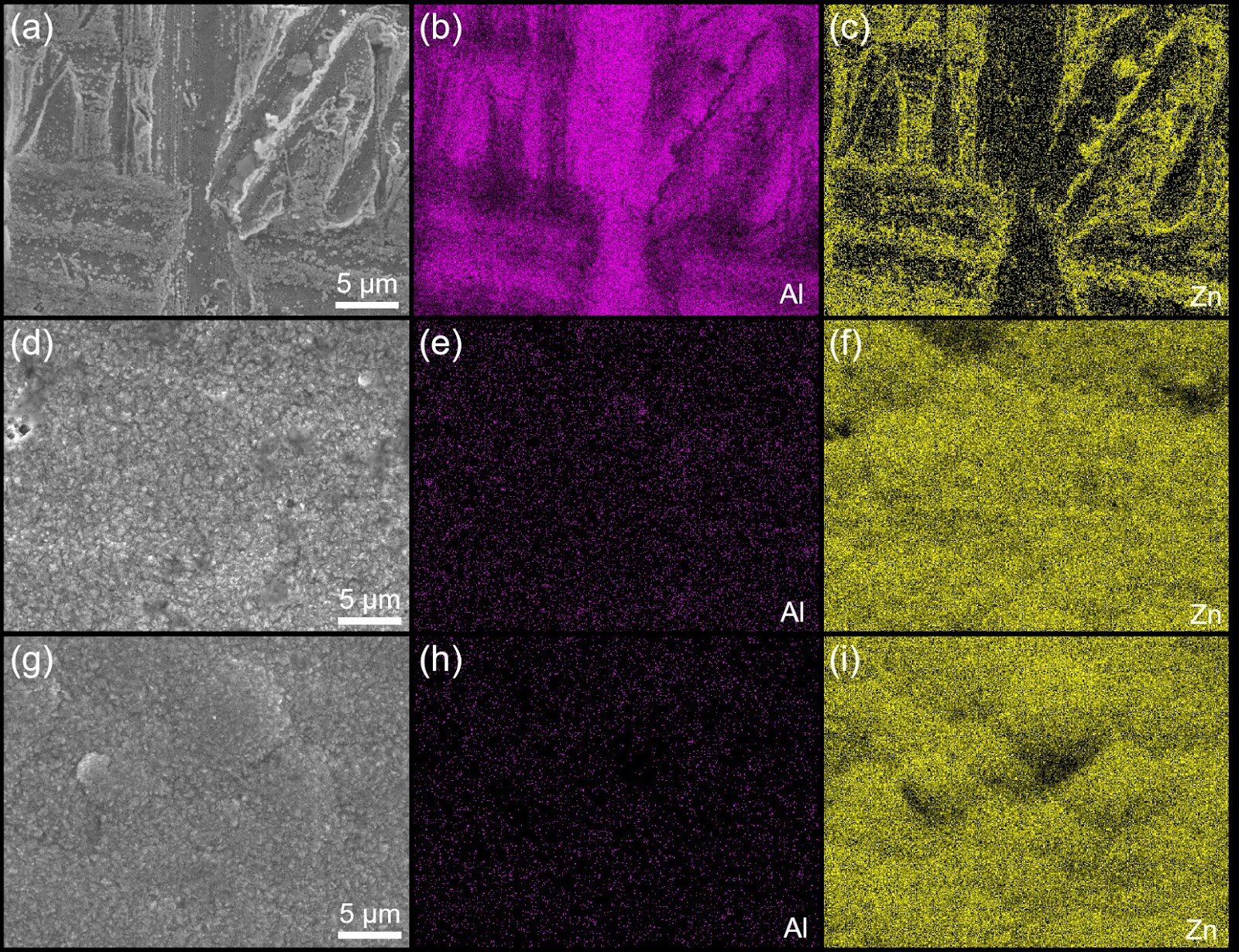
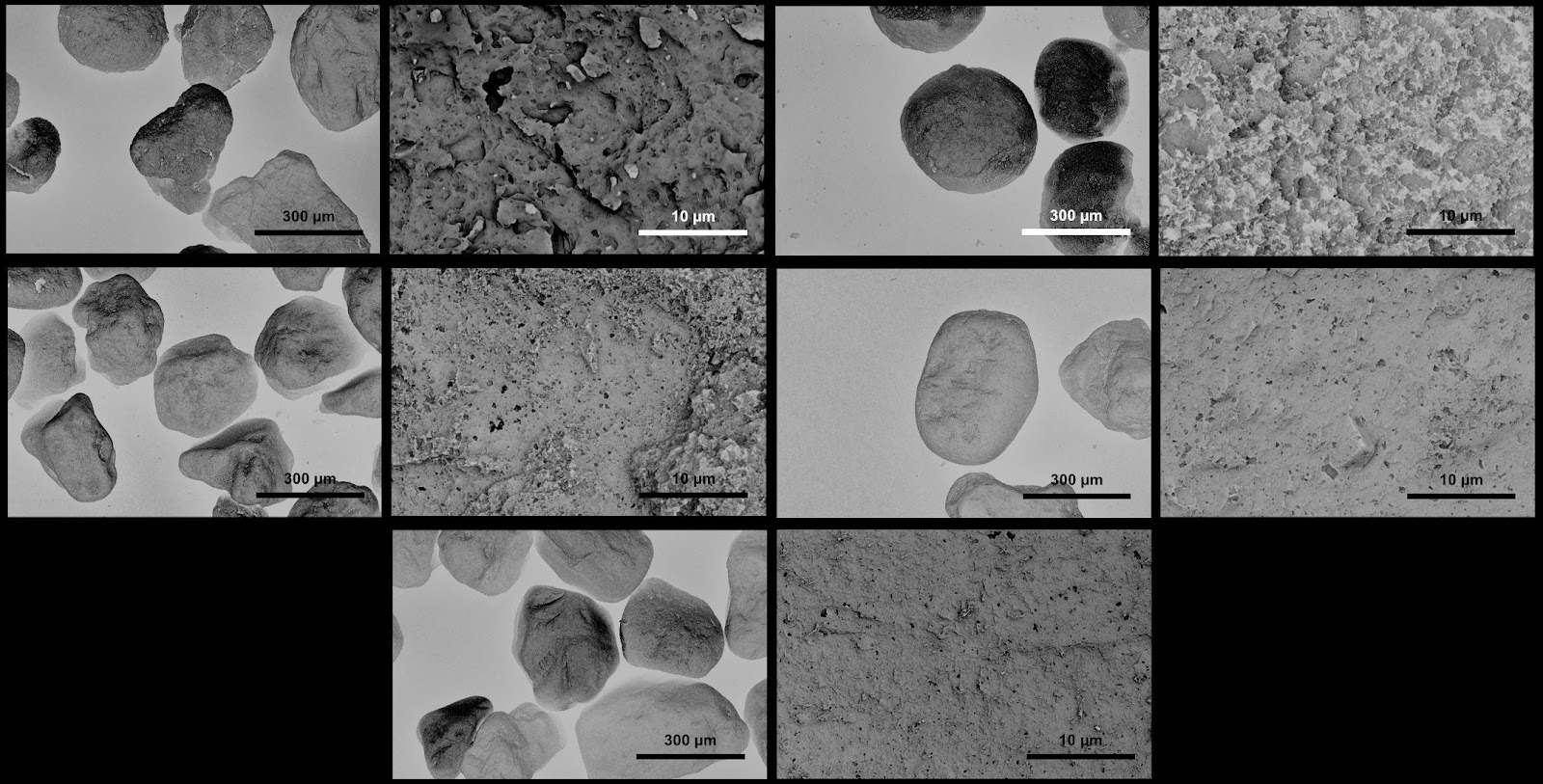
The reuse of green sand in casting production is hindered by the accumulation of oolitic deposits, primarily composed of clay binder with surface degradation, which may adversely affect the the moulding sand performance. Currently, there is a lack of standardized methods for quantifying the oolitic content. Accurate measurement of oolitic content is of great significance to the reuse of green sand. Attempts to determine oolitic content using potassium hydroxide (KOH) and phosphoric acid (H3PO4) methods encounter challenges due to their excessive reactions with SiO2 in the sand. In this study, an improved method for measuring the oolitic content of green sand with repeated approximations was proposed. This method judges the chemical activity of the sample surface through the change of its mass to accurately obtain the mass of the reaction oolitic deposits. The test result of the used sand samples from the foundry shows that the oolitic deposits are completely removed after reacting with KOH solution three times at 300 °C for 20 min. SEM and EDS also show that after three times of reactions, the surface of green sand becomes smooth and the content of Al-containing oolitic deposits is very low. This indicates that the method can accurately control the extent of the reaction. Implementation of this method at Huangshi Dongbei Casting Co., Ltd. has yielded consistent and reliable test results, effectively mirroring variations in green sand oolitic content on the production line. This new method is expected to be widely adopted to improve the efficiency and quality of reused green sand in casting operations.

A new oolitic content test method for green sand by repeated approximation
Graphical Abstract
Original ResearchVol. 22, No. 6 • pp. 673-680DOI: 10.1007/s41230-025-4184-0Jan 15, 2025

High-temperature performance of silica ceramic cores with additives prepared by stereolithography 3D printing

Authors: Yue-ting Ma, Rui-long Yu, Ying-wei Zhou, Peng-wei Wang, Ren-xiao Zou, Tian-jiao Gao, Ming Kang

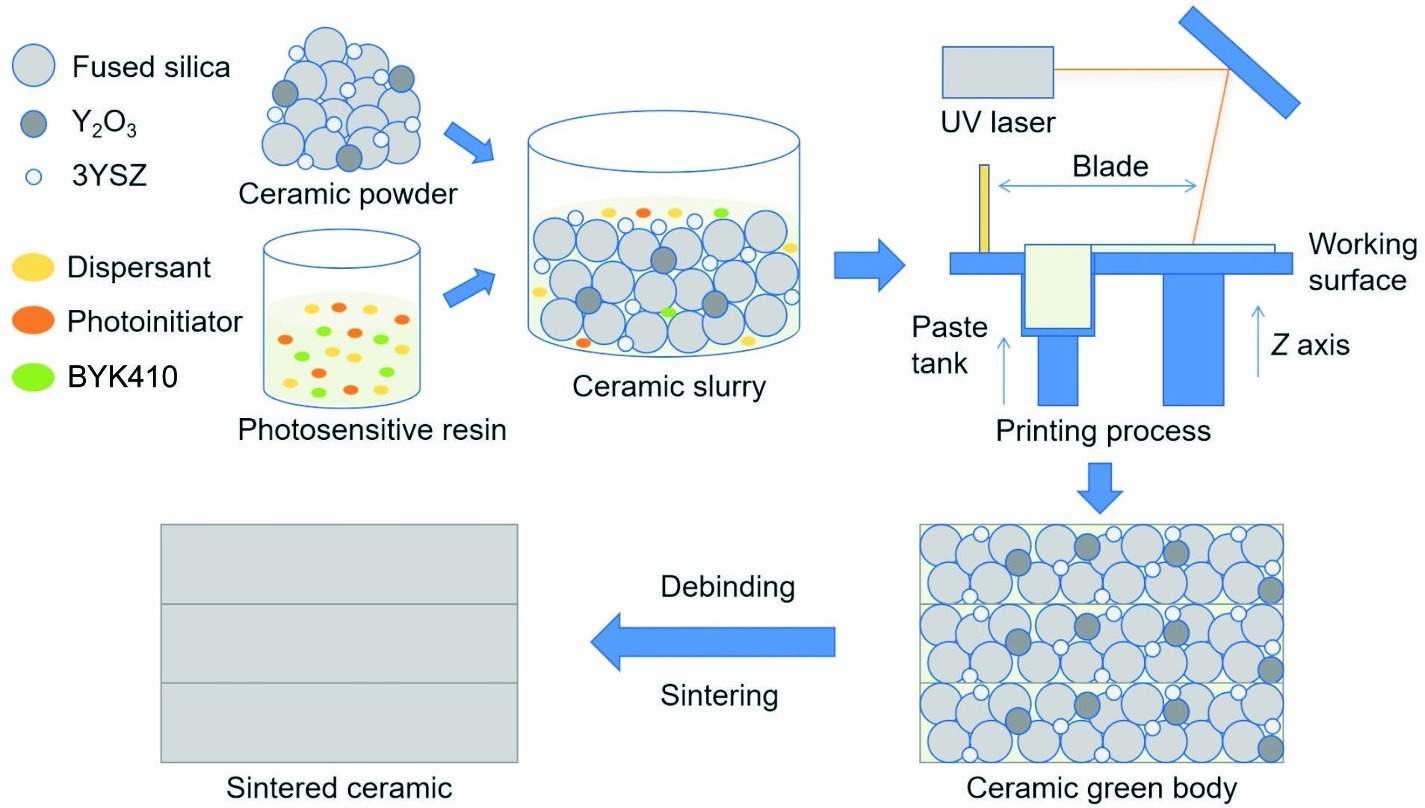
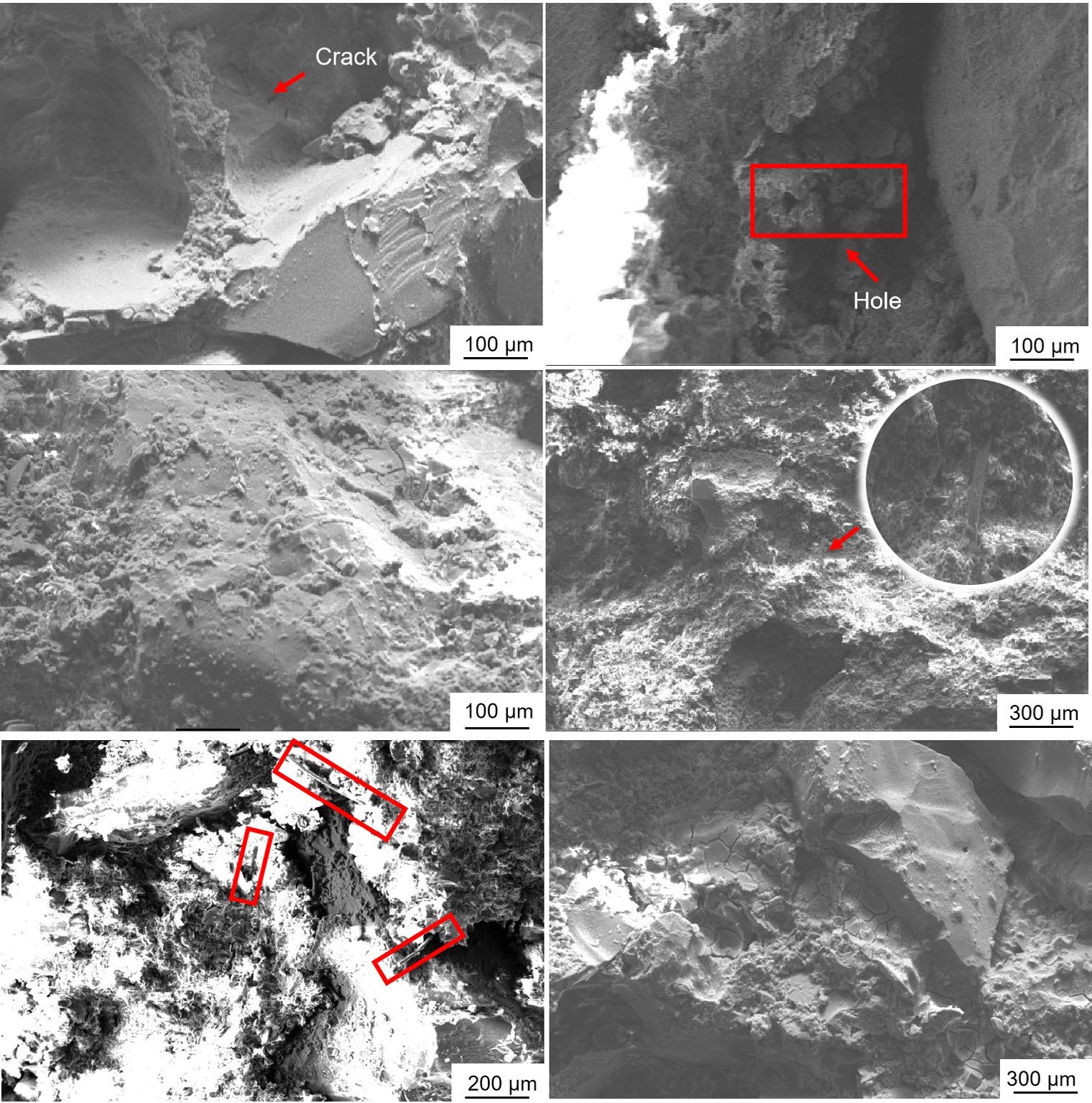
Ceramic cores are key to forming a cooling structure within the hollow blade cavities. The use of stereolithography (SL) 3D printing technology eliminates the need for moulds, facilitating the preparation of complex-shaped ceramic cores. In this study, silica-based ceramic cores incorporating nano-3YSZ (3mol.% yttria stabilised zirconia) and micron-sized Y2O3 were prepared via SL 3D printing ceramic technology to promote the formation of cristobalite and ZrSiO4, thereby improving the high-temperature properties. The flexural strength at 25 °C and 1,500 °C, deflection at 1,500 °C, shrinkage rate, and porosity of the core samples sintered at different temperatures (1,170 °C, 1,185 °C, 1,200 °C, 1,215 °C, and 1,230 °C) were tested and investigated. The mechanism underlying the high temperature performance of the cores was elucidated through analysis of cross-sectional morphology, element distribution, and phase constitution of the samples. As the sintering temperature increases, the shrinkage and flexural strength at 25 °C of the core rise, while the open porosity and deflection at 1,500 °C decrease. When the sintering temperature reaches 1,200 °C or higher, the 1,500 °C flexural strength can be measured, which increases as the sintering temperature rises. The core exhibits excellent creep resistance when sintered at temperatures of 1,200 °C and above. Considering the comprehensive performance requirements for the core, the sintering temperature of 1,200 °C was selected. At the sintering temperature of 1,200 °C, the core exhibits shrinkage rates of 3.76% (X), 3.38% (Y), and 3.95% (Z), alongside a flexural strength of 9.01 MPa at 25 °C and 32.15 MPa at 1,500 °C, and an open porosity of 26.39%. The deflection of the core at 1,500 °C is 0.15 mm, which helps to maintain the dimensional stability of the ceramic core during casting. XRD results indicate that samples fractured after 25 °C flexural strength test still contain amorphous quartz glass, alongside substantial quantities of yttria stabilized zirconia and Y2O3. Samples fractured after 1,500 °C flexural strength test exhibit significant crystallisation of amorphous quartz glass into cristobalite, with silica and 3YSZ combining to form ZrSiO4. Y2O3 as a network modifier of the glass network destroys the bridging oxygen in the silica-oxygen bond, thereby reducing the energy required for glass crystallisation and promoting the crystallisation reaction of quartz glass to form cristobalite. In addition, nano-3YSZ combines with SiO2 at high temperatures to form ZrSiO4. Since cristobalite and ZrSiO4 are crystals, both of them have strong creep resistance, thus improving the high temperature flexural strength and deformation resistance of the ceramic cores.

High-temperature performance of silica ceramic cores with additives prepared by stereolithography 3D printing
Graphical Abstract
Original ResearchVol. 22, No. 6 • pp. 615-627DOI: 10.1007/s41230-025-4207-xJan 15, 2025

Influence of scanning strategies on microstructure and properties anisotropy of GH3536 alloy formed by laser powder bed fusion

Authors: Ming-song Hao, Lin Zhou, Kai Wang, Guan Wang, Jing-jing Liang, Jin-guo Li

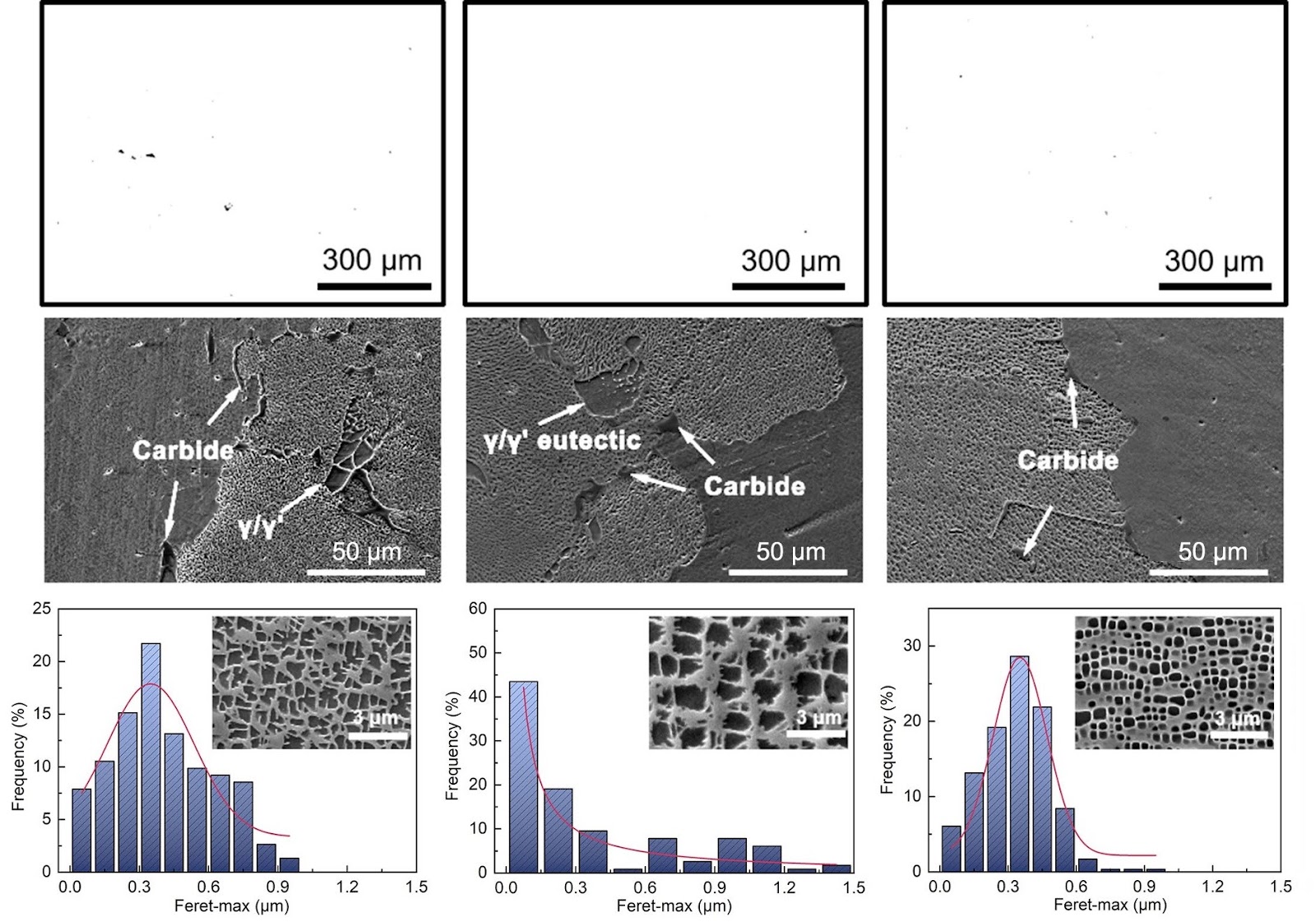
The GH3536 (Hastelloy-X) nickel-based superalloy is increasingly applied in the aerospace industry due to its exceptional combination of excellent oxidation resistance and high-temperature strength. Laser powder bed fusion (LPBF) is an additive manufacturing (AM) technology for producing metallic components with complex shapes using layer-by-layer manufacture principle. The debate has long prevailed as to research on eliminating anisotropy in the forming of GH3536 alloy through LPBF technology. In this study, the anisotropy of microstructure and mechanical properties of GH3536 alloy formed by LPBF was investigated using different scanning strategies (0°, 90°, 67°, checkerboard, and contour). The scanning strategy was optimized to reduce the weaving differences between the horizontal and vertical directions of the microstructure of the LPBF formed GH3536 alloy, which in turn reduces the anisotropy of the properties in both directions. The results of the tensile specimens indicate that except for the horizontal specimens produced using the contour scanning strategy, the strength of all other specimens exceeds that of the vertical specimens. Additionally, differences in elongation are observed, demonstrating that the GH3536 alloy fabricated via laser powder bed fusion exhibits anisotropic properties. According to electron backscatter diffraction (EBSD) analysis, the grain boundary strengthening and geometrically necessary dislocations (GNDs) impede dislocation motion during tensile deformation along the horizontal direction. Consequently, this mechanism negatively affects both the tensile strength and ductility in that orientation. The anisotropy in tensile strength and plasticity is attributed to the different crack sensitivities in the two tensile directions. In addition, specimens molded using different scanning strategies exhibit varying degrees of anisotropy, strength, and elongation due to different degrees of texture strengthening, grain boundary strengthening, and dislocation strengthening effects. Regardless of the stretching direction, the combined tensile properties of the 0° and contoured specimens are the worst under the room temperature and 815 °C stretching conditions. The 67° specimens exhibit the best combined tensile properties. Therefore, the anisotropy of the mechanical properties of the LPBF formed GH3536 alloy can be positively mitigated by modulating the scanning strategy.

Influence of scanning strategies on microstructure and properties anisotropy of GH3536 alloy formed by laser powder bed fusion
Graphical Abstract
Original ResearchVol. 22, No. 6 • pp. 691-700DOI: 10.1007/s41230-025-3078-5Jan 15, 2025

Hot deformation behavior of 2707 hyper duplex stainless steel

Authors: Ai-qin Wang, Pei Liu, Chen-lu Liu, Hang Wang, Jing-pei Xie

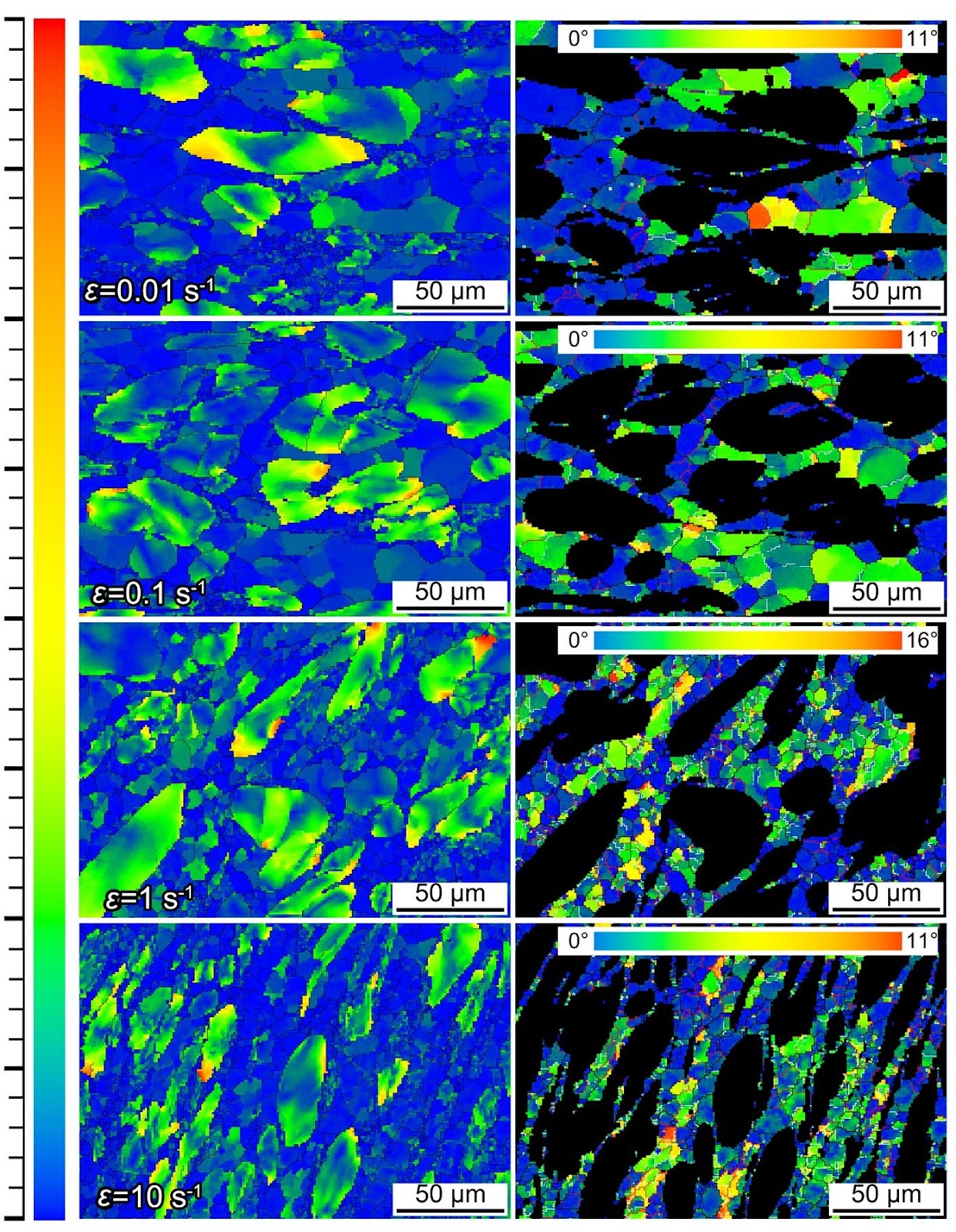
The hot deformation behavior of 2707 hyper duplex stainless steel (HDSS) was investigated through a hot compression test at 950 °C to 1,250 °C at strain rates of 0.01 s-1 to 10 s-1. Observations from the flow stress curves reveal a balance between work hardening and dynamic recovery at the beginning of the deformation and subsequently demonstrate various softening mechanisms with the increase of strain. At high strain rates, dynamic recovery is the prevailing mechanism, whereas, at medium and low strain rates, dynamic recrystallization becomes dominant. The constitutive equation was constructed, and the deformation activation energy was calculated to be 645.46 kJ·mol-1. The hot processing map was drawn based on the dynamic material model at a strain of 0.8. The results indicate that the hot workability of 2707 HDSS decreases due to its high alloying content. The microstructure evolution of 2707 HDSS at 1,050 °C was identified by means of electron backscatter diffraction and transmission electron microscopy. The results demonstrate that the ferrite completes dynamic recrystallization at the strain rate of 1 s-1. The softening process of austenite is influenced by ferrite and mainly experiences dynamic recovery. The austenite located at the α/γ phase boundaries tends to undergo dynamic recrystallization.

Hot deformation behavior of 2707 hyper duplex stainless steel
Graphical Abstract
Original ResearchVol. 22, No. 6 • pp. 681-690DOI: 10.1007/s41230-025-5161-3Jan 15, 2025

Ni-based superalloy synergistic strengthened by in-situ nano-carbides and residual graphene fabricated via laser powder bed fusion

Authors: Shi-ling Min, Li Wang, Jia-sheng Li, Jing Liu, Dong-yan Liu, Xiang-wei Li, Zhong Chen, Jia-sheng Dong, Lang-hong Lou

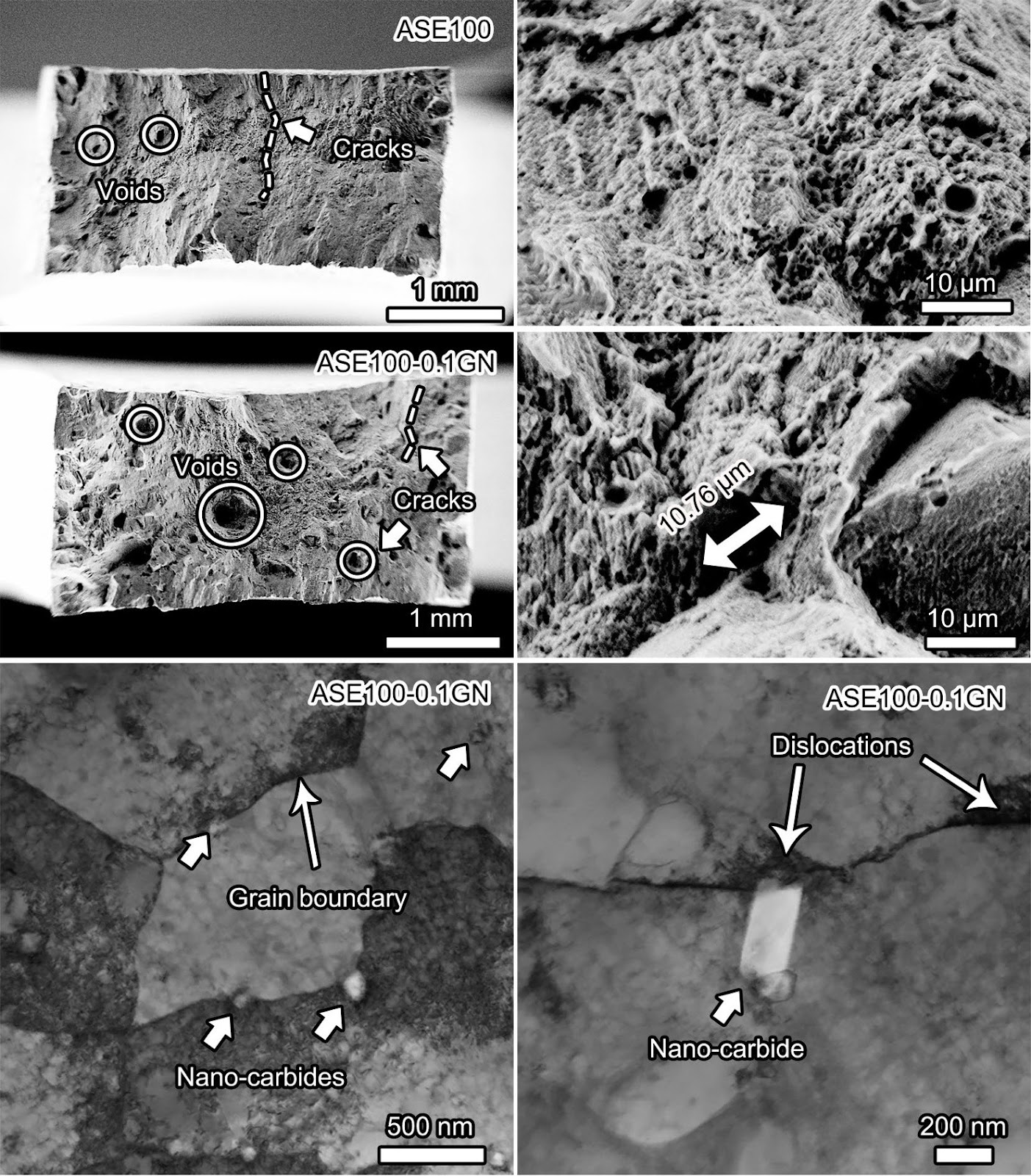
With the increase in power of the industrial gas turbine and thrust-weight ratio of aeroengine, the conventional strengthening method of adding refractory elements into superalloys has become difficult to meet the demands for the higher mechanical properties. A novel Ni-based superalloy was designed with enhanced strength and hardness based on the graphene nanosheets (GNs) synergistic in-situ nano-carbides strengthening in the present work. Nano-carbides were induced by in-situ reaction of the GNs with alloy powders during additive manufacturing. The microstructure and thermophysical properties of different alloys with 0.1wt.% GNs and without GNs were investigated by SEM, EBSD, TEM, differential scanning calorimetry (DSC), and small angle neutron scattering (SANS). Residual GNs were also detected by SANS and DSC. The nano-carbides are uniformly distributed in the matrix and combine with residual GNs to refine the cellular structure. Compared with the original alloy (ASE100), the hardness of the alloy with 0.1wt.% GNs (ASE100-0.1GN) is increased by 31 HV (from 315 HV to 346 HV), and the yield tensile strength is increased by 86 MPa (from 756 MPa to 842 MPa). The GNs react with alloy melt in the molten pools to generate nano-carbides under the Marangoni effect during manufacturing process. The dispersion nano-carbides are distributed at both grain boundaries and within grains, effectively hindering the movement of dislocation and enhancing the strength of alloy.

Ni-based superalloy synergistic strengthened by in-situ nano-carbides and residual graphene fabricated via laser powder bed fusion
Graphical Abstract
Original ResearchVol. 22, No. 6 • pp. 637-645DOI: 10.1007/s41230-025-5018-9Jan 15, 2025

Impact of submicron TiB2 particles on microstructure, casting performance, and mechanical properties of an Al-Cu alloy

Authors: Xiao-lu Hong, Peng Hu, Da-hui Chen, Liang-yu Wu, Yu Fu, Jiang Zhang, Yong-qiang Liu, Pei-yu Zhou, Ying-jiang Peng, Lin-chong Hou

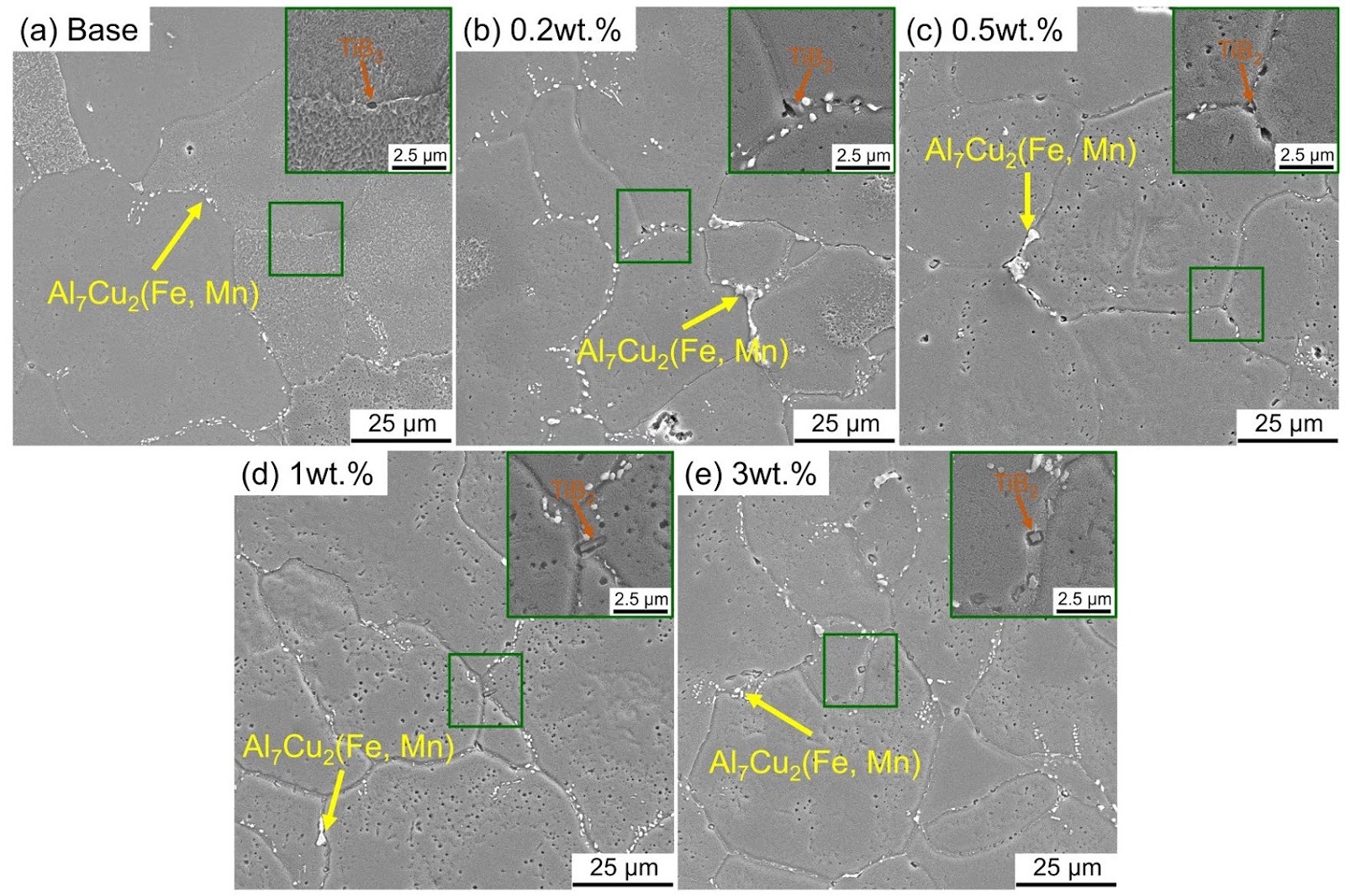
Abstract: Although the strengthening and grain refinement effects of TiB2 particles on aluminum alloys have been extensively studied, their influence on casting behavior remains relatively underexplored. In this study, the influence of different addition amounts of submicron TiB2 particles on the microstructure, casting performance, and mechanical properties of an Al-Cu (ZL205A) alloy was systematically investigated. The introduction of TiB2 particles leads to significant grain refinement, transforming the microstructure from coarse grains to fine equiaxed grains by providing additional nucleation sites and inhibiting grain growth. SEM and TEM analyses reveal that the added submicron TiB2 particles exhibit minimal effect on the distribution of intermetallic phases or precipitates. Casting performance, as evaluated by spiral fluidity and hot tearing tests, shows notable improvements with TiB2 additions. At a TiB2 content of 3wt.%, the fluidity length increases by 20%, and the hot tearing susceptibility coefficient decreases by 29%. These enhancements are mainly due to the refined grain structure and the formation of interdendritic bridging in TiB2-reinforced alloys. However, the overall enahncement in casting properties shows little variation across the TiB2 additions from 0.2wt.% to 3wt.%. Mechanical testing shows that the highest hardness and strength are achieved with a 1wt.% addition of TiB2 particles, primarily attributed to refined grain size and reinforcement of the aluminum matrix. Based on these findings, a TiB2 particle content of 1wt.% is recommended for optimizing both the casting performance and mechanical properties of the ZL205A alloy.

Impact of submicron TiB2 particles on microstructure, casting performance, and mechanical properties of an Al-Cu alloy
Graphical Abstract
Original ResearchVol. 22, No. 6 • pp. 654-663DOI: 10.1007/s41230-025-4231-xJan 15, 2025

Interfacial microstructure and mechanical properties of A356/6061 bimetal fabricated by liquid-solid compound casting

Authors: Chang-li Liu, Peng-fei Xing, Hong Zheng, Qi Gao, Meng-wu Wu

A356/6061 bimetallic specimens were prepared by liquid-solid compound casting. The effects of various casting conditions on the interfacial microstructure and mechanical properties of the bimetallic specimens were studied. Results demonstrate that a combination of chemical zinc deposition and electroplating can create a dense protective layer on the surface of the 6061 aluminum bar, achieving complete metallurgical bonding at the bimetallic interface. The interfacial microstructure is primarily characterized by equiaxed grain formation, with eutectic silicon distributed along the grain boundaries. Notably, the thickness of the zinc plating layer does not significantly influence the microstructure of the interface transition layer. Pouring temperature is critical for establishing metallurgical bonding at the bimetallic interface, with the thickness of the transition layer increasing as the pouring temperature rises. The hardness of the bimetallic composite interface falls between the hardness values of the two constituent materials. While the thickness of the galvanized layer has a minimal effect on interfacial shear strength, there is a slight decrease in shear strength with increasing pouring temperature, with a maximum value recorded at 68 MPa.

Interfacial microstructure and mechanical properties of A356/6061 bimetal fabricated by liquid-solid compound casting
Graphical Abstract
Original ResearchVol. 22, No. 6 • pp. 646-653DOI: 10.1007/s41230-025-4054-9Jan 15, 2025

Effect of alumina fibers on ceramic shell mold properties

Authors: Bing-zheng Fan, Ling Zhang, Lei Jin, Xin-li Guo, Lan-bo Ma, Guo-yan Shui, Xun Sun

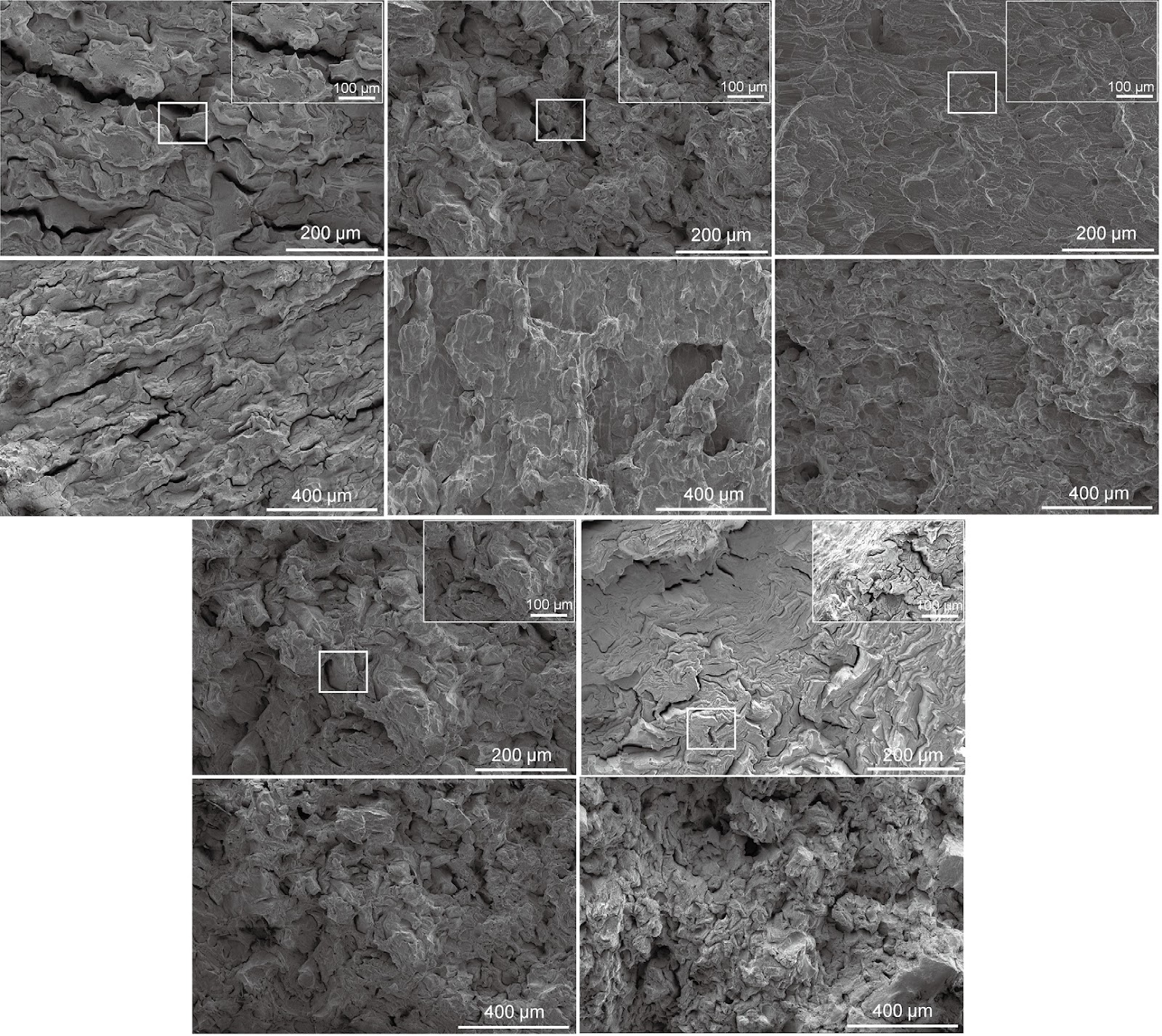
Alumina fibers, with an aspect ratio ranging from 9 to 27, were utilized as the reinforcing materials for silica-sol ceramic shell molds, and the impact of different alumina fiber additions on the green bending strength, room- and high-temperature bending strength, and self-weight deformation of ceramic shell molds was investigated. The green bending strength of shell molds is the maximum at an alumina fiber addition amount of 0.2wt.%, reaching 6.20 MPa. Further increases in alumina fiber content do not significantly affect the green bending strength. As the alumina fiber addition amount increases from 0.2wt.% to 1.0wt.%, the bending strength and the resistance to self-weight deformation of the ceramic shell molds at high-temperatures show a pattern of first increase and then decrease. The shell molds after sintering exhibit the highest room-temperature strength of 17.33 MPa and the highest high-temperature strength (18.97 MPa at 1,100 °C; 17.78 MPa at 1,200 °C; and 15.3 MPa at 1,300 °C), and the smallest self-weight deformation of 0.022% at 1,000 °C when the alumina fiber addition is 0.6wt.%. The appropriate amount of fibers in the shell mold matrix consume the energy required for crack growth through mechanisms such as bridging and pulling-out, thereby improving the strength of shell molds. In summary, the comprehensive performance of the shell molds is the best when the fiber addition amount is 0.6wt.%.

Effect of alumina fibers on ceramic shell mold properties
Graphical Abstract
Original ResearchVol. 22, No. 6 • pp. 664-672DOI: 10.1007/s41230-025-4276-xJan 15, 2025

Influence of Tin addition on microstructure, mechanical, and tribological properties of magnesium matrix

Authors: John Iruthaya Raj Manuvel, Senthil Murugan Subramanian, Raja Venkatesan, Jebapriya Mani

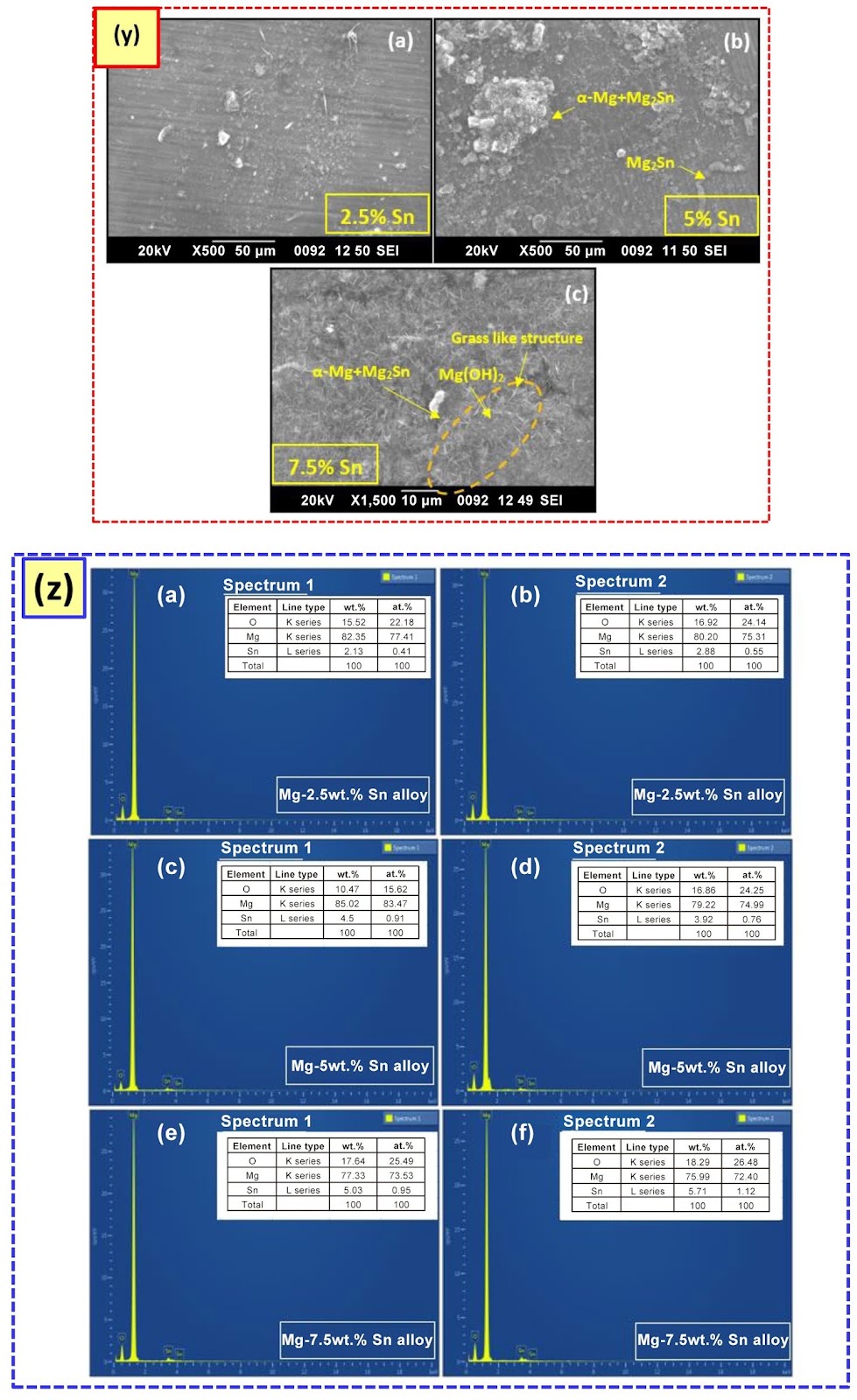
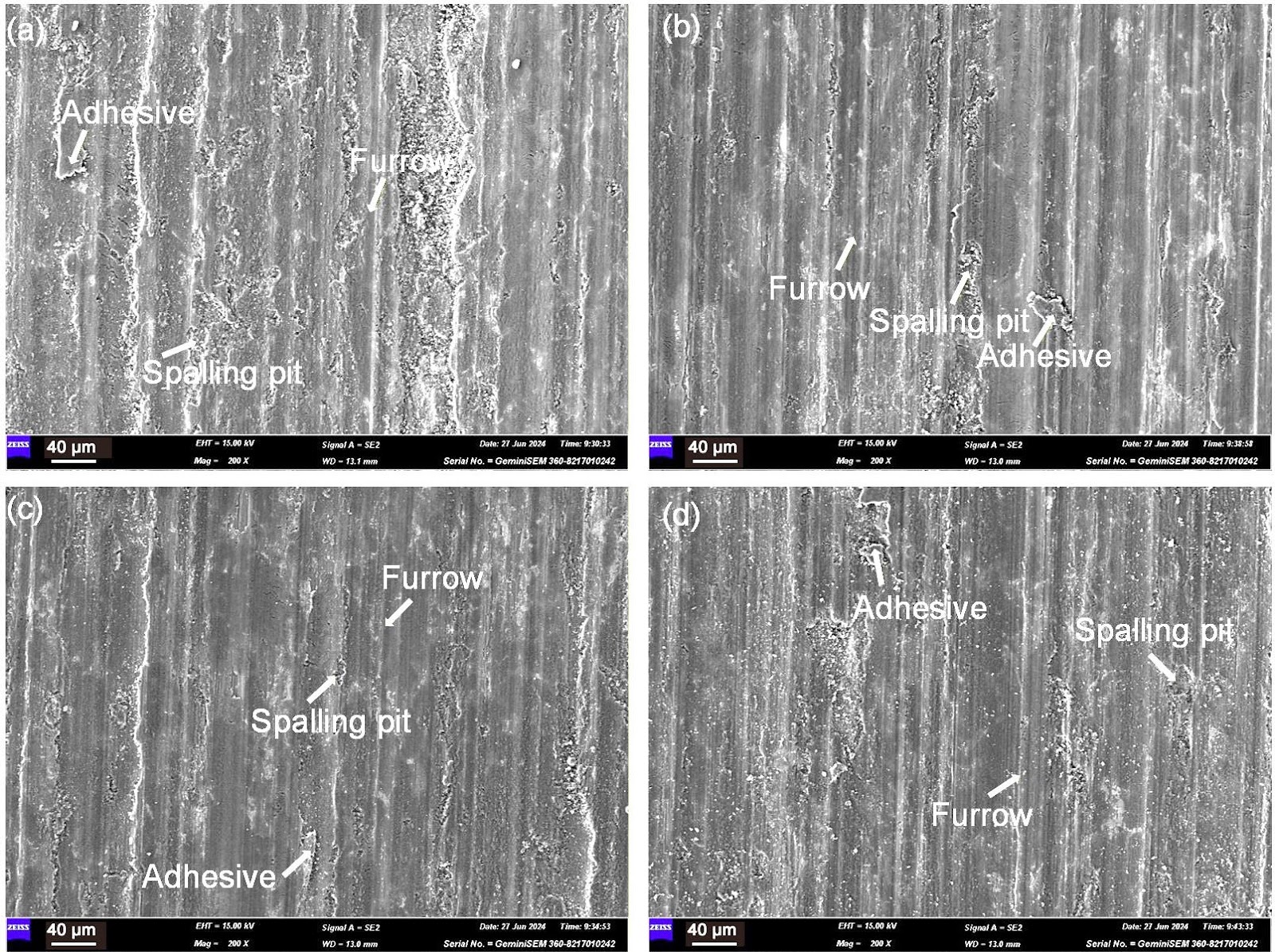
In this study, the effect of Tin (Sn) addition on the microstructure, mechanical properties, and wear resistance of pure magnesium (Mg) was examined. Mg-Sn alloys were synthesized using stir casting technique with Sn concentrations of 2.5%, 5%, and 7.5% by weight. The specimens were prepared as per ASTM standards for their evaluation. Higher Sn concentrations result in a reduced volume fraction of the eutectic phase, while Mg2Sn precipitates are observed in alloys with 5% or more Sn. Scanning electron microscopy (SEM) analysis of the Mg-7.5wt.% Sn alloy reveals the presence of Mg(OH)2, with X-ray diffraction (XRD) confirming an oxygen content of 18% by weight. The addition of Sn minimizes casting porosity, enhancing the quality of the alloys. The findings demonstrate a positive correlation between increasing Sn content and enhanced strength and wear resistance. The Mg-7.5wt.% Sn alloy exhibits significantly enhanced tensile properties attributed to grain refinement and the formation of well-defined grain boundaries compared to alloys with lower Sn additions (2.5% and 5%), although a slight reduction in microhardness is observed. Tribological evaluation indicates reduced wear and friction, suggesting better surface performance. This research underscores the complex interplay between Sn content, microstructural evolution, and the resulting mechanical and tribological performance of Mg-Sn alloys.

Influence of Tin addition on microstructure, mechanical, and tribological properties of magnesium matrix
Graphical Abstract
Original ResearchVol. 22, No. 6 • pp. 628-636DOI: 10.1007/s41230-025-4049-6Jan 15, 2025

A method for enhancing ductility of a polycrystalline Ni-based superalloy K417G

Authors: Hou-fan Cao, Wei-dong Xuan, Zhi-ming Fan, Lei-xin Duan, Jun Bao, Han-song Li, Bao-jun Wang, Zhong-ming Ren

In this work, the effects of hot isostatic pressing and heat treatment (solution and double aging) on the high-temperature tensile properties of a nickel-based polycrystalline superalloy K417G were investigated. The experimental results indicate that following the hot isostatic pressing and heat treatment, the porosity of the alloy decreases from 0.072% (in as-cast state) to 0.043%. The volume fraction of γ' phase increases from 43.28% to 56.54%, and the shape tends to be more cubic. The plasticity of the superalloy at 900 °C increases from 5.1% in as-cast state to 9.8% followed HIP and HT, but the tensile strength remains unchanged. Large size micropores are present in the as-cast sample and cracks sprout and expand at the micropores. After hot isostatic pressing and heat treatment, micropores are effectively eliminated, preventing them from becoming sources of cracks. This delay in the emergence of cracks results in enhanced plasticity. In addition, dislocations in the specimens after hot isostatic pressing and heat treatment bypasses the γ' phase through the Orowan mechanism, leading to a further increase in plasticity.

A method for enhancing ductility of a polycrystalline Ni-based superalloy K417G
Graphical Abstract
Original ResearchVol. 22, No. 6 • pp. 603-614DOI: 10.1007/s41230-025-4267-yJan 15, 2025

Impact of TiC particles on microstructure and properties of Al-Cu-Mn alloys by semi-continuous casting

Authors: Gao-song Wang, Sheng-xiao Zhou, Zhi-yu Gao, Tao Zheng, Da Xu, Wen-tao Sun, Zai-hong Wang

Al-based TiC particle-reinforced composites with varying TiC concentrations were fabricated through semi-continuous casting. The effects of TiC particles on the alloys’ microstructure, grain boundary segregation, and mechanical properties were systematically analyzed. Moreover, the mechanisms by which TiC particles contribute to grain refinement, suppression of grain boundary segregation, and enhancement of hardness and wear resistance were discussed. The results demonstrate that TiC particles act as heterogeneous nucleation sites for α-Al within the Al-Cu-Mn alloys, leading to a refinement of grain size. As the TiC particle’s content increases, the grain size of the alloy drops at first and then elevates, transitioning from coarse dendritic crystals to fine equiaxed grains. At a TiC content of 1.3wt.%, the alloy exhibits the smallest grain size, reducing from 139±42 μm without TiC to 90±38 μm. Beyond this concentration, grain coarsening is observed. The incorporation of TiC particles effectively mitigates Cu segregation at grain boundaries, thereby enhancing the homogeneity of the Al-Cu-Mn matrix alloys. Additionally, the addition of TiC particles promotes hardness and wear resistance. Both hardness and wear resistance exhibit an initial increase followed by a decrease with increasing TiC content from 0 to 1.8wt.%.

Impact of TiC particles on microstructure and properties of Al-Cu-Mn alloys by semi-continuous casting
Graphical Abstract