SinoTechIntel Academic Portal
🏛️ Indexed Academic Journal

China Foundry

Access authentic peer-reviewed engineering methodologies, experimental datasets, and scientific literature published in this journal on SinoTechIntel.

Total Research Papers: 75
Access: 100% Free Open Access
Browse by Publication Year & VolumeReset All Filters ✕

Published Research PapersFiltered: Year 2025 • Vol. 22 • No. 4

Showing 11 of 75 peer-reviewed papers with full Graphical Abstracts.

Original ResearchVol. 22, No. 4 • pp. 407-416DOI: 10.1007/s41230-025-4287-7Jul 1, 2025

Effect of quenching, lamellarizing, and tempering heat treatment on cryogenic toughness of ZG14Ni3Cr1MoV steel

Authors: Chang-fu Li, Yun-bao Gao, Bao-zhi Li, Ling Zhao, Yu Wang, Hai-jun Zhang, Qiu Du, Zeng-rui Wang

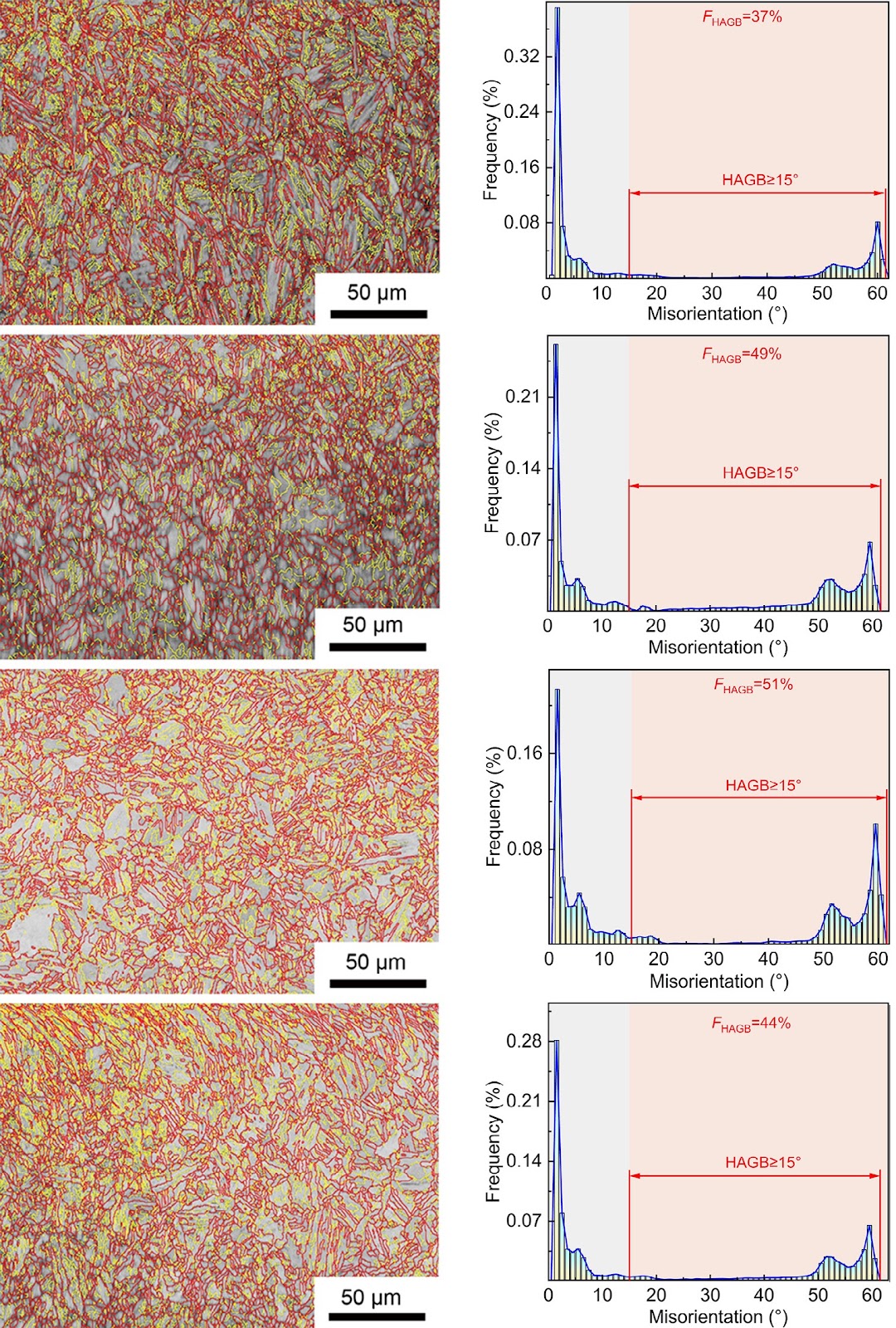
The present work aims to investigate the effects of quenching, lamellarizing, and tempering (QLT) heat treatment on the microstructure and mechanical properties of ZG14Ni3Cr1MoV high-strength low-alloy (HSLA) steel by comparing with traditional quenching and tempering (QT) heat treatment. Following the various QLT heat treatments, a dual-phase microstructure consisting of “soft” ferrite and “hard” tempered bainite is obtained, exhibiting significantly refined grain sizes (38.87 to 46.51 μm for QLT samples) compared to QT samples (64.93 μm). As the lamellar quenching temperature increases from 750 °C to 810 °C, the yield strength and tensile strength of the QLT samples increase, although they remain lower than those of the QT samples. Conversely, elongation at fracture, reduction of area, and the product of strength and elongation synergy decrease, yet consistently exceed QT levels. Notably, the QLT samples demonstrate superior cryogenic impact toughness within the range of -80 °C to -120 °C, achieving optimal values after 910 °C quenching + 780 °C lamellar quenching + 670 °C tempering: 215.97 J at -80 °C, 207.80 J at -100 °C, and 183.17 J at -120 °C. This exceptional cryogenic toughness is attributed to two key mechanisms in the dual-phase microstructure: (i) a low dislocation density that suppresses crack initiation, and (ii) crack-tip passivation by soft ferrite, coupled with crack deflection and hindrance at high-angle grain boundaries (HAGBs). The results establish QLT as a viable method for enhancing cryogenic toughness in ZG14Ni3Cr1MoV HSLA steels.
Effect of quenching, lamellarizing, and tempering heat treatment on cryogenic toughness of ZG14Ni3Cr1MoV steel
Graphical Abstract
Original ResearchVol. 22, No. 4 • pp. 480-492DOI: 10.1007/s41230-025-4144-8Jan 15, 2025

Effects of Al and C content on κ-carbide precipitation and strengthening in high-Mn low-density steels: A quantitative study

Authors: Yu-xiang Liu, Tao Xu, Jian-lei Zhang, Feng-hui An, Gang Chen, Chang-jiang Song, Qi-jie Zhai

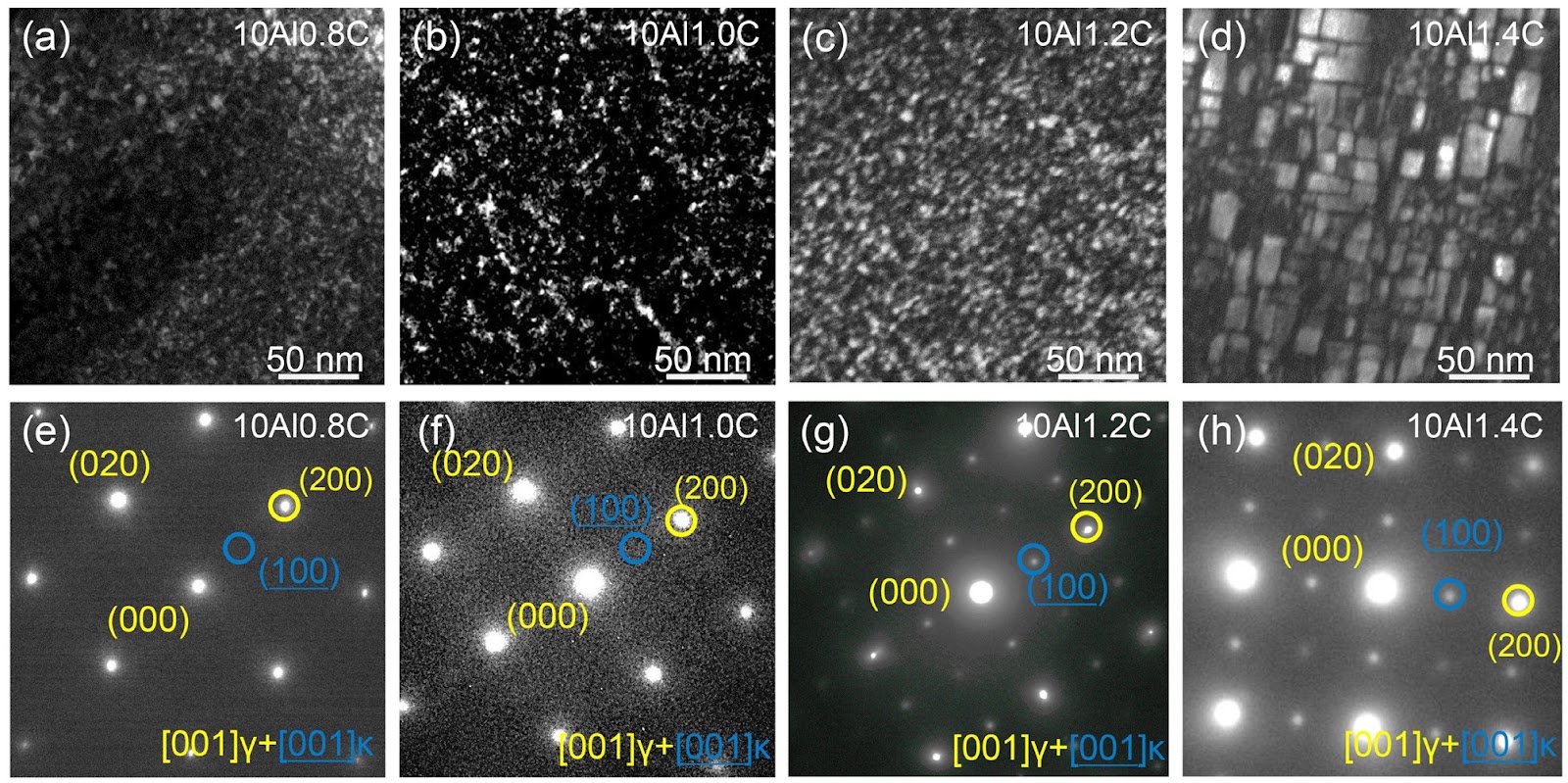
Fe-28Mn-(10-12)Al-(0.8-1.4)C (wt.%) steels were designed to investigate the influence of varying Al and C content on precipitation behavior of κ-carbide and its contribution to the strength of high-Mn low-density steels. Results reveal that both Al and C elements promote κ-carbide precipitation, with C having a more pronounced effect. In near-rapidly solidified 10Al steel strips, increasing C content from 0.8wt.% to 1.4wt.% raises the κ-carbide size from 9.6 nm to 38.2 nm, accompanied by volume fraction increase from 10.2vol.% to 29.8vol.%. In comparison, the average size and volume fraction of κ-carbides in 12Al0.8C steel are only 11.4 nm and 17.8vol.%, respectively. Higher Al and C content reduces the lattice mismatch between austenite and κ-carbides, thus promoting nucleation of κ-carbides. Notably, the increase in C content results in a greater reduction in the Gibbs free energy of κ-carbide, leading to a stronger driving force for κ-carbide formation. Consequently, as the C content increases from 0.8wt.% to 1.4wt.%, the interaction between κ-carbides and dislocations transforms from particle cutting to bypassing, and the maximum precipitation strengthening of κ-carbides reaches 583 MPa. The construction of the relationship between Al and C content and κ-carbide precipitation in this study would provide valuable insights for alloy design of high-Mn steels.

Effects of Al and C content on κ-carbide precipitation and strengthening in high-Mn low-density steels: A quantitative study
Graphical Abstract
Original ResearchVol. 22, No. 4 • pp. 471-479DOI: 10.1007/s41230-025-4199-6Jan 15, 2025

On microstructure and room-/high-temperature properties of an Al2O3/Al-Cu-Mn composite

Authors: Jing-bin Liu, Jing-yi Hu, Meng-yu Li, Gui-liang Liu, Tong Gao, Xiang-fa Liu

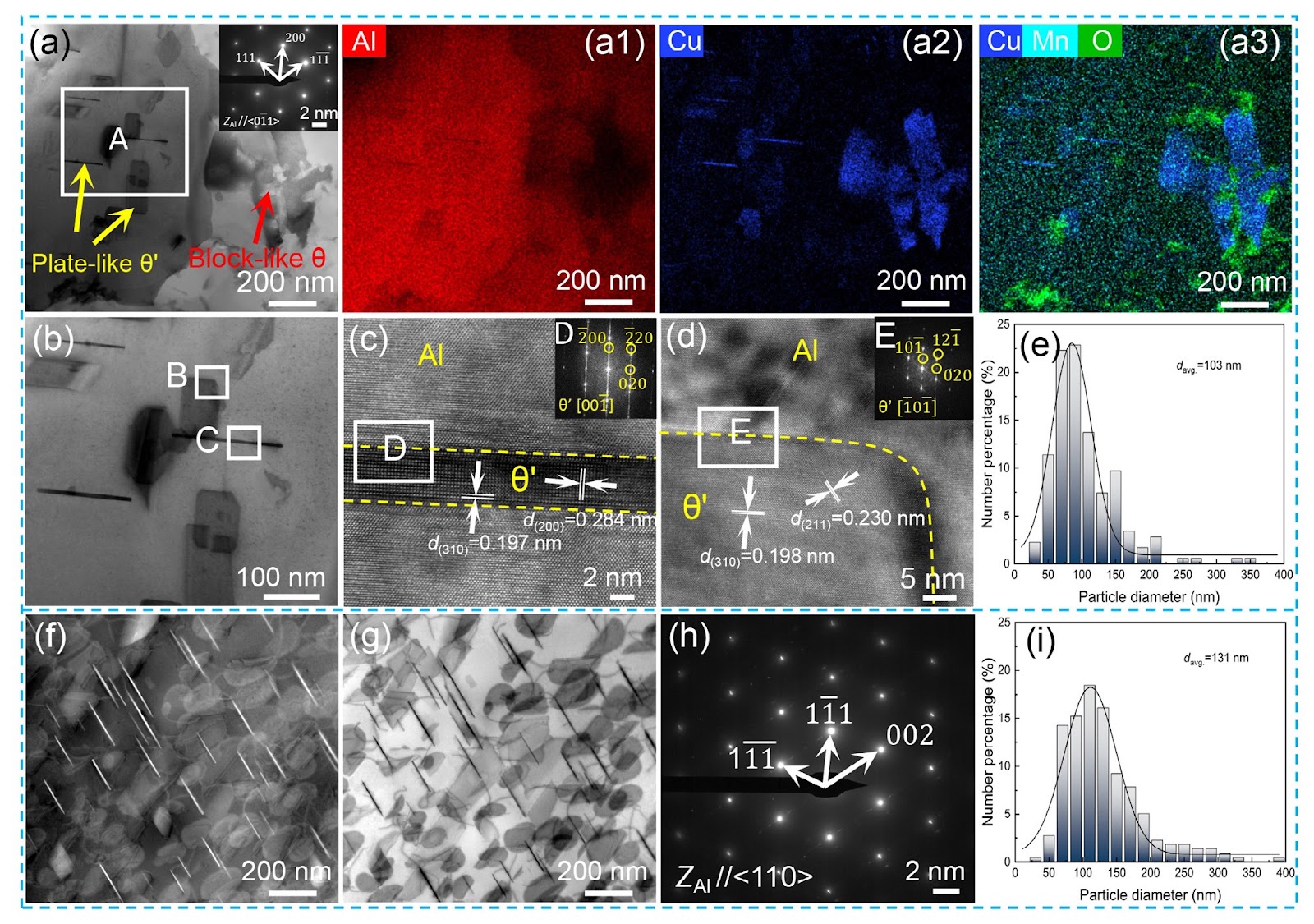
An Al2O3/Al-Cu-Mn composite was fabricated using a combination of ball milling and liquid-solid reaction, with a nominal composition of Al-4Cu-0.5Mn-2.8γ-Al2O3. The composite contains reinforcement particles, including nano-sized θ’ and T(Al20Cu2Mn3) particles after T6 heat treatment, as well as in-situ synthesized nano-sized γ-Al2O3 particles. Tensile tests of the Al-4Cu-0.5Mn-2.8γ-Al2O3 composite and the Al-4Cu-0.5Mn base alloy after T6 treatment were carried out at room temperature and elevated temperatures (200 °C, 300 °C, and 400 °C). Compared with the base alloy, the yield strength of the Al-4Cu-0.5Mn-2.8γ-Al2O3 composite after T6 treatment increases significantly from 187 MPa to 263 MPa at room temperature. Simultaneously, at elevated temperatures, the yield strength is also enhanced, with a yield strength of 52 MPa at 400 °C for this composite. The in-situ fabricated γ-Al2O3 particles, mainly distributed along the grain boundaries, are supposed to play the main strengthening role, especially at high temperatures. This work acts as a reference for designing composites for high-temperature applications.

On microstructure and room-/high-temperature properties of an Al2O3/Al-Cu-Mn composite
Graphical Abstract
Original ResearchVol. 22, No. 4 • pp. 417-426DOI: 10.1007/s41230-025-3113-6Jan 15, 2025

Microstructural evolution and comprehensive properties of Mg-8Li-3Al-2Zn alloy during annealing treatment under various cooling rates

Authors: Ling Li, Wang-yang Xue, Zhu-min Li, Tian-yu Liu, Rui Zheng, Guo-bing Mao

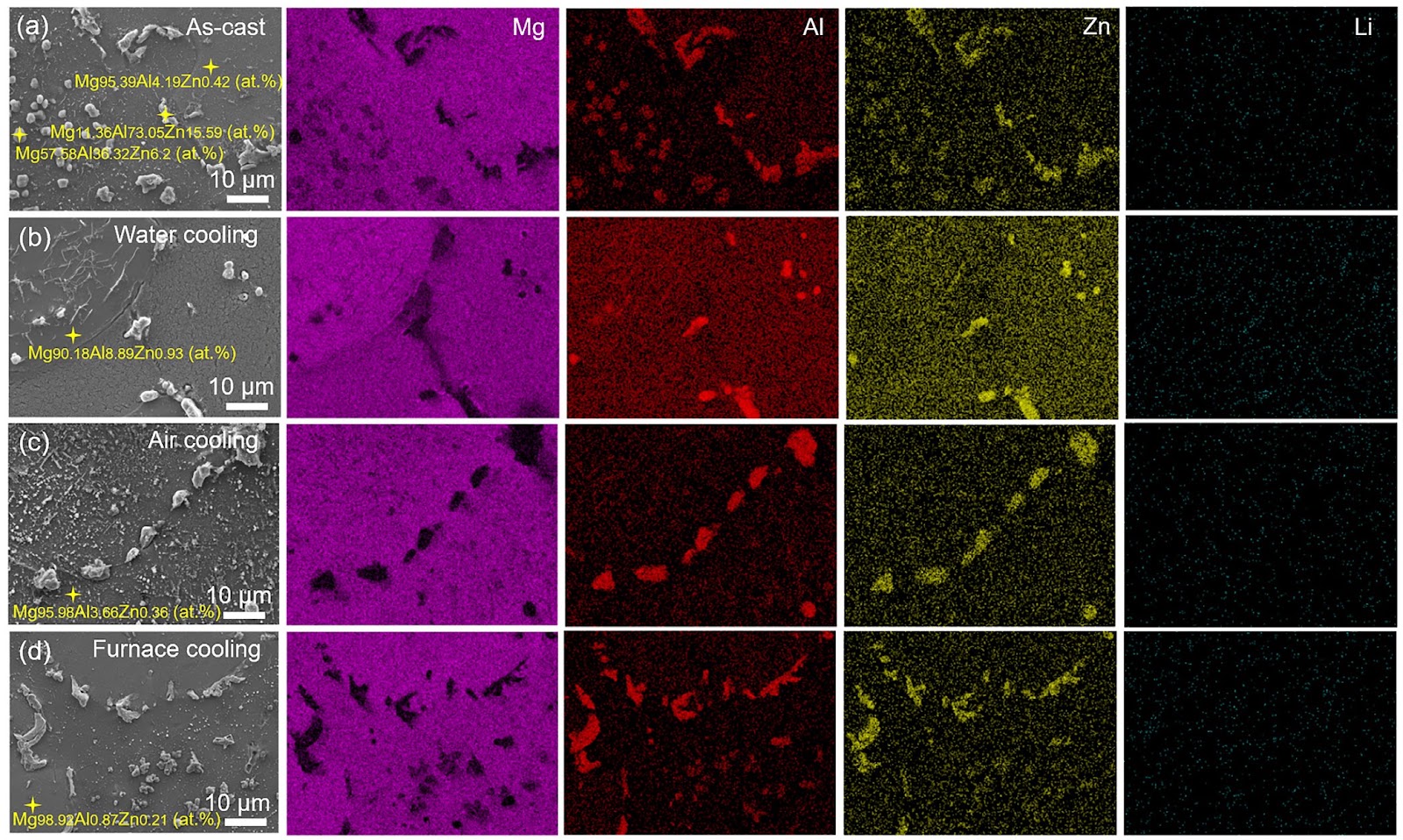
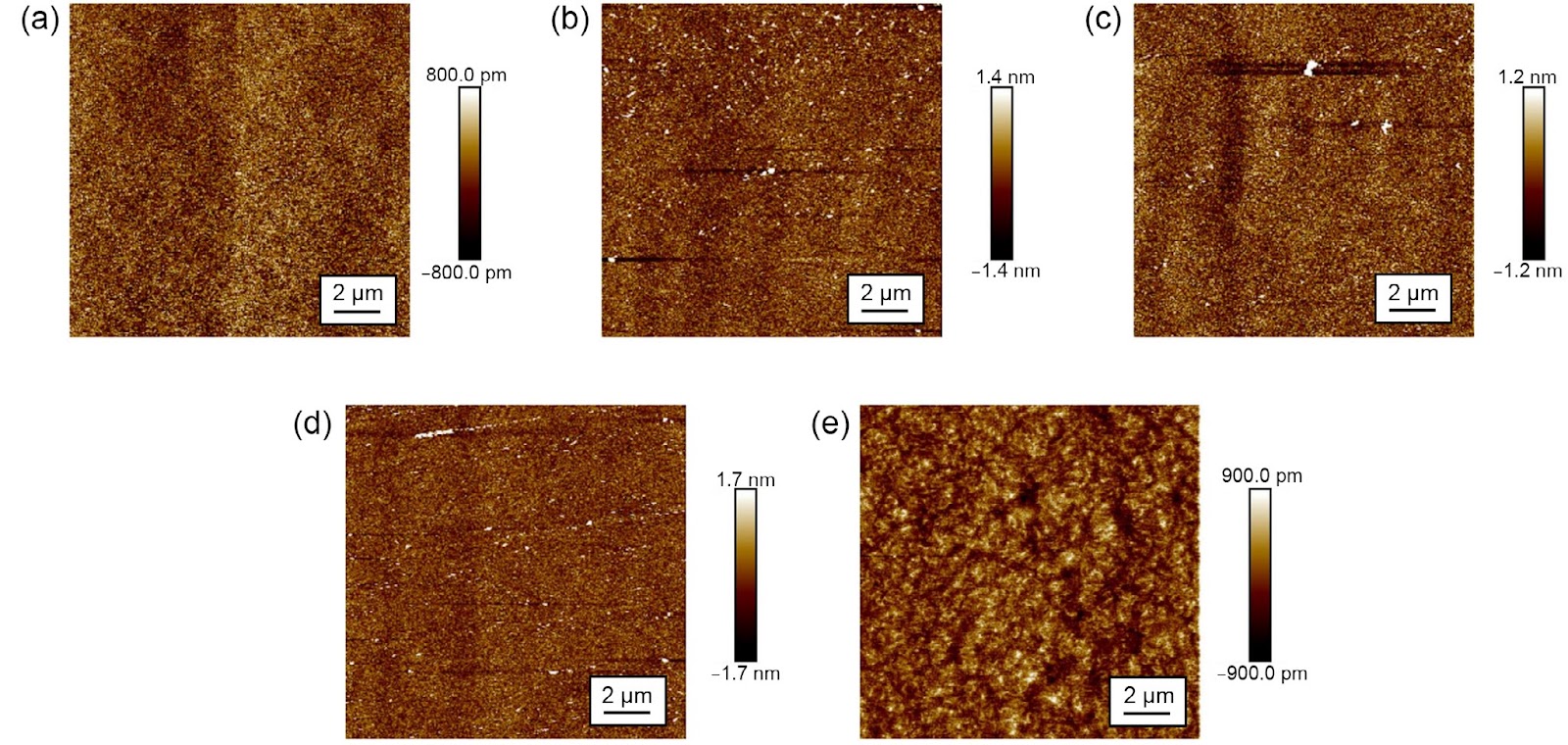
Annealing treatment is an effective strategy to enhance the comprehensive properties of Mg-8Li-3Al-2Zn (LAZ832) alloy, where the cooling rate plays a decisive role in tailoring microstructure and performance. This study systematically investigates the effects of cooling rates, controlled via water quenching (WC), air cooling (AC), and furnace cooling (FC), on the phase evolution, mechanical properties, and corrosion resistance of LAZ832. The annealed microstructure consists of α-Mg, β-Li, AlLi, and MgLi2Al phases, and the volume fraction of Al-Li phases (AlLi and MgLi2Al) increases as the cooling rate decreases. Strengthening mechanisms are dominated by solid solution strengthening, driven by the dissolution of Al and Zn atoms into the matrix, which significantly enhances tensile strength. However, excessive solute content leads to a marked decline in ductility. Scanning probe microscope (SPM) reveals an elevated work function due to the dissolution of Al and Zn atoms into the matrix phase, correlating with improved corrosion resistance. Comprehensive analysis demonstrates that air cooling achieves an optimal balance between tensile strength, ductility, and corrosion resistance, outperforming furnace-cooled samples and offering a pragmatic compromise compared to water-quenched specimens with higher strength but brittle failure. These findings establish a robust framework for designing LAZ832 alloys with tailored microstructures and multi-property optimization, advancing their application in lightweight engineering fields.

Microstructural evolution and comprehensive properties of Mg-8Li-3Al-2Zn alloy during annealing treatment under various cooling rates
Graphical Abstract
Original ResearchVol. 22, No. 4 • pp. 463-470DOI: 10.1007/s41230-025-4265-0Jan 15, 2025

Effect of surface recrystallization on high-temperature tensile properties of a directionally solidified DZ409 Ni-based superalloy

Authors: Qiang Yang, Ya-zhou Li, Fu Wang, Jing Wang, Di-chen Li, Jian-tao Wu

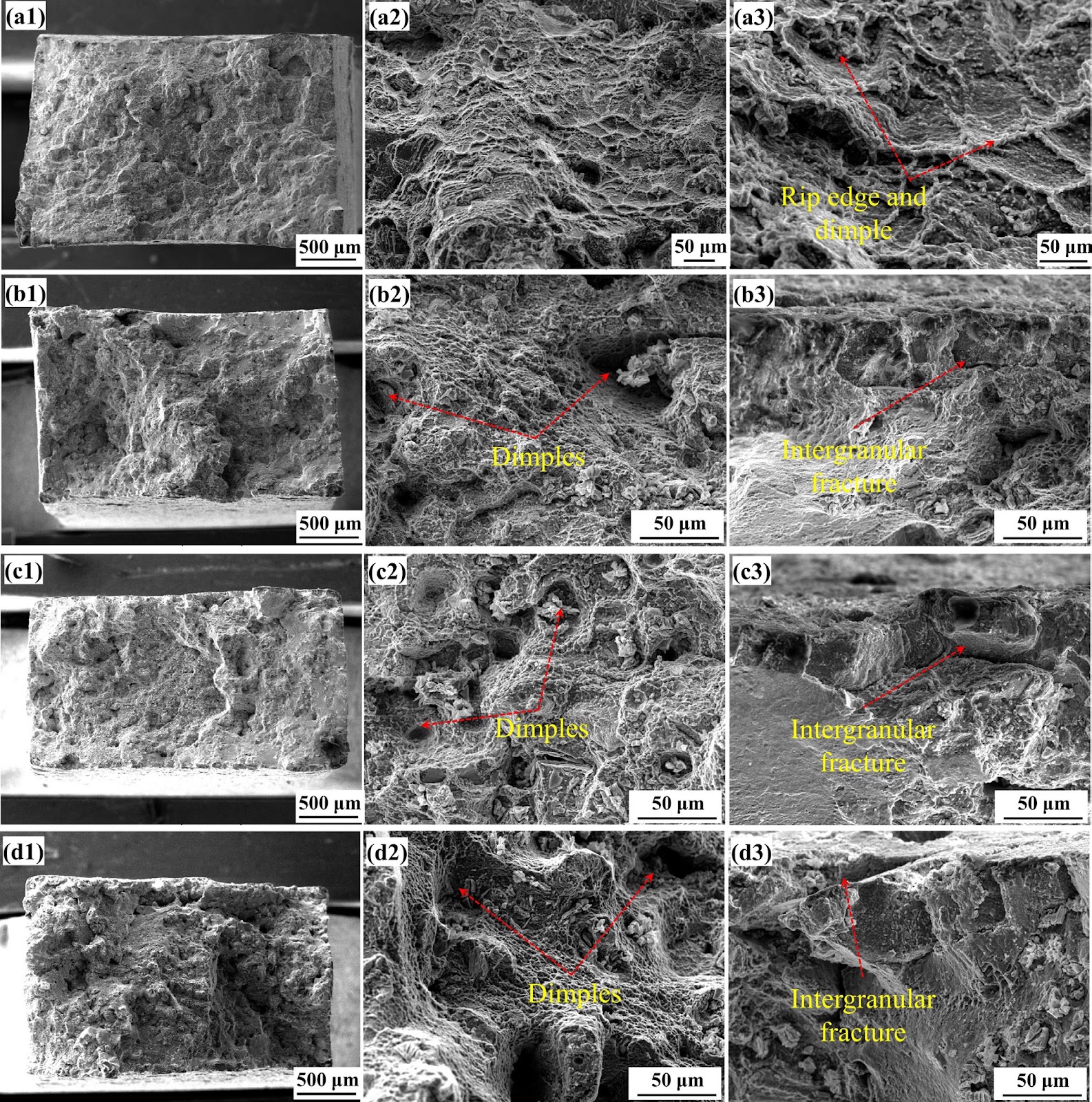
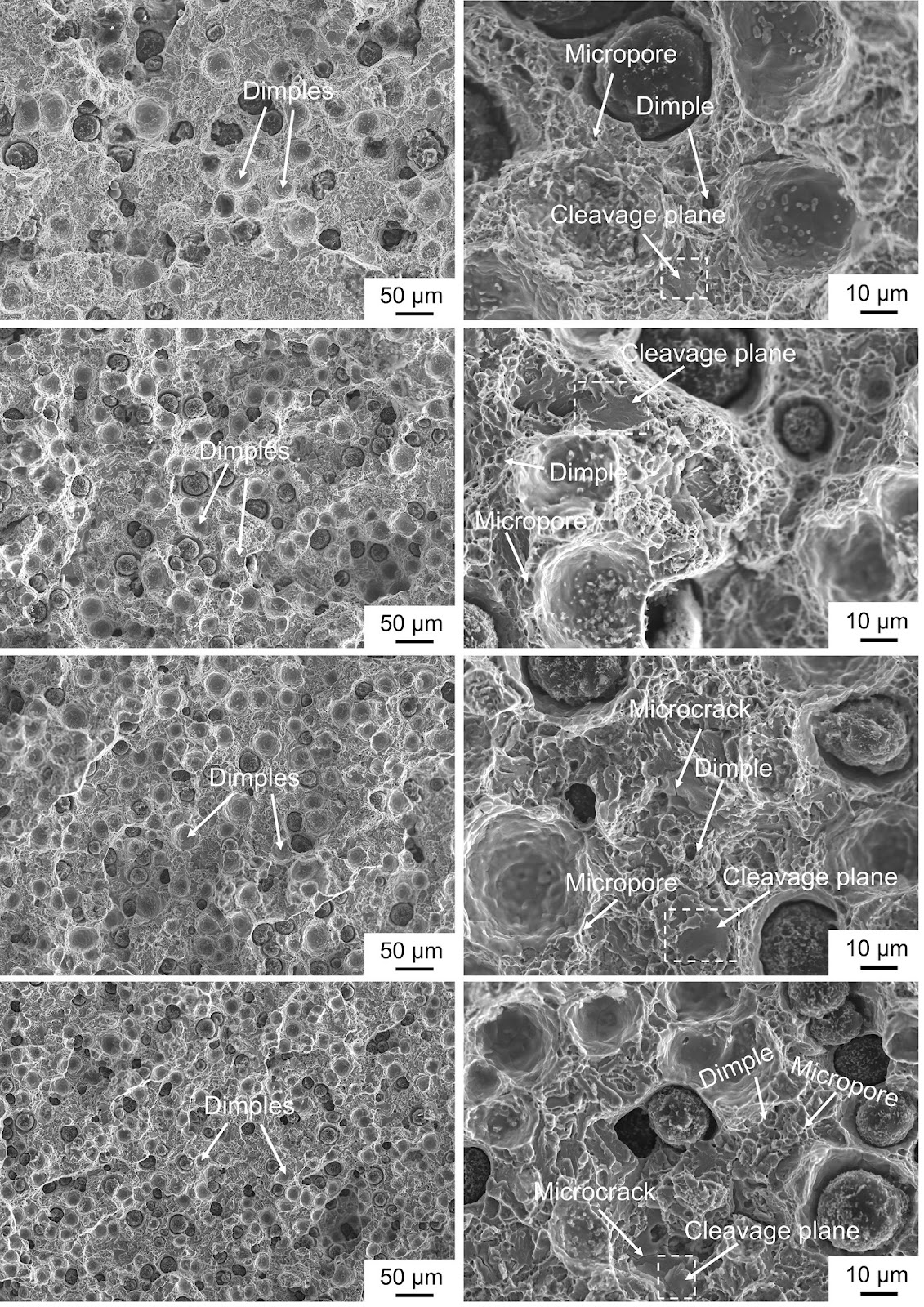
Surface recrystallization (RX) is a typical grain defect observed in directionally solidified (DS) Ni-based superalloys. Most studies have focused on the RX behavior and its impact on the mechanical properties of single-crystal (SC) superalloys, with limited research on its influence on the high-temperature mechanical properties of DS superalloys. This study systematically investigated the effect of RX on the high-temperature tensile properties of a DS DZ409 superalloy. The results show that at 650 °C, the yield strength decreases almost linearly with an increase in RX fraction. A significant reduction in elongation is observed as the RX fraction increases from 0% to 4.9%. However, beyond this point, further increase in RX fraction leads to minimal changes in elongation. At 950 °C, both yield strength and elongation decrease as the RX fraction increases from 0% to 4.9%. At 650 °C, fractures in the RX DS superalloys exhibit a mixed mode of transgranular and intergranular cleavage fracture, while at 950 °C, it features a combination of ductile and intergranular dimple fractures. The failure mechanism of the RX DS superalloy is associated with the introduction of transverse grain boundaries (GBs) during RX. In the early stages of tensile testing at intermediate and high temperatures, cracks can easily initiate at these GBs. Subsequently, the cracks propagate along the GBs into the DS matrix, ultimately leading to failure of the DS superalloy.

Effect of surface recrystallization on high-temperature tensile properties of a directionally solidified DZ409 Ni-based superalloy
Graphical Abstract
Original ResearchVol. 22, No. 4 • pp. 395-406DOI: 10.1007/s41230-025-4177-zJan 15, 2025

Designing the counter pressure casting gating system for a large thin-walled cabin by machine learning

Authors: Xiao-long Zhang, Hua Hou, Xiao-long Pei, Zhi-qiang Duan, Yu-hong Zhao

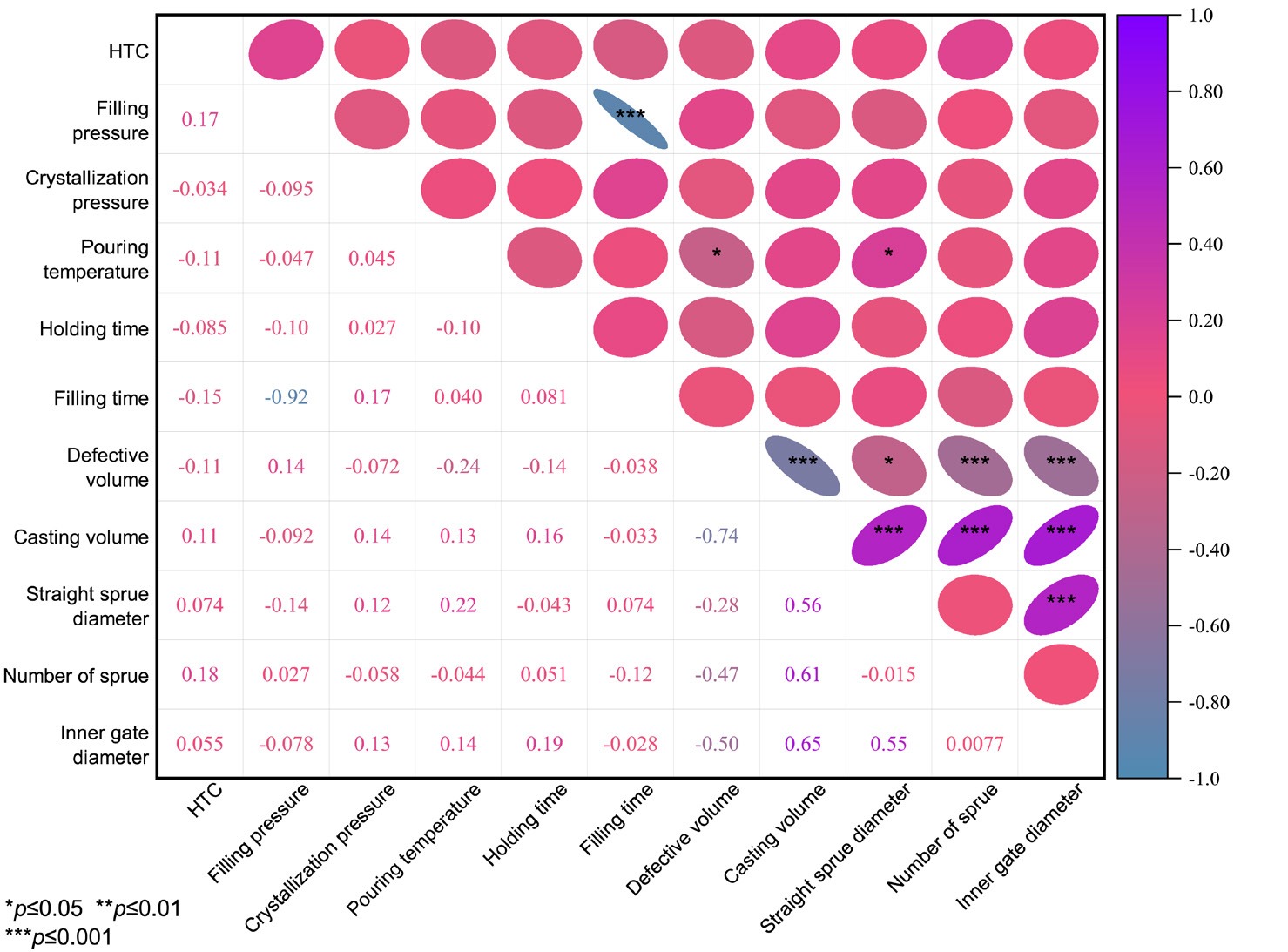
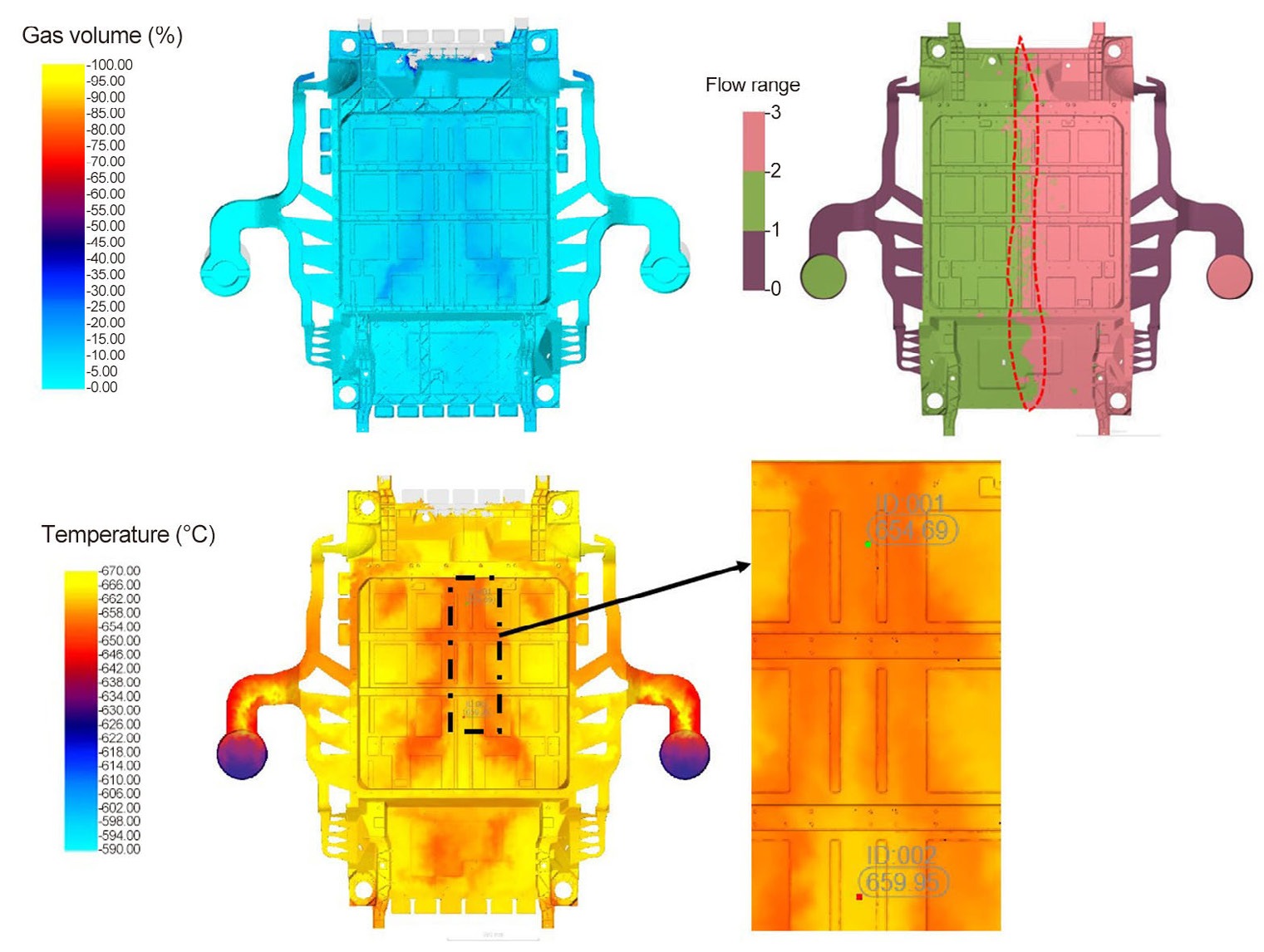
The design of casting gating system directly determines the solidification sequence, defect severity, and overall quality of the casting. A novel machine learning strategy was developed to design the counter pressure casting gating system of a large thin-walled cabin casting. A high-quality dataset was established through orthogonal experiments combined with design criteria for the gating system. Spearman’s correlation analysis was used to select high-quality features. The gating system dimensions were predicted using a gated recurrent unit (GRU) recurrent neural network and an elastic network model. Using EasyCast and ProCAST casting software, a comparative analysis of the flow field, temperature field, and solidification field can be conducted to demonstrate the achievement of steady filling and top-down sequential solidification. Compared to the empirical formula method, this method eliminates trial-and-error iterations, reduces porosity, reduces casting defect volume from 11.23 cubic centimeters to 2.23 cubic centimeters, eliminates internal casting defects through the incorporation of an internally cooled iron, fulfilling the goal of intelligent gating system design.

Designing the counter pressure casting gating system for a large thin-walled cabin by machine learning
Graphical Abstract
Original ResearchVol. 22, No. 4 • pp. 427-438DOI: 10.1007/s41230-025-4170-6Jan 15, 2025

Effects of Cr element doping on microstructure and performance of quinary FeCoNiSiB multi-principal element alloys

Authors: Shu-yan Zhang, Dan-yue Ma, Pei-pei Shen, Bo Sun, Hua Chen, Zhi-bin Zhang

This research focused on the influences of Cr element doping on the microstructure, thermal stability, microhardness, soft magnetic, and anti-corrosion properties of FeCoNiSiB multi-principal element alloys. The as-received Fe-Co-Ni-Si-B-Cr alloy ribbons made by melt-spinning technique could maintain amorphous nature. The glass-transition temperature and onset crystallization temperature become lower with the addition of Cr, and the highest values are 782.0 K and 821.5 K, respectively. When the Cr content reaches 3at.%, the alloy owns the best soft magnetic performance with the saturation magnetic flux density of ~0.578 T and coercivity of ~5.5 A·m-1 among the studied melt-spun ribbon samples. The microhardness of all alloy ribbons reduces with an increasing Cr content on the whole, and the values are 810 HV0.5 or above. The corrosion behavior of these multi-principal element amorphous alloys containing Cr was also investigated in detail. As the Cr content increases, the corrosion resistance becomes superior and the specimens present the obvious passive regions in 3.5wt.% NaCl solution. The glassy ribbons with 8at.% Cr have the highest self-corrosion potential of -0.340 V and pitting potential of 0.288 V as well as the widest passive region of 0.628 V. Besides, the corroded micrographs of alloy ribbons immersed in corrosive environment lasting 100 h are also presented, which further confirms the above-mentioned experimental results. This research deepens the understanding about the role of Cr element in the microstructure and a series of physical and chemical properties of Fe-Co-Ni-Si-B-Cr multi-principal element amorphous alloys.

Effects of Cr element doping on microstructure and performance of quinary FeCoNiSiB multi-principal element alloys
Graphical Abstract
Original ResearchVol. 22, No. 4 • pp. 439-448DOI: 10.1007/s41230-025-4118-xJan 15, 2025

Effect of CNT content on microstructure and tribological properties of CNTs/AlSi10Mg composites by LPBF

Authors: Li-yi Jiang, Chao-yi Shen, Ting-ting Liu, Chang-dong Zhang, Xiang Su, Wei-wei Xu, Bo-xiang Wang, Zhi-xiang Qi, Wen-he Liao

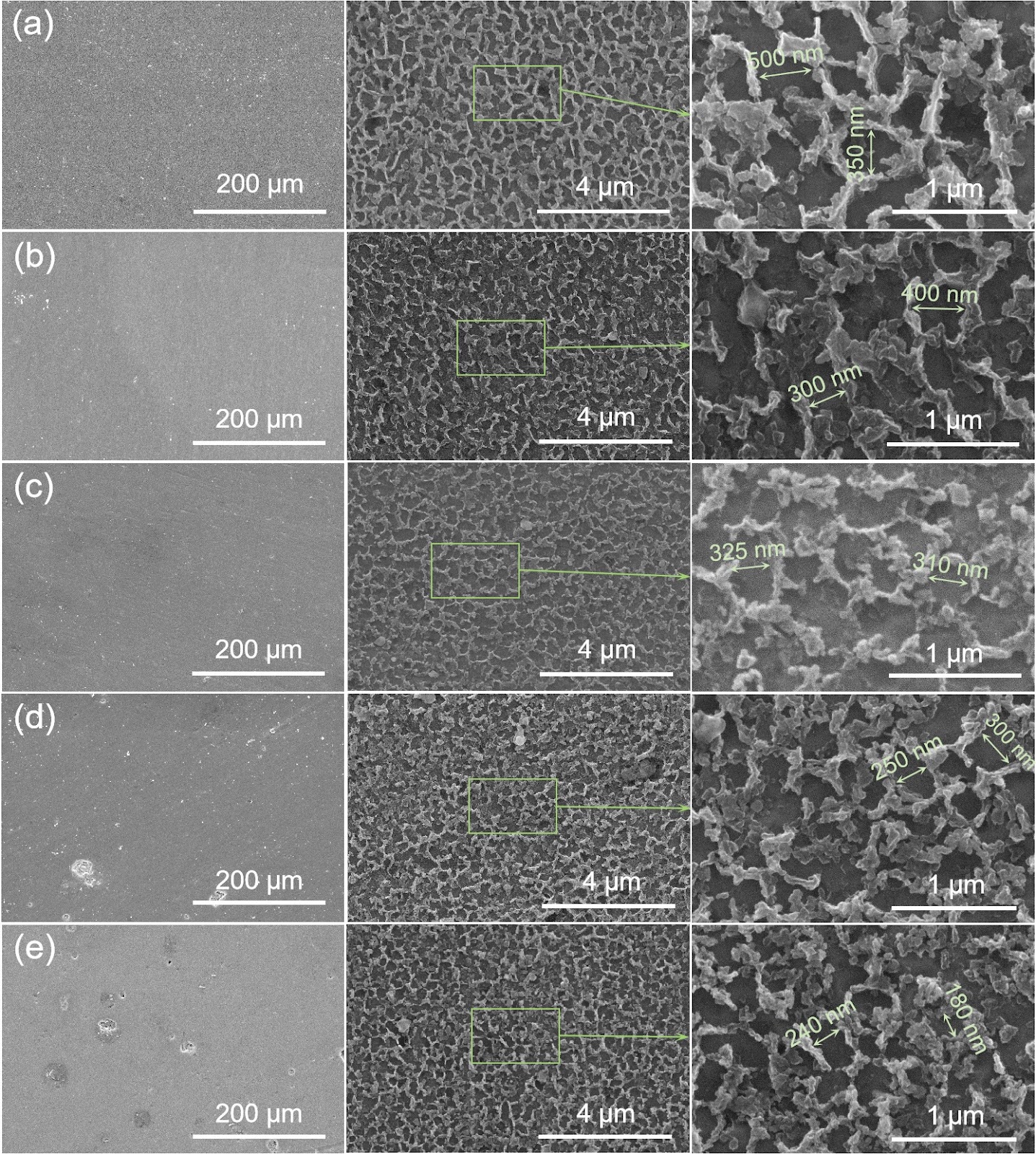
In this study, carbon nanotubes (CNTs)/AlSi10Mg composite parts with CNTs contents ranging from 0.0 to 2.0wt.% were successfully fabricated via laser powder bed fusion (LPBF) with laser scan speeds ranging from 900 to 1,900 mm·s-1. Uniform dispersion of CNTs in the powders can be achieved when their content is below 2.0wt.%. In the LPBF samples, the morphology of the CNTs is found to be directly related to their content. Especially, the length of CNTs in samples prepared by LPBF increases as the CNT content increases. The length of CNTs is approximately 200-300 nm in the 1.0wt.% CNTs/AlSi10Mg composites and approximately 500-1,000 nm in the 2.0wt.% CNTs/AlSi10Mg composites. The hardness of the composites reaches its highest value of 143.3 HV when the CNTs content is 1.0wt.% and the laser scan speed is 1,300 mm·s-1. It is found that the self-lubricating properties of the CNTs improve the tribological properties of the composites. The coefficient of friction (CoF) and wear rate of the samples decrease with increasing CNT content. At a CNTs content of 2.0wt.%, the CoF and wear rate of the composite decrease by approximately 14% and 30%, respectively, compared to the unreinforced matrix. The presence of CNTs leads to a more complete and refined network microstructure within the samples. Both the CNTs and the aluminum carbide contribute to the Orowan mechanism and the Hall-Petch effect within the matrix.

Effect of CNT content on microstructure and tribological properties of CNTs/AlSi10Mg composites by LPBF
Graphical Abstract
Original ResearchVol. 22, No. 4 • pp. 374-384DOI: 10.1007/s41230-025-5034-9Jan 15, 2025

Influence of nodular graphite on microstructure, mechanical properties, and wear behavior of austempered ductile iron

Authors: Xue-bo Zhao, Shu-ya Diao, Yan-song Nan, Jin-hai Liu, Jing-kun Li

This study systematically investigated the effects of graphite nodule parameters, including count, average diameter, and nodularity, on microstructure and mechanical properties of austempered ductile irons (ADIs). The ADI specimens with graphite nodule counts of 212±11 mm-2, 308±9 mm-2, 415±10 mm-2, and 589±13 mm-2 were designated as G-200, G-300, G-400, and G-600, respectively. Results indicate a progressive refinement of graphite with an increase in nodule counts. Specifically, the average nodule diameter decreases from 33.3±1.3 μm for G-200 to 17.0±0.7 μm for G-600. The nodularity of all samples is above 90%. Furthermore, the nodularity exhibits a corresponding increasing trend with the rise of graphite nodule count in ADIs. Additionally, the volume fraction of the austenite phase in ADIs decreases with an increase in graphite nodule count. The graphite nodule count changes the tensile strength and elongation of ADIs. The specimen G-400 exhibits the ultimate tensile strength of 897±11 MPa and an elongation of 9.8%±0.6%, representing 5.3% and 44.1% improvements respectively compared to G-200. To explore the wear resistance of ADIs with different graphite nodule counts, dry sliding friction and wear test of different samples was carried out at room temperature. At a high load of 25 N, G-400 exhibits superior wear resistance, achieving a 42% reduction in worn volume compared to G-200. Worn micromorphology identifies three primary wear mechanisms: microcutting-dominated abrasive wear, adhesive wear, and fatigue wear.

Influence of nodular graphite on microstructure, mechanical properties, and wear behavior of austempered ductile iron
Graphical Abstract
Original ResearchVol. 22, No. 4 • pp. 363-373DOI: 10.1007/s41230-025-4028-yJan 15, 2025

Simulation study on integrated bottom car body formation by high pressure die casting with a dual injection system

Authors: Rong Xiao, Jing-guo Wang, Shao-xing Meng, Wei-dong Mao, Li-geng Yang, Jin Zhang, Lei Song, Wan-tong Chen, Wen-bo Yu

This study investigates the formation feasibility of the integrated bottom car body components with dual die casting injection molding technology. During the production of a die-cast super-large one-piece body part weighing over 10,000 t, a thorough comparison and investigation were conducted on the arising issues, using both single and double injection systems. Particular attention was given to meticulously discussing the die casting filling problems and microstructural defects that originated from the filling process. The research findings indicate that the implementation of a double injection system can significantly minimize cold shuts and reduce the solidification time. The effectiveness of this die casting technique was further confirmed by the production of high-quality castings using a scaled model that replicated real casting conditions at a 1:3 ratio, thereby maintaining a one-to-one correspondence in essential aspects. This successful study offers both theoretical insights and practical applications for the production of integrated bottom car bodies utilizing die casting in conjunction with a dual injection system.

Simulation study on integrated bottom car body formation by high pressure die casting with a dual injection system
Graphical Abstract
Original ResearchVol. 22, No. 4 • pp. 385-394DOI: 10.1007/s41230-025-4101-6Jan 15, 2025

Effect of La content on microstructure, tensile properties, and electrical conductivity of cast Al-Mg-Si-xLa alloys

Authors: Hong-yu Xu, Hai-feng Jia, Ze-sheng Ji, Ming-liang Li, Han Yu, Bo Jiang, Ye Wang, Mao-liang Hu

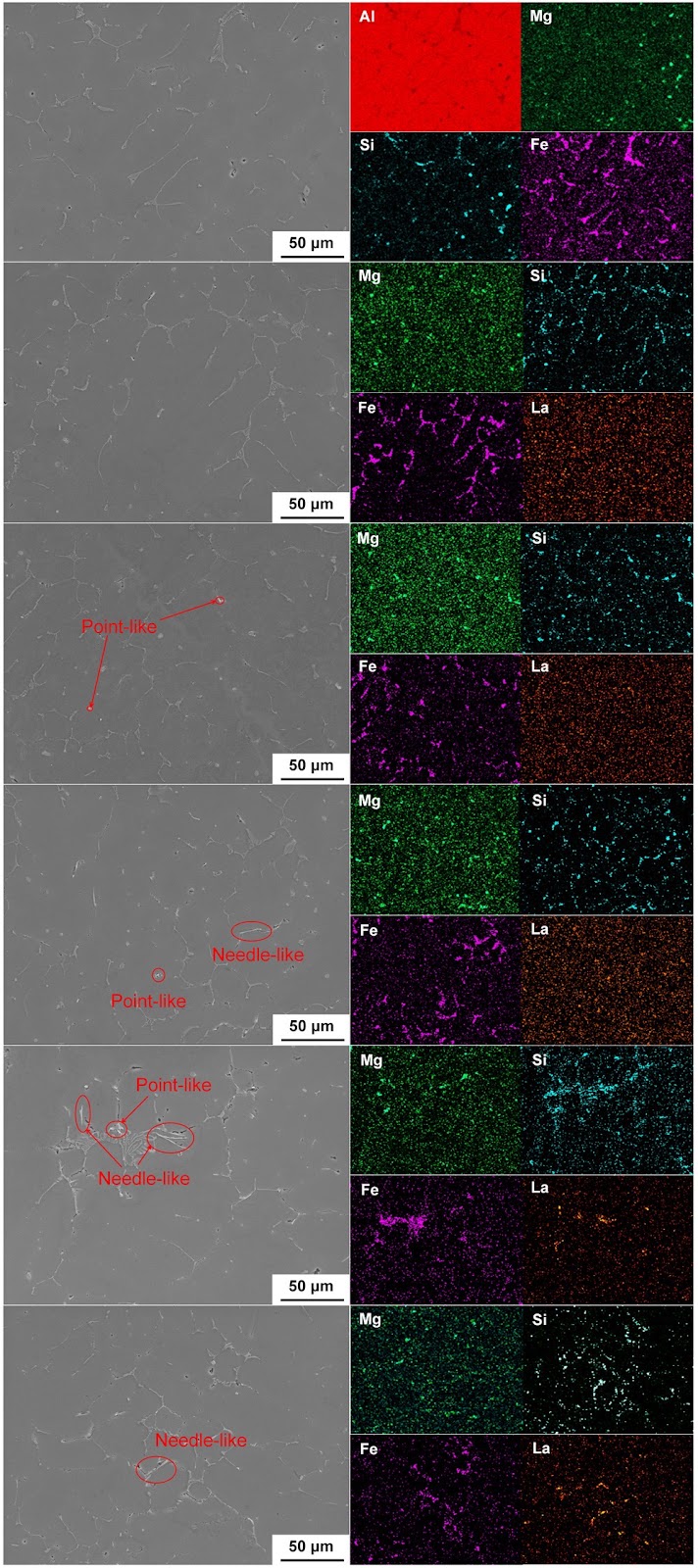
Lightweight aluminum alloy conductor materials (Al-Mg-Si alloys) require not only high electrical conductivity to reduce electrical loss, but also high strength to withstand extreme weather conditions. To improve electrical conductivity and mechanical properties of Al-Mg-Si alloy simultaneously, the rare earth La was introduced to modify the Al-Mg-Si alloy. The effect of La addition on the microstructure, tensile properties and electrical conductivity of cast Al-Mg-Si alloy was investigated systematically. Results indicate that the appropriate La content is helpful to improve the strength and electrical conductivity of Al-Mg-Si alloys. When the addition of La is 0.2wt.%, the α-Al grains are refined apparently, Mg and Si solute atoms in the Al matrix are reduced by the formation of Mg2Si phase; the distribution of Al11La3 phases is uniform, and the morphology of AlFeSi phase transforms from continuous state to discontinuous state. The Al-Mg-Si-0.2La alloy exhibits the optimal tensile properties and electrical conductivity, with an ultimate tensile strength of 170 MPa, a yield strength of 88 MPa, an elongation of 18.9%, and an electrical conductivity of 44.0% IACS. These values represent improvements of 9.0%, 15.8%, 70.3%, and 17.3%, respectively, compared to the Al-Mg-Si alloy without La addition. However, excessive La deteriorates the properties of Al-Mg-Si-xLa alloys.

Effect of La content on microstructure, tensile properties, and electrical conductivity of cast Al-Mg-Si-xLa alloys
Graphical Abstract