Key Takeaways & Executive Findings
- •• • Sequential IR-Raman detection achieved complete identification of mixed explosives: IR identified organic components (m-dinitrobenzene, p-nitroaniline) but missed inorganic oxidizers (KNO3, NH4NO3); Raman confirmed both, yielding 100% component coverage. • • CNN models delivered high classification accuracy: 96.54% for IR and 96.29% for Raman spectra, with per-sample inference times of 0.044 s and 0.042 s, respectively, enabling real-time field screening. • • The 1D-CNN preprocessing model effectively denoised raw spectra while preserving key feature peaks, standardizing inputs for the 2D-CNN classifier and reducing reliance on manual spectral interpretation. • • The method demonstrated robustness across powder and tablet forms, with consistent spectral profiles despite minor peak shifts and intensity variations, confirming its practical utility for varied sample morphologies.
Abstract
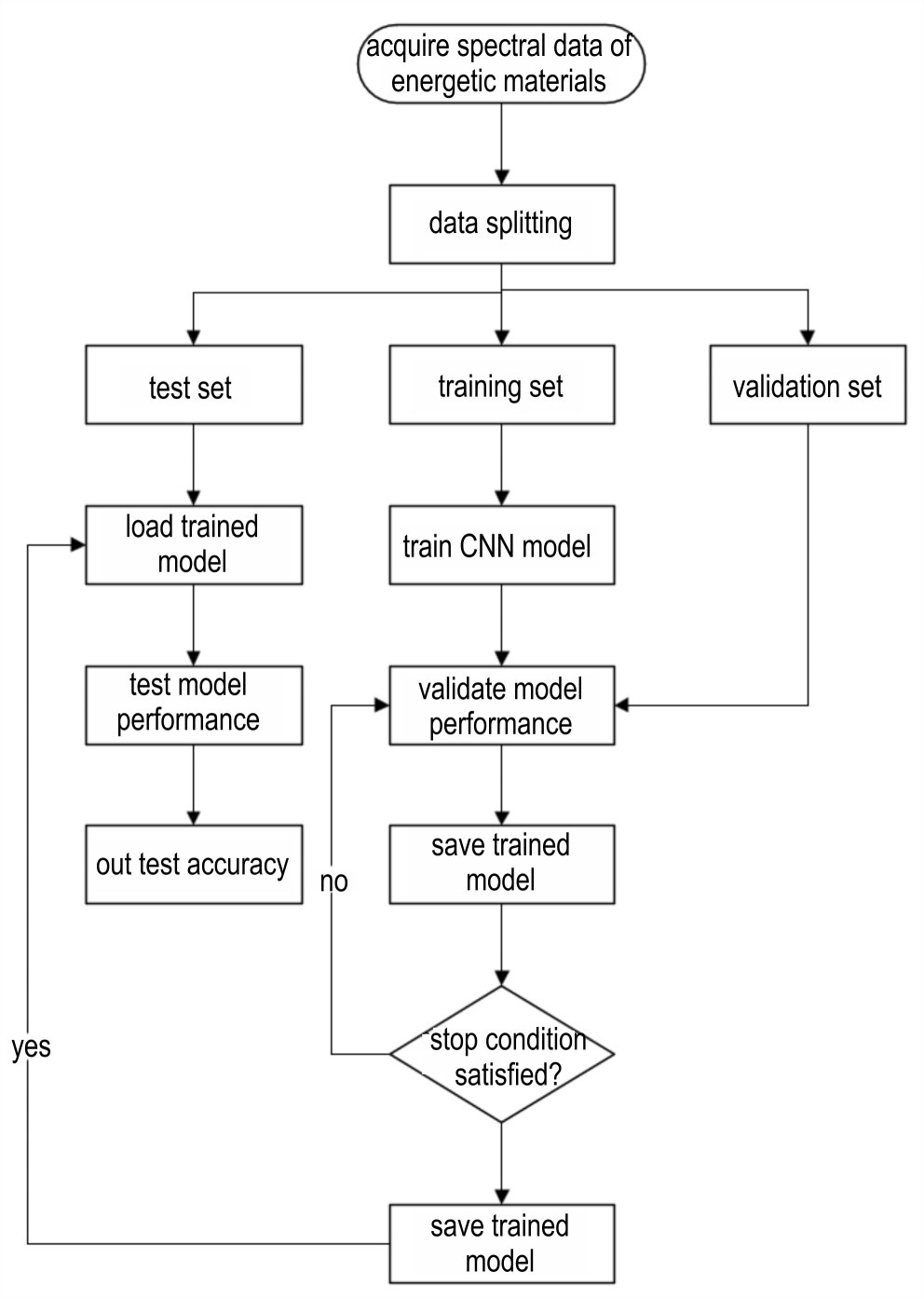
The complex composition of mixed explosives poses significant challenges to conventional detection methods, which often suffer from low intelligence and poor discrimination. This study addresses these limitations by employing a sequential detection framework combining infrared (IR) spectroscopy for preliminary screening and Raman spectroscopy for confirmatory analysis, integrated with convolutional neural networks (CNNs) for intelligent spectral recognition. Two energetic material mixtures, m-dinitrobenzene/potassium nitrate and p-nitroaniline/ammonium nitrate, were prepared in powder and tablet forms. IR spectroscopy effectively identified organic components through characteristic absorption peaks but failed to detect inorganic oxidizers such as potassium nitrate and ammonium nitrate. Raman spectroscopy successfully characterized nitroaromatic functional groups and detected inorganic ions, enabling complete component identification. The CNN-based models achieved average classification accuracies of 96.54% for IR spectra and 96.29% for Raman spectra, with per-sample inference times of 0.044 s and 0.042 s, respectively. These results demonstrate that the proposed sequential IR-Raman approach, coupled with deep learning, provides a rapid and reliable solution for field detection of mixed explosives, overcoming the limitations of single-spectroscopy methods.
1. Introduction
Conventional explosive detection relies heavily on single-spectroscopy techniques, each with inherent limitations. Infrared (IR) spectroscopy excels at identifying organic functional groups but exhibits poor sensitivity to inorganic oxidizers, often leading to incomplete compositional analysis. Conversely, Raman spectroscopy provides complementary information on inorganic ions and polar groups, yet its performance is susceptible to sample morphology, fluorescence interference, and instrumental variability. These shortcomings are particularly pronounced in mixed explosive formulations, where accurate identification of all components is critical for safety and forensic purposes.
To address these bottlenecks, this study introduces a sequential detection framework that leverages the strengths of both IR and Raman spectroscopy. By first using IR for rapid organic screening and then employing Raman for confirmatory detection of inorganic species, the approach forms a closed-loop 'screen-confirm-complete' logic. Furthermore, the integration of convolutional neural networks (CNNs) automates spectral analysis, overcoming the slow and subjective nature of manual interpretation. This hybrid methodology not only enhances detection accuracy but also achieves near-real-time processing speeds, making it a viable solution for field deployment.
Loading authentic research manuscript (Pages 1–5)...
LIU Shi-shuai, MA Li, GUO Xiao-wei, ZHAO Yuan-yu, JIANG Xia-bing (2026). Deep Learning-Based Spectral Identification of Explosives: A Sequential Infrared and Raman Approach. Chinese Journal of Energetic Materials (含能材料). https://doi.org/10.11943/CJEM2026023
Research & Educational Purpose Only:The translations, structured abstracts, analytical annotations, and data reports provided by SinoTechIntel are intended exclusively for academic research, internal corporate R&D, and educational benchmarking. They do not constitute formal engineering, chemical safety, legal, or professional advice.
Copyright & Intellectual Property Notice: Original copyright of the underlying source articles and experimental data remains with the respective authors, institutions, and original publishing journals. SinoTechIntel claims intellectual property only over its proprietary translations, analytical syntheses, and AEO structured enhancements in accordance with international fair use and academic citation principles.
Frequently Asked Questions
What are the specific limitations of IR spectroscopy in detecting inorganic oxidizers, and how does the sequential approach overcome them?
IR spectroscopy primarily detects vibrational modes of organic functional groups; inorganic ions like nitrate (NO3-) and ammonium (NH4+) exhibit weak or no IR absorption in the mid-infrared region, making them nearly invisible. In this study, IR failed to identify KNO3 and NH4NO3 in mixtures. The sequential approach uses Raman spectroscopy, which is highly sensitive to polarizable bonds and lattice vibrations, to detect these inorganic species. Raman spectra clearly showed characteristic peaks for nitrate and ammonium ions, enabling complete component identification.
How does the CNN model handle spectral variations caused by sample morphology (powder vs. tablet) and instrumental parameters?
The CNN models were trained on spectra from both powder and tablet samples, capturing morphological variations. Despite minor peak shifts and intensity fluctuations due to sample form and laser wavelength, the core feature peaks and overall spectral contours remained stable. The 1D-CNN preprocessing model denoised and normalized the spectra, while the 2D-CNN classifier learned to focus on invariant features, achieving high accuracy (96.54% for IR, 96.29% for Raman) across all sample types.
What is the practical significance of the reported inference times (0.044 s for IR, 0.042 s for Raman) in field deployment?
The sub-50-millisecond inference times per spectrum enable real-time analysis, allowing operators to screen samples on-site without laboratory delays. This speed, combined with high accuracy, supports rapid decision-making in security checkpoints, bomb disposal, and forensic investigations, where time is critical.
How does the proposed method compare to traditional chemometric approaches like PCA or PLS in terms of accuracy and computational efficiency?
The study cites prior work where CNN outperformed PLS in multi-instrument Raman data, achieving better prediction performance and lower inference time. In this work, CNN models achieved >96% classification accuracy without extensive preprocessing, whereas traditional methods often require manual feature selection and are less robust to spectral variations. The end-to-end learning capability of CNNs reduces human intervention and improves automation.
What safety measures were implemented during Raman spectroscopy of energetic materials, and how do they affect data quality?
To prevent laser-induced decomposition or ignition, laser power was strictly limited to 1 mW with a spot diameter of 1–2 μm and an integration time of 10 s. All measurements were performed in a blast-proof enclosure. These low-power conditions ensured sample integrity while still producing high-quality spectra, as evidenced by the high classification accuracies achieved.
Related Technical Papers & Translations
Thermal–environmental effects on degradation of railway ballast aggregates: a climate change perspective
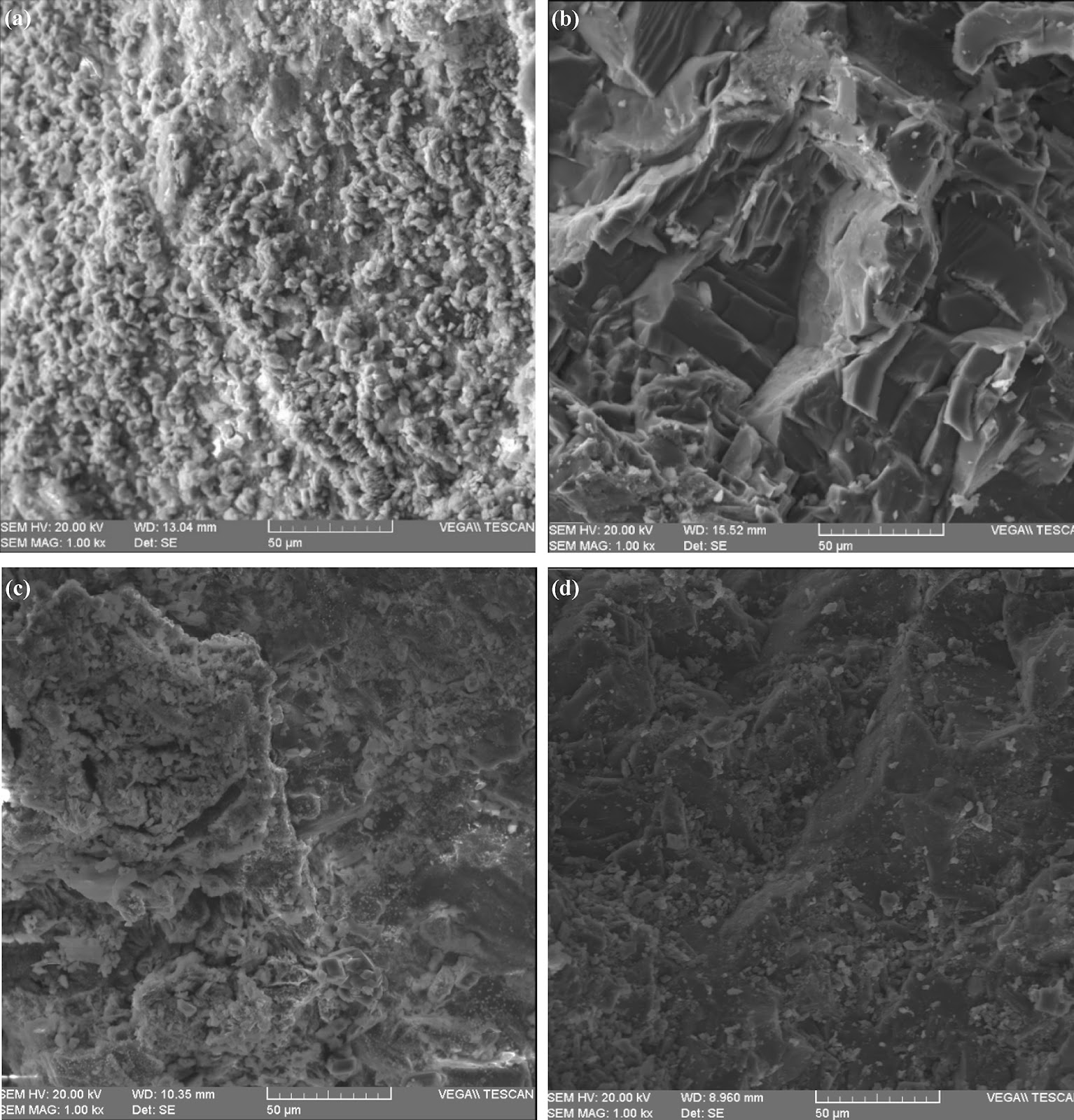
Climate change imposes multifaceted stresses on railway infrastructure, particularly ballasted tracks, where ballast degradation drives maintenance costs. This study quantifies the durability of ballast aggregates under simulated thermal and environmental conditions representative of climate change scenarios. Laboratory tests subjected aggregates to temperature extremes from −20°C to +100°C, freeze–thaw cycles, and sulfate attacks. Durability was assessed via Los Angeles abrasion, micro-Deval wear, crushing resistance, impact performance, and breakage potential. Results demonstrate that sulfate attacks, freeze–thaw cycles, extreme cold, and extreme warm conditions degrade durability by averages of 50%, 20%, 40%, and 35%, respectively. Empirical formulations were derived to estimate degradation indices as functions of thermal and environmental stressors. These findings underscore the critical influence of climate-driven conditions on ballast longevity and provide a basis for climate-adaptive railway design and maintenance planning.
Research Progress on Design, Fabrication, Mechanical Properties, and Shock-Induced Energy Release Characteristics of Reactive Tungsten Alloys
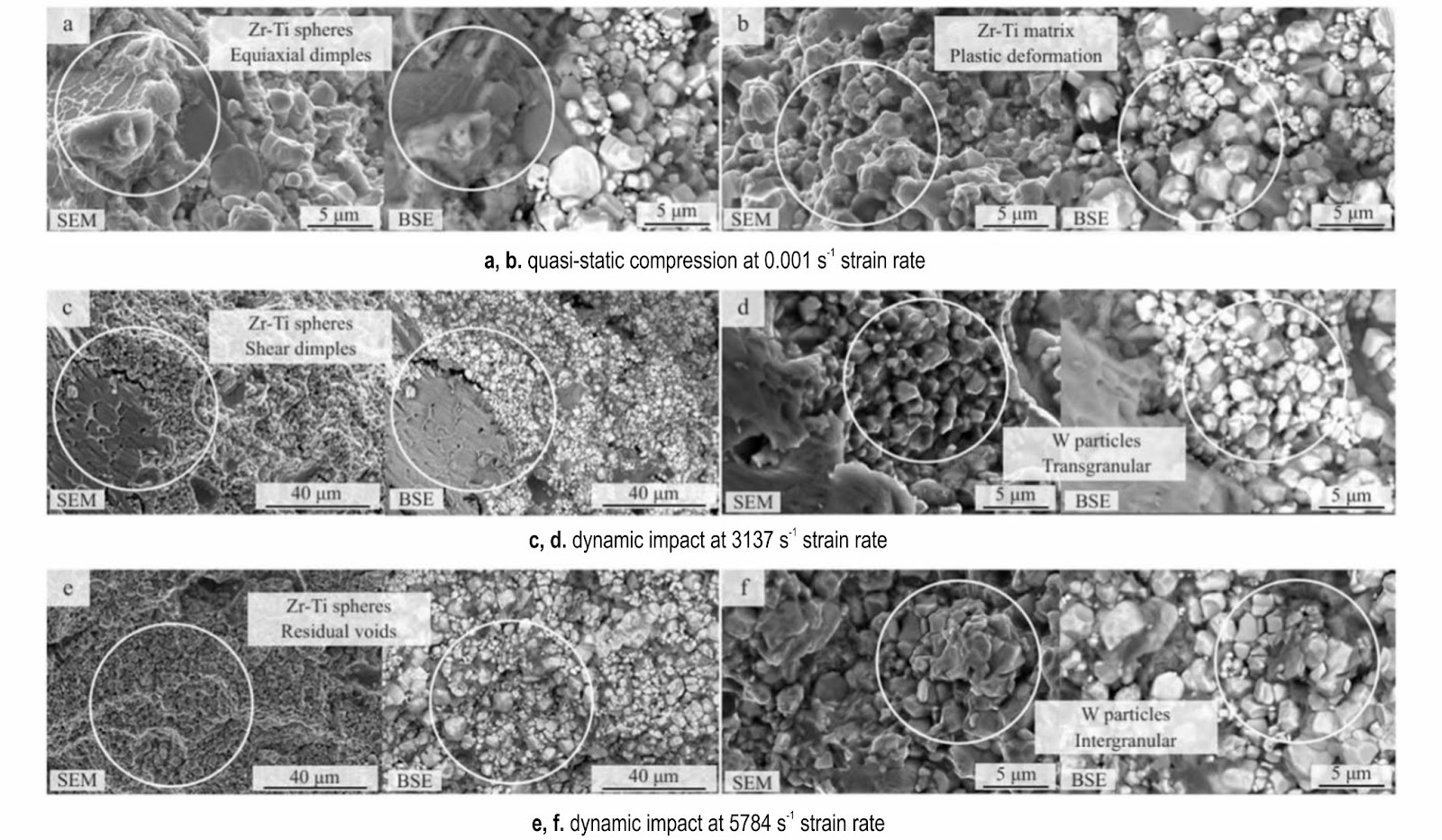
Reactive tungsten alloys (RTAs) are a class of metallic energetic structural materials that combine a high-density tungsten skeleton with reactive elements such as Zr and Ti, offering synergistic capabilities of high-strength load bearing, kinetic penetration, and shock-induced energy release. This review systematically examines the composition design and fabrication methods of RTAs, detailing their typical microstructural characteristics and the structure–mechanical property relationships. It summarizes penetration behavior and energy release characterization under high-velocity impact, and outlines future directions including machine-learning-assisted multi-objective design, development of large-scale component forming technologies, and establishment of multi-scale constitutive models to elucidate penetration and energy release mechanisms. The review highlights that RTAs can achieve dynamic compressive strengths exceeding 2 GPa and densities above 10 g·cm−3, while the addition of elements such as Ti and Nb suppresses the formation of brittle W2Zr intermetallics, improving ductility. Challenges remain in balancing strength, energy release, and processability, particularly in solid-state sintering above 1500 °C. The paper provides a comprehensive foundation for the design and engineering application of high-density reactive tungsten alloys.
Effect of Particle Size on Ignition and Combustion Performance of Al-Li-Mg Alloys
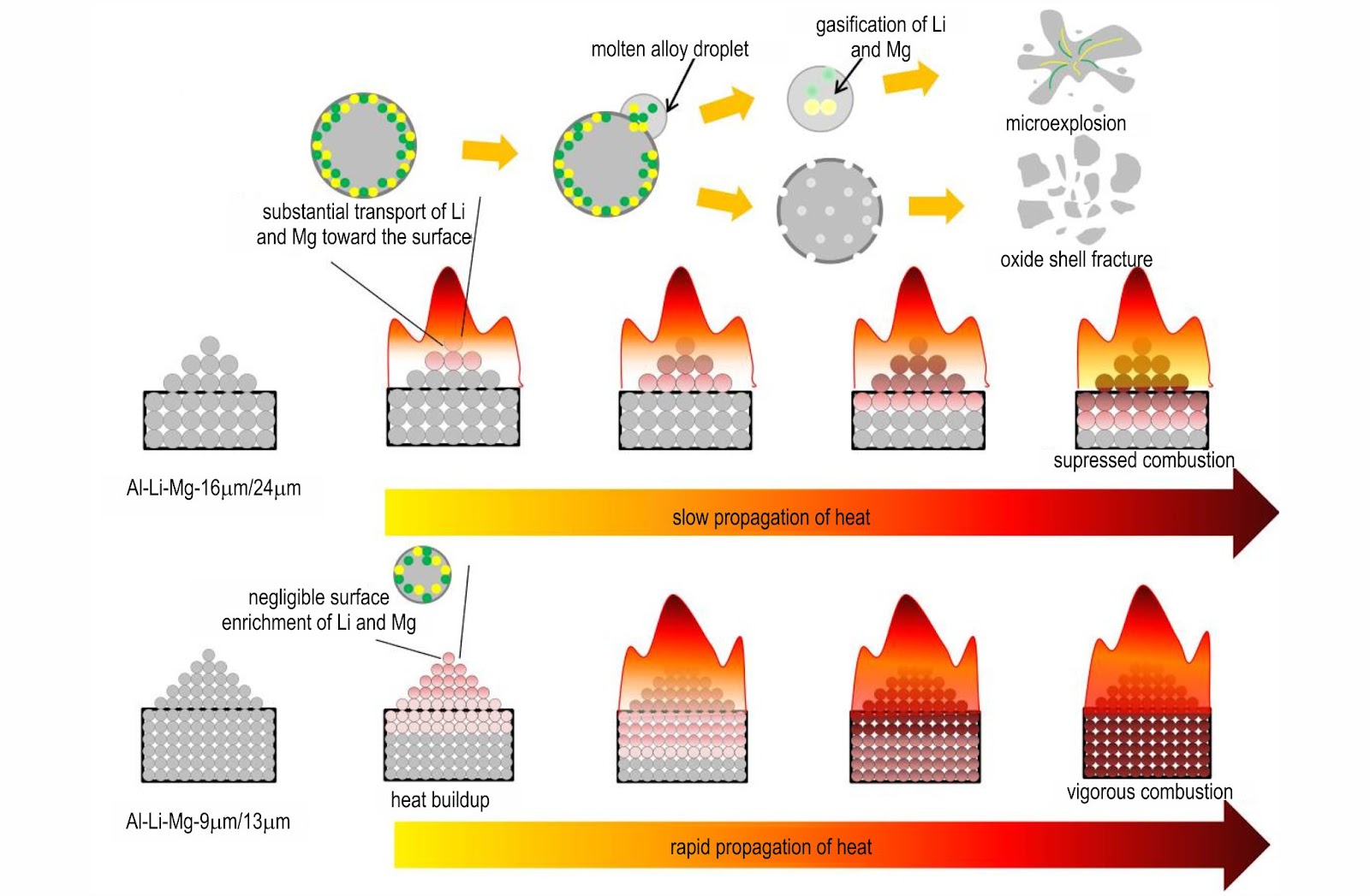
To elucidate the influence mechanism of particle size on the ignition and combustion behavior of Al-Li-Mg alloys, four alloy powders with median diameters of 9, 13, 16, and 24 μm were systematically investigated. Physicochemical properties were characterized by laser diffraction, scanning electron microscopy, X-ray diffraction, simultaneous thermal analysis, and oxygen bomb calorimetry. Ignition and combustion behaviors were assessed using a laser ignition test bench equipped with high-speed photography and fiber-optic spectrometry. Results show that with increasing particle size, ignition delay time first decreases sharply then stabilizes, dropping from 135 ms (9 μm) to 51 ms (13 μm), then to 15 ms (16 μm) and 18 ms (24 μm). Combustion intensity, indicated by maximum spectral intensity, decreases from 7300.4 (9 μm) to 1721.6 (24 μm). Combustion duration initially extends slightly then stabilizes, from 857 ms (9 μm) to 928 ms (13 μm) and approximately 920 ms for larger sizes. Notably, the 13 μm alloy achieves an optimal balance among ignition delay (51 ms), combustion duration (928 ms), and combustion intensity (6041.8). The study reveals a critical size effect: between 13 and 16 μm, ignition delay drops by 71% while combustion intensity decreases by 54%, indicating a transition from surface-diffusion-controlled to micro-explosion-dominated combustion. This mechanism arises from competition between heat conduction and elemental diffusion: larger particles restrict heat transfer, promoting Li and Mg surface enrichment and temperature gradients that induce micro-explosions, thereby shortening ignition delay but reducing combustion efficiency and intensity.