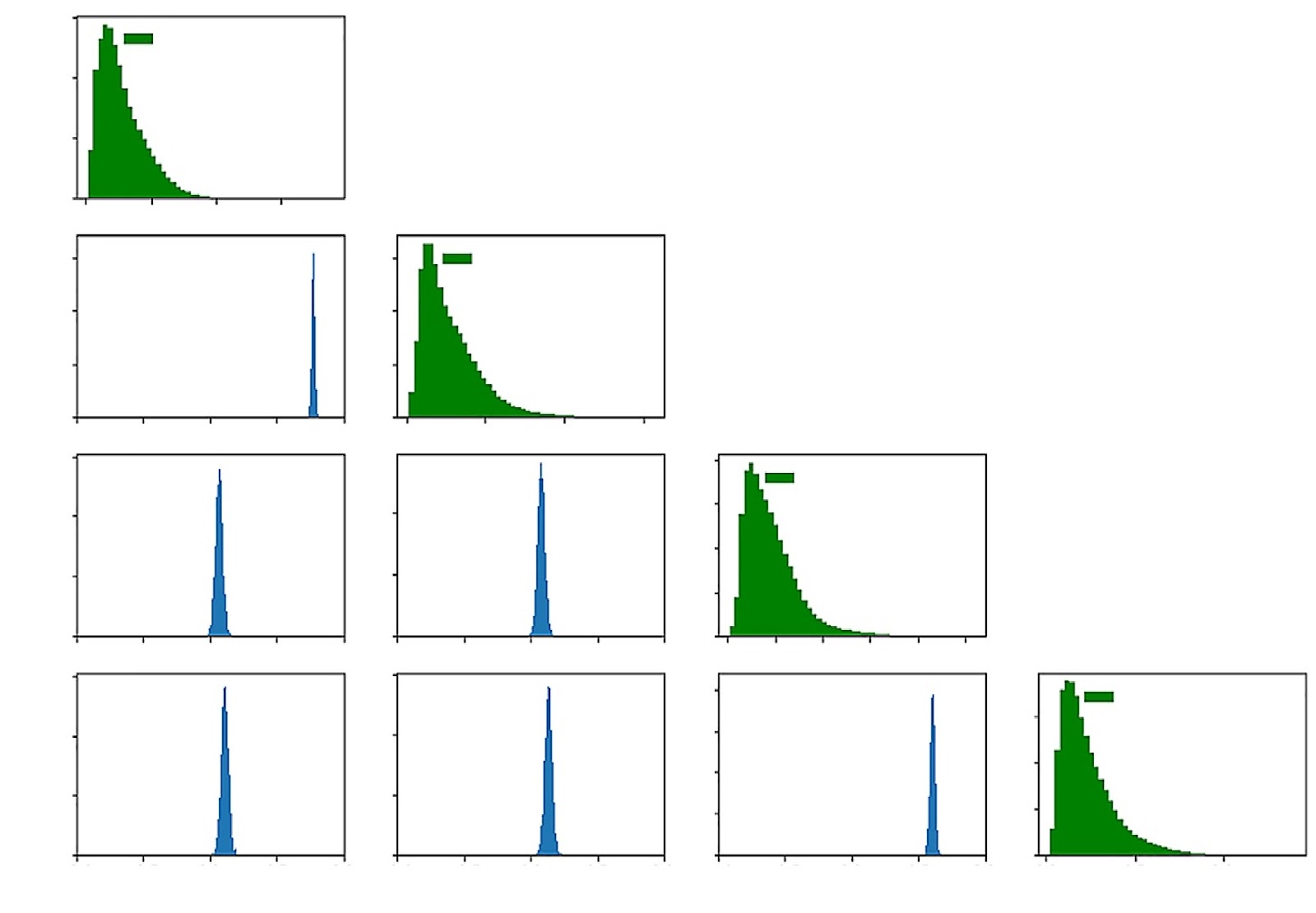
Key Takeaways & Executive Findings
- •• • The multivariate Wiener model captures correlation between degradation rates of multiple track geometry indicators, improving prediction accuracy over independent univariate models by leveraging joint information from longitudinal level, alignment, gauge, cant, and twist. • • Hierarchical Bayesian estimation with MCMC quantifies parameter uncertainty and accommodates limited data, enabling robust degradation forecasts even when historical records are sparse—a common industrial constraint. • • The condition-based inspection policy derived from the model reduces the number of track recording vehicle runs while maintaining abnormal detection levels and failure rates, directly lowering inspection costs and operational disruption. • • The model explicitly incorporates imperfect manual and mechanized tamping through random recovery magnitudes, reflecting real-world maintenance effectiveness and preventing over-optimistic degradation projections.
China Advanced Materials & Deep-Tech Radar
Get verified English translations, SEM micrographs & open-access PDF alerts from China's leading state key laboratories delivered to your inbox every Monday at 08:00 EST.
Abstract
Track geometry degradation due to repeated loading directly compromises railway operational safety and consumes substantial maintenance resources. Existing degradation models are predominantly univariate, neglecting correlations among geometry indicators and the stochastic effects of imperfect tamping. This study formulates a multivariate Wiener process to capture the joint evolution of longitudinal level, alignment, gauge, cant, and twist. A hierarchical Bayesian framework with Markov Chain Monte Carlo simulation is employed to overcome data scarcity and quantify parameter uncertainty. The model explicitly accounts for imperfect manual and mechanized tamping by incorporating random recovery magnitudes. Validation uses actual track recording vehicle data from a commuter line in Queensland, Australia, with independent test datasets. Results demonstrate that the multivariate model yields more accurate degradation predictions than independent univariate models, particularly for correlated indicators. The model is then applied to derive a condition-based inspection policy that reduces the number of track recording vehicle runs while maintaining predefined abnormal detection levels and failure rates. This research provides rail operators with a quantitative tool to optimize inspection and tamping schedules, balancing risk against resource expenditure. The approach is adaptable to global rail networks with sufficient track geometry data, though environmental and operational covariates require further integration.
1. Introduction
Railway networks span thousands of kilometers and represent costly assets with significant operational and maintenance challenges. Track geometry deformation due to repeated loading is a primary degradation mechanism that directly impacts train safety and demands substantial maintenance resources. Current industrial practice relies on periodic inspections using track recording vehicles (TRVs) to measure parameters such as longitudinal level, alignment, gauge, cant, and twist. When anomalies are detected, specialized tamping vehicles are scheduled. However, with vast networks and limited resources—TRVs, tamping vehicles, and crews—optimizing inspection and maintenance scheduling remains a critical bottleneck. Existing degradation models are largely univariate and deterministic, failing to capture correlations among geometry indicators and the stochastic effects of imperfect tamping. This limitation leads to either excessive inspections or unacceptable failure risks.
This study addresses the bottleneck by formulating a multivariate Wiener process that jointly models multiple track geometry indicators and their correlations. A hierarchical Bayesian approach with Markov Chain Monte Carlo simulation overcomes data limitations and quantifies uncertainty. The model explicitly accounts for imperfect manual and mechanized tamping by incorporating random recovery magnitudes. Validation uses actual data from a commuter track in Queensland, Australia, and independent test datasets. The proposed model is then applied to develop a condition-based inspection policy that reduces TRV runs while maintaining abnormal detection levels and failure rates. This research provides rail operators with a quantitative framework to balance inspection costs against safety risks, offering a practical pathway to optimize maintenance resources.
Loading authentic research manuscript (Pages 1–5)...
Huy Truong-Ba, Sinda Rebello, Michael E. Cholette, Venkat Reddy, Pietro Borghesani (2026). Bayesian multivariate track geometry degradation modeling and its use in condition-based inspection. Railway Engineering Science (铁道工程科学). https://doi.org/10.1007/s40534-025-00394-4
Research & Educational Purpose Only: The translations, structured abstracts, analytical annotations, and data reports provided by SinoTechIntelare intended exclusively for academic research, internal corporate R&D, and educational benchmarking. They do not constitute formal engineering, chemical safety, legal, or professional advice.
Copyright & Intellectual Property Notice: Original copyright of the underlying source articles and experimental data remains with the respective authors, institutions, and original publishing journals. SinoTechIntel claims intellectual property only over its proprietary translations, analytical syntheses, and AEO structured enhancements in accordance with international fair use and academic citation principles.
Frequently Asked Questions
What specific failure mechanisms in track geometry does the multivariate Wiener model capture that univariate models miss?
The multivariate Wiener model captures the correlation between degradation rates of multiple indicators—longitudinal level, alignment, gauge, cant, and twist. Univariate models treat each indicator independently, ignoring that degradation in one parameter often correlates with others due to shared loading and environmental conditions. This correlation improves prediction accuracy and prevents underestimation of failure risk when multiple indicators degrade simultaneously.
How does the hierarchical Bayesian approach with MCMC address data scarcity in track geometry degradation modeling?
The hierarchical Bayesian framework pools information across track segments and time, allowing parameter estimates even when individual segment data are limited. MCMC simulation quantifies posterior distributions of degradation parameters, providing credible intervals rather than point estimates. This is critical for rail operators who often have sparse historical records, enabling robust forecasts and uncertainty-aware maintenance decisions.
What are the operational and cost benefits of the condition-based inspection policy derived from this model?
The condition-based inspection policy reduces the number of track recording vehicle runs while maintaining predefined abnormal detection levels and failure rates. By predicting degradation trajectories and scheduling inspections only when risk exceeds thresholds, rail operators can lower inspection costs, reduce track access disruptions, and allocate tamping resources more efficiently without compromising safety.
How does the model account for imperfect tamping, and why is this important for industrial application?
The model incorporates random recovery magnitudes for both manual and mechanized tamping, reflecting that tamping does not fully restore track geometry to as-new condition. This prevents over-optimistic degradation projections and ensures maintenance schedules are based on realistic recovery effectiveness. Ignoring imperfect tamping can lead to underestimation of degradation rates and increased failure risk.
What are the scalability and data requirements for deploying this model across a large rail network?
The model requires sufficient track geometry data from TRV inspections, including multiple indicators and maintenance records. It is adaptable to global networks with adequate data, but environmental and operational covariates (e.g., weather, traffic loads) require additional data for full integration. Computational demands of MCMC are manageable with modern hardware, but real-time deployment may require approximate inference methods.
Related Chinese Research & Cross-Citations
Punching test for mechanical characterization of asphalt railway sub-ballast
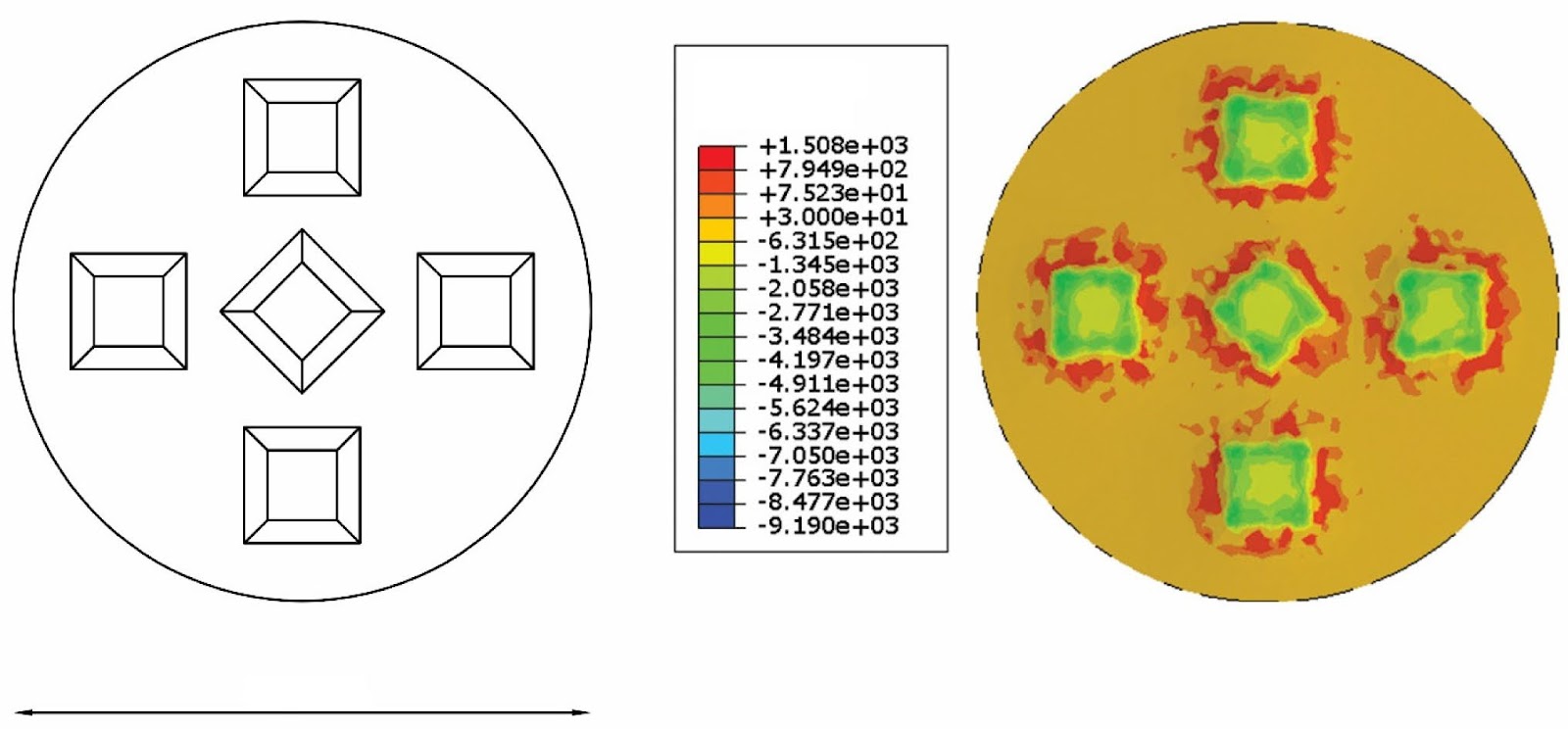
The adoption of asphalt sub-ballast layers in high-speed and high-capacity railway lines has gained traction across Europe and the United States, driven by structural, functional, and economic advantages. However, current mechanical characterization methods, inherited from road paving practice, fail to capture railway-specific interactions, particularly the ballast/sub-ballast interface and the granular behavior of the overlying unbound layer. This study introduces a novel punching test employing an adaptive indentation plate (AIP) to replicate the contact between ballast particles and the sub-ballast. Cylindrical asphalt specimens (150 mm diameter) were subjected to vertical point loads via the AIP at temperatures of 5, 20, and 35 °C and deformation rates of 5.08, 25.4, and 50.8 mm/min. Two asphalt mixes compliant with Italian sub-ballast standards—one with conventional B50/70 binder (SSB) and one with polymer-modified PmB 45/80-65 (HSB)—were tested to validate the procedure. Force–displacement curves revealed three interaction phases, and key parameters such as peak force (Fmax), displacement at peak force (uy,*), force at 1.5 mm deflection (Fu,1.5), and secant slope (m) between 1.25 and 1.75 mm were extracted. Results demonstrate that the punching test effectively evaluates resistance to plastic deformation and indentation behavior, offering insights beyond existing specifications. The lowest deformation rate (5.08 mm/min) best captures viscoelastic properties. This methodology provides a valuable tool for assessing bituminous sub-ballast performance under simulated railway interface conditions.
Dynamic Models and Analysis of Key Factors Influencing Stick–Slip Vibration in Disc Brake Systems
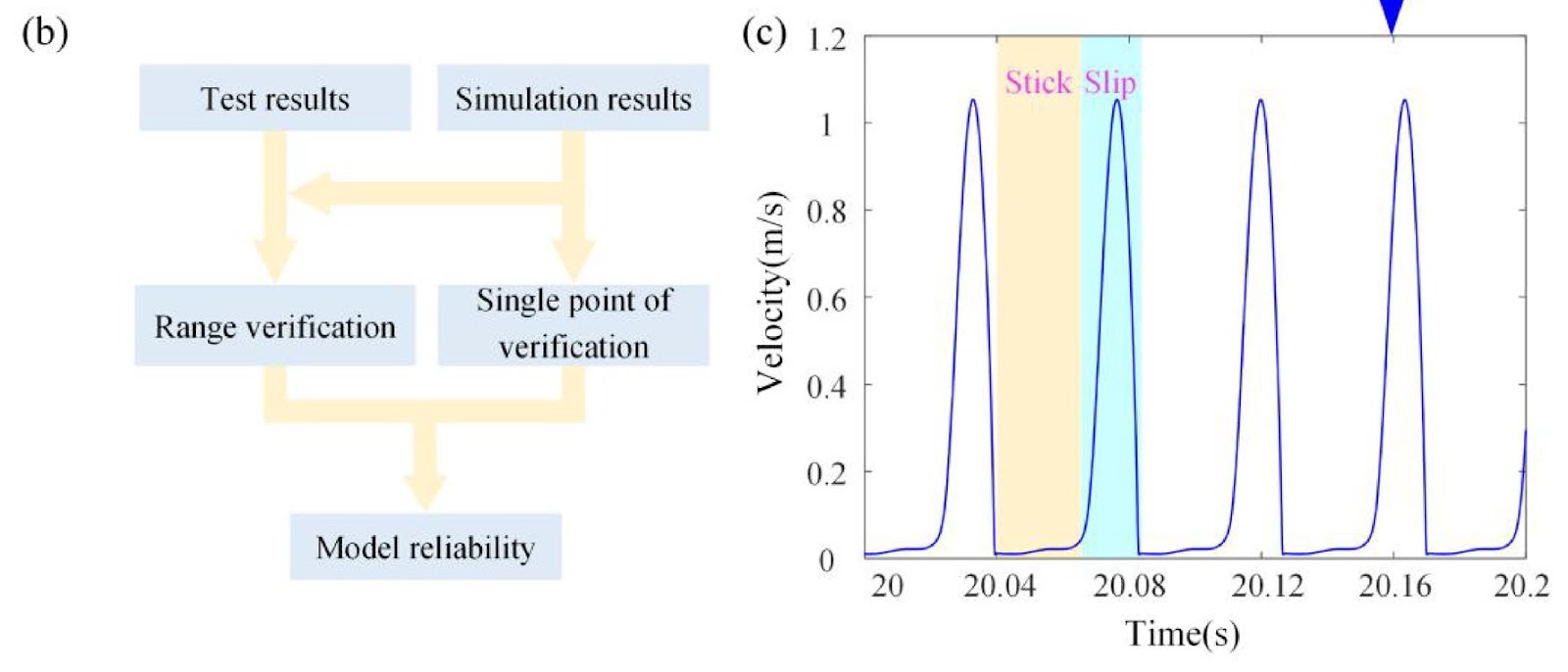
Stick–slip vibration in disc brake systems at low speeds arises from the interaction of multiple factors, posing persistent challenges for high-speed train safety and passenger comfort. This study establishes three- and four-degree-of-freedom (DOF) dynamic models that incorporate wheel–rail adhesion and nonlinear friction, validated through line testing. System stability, stick–slip bifurcation characteristics, and key influencing factors are analyzed via numerical simulation. Results demonstrate that the four-DOF model, by accounting for normal motion, avoids the over-evaluation of system stability inherent in the three-DOF model. In the three-DOF model, tangential stiffness is the primary factor inducing chaotic stick–slip vibration. In the four-DOF model, tangential stiffness predominantly affects vibration amplitude, while normal stiffness governs the onset of chaos. Damping exhibits minimal influence on chaotic stick–slip occurrence. Optimal parameter ranges are identified: brake disc rotational inertia of 5–9 kg·m² and 11–22 kg·m², and friction pad mass of 7–17 kg, which effectively mitigate chaotic stick–slip vibration. These findings provide quantitative guidelines for brake system design, enhancing operational reliability and reducing wear-related failures in high-speed rail applications.

Acoustic characteristic optimal design for railway steel–concrete composite bridge based on the RBFNN-NSGA-II algorithm
Structure-borne noise from railway steel–concrete composite (SCC) bridges presents a persistent challenge due to high sound pressure levels across both low and high frequency ranges. This study establishes a hybrid finite element–statistical energy analysis (FE-SEA) numerical model to predict acoustic radiation from an SCC bridge. Field measurements validate the model with discrepancies of only 0.4 dB and 1.1 dB in overall sound pressure levels. Using uniform design sampling, a high-accuracy radial basis function neural network (RBFNN) surrogate is trained to map cross-sectional parameters to acoustic and cost objectives. The non-dominated sorting genetic algorithm (NSGA-II) then performs multi-objective constrained optimization, generating a Pareto frontier for sound power level (SWL) and material cost. The technique for order preference by similarity to an ideal solution (TOPSIS) selects the optimal parameter combination, achieving a 5 dB reduction in SWL and a 23.9% decrease in material cost. These results demonstrate that strategic cross-sectional adjustments can simultaneously mitigate noise and reduce expenditure, offering a practical framework for acoustic optimization in railway bridge design.
A modular simulation tool for fixed block and moving block railway signalling systems
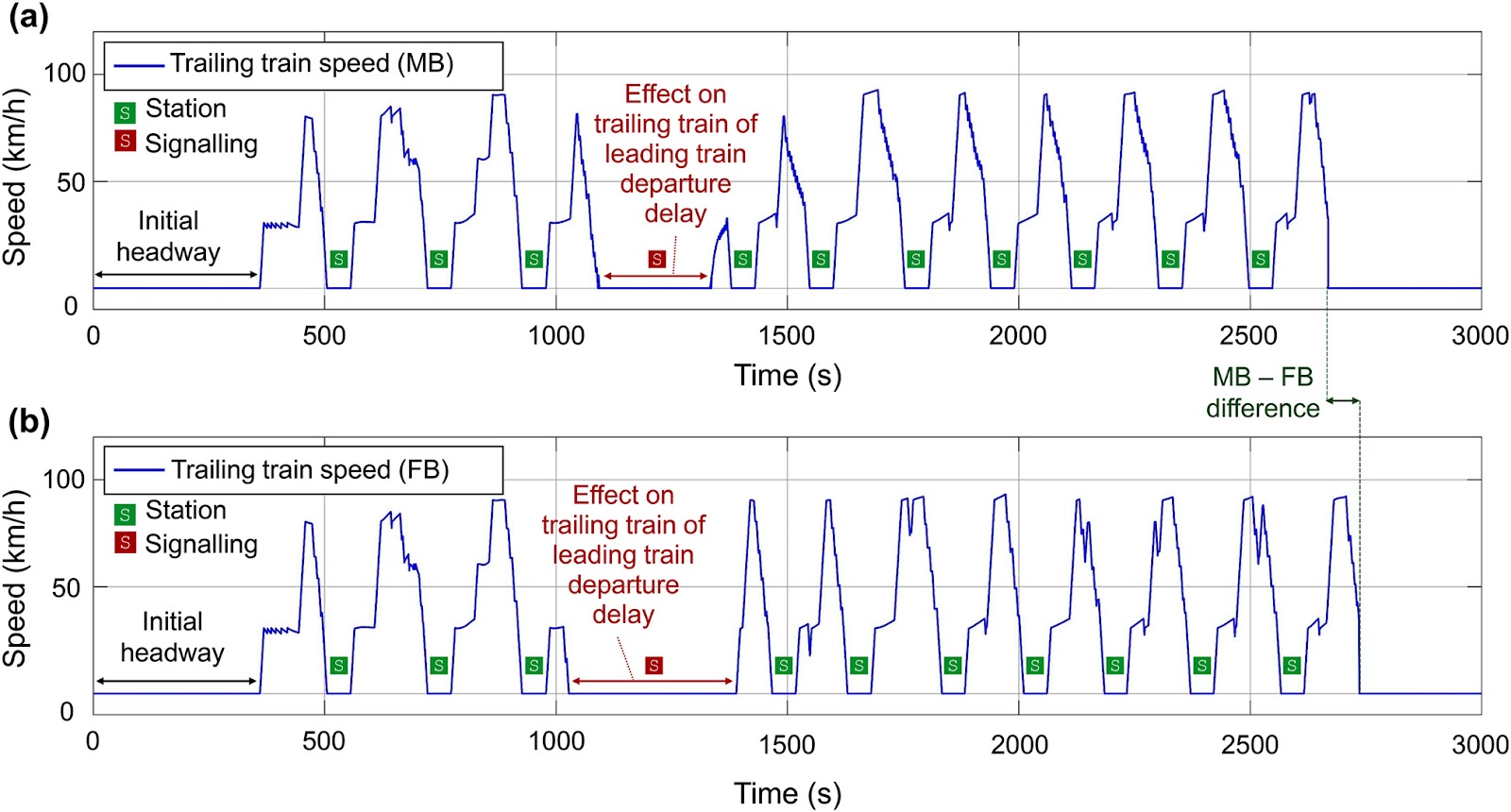
This paper presents a time-based modular simulation tool implemented in MATLAB® and Simulink® for evaluating fixed block (FB) and moving block (MB) railway signalling systems. The simulator integrates the Radio Block Centre (RBC), On-Board Unit (OBU), vehicle longitudinal dynamics, and a driver behavioural model to replicate realistic train operations. Two case studies are conducted on a main railway line with twelve stations, involving a leading and a trailing train with identical mechanical characteristics. An unexpected departure delay of the leading train at the fifth station reduces the headway, forcing the signalling system to intervene. Simulation A employs identical driver parameters for both trains, while simulation B assigns an aggressive and less responsive driver to the trailing train, resulting in a more pronounced signalling action. Results indicate that MB signalling reduces the trailing train's travel time by 70 s (2.5% of total time) compared to FB, albeit with a more jagged speed profile due to frequent activations. The authors caution that these findings are limited to the two case studies and that a comprehensive parametric investigation is necessary for generalised conclusions. The tool aims to reduce on-site testing of railway signalling systems by providing a flexible platform for scenario analysis.
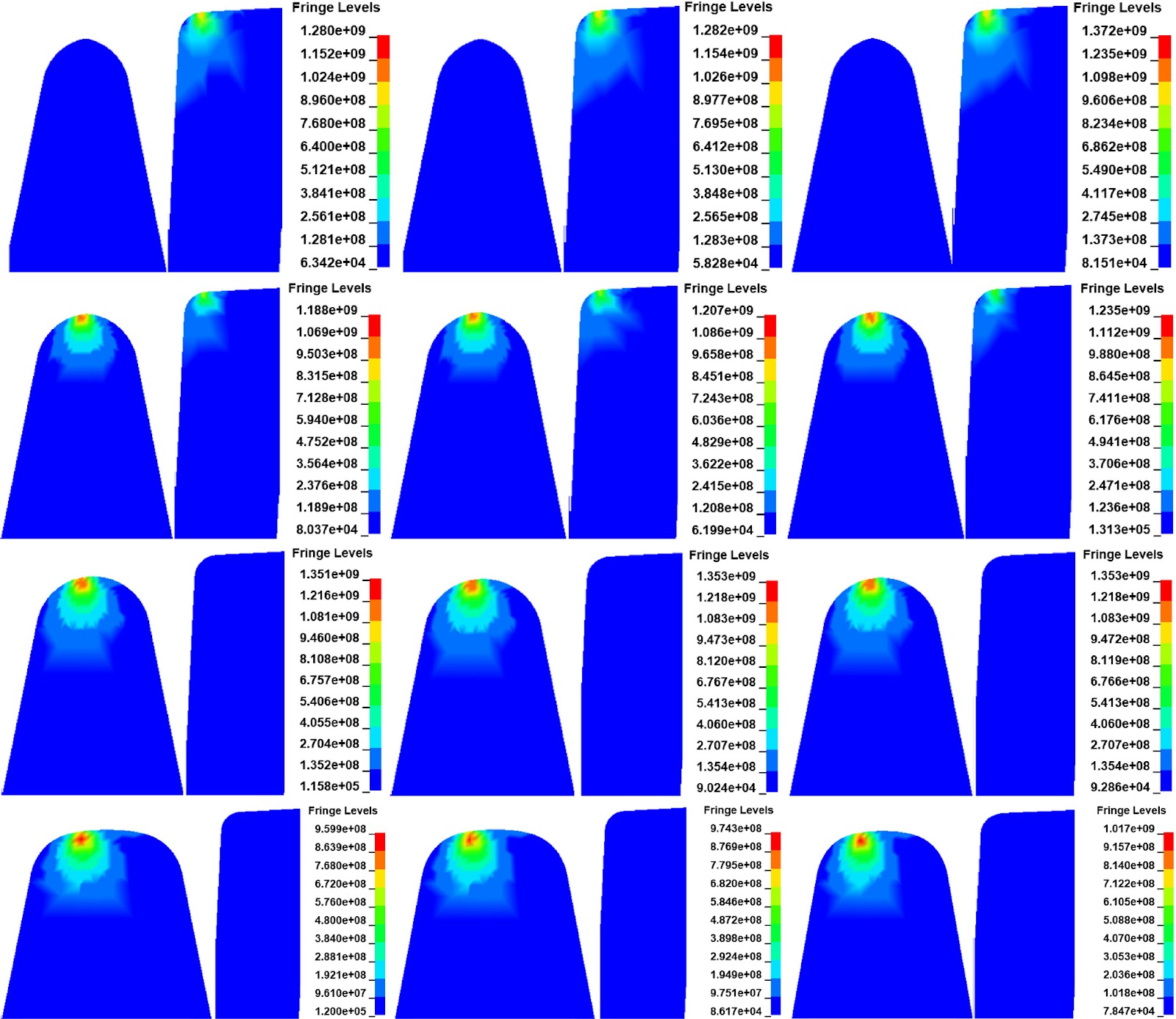
Investigation on the Rolling Contact Fatigue Cracks Initiation of Subway Fixed Frogs Based on Transient Dynamics
The escalating traffic density and operational speeds of subway systems have intensified fatigue damage in turnout rails, particularly within the hazardous space of fixed frogs where wheel–rail dynamic interaction is exacerbated. This study addresses the rolling contact fatigue (RCF) crack initiation behavior of a No. 9 turnout fixed frog, a configuration widely deployed in subway networks. A three-dimensional explicit transient rolling contact finite element model was developed to simulate wheel–rail interaction under varying vehicle speeds and fastener vertical stiffness conditions. The analysis focused on crack initiation locations, angles, and fatigue life. Results demonstrate that the 30 mm top width cross-section of the nose rail is the most susceptible to fatigue cracking, with cracks initiating on the rail surface. The angle between the crack initiation surface and the lateral direction ranges from 70° to 95°, while the angle relative to the vertical direction remains difficult to predict. Higher vehicle speeds significantly reduce fatigue life, whereas fastener vertical stiffness exerts a minor influence. The calculated RCF crack initiation life is approximately 24,000 cycles across three stiffness conditions. Simulation outcomes align with field survey findings, validating the model's fidelity. The established methodology provides theoretical support for optimizing fixed frog structures and predicting fatigue life in subway turnouts.

Performance-based comprehensive functional damage probability assessment framework for high-speed railway bridge under earthquake
Current seismic damage assessments for high-speed railway (HSR) bridges primarily focus on overall structural safety, lacking evaluations from multiple performance perspectives, which affects post-earthquake traffic decision-making. This study proposes a performance-based comprehensive functional damage probability assessment framework for high-speed railway simply supported bridges (HSRSSBs) under earthquakes. The framework categorizes bridge functions into three levels: post-earthquake traffic function (PTF), structural bearing function (SBF), and collapse resistance function (CRF), corresponding to operational, structural safety, and structural integrity requirements, respectively. By analyzing damage states of key bridge components during earthquakes, functional damage probability assessment indicators and classification thresholds are established according to various performance requirements. Damage probability calculations are conducted using the probability density evolution method and vulnerability method. Based on the relationship between damage probabilities at different functional levels, a comprehensive damage probability assessment framework considering the three-level performance requirements of HSRSSBs is developed, and the influence of varying pier heights on the functional damage probability relationship is examined. Results indicate that current HSRSSB designs meet all performance requirements under frequent earthquakes. Under design-level earthquake conditions, the SBF remains in a slight damage state, while the PTF exhibits varying degrees of damage, which worsens as pier height increases. The pier structure satisfies seismic demands even under rare earthquake conditions.