SinoTechIntel Academic Portal
🏛️ Indexed Academic JournalImpact Factor: 3.8

Railway Engineering Science (铁道工程科学)

Authoritative peer-reviewed journal in materials science, metallurgy, chemistry and engineering technologies: Railway Engineering Science (Đường sắt Cao tốc)

Total Research Papers: 2
Access: 100% Free Open Access
Browse by Publication Year & Volume
Select Specific Issue:

Published Research Papers

Showing 2 of 2 peer-reviewed papers with full Graphical Abstracts.

Original ResearchVol 34, Issue 3 • pp. 100-112DOI: 10.1007/s40534-025-00412-5Jan 15, 2026

Thermal–environmental effects on degradation of railway ballast aggregates: a climate change perspective

Authors: Hamidreza Heydari, Morteza Esmaeili, Sina Nadermohammady

Climate change imposes multifaceted stresses on railway infrastructure, particularly ballasted tracks, where ballast degradation drives maintenance costs. This study quantifies the durability of ballast aggregates under simulated thermal and environmental conditions representative of climate change scenarios. Laboratory tests subjected aggregates to temperature extremes from −20°C to +100°C, freeze–thaw cycles, and sulfate attacks. Durability was assessed via Los Angeles abrasion, micro-Deval wear, crushing resistance, impact performance, and breakage potential. Results demonstrate that sulfate attacks, freeze–thaw cycles, extreme cold, and extreme warm conditions degrade durability by averages of 50%, 20%, 40%, and 35%, respectively. Empirical formulations were derived to estimate degradation indices as functions of thermal and environmental stressors. These findings underscore the critical influence of climate-driven conditions on ballast longevity and provide a basis for climate-adaptive railway design and maintenance planning.
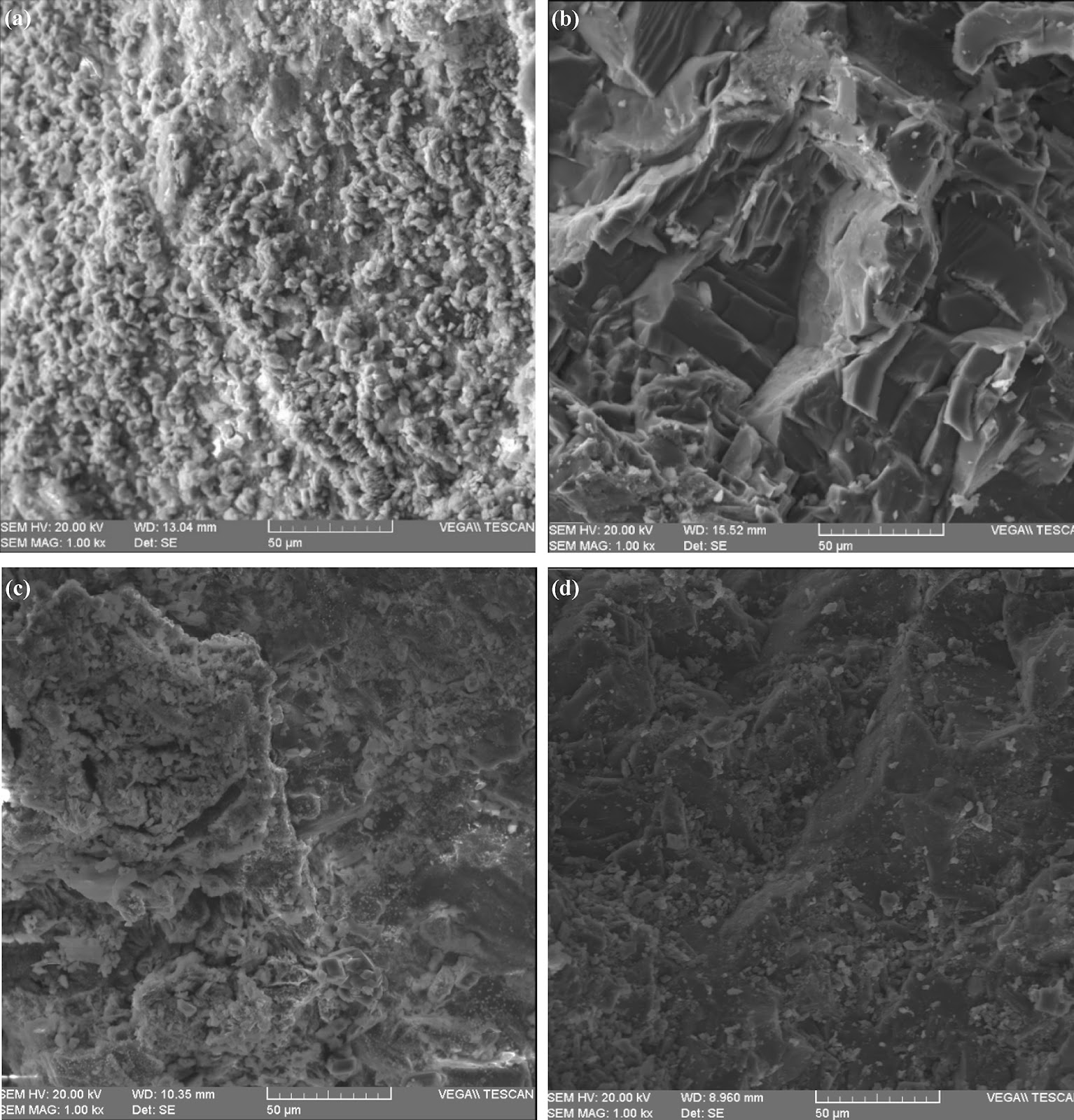
Thermal–environmental effects on degradation of railway ballast aggregates: a climate change perspective
Graphical Abstract
Original ResearchVol 34, Issue 3 • pp. 100-112DOI: 10.1007/s40534-025-00383-7Jan 15, 2026

Solving the Railway Timetable Rescheduling Problem with Graph Neural Networks

Authors: Ping Huang, Zihuan Peng, Zhongcan Li, Qiyuan Peng

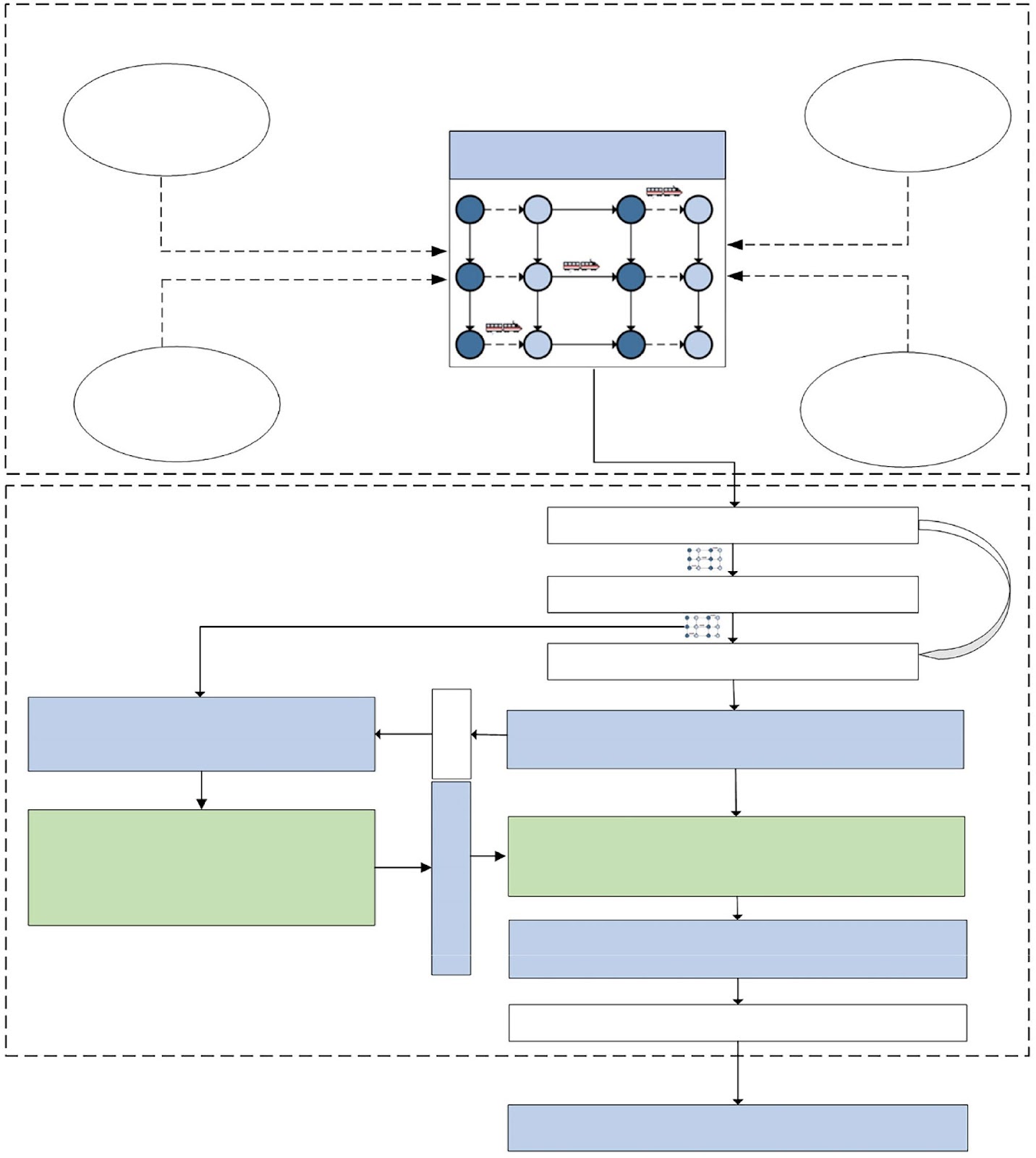
This study addresses the train timetable rescheduling (TTR) problem from a novel perspective, focusing on the actions of train traffic controllers: adjusting dwelling times, running times, and train orders. To enhance interpretability, we propose a graph neural network (GNN) approach that maps train timetable data into evolution graphs, aligning with the operational paradigm of train processes. Two experiments are conducted: node-level prediction of dwelling and running times, and edge-level overtaking identification using the proposed Overtaking Identification Algorithm (OIA). The integrated GNN-OIA framework, combined with train operation constraints, generates rescheduling solutions. Experimental results demonstrate satisfactory predictive performance. Under diverse delay scenarios, the proposed method outperforms three standard rule-based benchmarks in reducing train delays for disturbed train groups. Additionally, the model exhibits high computational efficiency across three rescheduling scenarios, indicating its applicability for real-time train dispatching. The study underscores the potential of data-driven approaches in capturing dynamic interactions and cascading effects, offering a promising alternative to traditional mathematical programming and simulation methods.

Solving the Railway Timetable Rescheduling Problem with Graph Neural Networks
Graphical Abstract