SinoTechIntel Academic Portal
🏛️ Indexed Academic JournalImpact Factor: 3.8 (Q1 - Elsevier)Original: 中国化学工程学报 (英文版)

Chinese Journal of Chemical Engineering

Access authentic peer-reviewed engineering methodologies, experimental datasets, and scientific literature published in this journal on SinoTechIntel.

Total Research Papers: 98
Access: 100% Free Open Access
Browse by Publication Year & VolumeReset All Filters ✕

Published Research PapersFiltered: Year 2025 • Vol. 32

Showing 3 of 98 peer-reviewed papers with full Graphical Abstracts.

Original ResearchVol. 32, Issue 10 • pp. 591-603DOI: 10.1016/j_cjche_144878868Oct 19, 2025

Aggregation-regulated bioreduction process of graphene oxide by Shewanella bacteria

Authors: Kaixin Han, Yibo Zeng, Yinghua Lu, Ping Zeng, Liang Shen

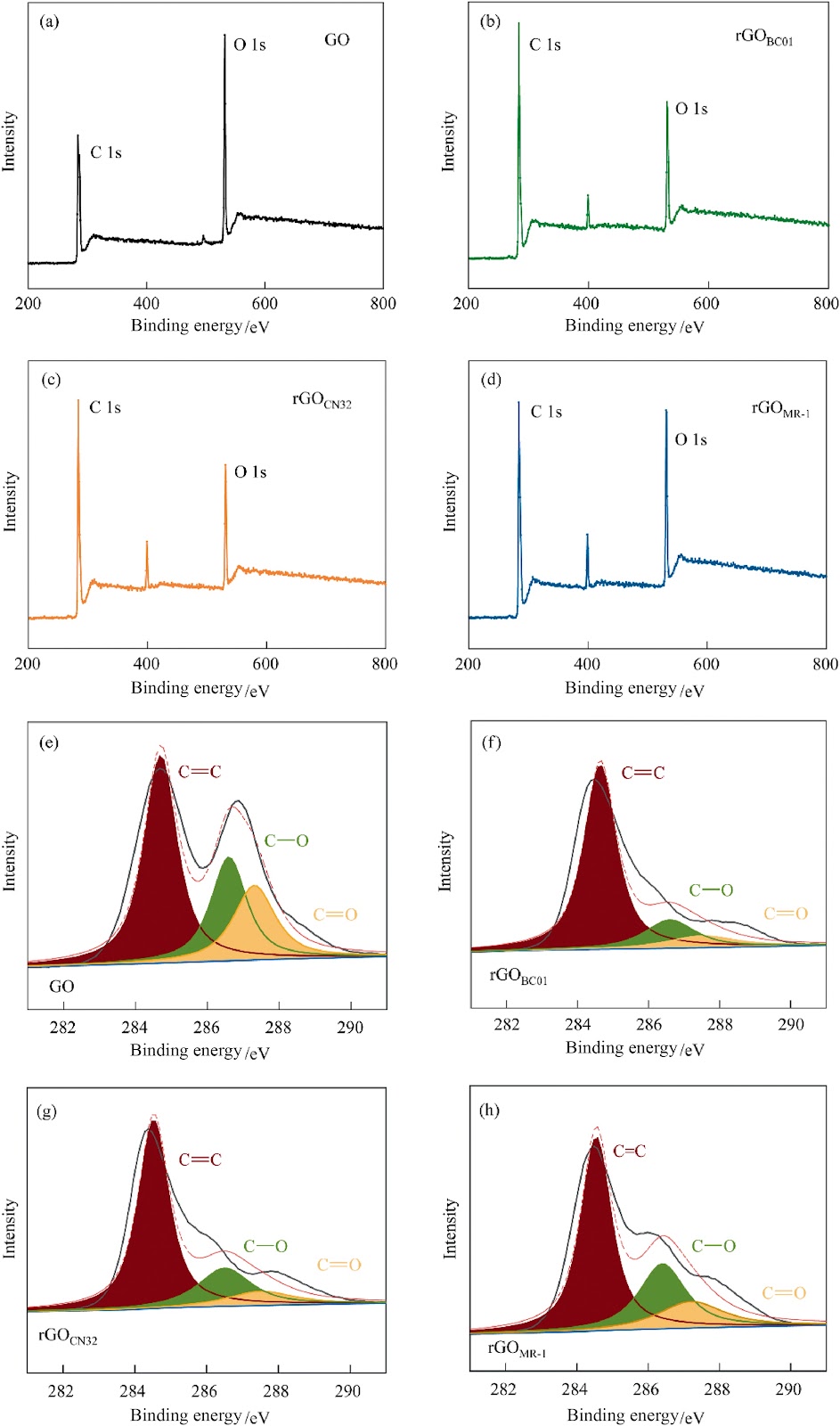
The bioreduction of graphene oxide (GO) using environmentally functional bacteria such as Shewanella represents a green approach to produce reduced graphene oxide (rGO). This process differs from the chemical reduction that involves instantaneous molecular reactions. In bioreduction, the contact of bacterial cells and GO is considered the rate-limiting step. To reveal how the bacteriaeGO integration regulates rGO production, the comparative experiments of GO and three Shewanella strains were carried out. Fourier-transform infrared spectroscopy, X-ray photoelectron spectroscopy, Raman spectroscopy, and atomic force microscopy were used to characterize the reduction degree and the aggregation degree. The results showed that a spontaneous aggregation of GO and Shewanella into the condensed entity occurred within 36 h. A positive linear correlation was established, linking three indexes of the aggregation potential, the bacterial reduction ability, and the reduction degree (ID/IG) comprehensively. © 2024 The Chemical Industry and Engineering Society of China, and Chemical Industry Press Co., Ltd. All rights reserved.
Aggregation-regulated bioreduction process of graphene oxide by Shewanella bacteria
Graphical Abstract
Original ResearchVol. 32, Issue 8 • pp. 545-557DOI: 10.1016/j_cjche_144878852Aug 5, 2025

Fabrication of graphene oxide decorated with poly(dimethyl amino ethyl methacrylate) brush for efficient Cr(VI) adsorption from aqueous solution

Authors: Alireza Nouri, Siew Fen Chua, Ebrahim Mahmoudi, Abdul Wahab Mohammad, Wei Lun Ang

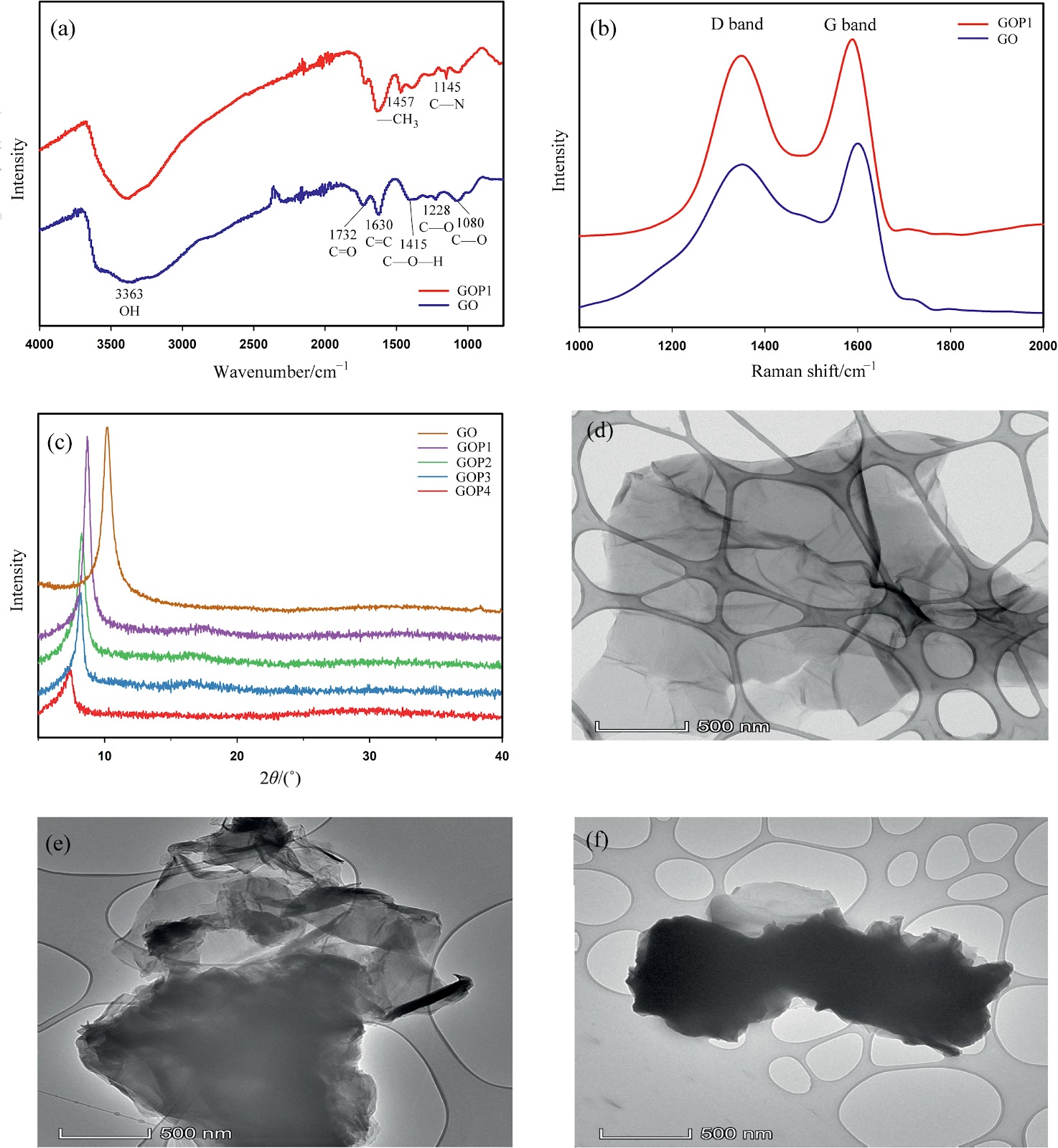
Confronting the severe health threats and environmental impacts of Cr(VI) in aquatic environments demands innovative and effective remediation approaches. In this study, Graphene oxide (GO)-decorated poly(dimethyl amino ethyl methacrylate) (PDMAEMA) brush nanocomposites (GOP1, GOP2, GOP3, and GOP4) were fabricated using atom transfer radical polymerization (ATRP) by the “graft from” method. The resulting nanocomposites were utilized for removing Cr(VI) with good adsorption performance due to the electrostatic interaction of protonated nitrogen groups in the brush chains with negatively charged particles in the solution. The kinetic model of pseudo-second-order best represented the contaminants' adsorption characteristics. The Weber–Morris model further indicated that surface adsorption and intraparticle diffusion mechanisms primarily controlled the adsorption procedure. Additionally, the Langmuir and Temkin isotherm models were found to most accurately represent the adsorption characteristics of the pollutants on the nanocomposites, and GOP4 can achieve the maximum adsorption capacity of 164.4 mg·g−1. The adsorbents' capacity maintains above 85% after five cycles of adsorption-desorption. The nanocomposites in this study demonstrate promising potential for eliminating Cr(VI) from aqueous solutions.

Fabrication of graphene oxide decorated with poly(dimethyl amino ethyl methacrylate) brush for efficient Cr(VI) adsorption from aqueous solution
Graphical Abstract
Original ResearchVol. 32, Issue 6 • pp. 499-511DOI: 10.1016/j_cjche_144878716Jun 18, 2025

Effects of ionic liquids on the vapor–liquid equilibrium of 1,3,5-trioxane–water system at 101.3 kPa

Authors: Fei Li, Tao Zhang, Li Lv, Wenxiang Tang, Yan Wang, Shengwei Tang

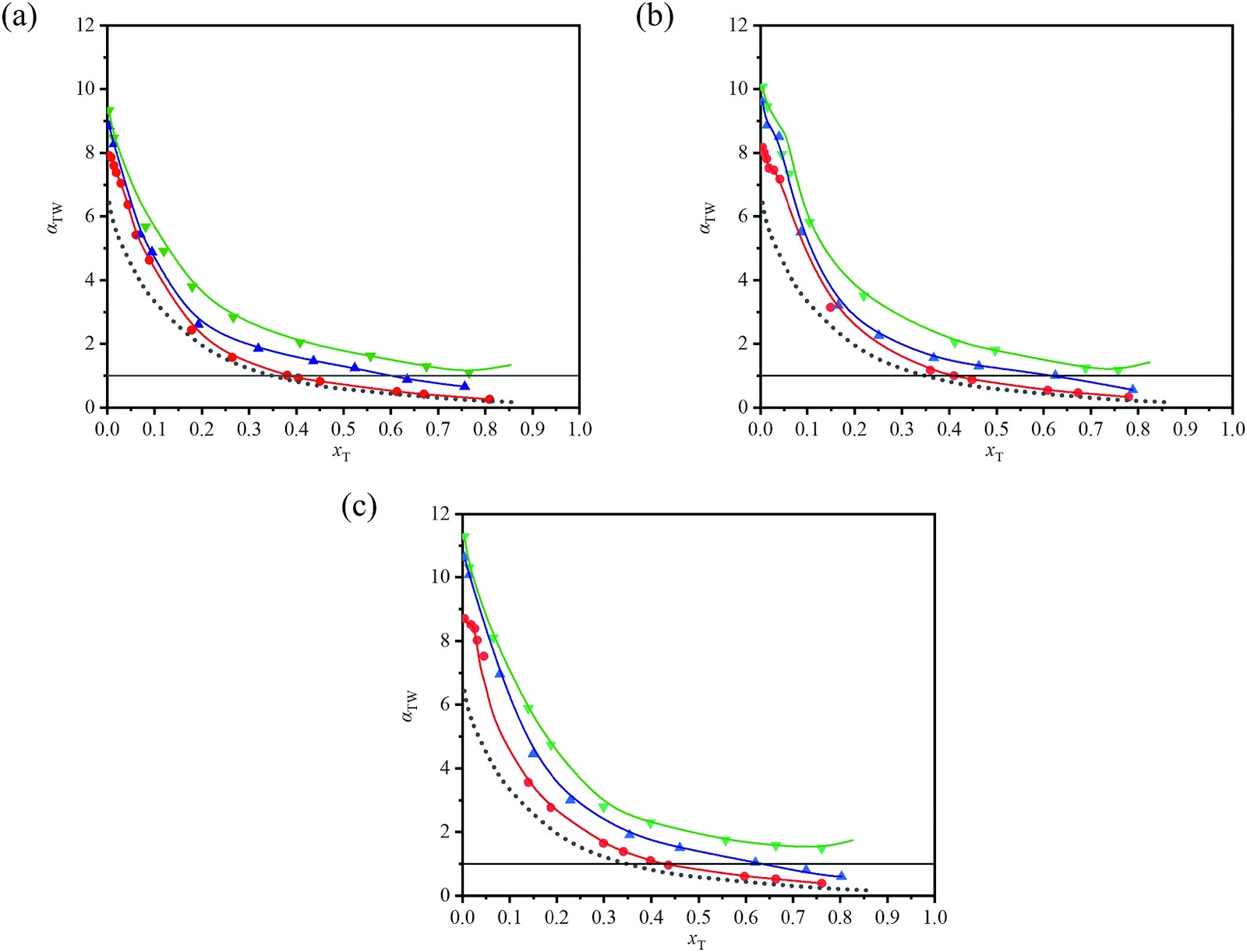
Increasing the 1,3,5-trioxane (TOX) concentration in the equilibrated vapor phase of TOX–H2O system has been recognized as a challenge for the azeotrope. Ionic liquids (ILs) were used to improve the relative volatility of TOX to H2O and destroy the azeotrope in the TOX–H2O system. The vapor–liquid equilibrium of TOX–H2O system at 101.3 kPa was studied with the addition of 1-butyl-3-methylimidazolium hydrogen sulfate, 1-hexyl-3-methylimidazolium hydrogen sulfate and 1-butyl-3-methylimidazolium nitrate, respectively. The results showed that the volatility of TOX increased with the increase in IL dosage. And the volatility of water decreased with the increase in IL dosage. The relative volatility of TOX to H2O was improved with the increase in ILs dosage. The azeotrope could be destroyed with an IL mole fraction of about 0.10. A non-random two-liquid (NRTL) model was successfully used to correlate the experimental data. The interaction parameters were obtained by fitting the experimental data with the model. The results indicated that a strong interaction existed between ILs and water. The strong interaction improved the volatility of TOX and inhibited the volatility of water, and then intensified the relative volatility of TOX to H2O. The results showed that an ILs with strong polarity and hydrophilicity may be a potential additive to improve the TOX concentration in the equilibrated vapor phase.

Effects of ionic liquids on the vapor–liquid equilibrium of 1,3,5-trioxane–water system at 101.3 kPa
Graphical Abstract
Chinese Journal of Chemical Engineering | SinoTechIntel Research Archive | SinoTechIntel