SinoTechIntel Academic Portal
🏛️ Indexed Academic JournalImpact Factor: 3.8

Int. Journal of Mining Science and Technology (采矿与安全工程)

Authoritative peer-reviewed journal in materials science, metallurgy, chemistry and engineering technologies: Int. Journal of Mining Science and Technology (采矿与安全工程)

Total Research Papers: 147
Access: 100% Free Open Access
Browse by Publication Year & VolumeReset All Filters ✕
Select Specific Issue:

Published Research PapersFiltered: Year 2024 • Vol. 32

Showing 11 of 147 peer-reviewed papers with full Graphical Abstracts.

Original ResearchVol. 32, Issue 12 • pp. 100-112DOI: 10.1016/j.ijmst.2024.12.014Jan 15, 2024

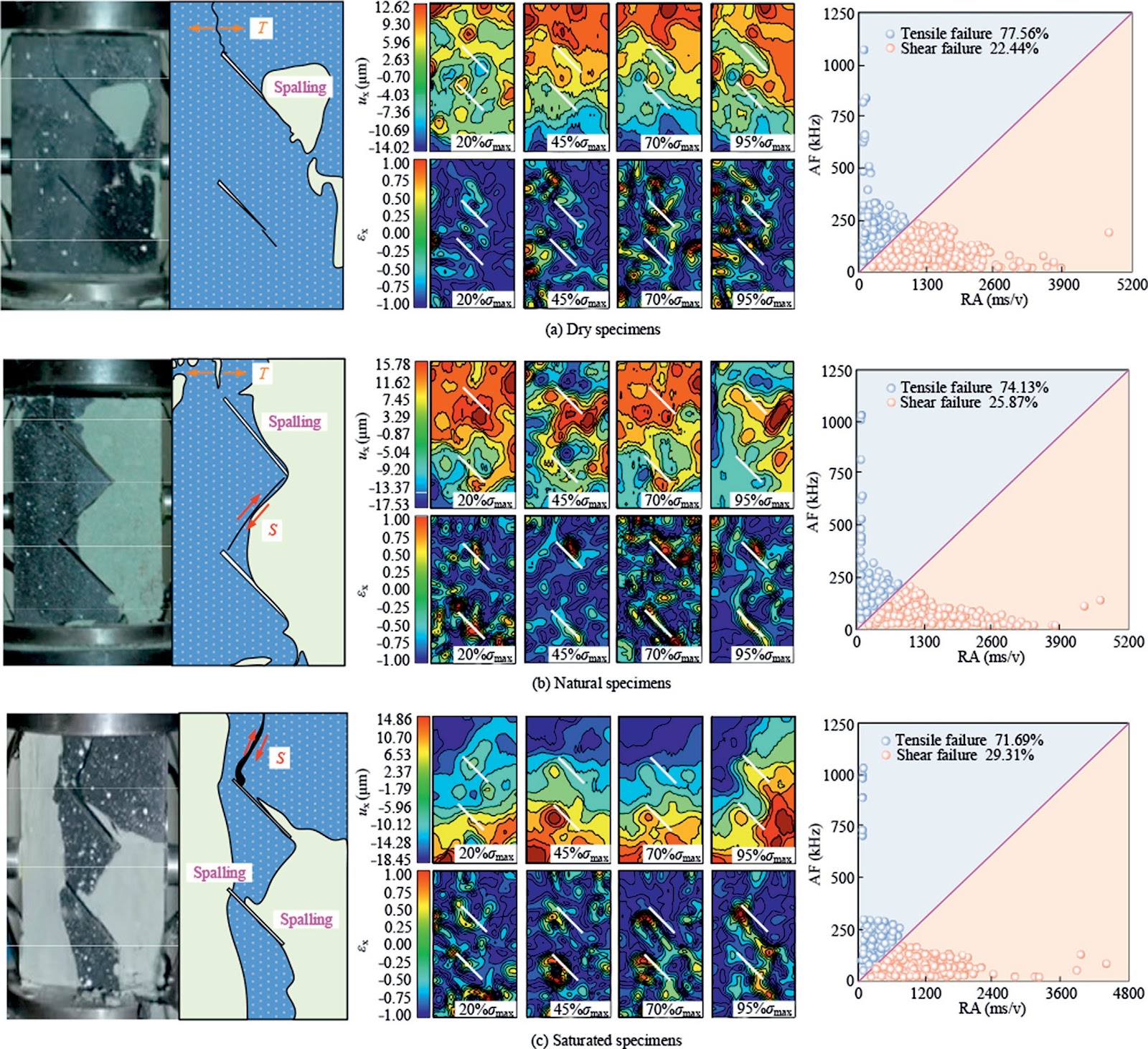
Experimental study on failure precursory characteristics and moisture content effect of pre-cracked rocks under graded cyclic loading and unloading

Authors: ZHANG Wei, ZHANG Dongxiao, GUO Weiyao, ZHANG Baoliang

It is important to analyze the damage evolution process of surrounding rock under different water content for the stability of engineering rock mass. Based on digital speckle correlation (DSCM), acoustic emission (AE) and electromagnetic radiation (EMR), uniaxial hierarchical cyclic loading and unloading tests were carried out on sandstones with different fracture numbers under dry, natural and saturated water content, to explore the fracture propagation, failure precursor characteristics and damage response mechanism under the influence of water content effect. The results show that with the increase of water content, the peak stress and crack initiation stress decrease gradually, and the decreases are 15.28%–21.11% and 17.64%–23.04%, respectively. The peak strain and crack initiation strain increase gradually, and the increases are 19.85%–44.53% and 19.15%–41.94%, respectively. The precracked rock with different water content is mainly characterized by tensile failure at different loading stages. However, with the increase of water content, the proportion of shear cracks gradually increases, while acoustic emission events gradually decrease, the dissipative energy and energy storage limits of the rock under peak load gradually decrease, and the charge signal increases significantly, which is because the lubrication effect of water reduces the friction coefficient between crack surfaces.
Experimental study on failure precursory characteristics and moisture content effect of pre-cracked rocks under graded cyclic loading and unloading
Graphical Abstract
Original ResearchVol. 32, Issue 12 • pp. 100-112DOI: 10.1016/j.ijmst.2024.12.006Jan 15, 2024

Advancing the recovery of iron and rare earth elements from the solid waste at Bayan Obo

Authors: ZHAO Na, ZHANG Qiang, MA Hongwei, SUN Yongsheng, GAO Peng, CAO Zhao, ZHANG Zhenyue

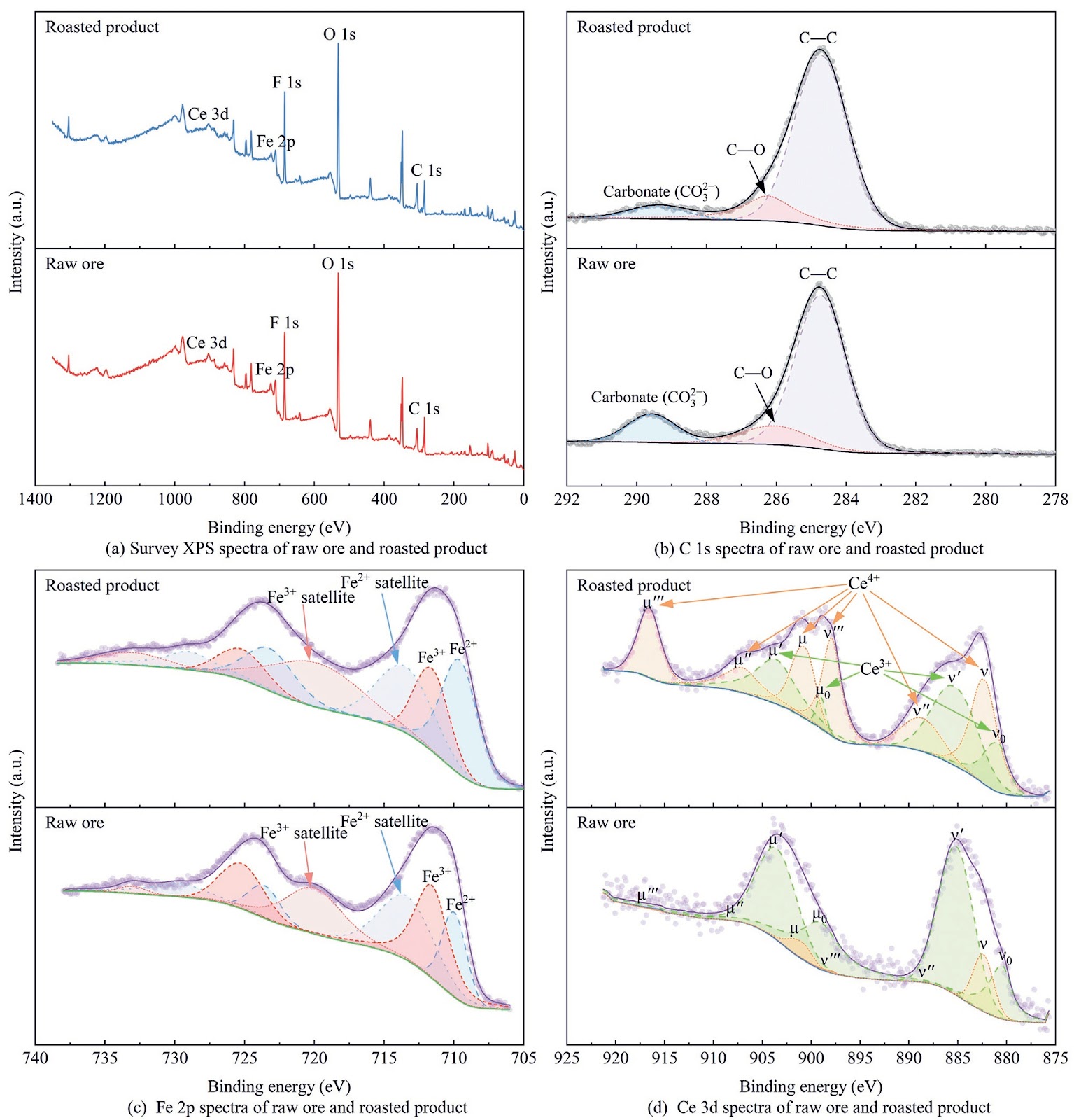
The storage of solid waste in Bayan Obo has resulted in significant resource wastage and environmental concerns. In this study, an efficient process was developed to recover iron and rare earth elements (REEs) from this waste by processes of hydrogen-based mineral phase transformation (HMPT), magnetic separation, and flotation. Under optimal HMPT conditions (525 °C, 12.5 min, and 30% H2 concentration), an iron concentrate with a TFe grade of 64.09% and a recovery of 95.33% was obtained. The magnetic properties of the solid waste were greatly enhanced by HMPT, allowing the effective magnetic separation of iron minerals. Further optimization of the flotation process resulted in a REEs concentrate with a rare earth oxide (REO) grade of 65%–70% and a REEs recovery of 60%–65%. Hematite was reduced to magnetite during HMPT, and bastnaesite was decomposed to REEs oxides and fluorides, and the particle structure was significantly destroyed. However, changes in monazite, fluorite, and barite were minimal.

Advancing the recovery of iron and rare earth elements from the solid waste at Bayan Obo
Graphical Abstract
Original ResearchVol. 32, Issue 12 • pp. 100-112DOI: 10.1016/j.ijmst.2024.12.013Jan 15, 2024

Investigation on coal damage and fracture extension law of liquid nitrogen injection pre-cooling and fracturing under true triaxial stress

Authors: LI Botao, LIN Haifei, WEI Jianping, ZHANG Hongtu, LI Shugang, WEI Zongyong, QIN Lei, WANG Pei, LUO Rongwei, LIU Zeran

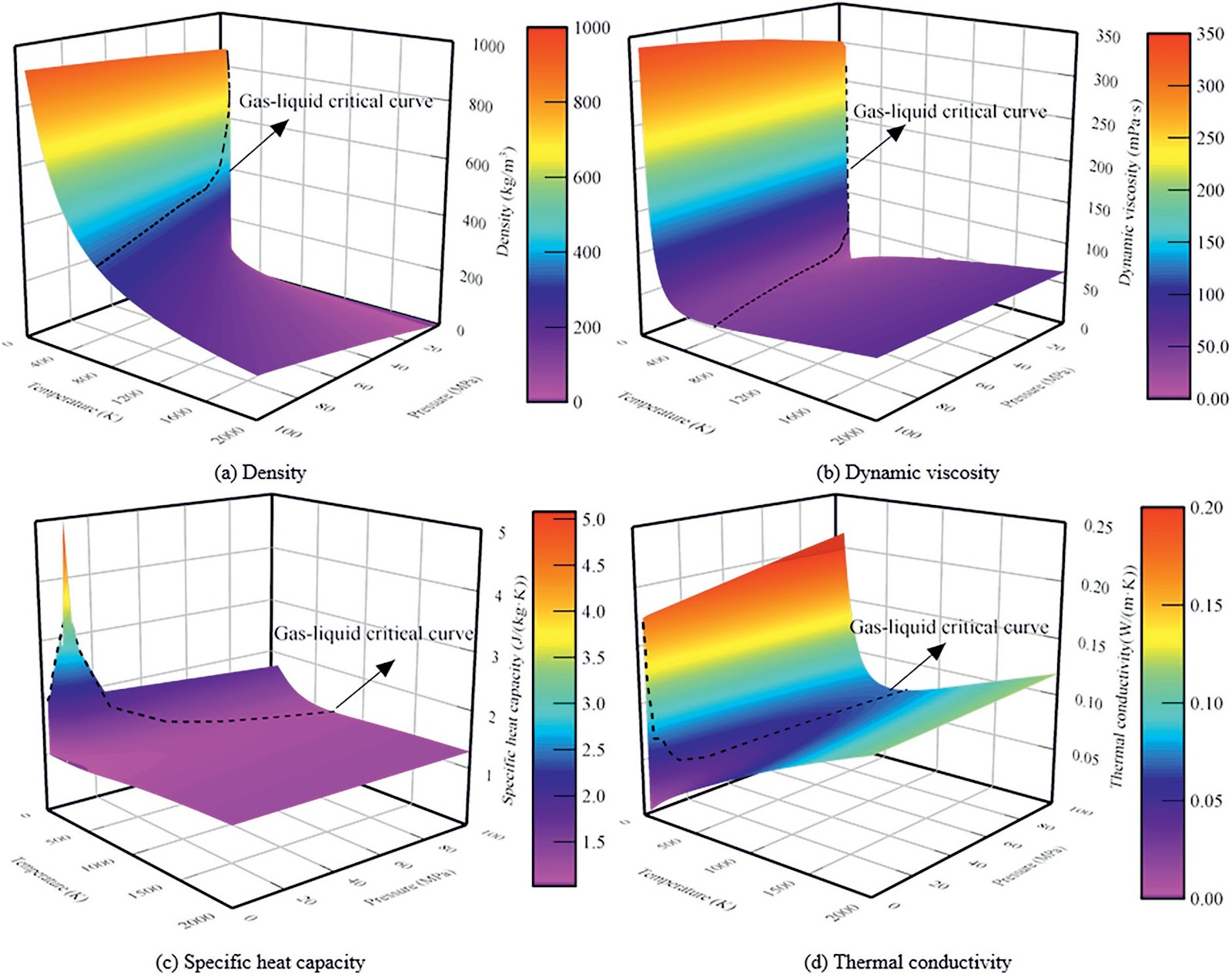
To more accurately describe the coal damage and fracture evolution law during liquid nitrogen (LN2) fracturing under true triaxial stress, a thermal–hydraulic-mechanical-damage (THMD) coupling model for LN2 fracturing coal was developed, considering the coal heterogeneity and thermophysical parameters of nitrogen. The accuracy and applicability of model were verified by comparing with LN2 injection pre-cooling and fracturing experimental data. The effects of different pre-cooling times and horizontal stress ratios on coal damage evolution, permeability, temperature distribution, and fracture characteristics were analyzed. The results show that the permeability and damage of the coal increase exponentially, while the temperature decreases exponentially during the fracturing process. As the pre-cooling time increases, the damage range of the coal expands, and the fracture propagation becomes more pronounced. The initiation pressure and rupture pressure decrease and tend to stabilize with longer pre-cooling times. As the horizontal stress ratio increases, fractures preferentially extend along the direction of maximum horizontal principal stress, leading to a significant decrease in both initiation and rupture pressures. At a horizontal stress ratio of 3, the initiation pressure drops by 48.07%, and the rupture pressure decreases by 41.36%. The results provide a theoretical basis for optimizing LN2 fracturing techniques and improving coal seam modification.

Investigation on coal damage and fracture extension law of liquid nitrogen injection pre-cooling and fracturing under true triaxial stress
Graphical Abstract
Original ResearchVol. 32, Issue 12 • pp. 100-112DOI: 10.1016/j.ijmst.2024.12.008Jan 15, 2024

Yielding performance of compact yielding anchor cable in working state: Analytical theory and experimental evaluation of yielding resistance enhancement effect

Authors: WANG Zhenyu, WANG Bo, GUO Xinxin, LI Jinjin, MA Zhenwang

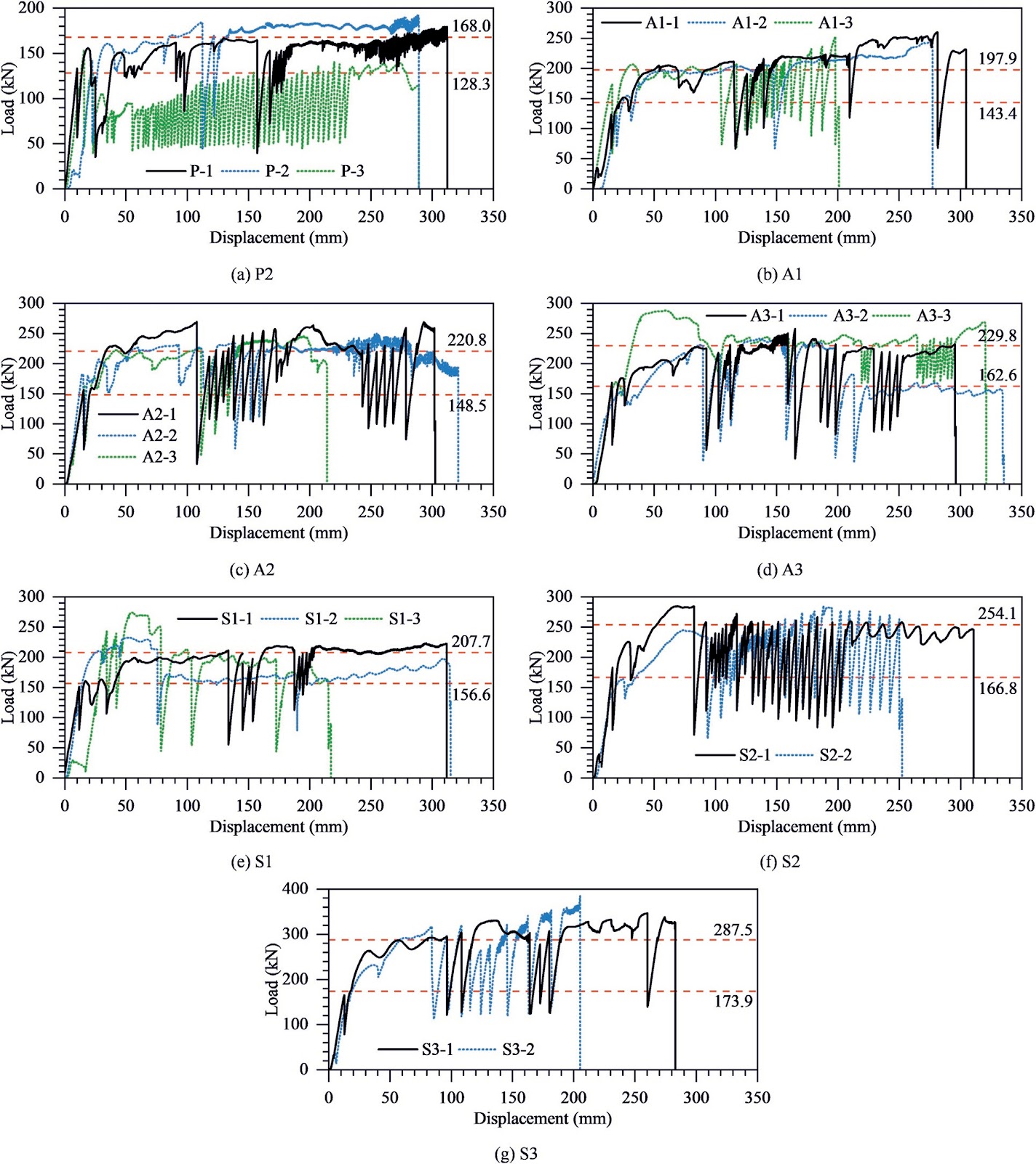
To elucidate the yielding performance of compact yielding anchor cables in working state, a yielding mechanical model incorporating extrusion friction and fastening rotation under confining pressure is constructed. The yielding resistance enhancement effect (x) caused by working environment constraints is evaluated through multi-layer composite sleeve hole expansion analysis, forming a theoretical framework for calculating the working yielding force. Laboratory and in-situ pull-out tests are conducted to determine the yielding performance and validate the analytical theory. The main conclusions are: (1) Yielding force and energy-release capacity increase with x, significantly outperforming the unconfined state. (2) In-situ tests under varying rockmass and geostress conditions (F1–F3) determine the yielding force increases to 183.4–290.1, 204.0–290.8, and 235.0–327.1 kN. (3) The slight deviation (–12.5% to 6.2%) between the theoretical and measured yielding force confirms that the analytical theory effectively describes the working yielding performance. (4) x increases with higher geostress and improved rock mechanical properties, with initial geostress (r0) and elastic modulus of surrounding rock (E3) identified as critical parameters.

Yielding performance of compact yielding anchor cable in working state: Analytical theory and experimental evaluation of yielding resistance enhancement effect
Graphical Abstract
Original ResearchVol. 32, Issue 12 • pp. 100-112DOI: 10.1016/j.ijmst.2024.12.007Jan 15, 2024

Fatigue properties and constitutive model of Jintan salt rock subjected to complex cyclic loading

Authors: HE Qingchuan, LIU Jianfeng, WU Fei, LI Cunbao, CHEN Jie, GAO Renbo, YE Chunfeng, ZHU Shijie

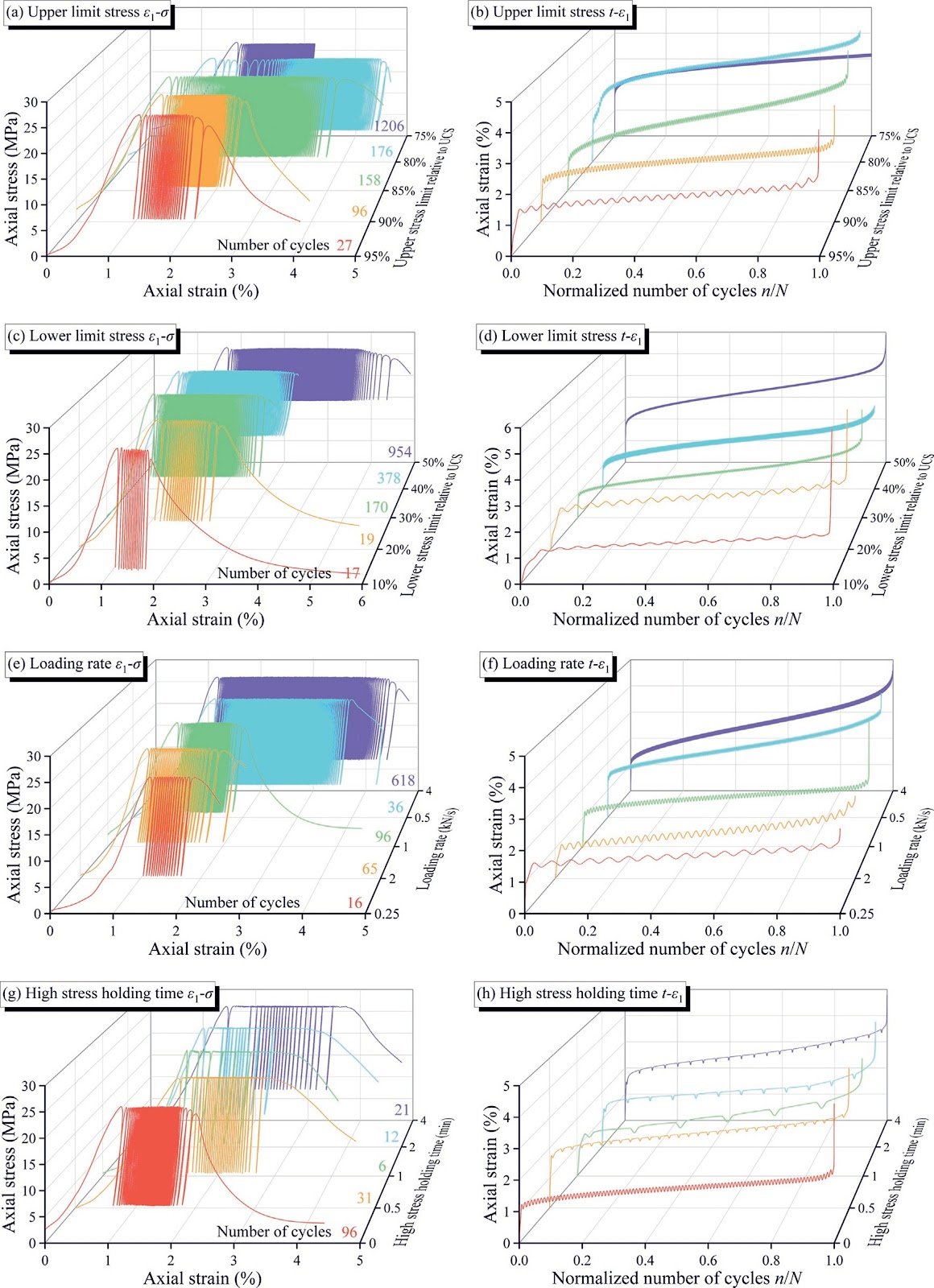
Salt cavern energy storage technology contributes to energy reserves and renewable energy scale-up. This study focuses on salt cavern gas storage in Jintan to assess the long-term stability of its surrounding rock under frequent operation. The fatigue test results indicate that stress holding significantly reduces fatigue life, with the magnitude of stress level outweighing the duration of holding time in determining peak strain. Employing a machine learning approach, the impact of various factors on fatigue life and peak strain was quantified, revealing that higher stress limits and stress holding adversely impact the fatigue index, whereas lower stress limits and rate exhibit a positive effect. A novel fatigue-creep composite damage constitutive model is constructed, which is able to consider stress magnitude, rate, and stress holding. The model, validated through multi-path tests, accurately captures the elasto-viscous behavior of salt rock during loading, unloading, and stress holding. Sensitivity analysis further reveals the time- and stress-dependent behavior of model parameters, clarifying that strain changes stem not only from stress variations but are also influenced by alterations in elasto-viscous parameters. This study provides a new method for the mechanical assessment of salt cavern gas storage surrounding rocks.

Fatigue properties and constitutive model of Jintan salt rock subjected to complex cyclic loading
Graphical Abstract
Original ResearchVol. 32, Issue 12 • pp. 100-112DOI: 10.1016/j.ijmst.2024.12.015Jan 15, 2024

Cyclic loading of marble: Correlating the attenuation of the electric and acoustic activities and highlighting criticality indices in terms of natural time

Authors: Dimos Triantis, Ilias Stavrakas, Ermioni D. Pasiou, Stavros K. Kourkoulis

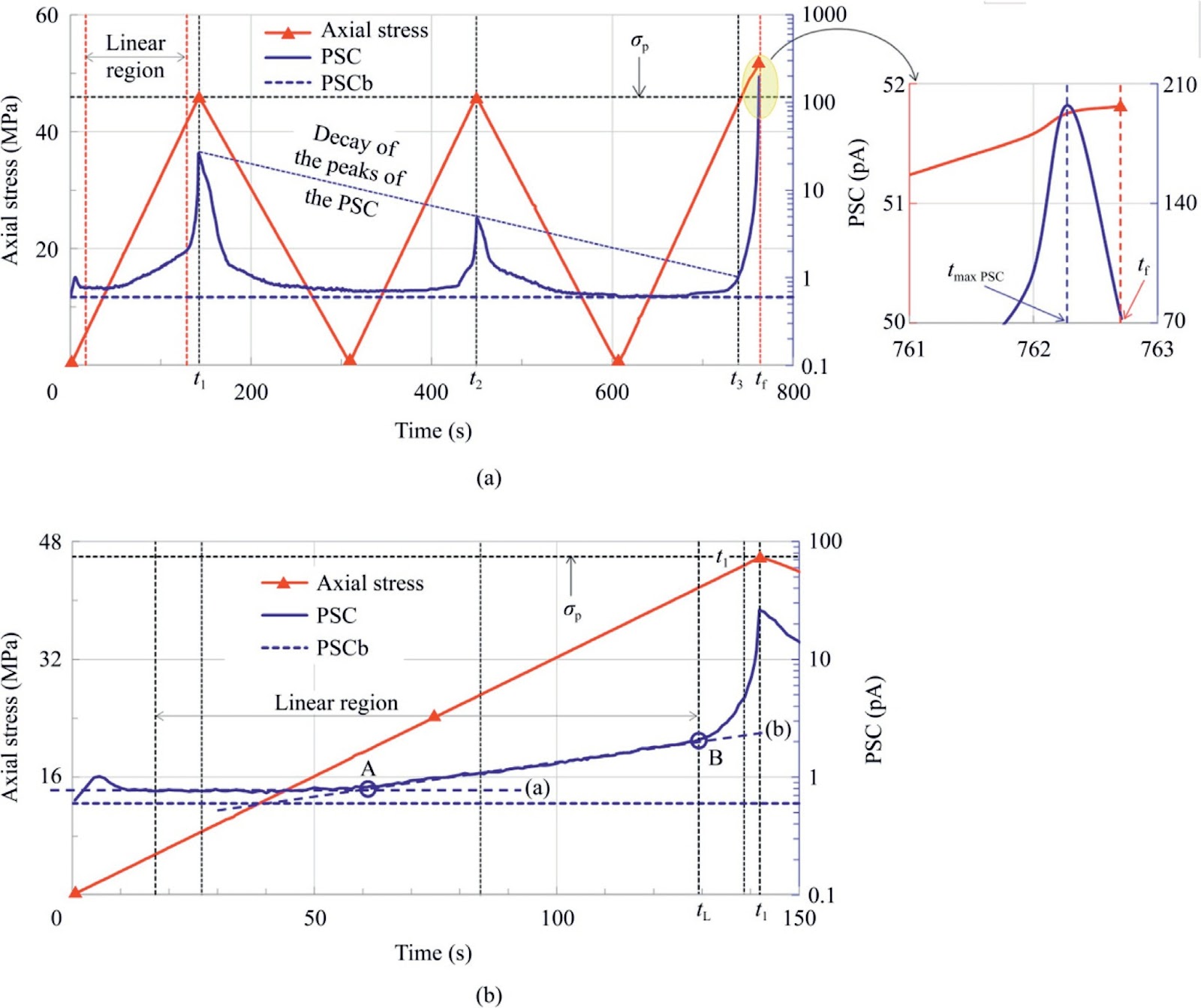
The attenuation of the acoustic activity in marble specimens under uniaxial compressive loading-unloading loops is quantified in juxtaposition to that of the electric activity. In parallel, the existence of ''pre-failure indices'' warning about entrance into a critical stage, that of impending fracture, is explored. The acoustic activity is quantified in terms of the normalized number of acoustic hits, their average rate of production and their cumulative energy, and, the cumulative counts and their average rate of change. The electric activity is studied in terms of the pressure stimulated currents and the electric charge released. The analysis revealed that the acoustic and electric activities are linearly correlated to each other, suggesting that they are different manifestations of the same damage mechanisms. In addition, Kaiser's effect, governing the acoustic activity, is found to govern, also, the electric activity. Moreover, it is concluded that entrance into the critical stage is safely predicted by means of a simple criterion, based on the evolution of the average rate of change of the normalized cumulative counts in the natural time domain. These predictions are almost identical with those of the criterion based on the ''variance'' and the ''entropies'' of the time series of acoustic events in this domain.

Cyclic loading of marble: Correlating the attenuation of the electric and acoustic activities and highlighting criticality indices in terms of natural time
Graphical Abstract
Original ResearchVol. 32, Issue 12 • pp. 100-112DOI: 10.1016/j.ijmst.2024.12.003Jan 15, 2024

Study and application of the influence of inclination angle on the cross-fusion mechanism of high gas thick coal seam

Authors: Pengxiang Zhao, Zechen Chang, Shugang Li, Risheng Zhuo, Yongyong Jia, Qiudong Shao, Wen Lei

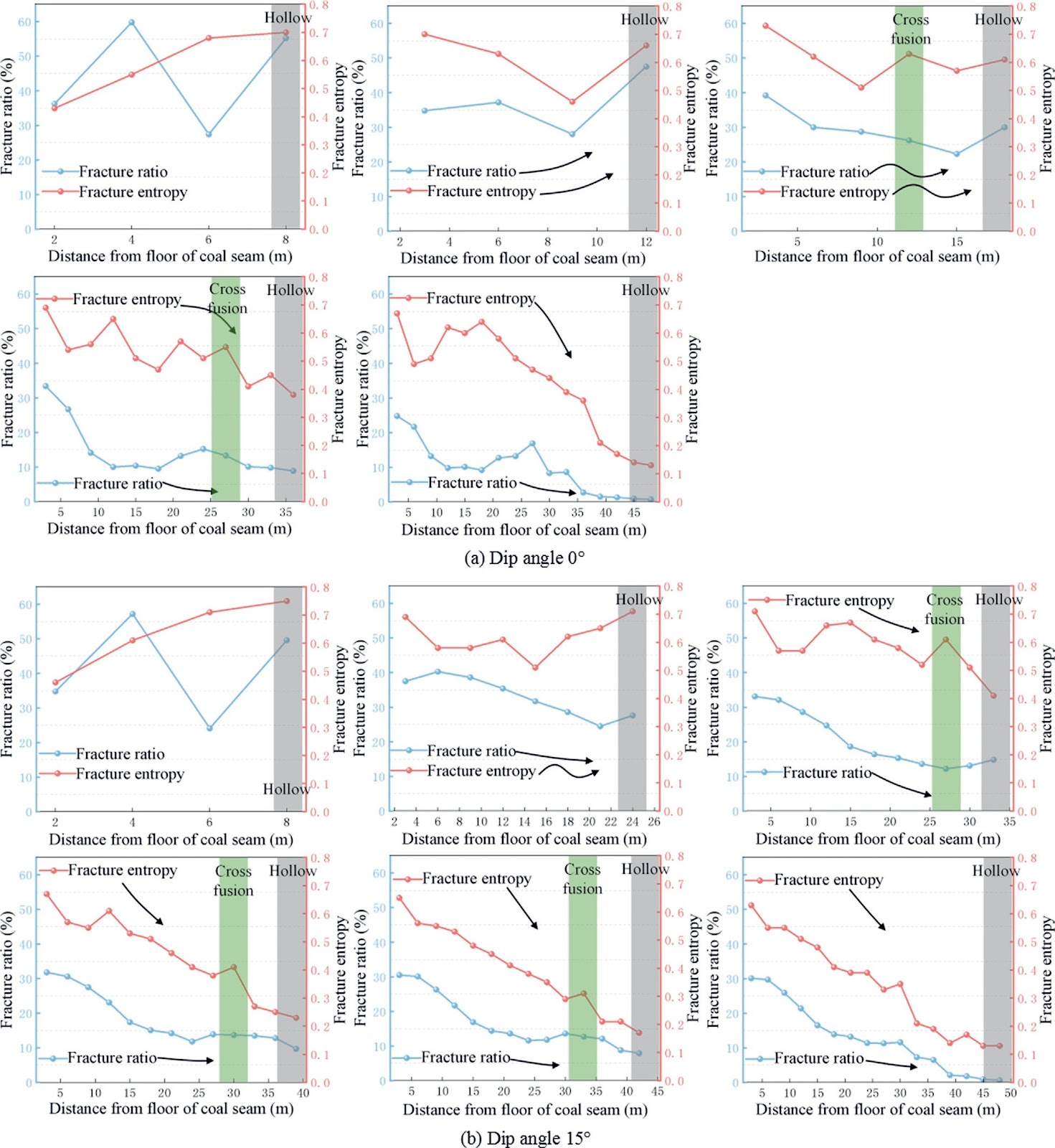
In this study, to better decide the effect of coal seam dip angle upon the dynamic change of the cross-fusion in gas transport and storage areas during the progress of working face in the high gas thick coal seam, a two-dimensional physical simulation experiment regarded as the theoretical research was conducted to properly explore the variation law of overburden fracture. The results demonstrated that the boundary of the gas transport zone was located in the region of fracture separation. The boundary of the gas storage area was located in the abrupt penetration zone. Also, according to the information theory, the state of the gas transport and storage areas was determined by the changing trend of the fracture rate and fracture entropy. The mathematical representation model of the dip effect in gas transport and storage areas was established. The criteria upon which the regional location of the gas transport area and gas storage area can be based were put forward. The cross-fusion evolution process of the dip effect in gas transport and storage areas was revealed as well. The research results could provide guidance for realising directional and accurate gas extraction.

Study and application of the influence of inclination angle on the cross-fusion mechanism of high gas thick coal seam
Graphical Abstract
Original ResearchVol. 32, Issue 12 • pp. 100-112DOI: 10.1016/j.ijmst.2024.12.010Jan 15, 2024

Deformation energy of tectonic coal under hydrostatic conditions: A new calculation model based on critical state theory

Authors: Chenghao Wang, Haisong Liu, Yuanping Cheng, Liang Wang, Jingyu Jiang

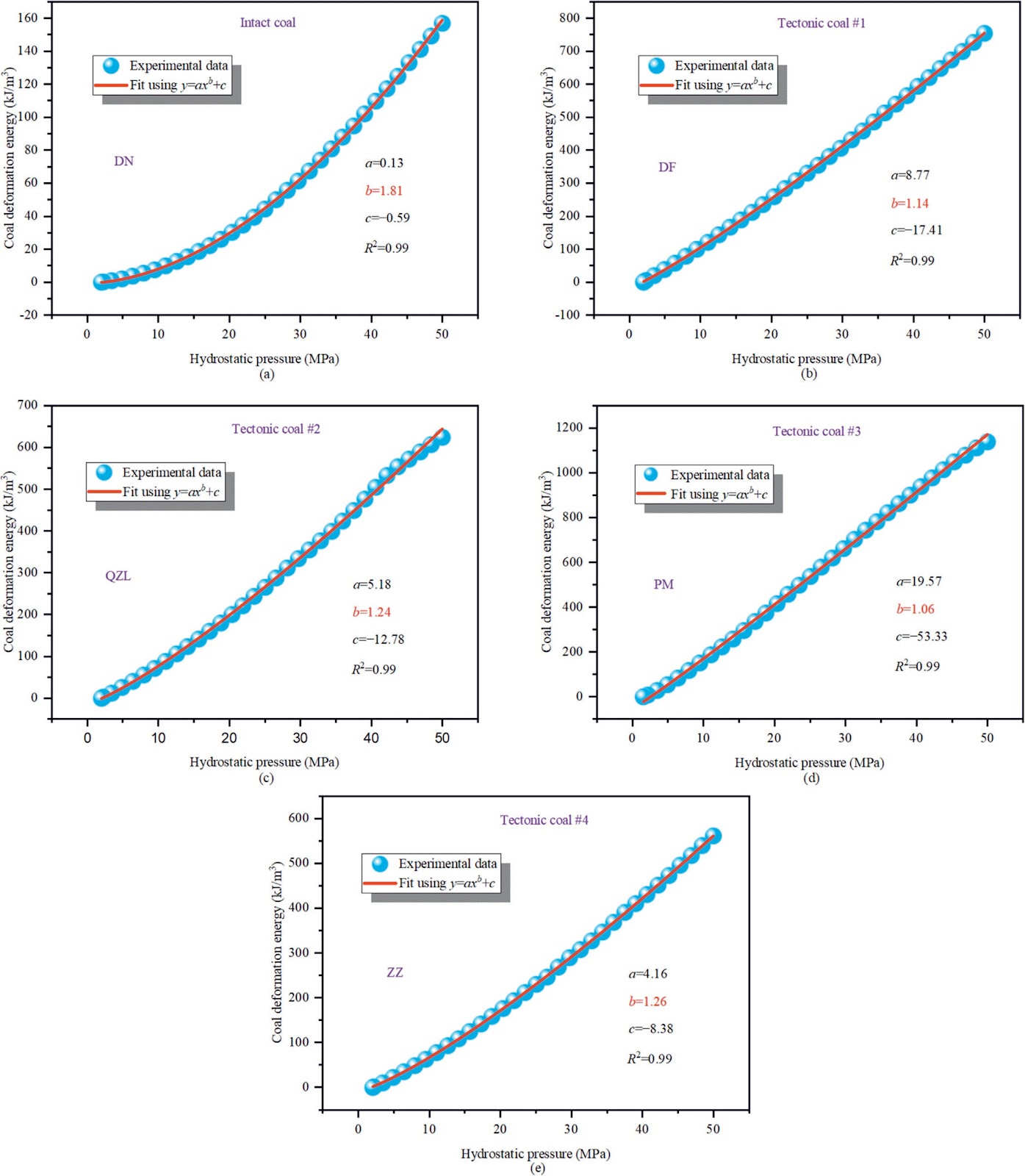
The deformation energy (Wd) of soil-like tectonic coal is crucial for investigating the mechanism of coal and gas outbursts. Tectonic coal has a significant nonlinear constitutive relationship, which makes traditional elastic-based models for computing Wd unsuitable. Inspired by critical state soil mechanics, this study theoretically established a new calculation model of Wd suitable for the coal with nonlinear deformation characteristics. In the new model, the relationship between energy and stress no longer follows the square law (observed in traditional linear elastic models) but exhibits a power function, with the theoretical value of the power exponent ranging between 1 and 2. Hydrostatic cyclic loading and unloading experiments were conducted on four groups of tectonic coal samples and one group of intact coal samples. The results indicated that the relationship between Wd and stress for both intact and tectonic coal follows a power law. The exponents for intact and tectonic coal are close to 2 and 1, respectively. The stress-strain curve of intact coal exhibits small deformation and linear characteristics, whereas the stress-strain curves of tectonic coal show large deformation and nonlinear characteristics. The study specifically investigates the role of coal viscosity in the cyclic loading/unloading process. The downward bending in the unloading curves can be attributed to the time-dependent characteristics of coal, particularly its viscoelastic behavior. Based on experimental statistics, the calculation model of Wd was further simplified. The simplified model involves only one unknown parameter, which is the power exponent between Wd and stress. The measured Wd of the coal samples increases with the number of load cycles. This phenomenon is attributed to coal’s viscoelastic deformation. Within the same stress, the Wd of tectonic coal is an order of magnitude greater than that of intact coal. The calculation model of Wd proposed in this paper provides a new tool for studying the energy principle of coal and gas outbursts.

Deformation energy of tectonic coal under hydrostatic conditions: A new calculation model based on critical state theory
Graphical Abstract
Original ResearchVol. 32, Issue 12 • pp. 100-112DOI: 10.1016/j.ijmst.2024.12.011Jan 15, 2024

Life cycle dynamic formation temperature response and thermal energy extraction of mine geothermal system considering groundwater flow

Authors: LI Xibing, CHEN Zhiying, HUANG Linqi, LI Botao, YAN Jingyi, ZHANG Peilei, LIU Zhixiang

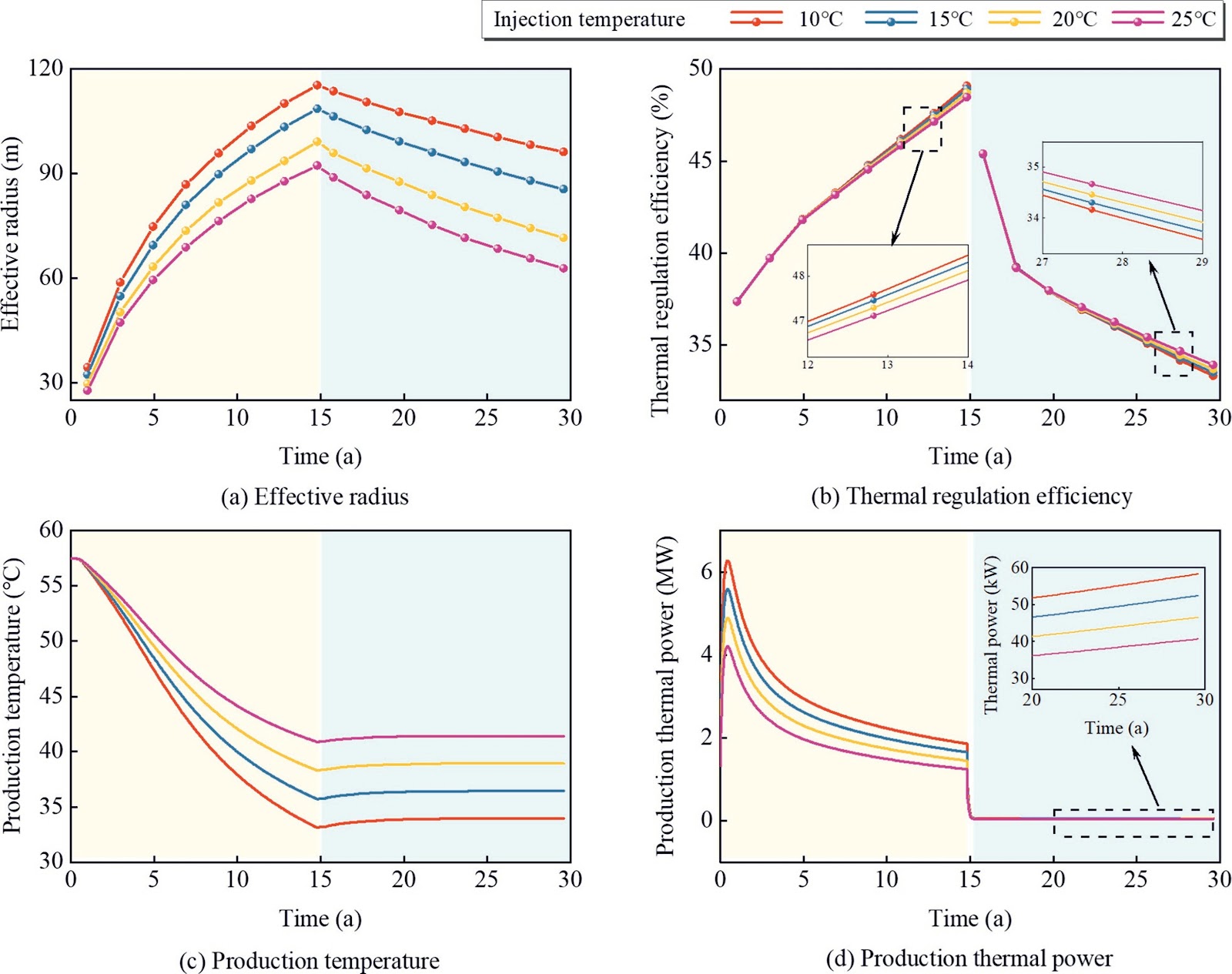
As mining activities expand deeper, deep high-temperature formations seriously threaten the future safe exploitation, while deep geothermal energy has great potential for development. Combining the formation cooling and geothermal mining in mines to establish a thermos-hydraulic coupling numerical model for fractured formation. The study investigates the formation heat transfer behaviour, heat recovery performance and thermal economic benefits influenced during the life cycle. The results show that the accumulation of cold energy during the cold storage phase induces a decline in formation temperature. The heat recovery phase is determined by the extent of the initial cold domain, which contracts inward from the edge and decelerates the heat recovery rate gradually. With groundwater velocity increases, the thermal regulation efficiency gradually increases, the production temperature decreases, while the effective radius and thermal power increase first and then decrease. The injected volume and temperature significantly affect, with higher injection temperatures slowing thermal recovery, and the thermal regulation efficiency is more sensitive to changes in formation permeability and thermal conductivity. The heat extraction performance is positively correlated with all factors. The levelized cost of electricity is estimated at 0.1203 $/(kW h) during the cold storage. During the heat recovery, annual profit is primarily driven by cooling benefits.

Life cycle dynamic formation temperature response and thermal energy extraction of mine geothermal system considering groundwater flow
Graphical Abstract
Original ResearchVol. 32, Issue 12 • pp. 100-112DOI: 10.1016/j.ijmst.2024.12.005Jan 15, 2024

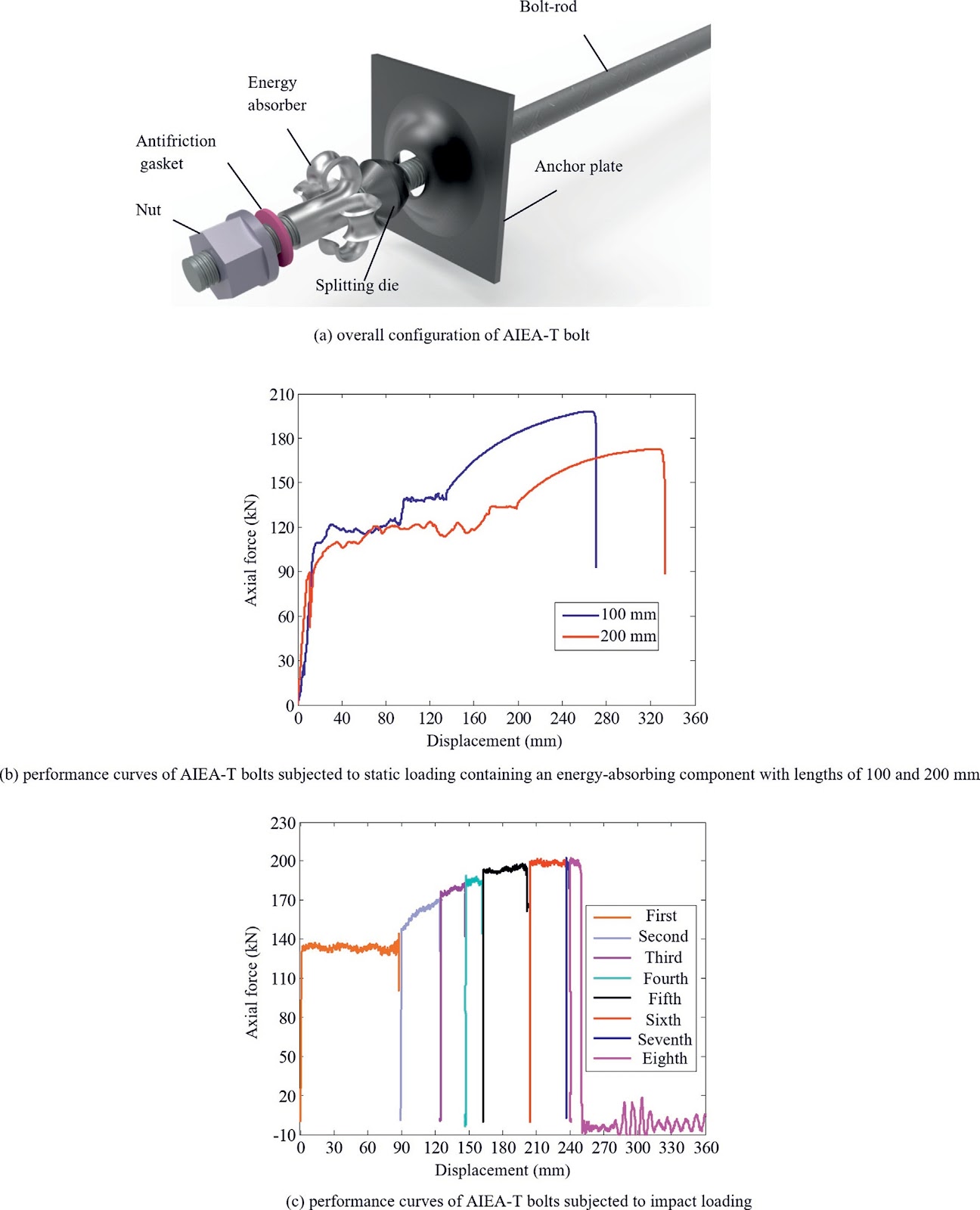
Dynamic damage characteristics and control mechanism of rocks anchored by constant resistance and energy absorption material

Authors: Bei Jiang, Kunbo Wu, Qi Wang, Yetai Wang, Wenrui Wu, Yaoxia Feng, Yanbo Zhang

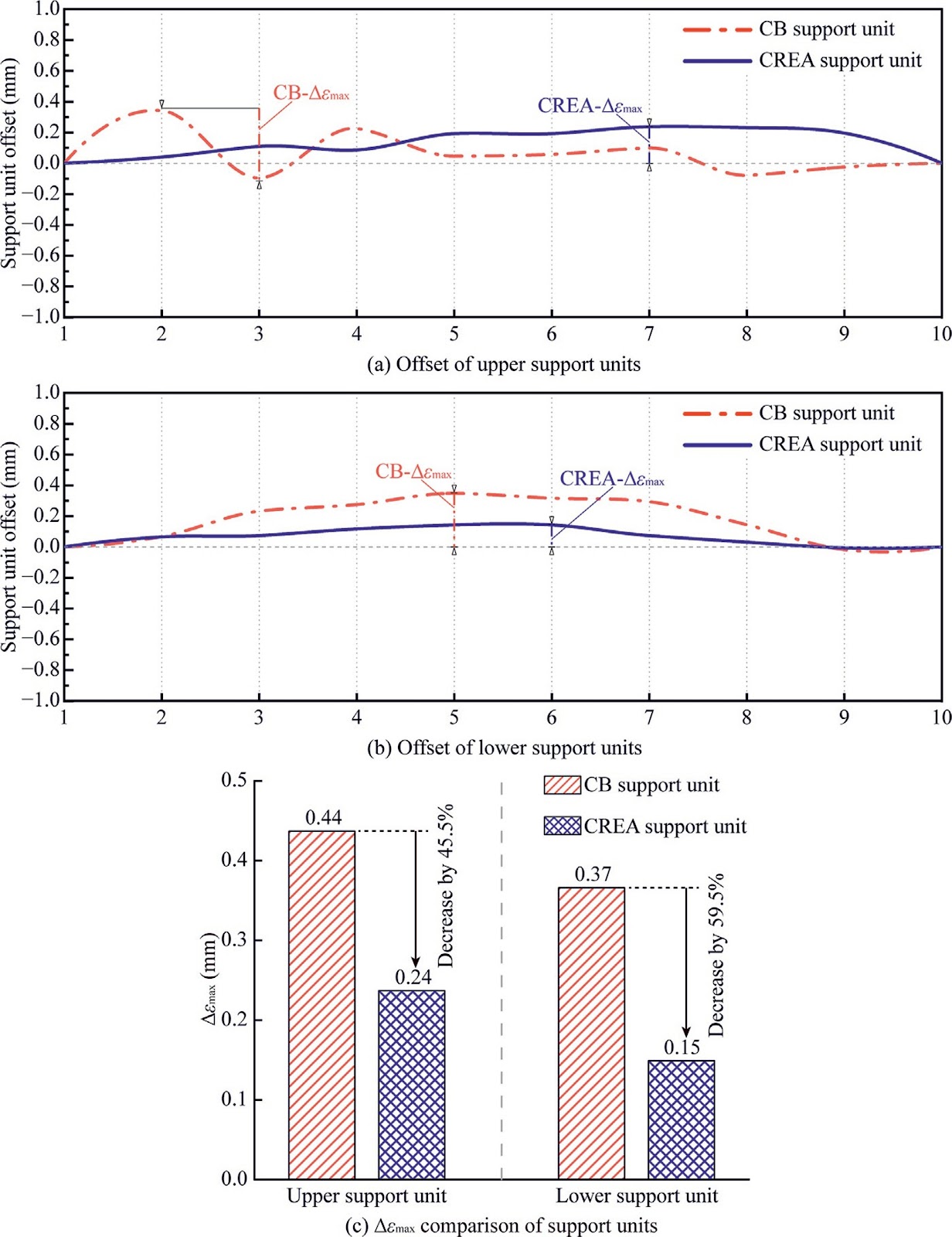
With resource exploitation and engineering construction gradually going deeper, the surrounding rock dynamic disaster becomes frequent and violent. The anchorage support is a common control method of surrounding rock in underground engineering. To study the dynamic damage characteristics of anchored rock and the energy absorption control mechanism of dynamic disasters, a new type of constant resistance and energy absorption (CREA) material with high strength, high elongation and high energy absorption characteristics is developed. A contrast test of rockbursts in anchored rock with different support materials is conducted. The test results show that the surface damage rates and energy release degree of anchored rock with common bolt (CB) and CREA are lower than those of unanchored rock, respectively. The total energy, average energy and maximum energy released by CREA anchored rock are 30.9%, 94.3% and 84.4% lower than those of CB anchored rock. Compared with unanchored rock, the rockburst peak stress in the CREA anchored rock is increased by 39.9%, and the rockburst time is delayed by 53.2%. Based on the rockburst energy calculation model, the evolution law of rockburst peak stress and energy release is investigated. The control mechanism of CREA support units on rock dynamic failure is clarified.

Dynamic damage characteristics and control mechanism of rocks anchored by constant resistance and energy absorption material
Graphical Abstract
Original ResearchVol. 32, Issue 12 • pp. 100-112DOI: 10.1016/j.ijmst.2024.12.009Jan 15, 2024

Quantitative principles of dynamic interaction between rock support and surrounding rock in rockburst roadways

Authors: DAI Lianpeng, FENG Dingjie, PAN Yishan, WANG Aiwen, MA Ying, XIAO Yonghui, ZHANG Jianzhuo

Rockbursts, which mainly affect mining roadways, are dynamic disasters arising from the surrounding rock under high stress. Understanding the interaction between supports and the surrounding rock is necessary for effective rockburst control. In this study, the squeezing behavior of the surrounding rock is analyzed in rockburst roadways, and a mechanical model of rockbursts is established considering the dynamic support stress, thus deriving formulas and providing characteristic curves for describing the interaction between the support and surrounding rock. Design principles and parameters of supports for rockburst control are proposed. The results show that only when the geostress magnitude exceeds a critical value can it drive the formation of rockburst conditions. The main factors influencing the convergence response and rockburst occurrence around roadways are geostress, rock brittleness, uniaxial compressive strength, and roadway excavation size. Roadway support devices can play a role in controlling rockburst by suppressing the squeezing evolution of the surrounding rock towards instability points of rockburst. Further, the higher the strength and the longer the impact stroke of support devices with constant resistance, the more easily multiple balance points can be formed with the surrounding rock to control rockburst occurrence. Supports with long impact stroke allow adaptation to varying geostress levels around the roadway, aiding in rockburst control. The results offer a quantitative method for designing support systems for rockburst-prone roadways. The design criterion of supports is determined by the intersection between the convergence curve of the surrounding rock and the squeezing deformation curve of the support devices.

Quantitative principles of dynamic interaction between rock support and surrounding rock in rockburst roadways
Graphical Abstract