SinoTechIntel Academic Portal
🏛️ Indexed Academic JournalImpact Factor: 3.8

Int. Journal of Mining Science and Technology (采矿与安全工程)

Authoritative peer-reviewed journal in materials science, metallurgy, chemistry and engineering technologies: Int. Journal of Mining Science and Technology (采矿与安全工程)

Total Research Papers: 147
Access: 100% Free Open Access
Browse by Publication Year & VolumeReset All Filters ✕

Published Research PapersFiltered: Year 2025 • Vol. 32 • 6

Showing 12 of 147 peer-reviewed papers with full Graphical Abstracts.

Original ResearchVol. 32, Issue 6 • pp. 100-112DOI: 10.1016/j.ijmst.2025.06.010Jan 15, 2025

Multi-scale damage and fracture analysis and statistical damage constitutive model of shallow coral reef limestone based on digital core

Authors: Yingwei Zhu, Xinping Li, Zhengrong Zhou, Dengxing Qu, Fei Meng, Shaohua Hu, Wenjie Li

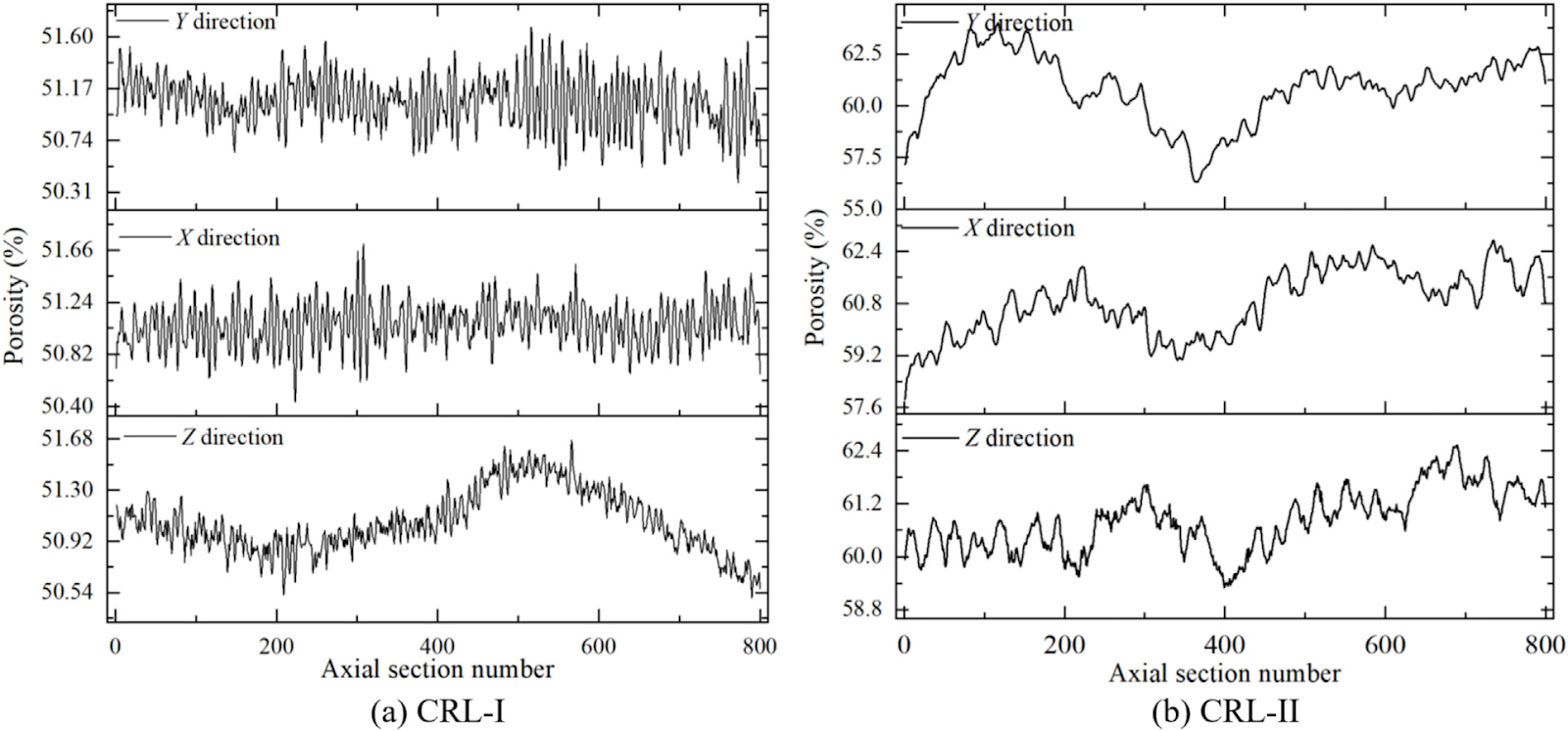
Coral reef limestone (CRL) constitutes a distinctive marine carbonate formation with complex mechanical properties. This study investigates the multiscale damage and fracture mechanisms of CRL through integrated experimental testing, digital core technology, and theoretical modelling. Two CRL types with contrasting mesostructures were characterized across three scales. Macroscopically, CRL-I and CRL-II exhibited mean compressive strengths of 8.46 and 5.17 MPa, respectively. Mesoscopically, CRL-I featured small-scale highly interconnected pores, whilst CRL-II developed larger stratified pores with diminished connectivity. Microscopically, both CRL matrices demonstrated remarkable similarity in mineral composition and mechanical properties. A novel voxel average-based digital core scaling methodology was developed to facilitate numerical simulation of cross-scale damage processes, revealing network-progressive failure in CRL-I versus directional-brittle failure in CRL-II. Furthermore, a damage statistical constitutive model based on digital core technology and mesoscopic homogenisation theory established quantitative relationships between microelement strength distribution and macroscopic mechanical behavior. These findings illuminate the fundamental mechanisms through which mesoscopic structure governs the macroscopic mechanical properties of CRL.
Multi-scale damage and fracture analysis and statistical damage constitutive model of shallow coral reef limestone based on digital core
Graphical Abstract
Original ResearchVol. 32, Issue 6 • pp. 100-112DOI: 10.1016/j.ijmst.2025.06.005Jan 15, 2025

Fault reactivation and seismic risks induced by deep reservoir fracturing: Mechanisms, prediction and perspectives

Authors: JU Yang, FU Guoming, ZHOU Hongwei, GE Shirong, PENG Suping

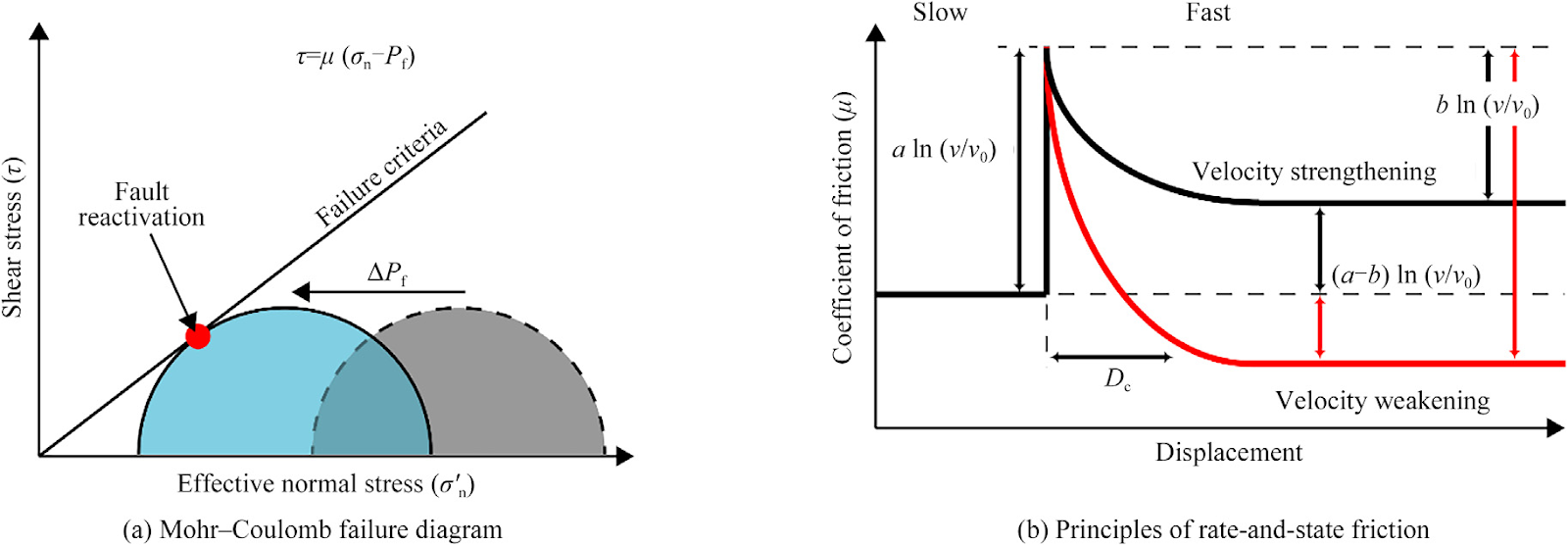
With the advancement of fracturing technologies in deeper and more geologically complex formations, fault reactivation and induced seismicity have attracted increasing attention. The increasing frequency and magnitude of these events underscore the need for a robust understanding of the governing physical mechanisms. Elevated pore pressure, modified fault-loading conditions, and aseismic slip are widely acknowledged as the primary drivers. Recent studies have explored these mechanisms under varying factors, including fluid properties, rock ductility, poroelastic responses, and evolving fault stress states, thereby offering critical insights into model refinement. Probabilistic forecasting approaches, which combine statistical analyses of historical data with real-time monitoring, are being increasingly adopted in seismic risk assessments. In parallel, machine learning techniques are employed to process large seismic datasets and identify key patterns. However, their predictive capabilities remain limited by geological heterogeneity, subsurface complexity, and scarce observational data. Moreover, fluid–rock interactions further complicate the development of universally applicable models, thereby constraining the generalizability of mitigation strategies. This review synthesizes the current understanding of induced seismicity mechanisms, evaluates the prevailing prediction and mitigation methods, and identifies major challenges and future research directions. Advancements in these areas are essential to enhancing seismic risk management and ensuring the safe, sustainable development of deep-subsurface energy resources.

Fault reactivation and seismic risks induced by deep reservoir fracturing: Mechanisms, prediction and perspectives
Graphical Abstract
Original ResearchVol. 32, Issue 6 • pp. 100-112DOI: 10.1016/j.ijmst.2025.06.012Jan 15, 2025

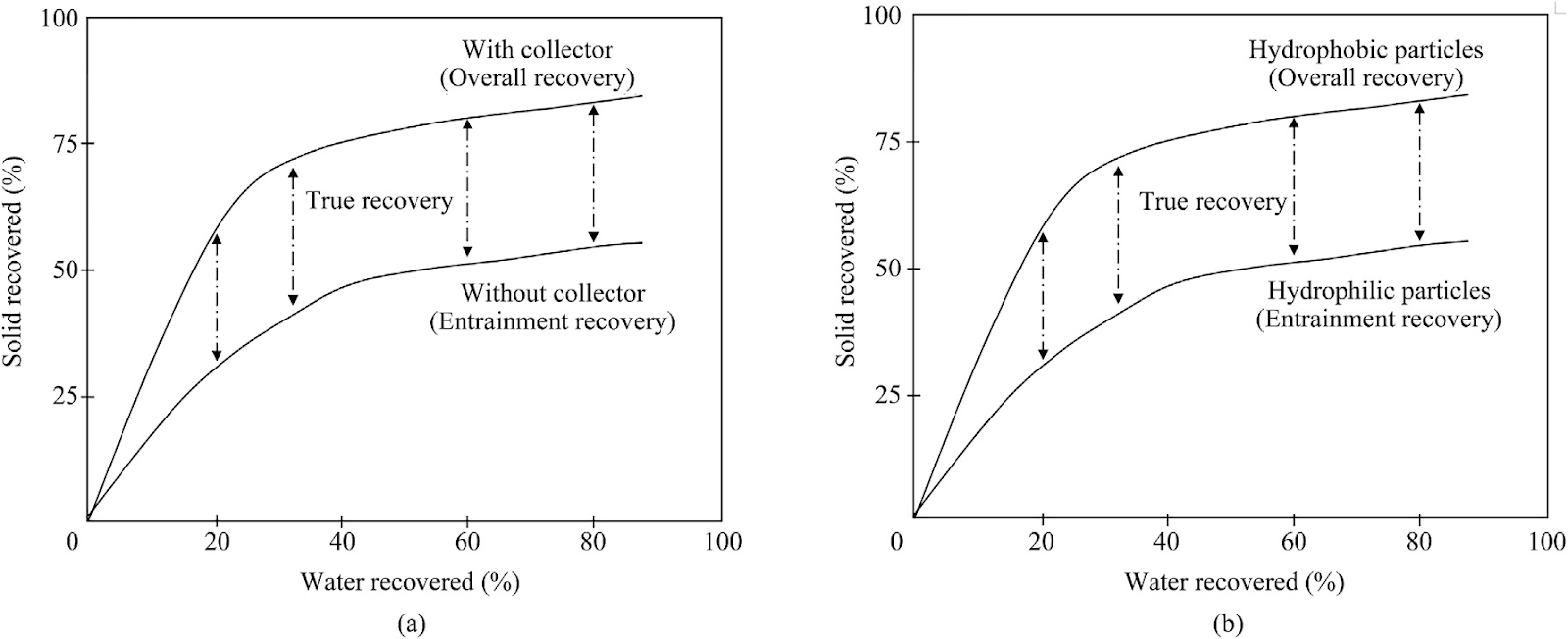
An approach to quantify the true flotation recovery of floatable minerals using natural entrainment tracers and particle-based separation modeling

Authors: Ali Hassan, Martin Rudolph, Luis Vinnett, Kerstin Eckert, Lucas Pereira

In froth flotation, overall recovery of the floatable particles consists of true recovery and recovery by entrainment, where entrainment refers to the non-selective recovery of particles in the concentrate. To understand and optimize the flotation process with regard to process conditions, it is essential to distinguish true flotation recovery from overall recovery. The established methods rely on tailored flotation experiments, unrealistic flotation conditions, or using external tracers which can be different in density and crystal structure to the mineral(s) of interest. This study presents an approach to utilize naturally occurring suitable tracers to estimate the entrainment component from overall recovery of individual particles by establishing a relationship between their settling velocity coefficient and recovery probability. Recovery probabilities of individual particles are computed using particle-based separation modelling. The approach is demonstrated for a copper ore, where naturally occurring rutile was used as the tracer to determine the entrained component of the overall recovery of chalcopyrite particles. Laboratory flotation experiments revealed that entrainment accounted for up to 6% of the overall recovery probability of fully liberated chalcopyrite particles in the fine size fractions. This approach provides a practical method for entrainment correction enabling a more accurate evaluation of true flotation recovery.

An approach to quantify the true flotation recovery of floatable minerals using natural entrainment tracers and particle-based separation modeling
Graphical Abstract
Original ResearchVol. 32, Issue 6 • pp. 100-112DOI: 10.1016/j.ijmst.2025.06.001Jan 15, 2025

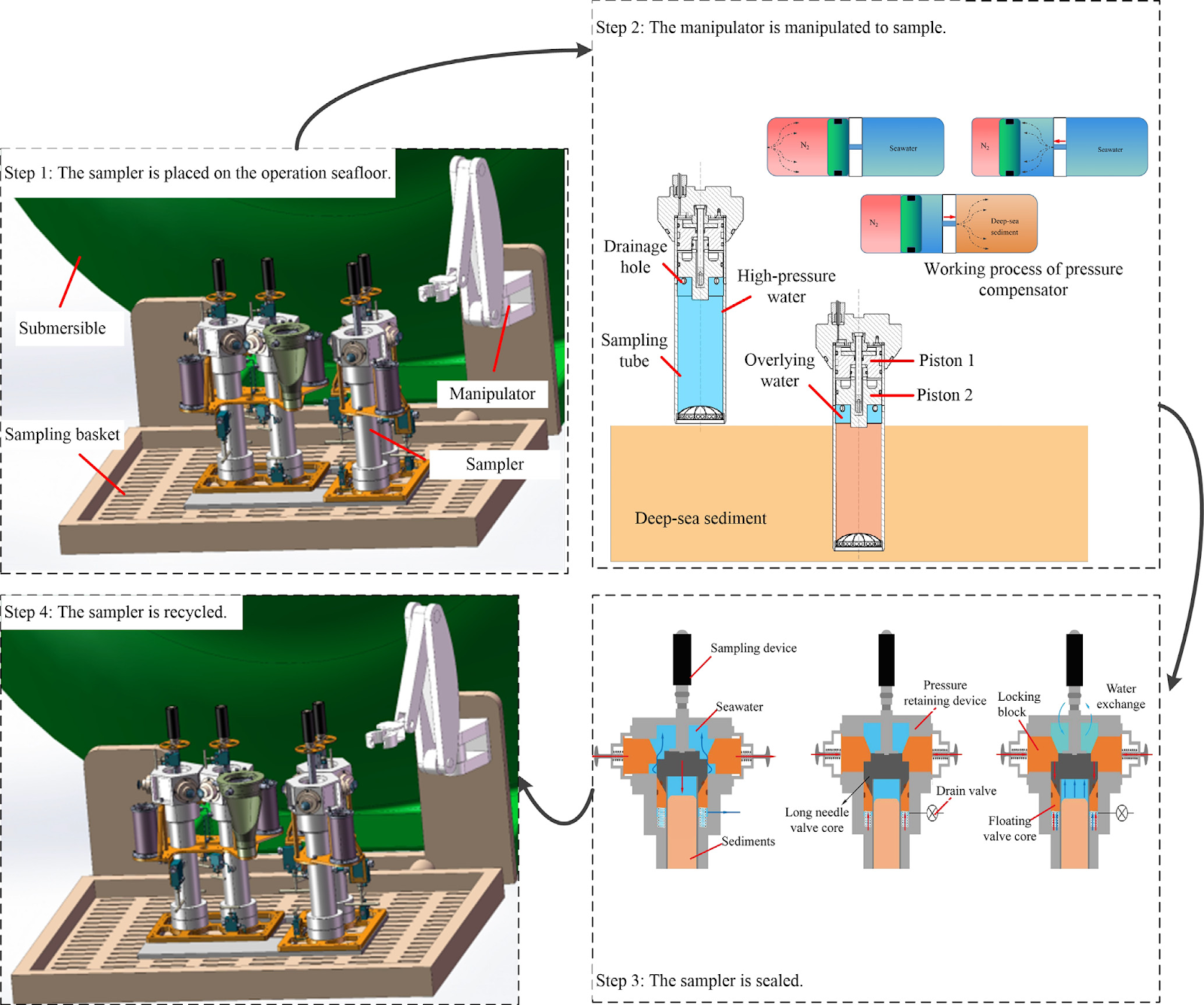
Mechanism of low-disturbance and high-pressure-retaining sampling of seafloor sediments at 10000-meter depth and its laboratory experiment and on-site sea trials

Authors: Guangping Liu, Shanqiang Jiang, Yongping Jin, Buyan Wan, Liang Liu, Youduo Peng

Obtaining high-quality 10000-meter-deep seafloor sediment samples is the prerequisite and foundation for conducting deep-sea geological and environmental scientific research. The bottom structure of the deep seafloor is complex, and the physical and mechanical properties and disturbance resistance of sediments of different lithologies vary greatly, so the sediment sampler inevitably disturbs the sediments during the sampling process and affects the quality of the sediment samples. A new type of deep-sea sediment pressure retaining sampler is introduced, the force state and elastic–plastic state of the sampler destroying sediments are analyzed, the radial disturbance model of sediment coring based on the spherical cavity expansion theory is established, and the radius of sediments undergoing plastic deformation around the spherical holes is used as an index for evaluating the radial disturbance of sediments. The distribution of stress and strain fields in the sediments during the expansion of the spherical cavity and the influencing factors of the radius of the radially disturbed region (plastic region) are analyzed using an arithmetic example, and the influence law is analyzed. A sediment disturbance experimental platform was built indoors to simulate the sediment coring process. The radial stress field and pore water pressure of the sediment during the coring process were monitored by sensors arranged inside the sediment, and the results of indoor tests verified the correctness of the perturbation theory model. The sampler was carried aboard the deep-sea manned submersible FENDOUZHE and conducted on-site tests at depths of 9298.4 and 9142.8 m in the Kuril-Kamchatka Trench. Pressure-preserved sediment samples were retrieved, with preservation rates of 94.21% and 92.02%, respectively, which are much higher than the current technical indicator of 80% of pressure-holding ratio for deep-sea sediments. The retrieved sediments have obvious stratification characteristics and little disturbance.

Mechanism of low-disturbance and high-pressure-retaining sampling of seafloor sediments at 10000-meter depth and its laboratory experiment and on-site sea trials
Graphical Abstract
Original ResearchVol. 32, Issue 6 • pp. 100-112DOI: 10.1016/j.ijmst.2025.06.003Jan 15, 2025

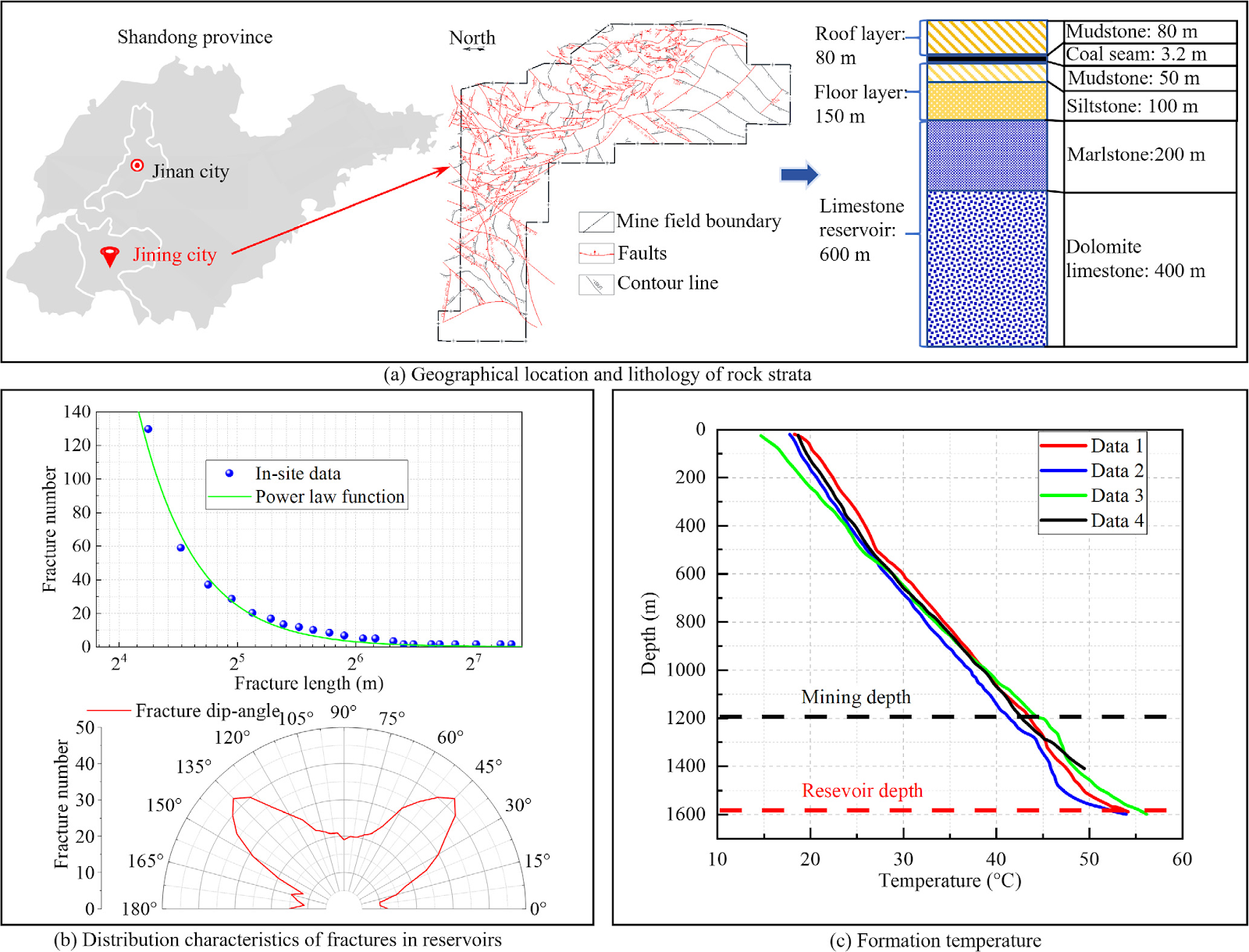
Geothermal energy production potential of karst geothermal reservoir considering mining-induced stress

Authors: Jinghong Yan, Dan Ma, Xuefeng Gao, Hongyu Duan, Qiang Li, Wentao Hou

Developing hydrothermal resources in highly conductive karst aquifers at deep mine floors is regarded as a potential approach to achieving the co-development of coal and geothermal resources. However, the heat transfer potential of the fracture system in the target reservoir under mining activities remains in suspense. Hence, a coupled thermal–hydraulic-mechanical model was developed for the karst reservoir of Anju coal mine in China, considering non-isothermal convective heat transfer in fractures. This model examined the influence of stress redistribution due to different mining distances (MD) on the effective flow channel length/density and the high/low-aperture fracture distribution. The dynamic heat generation characteristics of the geothermal reservoir were evaluated. Key findings include: Mining-induced stress creates interlaced high-aperture and low-aperture fracture zones below the goaf. Within these interlaced zones, the combined effect of high- and low-aperture fractures restricts the effective flow channel length/density of the fracture network. This contraction of the flow field leads to a significant decline in production flow rate, which consequently reduces both the production flow rate and power as MD increases. This work represents the study of mining disturbances on geothermal production, providing a theoretical foundation for the co-development of coal and geothermal resources.

Geothermal energy production potential of karst geothermal reservoir considering mining-induced stress
Graphical Abstract
Original ResearchVol. 32, Issue 6 • pp. 100-112DOI: 10.1016/j.ijmst.2025.06.008Jan 15, 2025

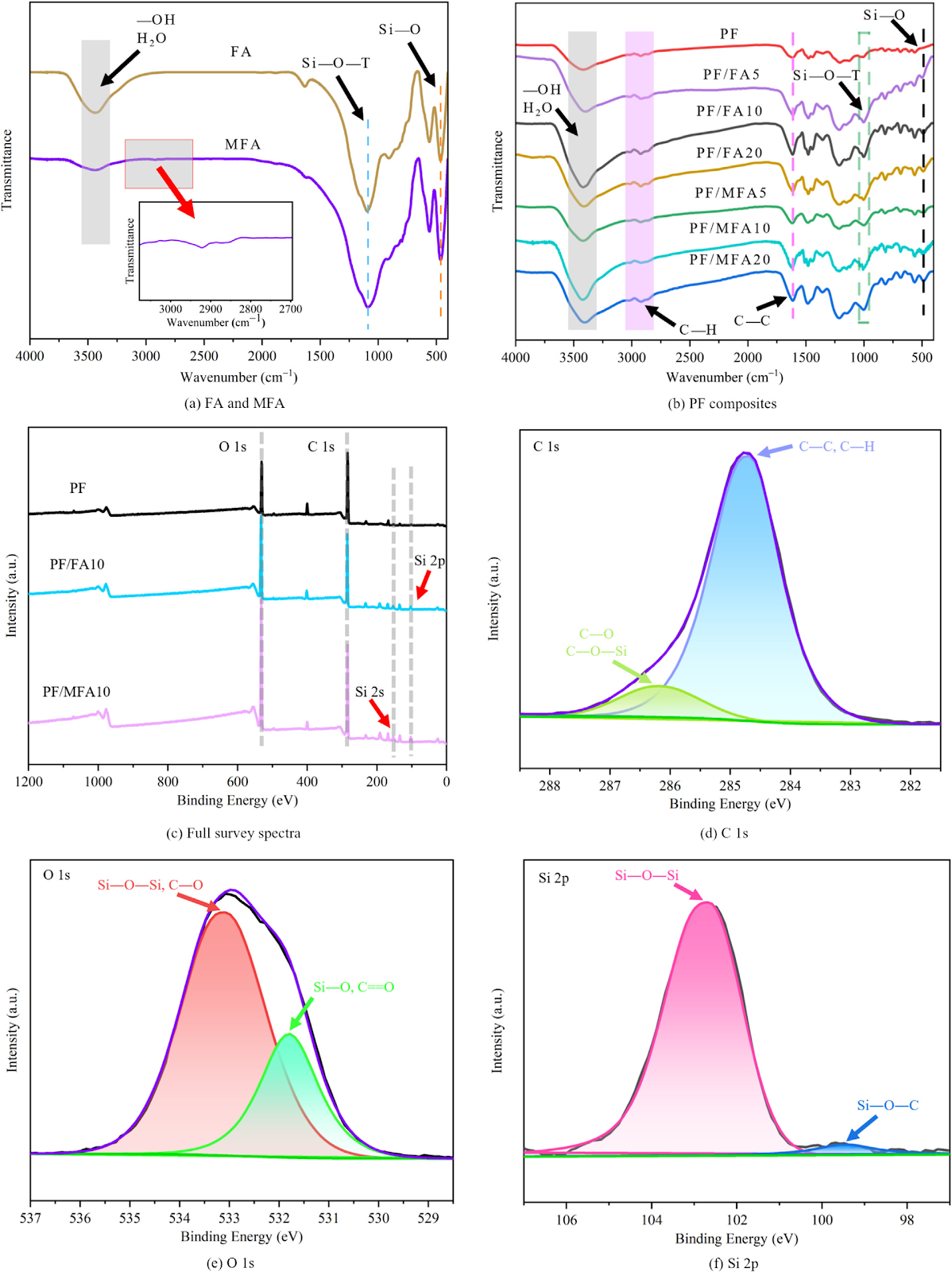
Enhancing performance of mining phenolic filling materials by tailoring closed cell morphology with fly ash geopolymer

Authors: Yi Zhang, Xiaotian Nan, Sitong Zhang, Lan Jia, Fengbo Zhu, Wenwen Yu, Qiang Zheng

Phenolic foam (PF) has attracted growing attention in plugging areas due to its lightweight, flame retardancy and high fillability, yet its friable character and high reaction temperature severely weaken its potentials toward practical coal mining applications. Herein, a novel phenolic composite material filled with modified fly ash (MFA) geopolymer has been proposed to address the above issues. By modifying fly ash (FA) particles with siloxanes, robust interfacial bonding between the organic PF polymer and inorganic geopolymer network has been established, which enables modulation of their micro-morphologies to optimize their macro performances. The foam structure of PF evolves from an open-cell to a closed-cell morphology with the incorporation of MFA, leading to a decreased pulverization ratio (41%) while enhanced mechanical properties (15%). Compared with neat PF, the composite exhibits faster gelation dynamics during curing, with a maximum reaction temperature as low as only 40 °C. PF/MFA composite show high reliability against gas leakage during a laboratory designed coal mine plugging test. Furthermore, the formation of a silica hybrid char layer with higher graphitization degree and a multiple continuous closed-cell structure following the combustion of PF/MFA effectively inhibits the release of combustible volatiles and toxic gases. It is provided that this strategy of geopolymer filled polymer cross-linking networks with tunable morphology opens up an avenue for advanced mining phenolic filling materials.

Enhancing performance of mining phenolic filling materials by tailoring closed cell morphology with fly ash geopolymer
Graphical Abstract
Original ResearchVol. 32, Issue 6 • pp. 100-112DOI: 10.1016/j.ijmst.2025.06.007Jan 15, 2025

Microscopic phase evolution mechanism of lithium slag and fiber synergistically enhancing concrete toughness: Perspective of preventing coal-rock dynamic disasters through energy absorption

Authors: Xuyang Bai, Junwen Zhang, Yulin Li, Zeyu Liu, Zhixiang Song, Yang Zhang, Xukai Dong, Weizheng Xu, Xian Li, Shaokang Wu

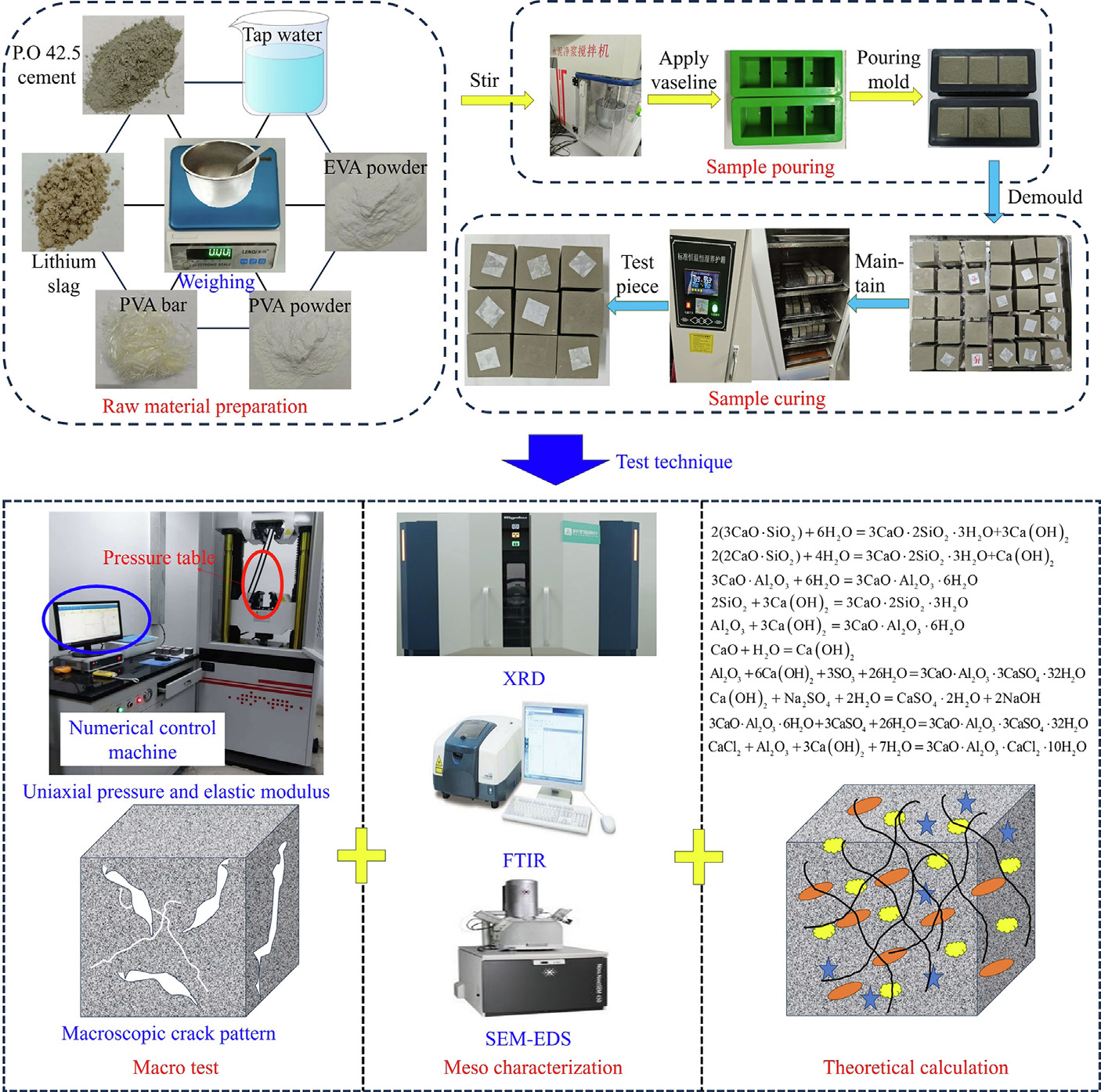
Coal and rock dynamic disasters are always major hidden dangers threatening mine safety production. Many researchers use cement concrete material as filling and energy-absorption materials. However, the current material toughness is not sufficient to meet the requirements of mine disaster prevention. Based on this, in order to find the optimal-ratio material that combines strength and toughness, the synergistic mechanism of lithium slag (LS), ethylene–vinyl acetate (EVA) copolymer, and polyvinyl alcohol (PVA) fiber mixtures in improving the mechanical properties of cement concrete, as well as the mechanism of microscopic phase evolution, was analyzed through macroscopic experiments, mesoscopic characterization, microscopic analysis, theoretical calculations, and comprehensive evaluation. The stress-strain curves obtained from the uniaxial compressive strength tests of specimens with different admixtures and fibers were investigated, and the characteristics of different stages were analyzed. The mechanical properties of different admixtures and fiber-reinforced materials, including their advantages and disadvantages, were compared through weighted comprehensive evaluation. The entire process of material failure, ranging from pore compaction, crack initiation, crack propagation, specimen instability to crack penetration, was explained via macroscopic fracture morphology, and the mechanical mechanism of how different admixtures affect the mechanical properties of concrete materials was revealed. The microscopic mechanism and the phase-evolution process of how the admixture affects concrete properties were elucidated using X-ray diffraction (XRD), hydration reaction theory, and Fourier transform infrared spectroscopy (FTIR). Furthermore, scanning electron microscopy-energy dispersive spectroscopy (SEM-EDS) was used to reveal the interfacial pore state and element distribution of the internal microstructure of concrete. The results show that PVA fiber bars can play the role of a ''skeleton bridge'' to improve the toughness of materials. LS can effectively promote the hydration process and cooperate with PVA fiber bars to enhance the mechanical properties of the material. EVA will inhibit the hydration reaction and degrade the material's mechanical properties through the ''organic isolation'' effect. In addition, the on-site application has proven that the R3-group materials in this study can effectively inhibit the deformation of the roadway and possess strong reliability. Finally, the advantages and feasibility of LS-and-fiber-reinforced concrete were discussed from four perspectives: environmental protection, economy, disaster prevention, and development. This paper is expected to provide technical reference for the large-scale disposal of solid waste LS, the performance-optimization direction of concrete materials, and the prevention and control of coal and rock dynamic disasters.

Microscopic phase evolution mechanism of lithium slag and fiber synergistically enhancing concrete toughness: Perspective of preventing coal-rock dynamic disasters through energy absorption
Graphical Abstract
Original ResearchVol. 32, Issue 6 • pp. 100-112DOI: 10.1016/j.ijmst.2025.06.002Jan 15, 2025

Failure mechanisms and mechanical behavior of wedge-containing tunnel roof rock mass under biaxial loading

Authors: Ruiyang Bi, Chaoshui Xu, Minghui Liu, Kun Du

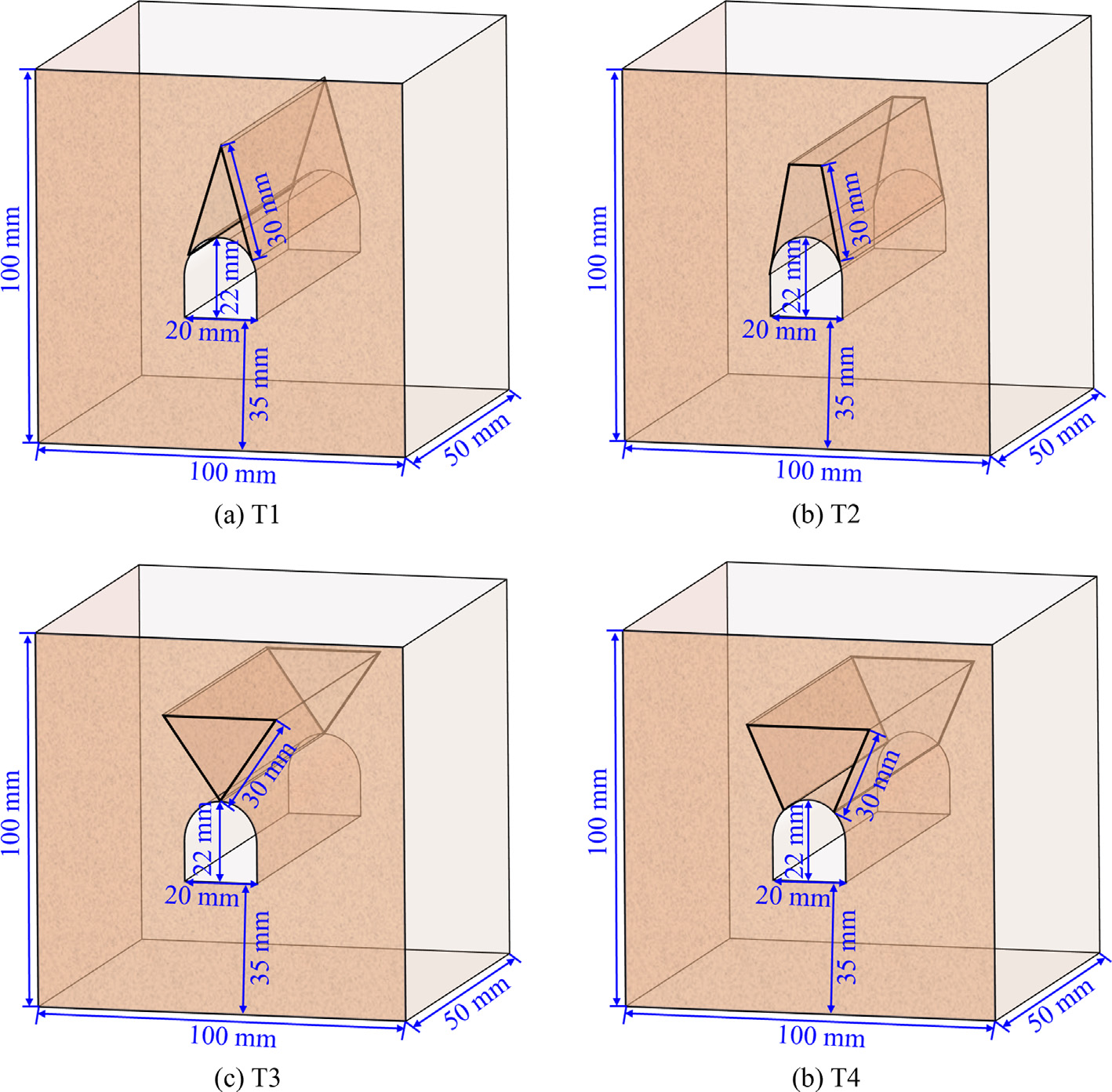
The stability of underground tunnel roofs is strongly influenced by wedge blocks formed by complex joint networks. The mechanical behavior and failure mechanisms of different roof wedge blocks in arched holes were investigated under biaxial stress conditions. The crack evolution and failure modes of the specimens were analyzed through acoustic emission (AE), digital image correlation (DIC), and discrete element method (DEM). Results show significant variations in mechanical properties: specimens T1 (extremely unstable triangular) and T2 (extremely unstable quadrilateral) exhibited higher strength than T3 (extremely stable triangular) and T4 (extremely stable quadrilateral), while support more effectively enhanced the strength of T3 and T4. Failure modes were classified as rock-dominated, wedge-dominated, or co-dominated. Cracks typically initiated near the wedge and propagated outward. Unsupported specimens developed tensile cracks at the hole bottom, shear cracks at the sides, and mixed cracks along wedge boundaries, whereas supported specimens mainly exhibited cracks at the roof and sides. Stress analysis indicated that unsupported conditions induced high stress differences, promoting localized shear failure. Wedge geometry significantly affected shear stress redistribution at the roof. These findings highlight the critical role of support and wedge block geometry in controlling stress distribution and failure mechanisms in arched tunnels.

Failure mechanisms and mechanical behavior of wedge-containing tunnel roof rock mass under biaxial loading
Graphical Abstract
Original ResearchVol. 32, Issue 6 • pp. 100-112DOI: 10.1016/j.ijmst.2025.06.011Jan 15, 2025

Impact of surface irregularities on coal wall stability and support mechanisms: Insights from physical and numerical experiments

Authors: Jiachen Wang, Xiang Yu, Zhong Huang, Lianghui Li, Yubing Wang

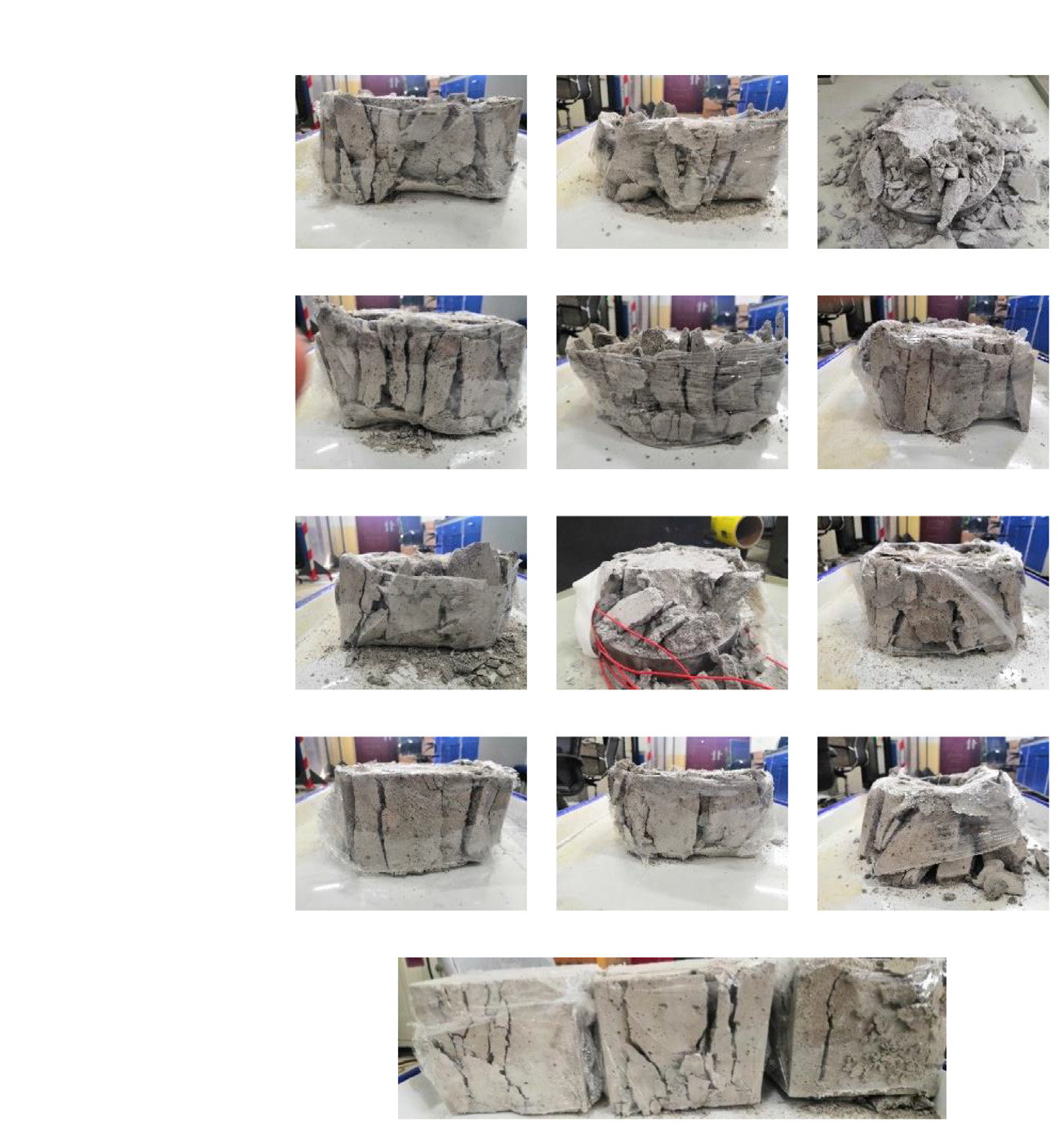
Coal wall stability is a critical factor influencing coal mining efficiency and threatens the safety of working faces, where irregular coal wall surfaces significantly affect the contact and support effectiveness of the support plate, thereby impacting stability. Through a combination of theoretical analysis, mechanical testing, and numerical simulations, this study establishes a mechanical model of irregular coal wall surfaces to investigate the effects of the undulation period and undulation height on coal wall failure characteristics. This research reveals the mechanical response mechanisms of irregular coal wall surfaces and proposes an innovative method to enhance coal wall stability by improving the supporting cushion material of the support plate, which was validated through numerical simulations. The results show that the undulation height and undulation period significantly influence the macroscopic mechanical parameters of the samples, with the undulation height exerting a more pronounced effect. The strength of the samples with undulating surfaces is approximately 50%–60% that of the samples with flat surfaces. The failure mode under uniaxial compression is predominantly tensile, resulting in long and slender block fragments with a characteristic ''III''-shaped tensile fracture pattern. During the loading process, samples with undulating surfaces dissipate energy at all stages, with a greater proportion of energy dissipation occurring during the early loading stage because of structural damage and the formation of internal cracks. The surface compressive and tensile stresses are correlated with the curvature radius of the convex surface and the elastic modulus of the supporting plate. Reducing the elastic modulus of the supporting plate material can effectively alleviate the stress concentration at convex locations and increase the peak strength. This study provides theoretical foundations and technical references for the prevention and control of coal wall spalling in deep thick coal seam mining.

Impact of surface irregularities on coal wall stability and support mechanisms: Insights from physical and numerical experiments
Graphical Abstract
Original ResearchVol. 32, Issue 6 • pp. 100-112DOI: 10.1016/j.ijmst.2025.06.009Jan 15, 2025

Shear mechanical properties of loaded rock under drilling and dynamic load and its influence on the plastic zone of roadway

Authors: Yujiang Zhang, Bingyuan Cui, Guorui Feng, Chunwang Zhang, Yuxia Guo, Shuai Zhang, Zhengjun Zhang

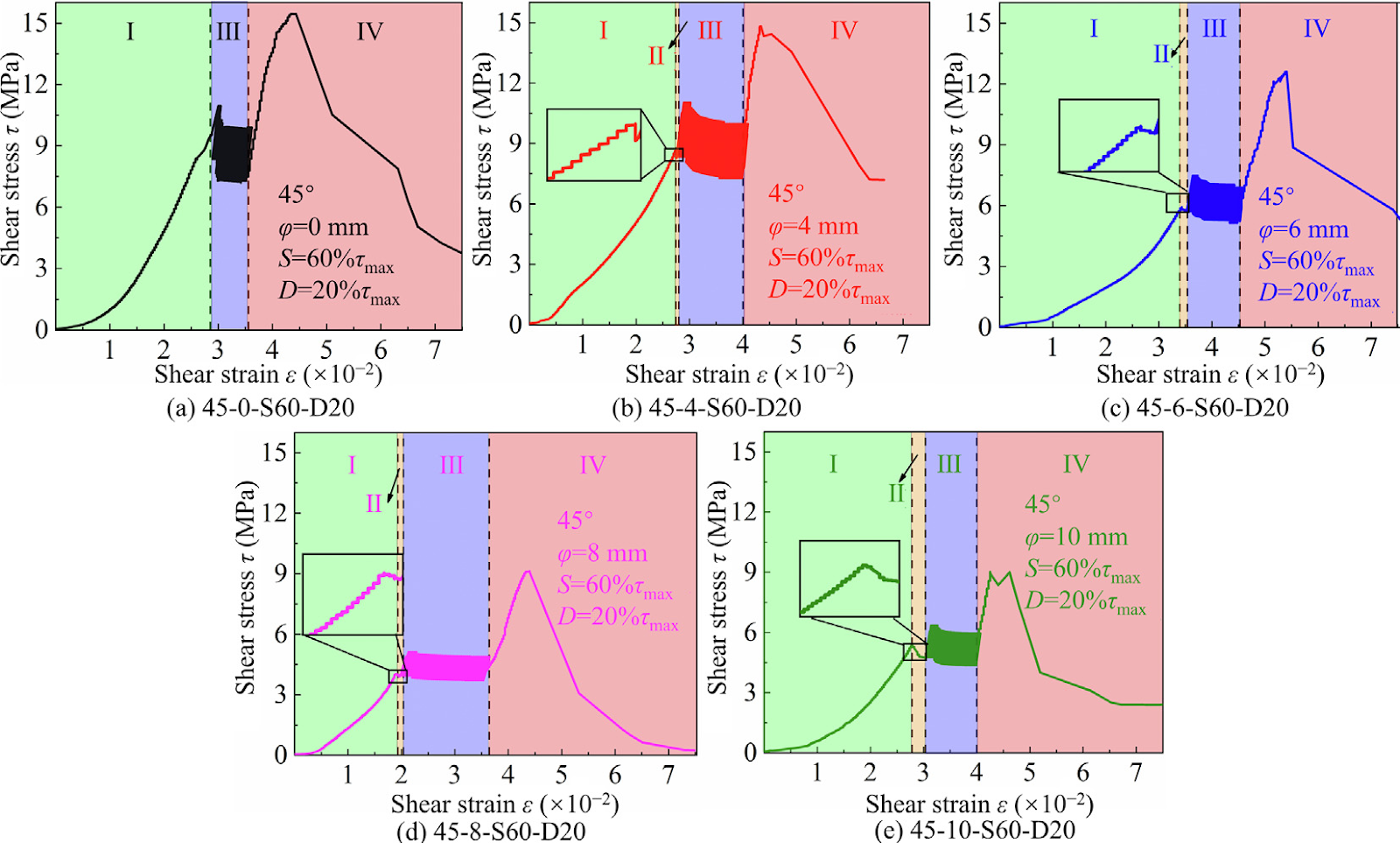
Borehole pressure relief helps prevent rock bursts. However, this may change the physical and mechanical properties of the surrounding rock, affect the variation of the plastic zone of the roadway, and lead to the failure of roadway support, thus threatening the safety of the roadway. In this paper, the variable angle shear test of drilled specimens under the action of static and dynamic loads is used to study the evolution of mechanical parameters of the specimens and their influence on the plastic zone of the surrounding rock. The shear strength decreases linearly with the increase of drilling diameter. With the increase of pre-static load level and dynamic load amplitude, the cohesion first increases and then decreases, and the internal friction angle decreases. Moreover, the shear failure surface changes from rough to smooth. The reasons include that the static load enhances the tooth cutting effect and the repeated friction of cracks caused by the dynamic load. Borehole pressure relief leads to an increase in the radius of the plastic zone of the surrounding rock following a quadratic function. The research results of this paper provide a theoretical basis for designing drilling unloading parameters and supporting parameters for rock burst roadways.

Shear mechanical properties of loaded rock under drilling and dynamic load and its influence on the plastic zone of roadway
Graphical Abstract
Original ResearchVol. 32, Issue 6 • pp. 100-112DOI: 10.1016/j.ijmst.2025.06.006Jan 15, 2025

Damage evolution and failure modes of coal-concrete composites with varying height ratios under cyclic loading

Authors: Renbo Gao, Fei Wu, Cunbao Li, Chunfeng Ye, Qingchuan He, Heping Xie

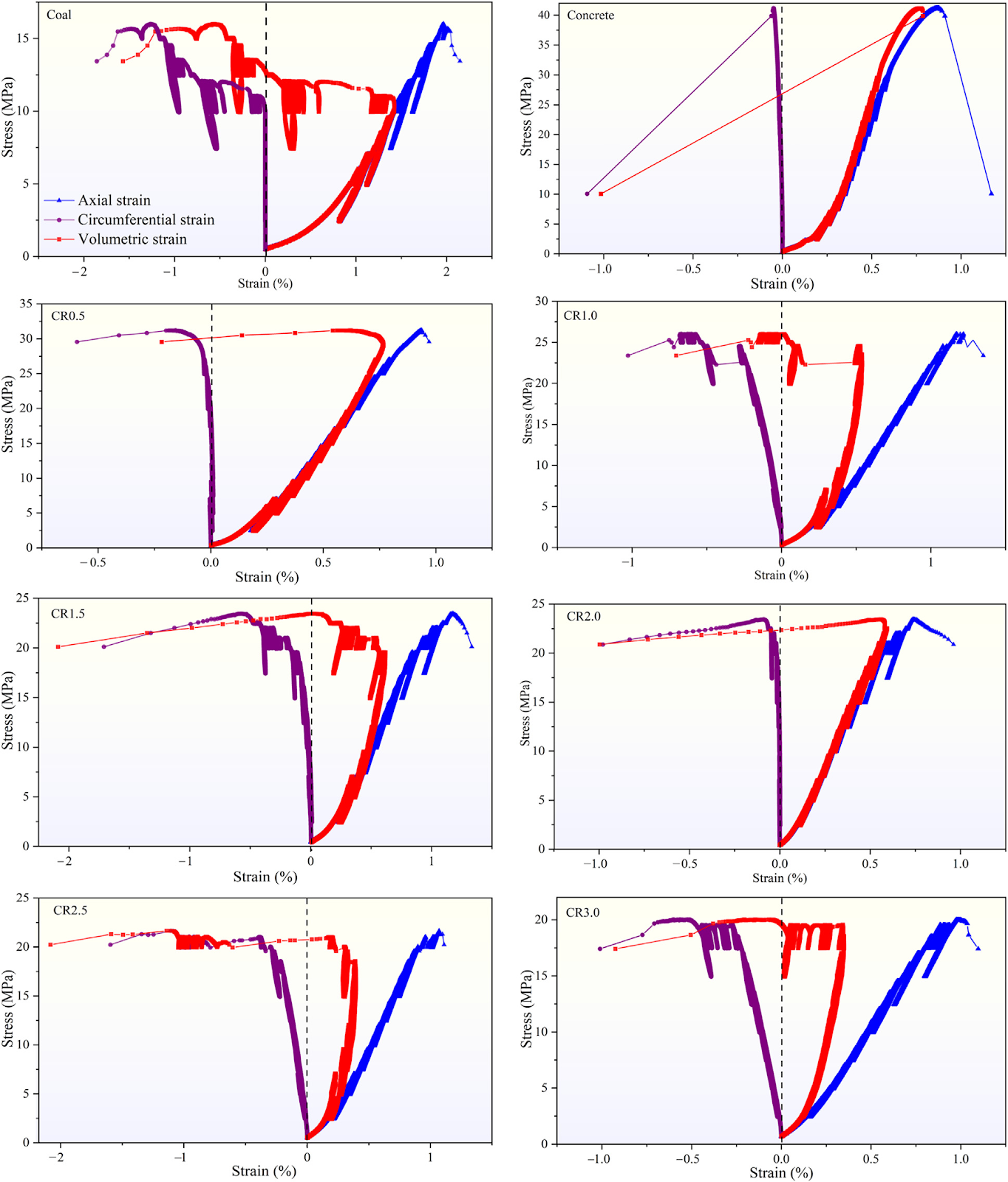
To ensure the safe implementation of underground reservoirs in abandoned coal mines, this study explores the mechanical behavior and failure mechanisms of coal-concrete composite structures under staged cyclic loading. Specimens with coal-to-concrete height ratios ranging from 0.5:1 to 3:1 were tested, with damage evolution continuously monitored using acoustic emission techniques. Results indicate that while the peak strength of pure materials decreases by approximately 1 MPa under cyclic stress compared to uniaxial compression, composite specimens exhibit strength enhancements exceeding 5 MPa. However, the peak strength of composite specimens decreases with increasing coal height, from 30 MPa at CR0.5 to 20 MPa at CR3.0. The damage state was assessed using the dynamic elastic strain energy index and Felicity ratio, which revealed that composite specimens are more prone to early damage accumulation. Spatial acoustic emission localization further reveals distinct failure modes across specimens with varying height ratios. To elucidate these differences, interfacial effects were incorporated into a modified twin-shear unified strength theory. The refined model accurately predicts the internal strength distribution and failure characteristics of the composite structures. These findings provide a theoretical basis for the structural design and safe operation of underground reservoir dams.

Damage evolution and failure modes of coal-concrete composites with varying height ratios under cyclic loading
Graphical Abstract
Original ResearchVol. 32, Issue 6 • pp. 100-112DOI: 10.1016/j.ijmst.2025.06.004Jan 15, 2025

Large system study of chalcopyrite and pyrite flotation surfaces based on SCC-DFTB parameterization method

Authors: Jianhua Chen, Yibing Zhang

In recent years, the study of chalcopyrite and pyrite flotation surfaces using computational chemistry methods has made significant progress. However, current computational methods are limited by the small size of their systems and insufficient consideration of hydration and temperature effects, making it difficult to fully replicate the real flotation environment of chalcopyrite and pyrite. In this study, we employed the self-consistent charge density functional tight-binding (SCC-DFTB) parameterization method to develop a parameter set, CuFeOrg, which includes the interactions between Cu-Fe-C-H-O-N-S-P-Zn elements, to investigate the surface interactions in large-scale flotation systems of chalcopyrite and pyrite. The results of bulk modulus, atomic displacement, band structure, surface relaxation, surface Mulliken charge distribution, and adsorption tests of typical flotation reagents on mineral surfaces demonstrate that CuFeOrg achieves DFT-level accuracy while significantly outperforming DFT in computational efficiency. By constructing large-scale hydration systems of mineral surfaces, as well as large-scale systems incorporating the combined interactions of mineral surfaces, flotation reagents, and hydration, we more realistically reproduce the actual flotation environment. Furthermore, the dynamic analysis results are consistent with mineral surface contact angle experiments. Additionally, CuFeOrg lays the foundation for future studies of more complex and diverse chalcopyrite and pyrite flotation surface systems.

Large system study of chalcopyrite and pyrite flotation surfaces based on SCC-DFTB parameterization method
Graphical Abstract