SinoTechIntel Academic Portal
🏛️ Indexed Academic JournalImpact Factor: 3.8

Int. Journal of Mining Science and Technology (采矿与安全工程)

Authoritative peer-reviewed journal in materials science, metallurgy, chemistry and engineering technologies: Int. Journal of Mining Science and Technology (采矿与安全工程)

Total Research Papers: 147
Access: 100% Free Open Access
Browse by Publication Year & VolumeReset All Filters ✕

Published Research PapersFiltered: Year 2025 • Vol. 32 • 2

Showing 10 of 147 peer-reviewed papers with full Graphical Abstracts.

Original ResearchVol. 32, Issue 2 • pp. 100-112DOI: 10.1016/j.ijmst.2025.02.002Jan 15, 2025

Development and application of rock rheological constitutive model considering dynamic stress field and seepage field

Authors: CHEN Yian, ZHAO Guangming, XU Wensong, PENG Shoujian, XU Jiang

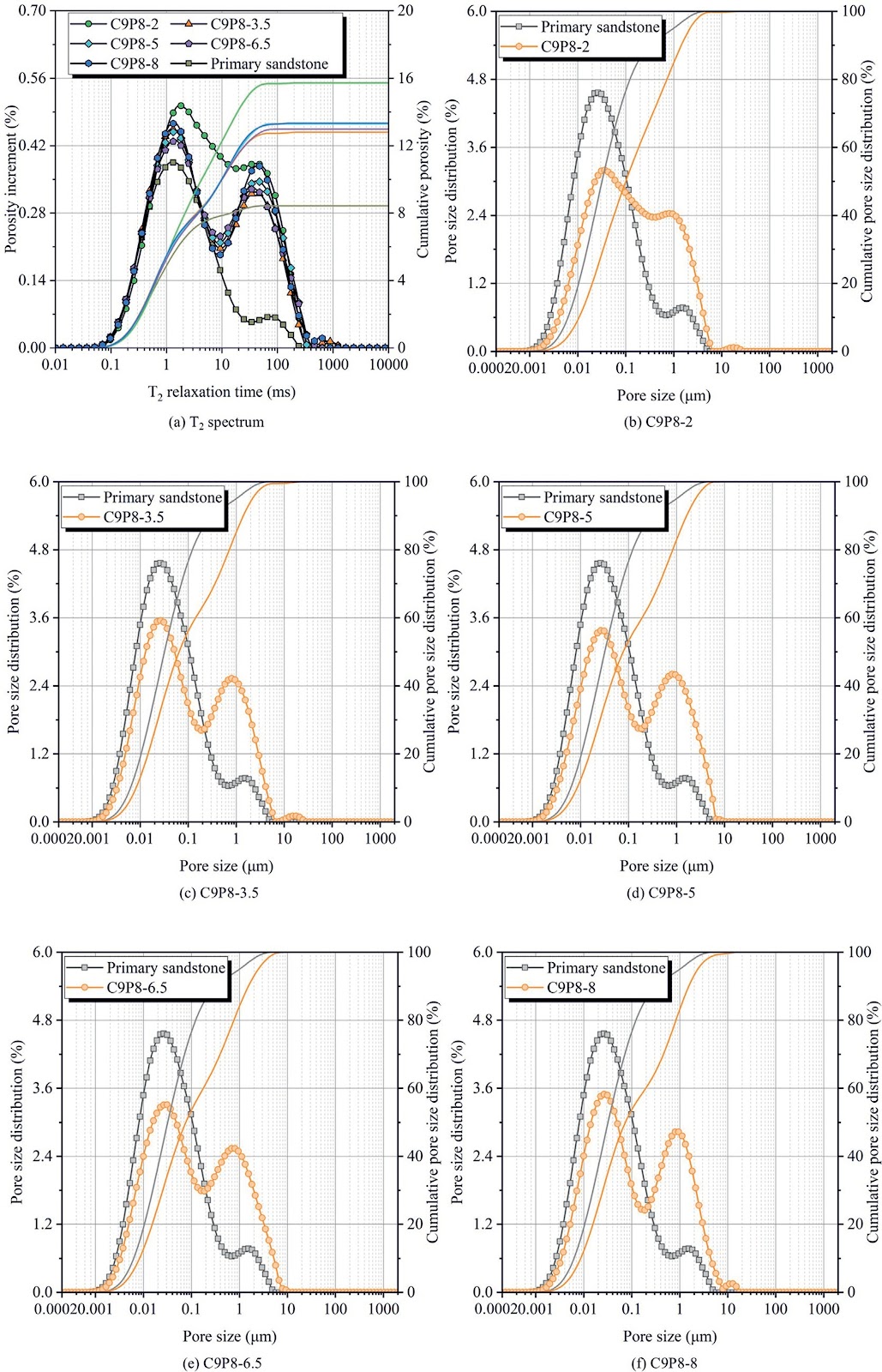
The generalized rheological tests on sandstone were conducted under both dynamic stress and seepage fields. The results demonstrate that the rheological strain of the specimen under increased stress conditions is greater than that under creep conditions, indicating that the dynamic stress field significantly influences the rheological behaviours of sandstone. Following the rheological tests, the number of small pores in the sandstone decreased, while the number of medium-sized pores increased, forming new seepage channels. The high initial rheological stress accelerated fracture compression and the closure of seepage channels, resulting in reduction in the permeability of sandstone. Based on the principles of generalized rheology and the experimental findings, a novel rock rheological constitutive model incorporating both the dynamic stress field and seepage properties has been developed. Numerical simulations of surrounding rock deformation in geotechnical engineering were carried out using a secondary development version of this model, which confirmed the applicability of the generalized rheological numerical simulation method. These results provide theoretical support for the long-term stability evaluation of engineering rock masses and for predicting the deformation of surrounding rock.
Development and application of rock rheological constitutive model considering dynamic stress field and seepage field
Graphical Abstract
Original ResearchVol. 32, Issue 2 • pp. 100-112DOI: 10.1016/j.ijmst.2025.02.011Jan 15, 2025

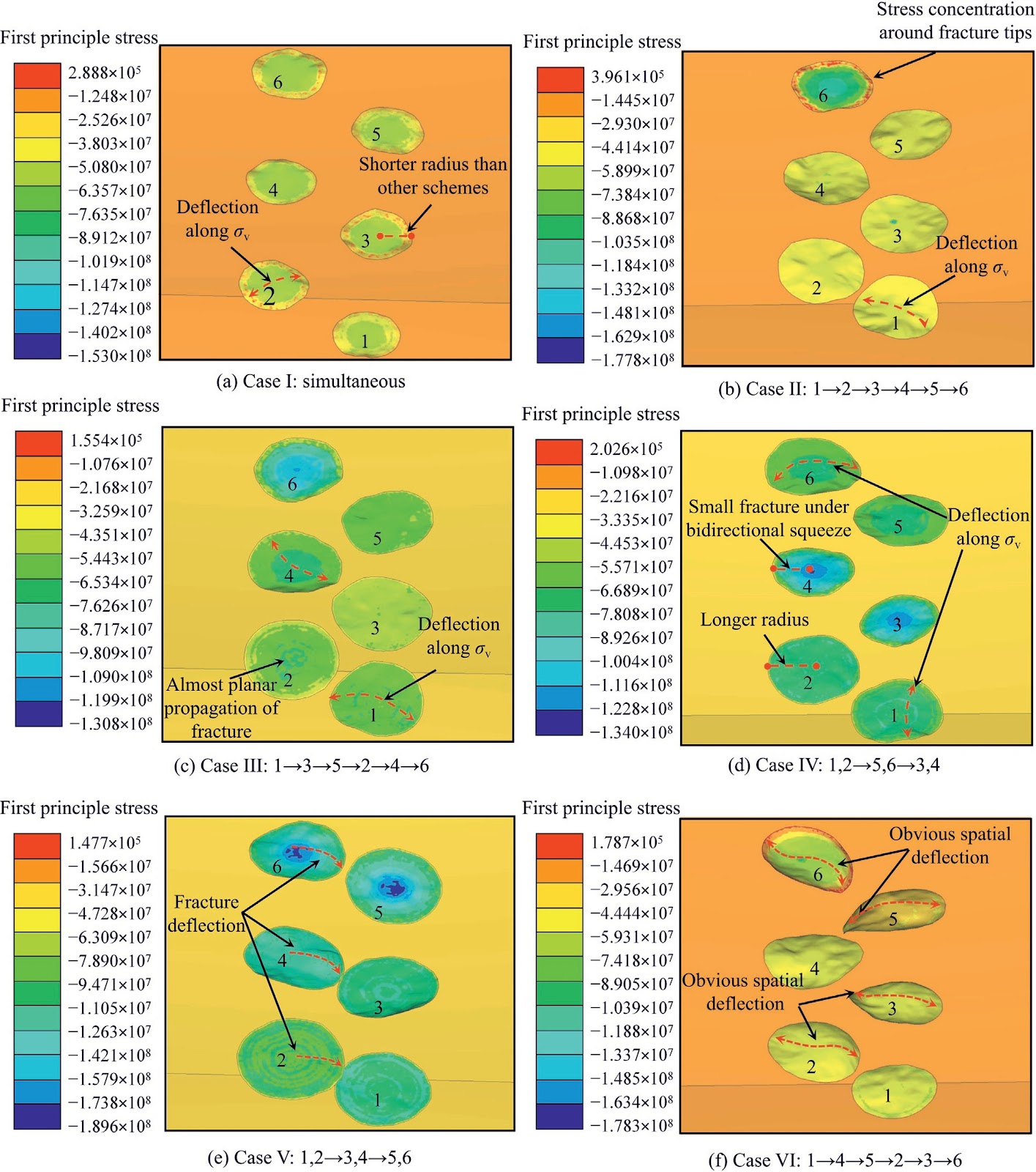
Reorientation of hydraulic fractures and stress-shadow effect in double-well fracturing of hydrocarbon reservoirs: 3D numerical model and analysis

Authors: JU Yang, LI Yang, YANG Yongming, WANG Yongliang

Multistage fracturing technology has been used to enhance tight hydrocarbon resource recovery. Determining the proper well spacing and fracturing strategy is crucial for generating a complex fracture network that facilitates oil and gas flow in reservoirs. The stress-shadow effect that occurs between multiple wells significantly affects the development of fracture networks in reservoirs. However, the quantification of the stress-shadow effect and its influence on fracture networks has not been satisfactorily resolved because of the difficulties in detecting and identifying fracture propagation and reorientation in reservoirs. In this study, based on the geological information from the Shengli oilfield, we applied a hybrid finite element-discrete element method to analyze engineering-scale three-dimensional fracture propagation and reorientation by altering well spacings and fracturing strategies. The results indicate that the fracturing area generated by the synchronous fracturing scheme is much smaller than those generated by the sequential and alternative schemes. An alternative hydrofracturing scheme is optimal with respect to fracturing area. The stress-blind area was defined to quantify the mechanical disturbance between adjacent wells. Our study improves the understanding of the effect of fracturing schemes on fracture networks and the impact of independent factors contributing to stress-shadow effects.

Reorientation of hydraulic fractures and stress-shadow effect in double-well fracturing of hydrocarbon reservoirs: 3D numerical model and analysis
Graphical Abstract
Original ResearchVol. 32, Issue 2 • pp. 100-112DOI: 10.1016/j.ijmst.2025.02.007Jan 15, 2025

Research on rock crack contact model considering linked substances based on particle flow method

Authors: XIAO Fukun, XIE Kai, SHAN Lei, LIU Gang, LI Lianchong, FEDOTOVA Iuliia

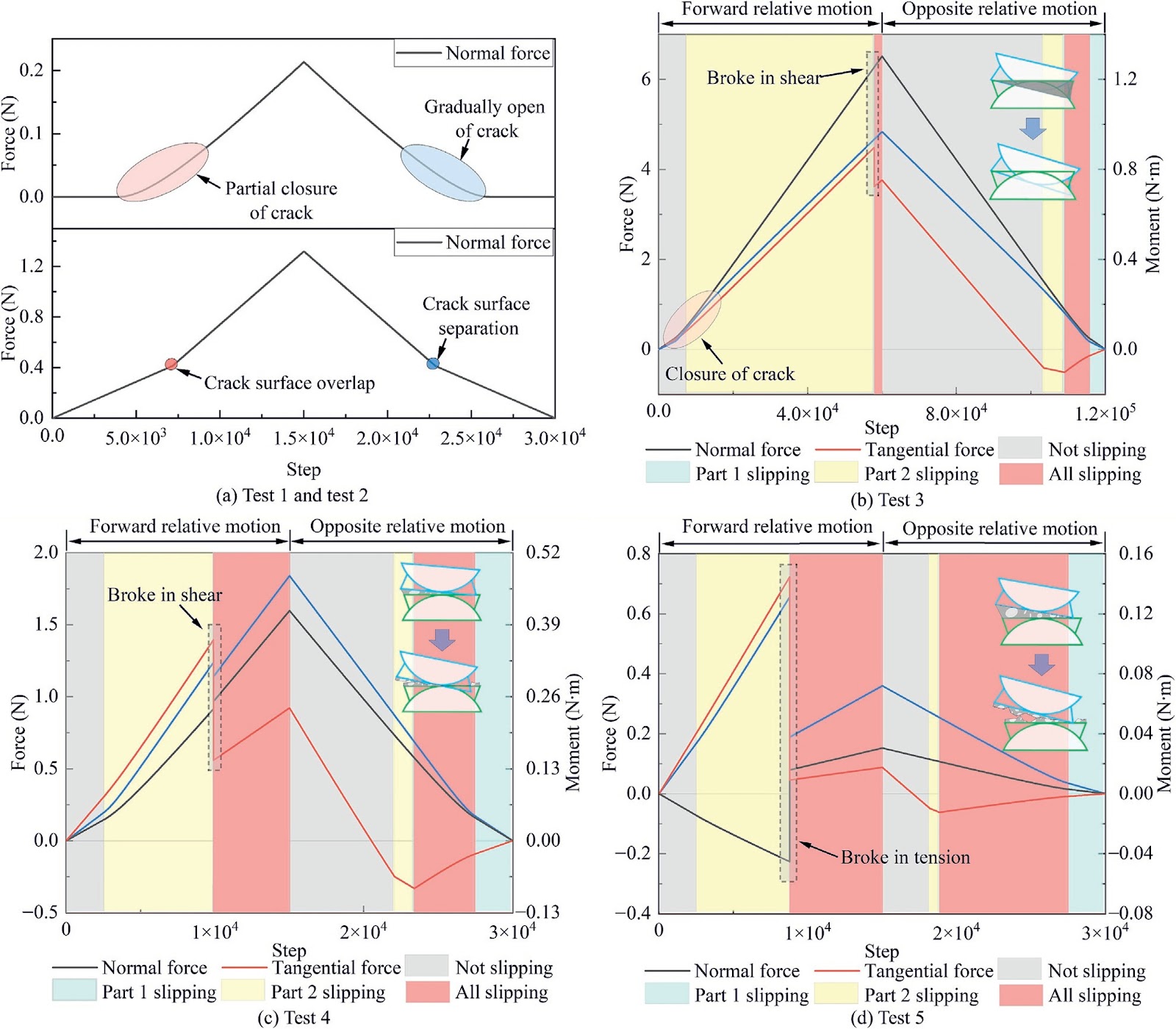
The models constructed by particle flow simulation method can effectively simulate the heterogeneous substance characteristics and failure behaviors of rocks. However, existing contact models overlook the rock cracks, and the various simulation methods that do consider cracks still exhibit certain limitations. In this paper, based on Flat-Joint model and Linear Parallel Bond model, a crack contact model considering linked substance in the crack is proposed by splitting the crack contact into two portions: linked portion and unlinked portion for calculation. The new contact model considers the influence of crack closure on the contact force-displacement law. And a better compressive tensile strength ratio (UCS/T) was obtained by limiting the failure of the contact bond to be solely controlled by the contact force and moment of the linked portion. Then, by employing the FISH Model tool within the Particle Flow Code, the contact model was constructed and verified through contact force–displacement experiments and loading-unloading tests with cracked model. Finally, the contact model was tested through simulations of rock mechanics experiments. The results indicate that the contact model can effectively simulate the axial and lateral strain laws of rocks simultaneously and has a relatively good reproduction of the bi-modularity of rocks.

Research on rock crack contact model considering linked substances based on particle flow method
Graphical Abstract
Original ResearchVol. 32, Issue 2 • pp. 100-112DOI: 10.1016/j.ijmst.2025.02.001Jan 15, 2025

Borehole reinforcement based on polymer materials induced by liquid-gas phase transition in simulating lunar coring

Authors: Dingqiang Mo, Tao Liu, Zhiyu Zhao, Liangyu Zhu, Dongsheng Yang, Yifan Wu, Cheng Lan, Wenchuan Jiang, Heping Xie

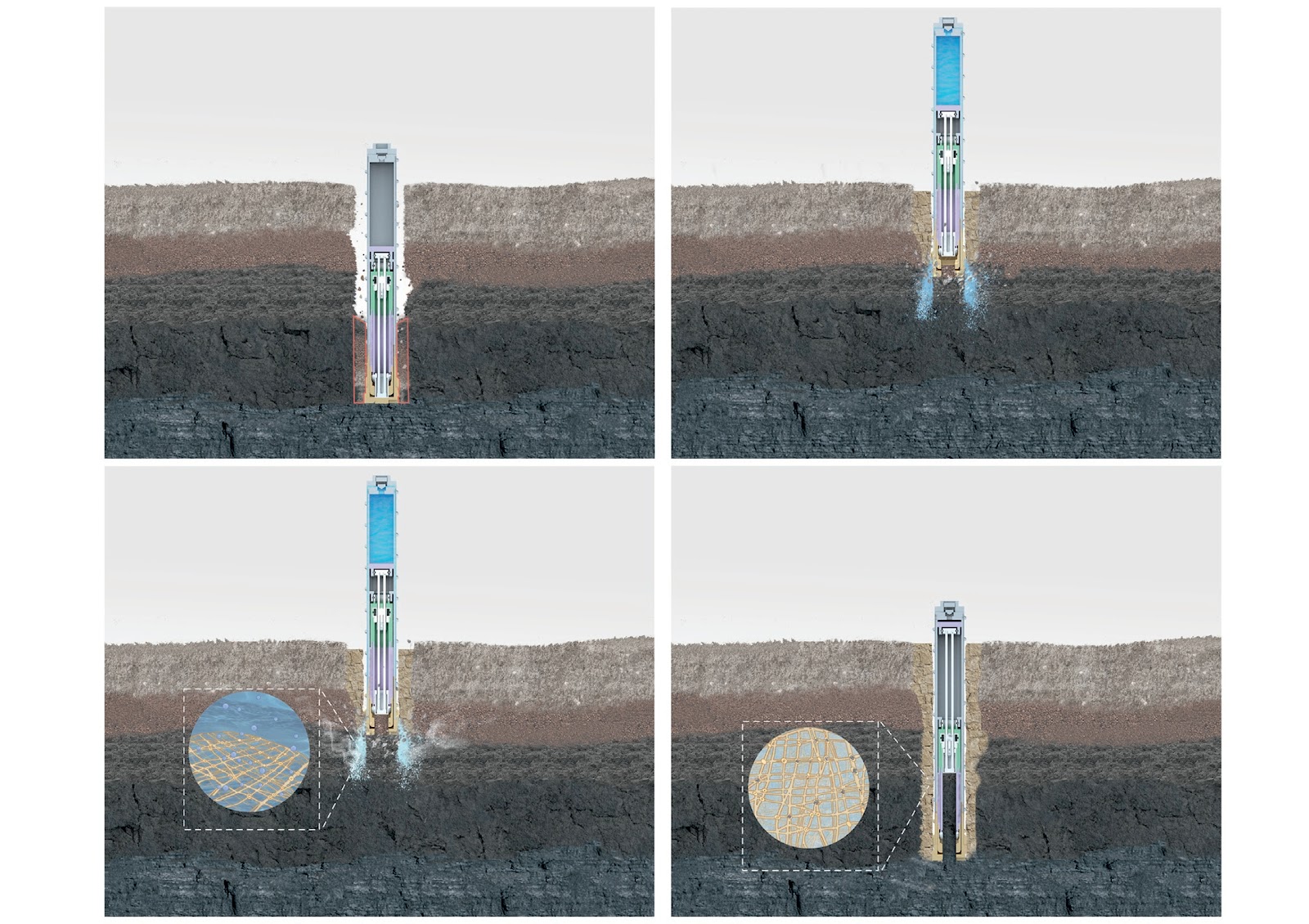
Lunar core samples are the key materials for accurately assessing and developing lunar resources. However, the difficulty of maintaining borehole stability in the lunar coring process limits the depth of lunar coring. Here, a strategy of using a reinforcement fluid that undergoes a phase transition spontaneously in a vacuum environment to reinforce the borehole is proposed. Based on this strategy, a reinforcement liquid suitable for a wide temperature range and a high vacuum environment was developed. A feasibility study on reinforcing the borehole with the reinforcement liquid was carried out, and it is found that the cohesion of the simulated lunar soil can be increased from 2 to 800 kPa after using the reinforcement liquid. Further, a series of coring experiments are conducted using a self-developed high vacuum (vacuum degree of 5 Pa) and low-temperature (between −30 and 50 ℃) simulation platform. It is confirmed that the high-boiling-point reinforcement liquid pre-placed in the drill pipe can be released spontaneously during the drilling process and finally complete the reinforcement of the borehole. The reinforcement effect of the borehole is better when the solute concentration is between 0.15 and 0.25 g/mL.

Borehole reinforcement based on polymer materials induced by liquid-gas phase transition in simulating lunar coring
Graphical Abstract
Original ResearchVol. 32, Issue 2 • pp. 100-112DOI: 10.1016/j.ijmst.2025.02.009Jan 15, 2025

Real-time monitoring and analysis of hydraulic fracturing in surface well using microseismic technology: Case insights and methodological advances

Authors: Yanan Qian, Ting Liu, Cheng Zhai, Hongda Wen, Yuebing Zhang, Menghao Zheng, Hexiang Xu, Dongyong Xing, Xinke Gan

Through a case analysis, this study examines the spatiotemporal evolution of microseismic (MS) events, energy characteristics, volumetric features, and fracture network development in surface well hydraulic fracturing. A total of 349 MS events were analyzed across different fracturing sections, revealing significant heterogeneity in fracture propagation. Energy scanning results showed that cumulative energy values ranged from 240 to 1060 J across the sections, indicating notable differences. Stimulated reservoir volume (SRV) analysis demonstrated well-developed fracture networks in certain sections, with a total SRV exceeding 1540000 m3. The hydraulic fracture network analysis revealed that during the mid-fracturing stage, the density and spatial extent of MS events significantly increased, indicating rapid fracture propagation and the formation of complex networks. In the later stage, the number of secondary fractures near fracture edges decreased, and the fracture network stabilized. By comparing the branching index, fracture length, width, height, and SRV values across different fracturing sections, Sections No. 1 and No. 8 showed the best performance, with high MS event densities, extensive fracture networks, and significant energy release. However, Sections No. 4 and No. 5 exhibited sparse MS activity and poor fracture connectivity, indicating suboptimal stimulation effectiveness.

Original ResearchVol. 32, Issue 2 • pp. 100-112DOI: 10.1016/j.ijmst.2025.02.004Jan 15, 2025

Fluid evolution and fragmentation characteristics under high pressure water jet impact on thermal rock

Authors: Jianming Shangguan, Zhaolong Ge, Qinglin Deng, Yuhuai Cui, Zhi Yao

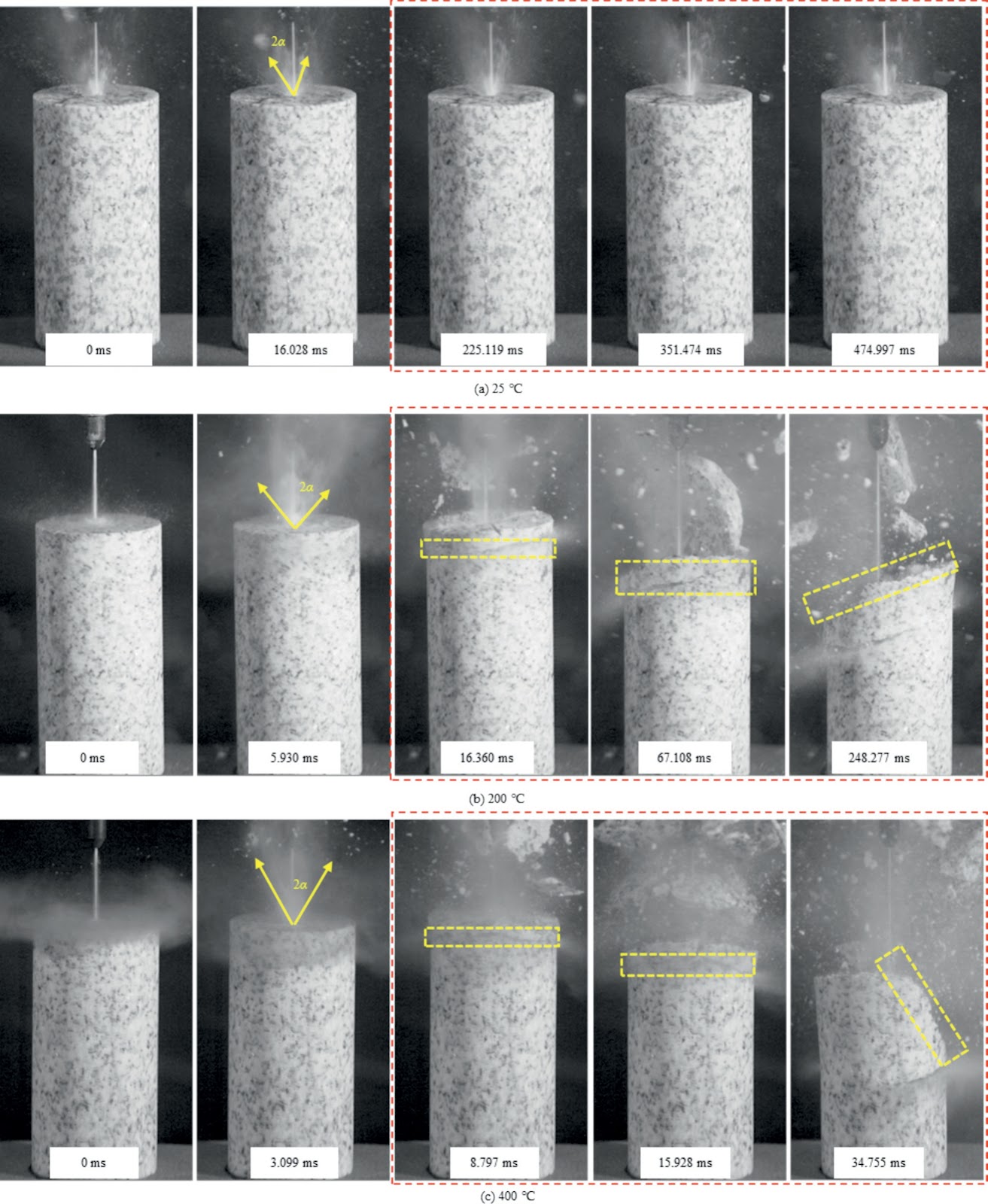
In the application of high-pressure water jet assisted breaking of deep underground rock engineering, the influence mechanism of rock temperature on the rock fragmentation process under jet action is still unclear. Therefore, the fluid evolution characteristics and rock fracture behavior during jet impingement were studied. The results indicate that the breaking process of high-temperature rock by jet impact can be divided into four stages: initial fluid-solid contact stage, intense thermal exchange stage, perforation and fracturing stage, and crack propagation and penetration stage. With the increase of rock temperature, the jet reflection angles and the time required for complete cooling of the impact surface significantly decrease, while the number of cracks and crack propagation rate significantly increase, and the rock breaking critical time is shortened by up to 34.5%. Based on numerical simulation results, it was found that the center temperature of granite at 400 °C rapidly decreased from 390 to 260 °C within 0.7 s under jet impact. In addition, a critical temperature and critical heat flux prediction model considering the staged breaking of hot rocks was established. These findings provide valuable insights to guide the water jet technology assisted deep ground hot rock excavation project.

Fluid evolution and fragmentation characteristics under high pressure water jet impact on thermal rock
Graphical Abstract
Original ResearchVol. 32, Issue 2 • pp. 100-112DOI: 10.1016/j.ijmst.2025.02.006Jan 15, 2025

Experimental insights into anchorage performance of en-echelon joints under cyclic shear loading

Authors: Bin Wang, Qiangyong Zhang, Yujing Jiang, Kang Duan, Hongbin Chen

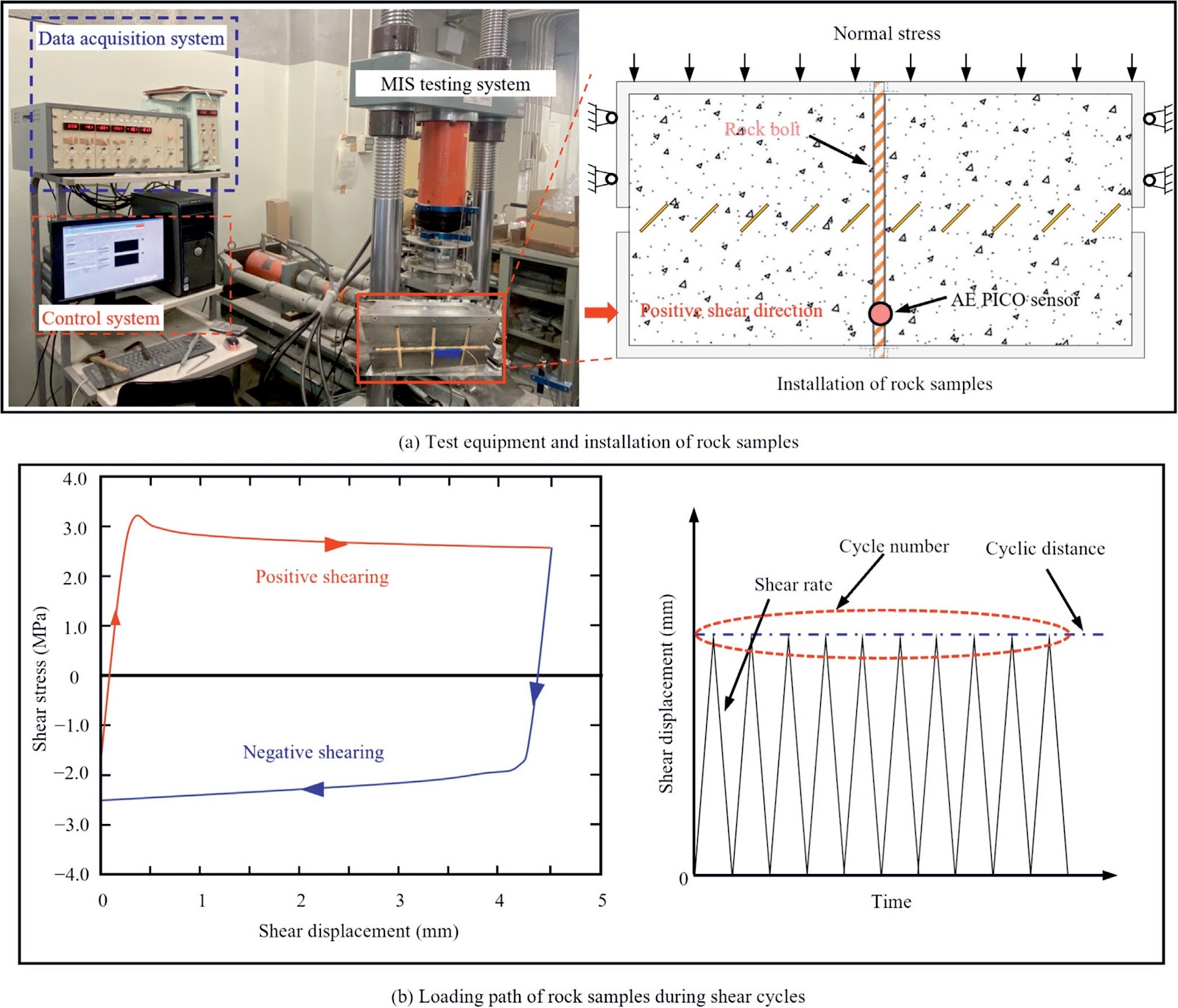
Understanding the anchorage performance of en-echelon joints under cyclic shear loading is crucial for optimizing support strategies in jointed rock masses. This study examines the anchorage effects on en-echelon joints with various orientations using laboratory cyclic shear tests. By comparing unbolted and bolted en-echelon joints, we analyze shear zone damage, shear properties, dilatancy, energy absorption, and acoustic emission characteristics to evaluate anchoring effects across shear cycles and joint orientations. Results reveal that bolted en-echelon joints experience more severe shear zone damage after cycles, with bolt deformation correlating to shear zone width. Bolted en-echelon joints exhibit faster shear strength deterioration and higher cumulative strength loss compared to unbolted ones, with losses ranging from 20.04% to 72.76%. The compressibility of en-echelon joints reduces the anchoring effect during shear cycles, leading to lower shear strength of bolted en-echelon joints in later stages of shear cycles compared to unbolted ones. Bolts reinforce en-echelon joints more effectively at non-positive angles, with the best performance observed at 0° and –60°. Anchorage accelerates the transition from rolling friction to sliding friction in the shear zone, enhancing energy absorption, which is crucial for rock projects under dynamic shear loading. Additionally, rock bolts expedite the transition of the cumulative AE hits and cumulative AE energy curves from rapid to steady growth, indicating that strong bolt-rock interactions accelerate crack initiation, propagation, and energy release.

Experimental insights into anchorage performance of en-echelon joints under cyclic shear loading
Graphical Abstract
Original ResearchVol. 32, Issue 2 • pp. 100-112DOI: 10.1016/j.ijmst.2025.02.010Jan 15, 2025

Eco-friendly collectors in apatite froth flotation: A review

Authors: Gabriela Budemberg, Rickard Jolsterå, Saeed Chehreh Chelgani

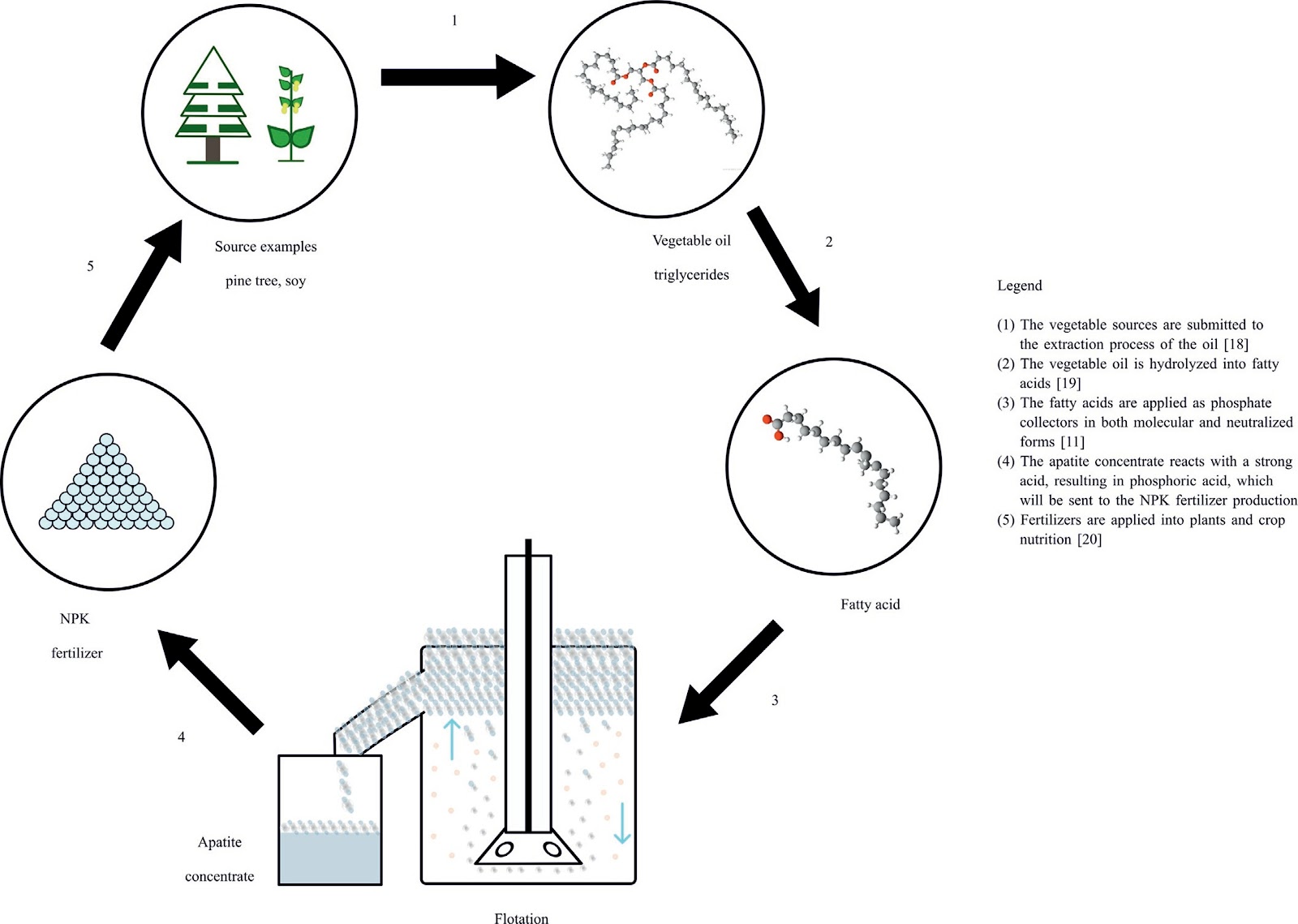
The global reliance on phosphate rock for agriculture and other industries, coupled with chemical regulations in developed countries, has driven the search for green alternatives in apatite flotation. This review investigates eco-friendly collectors’ effectiveness in promoting sustainable mineral processing, guiding future alternatives to traditional reagents. The manuscript discussed the surface properties of apatite and its interaction with eco-friendly collectors, assessing existing fundamental studies. This study sought to: (1) define, organize, and classify “eco-friendly” collectors; (2) evaluate their effect in IEP and contact angle; (3) provide a better understanding of the adsorption behavior of the different fatty acid chains into apatite surface; (4) assess their ability to reversely and directly float apatite; (5) address gaps to achieve selectivity and process optimization. Outcomes demonstrated that fatty acids are largely applied, but other renewable sources of these reagents have been promisingly evaluated. In addition, other natural reagents have been tested, and new green synthetics have demonstrated synergistic effects when combined with fatty acids, yielding significant improvements in grade and recovery. However, collector effectiveness varies with ore characteristics, like particle size and surface properties, which remain underexplored. Future research should design tailored collectors that align with mineralogical differences to enhance selectivity.

Eco-friendly collectors in apatite froth flotation: A review
Graphical Abstract
Original ResearchVol. 32, Issue 2 • pp. 100-112DOI: 10.1016/j.ijmst.2025.02.003Jan 15, 2025

A surrogate model for estimating rock stress by a hollow inclusion strain cell in a three-layer medium

Authors: Changkun Qin, Wusheng Zhao, Weizhong Chen, Peiyao Xie, Shuai Zhou

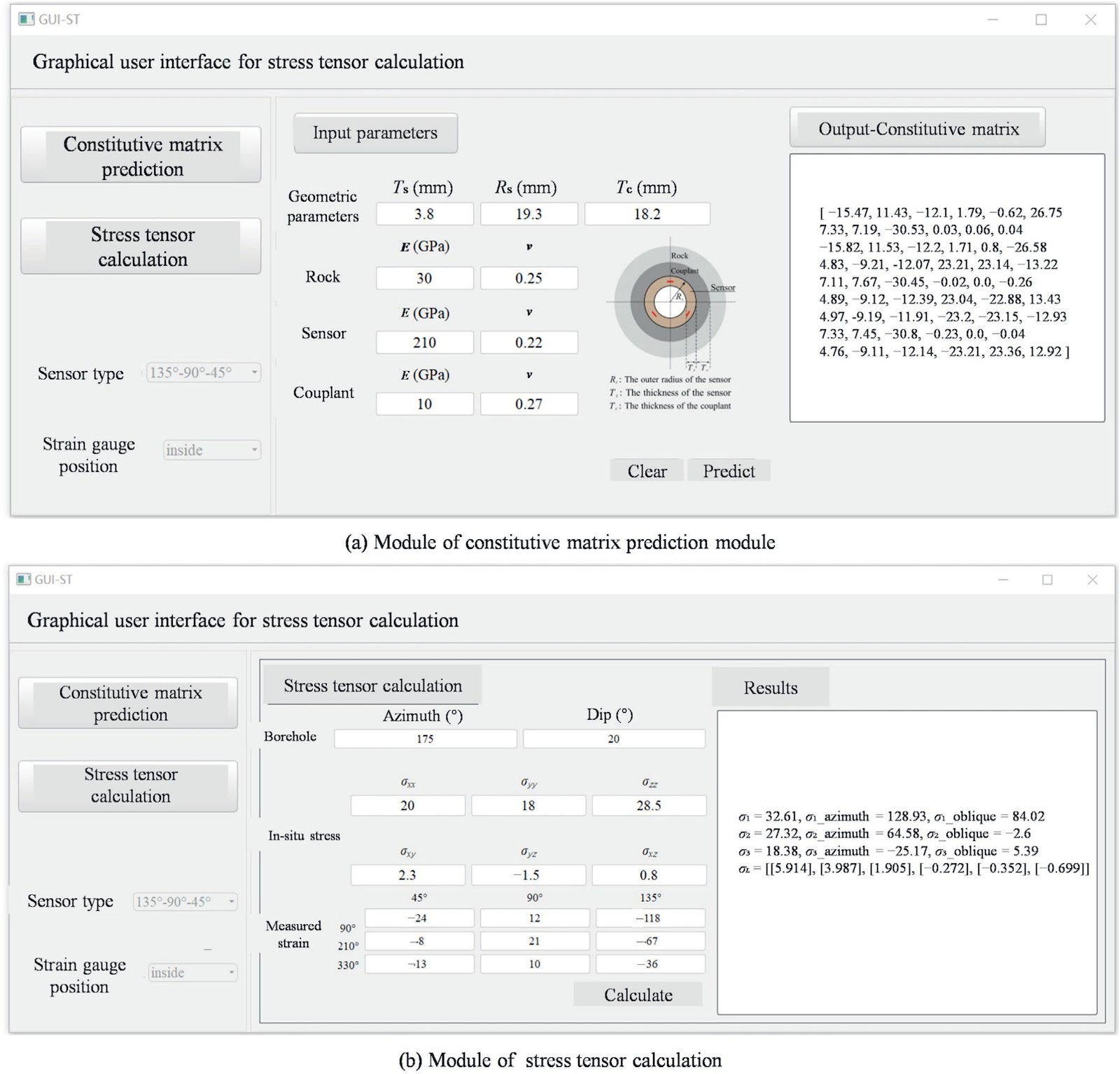
Accurate acquisition of the rock stress is crucial for various rock engineering applications. The hollow inclusion (HI) technique is widely used for measuring in-situ rock stress. This technique calculates the stress tensor by measuring strain using an HI strain cell. However, existing analytical solutions for stress calculation based on an HI strain cell in a double-layer medium are not applicable when an HI strain cell is used in a three-layer medium, leading to erroneous stress calculations. To address this issue, this paper presents a method for calculating stress tensors in a three-layer medium using numerical simulations, specifically by obtaining a constitutive matrix that relates strain measurements to stress tensors in a three-layer medium. Furthermore, using Latin hypercube sampling (LHS) and orthogonal experimental design strategies, 764 groups of numerical models encompassing various stress measurement scenarios have been established and calculated using FLAC3D software. Finally, a surrogate model based on artificial neural network (ANN) was developed to predict constitutive matrices, achieving a goodness of fit (R2) of 0.999 and a mean squared error (MSE) of 1.254. A software program has been developed from this surrogate model for ease of use in practical engineering applications. The method's accuracy was verified through numerical simulations, analytical solution and laboratory experiment, demonstrating its effectiveness in calculating stress in a three-layer medium. The surrogate model was applied to calculate mining-induced stress in the roadway roof rock of a coal mine, a typical case for stress measurement in a three-layer medium. Errors in stress calculations arising from the use of existing analytical solutions were corrected. The study also highlights the significant errors associated with using double-layer analytical solutions in a three-layer medium, which could lead to inappropriate engineering design.

A surrogate model for estimating rock stress by a hollow inclusion strain cell in a three-layer medium
Graphical Abstract
Original ResearchVol. 32, Issue 2 • pp. 100-112DOI: 10.1016/j.ijmst.2025.02.005Jan 15, 2025

Microstructural evolution and hydraulic response of shale self-propped fracture using X-ray computed tomography and digital volume correlation

Authors: HUANG Ting, ZHAI Cheng, LIU Ting, SUN Yong, XU Hexiang, WANG Yu, HUANG Jing

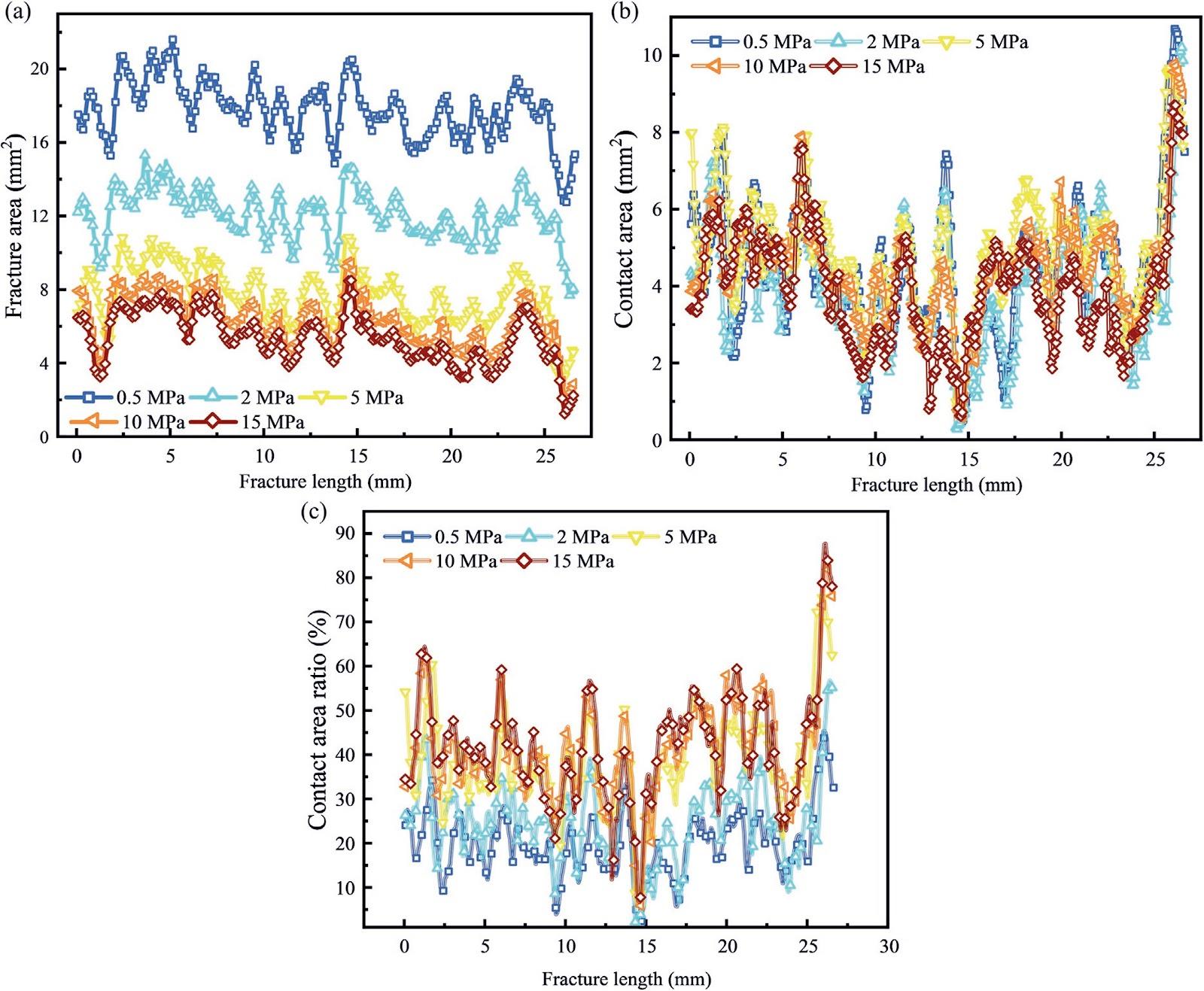
Methane in-situ explosive fracturing technology produces shale debris particles within fracture channels, enabling a self-propping effect that enhances the fracture network conductivity and long-term stability. This study employs X-ray computed tomography (CT) and digital volume correlation (DVC) to investigate the microstructural evolution and hydromechanical responses of shale self-propped fracture under varying confining pressures, highlighting the critical role of shale particles in maintaining fracture conductivity. Results indicate that the fracture aperture in the self-propped sample is significantly larger than in the unpropped sample throughout the loading process, with shale particles tending to crush rather than embedded into the matrix, thus maintaining flow pathways. As confining pressure increases, contact areas between fracture surfaces and particles expand, enhancing the system’s stability and compressive resistance. Geometric analyses show flow paths becoming increasingly concentrated and branched under high stress. This resulted in a significant reduction in connectivity, restricting fracture permeability and amplifying the nonlinear gas flow behavior. This study introduces a permeability-strain recovery zone and a novel sensitivity parameter m, delineating stress sensitivity boundaries for permeability and normal strain, with m-value increasing with stress, revealing four characteristic regions. These findings offer theoretical support for optimizing fracturing techniques to enhance resource extraction efficiency.

Microstructural evolution and hydraulic response of shale self-propped fracture using X-ray computed tomography and digital volume correlation
Graphical Abstract