SinoTechIntel Academic Portal
🏛️ Indexed Academic JournalImpact Factor: 3.8

Int. Journal of Mining Science and Technology (采矿与安全工程)

Authoritative peer-reviewed journal in materials science, metallurgy, chemistry and engineering technologies: Int. Journal of Mining Science and Technology (采矿与安全工程)

Total Research Papers: 147
Access: 100% Free Open Access
Browse by Publication Year & VolumeReset All Filters ✕

Published Research PapersFiltered: Year 2025 • Vol. 32 • 10

Showing 10 of 147 peer-reviewed papers with full Graphical Abstracts.

Original ResearchVol. 32, Issue 10 • pp. 100-112DOI: 10.1016/j.ijmst.2025.10.003Jan 15, 2025

Comparative Analysis of Layered and Continuous Solution Mining Schemes in Bedded Salt Formations Using Horizontal Interconnected Wells

Authors: Hao Zhang, Guimin Zhang, Kai Liu, Xinghui Fu, Yinping Li, Yuxuan Liu

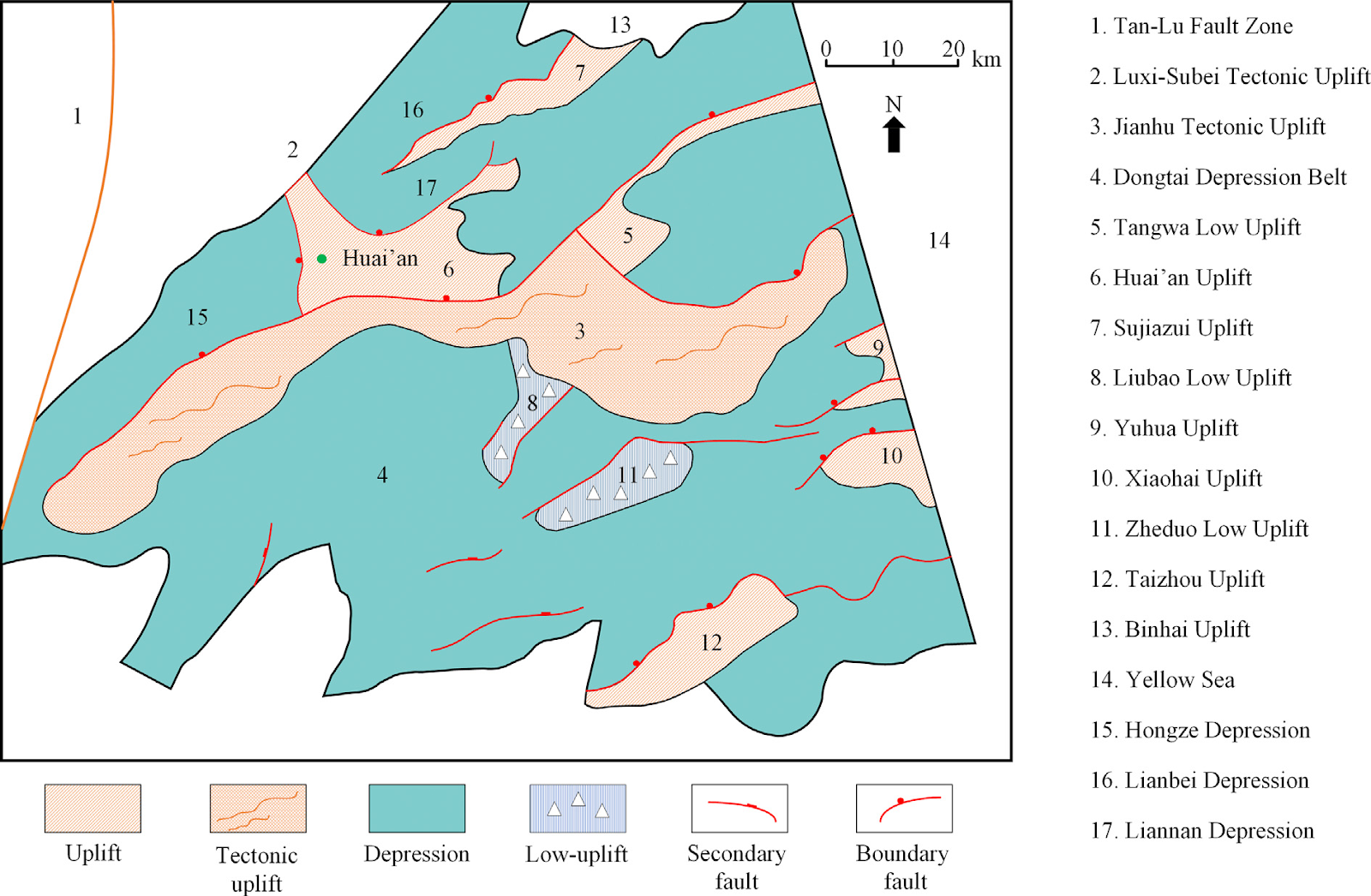
Salt deposits in China predominantly originate from lake deposits, characterized by thin salt beds interspersed with numerous interlayers, collectively termed bedded salt formations. Historically, solution mining practices have adopted the layered solution mining approach, inspired by coal mining techniques. However, this approach fails to account for the unique challenges of salt solution mining. Practical implementation is inefficient, costs escalate post-construction, and cavern geometry is constrained by salt bed thickness. Additionally, resource loss in abandoned beds and stability risks in adjacent mining zones remain unresolved. This study investigates mining scheme selection for low-grade salt deposits in Huai'an Salt Basin, introducing a continuous solution mining method that traverses multiple interlayers. Through comprehensive analysis of plastic deformation in caverns and surrounding rock, volume shrinkage rates, and economic costs comparing continuous and layered solution mining approaches, the results demonstrate that: (1) In the layered solution mining with horizontal interconnected wells scheme, plastic deformation zones propagate unevenly, posing interlayer connectivity risks. Concurrently, roof subsidence and floor heave destabilize the structure; (2) the continuous solution mining with horizontal interconnected wells scheme reduces plastic deformation zones to 3.4% of cavern volume, with volumetric shrinkage below 17%, markedly improving stability; (3) Economically, the continuous solution mining scheme generates caverns 2.43 times larger than the layered solution mining, slashing unit volume costs to 41.1% while enhancing resource recovery and long-term viability. The continuous method demonstrates distinct economic advantages and achieves higher resource utilization efficiency in solution mining compared to layered mining. Furthermore, its superior cavern stability presents strong potential for large-scale implementation.
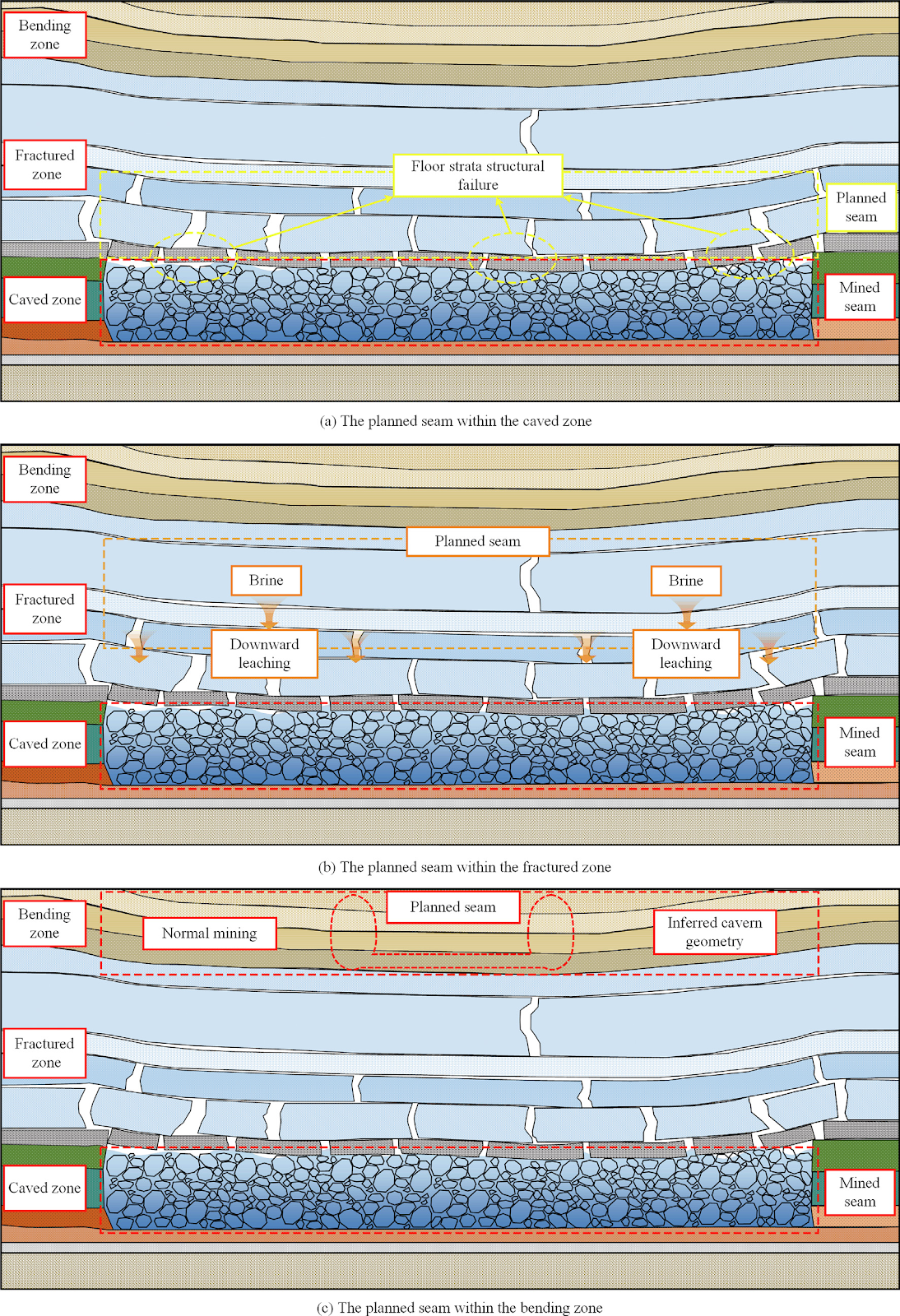
Comparative Analysis of Layered and Continuous Solution Mining Schemes in Bedded Salt Formations Using Horizontal Interconnected Wells
Graphical Abstract
Original ResearchVol. 32, Issue 10 • pp. 100-112DOI: 10.1016/j.ijmst.2025.10.005Jan 15, 2025

Rockburst Failure Characteristics and Energy Evolution Law of Cross-Layer Anchored Rock Mass Based on Optical-Thermal-Acoustic Combinative Monitoring

Authors: Yunhao Wu, Hanpeng Wang, Wei Wang, Jianguo Fan, Chunming Li, Bing Zhang, Dekang Sun, Fubin Hou

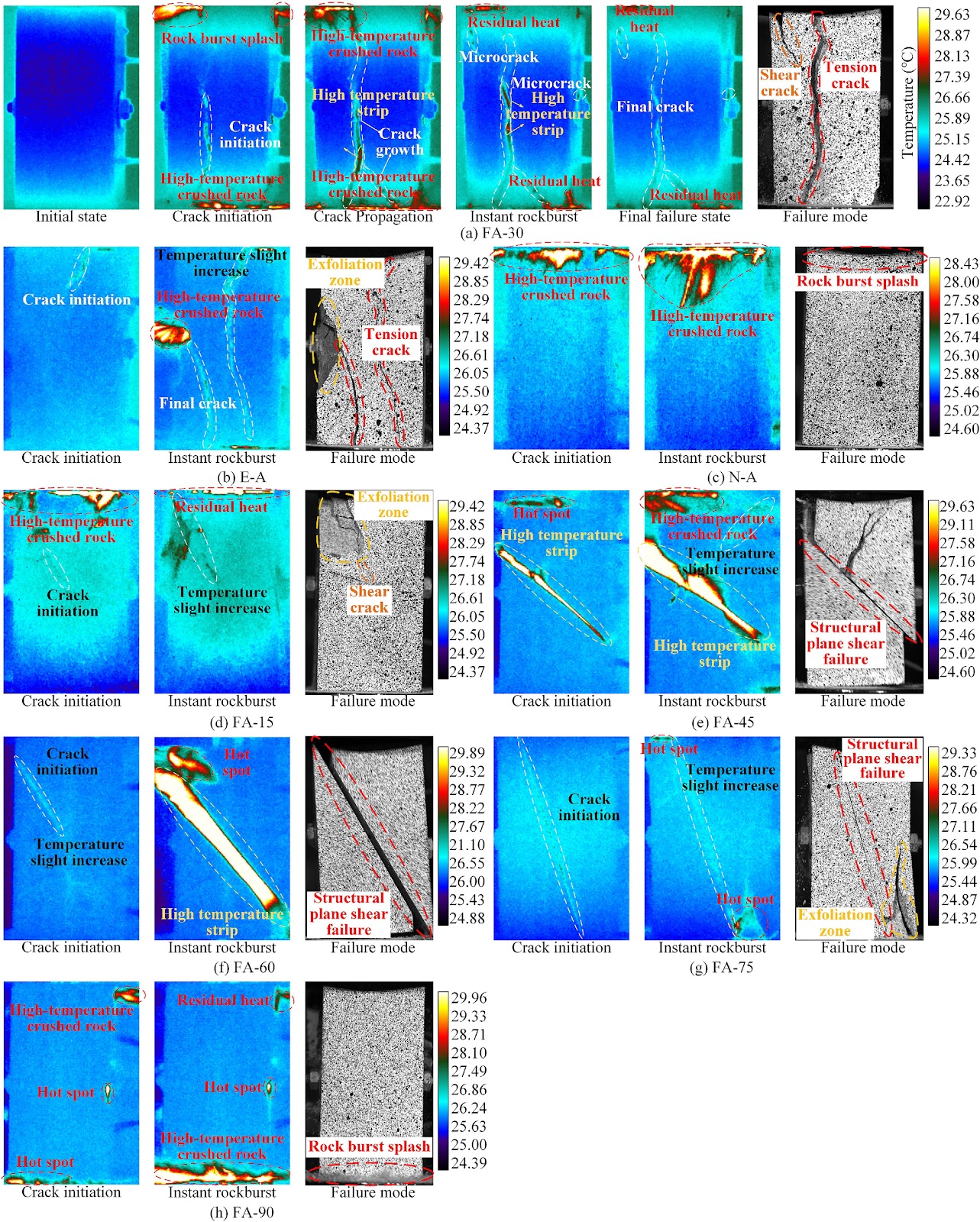
Weak structural planes commonly exist in underground engineering, making anchor structures more prone to failure and threatening rock stability. This study applied Optical-Thermal-Acoustic (OTA) monitoring during uniaxial compression tests on cross-layer anchored rock masses to reveal mechanical properties, failure characteristics, and energy evolution under different anchoring methods and bedding angles. Key findings include: anchoring suppresses transverse deformation and tensile crack propagation, increasing elastic modulus and bearing capacity; anchored rock shows more intense acoustic emission but smaller infrared temperature changes; the structural plane angle controls crack extension direction and strain evolution, with rock prone to instantaneous slip failure at 45°–75°, exhibiting lower strength and significant IR changes. Distinct OTA characteristics during rupture validate the method's reliability for rockburst early warning and intensity assessment. Based on failure characteristics, a shear failure criterion for anchored structural planes is established, enabling prediction of failure modes, analysis of bolt support resistance, and providing reference for support design and construction in complex strata.

Rockburst Failure Characteristics and Energy Evolution Law of Cross-Layer Anchored Rock Mass Based on Optical-Thermal-Acoustic Combinative Monitoring
Graphical Abstract
Original ResearchVol. 32, Issue 10 • pp. 100-112DOI: 10.1016/j.ijmst.2025.10.010Jan 15, 2025

Water storage in underground mined-out space as a geothermal reservoir: Heat extraction performance and temperature evolution

Authors: Cunli Zhu, Yuejin Zhou, Jixiong Zhang, Meng Li, Zhen Li

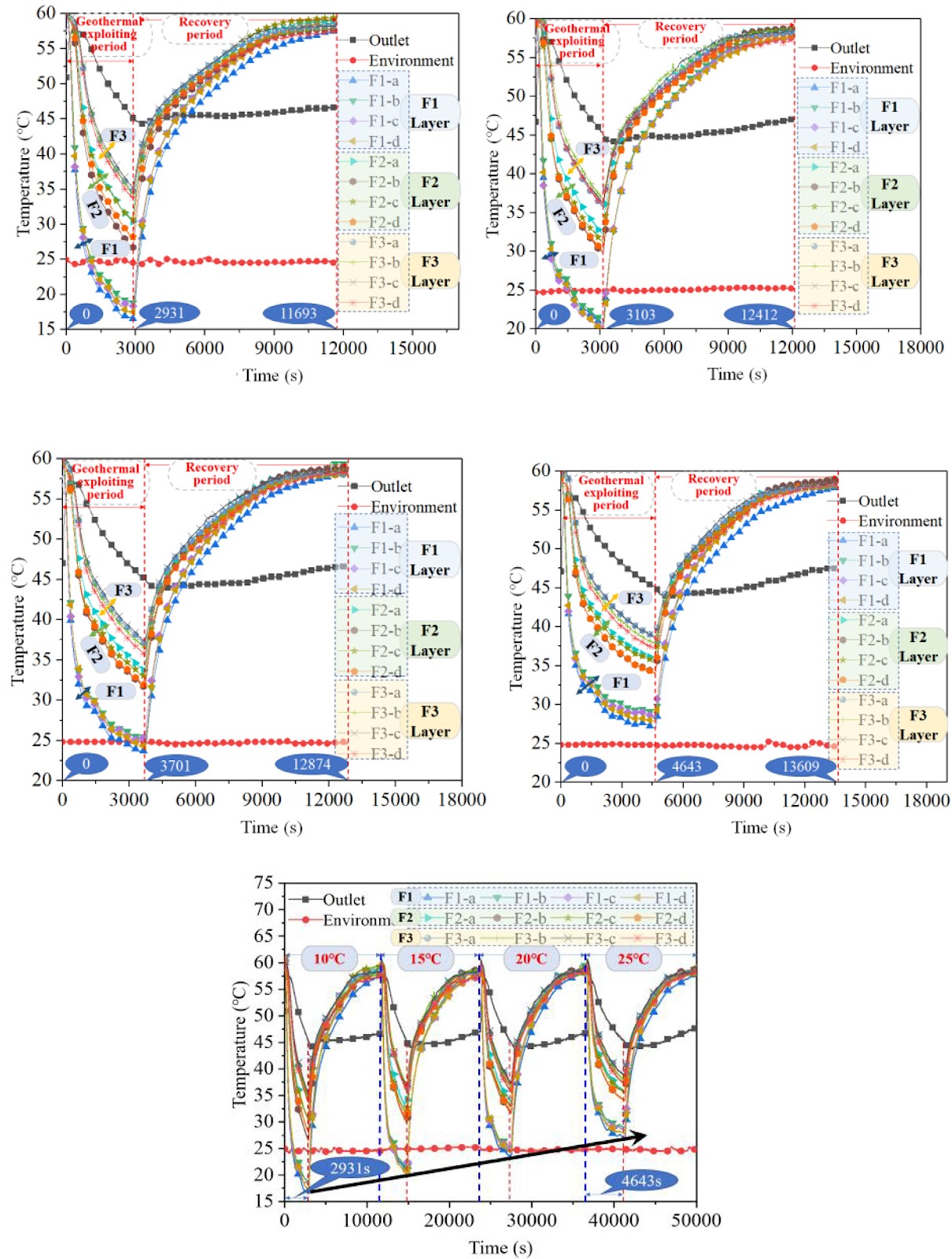
As mining depth increases, the temperature of the surrounding rock rises, drawing global attention to the potential for geothermal energy extraction from high-temperature water stored in collapsed rock masses—a prospect that offers both promise and challenges. In response, this study proposes a functional backfilling method using mining solid waste to construct a high-porosity heat extraction space. The research integrates experiments, theoretical analysis, and simulations to examine the mechanical and permeability properties of solid waste backfill materials. It further aims to elucidate how flow velocity and initial temperature influence the evolution of the temperature field and the thermal performance. Results indicate that the backfill material achieves optimal mechanical strength with a glass fiber content of 10‰ and a length of 6 mm. Furthermore, the permeability of the solid waste backfill demonstrates a quadratic relationship with both axial and confining pressure. During the recovery stage, the temperature in the heat extraction space remains lower than that of the surrounding rock, with geothermal energy being extracted via convective heat transfer between the water medium and the rock. The amount of heat extracted shows a positive correlation with the flow velocity of the water medium and a negative correlation with its initial temperature.

Water storage in underground mined-out space as a geothermal reservoir: Heat extraction performance and temperature evolution
Graphical Abstract
Original ResearchVol. 32, Issue 10 • pp. 100-112DOI: 10.1016/j.ijmst.2025.10.011Jan 15, 2025

Failure mechanism and damage constitutive model of rectangular tunnels under water-rich condition

Authors: Banquan Zeng, Jianhang Chen, Wuyan Xu, Xiaoyong An, Shiji Wang, Songsong Hu, Kun Wang, Yu Chen

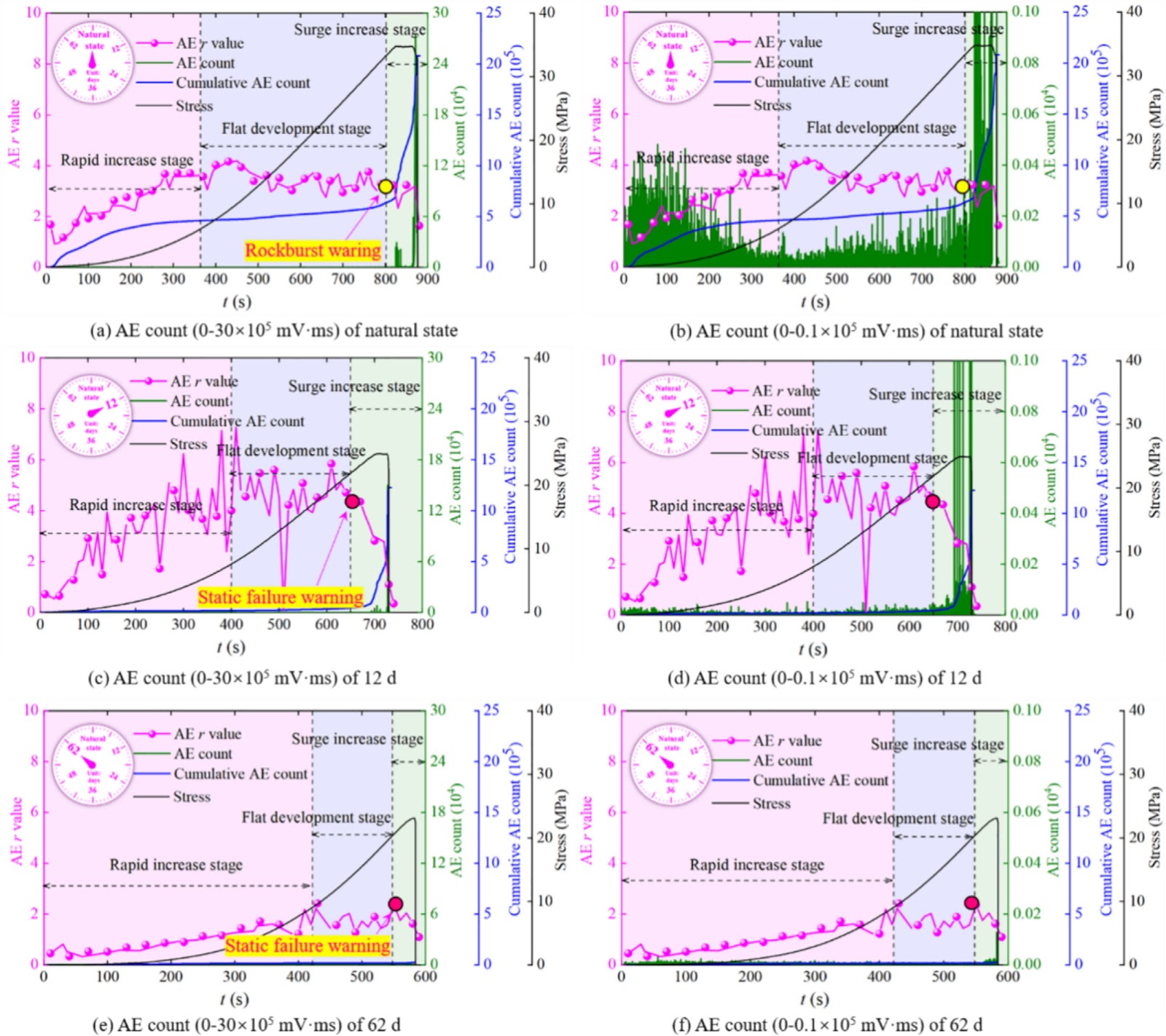
To investigate groundwater influence on stability and rockburst mechanism of deep hard-rock rectangular tunnels, water-immersed treatment and uniaxial compressive acoustic emission (AE) experiments were conducted on rectangular tunnel specimens. Energy dissipation characteristics, AE evolution characteristics and damage evolution characteristics of rectangular tunnels were analysed under water-immersed condition. Under water-immersed condition, tunnel specimens were quite sensitive to water. Average peak stress and average peak strain energy exhibited negative exponential decay with water-immersed time. Among them, after 12 d of water immersion, average peak stress of specimens decreased by 28%. Average total strain energy decreased by 70%. Average elastic strain energy decreased by 71% and average dissipated strain energy decreased by 68%. After 62 d of water immersion, average peak stress of specimens decreased by 34%. Average total strain energy decreased by 78%. Average elastic strain energy decreased by 79% and average dissipated strain energy decreased by 75%. Water weakened bonding among mineral particles. Moreover, it undermined load-bearing capacity and diminished energy-storage properties. Under high stress, massive releasable elastic strain energy stored in natural specimens within pre-peak stage may abruptly release after peak stress. This caused rapid crack development and connection in specimens. During accumulation and release of elastic strain energy, initial failure typically occurred at sidewalls. This failure location was not affected by water. Compared with natural specimens, specimens immersed in water for 62 d had the lowest peak values of cumulative amplitude, cumulative AE energy and cumulative AE count. After 62 d of water immersion, peak values of cumulative amplitude, cumulative AE energy and cumulative AE count of specimens decreased by 84%, 97% and 99%. Compared with AE damage model, fitting degree of energy damage model was higher. For natural specimens, fitting degree of energy damage model was 0.96. For specimens immersed in water for 12 d, fitting degree of energy damage model was 0.96. For specimens immersed in water for 62 d, fitting degree of energy damage model was 0.72. Therefore, an energy damage model had more remarkable applicability and reliability. By establishing dynamic mapping relationship between energy and damage in the model, accuracy of rockburst early warning has been significantly improved. This provided scientific basis for support structure design of rectangular tunnels and regulation of high strain energy.

Failure mechanism and damage constitutive model of rectangular tunnels under water-rich condition
Graphical Abstract
Original ResearchVol. 32, Issue 10 • pp. 100-112DOI: 10.1016/j.ijmst.2025.10.008Jan 15, 2025

Tensile failure mechanism enhanced by uncovering coal area during coal and gas outburst

Authors: Yunfu Li, Chaolin Zhang, Bobo Li, Enyuan Wang, Jiawei Chen, Xianhe Yang, Chong Li

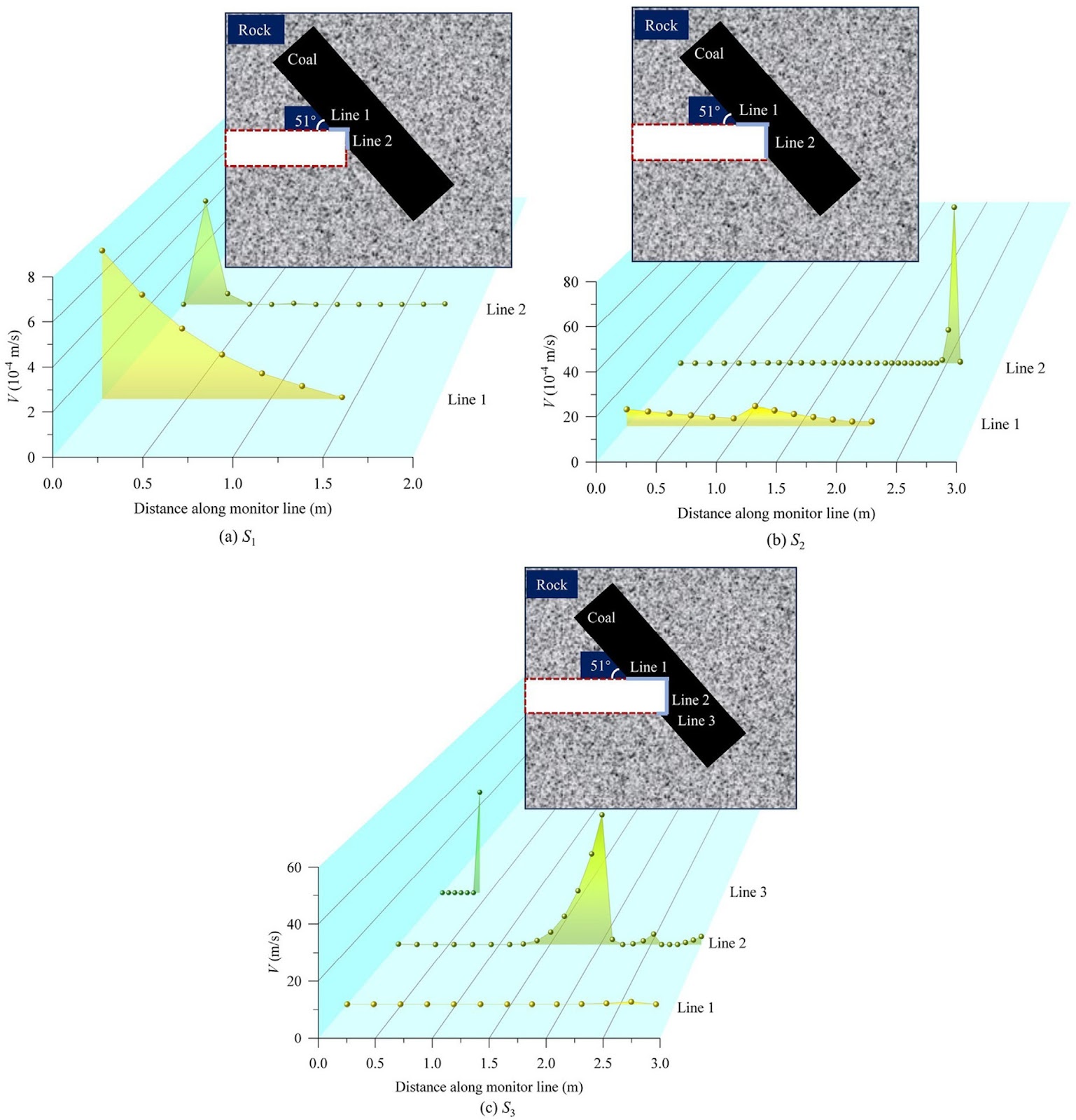
Deep mining is imperative, and the consequent coal and gas outburst disasters triggered during coal uncovering are becoming increasingly severe. Therefore, this study investigated the mechanical mechanisms of outburst instability from three dimensions: experiment, numerical simulation, and field application. Based on physical simulation tests with different outburst pore diameter, it was found that the gas pressure relief rate, gas emission volume, and outburst dynamic phenomena increase with outburst pore diameter. The migration patterns of the gas-solid two-phase flow evolved over time approximately into suspension flow, plug flow, dune flow, and stratified flow. The dominant influence of gas-driven tensile failure was amplified by uncovering coal area. The employment of the “fluid-solid-damage” coupling model revealed that coal damage, gas emission volume, deflection angle of outburst hole, roof displacement, maximum horizontal tensile stress, the horizontal tensile stress zone, the peak seepage force, and the damage zone all increased with uncovering coal areas. At the gas pressure of 0.74 MPa, when the uncovering coal areas were 3.189, 4.754 and 6.225 m, the total gas emission volumes were 4.72×10⁻⁴, 16.83×10⁻⁴, and 17.67 m2/s, deflection angles of outburst hole were 150.79°, 152.89° and 158.66°, the maximum roof displacements were 0.044, 0.046, and 0.325 m, and the peak seepage force were 0.85, 1.27, and 1.46 MPa/m, respectively. The regions of coal failure calculated by tensile failure criterion largely coincided with those calculated by the mixed failure criterion, far greater than those calculated by the shear failure criterion. As the increase of uncovering coal area, tensile weights of 80.72%, 89.78%, and 93.01%, respectively. Comparisons with field outburst cases showed that both gas emission volume and outburst hole deflection angle reflected the tensile failure of coal. The mechanical instability process of outbursts under the influence of uncovering coal area and gas pressure was analyzed, developing the progressive cyclical method of coal uncovering, which provided a novel approach for the achievement of safe coal mining.

Tensile failure mechanism enhanced by uncovering coal area during coal and gas outburst
Graphical Abstract
Original ResearchVol. 32, Issue 10 • pp. 100-112DOI: 10.1016/j.ijmst.2025.10.003Jan 15, 2025

Schemes comparation of layered and continuous solution mining in bedded salt formations by horizontal interconnected wells

Authors: ZHANG Hao, ZHANG Guimin, LIU Kai, FU Xinghui, LI Yinping, LIU Yuxuan

Salt deposits in China predominantly originate from lake deposits, characterized by thin salt beds interspersed with numerous interlayers, collectively termed bedded salt formations. Historically, the solution mining practices have adopted the layered solution mining approach, inspired by coal mining techniques. However, this approach fails to account for the unique challenges of salt solution mining. Practical implementation is inefficient, costs escalate post-construction, and cavern geometry is constrained by salt beds thickness. Additionally, resource loss in abandoned beds and stability risks in adjacent mining zones remain unresolved. This study investigates mining scheme selection for low-grade salt deposits in Huai’an Salt Basin, introducing a continuous solution mining method that traverses multiple interlayers. Through comprehensive analysis of plastic deformation in caverns and surrounding rock, volume shrinkage rates, and economic costs comparing continuous and layered solution mining approaches, the results demonstrate that: (1) In the layered solution mining with horizontal interconnected wells scheme, plastic deformation zones propagate unevenly, posing interlayer connectivity risks. Concurrently, roof subsidence and floor heave destabilize the structure; (2) the continuous solution mining with horizontal interconnected wells scheme reduces plastic deformation zones to 3.4% of cavern volume, with volumetric shrinkage below 17%, markedly improving stability; (3) Economically, the continuous solution mining scheme generates caverns 2.43 times larger than the layered solution mining, slashing unit volume costs to 41.1% while enhancing resource recovery and long-term viability. The continuous method demonstrates distinct economic advantages and achieves higher resource utilization efficiency in solution mining compared to layered mining. Furthermore, its superior cavern stability presents strong potential for large-scale implementation.
Schemes comparation of layered and continuous solution mining in bedded salt formations by horizontal interconnected wells
Graphical Abstract
Original ResearchVol. 32, Issue 10 • pp. 100-112DOI: 10.1016/j.ijmst.2025.10.006Jan 15, 2025

Effect of Depositional Environment Differences on Micro-Macro Rheological Behavior of Sedimentary Soft Rocks

Authors: LIU Mengnan, QIAO Wei, CHENG Xianggang, LV Ruijie, MENG Xiangsheng

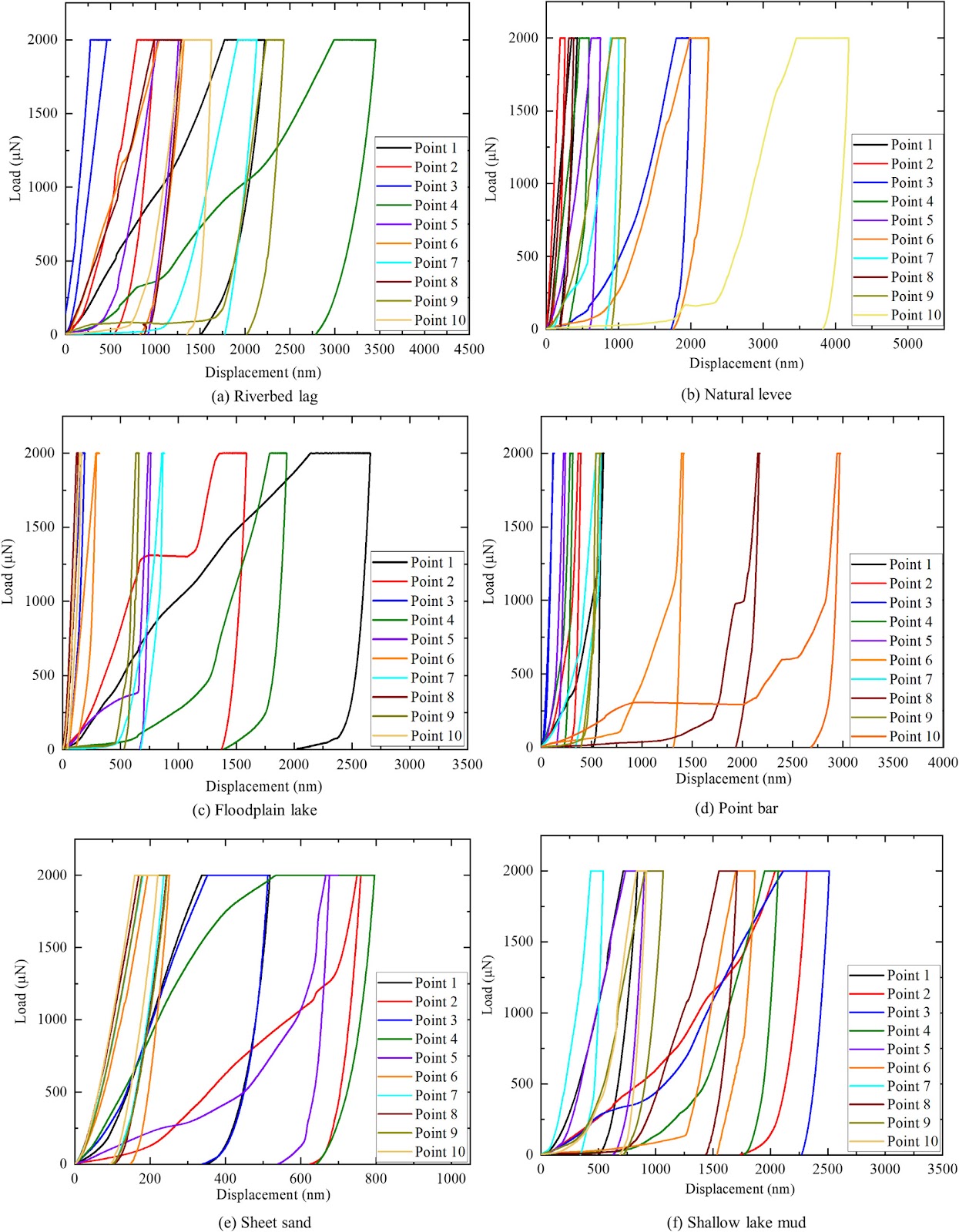
Although significant progress has been made in micromechanical characterization and upscaling of homogeneous materials, systematic investigations into deposition-controlled micro–macro rheological relationships in heterogeneous sedimentary soft rocks remain limited, particularly concerning time-dependent viscous parameter upscaling. This study investigates six typical fluvial and lacustrine microfacies from the Ordos Basin, China, including riverbed lag, natural levee, floodplain lake, point bar, sheet sand, and shallow lake mud. Mineral composition and microstructure are characterized, and nanoindentation creep tests quantify viscoelastic properties. A micro–macro upscaling method that transforms the time-domain Burger model into the frequency domain and utilizes three traditional homogenization schemes: dilute approximation, Mori-Tanaka, and self-consistent methods, for comparative estimation of macroscopic rheological parameters is proposed. Microstructural analysis demonstrates distinct fabric patterns controlled by depositional energy. Floodplain lake and sheet sand microfacies show superior rheological stability due to dense quartz skeletons, whereas riverbed lag and shallow lake mud perform poorly, caused by skeleton relaxation and clay-dominated slip, respectively. The point bar microfacies exhibits a “rigid-soft hybrid” behavior, with high long-term stability but reduced transient stability. Comparatively, the frequency-domain upscaling framework developed in this study, incorporating the Mori-Tanaka scheme, demonstrates satisfactory agreement with experimental data, validating its capability to predict macroscopic viscoelastic properties from microstructural features.

Effect of Depositional Environment Differences on Micro-Macro Rheological Behavior of Sedimentary Soft Rocks
Graphical Abstract
Original ResearchVol. 32, Issue 10 • pp. 100-112DOI: 10.1016/j.ijmst.2025.10.002Jan 15, 2025

Comparative modelling of retrogressive landslide runout: 2D and 3D random large-deformation analyses using coupled Eulerian-Lagrangian method

Authors: Xuejian Chen, Shunping Ren, Xingsen Guo, Yueying Wang, Fei Liu, Hoang Nguyen, Rita Leal Sousa

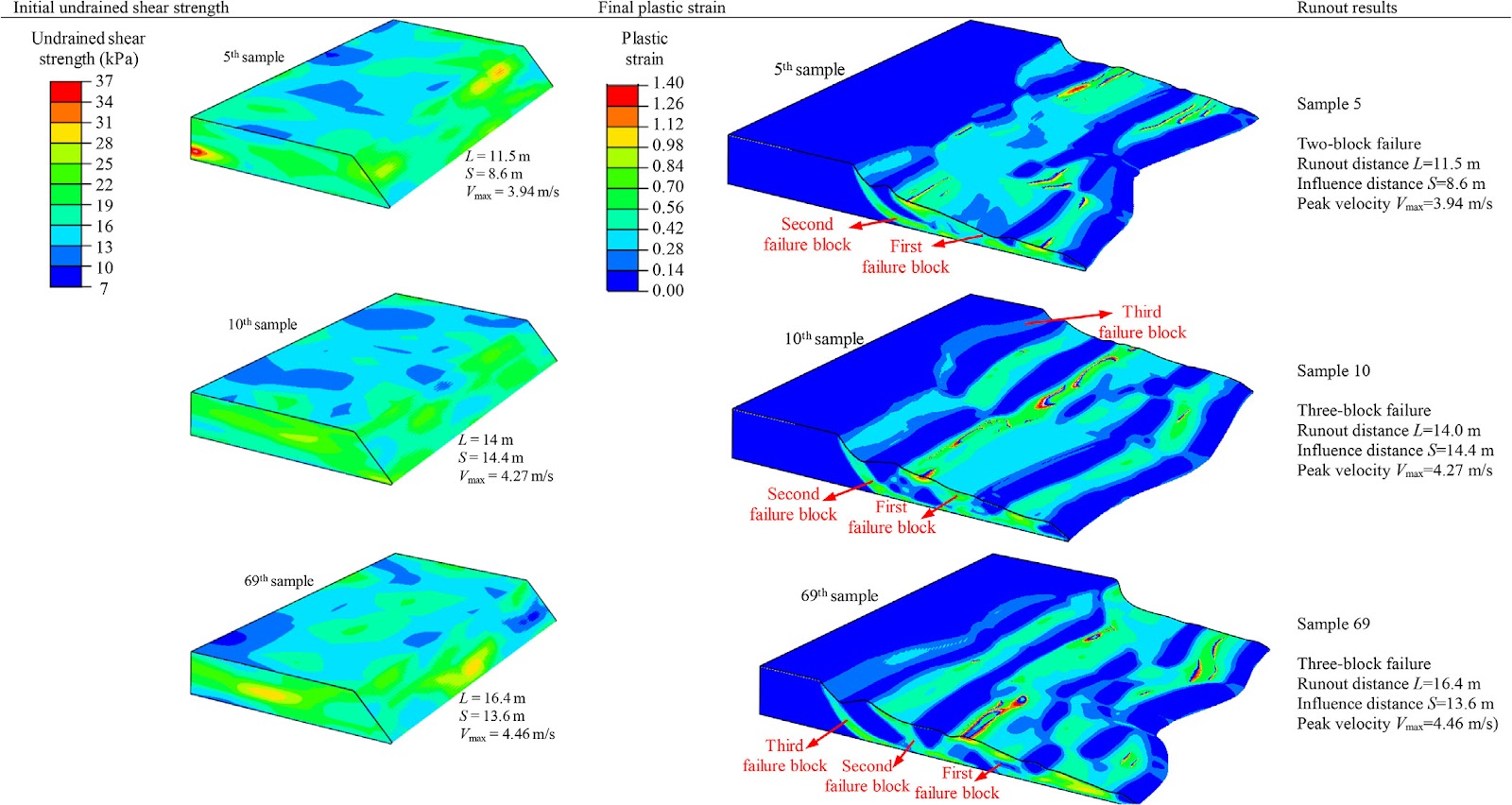
Retrogressive landslides in sensitive clays pose significant risks to nearby infrastructure, as natural toe erosion or localized disturbances can trigger progressive block failures. While prior studies have largely relied on two-dimensional (2D) large-deformation analyses, such models overlook key three-dimensional (3D) failure mechanisms and variability effects. This study develops a 3D probabilistic framework by integrating the Coupled Eulerian–Lagrangian (CEL) method with random field theory to simulate retrogressive landslides in spatially variable clay. Using Monte Carlo simulations, we compare 2D and 3D random large-deformation models to evaluate failure modes, runout distances, sliding velocities, and influence zones. The 3D analyses captured more complex failure modes—such as lateral retrogression and asynchronous block mobilization across slope width. Additionally, the 3D analyses predict longer mean runout distances (13.76 vs. 11.92 m), wider mean influence distance (11.35 vs. 8.73 m), and higher mean sliding velocities (4.66 vs. 3.94 m/s) than their 2D counterparts. Moreover, 3D models exhibit lower coefficients of variation (e.g., 0.10 for runout distance) due to spatial averaging across slope width. Probabilistic hazard assessment shows that 2D models significantly underpredict near-field failure probabilities (e.g., 48.8% vs. 89.9% at 12 m from the slope toe). These findings highlight the limitations of 2D analyses and the importance of multi-directional spatial variability for robust geohazard assessments. The proposed 3D framework enables more realistic prediction of landslide mobility and supports the design of safer, risk-informed infrastructure.

Comparative modelling of retrogressive landslide runout: 2D and 3D random large-deformation analyses using coupled Eulerian-Lagrangian method
Graphical Abstract
Original ResearchVol. 32, Issue 10 • pp. 100-112DOI: 10.1016/j.ijmst.2025.10.001Jan 15, 2025

Experimental investigation on failure mode and fracture characteristic of rock samples induced by laser irradiation

Authors: Dongxu Yu, Yijiang Wang, Shuchen Li, Zongheng Jiang, Jianzhou Wang

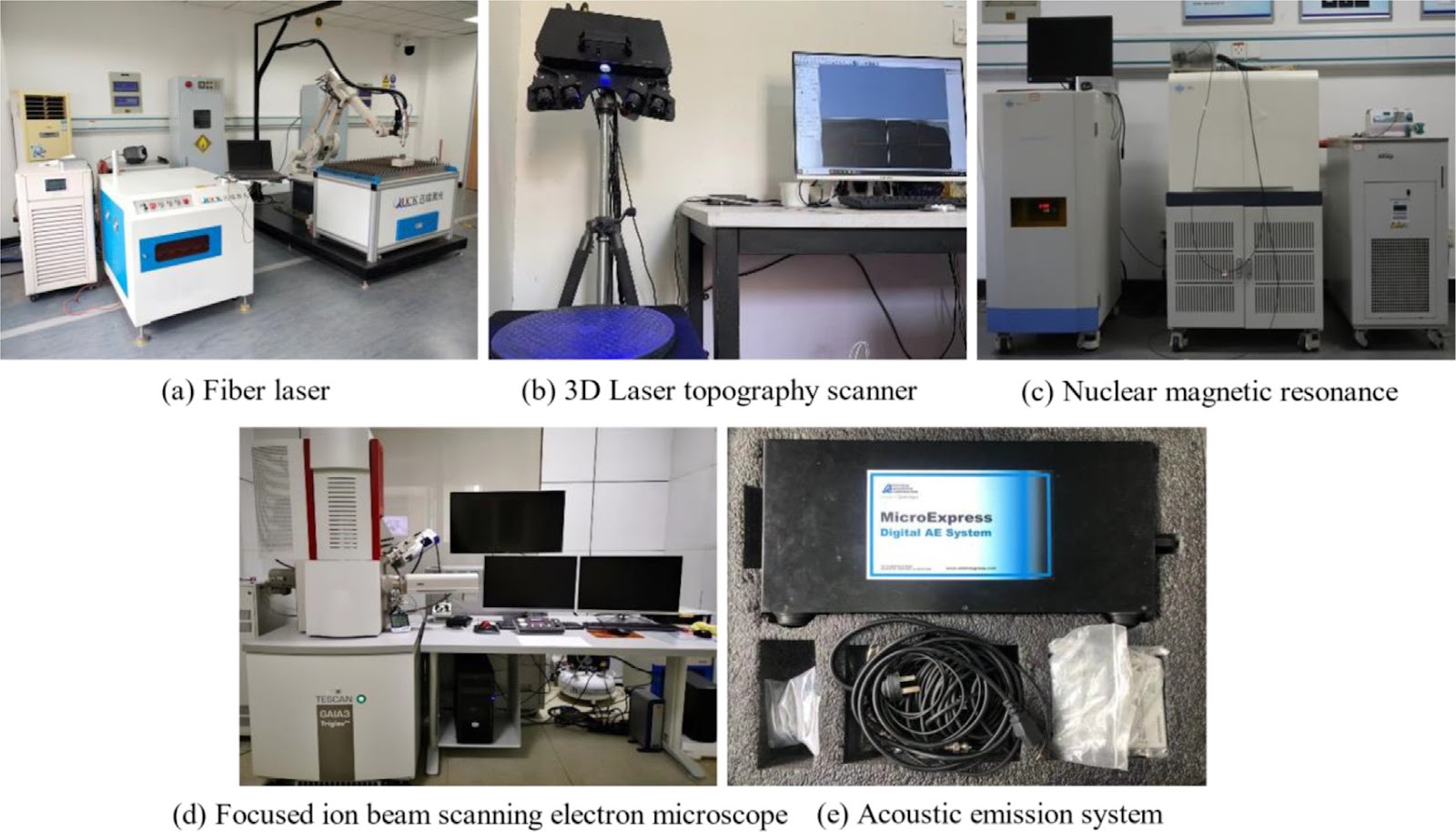
For hard rock cracking induced by laser irradiation, the failure modes and fracture characteristics among rocks of different types and sizes are still unclear. Therefore, the experiments on laser-induced fracturing of limestone, sandstone, and various-sized granite specimens were conducted. Real-time acoustic emission monitoring and laser scanning were employed to capture acoustic emission signals inside rocks during laser irradiation and to reconstruct the fracture surfaces after laser irradiation. Results indicate that abundant melts in sandstone and granite dissipated laser energy, leading to lower acoustic emission peak energy compared to limestone. Larger-sized specimen delayed the occurrence of peak energy. Crystal thermal expansion and changes in pore pressure induced tensile-shear composite failure in limestone, whereas thermal expansion of minerals in sandstone and granite promoted tensile failure. Fracture surface morphology was influenced by sampling interval, anisotropy, and size effects. The joint roughness coefficient and fractal dimension of sandstone exceed granite and limestone. Asperity heights and slope angles ranged from 1–14 mm and 0–40°, respectively, with the average aspect angles exceeding 110°. Granite exhibited the highest proportion of macropores after laser irradiation, approximately 4.8%. These findings provide valuable insights for the application of laser-assisted fracturing in hard rock excavation.

Experimental investigation on failure mode and fracture characteristic of rock samples induced by laser irradiation
Graphical Abstract
Original ResearchVol. 32, Issue 10 • pp. 100-112DOI: 10.1016/j.ijmst.2025.10.007Jan 15, 2025

Multiscale Track-Seabed Dynamic Interaction During Deep-Sea Seabed Mining Across Operational Modes

Authors: ZHU Bin, XIU Xianhao, LAI Ying, CHEN Yunmin, KAMCHOOM Viroon, GUNAWAN Anthony, ZHANG Ruishi, XIONG Shusen

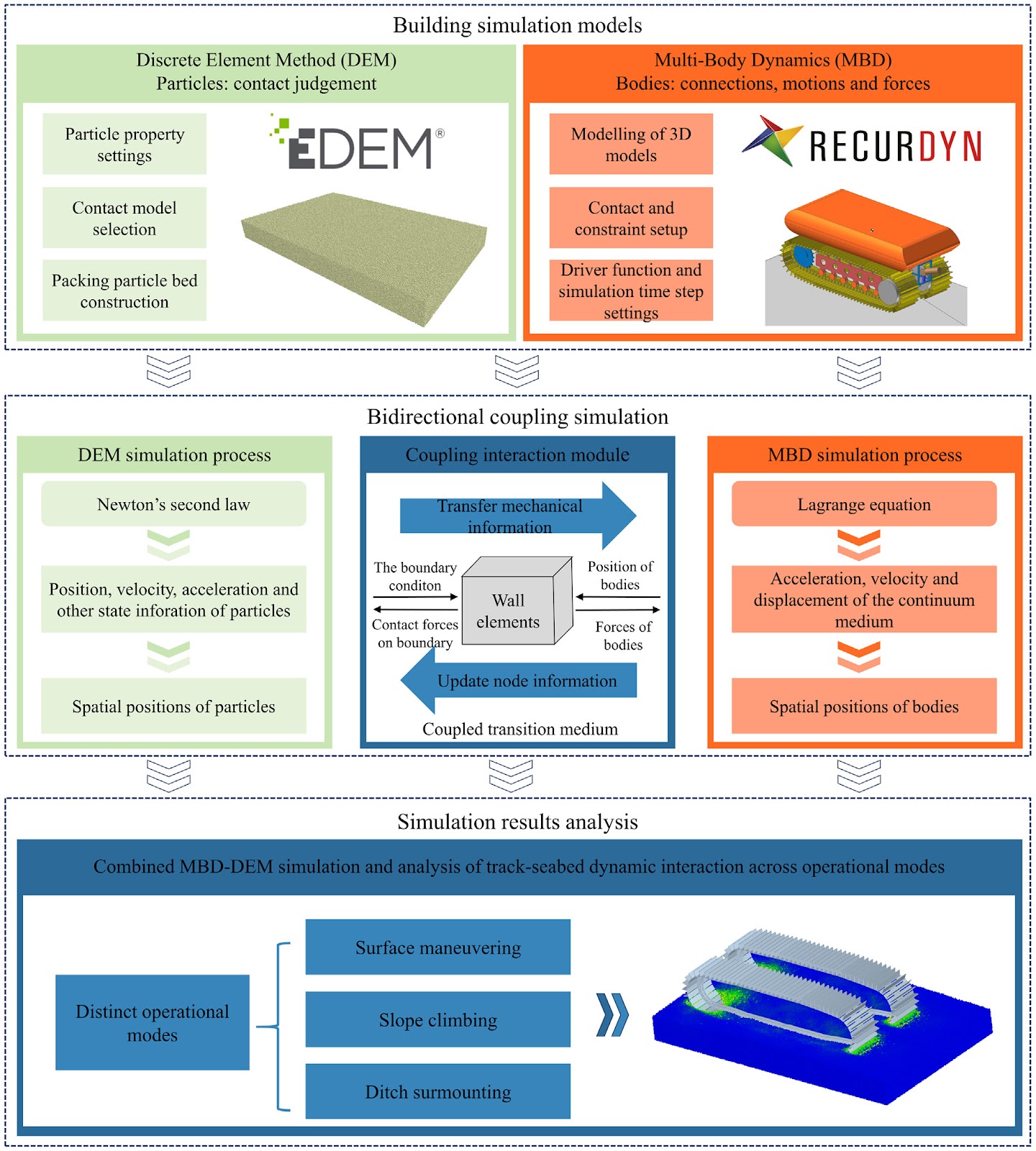
Deep-sea mining has emerged as a critical solution to address global resource shortages; however, the mechanical interaction between tracked mining vehicles (TMVs) and soft seabed sediments presents fundamental engineering challenges. This study establishes a multiscale modelling framework coupling the discrete element method (DEM) with multi-body dynamics (MBD) to investigate track-seabed dynamic interactions across three operational modes: flat terrain, slope climbing, and ditch surmounting. The simulation framework, validated against laboratory experiments, systematically evaluates the influence of grouser geometry (involute, triangular, and pin-type) and traveling speed (0.2–1.0 m/s) on traction performance, slip rate, and ground pressure distribution. Results reveal rate-dependent traction mechanisms governed by soil microstructural responses: higher speeds enhance peak traction but exacerbate slip instability on complex terrain. Critical operational thresholds are established—0.7 m/s for flat terrain, ≤0.5 m/s for slopes and ditches—with distinct grouser optimization strategies: involute grousers achieve 35%–40% slip reduction on slopes through progressive soil engagement, while triangular grousers provide optimal impact resistance during ditch crossing with 30%–35% performance improvement. These findings provide quantitative design criteria and operational guidelines for optimizing TMV structural parameters and control strategies, offering a robust theoretical foundation for enhancing the performance, safety, and reliability of deep-sea mining equipment in complex submarine environments.

Multiscale Track-Seabed Dynamic Interaction During Deep-Sea Seabed Mining Across Operational Modes
Graphical Abstract