SinoTechIntel Academic Portal
🏛️ Indexed Academic JournalImpact Factor: 3.8

Int. Journal of Minerals, Metallurgy and Materials (矿物冶金与材料学报)

Authoritative peer-reviewed journal in materials science, metallurgy, chemistry and engineering technologies: Int. Journal of Minerals, Metallurgy and Materials (矿物冶金与材料学报)

Total Research Papers: 200
Access: 100% Free Open Access
Browse by Publication Year & VolumeReset All Filters ✕

Published Research PapersFiltered: Year 2025 • 32 • 5

Showing 6 of 200 peer-reviewed papers with full Graphical Abstracts.

Original ResearchVol. 32, Issue 5 • pp. 1220DOI: 10.1007/s12613-025-3106-xJan 15, 2025

Enhancing rheology and mechanical properties of DLP 3D-printed Si3N4 materials via composition optimization and gas-pressure sintering

Authors: Qing Qin, Gang Xiong, Lin Han, Yujuan Zhang, Zhen Shen, Changchun Ge

Digital light processing (DLP) is a crucial additive manufacturing (AM) technique for producing high-precision ceramic components. This study aims to optimize the formulation of Si3N4 slurry to enhance both its performance and manufacturability in the DLP process, and investigate key factors such as particle size distribution, photopolymer resin monomer ratios, and dispersant types to improve the slurry’s rheological properties. Through these optimizations, a photosensitive Si3N4 slurry with 50vol% solid content was developed, exhibiting excellent stability, and low viscosity (2.48 Pa·s at a shear rate of 12.8 s−1). The effects of gas-pressure sintering on the material’s phase composition, microstructure, and mechanical properties were further explored, revealing that this technique significantly increases the flexural strength of the green sample from (109 ± 10.24) to (618 ± 42.15) MPa. The sintered ceramics exhibited high hardness ((16.59 ± 0.05) GPa) and improved fracture toughness ((4.45 ± 0.03) MPa·m1/2). Crack trajectory analysis revealed that crack deflection, crack bridging, and the pull-out of rod-like β-Si3N4 grains, are the main toughening mechanisms, which could effectively mitigate crack propagation. Among these mechanisms, crack deflection and bridging were particularly influential, significantly enhancing the fracture toughness of the Si3N4 matrix. Overall, this research highlights how monomer formulation and gas-pressure sintering strengthen the performance of Si3N4 slurry in the DLP three-dimensional printing technique. This work is expected to provide new insights for fabricating complex Si3N4 ceramic components with superior mechanical properties.
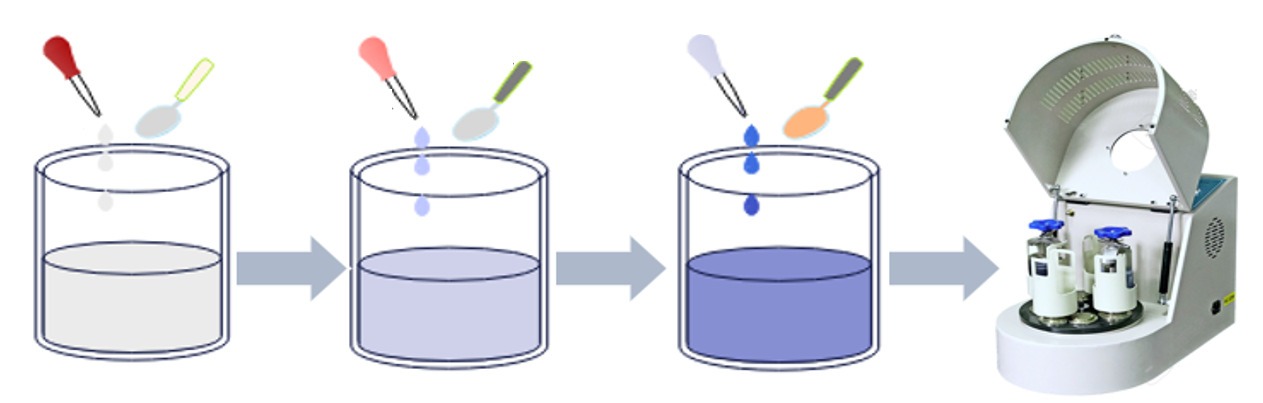
Enhancing rheology and mechanical properties of DLP 3D-printed Si3N4 materials via composition optimization and gas-pressure sintering
Graphical Abstract
Original ResearchVol. 32, Issue 5 • pp. 1176DOI: 10.1007/s12613-024-3032-3Jan 15, 2025

Texture, residual stress and mechanical properties of 7039-T6 thick plate Al alloy with MIG-welded laminar tearing

Authors: Jinghan Yang, Linyang Wu, Yong Lian, Rongjun Zhang, Xingyu Chen, Jin Zhang, Pengfei Ji, Jinshan Luo, Fangyun Chen

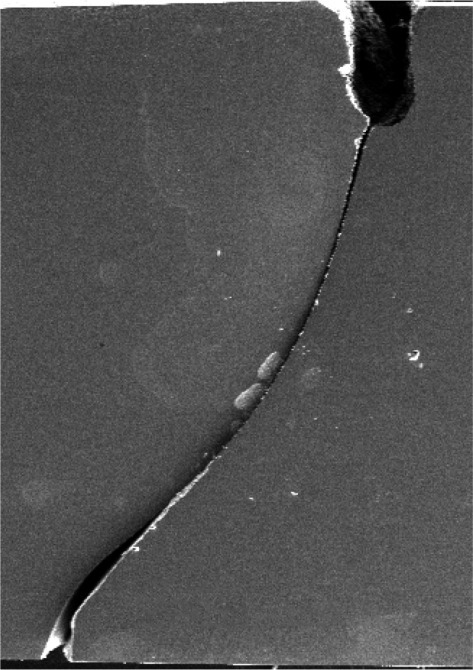
7039 Al alloys are widely used in armor vehicles, given the material’s high specific strength and fracture toughness. However, laminar tearing in the thickness plane of the base metal (BM), specifically in the normal direction (ND) and rolling direction (RD) plane, was occasionally observed after the welding of thick plates, resulting in premature material failure. A vertically metal-inert gas (MIG)-welded laminar tearing component of a 30 mm thick plate was analyzed to determine the factors associated with this phenomenon. The texture, residual stress, microhardness, and tensile properties were also investigated. The results indicated that the crack extended along the RD as a transcrystalline fracture and terminated at the BM. The grains near the crack grew preferentially in the (001) crystal direction. Furthermore, the tensile strength (83 MPa) and elongation (6.8%) in the RD were relatively higher than those in the ND. In particular, the primary factors for crack initiation include stronger texture, higher dislocation density, increased Al7Cu2Fe phases, lower proportion of small-angle grain boundaries, and varying grain sizes in different regions, leading to the fragile microstructure. The higher residual stress of the BM promotes the formation and extension of cracks. The restraining force due to fixation and welding shrinkage force transformed the crack into laminar tearing. Preventive measures of laminar tearing were also proposed.

Texture, residual stress and mechanical properties of 7039-T6 thick plate Al alloy with MIG-welded laminar tearing
Graphical Abstract
Original ResearchVol. 32, Issue 5 • pp. 1190DOI: 10.1007/s12613-024-2942-4Jan 15, 2025

Effects of high-entropy alloy binders on the microstructure and mechanical/thermal properties of cemented carbides

Authors: Jialin Sun, Xiao Li, Le Zhao, Jun Zhao

The binder phase performs critically on the comprehensive properties of cemented carbides, especially the hardness (HV) and fracture toughness (KIC) relationship. There are strong motivations in both research community and industry for developing alternative binders to Co in cemented carbide system, due to the reasons such as price instability, property degeneration, and toxicity. Herein, six kinds of high entropy alloys (HEA) including CoCrFeNiMn, CoCrFeMnAl, CoCrFeNiAl, CoCrNiMnAl, CoFeNiMnAl, and CrFeNiMnAl were employed as the alternative binder for the preparation of WC–HEA cemented carbides through mechanical alloying and two-step spark plasma sintering. The impacts of HEA on the microstructures, mechanical properties, and thermal conductivity of WC–HEA hardmetals were determined and discussed. WC–HEA hardmetals exhibited both superior HV and KIC to WC–metal or WC–intermetallic cemented carbides, indicating that HEA alloys were not only harder but also tougher in comparison with traditional metal or intermetallic binders. The HEA bonded hardmetals yielded thermal conductivities much lower than that of traditional WC–Co cemented carbide. The excellent HV–KIC relationship of WC–HEA facilitated the potential engineering structural application of cemented carbides.

Effects of high-entropy alloy binders on the microstructure and mechanical/thermal properties of cemented carbides
Graphical Abstract
Original ResearchVol. 32, Issue 5 • pp. 1162-DOI: 10.1007/s12613-024-2982-9Jan 15, 2025

Hot deformation behavior and microstructure evolution of Mg–Gd–Sm(–Zn)–Zr alloys

Authors: Aowen Wang, Xiaoya Chen, Quanan Li, Zheng Wu, Limin Zhu, Hongxi Zhu, Huanju He

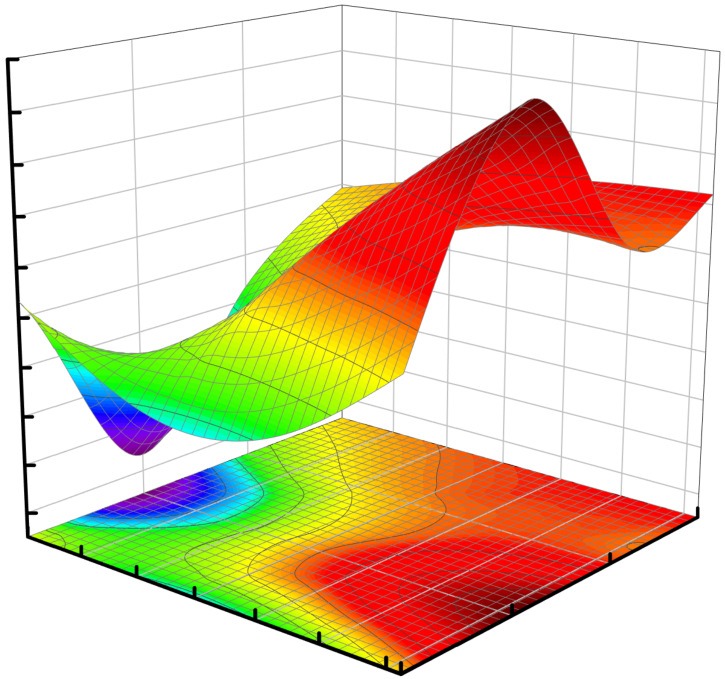
The dynamic recrystallization (DRX) and dynamic precipitation of Mg–5Gd–3Sm(–1Zn)–0.5Zr alloys after hot compression deformation were analyzed by electron backscatter diffraction (EBSD) and transmission electron microscopy (TEM) techniques. Furthermore, the DRX mechanisms were investigated by calculating the deformation activation energy, establishing the constitutive equation, and creating a critical strain model. The results indicate that the presence of Zn element enhanced the production of DRX, considerably reduced the strength of {0001} plane texture, and boosted the Schmidt factor of nonbasal plane slip. The Mg–5Gd–3Sm–0.5Zr alloy had a low degree of DRX, manifested as a monolayer of DRX grains at the grain boundaries, and dominated by the discontinuous DRX mechanism. However, the Mg–5Gd–3Sm–1Zn–0.5Zr alloy had a high degree of DRX, which occurred in the form of multilayered DRX grains by the main mechanism of continuous DRX. Compared with the Mg–5Gd–3Sm–0.5Zr alloy, in addition to the Mg5(Gd,Sm) phase, the Mg–5Gd–3Sm–1Zn–0.5Zr alloy also introduced a new dynamic precipitation phase called (Mg,Zn)3(Gd,Sm) phase. The dynamic precipitation phase prevented grain boundary migration and dislocation motion, which promoted DRX nucleation and prevented the growth of recrystallized grains.

Hot deformation behavior and microstructure evolution of Mg–Gd–Sm(–Zn)–Zr alloys
Graphical Abstract
Original ResearchVol. 32, Issue 5 • pp. 1151-DOI: 10.1007/s12613-024-3045-yJan 15, 2025

Towards understanding and prediction of corrosion degradation of organic coatings under tropical marine atmospheric environment via a data-driven approach

Authors: Shaopeng Liu, Lingwei Ma, Jinke Wang, Yiran Li, Haiyan Gong, Haitao Ren, Xiaogang Li, Dawei Zhang

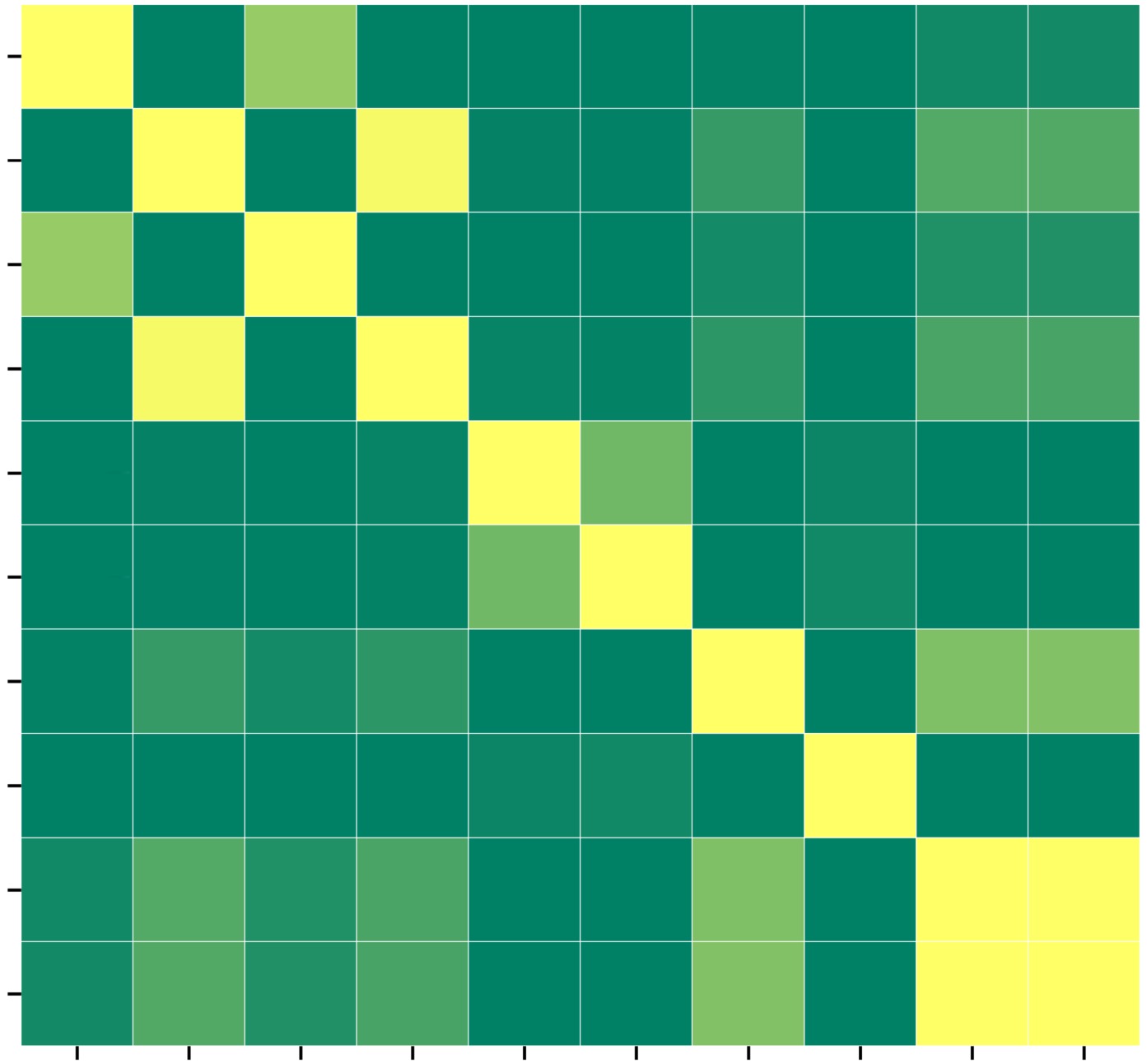
The corrosion degradation of organic coatings in tropical marine atmospheric environments results in substantial economic losses across various industries. The complexity of a dynamic environment, combined with high costs, extended experimental periods, and limited data, places a limit on the comprehension of this process. This study addresses this challenge by investigating the corrosion degradation of damaged organic coatings in a tropical marine environment using an atmospheric corrosion monitoring sensor and a random forest (RF) model. For damage simulation, a polyurethane coating applied to a Fe/graphite corrosion sensor was intentionally scratched and exposed to the marine atmosphere for over one year. Pearson correlation analysis was performed for the collection and filtering of environmental and corrosion current data. According to the RF model, the following specific conditions contributed to accelerated degradation: relative humidity (RH) above 80% and temperatures below 22.5°C, with the risk increasing significantly when RH exceeded 90%. High RH and temperature exhibited a cumulative effect on coating degradation. A high risk of corrosion occurred in the nighttime. The RF model was also used to predict the coating degradation process using environmental data as input parameters, with the accuracy showing improvement when the duration of influential environmental ranges was considered.

Towards understanding and prediction of corrosion degradation of organic coatings under tropical marine atmospheric environment via a data-driven approach
Graphical Abstract
Original ResearchVol. 32, Issue 5 • pp. 992DOI: 10.1007/s12613-024-3035-0Jan 15, 2025

Brief review of external physical field-boosted low-temperature electrodeposition for metals and alloys

Authors: Junjian Zhou, Zhiyuan Li, Qi Wang, Na Li, Xu Li, Yana Wang, Weili Song

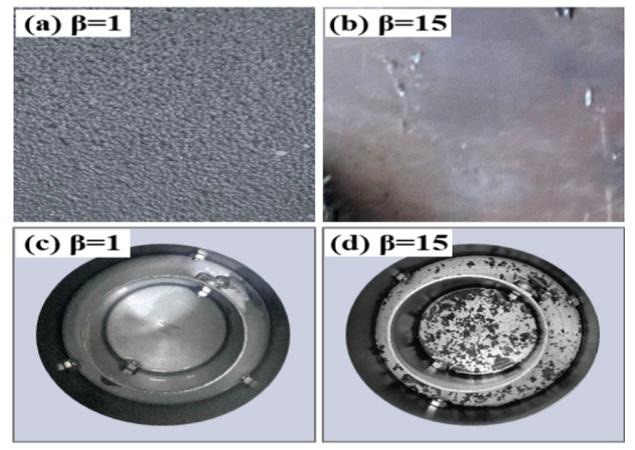
Electrochemical metallurgy at low temperature (<473 K) shows promise for the extraction and refinement of metals and alloys in a green and sustainable manner. However, the kinetics of the electrodeposition process is generally slow at low temperature, resulting in large overpotential and low current efficiency. Thus, the application of external physical fields has emerged as an effective strategy for improving the mass and charge transfer processes during electrochemical reactions. This review highlights the challenges associated with low-temperature electrochemical processes and briefly discusses recent achievements in optimizing electrodeposition processes through the use of external physical fields. The regulating effects on the optimization of the electrodeposition process and the strategies for selecting various external physical fields, including magnetic, supergravity, and ultrasonic fields are summarized from the perspectives of equipment and mechanisms. Finally, advanced methods for in-situ characterization of external physical field-assisted electrodeposition processes are reviewed to gain a deeper understanding of metallic electrodeposition. An in-depth exploration of the mechanism by which external physical fields affect the electrode process is essential for enhancing the efficiency of metal extraction at low temperatures.

Brief review of external physical field-boosted low-temperature electrodeposition for metals and alloys
Graphical Abstract