Research Progress on Design, Fabrication, Mechanical Properties, and Shock-Induced Energy Release Characteristics of Reactive Tungsten Alloys
Authors: ZHANG Zhou-ran, ZHANG Yi-ming, DING Yi-cheng, LI Mu-feng, LI Shun, BAI Shu-xin
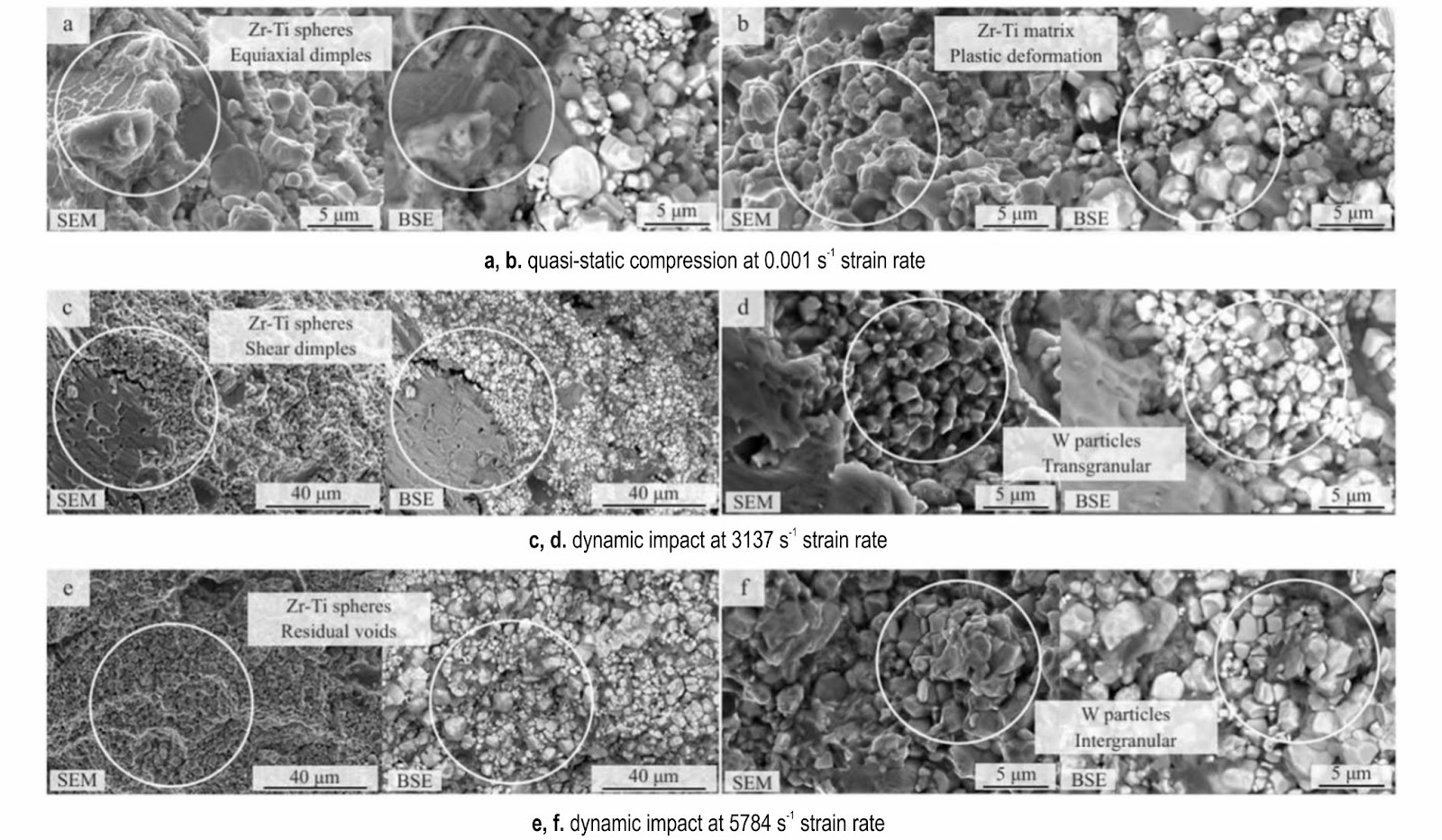
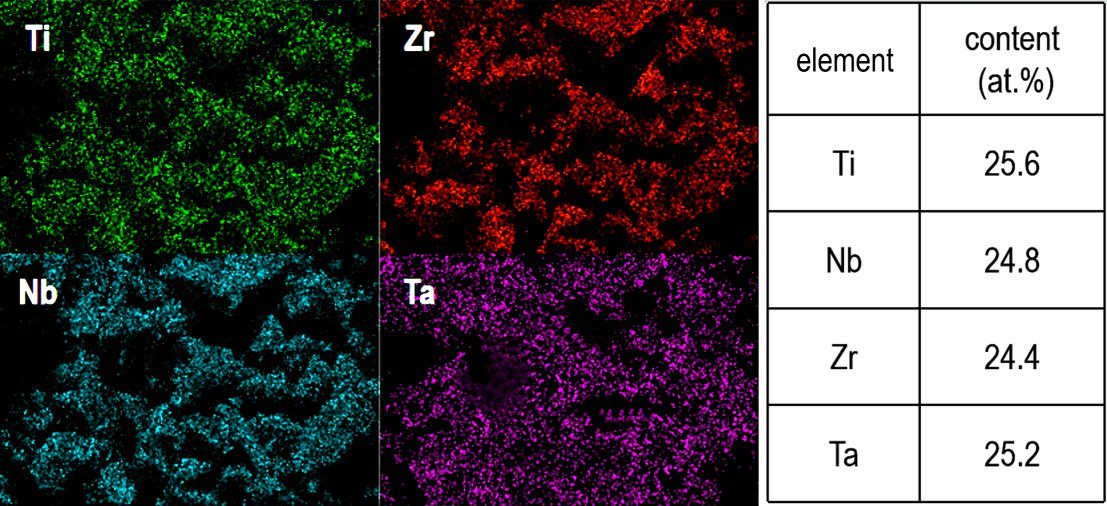
Reactive tungsten alloys (RTAs) are a class of metallic energetic structural materials that combine a high-density tungsten skeleton with reactive elements such as Zr and Ti, offering synergistic capabilities of high-strength load bearing, kinetic penetration, and shock-induced energy release. This review systematically examines the composition design and fabrication methods of RTAs, detailing their typical microstructural characteristics and the structure–mechanical property relationships. It summarizes penetration behavior and energy release characterization under high-velocity impact, and outlines future directions including machine-learning-assisted multi-objective design, development of large-scale component forming technologies, and establishment of multi-scale constitutive models to elucidate penetration and energy release mechanisms. The review highlights that RTAs can achieve dynamic compressive strengths exceeding 2 GPa and densities above 10 g·cm−3, while the addition of elements such as Ti and Nb suppresses the formation of brittle W2Zr intermetallics, improving ductility. Challenges remain in balancing strength, energy release, and processability, particularly in solid-state sintering above 1500 °C. The paper provides a comprehensive foundation for the design and engineering application of high-density reactive tungsten alloys.