SinoTechIntel Academic Portal
🏛️ Indexed Academic JournalImpact Factor: 3.8 (Q1 - Elsevier)Original: 中国化学工程学报 (英文版)

Chinese Journal of Chemical Engineering

Access authentic peer-reviewed engineering methodologies, experimental datasets, and scientific literature published in this journal on SinoTechIntel.

Total Research Papers: 98
Access: 100% Free Open Access
Browse by Publication Year & VolumeReset All Filters ✕

Published Research PapersFiltered: Year 2025 • Vol. 32 • Issue 8

Showing 4 of 98 peer-reviewed papers with full Graphical Abstracts.

Original ResearchVol. 32, Issue 8 • pp. 545-557DOI: 10.1016/j_cjche_144878852Aug 5, 2025

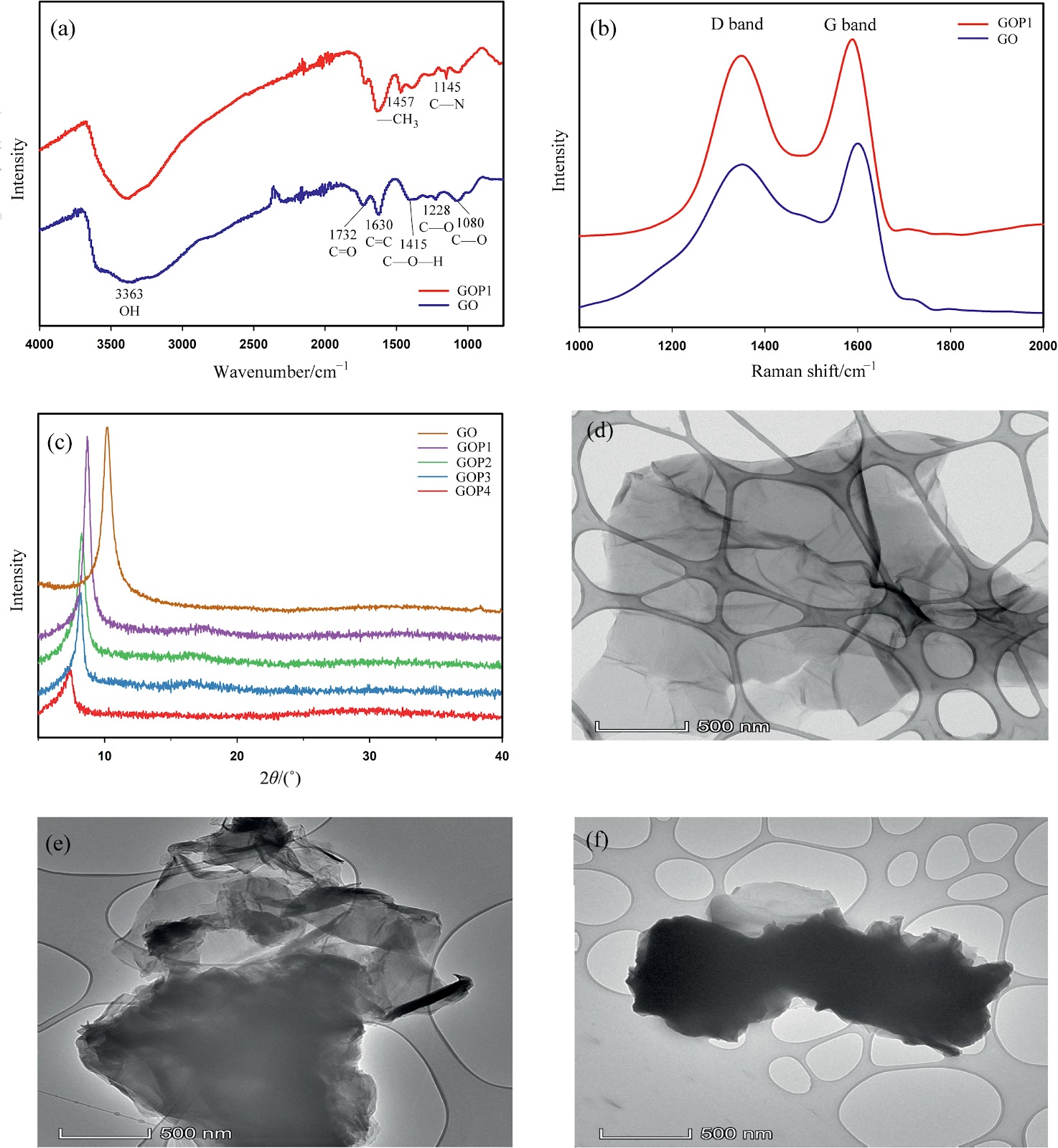
Fabrication of graphene oxide decorated with poly(dimethyl amino ethyl methacrylate) brush for efficient Cr(VI) adsorption from aqueous solution

Authors: Alireza Nouri, Siew Fen Chua, Ebrahim Mahmoudi, Abdul Wahab Mohammad, Wei Lun Ang

Confronting the severe health threats and environmental impacts of Cr(VI) in aquatic environments demands innovative and effective remediation approaches. In this study, Graphene oxide (GO)-decorated poly(dimethyl amino ethyl methacrylate) (PDMAEMA) brush nanocomposites (GOP1, GOP2, GOP3, and GOP4) were fabricated using atom transfer radical polymerization (ATRP) by the “graft from” method. The resulting nanocomposites were utilized for removing Cr(VI) with good adsorption performance due to the electrostatic interaction of protonated nitrogen groups in the brush chains with negatively charged particles in the solution. The kinetic model of pseudo-second-order best represented the contaminants' adsorption characteristics. The Weber–Morris model further indicated that surface adsorption and intraparticle diffusion mechanisms primarily controlled the adsorption procedure. Additionally, the Langmuir and Temkin isotherm models were found to most accurately represent the adsorption characteristics of the pollutants on the nanocomposites, and GOP4 can achieve the maximum adsorption capacity of 164.4 mg·g−1. The adsorbents' capacity maintains above 85% after five cycles of adsorption-desorption. The nanocomposites in this study demonstrate promising potential for eliminating Cr(VI) from aqueous solutions.
Fabrication of graphene oxide decorated with poly(dimethyl amino ethyl methacrylate) brush for efficient Cr(VI) adsorption from aqueous solution
Graphical Abstract
Original ResearchVol. 32, Issue 8 • pp. 363-375DOI: 10.1016/j_cjche_144875468Aug 18, 2023

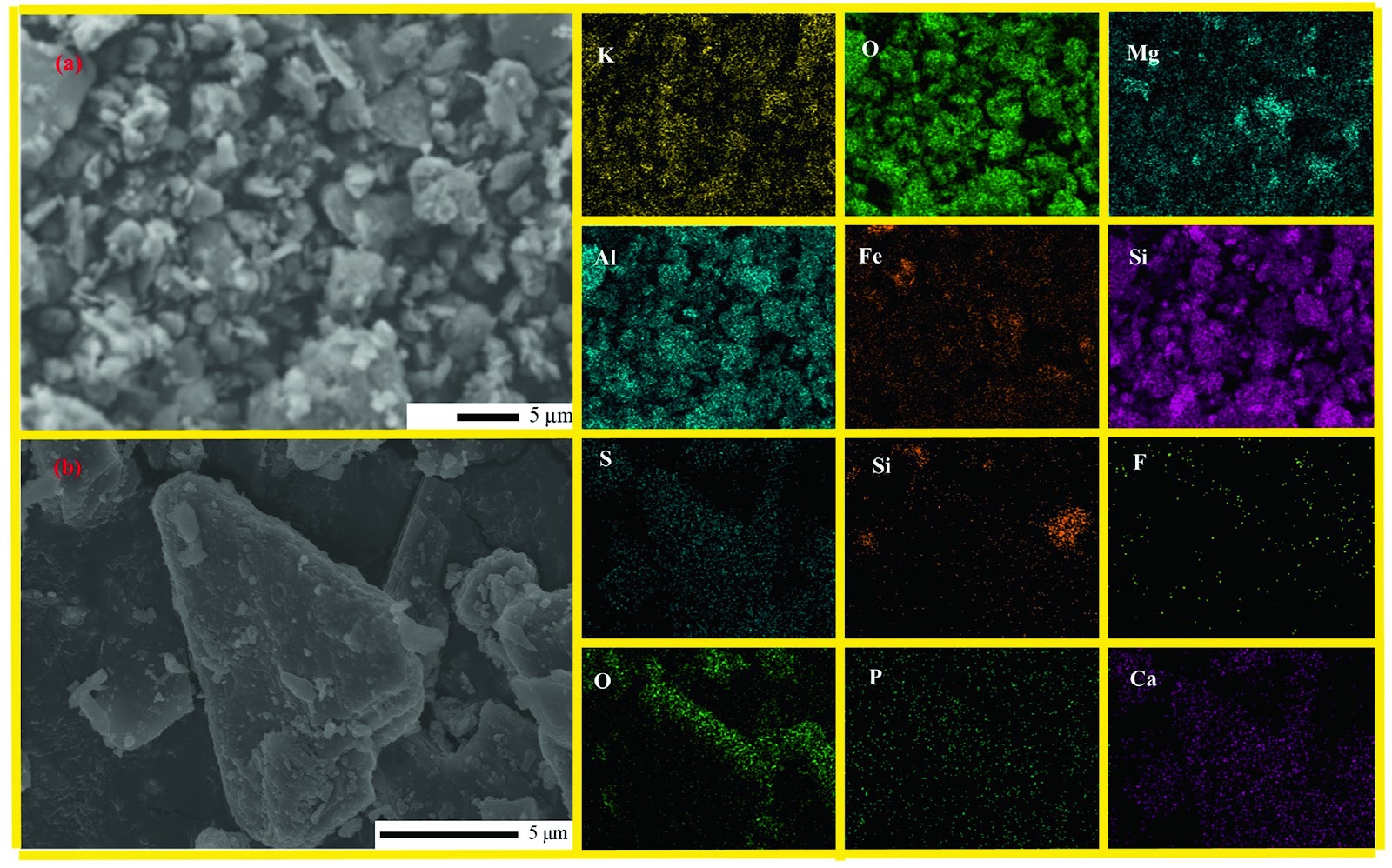
Study on synergistic leaching of potassium and phosphorus from potassium feldspar and solid waste phosphogypsum via coupling reactions

Authors: Chao Li, Shizhao Wang, Yunshan Wang, Xuebin An, Gang Yang, Yong Sun

To achieve the resource utilization of solid waste phosphogypsum (PG) and tackle the problem of utilizing potassium feldspar (PF), a coupled synergistic process between PG and PF is proposed in this paper. The study investigates the features of P and F in PG, and explores the decomposition of PF using hydrofluoric acid (HF) in the sulfuric acid system for K leaching and leaching of P and F in PG. The impact factors such as sulfuric acid concentration, reaction temperature, reaction time, material ratio (PG/PF), liquid–solid ratio, PF particle size, and PF calcination temperature on the leaching of P and K is systematically investigated in this paper. The results show that under optimal conditions, the leaching rate of K and P reach more than 93% and 96%, respectively. Kinetics study using shrinking core model (SCM) indicates two significant stages with internal diffusion predominantly controlling the leaching of K. The apparent activation energies of these two stages are 11.92 kJ·mol⁻¹ and 11.55 kJ·mol⁻¹, respectively.

Study on synergistic leaching of potassium and phosphorus from potassium feldspar and solid waste phosphogypsum via coupling reactions
Graphical Abstract
Original ResearchVol. 32, Issue 8 • pp. 771-783DOI: 10.1016/j_cjche_144878343Aug 15, 2023

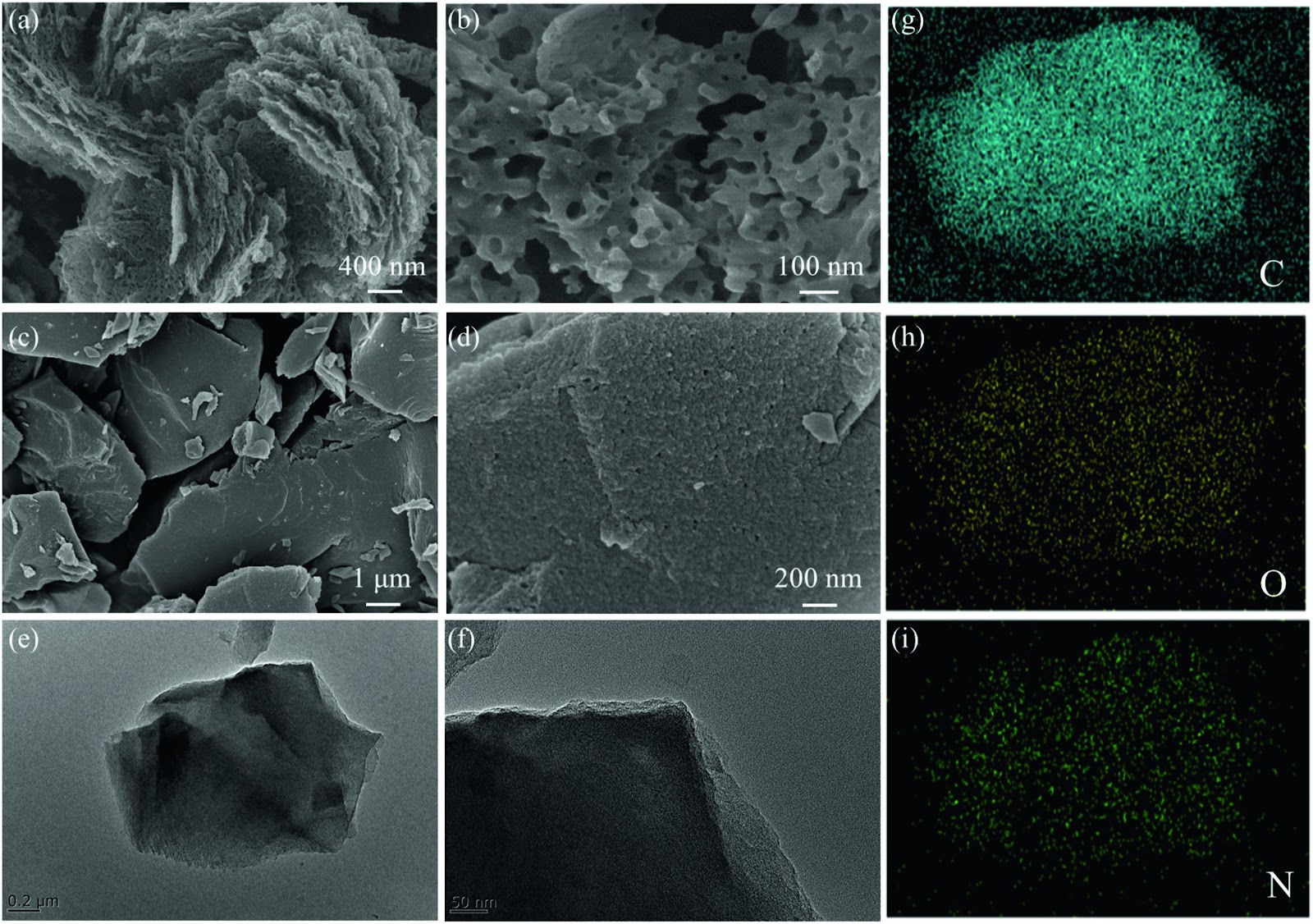
Enhancing capacitive deionization performance and cyclic stability of nitrogen-doped activated carbon by the electro-oxidation of anode materials

Authors: Xiaona Liu, Baohua Zhao, Yanyun Hu, Luyue Huang, Jingxiang Ma, Shuqiao Xu, Zhonglin Xia, Xiaoying Ma, Shuangchen Ma

Electrode materials with high desalination capacity and long-term cyclic stability are the focus of capacitive deionization (CDI) community. Understanding the causes of performance decay in traditional carbons is crucial to design a high-performance material. Based on this, here, nitrogen-doped activated carbon (NAC) was prepared by pyrolyzing the blend of activated carbon powder (ACP) and melamine for the positive electrode of asymmetric CDI. By comparing the indicators changes such as conductivity, salt adsorption capacity, pH, and charge efficiency of the symmetrical ACP–ACP device to the asymmetric ACP–NAC device under different CDI cycles, as well as the changes of the electrochemical properties of anode and cathode materials after long-term operation, the reasons for the decline of the stability of the CDI performance were revealed. It was found that the carboxyl functional groups generated by the electro-oxidation of anode carbon materials make the anode zero-charge potential (Epzc) shift positively, which results in the uneven distribution of potential windows of CDI units and affects the adsorption capacity. Furthermore, by understanding the electron density on C atoms surrounding the N atoms, we attribute the increased cyclic stability to the enhanced negativity of the charge of carbon atoms adjacent to quaternary-N and pyridinic-oxide-N.

Enhancing capacitive deionization performance and cyclic stability of nitrogen-doped activated carbon by the electro-oxidation of anode materials
Graphical Abstract
Original ResearchVol. 32, Issue 8 • pp. 567-579DOI: 10.1016/j_cjche_144877726Aug 4, 2023

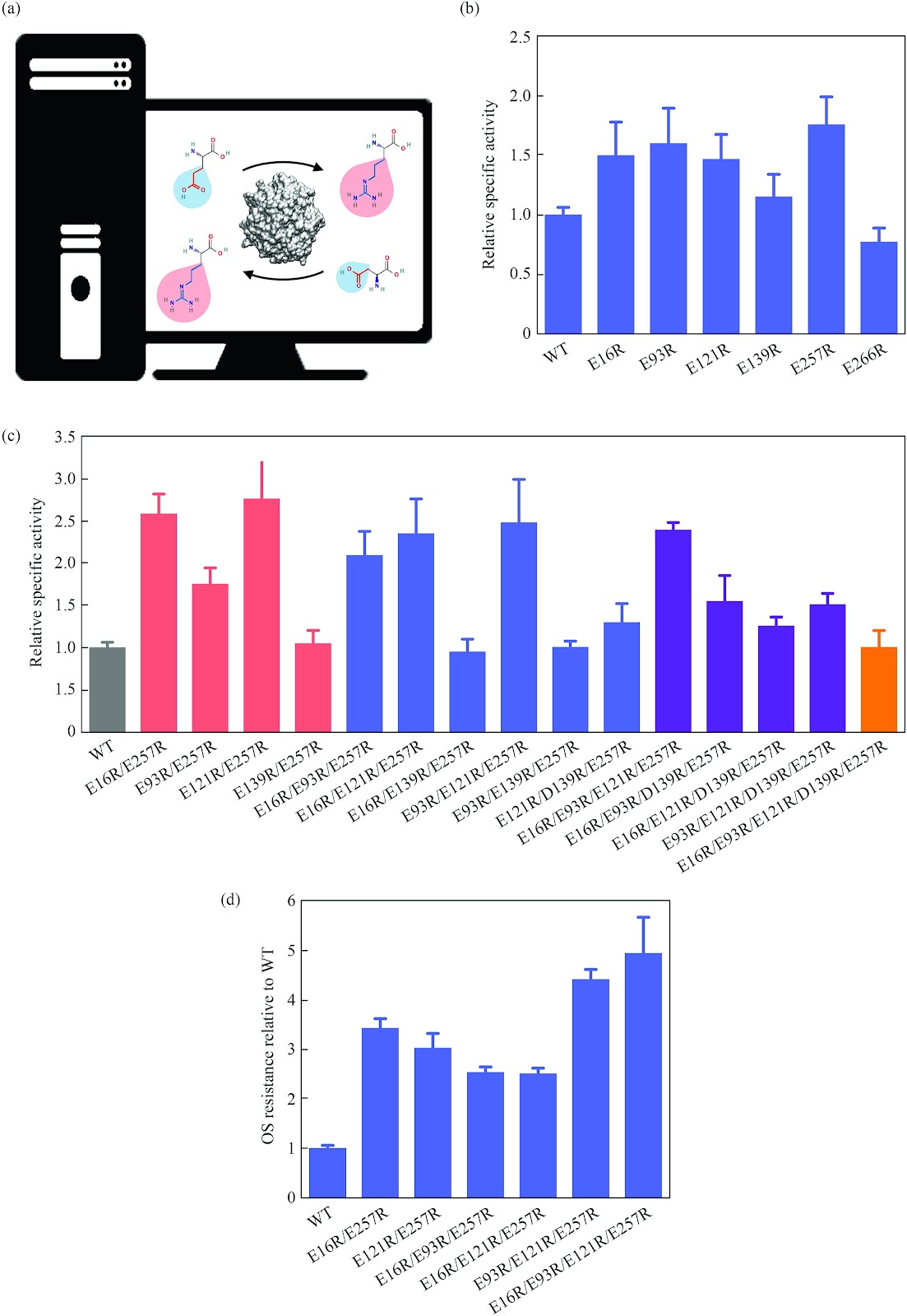
Rational surface charge engineering of haloalkane dehalogenase for boosting the enzymatic performance in organic solvent solutions

Authors: Yin Wu, Yan Sun

Biocatalysis in organic solvents (OSs) has numerous important applications, but native enzymes in OSs often exhibit limited catalytic performance. Herein, we proposed a computation-aided surface charge engineering strategy to improve the catalytic performance of haloalkane dehalogenase DhaA in OSs based on the energetic analysis of substrate binding to the DhaA surface. Several variants with enhanced OS resistance were obtained by replacing negative charged residues on the surface with positive charged residue (Arg). Particularly, a four-substitution variant E16R/E93R/E121R/E257R exhibited the best catalytic performance (five-fold improvement in OS resistance and seven-fold half-life increase in 40% (vol) dimethylsulfoxide). As a result, the overall catalytic performance of the variant could be at least 26 times higher than the wild-type DhaA. Fluorescence spectroscopy and molecular dynamics simulation studies revealed that the residue substitution mainly enhanced OS resistance from four aspects: (a) improved the overall structural stability, (b) increased the hydrophobicity of the local microenvironment around the catalytic triad, (c) enriched the hydrophobic substrate around the enzyme molecule, and (d) lowered the contact frequency between OS molecules and the catalytic triad. Our findings validate that computation-aided surface charge engineering is an effective and ingenious rational strategy for tailoring enzyme performance in OSs.

Rational surface charge engineering of haloalkane dehalogenase for boosting the enzymatic performance in organic solvent solutions
Graphical Abstract