SinoTechIntel Academic Portal
🏛️ Indexed Academic Journal

China Foundry

Access authentic peer-reviewed engineering methodologies, experimental datasets, and scientific literature published in this journal on SinoTechIntel.

Total Research Papers: 75
Access: 100% Free Open Access
Browse by Publication Year & VolumeReset All Filters ✕

Published Research PapersFiltered: Year 2025 • Vol. 22 • No. 5

Showing 7 of 75 peer-reviewed papers with full Graphical Abstracts.

Original ResearchVol. 22, No. 5 • pp. 534-544DOI: 10.1007/s41230-025-4072-7Sep 1, 2025

Effect of 3D printing angle on microstructure and mechanical properties of silica ceramic cores by stereolithography

Authors: Yue Gu, Wen-yan Duan, Gong Wang, Bing-shan Liu, Xiao-dong Liu, Shan Li

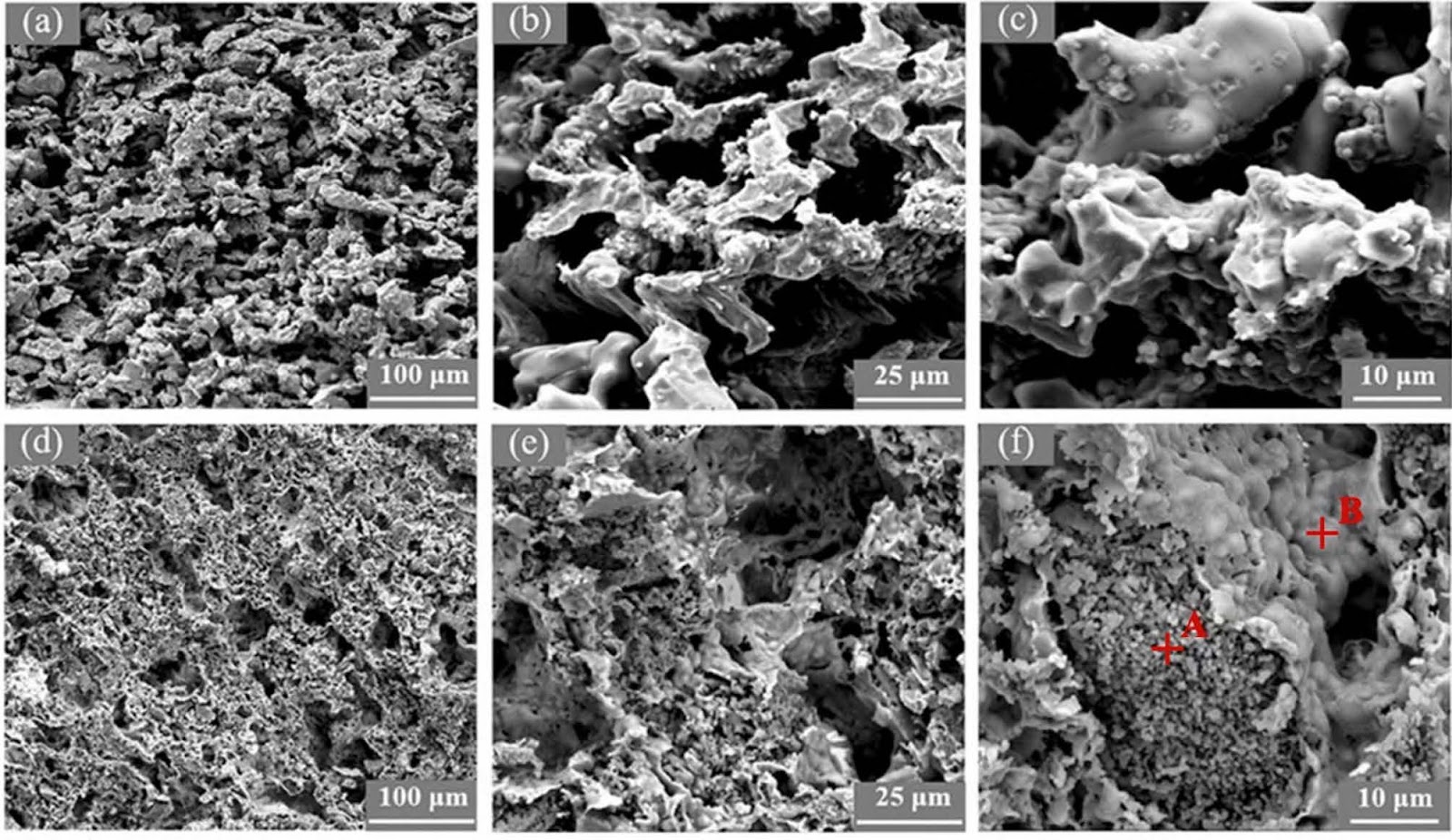
Ceramic cores fabricated by stereolithography exhibit great potential in casting turbine blades. Previous research on ceramic core molding was primarily conducted using vertical printing techniques, which not only resulted in lengthy molding durations but also compromised the mechanical strength. In this work, silica (SiO2) ceramic cores, with fine complex geometric shapes, were fabricated using 65vol.% ceramic slurry by digital light processing (DLP) with different printing angles. Printing angles significantly impact the surface accuracy, shrinkage, printing efficiency of green bodies, as well as the microstructure and mechanical properties of sintered ceramic core samples. As the printing angle in the green body increases, the bonding area decreases, surface roughness on the XY plane worsens, shrinkage in the Z direction becomes more pronounced, and the printing efficiency declines. Similarly, an increase in the printing angle in the sintered body leads to a reduction in bending strength. At a printing angle of 30°, the printing time is reduced to half of that at 90°, which improves the molding efficiency. Meanwhile, the obtained bulk density of 1.71 g·cm-3, open porosity of 24%, and flexural strength of 10.6±1 MPa can meet the requirements of sintered ceramic cores. Therefore, designing and optimizing the printing angles can achieve the balance between shrinkage, printing efficiency, and flexural strength.
Effect of 3D printing angle on microstructure and mechanical properties of silica ceramic cores by stereolithography
Graphical Abstract
Original ResearchVol. 22, No. 5 • pp. 592-602DOI: 10.1007/s41230-025-5001-5Jan 15, 2025

Mitigating anisotropy of vat photopolymerization 3D printing Al2O3-based ceramic cores through zircon addition

Authors: Bo-yang Qu, Rui-long Yu, Tian-chi Chen, Qiao-lei Li, Ang Li, Wei Liu, Xi-he Liu, Xin-yan Yue, Jing-jing Liang, Jin-guo Li

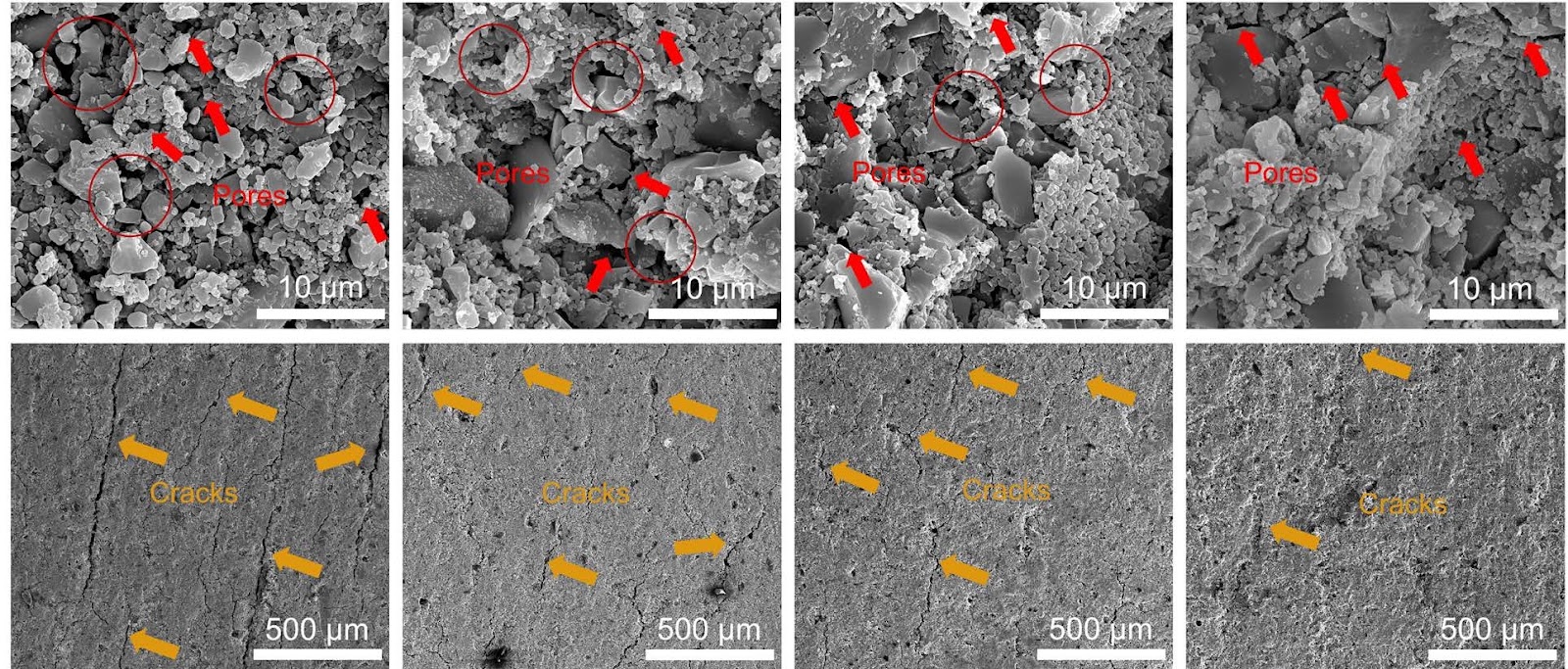
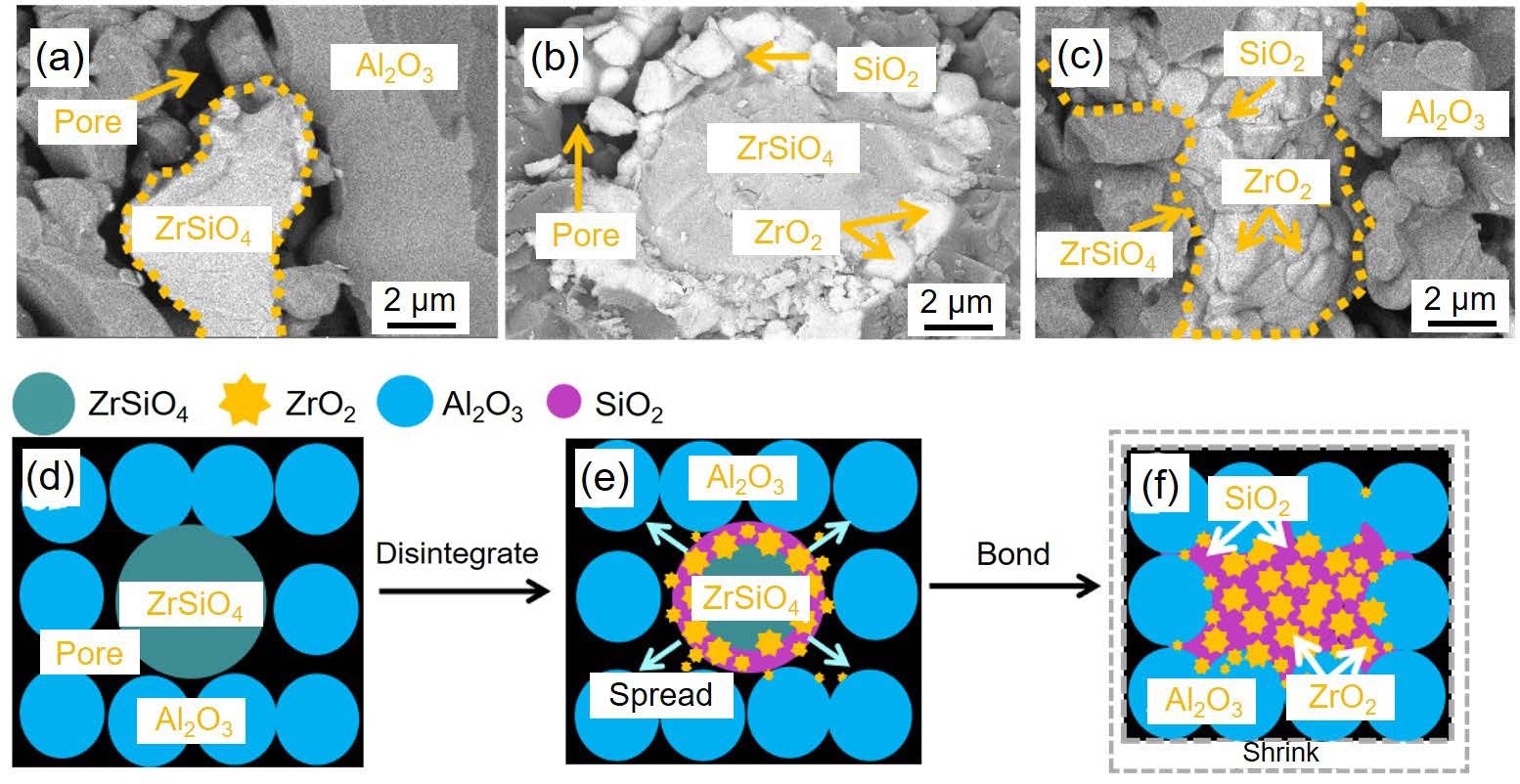
Ceramic cores are important in the fabrication of superalloy hollow blades, which are increasingly characterized by intricate internal cavity channels. This complexity poses significant challenges to traditional manufacturing processes. The vat photopolymerization 3D printing technology provides a new choice for ceramic cores with complex structures. However, the lamellar structure of the vat photopolymerization 3D printed ceramic cores leads to the anisotropy. Meanwhile, the low strength and high shrinkage of ceramic cores restrict their industrial application. In this study, using Al2O3 powder as the main material, the effects of zircon content on the sintering shrinkage, open porosity, flexural strength, and other properties of Al2O3-based ceramic cores were studied to address the aforementioned issues. The influencing mechanism of zircon distribution on sintering shrinkage was analyzed, and the strengthening mechanism of mullite on ceramic cores was discussed from both thermodynamics and dynamics aspects. Through the comprehensive evaluation of ceramic core properties, the Al2O3-based ceramic core with 15vol.% zircon exhibites the optimal performance. Compared with the core samples without zirconium addition, the flexural strength of the Al2O3-based ceramic core with 15vol.% zircon increases from 14.80 MPa to 61.54 MPa at 25 °C, an increase of 315.8%; and from 4.91 MPa to 11.59 MPa at 1,500 °C, an increase of 136.0%. The shrinkage in the Z-axis is reduced by 21%, which better weakens the anisotropy of the shrinkage of 3D printed Al2O3-based ceramic cores. ZrO2 phase and mullite phase are formed by zircon, which improve the comprehensive properties of Al2O3-based ceramic cores. The successful 3D printing of high-performance Al2O3-based ceramic cores via vat photopolymerization has promoted its industrial application for fabricating ceramic cores with complex structures.

Mitigating anisotropy of vat photopolymerization 3D printing Al2O3-based ceramic cores through zircon addition
Graphical Abstract
Original ResearchVol. 22, No. 5 • pp. 507-518DOI: 10.1007/s41230-025-4210-2Jan 15, 2025

Preparation of soluble ceramic cores via additive manufacturing technology: A review

Authors: Xiao-peng Yu, Wen-ming Jiang, Yun-xia Wang, Li Yang, Zi-wei Peng, Zi-tian Fan

Ceramic cores are key components in the production of castings with complex cavity structures. With the continuous development of the aerospace field, the demand for the castings with complex cavity structures is increasing. When using insoluble ceramic cores for casting, there is a significant challenge in removing complex blind cavities, which severely affects the completeness of the shape of the castings. Soluble ceramic cores can disintegrate when placed in water, greatly simplifying the removal process of cores and ensuring the complete formation of castings with complex cavity structures. Additive manufacturing technology, compared to traditional methods for preparing the soluble ceramic cores, does not require molds and can achieve direct forming of complex cores, simplifying the preparation process and reducing production time and costs. Nowadays, various additive manufacturing technologies, such as stereolithography (SL), selective laser sintering (SLS), direct ink writing (DIW), and binder jetting (BJ) technologies, have been successfully applied to the preparation of the ceramic cores. This paper analyzed the advantages and limitations of various additive manufacturing technologies, reviewed the research progress and raw material classifications of soluble ceramic cores prepared by these technologies, and looked forward to the future developments in the preparation of soluble ceramic cores using additive manufacturing technologies.

Preparation of soluble ceramic cores via additive manufacturing technology: A review
Graphical Abstract
Original ResearchVol. 22, No. 5 • pp. 545-554DOI: 10.1007/s41230-025-5003-3Jan 15, 2025

Effect of polysilazane on microstructure and properties of Al2O3-based ceramic core for 3D printing

Authors: Sheng-qi Liu, Rui-long Yu, Wen-jun Dong, Qiao-lei Li, Ang Li, Wei Liu, Xi-he Liu, Xin-yan Yue, Jing-jing Liang, Jin-guo Li

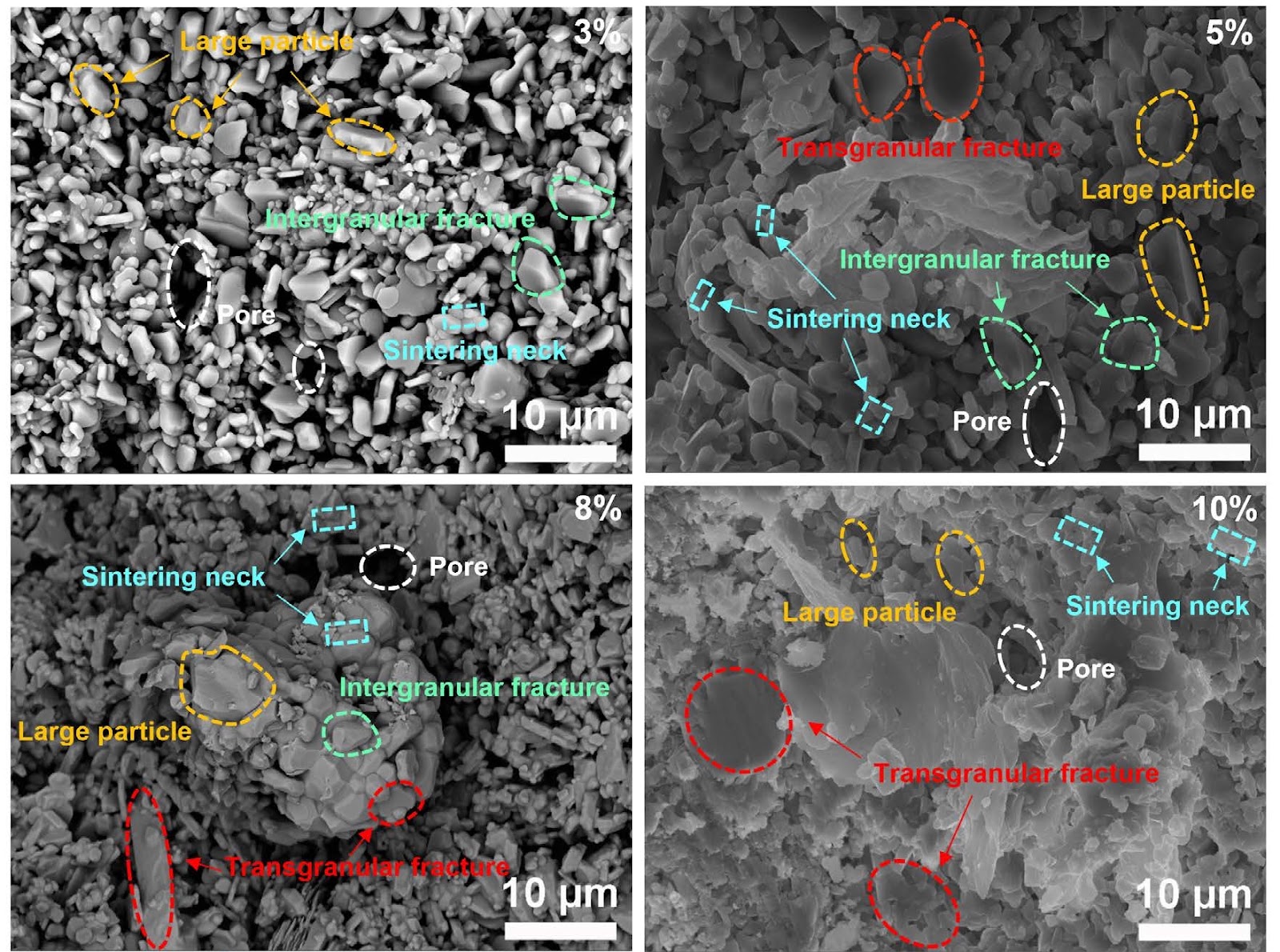
The performance of an aero-engine is closely related to the cooling ability of the hollow turbine blades. Ceramic core is an important component in the production of hollow turbine blades with a complex structure. As the pace of updating and iteration in turbine blade design continues to accelerate, the internal cavity structures of turbine blades have become increasingly complex. Traditional hot injection process is difficult to meet the production requirements of ceramic cores with complex structures. 3D printing technology can manufacture ceramic cores without the need for moulds, significantly shortening the production cycle and providing a new technology for the production of ceramic cores with complex structures. To meet the technical requirements of the investment casting process, ceramic cores must possess adequate mechanical strength and appropriate porosity. In this work, the ceramic slurry with polysilazane (PSZ) precursor was successfully prepared, and the Al2O3-based ceramic cores with high performance were fabricated using 3D printing technology. The regulation mechanism of polysilazane on the performance of ceramic cores was investigated. The results show that with the increase of PSZ content, the flexural strength of ceramic cores firstly increases and then decreases. When the content of PSZ is 5%, the flexural strength at 25 °C and 1,500 °C are 31.5 MPa and 13.1 MPa, respectively, and the porosity is 36.7%. This work is expected to advance the research and practical application of high-performance ceramic cores fabricated via 3D printing.

Effect of polysilazane on microstructure and properties of Al2O3-based ceramic core for 3D printing
Graphical Abstract
Original ResearchVol. 22, No. 5 • pp. 519-533DOI: 10.1007/s41230-025-4182-2Jan 15, 2025

Influence of final sintering temperature on properties of nano-ZrO2 reinforced SiO2-based ceramic cores via stereolithography additive manufacturing

Authors: Qi-qi Huang, Chao-yue Chen, Yu-hao Yin, Song-zhe Xu, Xia Li, Tao Hu, Shuo Yin, Jiang Wang, Wei-dong Xuan, Zhong-ming Ren

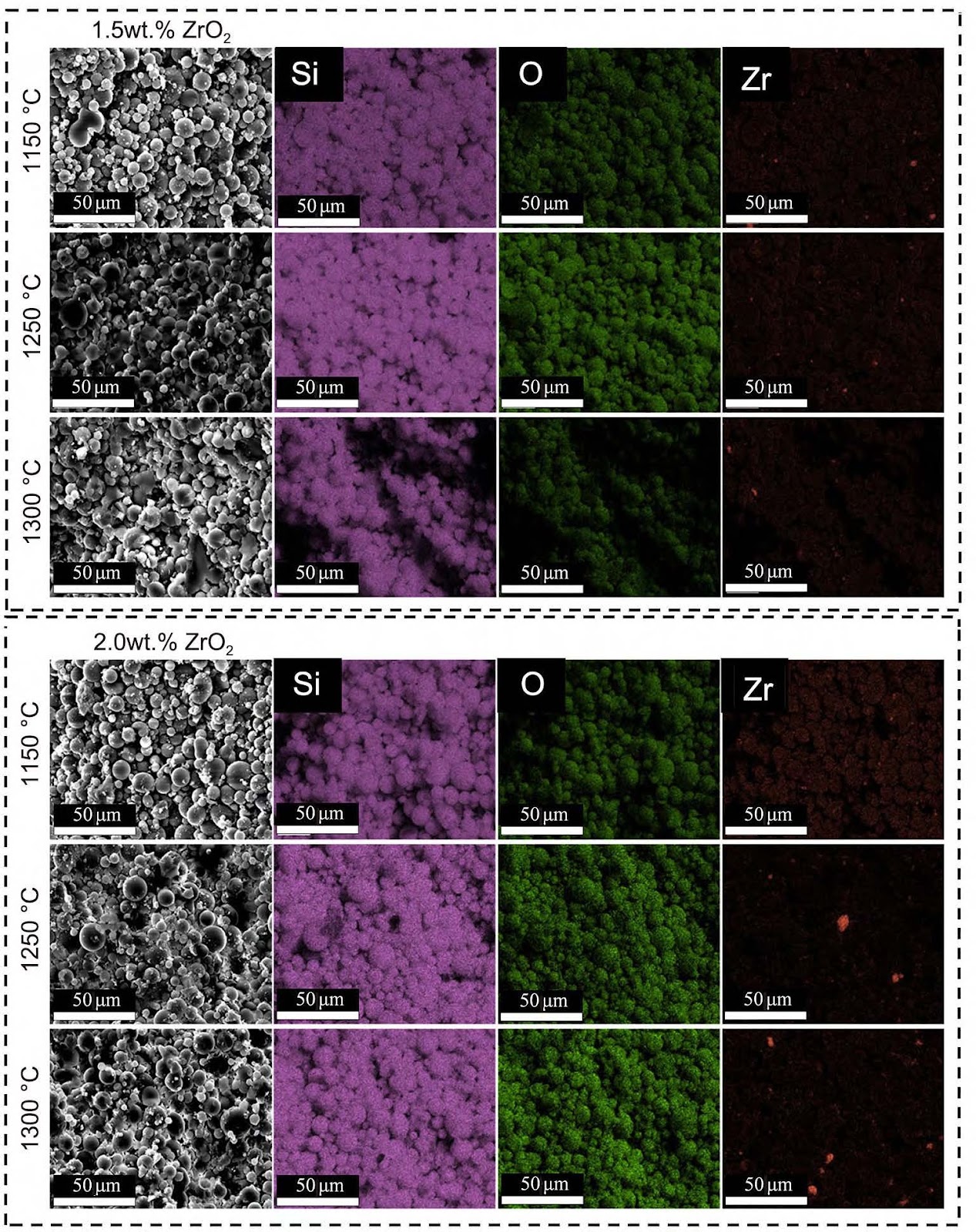
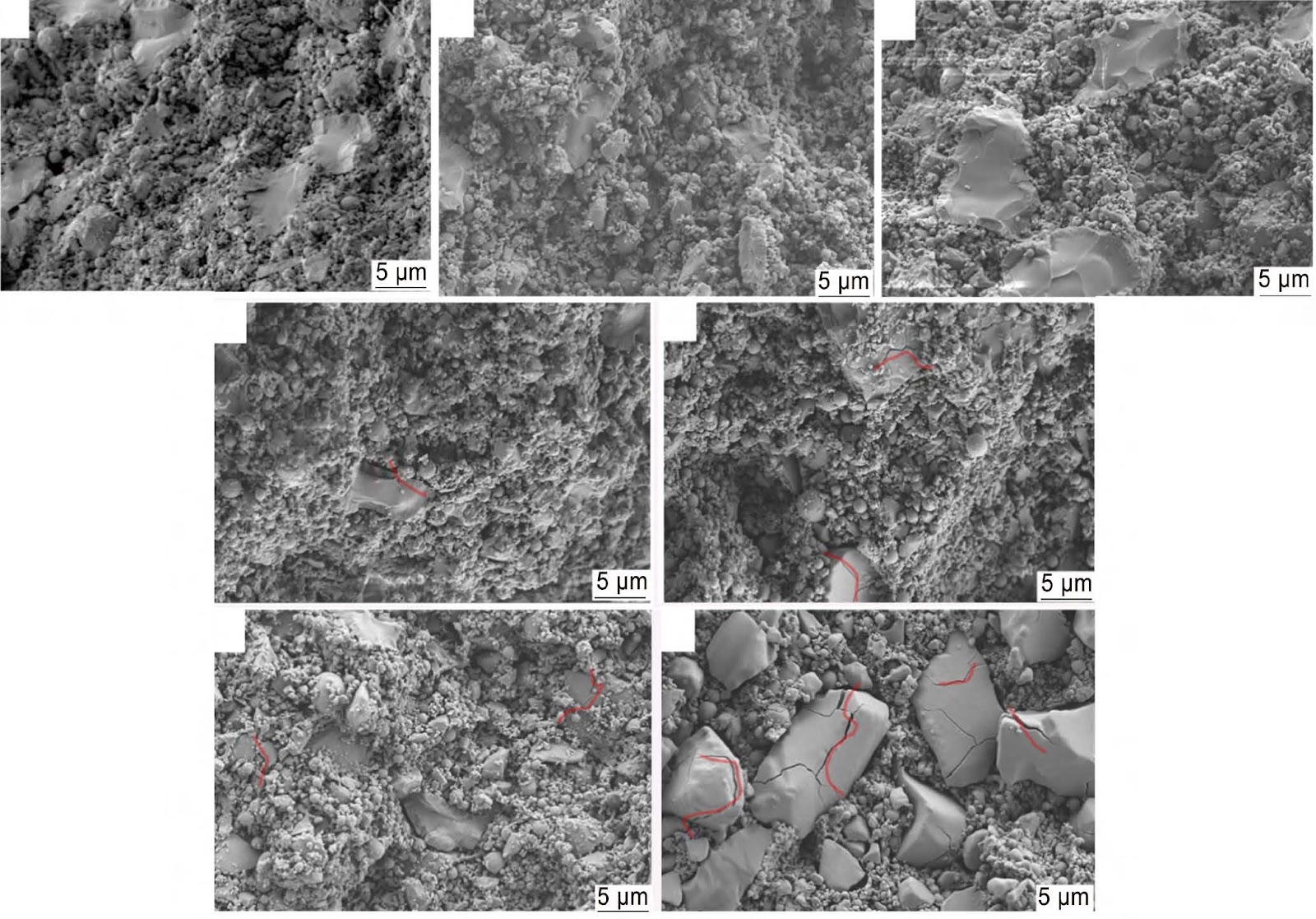
As a reliable additive manufacturing technology, the stereolithography (SLA) ceramic core necessitates a tailored sintering process to achieve optimal performance. This study explored the effects of final sintering temperatures (specifically 1,150, 1,250, and 1,300 °C) on the properties of SLA-fabricated SiO2-based ceramic cores reinforced with nano-ZrO2 (at concentrations of 1.0wt.%, 1.5wt.%, and 2.0wt.%). The results demonstrate that increasing the final sintering temperature and the incorporation of nano-ZrO2 enhance the viscous flow of quartz glass, resulting in a higher sintering degree. As the final sintering temperature rises, the ceramic samples exhibit increased shrinkage rate, decreased apparent porosity, and increased bulk density. Higher final sintering temperatures also promote greater cristobalite precipitation, promoting an increase in the amount and precipitation rate of quartz during investment casting. The formation of a cristobalite and ZrSiO4 network at elevated temperatures effectively inhibits the viscous flow of quartz glass, thereby significantly improving high-temperature flexural strength and creep resistance of ceramic cores. When the content of nano-ZrO2 is between 1.5wt.% and 2.0wt.%, the final sintering temperature of 1,250 °C is the best choice. Under these conditions, the shrinkage rate along the Z direction ranges from 3.35% to 3.68%, the porosity lies between 25.57% and 26.03%, the bulk density varies from 1.612 to 1.645 g·cm-3, the room temperature flexural strength is between 26.79 and 27.85 MPa, and the flexural strength at high temperatures is within the range of 30.77 to 33.02 MPa. The deflection at high-temperatures is 3.37-5.31 mm, while the surface roughness of the upper surface is 3.26-4.79 μm, and the surface roughness of the side surface is 4.97-5.79 μm. These findings provide valuable guidance for optimizing the sintering processes of SLA ceramic cores, offering potential for industrial applications.

Influence of final sintering temperature on properties of nano-ZrO2 reinforced SiO2-based ceramic cores via stereolithography additive manufacturing
Graphical Abstract
Original ResearchVol. 22, No. 5 • pp. 555-564DOI: 10.1007/s41230-025-4178-yJan 15, 2025

Vat photopolymerization of silica-based ceramic cores using high solid loading slurry with performance optimization

Authors: Yong-kang Yang, Bo-ran Wang, Zi-qi Jia, Shu-xin Niu, Xin Li, Ya-jie Guo, Xi-qing Xu

Vat photopolymerization (VPP) 3D printing is an optimized technology for complex-shaped ceramic cores, in which the solid loading of ceramic slurries greatly influences the microstructure and property of the final ceramic parts. However, the high solid loading of slurries is highly limited by the high viscosity. In this study, silica-based ceramic core slurries with solid loading up to 68vol.% were achieved by the composition design to optimize the performance, considering the curing, rheological, and double bond conversion rate. The slurries demonstrate superior curing and rheological performance with mass ratio of monomers being 3:2 and mass fraction of BYK111 being 4wt.%. Afterwards, the impact of solid loading on the morphology and mechanical properties was investigated. As the solid loading increases, the microstructure becomes gradually dense, leading to an improved flexural strength of 19.5 MPa. Additionally, the sintering shrinkage becomes more uniform, satisfying the casting requirements effectively. This work serves as a guide for the preparation of ceramic slurries with a high solid loading.

Vat photopolymerization of silica-based ceramic cores using high solid loading slurry with performance optimization
Graphical Abstract
Original ResearchVol. 22, No. 5 • pp. 493-506DOI: 10.1007/s41230-025-4240-9Jan 15, 2025

Vat photopolymerization 3D printing of ceramic cores: Advances, challenges, and prospects

Authors: Xiang Li, Hai-jun Su, Dong Dong, Hao Jiang, Ya-wen Ma, Zhong-lin Shen, Yi-nuo Guo, Yun Zhang, Zhuo Zhang, Min Guo

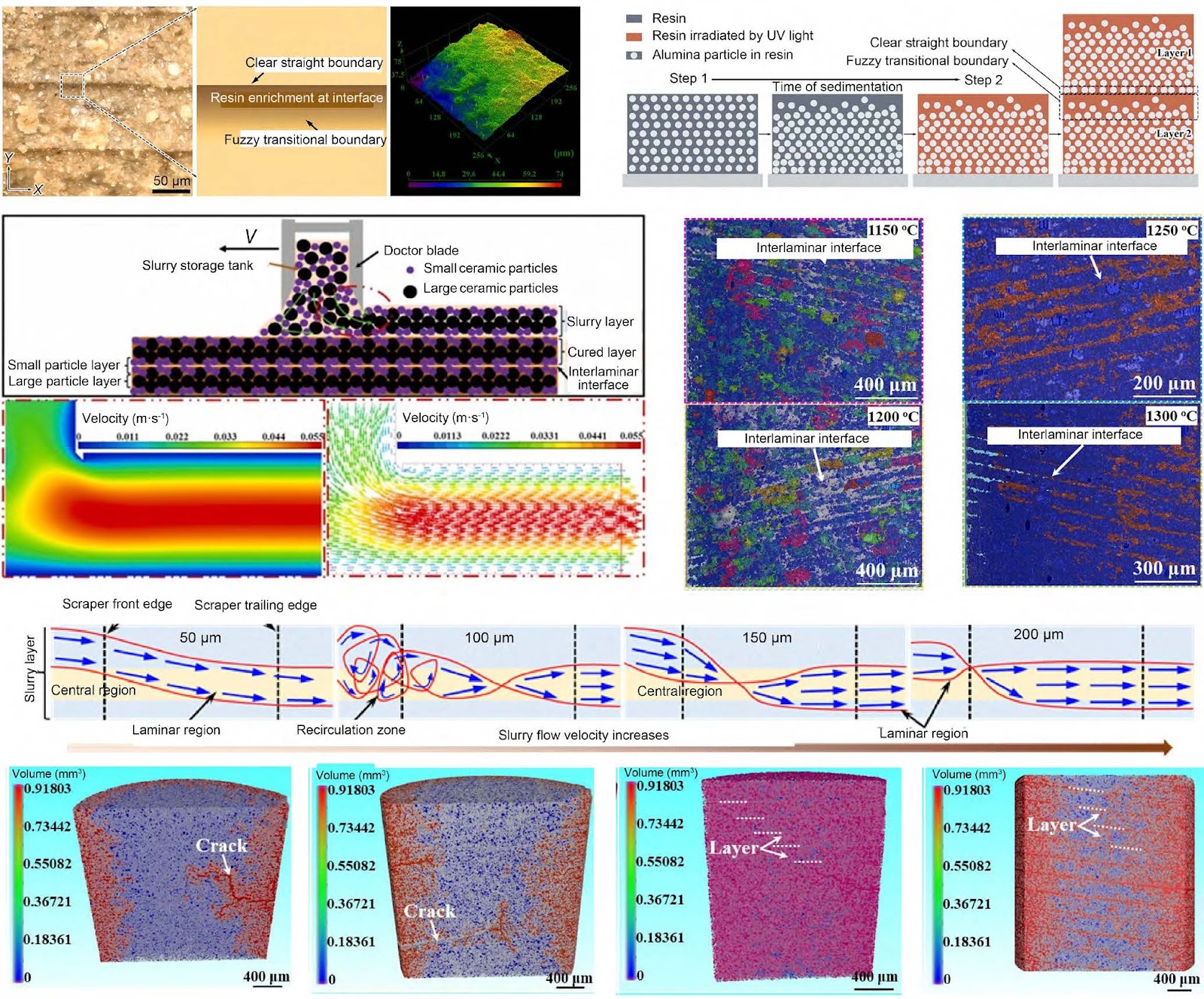
To meet the evolving demands of aeroengine development, the structural and performance requirements for ceramic cores have become increasingly stringent. Vat photopolymerization 3D printing, owing to its moldless, flexible manufacturing, and other advantages, demonstrates significant potential in the preparation of ceramic cores with intricate structures. However, its practical application still faces multiple challenges, including layered structures and property anisotropy, defects such as cracks and collapse during printing and sintering, forming inaccuracies, and difficulties in controlling surface roughness. Recent advances have focused on optimizing slurry formulation and rheology, improving curing behavior, introducing auxiliary powders and additives, tailoring forming parameters, and optimizing the sintering process. Nevertheless, effectively suppressing lamellar defects, achieving superior dimensional accuracy, and maintaining high surface quality in complex structures remain the core scientific and technical issues to be solved. Future research should concentrate on refining curing mechanisms, advancing powder design and organic system optimization, and regulating the coupled processes of forming, debinding, and sintering to accelerate the application of VPP 3D printed ceramic cores in aerospace manufacturing.

Vat photopolymerization 3D printing of ceramic cores: Advances, challenges, and prospects
Graphical Abstract
China Foundry | SinoTechIntel Research Archive | SinoTechIntel