SinoTechIntel Academic Portal
🏛️ Indexed Academic Journal

China Foundry

Access authentic peer-reviewed engineering methodologies, experimental datasets, and scientific literature published in this journal on SinoTechIntel.

Total Research Papers: 75
Access: 100% Free Open Access
Browse by Publication Year & VolumeReset All Filters ✕

Published Research PapersFiltered: Year 2025 • Vol. 22 • No. 3

Showing 10 of 75 peer-reviewed papers with full Graphical Abstracts.

Original ResearchVol. 22, No. 3 • pp. 239-251DOI: 10.1007/s41230-025-4031-3May 1, 2025

Quantitative analysis of columnar-to-equiaxed transition in Mg-Gd-Zn alloys

Authors: Yong-biao Wang, Bao-qi Ma, Jia-xin Wang, Xin-tian Liu, Ang Zhang, Jian-xiu Liu, Yan Wang, Yu-juan Wu, Li-ming Peng

Columnar to equiaxial crystal transition (CET) is an important technological feature in many casting processes. This work investigated the CET during the solidification of Mg-Gd-Zn alloys by combining synchrotron radiation in-situ imaging and phase-field method. Results show that the grain size, dendrite tip radius, and secondary dendrite arm spacing (SDAS) all exponentially decrease with an increase in cooling rate (Vc). The variation in the radius of the dendritic tip is similar to the prediction of the Hunt model, while the variation in the SDAS is close to the Bouchard-Kirkaldy model. It is worth noting that the CET is promoted by a decrease in the temperature gradient (G) and an increase in the cooling rate (Vc). In both equiaxed and columnar crystal regions, the dendrite tip growth rate and solid phase volume fraction increase with increasing G and Vc. In addition, the CET process has been predicted by simulation. The results are consistent with the predictions of the GTK model, which is important for the in-depth study of the dendrite morphology in different crystallization regions. In the final stage, the effects of different critical subcooling degrees and nucleation densities on the CET were explored. The results show that increasing the critical nucleation supercooling degree can inhibit the generation of equiaxial crystals, while increasing the nucleation density helps to promote the CET.
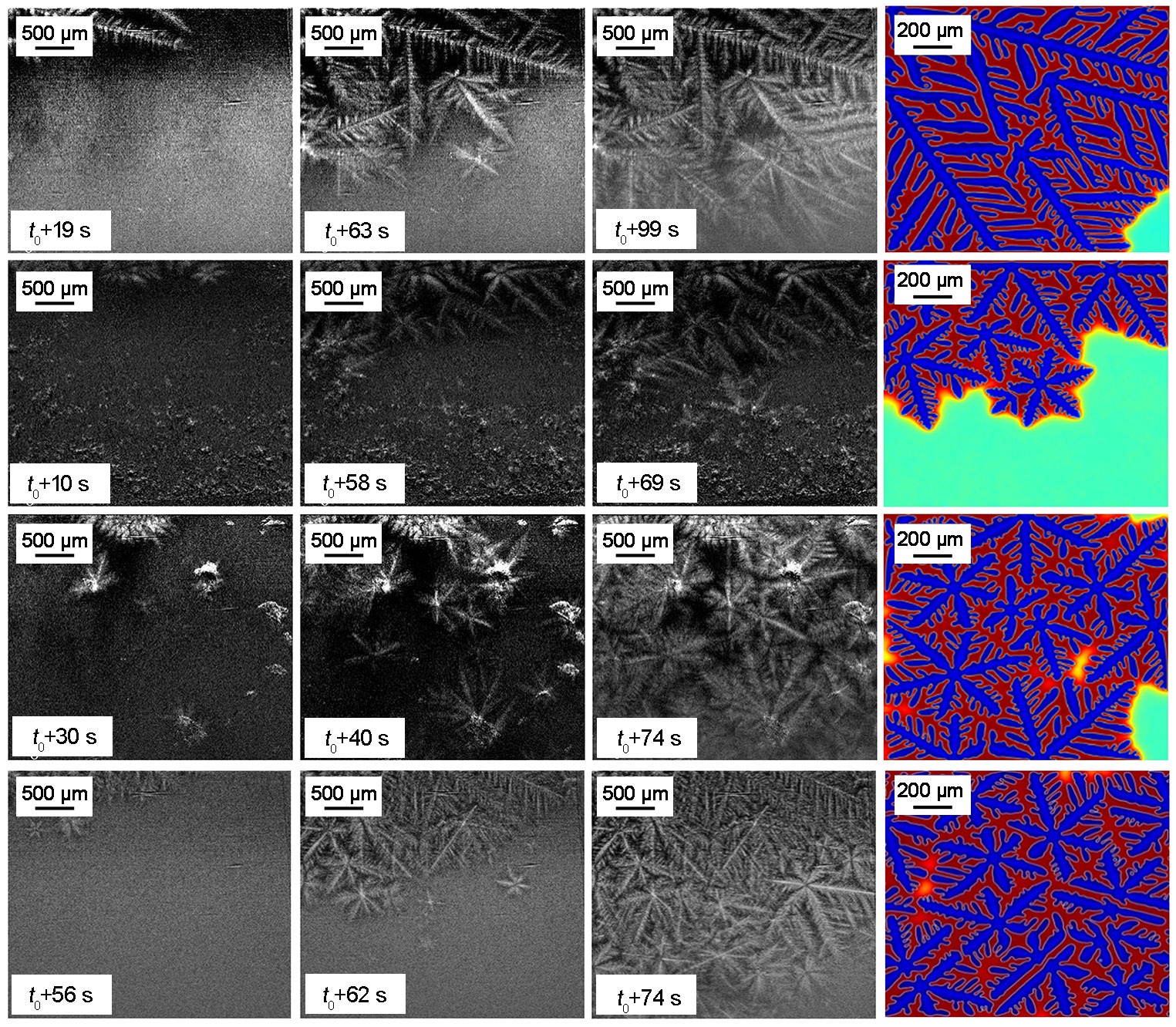
Quantitative analysis of columnar-to-equiaxed transition in Mg-Gd-Zn alloys
Graphical Abstract
Original ResearchVol. 22, No. 3 • pp. 352-362DOI: 10.1007/s41230-025-4047-8Jan 15, 2025

Effect of deep cryogenic treatment on microstructure and mechanical properties of AlCoCrFeNi2.1 eutectic high-entropy alloy

Authors: Si-ruo Zhang, Cheng-hao Liu, Hao Qi, Hao-kai Wu, Guang-yu Yang, Ting-shuai Tan, Ying-dong Qu, Guang-long Li

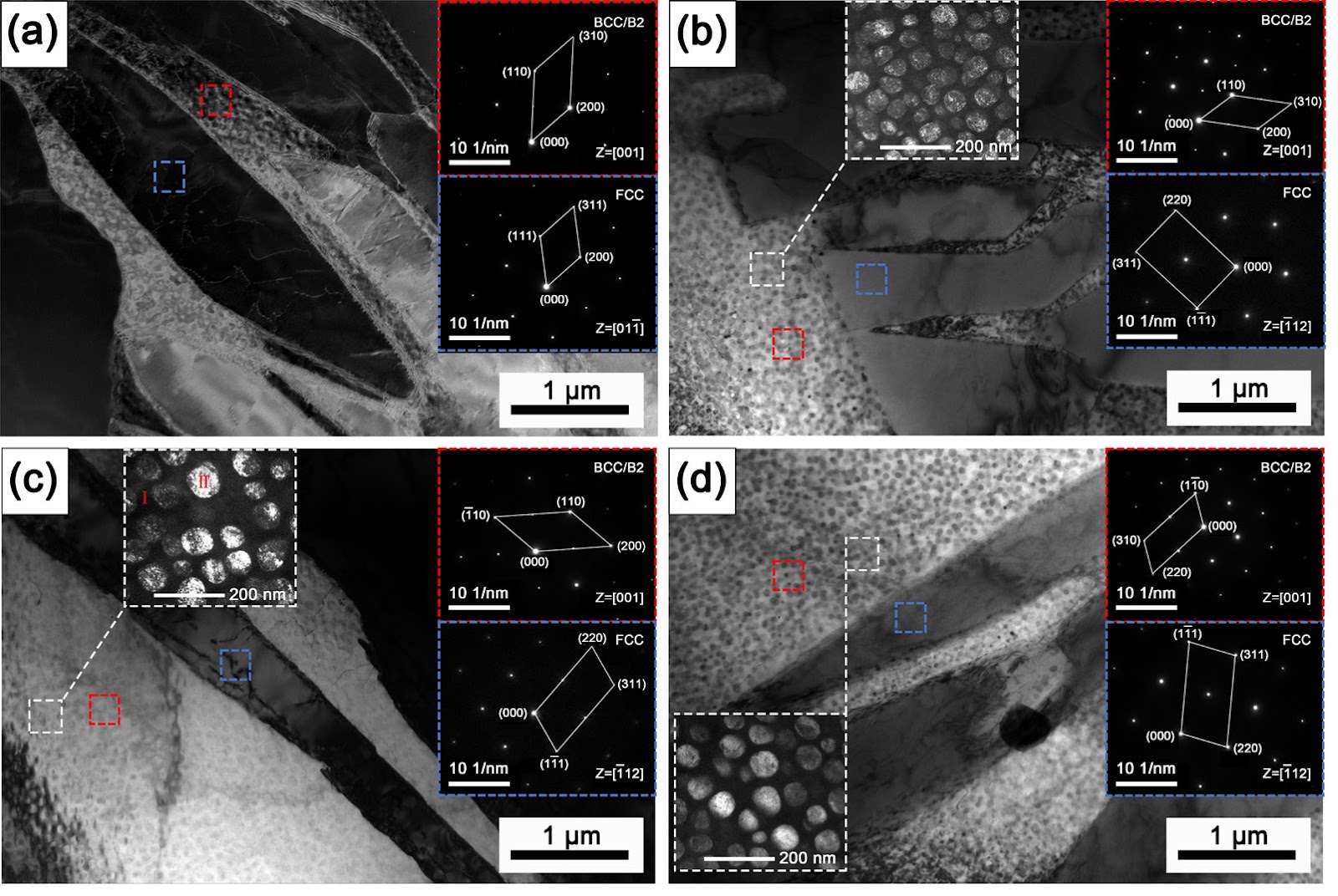
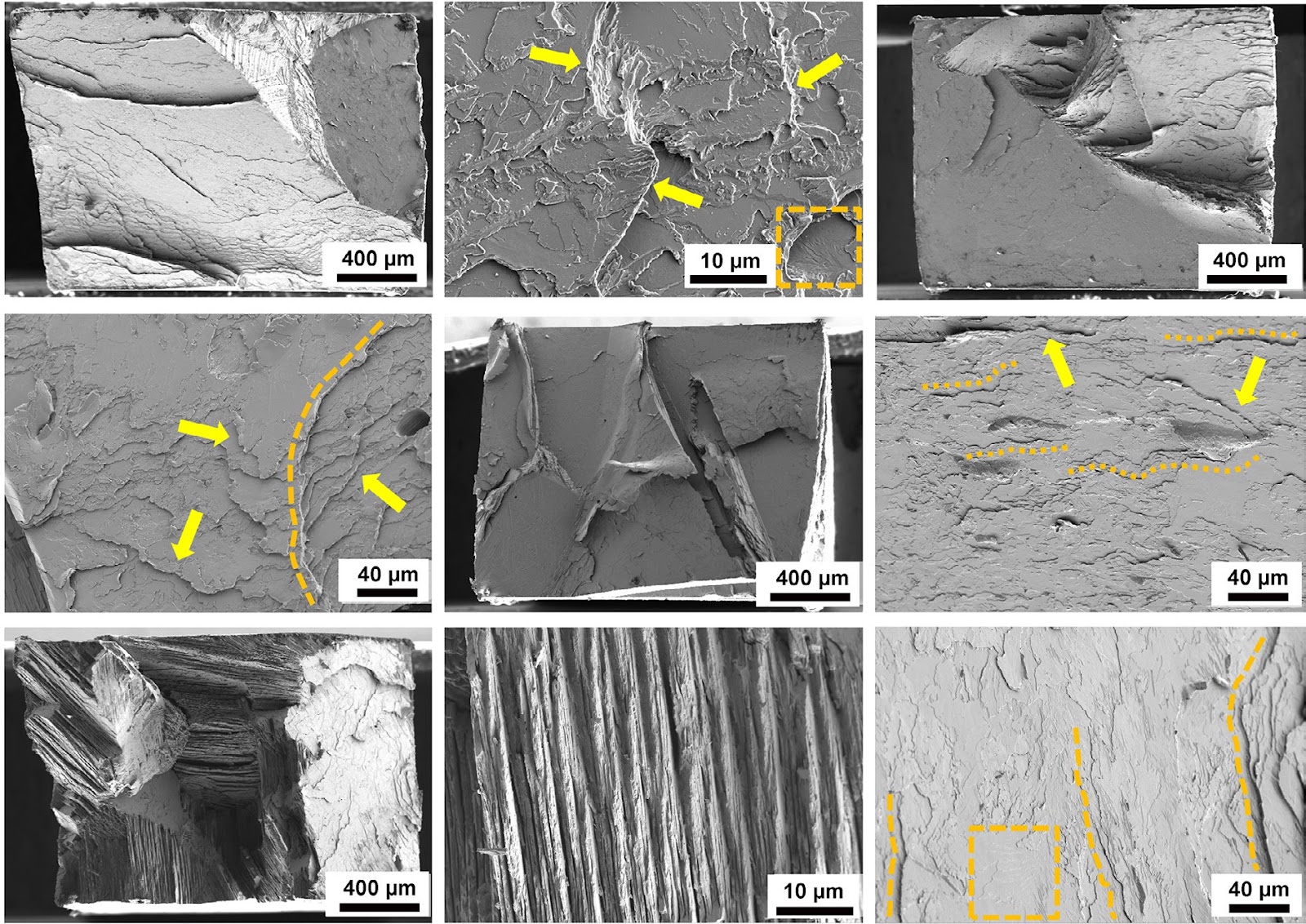
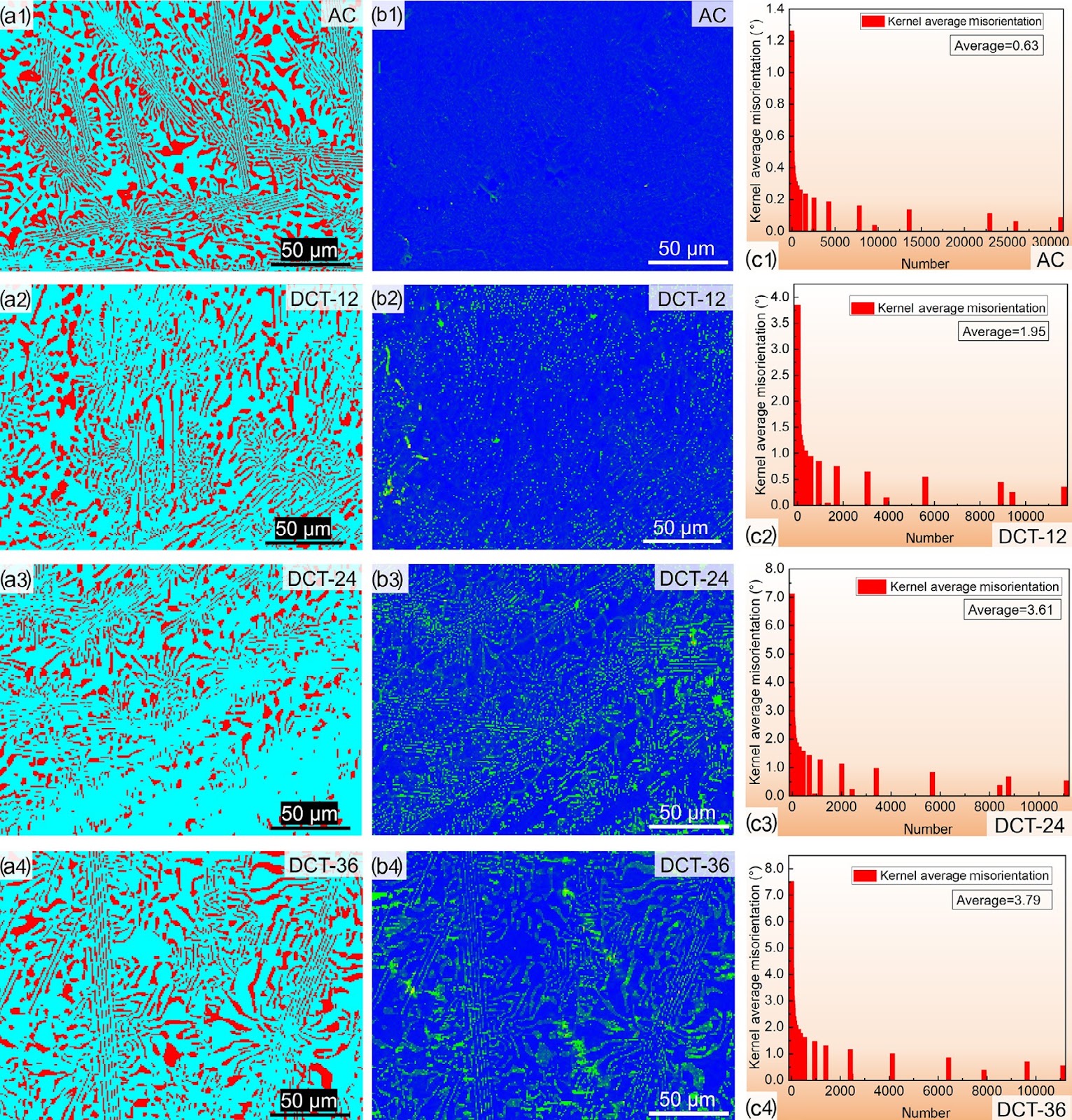
As a typical eutectic high-entropy alloy (EHEA), AlCoCrFeNi2.1 exhibits excellent casting properties. However, the imbalance between strength and plasticity hinders its application as an advanced structural material. In order to address this challenge, deep cryogenic treatment (DCT) as a new process applied in the field of EHEAs was proposed in this study. The effects of different DCT times on the microstructure and mechanical properties of AlCoCrFeNi2.1 EHEAs were studied, mainly focusing on the flake structure of FCC+B2 layer. The experimental results suggest that with the extension of the DCT time, the dislocation density in the FCC phase increases significantly. The spherical BCC precipitate phase is generated within the B2 phase, and the average size of this newly generated precipitate phase gradually decreases. Increasing the number of dislocations and precipitate phases is of great significance to improve the mechanical properties. The AlCoCrFeNi2.1 EHEA exhibits excellent comprehensive mechanical properties after DCT for 36 h. Compared with the as-cast state, the tensile strength at room temperature reaches 1,034.51 MPa, increased by 5.74%. The plasticity reaches 21.72%, which is increased by 11.79%. The results show that the tensile strength and ductility of AlCoCrFeNi2.1 EHEAs are balanced and improved after DCT, which are more suitable as advanced structural materials. In addition, the introduction of the DCT process to EHEAs solves the problem of environmental pollution caused by traditional heat treatment process. This study provides useful guidance for using the DCT process to strengthen the mechanical properties of “lamellar + block” type EHEAs.

Effect of deep cryogenic treatment on microstructure and mechanical properties of AlCoCrFeNi2.1 eutectic high-entropy alloy
Graphical Abstract
Original ResearchVol. 22, No. 3 • pp. 345-351DOI: 10.1007/s41230-025-4146-6Jan 15, 2025

Effect of Al content on phase evolution, damping capacity, and mechanical properties of AlxCrFe3Ni medium entropy alloys

Authors: Ning-ning Geng, Jiang Li, Wei Zhang, Peng Gao, Qing-chun Xiang, Ying-lei Ren, Bo Yu, Ke-qiang Qiu

The phase constitution, microstructure, damping capacity, and mechanical properties of as-cast AlxCrFe3Ni (x=0.5, 0.52, 0.54, and 0.56, respectively) medium entropy alloys were investigated. It is found that the volume fraction of BCC phase increases while that of FCC decreases with increasing the Al content. When the content of Al is 0.54, the alloy is composed of 82.1vol.% BCC matrix and 17.9vol.% FCC phase. Wherein the FCC phase is distributed on the BCC matrix, forming a structure where the hard BCC matrix is surrounded by soft FCC phase. This results in a hindering effect on the propagation process of vibration waves. The damping performance of Al0.54CrFe3Ni alloy, characterized by an internal friction of Q-1 is as high as 0.059, is higher than that of most FeCr damping alloys. The volume fraction of the BCC phase and the peculiar distribution of the FCC phase are identified as the key factors affecting the damping capacity. In addition, the Al0.54CrFe3Ni alloy exhibits a high yield strength of 811.16 MPa.

Effect of Al content on phase evolution, damping capacity, and mechanical properties of AlxCrFe3Ni medium entropy alloys
Graphical Abstract
Original ResearchVol. 22, No. 3 • pp. 333-344DOI: 10.1007/s41230-025-4171-5Jan 15, 2025

A new mathematical model for investigating solidification, solute transportation, and TiN precipitation in a micro-alloy steel containing Ti

Authors: Han Wang, Tian-peng Qu, Tian Liang, Xiang-long Li, De-yong Wang, Lei Fan, Zhi-xiao Zhang, Zheng-hong Yang

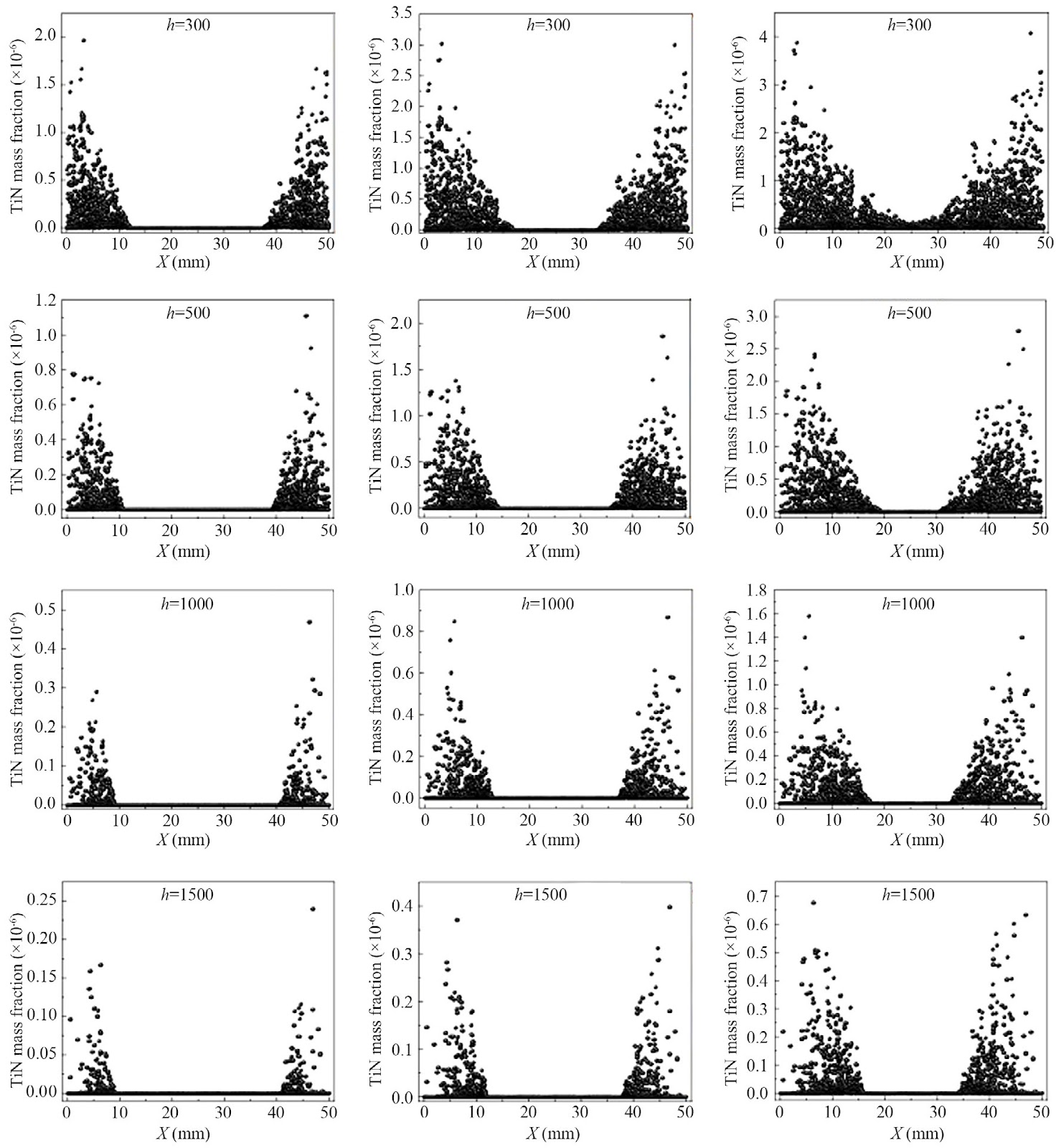
In order to investigate the segregation process and clarify its effect on the formation of TiN during the solidification of a micro-alloy steel containing titanium (Ti), a new mathematical model concerning solute transportation, solidification, as well as TiN precipitation was successfully established and verified. The transportation of solute elements was described using the Brody-Fleming microsegregation model, while the thermodynamic principles governing the precipitation of TiN were derived within the framework of the model. Additionally, the model accounts for variations in the diffusion coefficient due to phase transition and the influence of non-equilibrium solidification on solute distribution. High-temperature tests were conducted to validate the mathematical model. Results show that during solidification, due to selective crystallization, there is positive segregation of Ti and N in the solidifying front. What’s more, due to the high cooling rate near the surface of this steel, negative segregation is easier to be formed in the surface area. The highest concentration of TiN precipitation is found in the 1/4 width of this steel. High-temperature experiment shows that when the solidifying front reaches the 1/4 width of the specimen, the concentration product of Ti and N elements biased at the solidifying front reaches the thermodynamic conditions of TiN precipitation, and exists a higher concentration of TiN distributed in this region. To address this phenomenon, a comparative analysis of the effects of cooling rate and initial solute element content on TiN precipitation behavior was conducted. An increase in the surface cooling rate accelerates the progression of the solidification front and diminishes solute segregation near the front, thereby reducing TiN precipitation. However, with the increase of the initial solute element content, the concentration product of Ti and N elements rises, then the content of TiN precipitation increases. The results of this model provide important insight into the micro segregation and TiN precipitation mechanism of the micro-alloy steels bearing titanium.

A new mathematical model for investigating solidification, solute transportation, and TiN precipitation in a micro-alloy steel containing Ti
Graphical Abstract
Original ResearchVol. 22, No. 3 • pp. 273-282DOI: 10.1007/s41230-024-4050-5Jan 15, 2025

Microstructural evolution and mechanical properties of Ti43Al alloy by directional annealing

Authors: Li Zhou, Jie-ren Yang, Yun-lu Ma, Ze-dong Liu, Rui-run Chen

Abstract: The directional annealing technique is widely used to prepare columnar grains or single crystals. To investigate the effect of hot zone temperature and temperature gradient on the growth of columnar crystals, Ti43Al alloys were heat treated by the directional annealing technique and their mechanical properties were tested. The results show that columnar grains with a maximum size of 22.29 mm can be obtained at a hot zone temperature of 1,350 °C and a temperature gradient of 8 K·mm-1. During the directional annealing process, Ti43Al alloys are heated to α single-phase domain to start the phase transformation. Columnar grains with a microstructure of fully lamellar colonies are obtained at different hot zone temperatures and temperature gradients. The distribution of the orientation difference for the α2 phase was found to be more random, suggesting that the growth of the columnar crystals may be stochastic in nature. Tensile testing results show that the strength and elongation of directional annealed Ti43Al alloy at 1,400 °C-8 K·mm-1 are 411.23 MPa and 2.29%, and the remaining directional annealed alloys show almost plasticity.

Microstructural evolution and mechanical properties of Ti43Al alloy by directional annealing
Graphical Abstract
Original ResearchVol. 22, No. 3 • pp. 323-332DOI: 10.1007/s41230-025-4082-5Jan 15, 2025

Effect of Si content on microstructure, mechanical, and thermal/electrical conductivities of Al-xSi-0.3Mn-0.3Mg-0.14Fe alloy prepared by super-slow-speed die-casting

Authors: Lu Zhang, Heng-cheng Liao, Jiang Li

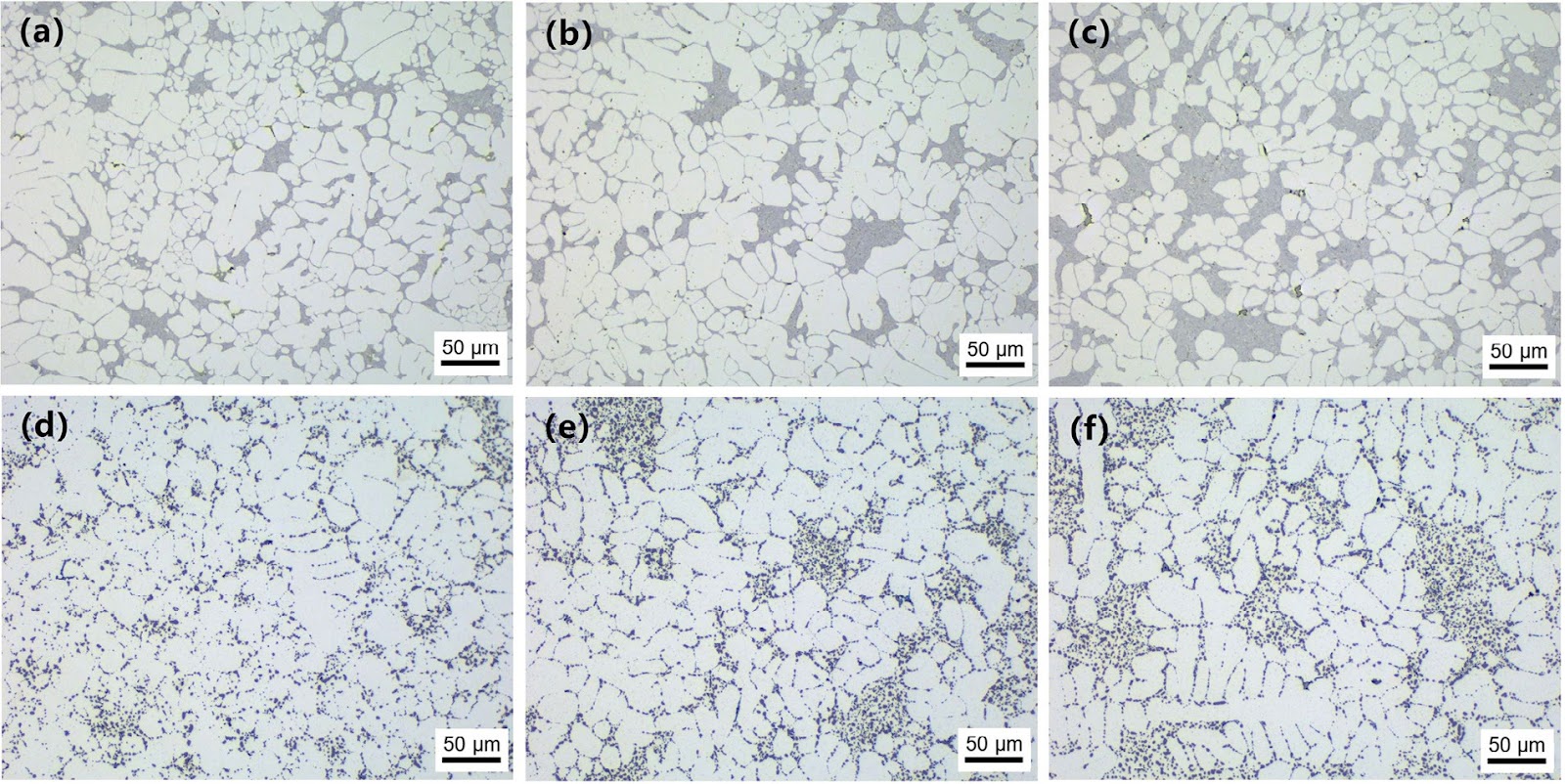
In this study, Al-xSi-0.3Mn-0.3Mg-0.14Fe alloys (x=6.5, 7.5, 8.5, wt.%) were prepared by super-slow-speed die-casting, and the effects of Si content on the microstructure, mechanical, and thermal/electrical conductivities in as-cast, T5, and T6 states (DIN EN 1706:2020) were investigated. It is found that the increase of Si content in the alloy enhances the formation of eutectic segregation band in the casting surface microstructure. Within the Si content range of 6.5%-8.5%, as a comprehensive evaluation criterion of mechanical properties, the quality index (QI) of 376.1 MPa can be obtained in the as-cast state of the alloy with about 7.5% Si content, 373.4 MPa in T5 state of the alloy with 6.5% Si content, and 432.2 MPa in T6 state of the alloy containing 8.5% Si. The heat treatment state significantly affects the thermal conductivity and electrical conductivity of the alloys. The eutectic silicon in the alloy is segemented and further spheroidizaed during the solution process, and the solute atoms of Mg and Si are more adequately precipitated during the aging process. Both of these greatly reduce the probability of electron scattering. Thus, T6 treatment significantly improves the electrical and thermal conductivities. With the increase of Si content, both thermal conductivity and electrical conductivity decrease slightly, demonstrating a strong correlation with the Si content in the alloy.

Effect of Si content on microstructure, mechanical, and thermal/electrical conductivities of Al-xSi-0.3Mn-0.3Mg-0.14Fe alloy prepared by super-slow-speed die-casting
Graphical Abstract
Original ResearchVol. 22, No. 3 • pp. 283-291DOI: 10.1007/s41230-025-4130-1Jan 15, 2025

Lightweight Al-Nb-Ti-V-Cr high entropy alloys with high hardness and enhanced mechanical properties via doping Co

Authors: Fang-dong Xu, De-zhi Chen, Rui-run Chen, Bin Gan, Jing-yue Yu

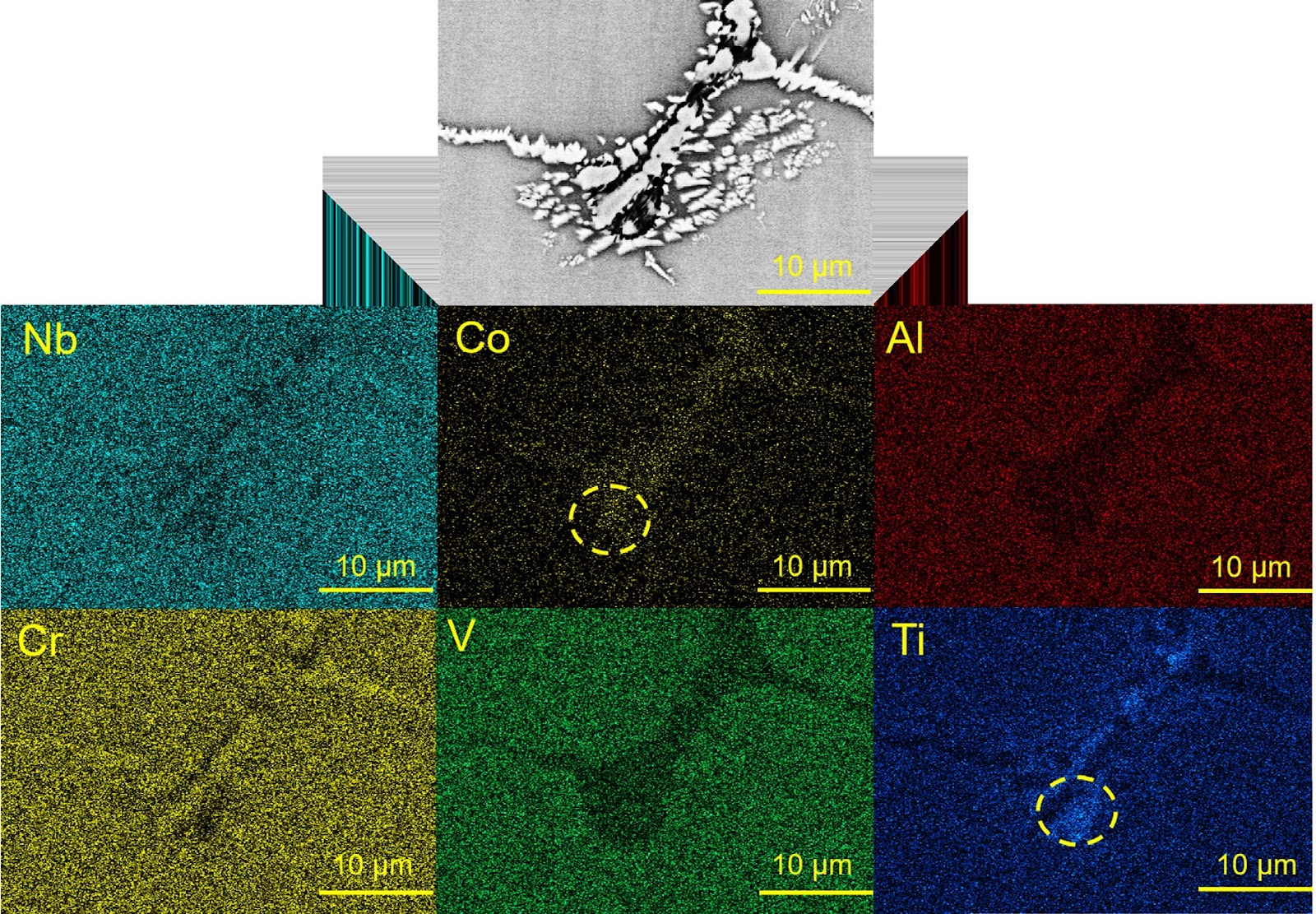
To develop high-hardness and high-strength lightweight high entropy alloys (LHEAs), a series of CoxAlNbTiVCr alloys were designed. The phase constitution, distribution, and crystal structure of the Laves phase in alloys can be altered by adjusting the composition of HEAs, which in turn influences their mechanical properties. CoxAlNbTiVCr (x=0, 0.5, 1, 1.5, and 2, atomic ratio percentage) LHEAs were designed and prepared to characterize the microstructure and tailor the mechanical properties. The introduction of Co changes the microstructure of LHEAs from a single B2 structure to a mixture dendrite structure, which consists of B2 phase, C14 and C15 Laves phase. Wherein the C14 and C15 Laves phases exhibit coupled growth. Several parameters including mixing enthalpy (ΔHmix), valence electron concentration (VEC), atomic radius size (δ), mixing entropy (ΔS), and electronegativity difference (Δχ) are used to predict the formation of B2 and Laves phase in LHEAs. When the Co content increases from 0 to 1.5at.%, Laves phase volume fraction gradually increases, which leads to an enhancement in the compressive strength from 1,520.8 MPa to 1,844.4 MPa. Co1.5AlNbTiVCr alloy exhibits the maximum Vickers hardness of 699.4 HV. The improvement of mechanical properties mainly originates from solid solution strengthening and second phase strengthening.

Lightweight Al-Nb-Ti-V-Cr high entropy alloys with high hardness and enhanced mechanical properties via doping Co
Graphical Abstract
Original ResearchVol. 22, No. 3 • pp. 252-262DOI: 10.1007/s41230-025-4041-1Jan 15, 2025

Effect of melt superheating on solidification microstructure and mechanical properties of K424 superalloy

Authors: Gao-yang Jing, Ao-qi Li, Xun Sun, Lei Jin, Cheng Zhou, Dong-ping Zhan, Ji-hang Li

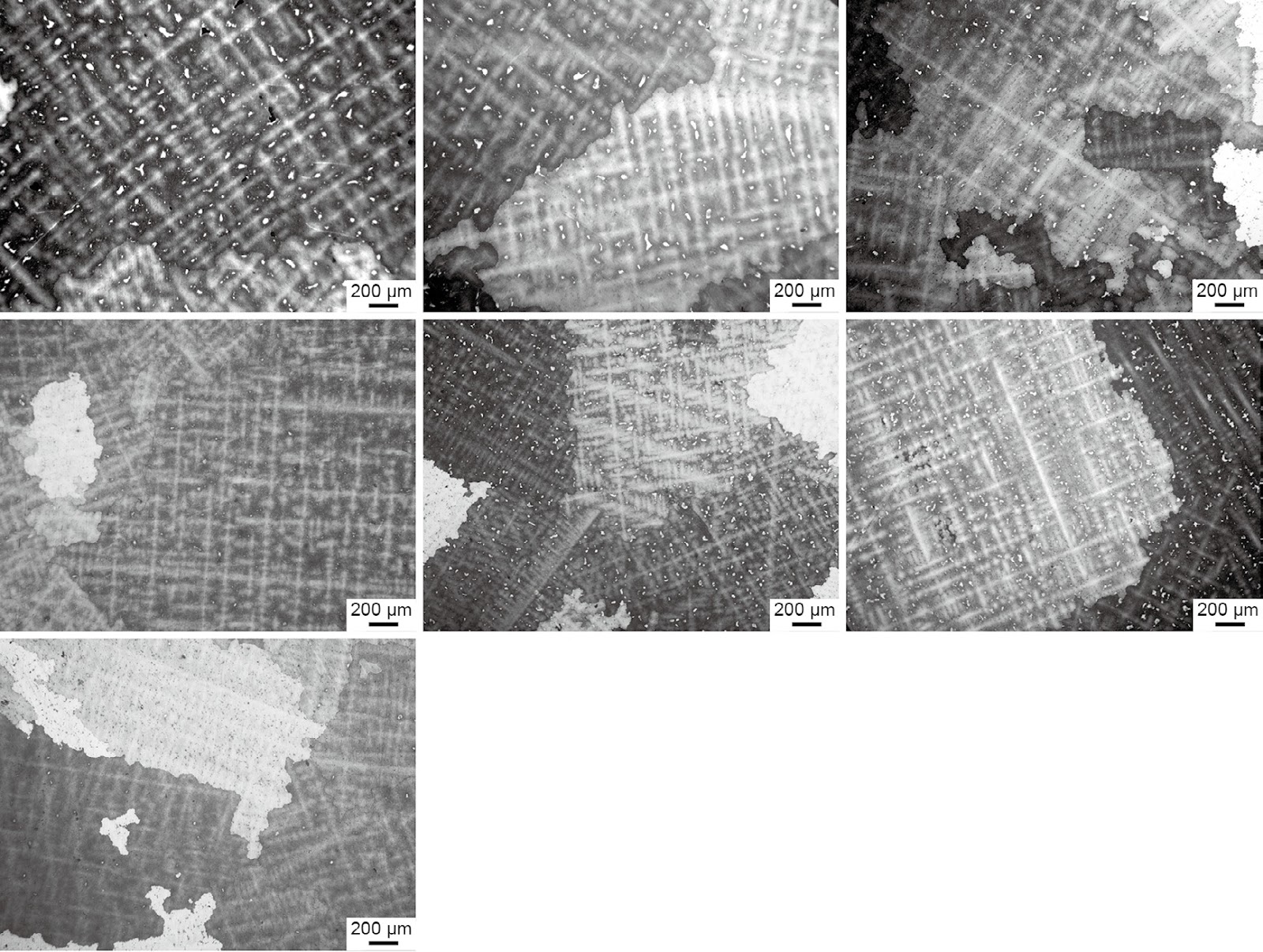
The effect of melt superheating treatment on the solidification microstructure and mechanical properties of the γ' phase precipitation-strengthened K424 superalloy was investigated. Differential scanning calorimetry (DSC) experiments were conducted to explore the influence of melt treatment temperature on the undercooling of the superalloy. Additionally, pouring experiments were carried out to assess how alterations in both the temperature and duration of melt treatment impacted the grain size, secondary dendrite arm spacing (SDAS), elemental segregation, and mechanical properties of the alloy. Metallographic analysis, scanning electron microscopy, energy dispersive spectroscopy (EDS) and Thermo-Calc software were employed for microstructure characterization. The test specimens were subjected to tensile testing at room temperature and stress rupture testing at 975 °C under 196 MPa. The findings reveal that appropriate melt treatment conditions result in decreased grain size, refined SDAS, minimized elemental segregation, and significant improvements in mechanical properties. Specifically, the study demonstrates that a melt treatment at 1,650 °C for 5 min results in the smallest average grain size of 949 μm and the smallest SDAS of 25.38 μm. Furthermore, the room temperature tensile properties and creep resistance are notably affected by the melt treatment parameters. It is shown that specific melt treatment conditions, such as holding at 1,650 °C for 5 min, result in superior room temperature strength and extended stress rupture life of the K424 superalloy, while a balance between strength and stability is achieved at 1,600 °C with a holding time of 10 min. These findings offer guidance for optimizing the melt treatment parameters for the K424 superalloy, laying a foundation for further investigations.

Effect of melt superheating on solidification microstructure and mechanical properties of K424 superalloy
Graphical Abstract
Original ResearchVol. 22, No. 3 • pp. 263-272DOI: 10.1007/s41230-025-4070-9Jan 15, 2025

Mechanical properties and microstructures of Mg-6Si alloys fabricated using the tungsten-inert-gas arc additive manufacturing

Authors: Peng-cheng Zhou, Guo-qiang You, Jin-yu Feng, Lei Wang, Xiao Lin, Bin Jiang

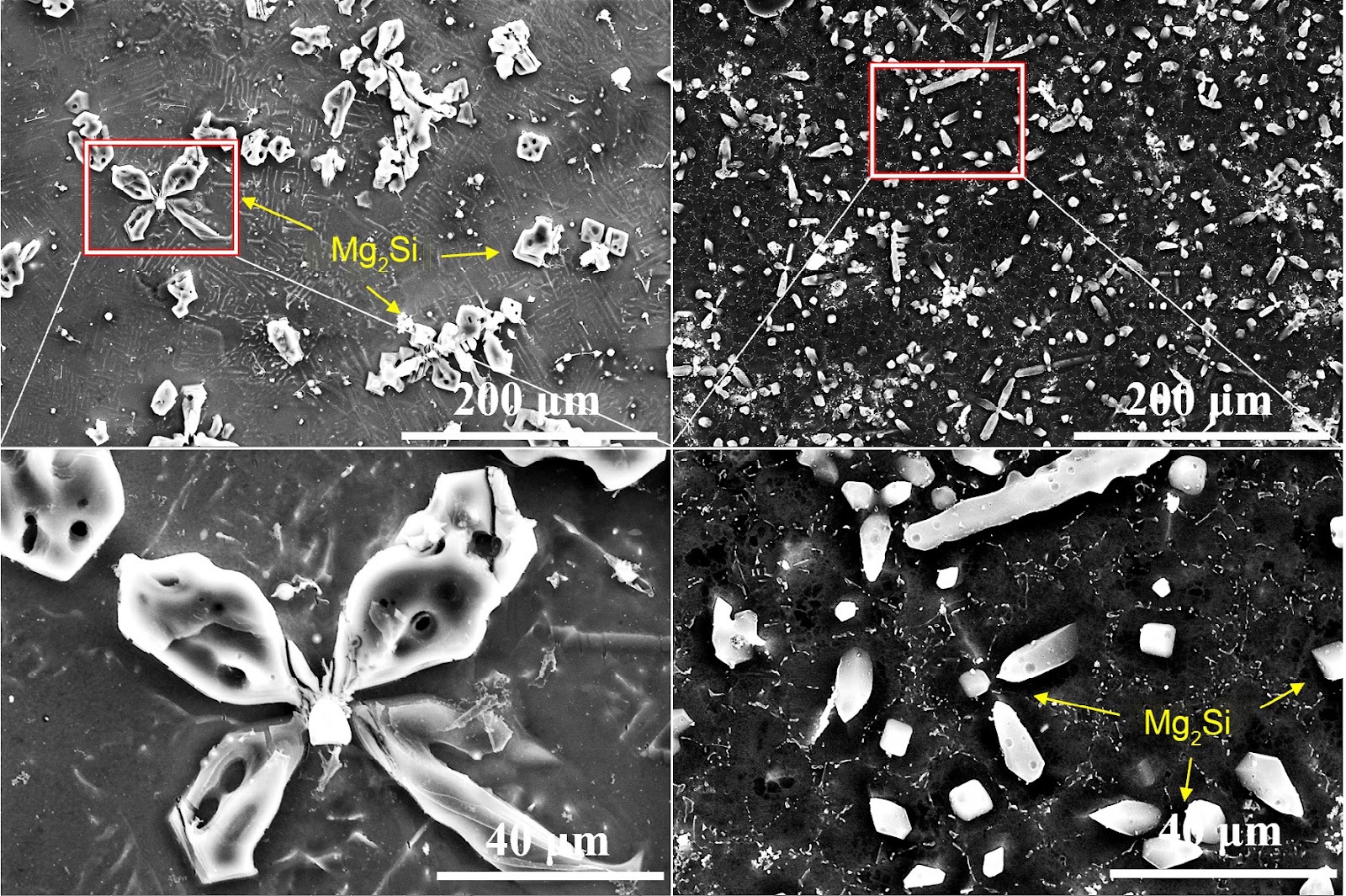
Si-containing Mg alloys solidified at conventional rates often contain coarse and sharp Mg2Si phases, which can result in inferior material properties. In this study, Mg-6wt.% Si (Mg-6Si) alloy was prepared by wire arc additive manufacturing (WAAM), employing the gas tungsten arc welding technique with rapid cooling. The microstructures and mechanical properties of the WAAM alloy were investigated and compared with those of the as-cast samples produced using a metal mold. The results indicate that the WAAM Mg-6Si is harder and stronger than the as-cast samples. The microhardness of the WAAM Mg-6Si increases by 36.6% in comparison to that of as-cast Mg-6Si alloy. Furthermore, the average tensile strengths at room temperature and 150 °C increases by 63.4% and 21.3%, respectively. WAAM refines both the Mg2Si phase and the overall grains, resulting in a homogeneous morphology and improved mechanical properties. The granular Mg2Si phase, characterized by fine particles with a diffused distribution, shows a significant increase in concentration. The acicular Mg2Si phase is distributed along the grain boundaries, and its concentration significantly decreases. The average grain size of the Mg2Si phase is about 9.20 μm, about 5 times smaller. The refinement and distribution of the granular Mg2Si phase, as well as the reduction in the amount of needle-like Mg2Si particles, are the key factors for improving the mechanical properties of WAAM Mg-6Si alloy.

Mechanical properties and microstructures of Mg-6Si alloys fabricated using the tungsten-inert-gas arc additive manufacturing
Graphical Abstract
Original ResearchVol. 22, No. 3 • pp. 292-300DOI: 10.1007/s41230-025-4017-1Jan 15, 2025

Effect of heat treatment on microstructure and mechanical properties of a novel Al-Zn-Mg-Cu alloy

Authors: Yan-mei Yang, Xin-chen Tang, Ye-fei Li, Xue-wei Fang, Da-wei Yi, Zhi-yun Zhang, Qiao-ling Zheng, Zhi-xi Wang, Guo-yu Zhang, Su Zhang, Hao Cheng, Yang He, Yi-bo Liu, Zi-han Wu, Ya-nan Chen, Yi-min Gao

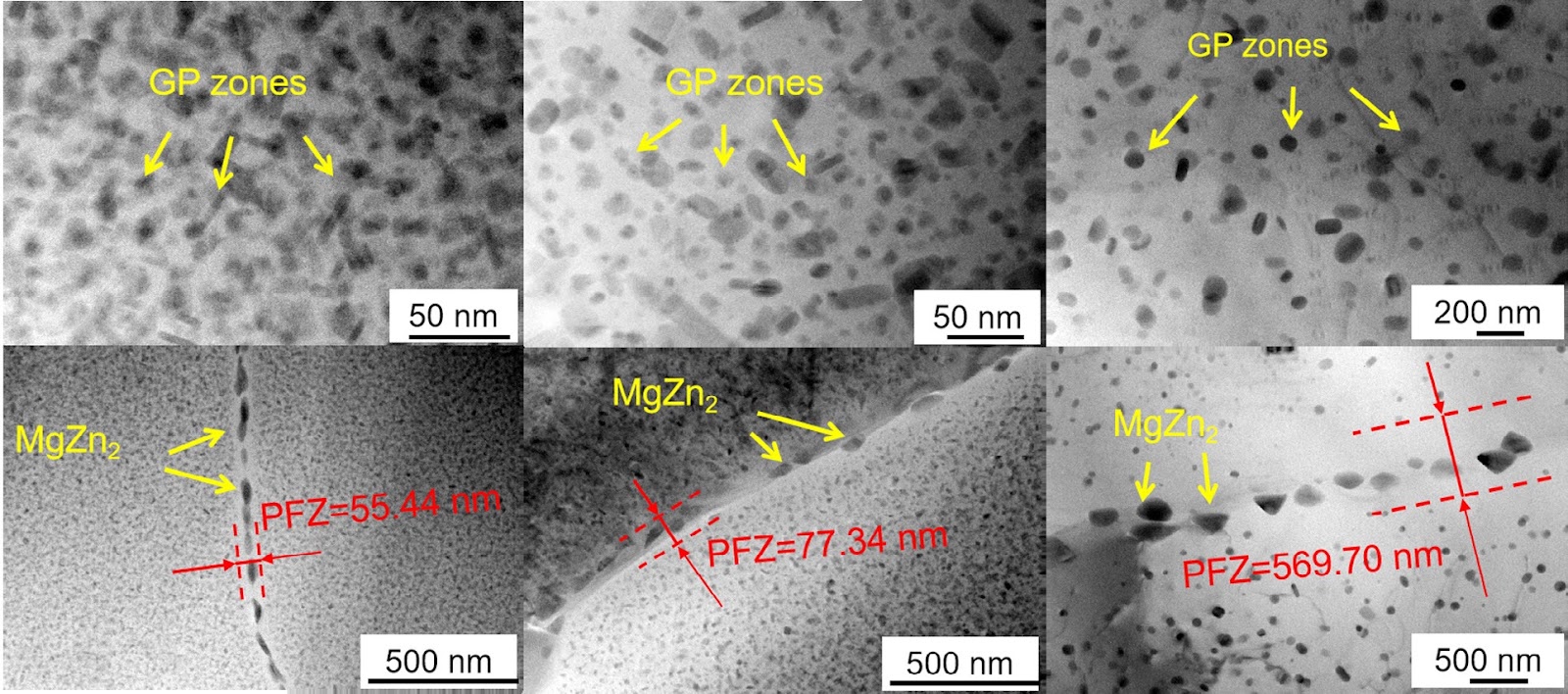
Effects of solution and aging treatment on the microstructure and mechanical properties of a novel Al-Zn-Mg-Cu alloy by microalloying rare elements Sc and Er were studied. The results show that solution time has a visible influence on the microstructure and mechanical properties of the alloy. Specifically, as the solution time increases, the area fraction of the residual phase in the alloy decreases, and the shape of the grain becomes more spheroidal and coarser, leading to a decrease in hardness. This is attributed to the dissolution of strengthening phases during the solution treatment, which weakens the solid solution strengthening effect. The single-stage aging treatment shows an initial increase in strength and hardness of the alloy, followed by a decrease as the aging time is extended, until a steady state is achieved. The optimal single-aging conditions are found to be at 120 °C for 24 h, where the alloy exhibits an excellent combination of high strength and good ductility, with an ultimate tensile strength (UTS) of 523 MPa, yield strength (YS) of 482 MPa, and elongation (El) of 1.75%, respectively. Compared to single-stage aging, double-stage aging (120 °C for 24 h and then 150 °C for 52 h) significantly increases the elongation of the alloy (4.17%), but the UTS reduces to 465.29 MPa, and YS reduces to 410.64 MPa. Transmission electron microscopy (TEM) observations disclose that the grain size, the distribution spacing of precipitates along the grain boundary, and the width of the precipitation-free zone (PFZ) all undergo augmentation as the duration of the second stage aging process elongates.

Effect of heat treatment on microstructure and mechanical properties of a novel Al-Zn-Mg-Cu alloy
Graphical Abstract