Key Takeaways & Executive Findings
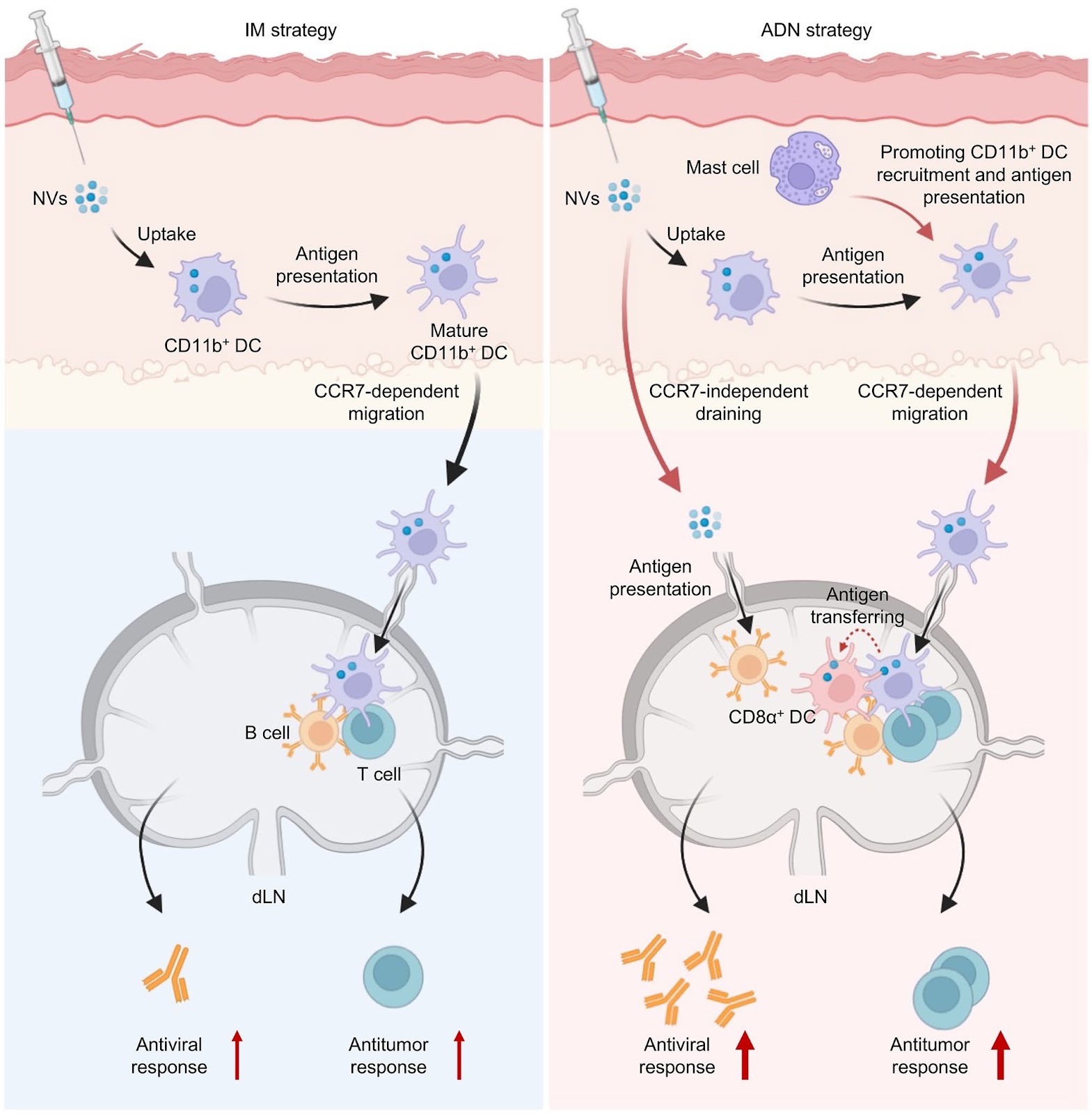
- •• Acupoint delivery of nanovaccines (ADN) simultaneously stimulates mast cell-assisted dendritic cell maturation at the acupoint and directly enriches nanovaccines into draining lymph nodes, achieving dual-niche immunological priming. • ADN enhances antigen presentation by lymph node-resident CD8α+ dendritic cells and induces nanovaccine accumulation in B-cell zones, amplifying cytotoxic T lymphocyte responses and IgG antibody expression. • ADN generates systemic immune responses by inducing immune memory and preventing T-cell anergy in the spleen, leading to effective antitumor and antiviral immunity in mice. • This facile and versatile platform offers a promising strategy for advanced nanovaccination, potentially improving vaccine efficacy against tumors and infectious diseases.
Abstract
Immunization has long played essential roles in preventing diseases. However, the desire for precision delivery of vaccines to boost a robust immune response remains largely unmet. Here, we describe the use of acupoint delivery of nanovaccines (ADN) to elicit dual-niche immunological priming. ADN can simultaneously stimulate mast cell-assisted maturation of dendritic cells at the acupoint and enable direct delivery of nanovaccines into the draining lymph nodes. We demonstrate that ADN not only provokes antigen presentation by lymph node-resident CD8α+ dendritic cells, but also induces the accumulation of nanovaccines in B-cell zones, amplifying antigen-specific cytotoxic T lymphocyte responses and immunoglobulin G antibody expression in draining lymph nodes. ADN also generates systemic immune responses by causing immune memory and preventing T-cell anergy in the spleen. Further supported by evoking effective antitumor responses and high-level antiviral antibodies in mice, ADN provides a simple yet versatile platform for advanced nanovaccination.
1. Introduction
Immunization is an important approach to prevent or even treat diseases by eliciting antigen-specific immune responses [1, 2]. Parenteral administration, particularly intramuscular (IM) injection, is widely applied for immunization [3]. Following injection, tissue-resident antigen-presenting cells (APCs) internalize vaccines and subsequently migrate to draining lymph nodes (dLNs) to induce antigen cross-presentation [4–6]. Simultaneously, a small portion of administered vaccines can directly diffuse into dLNs to elicit immunological priming [7–9]. However, insufficient distribution of APCs in the site of injection inevitably causes either limited transferring of antigens to dLN-resident APCs or inadequate cross-presentation to T cells in dLNs [10]. Meanwhile, the existence of multiple biological barriers at organ and sub-organ levels can filter the majority of administered vaccines, largely impeding their direct accumulation in dLNs [11]. Consequently, intramuscular injection-mediated immunological priming in dLNs often suffers from low vaccination efficacy due to unsatisfied initial infiltration of tissue-resident APCs and subsequent activation of dLN-resident immune cells [3, 12].
To trigger potent adaptive immune responses, sustained-release devices, use of nanovaccines (NVs), and enhancement of targeting ability have been developed to promote the recruitment of tissue-resident immune cells, the cellular uptake of antigens by APCs, and the delivery of vaccines to dLNs [10, 13–15]. Nevertheless, the effectiveness of conventional vaccinations that solely generate single-niche immunological priming either in the injection site or dLNs remains suboptimal. Novel immunization strategies are thus highly desirable, particularly with respect to emerging threats of rapid spread highly lethal infectious diseases [16].
Acupuncture, or acupoint stimulation, has long been used for alleviating various types of diseases, including chronic pain [17], hypertension [18], stroke rehabilitation [19], rheumatoid arthritis [20], diabetes [21], and others. Acupoints are specific body regions locating either on the skin surface or underneath.
Loading authentic research manuscript (Pages 1–5)...
Lu Wang, Yanhong Sun, Meiling Yan, Lihua Wang, Yiyang Wang, Mengmeng Zhang, Qian Li, Huangan Wu, Jinyao Liu, Chunhai Fan (2025). Eliciting Dual-Niche Immunological Priming by Acupoint Delivery of Nanovaccines. Nano-Micro Letters. https://doi.org/10.1007/s40820-025-01789-y
Research & Educational Purpose Only:The translations, structured abstracts, analytical annotations, and data reports provided by SinoTechIntel are intended exclusively for academic research, internal corporate R&D, and educational benchmarking. They do not constitute formal engineering, chemical safety, legal, or professional advice.
Copyright & Intellectual Property Notice: Original copyright of the underlying source articles and experimental data remains with the respective authors, institutions, and original publishing journals. SinoTechIntel claims intellectual property only over its proprietary translations, analytical syntheses, and AEO structured enhancements in accordance with international fair use and academic citation principles.
Frequently Asked Questions
What is acupoint delivery of nanovaccines (ADN)?
ADN is a novel immunization strategy that delivers nanovaccines at acupoints, simultaneously stimulating mast cell-assisted dendritic cell maturation at the acupoint and directly enriching nanovaccines into draining lymph nodes, thereby eliciting dual-niche immunological priming.
How does ADN enhance immune responses?
ADN enhances immune responses by provoking antigen presentation by lymph node-resident CD8α+ dendritic cells and inducing nanovaccine accumulation in B-cell zones, which amplifies cytotoxic T lymphocyte responses and immunoglobulin G antibody expression in draining lymph nodes.
What are the advantages of ADN over conventional vaccination?
ADN provides dual-niche immunological priming, overcoming the limitations of single-niche priming in conventional injections. It improves antigen delivery to lymph nodes and activates both T and B cell responses, leading to stronger and more durable immunity.
What potential applications does ADN have?
ADN has potential applications in tumor therapy and infection prevention, as demonstrated by effective antitumor responses and high-level antiviral antibodies in mice.
What is the significance of the dual-niche priming concept?
The dual-niche priming concept is significant because it addresses the inefficiency of conventional vaccines that only target one immune niche. By simultaneously engaging both the injection site and draining lymph nodes, ADN maximizes antigen presentation and immune activation, offering a more potent vaccination platform.
Related Technical Papers & Translations
Direct Repair of the Crystal Structure and Coating Surface of Spent LiFePO4 Materials Enables Superfast Li-Ion Migration
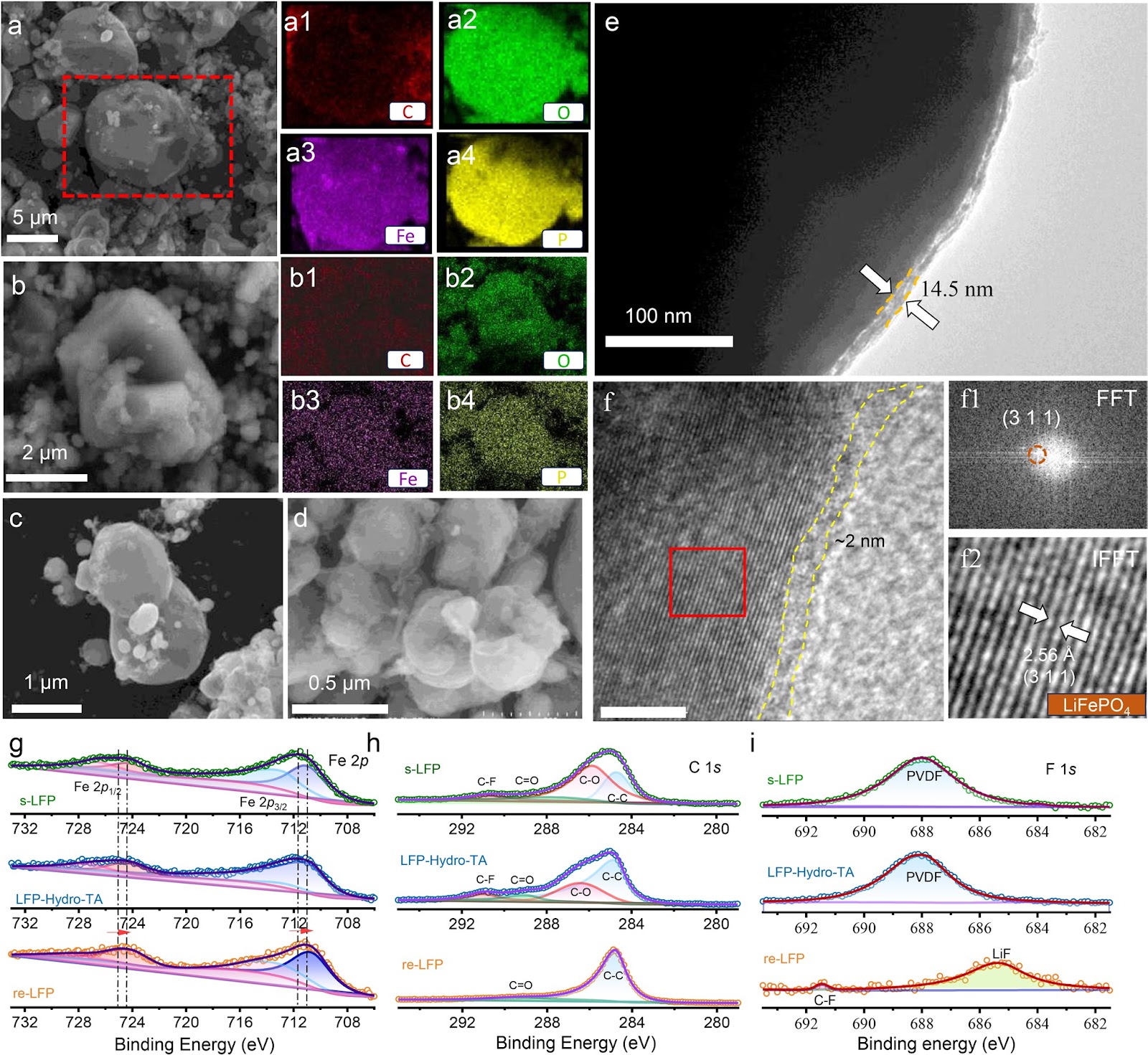
The rapid accumulation of spent LiFePO4 (LFP) cathodes from retired lithium-ion batteries necessitates the development of effective and environmental-friendly recycling strategies. In this context, direct regeneration has emerged as a promising approach for reclaiming LFP cathode materials, offering a streamlined pathway to restore their electrochemical functionality. We report an integrated regeneration protocol that simultaneously repairs the degraded crystal structure and reconstructs the damaged carbon coating in spent LFP. The regenerated cathode material had superfast lithium-ion diffusion kinetics and a stable cathode–electrolyte interface, giving a remarkable rate capability with specific capacities of 122 mAh g−1 at 5C and 106 mAh g−1 at 10C (1C = 170 mA g−1). It also maintained capacities of 110.7 mAh g−1 (5C) and 84.1 mAh g−1 (10C) after 400 cycles. It could be used in harsh environments and could be stably cycled at subzero temperatures (−10 and −20 °C) and in solid-state electrolyte batteries. Life cycle assessment combined with economic evaluation using the EverBatt model reveals that this direct regeneration approach has high economic and environmental benefits.
Oxide Semiconductor for Advanced Memory Architectures: Atomic Layer Deposition, Key Requirement and Challenges
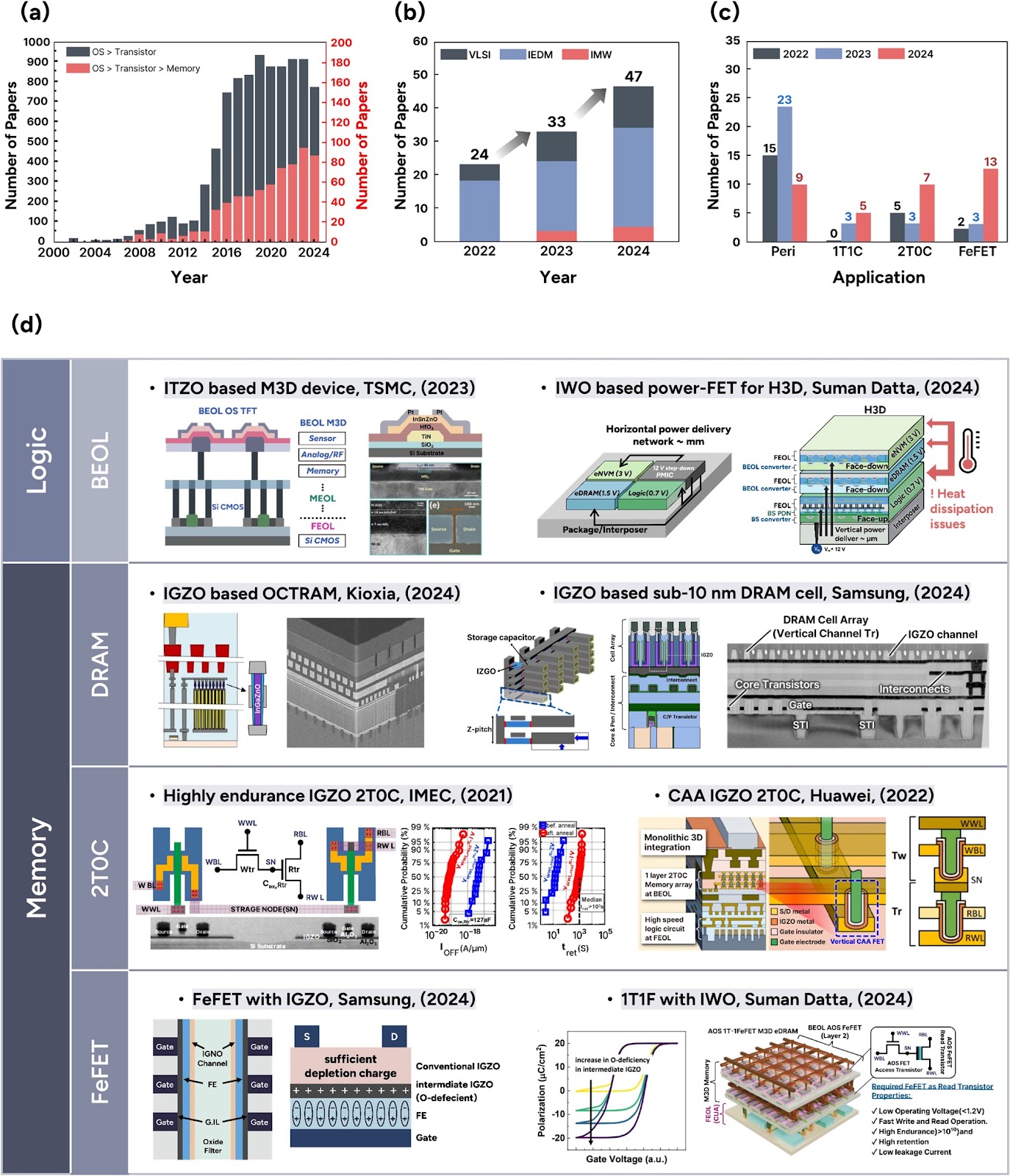
Oxide semiconductors (OSs), introduced by the Hosono group in the early 2000s, have evolved from display backplane materials to promising candidates for advanced memory and logic devices. The exceptionally low leakage current of OSs and compatibility with three-dimensional (3D) architectures have recently sparked renewed interest in their use in semiconductor applications. This review begins by exploring the unique material properties of OSs, which fundamentally originate from their distinct electronic band structure. Subsequently, we focus on atomic layer deposition (ALD), a core technique for growing excellent OS films, covering both basic and advanced processes compatible with 3D scaling. The basic surface reaction mechanisms—adsorption and reaction—and their roles in film growth are introduced. Furthermore, material design strategies, such as cation selection, crystallinity control, anion doping, and heterostructure engineering, are discussed. We also highlight challenges in memory applications, including contact resistance, hydrogen instability, and lack of p-type materials, and discuss the feasibility of ALD-grown OSs as potential solutions. Lastly, we provide an outlook on the role of ALD-grown OSs in memory technologies. This review bridges material fundamentals and device-level requirements, offering a comprehensive perspective on the potential of ALD-driven OSs for next-generation semiconductor memory devices.
Laser powder bed fusion of biodegradable Zn-4Cu alloy: Processing, microstructure and properties
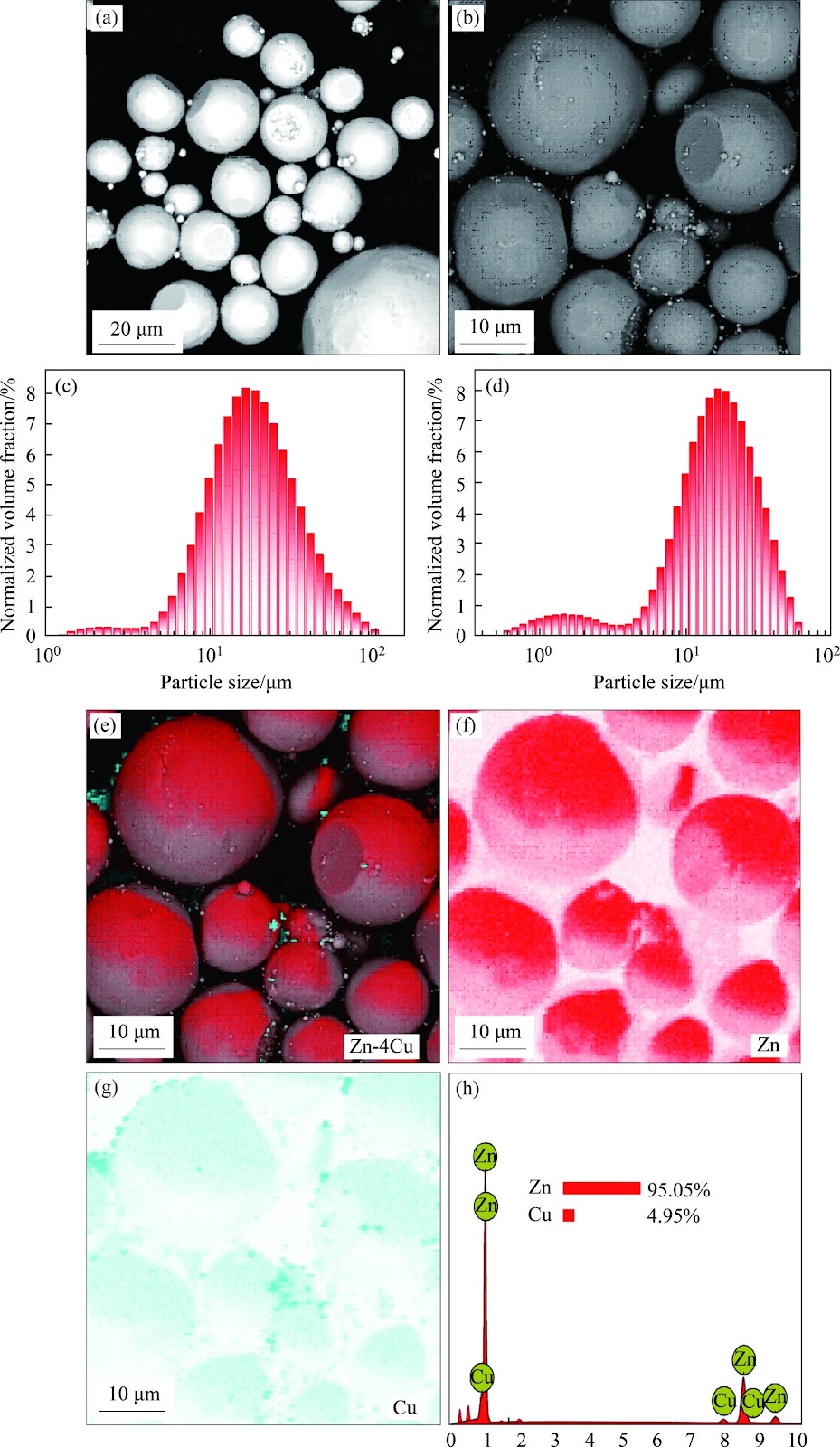
Zn's natural degradability and biocompatibility make it a promising candidate for implants, however, its mechanical properties remain insufficient for bone applications. In this study, the performance of Zn was enhanced by developing Zn-Cu alloys via laser powder bed fusion (LPBF). Optimal LPBF parameters for forming stable tracks were achieved by adjusting laser power and scanning speed. Under optimized conditions of 100 W and 100 mm/s, high-density (99.58%) Zn-Cu alloys with improved hardness (68.2HV) and yield strength (160 MPa) were achieved. These improvements are attributed to solid solution strengthening, segregation strengthening, and grain refinement. The Zn-Cu alloys also demonstrated favorable degradation behavior, with a rate of 0.16 mm/year. This degradation is primarily driven by micro-galvanic corrosion between the CuZn5 phase and Zn matrix, along with refined grains and increased grain boundary density. This work demonstrates a viable strategy for fabricating Zn-based implants with enhanced structural integrity and mechanical performance via LPBF.