Key Takeaways & Executive Findings
- •• Bimetallic single-atom catalysts (bimSACs) leverage synergistic interactions between two metal centers, enhancing catalytic performance for water splitting. • The review highlights advanced characterization techniques and computational methods for understanding bimSACs' electronic and coordination properties. • BimSACs show promise in both hydrogen evolution reaction (HER) and oxygen evolution reaction (OER), addressing limitations of single-atom catalysts. • The work underscores the potential of bimSACs to enable sustainable, cost-effective green hydrogen production, contributing to global energy transition.
Abstract
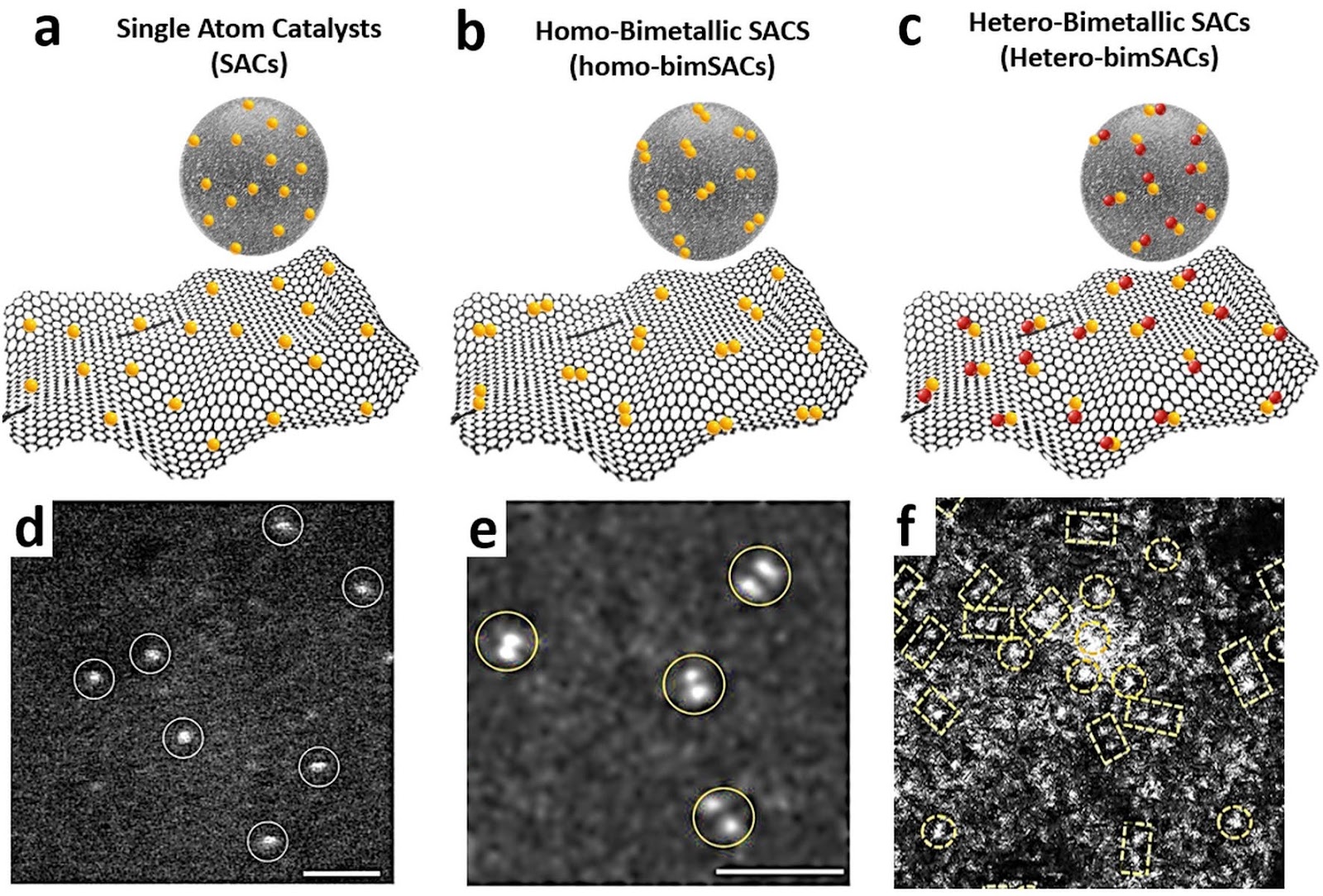
Green hydrogen from water splitting has emerged as a critical energy vector with the potential to spearhead the global transition to a fossil fuel-independent society. The field of catalysis has been revolutionized by single-atom catalysts (SACs), which exhibit unique and intricate interactions between atomically dispersed metal atoms and their supports. Recently, bimetallic SACs (bimSACs) have garnered significant attention for leveraging the synergistic functions of two metal ions coordinated on appropriately designed supports. BimSACs offer an avenue for rich metal–metal and metal–support cooperativity, potentially addressing current limitations of SACs in effectively furnishing transformations which involve synchronous proton–electron exchanges, substrate activation with reversible redox cycles, simultaneous multi-electron transfer, regulation of spin states, tuning of electronic properties, and cyclic transition states with low activation energies. This review aims to encapsulate the growing advancements in bimSACs, with an emphasis on their pivotal role in hydrogen generation via water splitting. We subsequently delve into advanced experimental methodologies for the elaborate characterization of SACs, elucidate their electronic properties, and discuss their local coordination environment. Overall, we present comprehensive discussion on the deployment of bimSACs in both hydrogen evolution reaction and oxygen evolution reaction, the two half-reactions of the water electrolysis process.
1. Introduction
Hydrogen plays a pivotal role in our energy security and toward a sustainable and technologically advanced society [1]; thus, hydrogen-related technologies are gaining unparalleled momentum globally [2, 3]. For over 200 years, hydrogen has been intertwined with energy, from fueling the earliest internal combustion engines to its pivotal role in today's refining industry [4, 5]. Hydrogen emits no direct pollutants or greenhouse gases [6], is lightweight, storable, and is a high-energy density carrier in liquid state [7, 8]. Globally, the demand for green hydrogen as a renewable energy source is surging [9], augmented by increasing government investments and subsidies advocating for clean fuels [10–13]. Hydrogen can be considered as an eco-friendly alternative to fossil fuels [14], which is likely to drive the global market in the years to come [8, 10–12]. According to recent analyses, the value of the global green hydrogen market is projected to expand from USD 163.13 billion to USD 206.65 billion in the foreseeable future [15–17] (Fig. 1a) [10, 12, 13, 18, 19].
On this basis, the next generation of hydrogen production technologies demands the use of sustainable, and earth-abundant catalysts [21–23], as well as renewable electricity resources for electrocatalytic processes [10, 12]. Renewable hydrogen can be produced from fossil fuels, biomass, water, and other resources. Notably, natural gas is currently the predominant source for hydrogen production (Fig. 1b). Water splitting technologies that split water into hydrogen and oxygen [24] provide a simple, yet efficient, greener, and promising method for hydrogen production [25], which could replace fossil-based hydrogen production (e.g., natural gas). However, overall water splitting (OWS) requires highly active and cost-effective electrocatalysts [26], with long-term stability for both hydrogen evolution reaction (HER) and oxygen evolution reaction (OER) [27]. Despite the tremendous efforts to find more efficient electrocatalysts for hydrogen production, precious metal-based nanoparticulate catalysts remain the most efficient ones [28, 29] (Fig. 1c). However, the high and continuously rising prices, and the limited natural reserves of precious metals hamper their large-scale application in electrocatalytic water splitting (EWS) [29]. Among the most essential catalyst features is maximizing the number of exposed active sites, which can be achieved by reducing the size of the active species (i.e., the nanoparticles (NPs)) and by improving their dispersion [19].
In this context, single-atom catalysts (SACs) with atomically distributed metal centers promise ultimate atom economy and efficiency [30], thus attracting worldwide scientific attention.
Loading authentic research manuscript (Pages 1–5)...
Megha A. Deshmukh, Aristides Bakandritsos, Radek Zbořil (2024). Bimetallic Single-Atom Catalysts for Water Splitting. Nano-Micro Letters. https://doi.org/10.1007/s40820-024-01505-2
Research & Educational Purpose Only:The translations, structured abstracts, analytical annotations, and data reports provided by SinoTechIntel are intended exclusively for academic research, internal corporate R&D, and educational benchmarking. They do not constitute formal engineering, chemical safety, legal, or professional advice.
Copyright & Intellectual Property Notice: Original copyright of the underlying source articles and experimental data remains with the respective authors, institutions, and original publishing journals. SinoTechIntel claims intellectual property only over its proprietary translations, analytical syntheses, and AEO structured enhancements in accordance with international fair use and academic citation principles.
Frequently Asked Questions
What are bimetallic single-atom catalysts (bimSACs)?
Bimetallic single-atom catalysts (bimSACs) are a class of catalysts where two different metal atoms are atomically dispersed on a support, enabling synergistic interactions that enhance catalytic activity for reactions like water splitting.
Why are bimSACs important for water splitting?
BimSACs offer improved performance in both hydrogen evolution reaction (HER) and oxygen evolution reaction (OER) due to metal-metal cooperativity, which can lower activation energies and facilitate multi-electron transfer processes essential for efficient water electrolysis.
What are the key challenges in developing bimSACs?
Challenges include precise synthesis to ensure atomic dispersion of both metals, understanding the coordination environment, and achieving long-term stability under operating conditions. Advanced characterization techniques are crucial for addressing these issues.
How do bimSACs compare to traditional precious metal catalysts?
BimSACs can potentially match or exceed the activity of precious metal catalysts while using earth-abundant metals, offering a more sustainable and cost-effective alternative for large-scale hydrogen production.
What is the future outlook for bimSACs in green hydrogen production?
With ongoing research, bimSACs hold promise for enabling efficient and scalable water electrolysis, contributing to the global transition to renewable hydrogen and reducing dependence on fossil fuels.
Related Technical Papers & Translations
Direct Repair of the Crystal Structure and Coating Surface of Spent LiFePO4 Materials Enables Superfast Li-Ion Migration
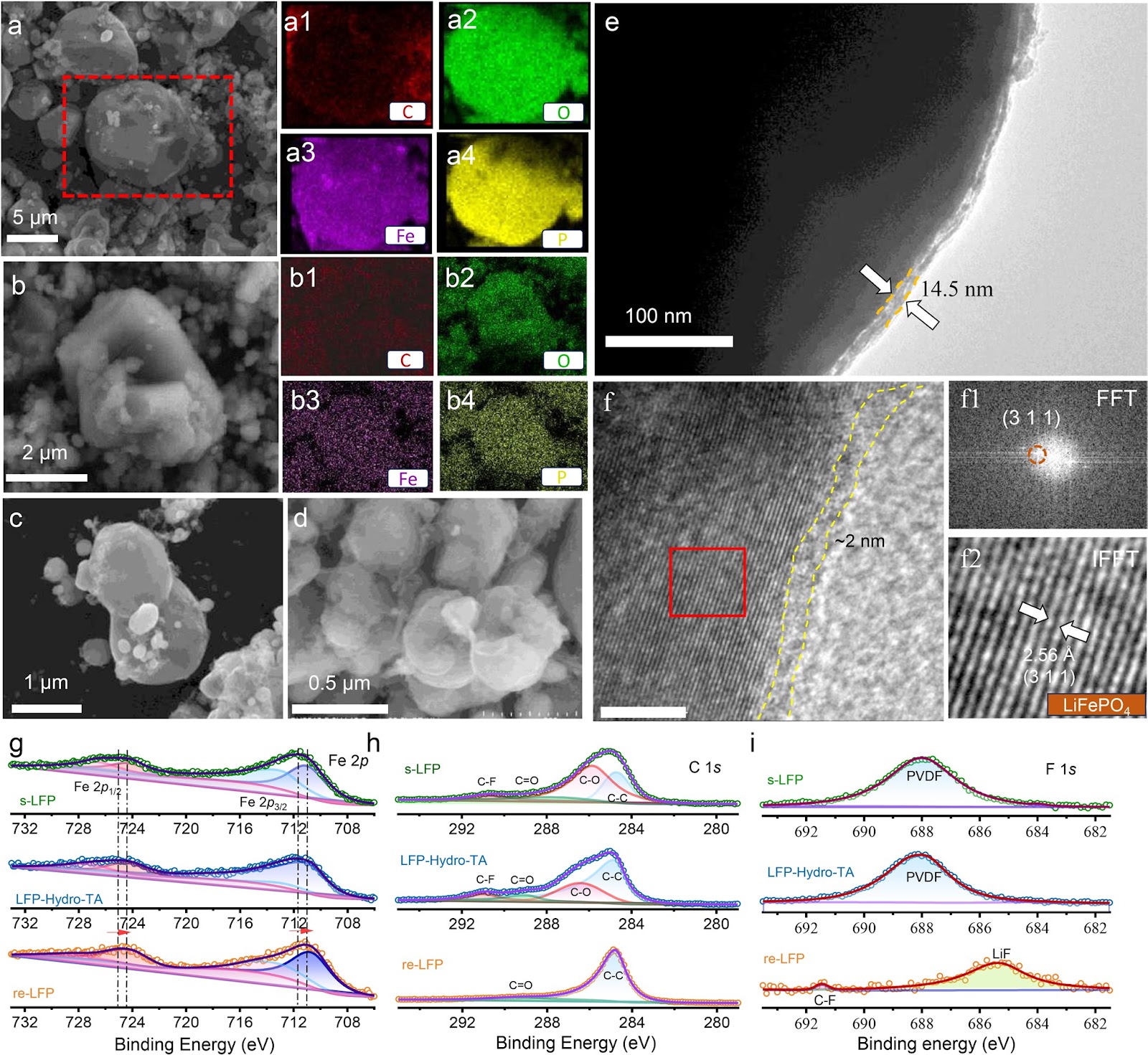
The rapid accumulation of spent LiFePO4 (LFP) cathodes from retired lithium-ion batteries necessitates the development of effective and environmental-friendly recycling strategies. In this context, direct regeneration has emerged as a promising approach for reclaiming LFP cathode materials, offering a streamlined pathway to restore their electrochemical functionality. We report an integrated regeneration protocol that simultaneously repairs the degraded crystal structure and reconstructs the damaged carbon coating in spent LFP. The regenerated cathode material had superfast lithium-ion diffusion kinetics and a stable cathode–electrolyte interface, giving a remarkable rate capability with specific capacities of 122 mAh g−1 at 5C and 106 mAh g−1 at 10C (1C = 170 mA g−1). It also maintained capacities of 110.7 mAh g−1 (5C) and 84.1 mAh g−1 (10C) after 400 cycles. It could be used in harsh environments and could be stably cycled at subzero temperatures (−10 and −20 °C) and in solid-state electrolyte batteries. Life cycle assessment combined with economic evaluation using the EverBatt model reveals that this direct regeneration approach has high economic and environmental benefits.
Oxide Semiconductor for Advanced Memory Architectures: Atomic Layer Deposition, Key Requirement and Challenges
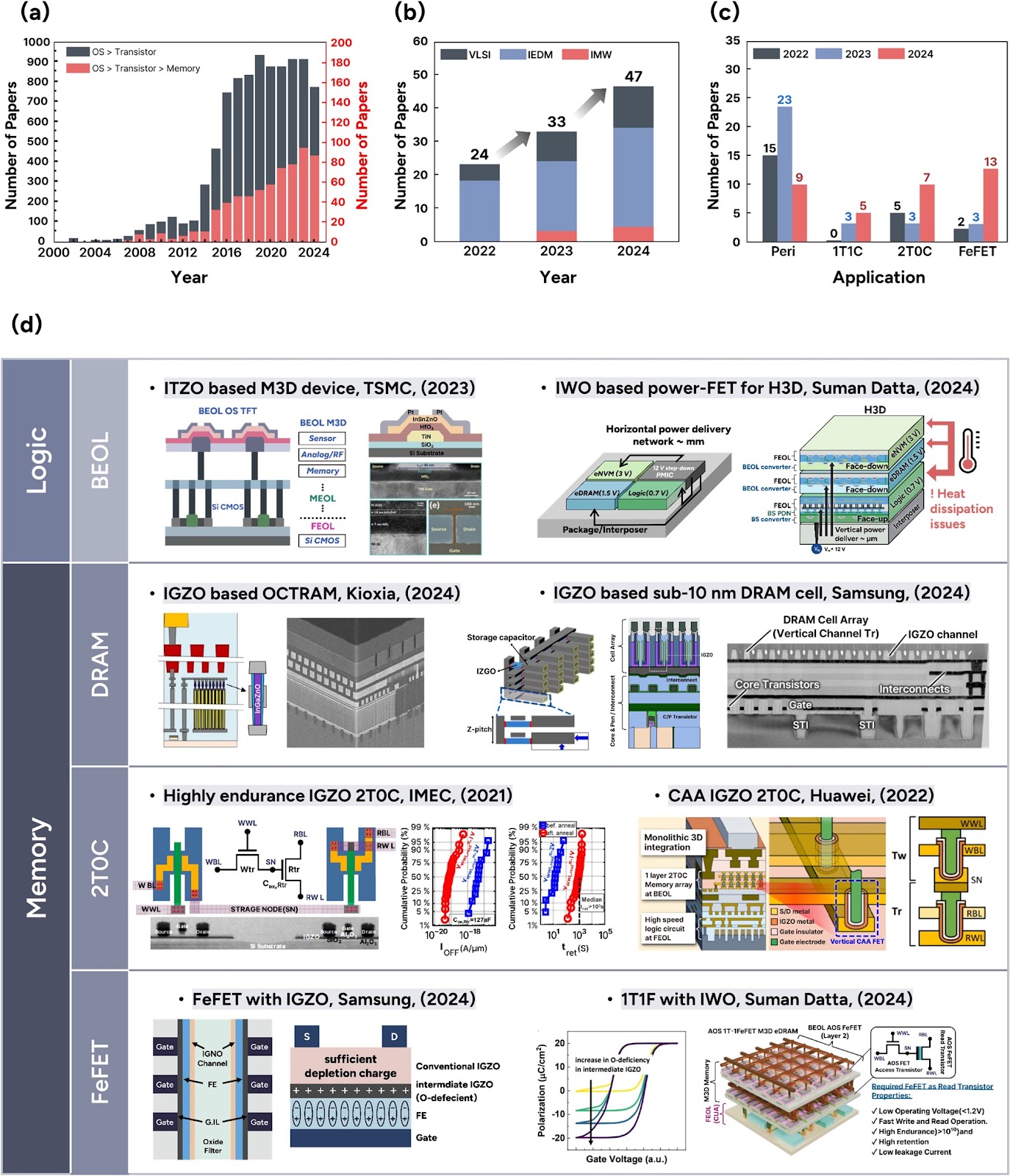
Oxide semiconductors (OSs), introduced by the Hosono group in the early 2000s, have evolved from display backplane materials to promising candidates for advanced memory and logic devices. The exceptionally low leakage current of OSs and compatibility with three-dimensional (3D) architectures have recently sparked renewed interest in their use in semiconductor applications. This review begins by exploring the unique material properties of OSs, which fundamentally originate from their distinct electronic band structure. Subsequently, we focus on atomic layer deposition (ALD), a core technique for growing excellent OS films, covering both basic and advanced processes compatible with 3D scaling. The basic surface reaction mechanisms—adsorption and reaction—and their roles in film growth are introduced. Furthermore, material design strategies, such as cation selection, crystallinity control, anion doping, and heterostructure engineering, are discussed. We also highlight challenges in memory applications, including contact resistance, hydrogen instability, and lack of p-type materials, and discuss the feasibility of ALD-grown OSs as potential solutions. Lastly, we provide an outlook on the role of ALD-grown OSs in memory technologies. This review bridges material fundamentals and device-level requirements, offering a comprehensive perspective on the potential of ALD-driven OSs for next-generation semiconductor memory devices.
Laser powder bed fusion of biodegradable Zn-4Cu alloy: Processing, microstructure and properties
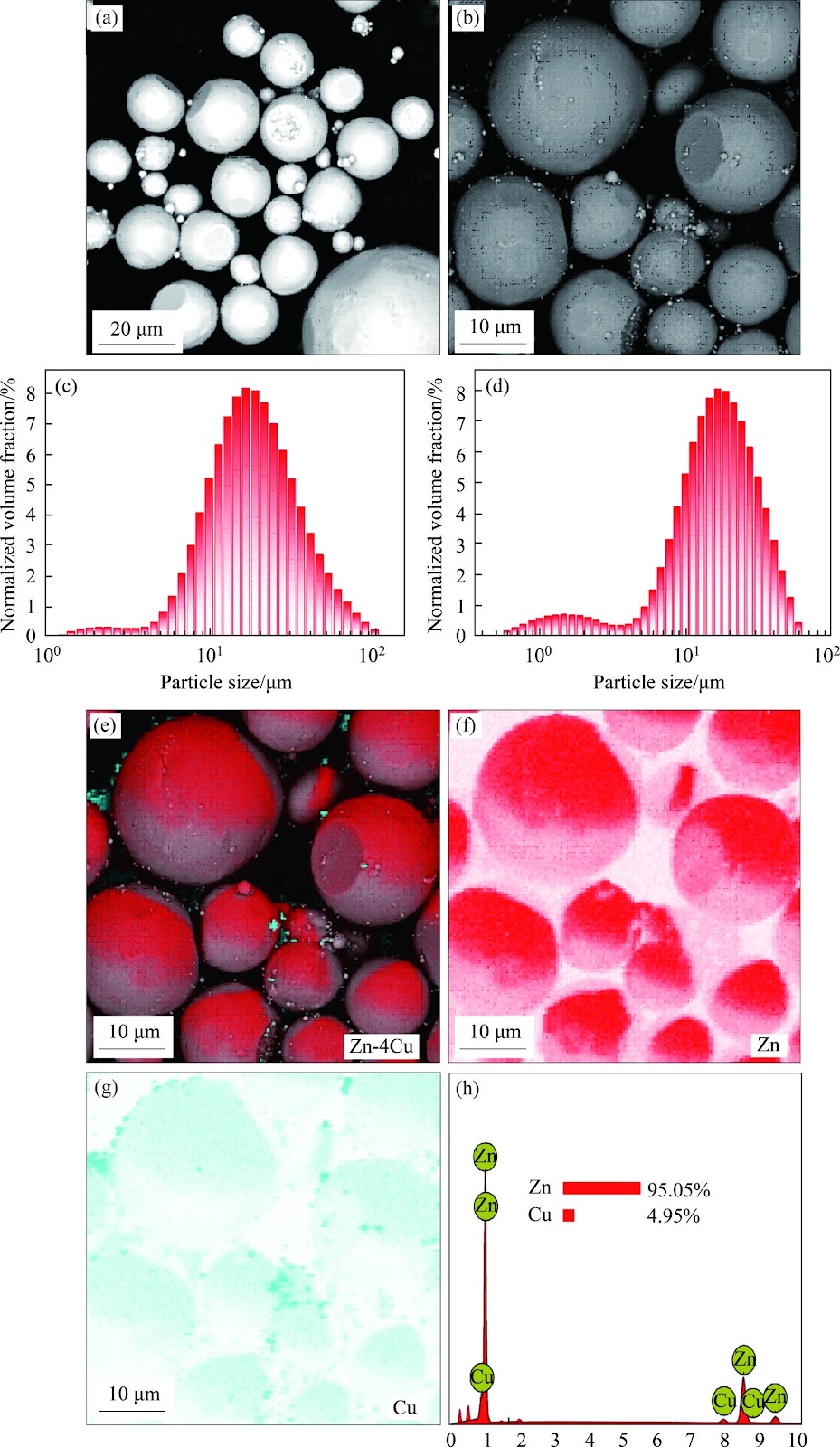
Zn's natural degradability and biocompatibility make it a promising candidate for implants, however, its mechanical properties remain insufficient for bone applications. In this study, the performance of Zn was enhanced by developing Zn-Cu alloys via laser powder bed fusion (LPBF). Optimal LPBF parameters for forming stable tracks were achieved by adjusting laser power and scanning speed. Under optimized conditions of 100 W and 100 mm/s, high-density (99.58%) Zn-Cu alloys with improved hardness (68.2HV) and yield strength (160 MPa) were achieved. These improvements are attributed to solid solution strengthening, segregation strengthening, and grain refinement. The Zn-Cu alloys also demonstrated favorable degradation behavior, with a rate of 0.16 mm/year. This degradation is primarily driven by micro-galvanic corrosion between the CuZn5 phase and Zn matrix, along with refined grains and increased grain boundary density. This work demonstrates a viable strategy for fabricating Zn-based implants with enhanced structural integrity and mechanical performance via LPBF.