Key Takeaways & Executive Findings
- •• Conductive hydrogel dressings integrate monitoring and therapeutic functions, leveraging endogenous electrical stimulation to promote healing of refractory wounds. • The review details material selection for conductive hydrogels, including conductive polymers and inorganic nanoparticles, and their role in wound monitoring. • AI models applied to sensor-derived data enable non-invasive, real-time prediction and optimization of wound healing trajectories. • Specific applications for pressure ulcers, diabetic ulcers, and articular wounds highlight the clinical potential and current challenges of these smart dressings.
Abstract
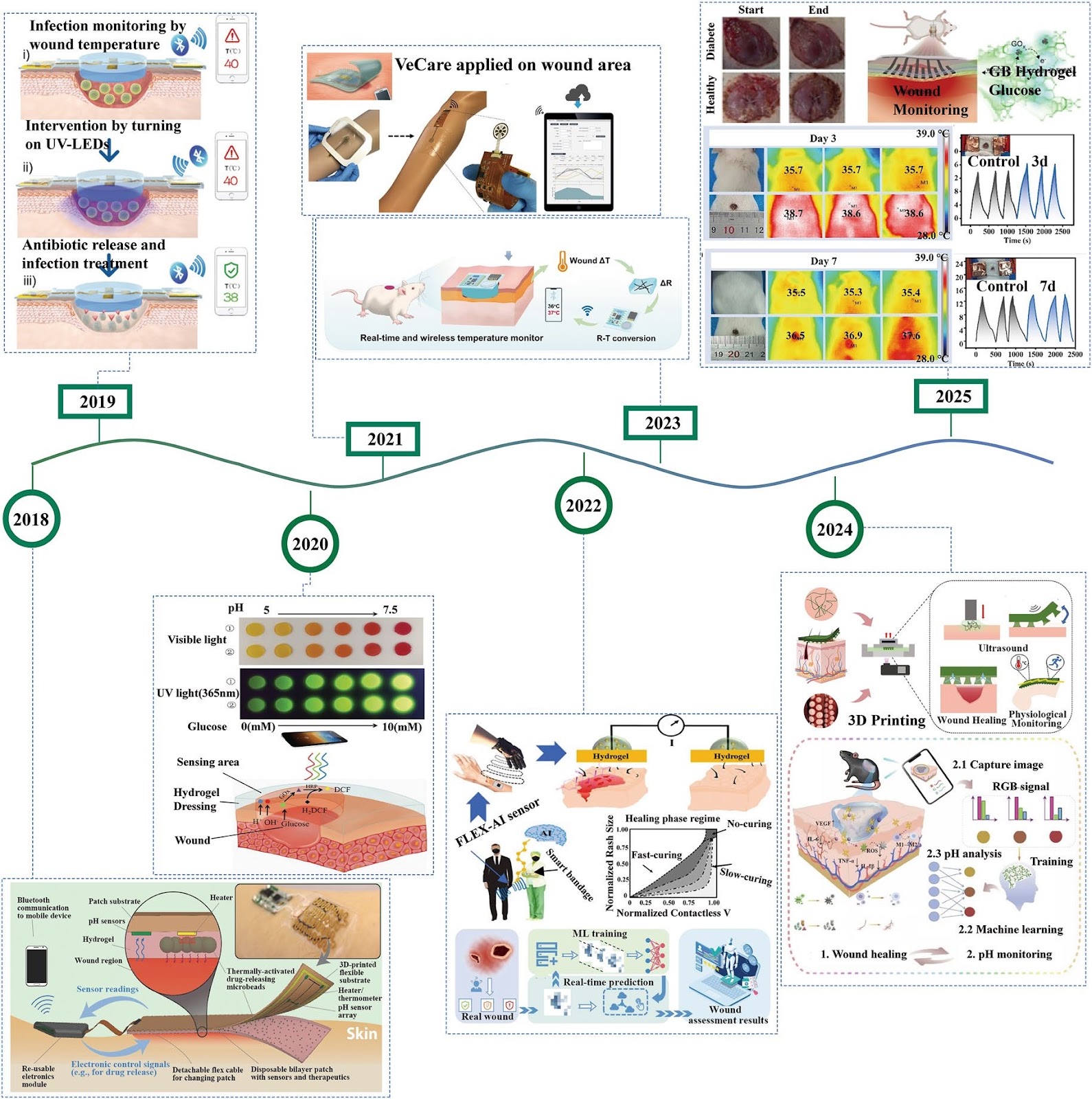
Refractory wounds cause significant harm to the health of patients and the most common treatments in clinical practice are surgical debridement and wound dressings. However, certain challenges, including surgical difficulty, lengthy recovery times, and a high recurrence rate persist. Conductive hydrogel dressings with combined monitoring and therapeutic properties have strong advantages in promoting wound healing due to the stimulation of endogenous current on wounds and are the focus of recent advancements. Therefore, this review introduces the mechanism of conductive hydrogel used for wound monitoring and healing, the materials selection of conductive hydrogel dressings used for wound monitoring, focuses on the conductive hydrogel sensor to monitor the output categories of wound status signals, proving invaluable for non-invasive, real-time evaluation of wound condition to encourage wound healing. Notably, the research of artificial intelligence (AI) model based on sensor derived data to predict the wound healing state, AI makes use of this abundant data set to forecast and optimize the trajectory of tissue regeneration and assess the stage of wound healing. Finally, refractory wounds including pressure ulcers, diabetes ulcers and articular wounds, and the corresponding wound monitoring and healing process are discussed in detail. This manuscript supports the growth of clinically linked disciplines and offers motivation to researchers working in the multidisciplinary field of conductive hydrogel dressings.
1. Introduction
Refractory wounds refer to wounds with multiple and complex injury factors, slow healing, and no obvious tendency to heal after treatment for 4 weeks [1]. Pressure ulcers, diabetes ulcers, articular wounds, burns and ischemic ulcers are typical manifestations of chronic refractory diseases. Age-related articular tissue degradation, systemic disease effects (diabetic hyperglycemia toxicity, long-term nutritional deficiency in bed), inadequate infection control (multidrug-resistant bacteria and biofilm formation), treatment methods and management flaws (poor dressing selection or patient compliance), and local microenvironment imbalance (ischemia, hypoxia and chronic inflammation) are some of the factors that contribute to the difficulty of healing refractory wounds [2].
These conditions disrupt the normal wound-healing process, leading to delayed healing and various complications including infections. Moreover, they heighten the risk of multiple diseases stemming from large-vessel and microvascular injuries. The adverse effects of these diseases are not confined to the wound site, they can also have a detrimental impact on multiple vital organs, such as the heart, brain, kidneys, eyes, and more [3, 4]. Patients have experienced severe outcomes from this kind of wound, which has presented a significant financial load and difficulty for the hospital system as well as society [5]. Conventional wound dressings, for instance, gauze, cotton, and hemostatic sponge, may stick to the site tightly while being used, increasing discomfort and bleeding and perhaps causing secondary wound damage. In recent years, hydrogels have become more popular as wound dressings. Their exceptional hydrophilicity, biocompatibility, and resemblance to the extracellular matrix (ECM) all contribute to their suitability for wound care.
Loading authentic research manuscript (Pages 1–5)...
Yumo She, He Liu, Hailiang Yuan, Yiqi Li, Xunjie Liu, Ruonan Liu, Mengyao Wang, Tingting Wang, Lina Wang, Meihan Liu, Wenyu Wan, Ye Tian, Kai Zhang (2025). Artificial Intelligence-Assisted Conductive Hydrogel Dressings for Refractory Wounds Monitoring. Nano-Micro Letters. https://doi.org/10.1007/s40820-025-01834-w
Research & Educational Purpose Only:The translations, structured abstracts, analytical annotations, and data reports provided by SinoTechIntel are intended exclusively for academic research, internal corporate R&D, and educational benchmarking. They do not constitute formal engineering, chemical safety, legal, or professional advice.
Copyright & Intellectual Property Notice: Original copyright of the underlying source articles and experimental data remains with the respective authors, institutions, and original publishing journals. SinoTechIntel claims intellectual property only over its proprietary translations, analytical syntheses, and AEO structured enhancements in accordance with international fair use and academic citation principles.
Frequently Asked Questions
What are refractory wounds?
Refractory wounds are chronic wounds that fail to heal after 4 weeks of standard treatment, often due to factors like infection, ischemia, or systemic diseases. Examples include pressure ulcers, diabetic ulcers, and articular wounds.
How do conductive hydrogel dressings work?
These dressings combine conductive materials with hydrogel matrices to provide electrical stimulation that mimics endogenous currents, promoting cell migration, proliferation, and wound healing. They also enable real-time monitoring of wound status through electrical signals.
What role does artificial intelligence play in wound monitoring?
AI models analyze sensor-derived data from conductive hydrogel dressings to predict wound healing trajectories, assess healing stages, and optimize treatment plans, enabling non-invasive and personalized wound management.
What are the key materials used in conductive hydrogels?
Conductive polymers (e.g., polypyrrole, PEDOT:PSS) and inorganic nanoparticles (e.g., silver, gold, carbon nanotubes) are commonly used to impart electrical conductivity while maintaining biocompatibility and flexibility.
What are the challenges in using conductive hydrogel dressings?
Challenges include ensuring long-term stability, biocompatibility, and adhesion, as well as integrating sensors and AI algorithms for reliable clinical use. Additionally, cost and scalability remain hurdles for widespread adoption.
Related Technical Papers & Translations
Direct Repair of the Crystal Structure and Coating Surface of Spent LiFePO4 Materials Enables Superfast Li-Ion Migration
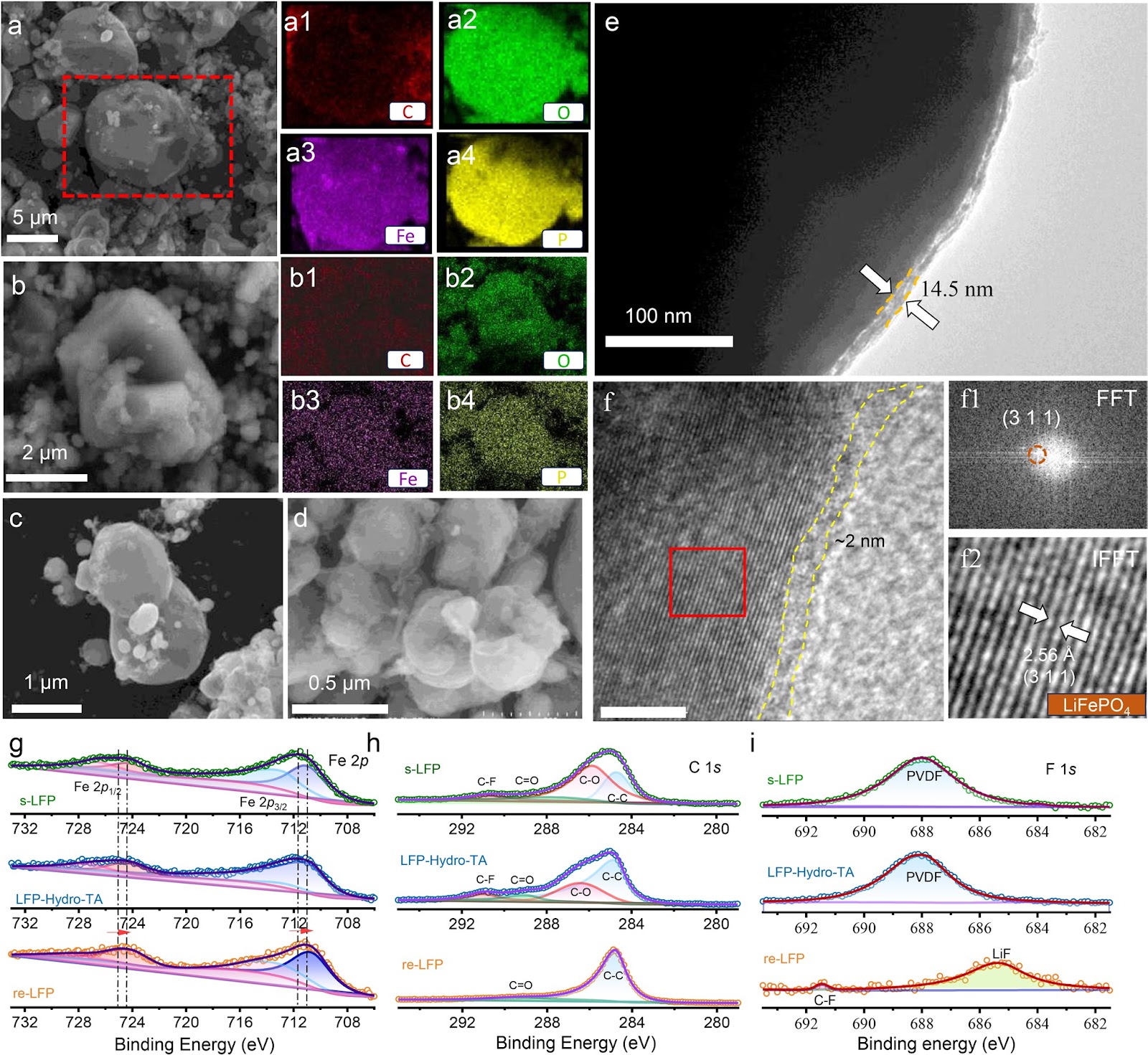
The rapid accumulation of spent LiFePO4 (LFP) cathodes from retired lithium-ion batteries necessitates the development of effective and environmental-friendly recycling strategies. In this context, direct regeneration has emerged as a promising approach for reclaiming LFP cathode materials, offering a streamlined pathway to restore their electrochemical functionality. We report an integrated regeneration protocol that simultaneously repairs the degraded crystal structure and reconstructs the damaged carbon coating in spent LFP. The regenerated cathode material had superfast lithium-ion diffusion kinetics and a stable cathode–electrolyte interface, giving a remarkable rate capability with specific capacities of 122 mAh g−1 at 5C and 106 mAh g−1 at 10C (1C = 170 mA g−1). It also maintained capacities of 110.7 mAh g−1 (5C) and 84.1 mAh g−1 (10C) after 400 cycles. It could be used in harsh environments and could be stably cycled at subzero temperatures (−10 and −20 °C) and in solid-state electrolyte batteries. Life cycle assessment combined with economic evaluation using the EverBatt model reveals that this direct regeneration approach has high economic and environmental benefits.
Oxide Semiconductor for Advanced Memory Architectures: Atomic Layer Deposition, Key Requirement and Challenges
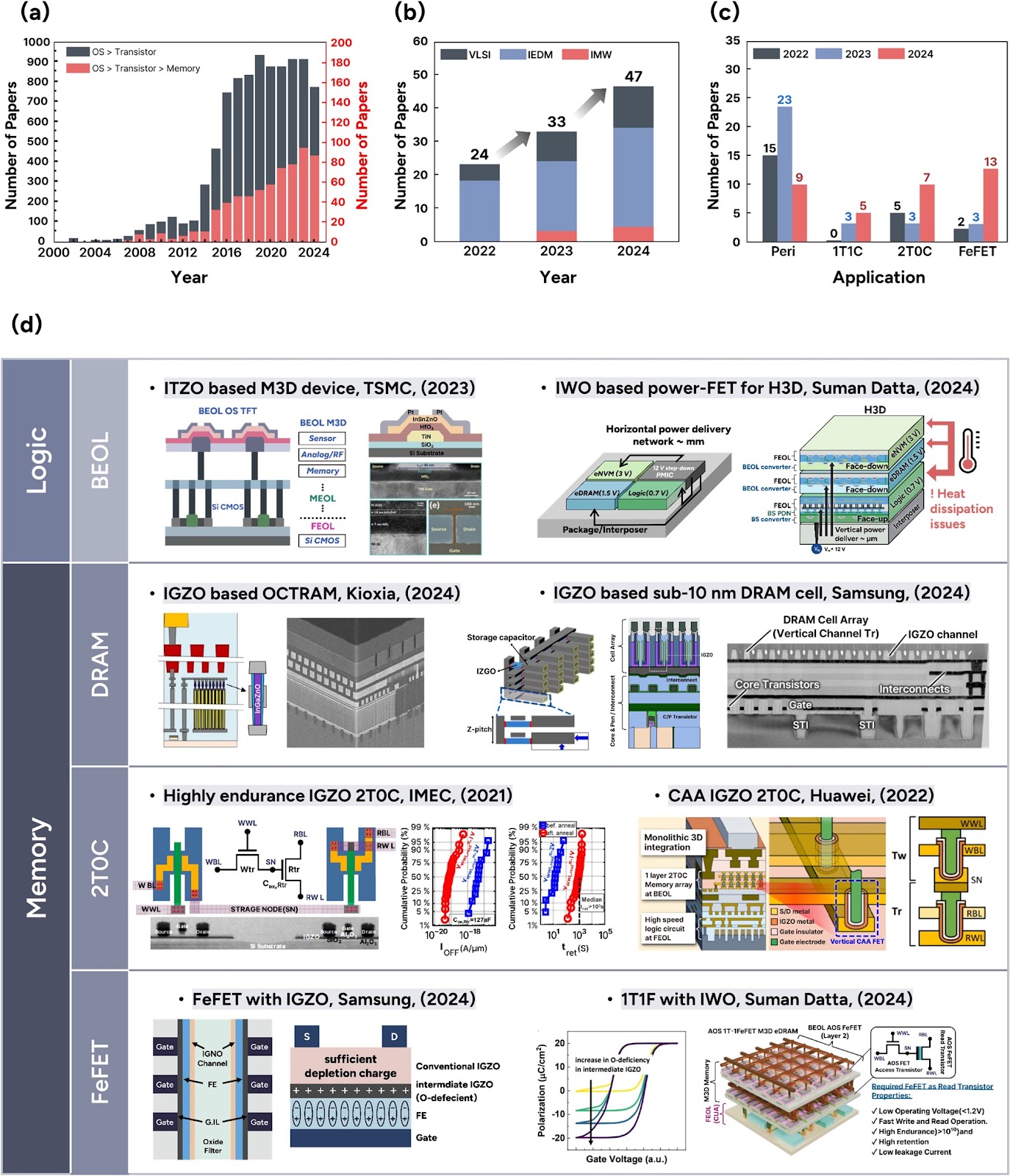
Oxide semiconductors (OSs), introduced by the Hosono group in the early 2000s, have evolved from display backplane materials to promising candidates for advanced memory and logic devices. The exceptionally low leakage current of OSs and compatibility with three-dimensional (3D) architectures have recently sparked renewed interest in their use in semiconductor applications. This review begins by exploring the unique material properties of OSs, which fundamentally originate from their distinct electronic band structure. Subsequently, we focus on atomic layer deposition (ALD), a core technique for growing excellent OS films, covering both basic and advanced processes compatible with 3D scaling. The basic surface reaction mechanisms—adsorption and reaction—and their roles in film growth are introduced. Furthermore, material design strategies, such as cation selection, crystallinity control, anion doping, and heterostructure engineering, are discussed. We also highlight challenges in memory applications, including contact resistance, hydrogen instability, and lack of p-type materials, and discuss the feasibility of ALD-grown OSs as potential solutions. Lastly, we provide an outlook on the role of ALD-grown OSs in memory technologies. This review bridges material fundamentals and device-level requirements, offering a comprehensive perspective on the potential of ALD-driven OSs for next-generation semiconductor memory devices.
Laser powder bed fusion of biodegradable Zn-4Cu alloy: Processing, microstructure and properties
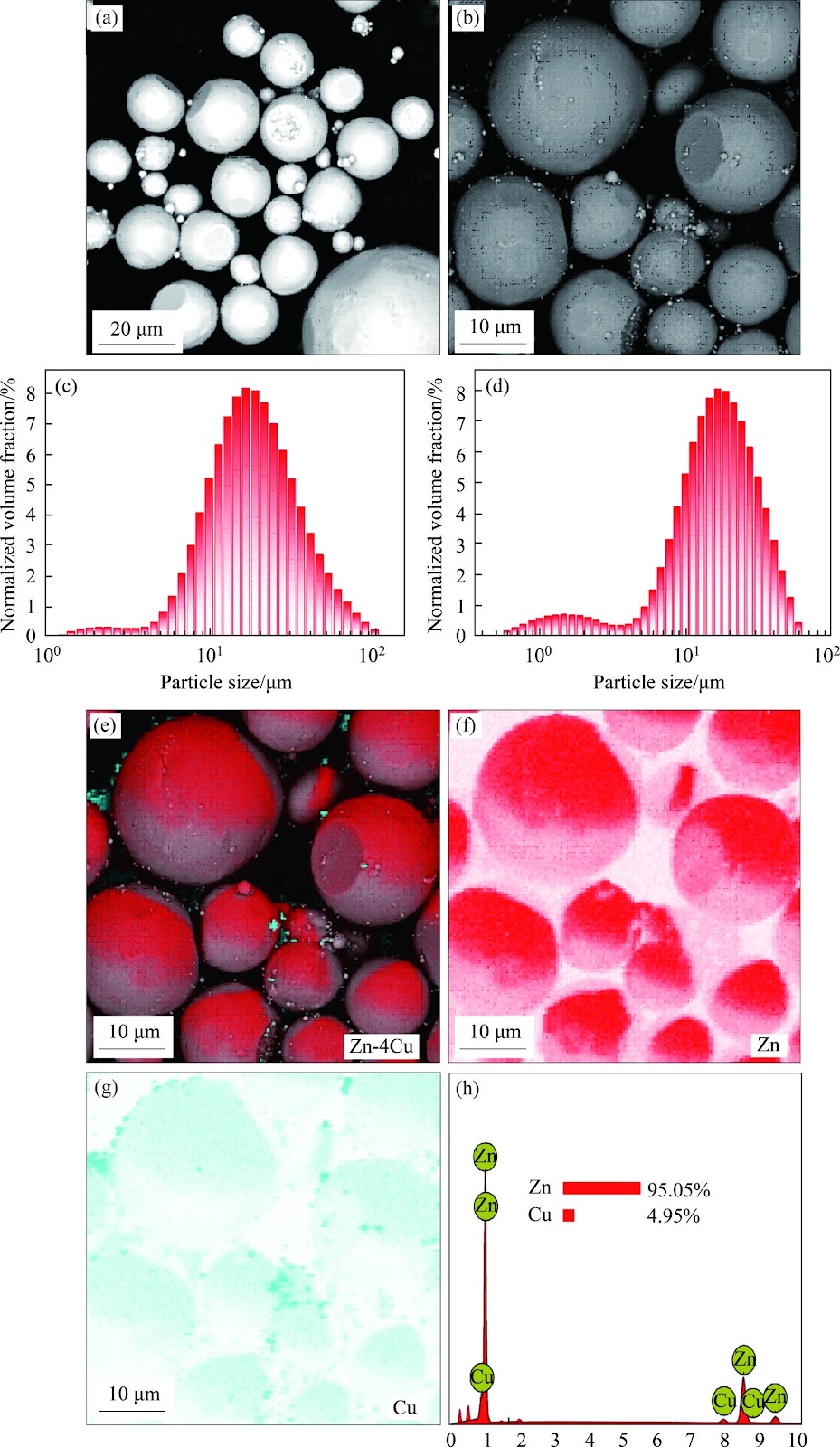
Zn's natural degradability and biocompatibility make it a promising candidate for implants, however, its mechanical properties remain insufficient for bone applications. In this study, the performance of Zn was enhanced by developing Zn-Cu alloys via laser powder bed fusion (LPBF). Optimal LPBF parameters for forming stable tracks were achieved by adjusting laser power and scanning speed. Under optimized conditions of 100 W and 100 mm/s, high-density (99.58%) Zn-Cu alloys with improved hardness (68.2HV) and yield strength (160 MPa) were achieved. These improvements are attributed to solid solution strengthening, segregation strengthening, and grain refinement. The Zn-Cu alloys also demonstrated favorable degradation behavior, with a rate of 0.16 mm/year. This degradation is primarily driven by micro-galvanic corrosion between the CuZn5 phase and Zn matrix, along with refined grains and increased grain boundary density. This work demonstrates a viable strategy for fabricating Zn-based implants with enhanced structural integrity and mechanical performance via LPBF.