SinoTechIntel Academic Portal
🏛️ Indexed Academic Journal

Journal of Central South University

Access authentic peer-reviewed engineering methodologies, experimental datasets, and scientific literature published in this journal on SinoTechIntel.

Total Research Papers: 152
Access: 100% Free Open Access
Browse by Publication Year & VolumeReset All Filters ✕
Select Specific Issue:

Published Research PapersFiltered: Year 2026 • 33 • 2

Showing 10 of 152 peer-reviewed papers with full Graphical Abstracts.

Original ResearchVol. 33, Issue 2 • pp. 802-820DOI: 10.1007/s11771-026-6168-7Jan 15, 2026

Mechanism and application of a new method for roof cutting and pressure relief with dense drilling

Authors: FU Qiang, YANG Jun, GAO Yu-bing, LI Chang-jiang, LIU Yu-xuan, JIANG Han-ze, ZHOU Jian-lin, WU Xing

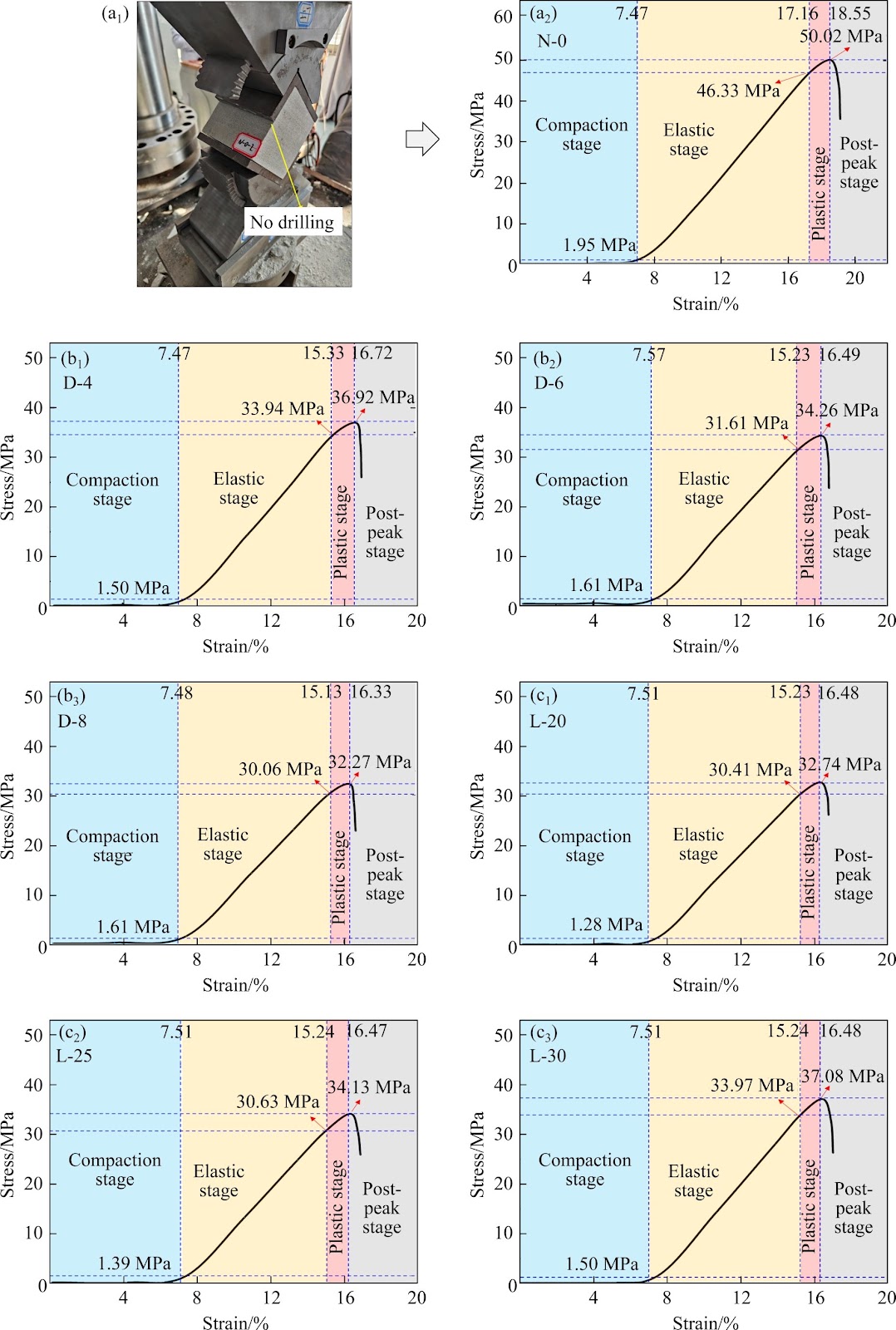
With the continual deterioration of mining conditions, the deformation and failure of surrounding rock in roadways with weak roofs under intense mine pressure during close-distance coal seam extraction has become a critical issue restricting the safe and efficient mining of coal. To address the issue of increased surrounding rock damage caused by blasting pressure relief in such roadways, this study proposes an innovative non-explosive method for roof cutting and pressure relief with dense drilling (RCPRDD) to protect the roadway. A combined approach of laboratory experiments, theoretical analysis, numerical simulation, and field testing was employed to clarify the rock weakening effects and mechanisms induced by dense drilling. An optimal design method for drilling diameter and spacing was established, and the effectiveness of this method was validated. The research results indicate that the degree of rock weakening induced by dense drilling is primarily related to the drilling density coefficient. As the drilling density coefficient increases, the rock weakening effect becomes more pronounced. At the same time, dense drilling exerts a significant amplifying effect on the tensile stress experienced by the side roof of the roadway goaf. A functional relationship between the dense drilling weakening coefficient and the drilling density coefficient was established, providing a theoretical basis for the selection of key parameters for dense drilling. The method was ultimately implemented in a field engineering test, effectively reducing the stress in the coal body of the advanced roadway, controlling the deformation and failure of the surrounding rock, and achieving the goal of protecting the roadway. This demonstrated the feasibility and effectiveness of the RCPRDD. The research findings provide a scientific basis for controlling roadway deformation under similar conditions.
Mechanism and application of a new method for roof cutting and pressure relief with dense drilling
Graphical Abstract
Original ResearchVol. 33, Issue 2 • pp. 821-833DOI: 10.1007/s11771-026-6207-4Jan 15, 2026

Heating and fracture spatiotemporal evolution characteristics of key granite minerals under microwave irradiation

Authors: BAI Yan-bo, YANG Ben-gao, WANG Jing-yu, XIE Jing, TANG Rui-feng, GAO Ming-zhong, YUAN Liang

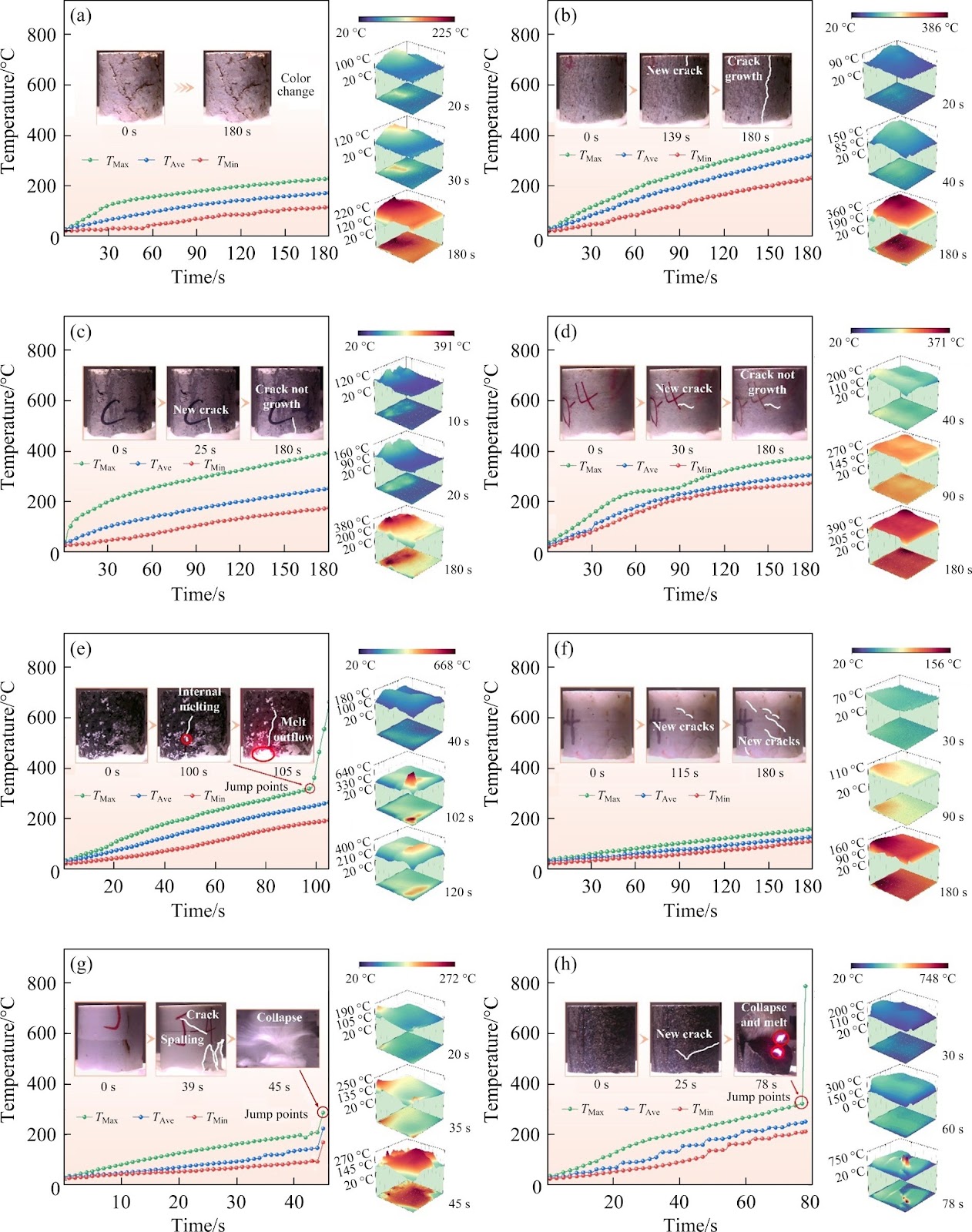
Microwave fracturing offers significant potential for efficient hard rock fragmentation. This study investigates real-time heating and fracture characteristics of ten granitoid minerals under 2 kW microwave irradiation for 3 min. Chlorite, amphibole, and altered plagioclase were identified as highly microwave-sensitive, exhibiting high mass and P-wave velocity decay, rapid heating rates (>2.5 ℃/s) and violent rupture. Mineral surface temperature non-uniformity, quantified by the coefficient of variation (VT), evolved through distinct increasing, decreasing, and stabilizing phases, reflecting shifts in dominance between heat accumulation and transfer. Temperature gradients revealed the spatial relationship between hotspots and rupture points, with shallow melting influencing surface temperature distribution. Undamaged minerals exhibited significant temperature gradient spatiotemporal variability but ultimately stabilizing. These results enable prediction of microwave heating behavior in hard rocks containing analogous minerals and enhance our understanding of microwave-induced weakening mechanisms.

Heating and fracture spatiotemporal evolution characteristics of key granite minerals under microwave irradiation
Graphical Abstract
Original ResearchVol. 33, Issue 2 • pp. 861-885DOI: 10.1007/s11771-026-6203-8Jan 15, 2026

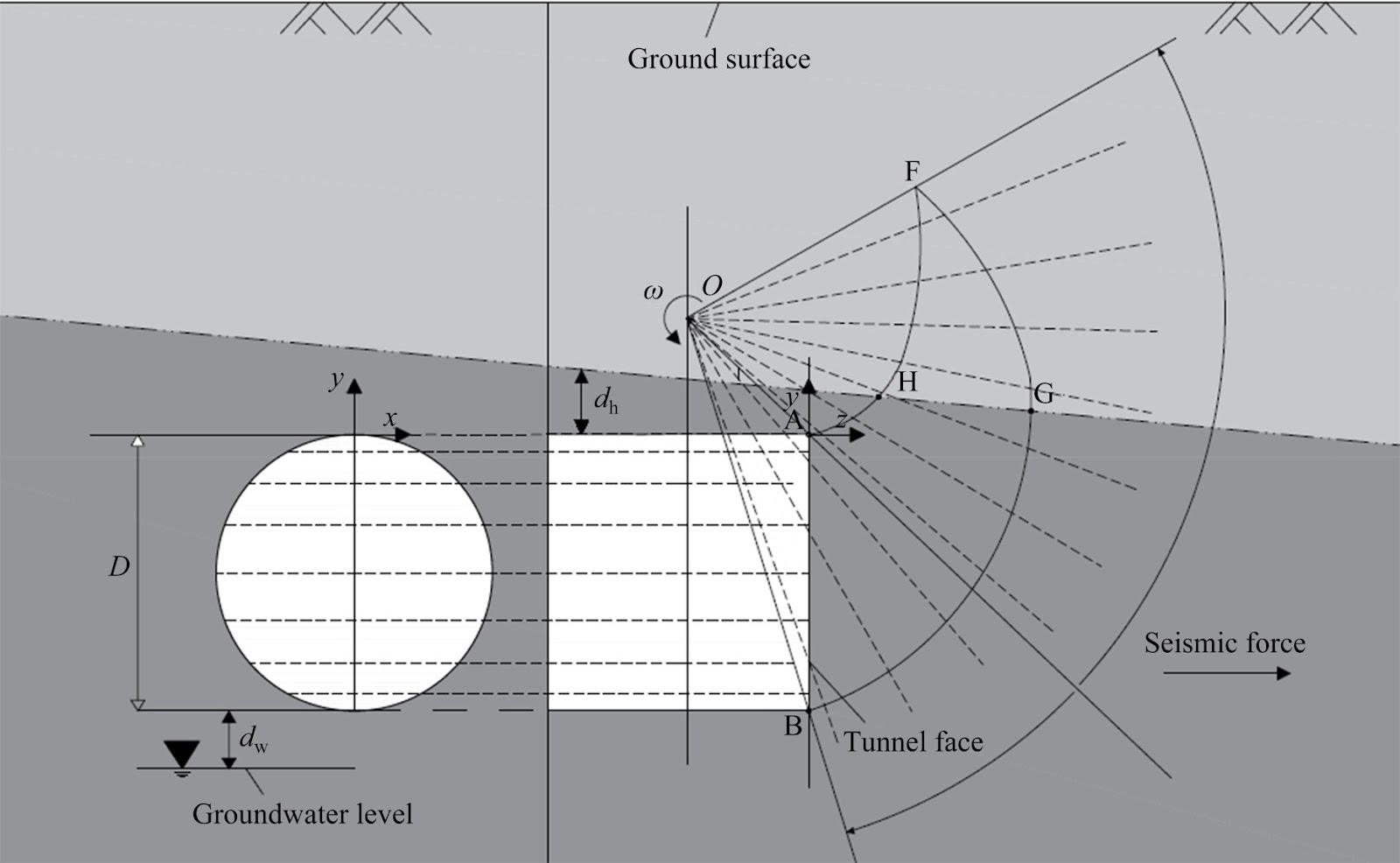
Seismic stability analysis of tunnel face in inclined layered soils with unsaturated flow

Authors: WU Huan-jiang, ZHOU De, LIAO Hong, ZHU Jian-qun

The tunnel face stability is investigated in inclined layered soils under steady unsaturated seepage and seismic loading. The rigorous estimate of the maximum face pressure is provided during tunnel excavation. The modified pseudo-dynamic method is applied to capture the spatial and temporal characteristics of seismic forces. A spatial distribution formula for suction stress under steady seepage conditions is derived for inclined layered soils. The study examines how inclined stratification influences the shape of failure mechanisms, the suction head profile, and variations in seismic acceleration. The spatial and temporal changes in suction stress and seismic loading are integrated into the energy equilibrium formulation based on a three-dimensional discretized failure model, and the critical face support pressure can be calculated via an integrated optimization strategy. The distributions of seismic acceleration ratios are obtained under various dynamic parameter conditions and the spatial variation of suction stress in the soil ahead of the tunnel face under different hydraulic hysteresis scenarios. The proposed analytical approach is compared with previous research, and the differences in results under different representations of seismic waves are also discussed. The research results can provide a valid framework to evaluate the influence of seismic excitation, steady-unsaturated infiltration, hydraulic hysteresis, and inclined stratification on tunnel face stability.

Seismic stability analysis of tunnel face in inclined layered soils with unsaturated flow
Graphical Abstract
Original ResearchVol. 33, Issue 2 • pp. 886-904DOI: 10.1007/s11771-026-6194-5Jan 15, 2026

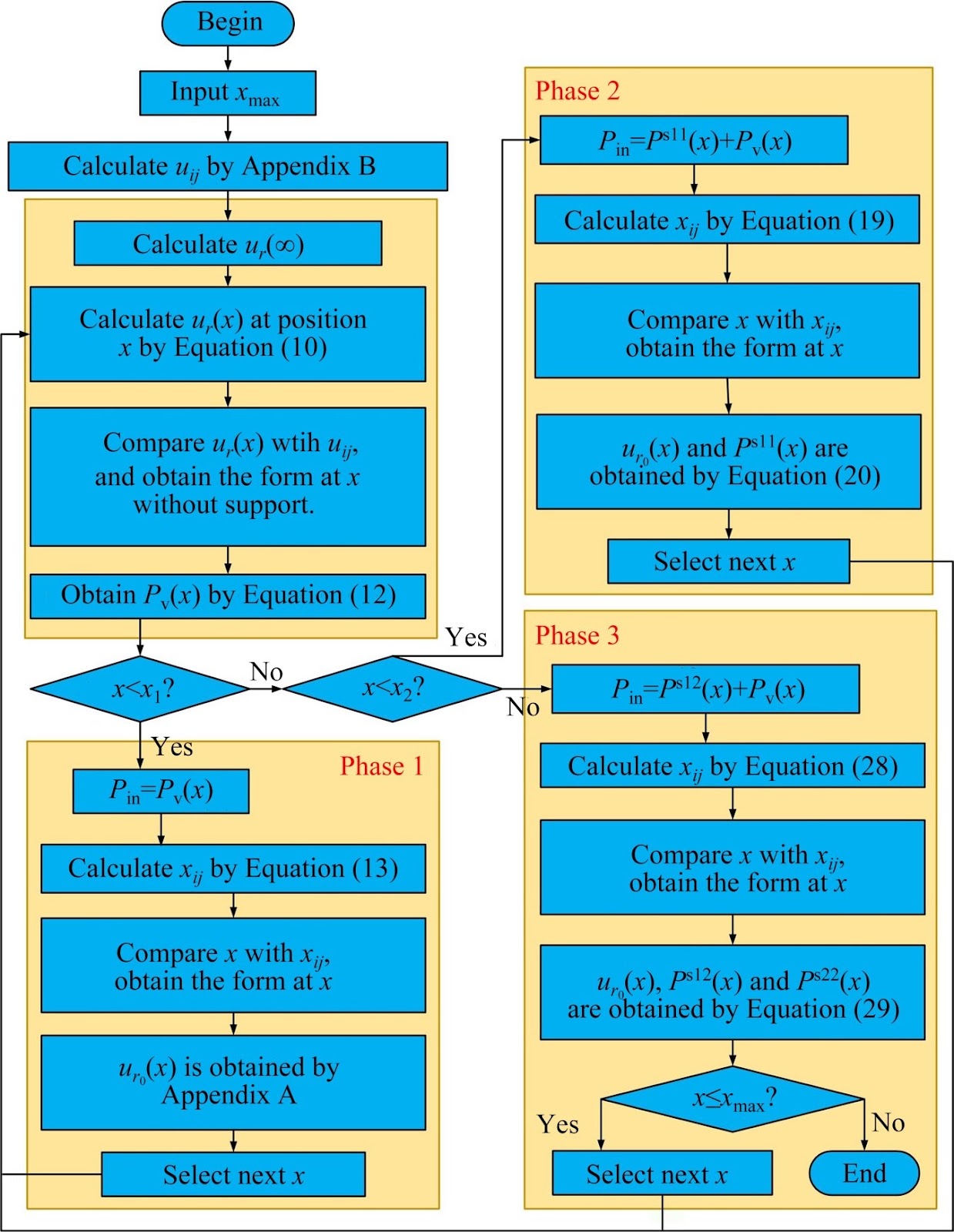
Interaction analysis of sequentially installed support system and reinforced rock for deep tunnels

Authors: CHEN Xu, ZHANG Ding-li, SUN Zhen-yu, CHEN Xuan-hao

This study analyzed the interaction between sequentially installed combined support systems and the surrounding rock. Six distinct forms of elastic-brittle-plastic rock masses with reinforcement were analyzed, along with the critical displacements that governed their transition behaviors. Virtual support pressure was introduced to assess the spatial influence of the tunnel face. It was determined by integrating the longitudinal displacement profile with the proposed ground characteristic curve solutions under various ground conditions. Considering the timing of support installation, the support-rock interaction was divided into three phases. A method was presented to determine the evolution of this interaction based on critical displacements. An analytical approach was further proposed to describe the complete process of support system-rock interaction using displacement coordination. The analytical results are validated against numerical simulations and field measurements, and the method's advantages are demonstrated through comparisons with existing models and the convergence-confinement approach. Finally, the effects of surrounding rock and support parameters are examined. The results indicate that residual cohesion, the friction angle of reinforced ground, and reinforcement thickness strongly influence tunnel behavior. Additionally, increasing the stiffness or advancing the installation of secondary support substantially raises secondary support pressure.

Interaction analysis of sequentially installed support system and reinforced rock for deep tunnels
Graphical Abstract
Original ResearchVol. 33, Issue 2 • pp. 747-766DOI: 10.1007/s11771-026-6201-xJan 15, 2026

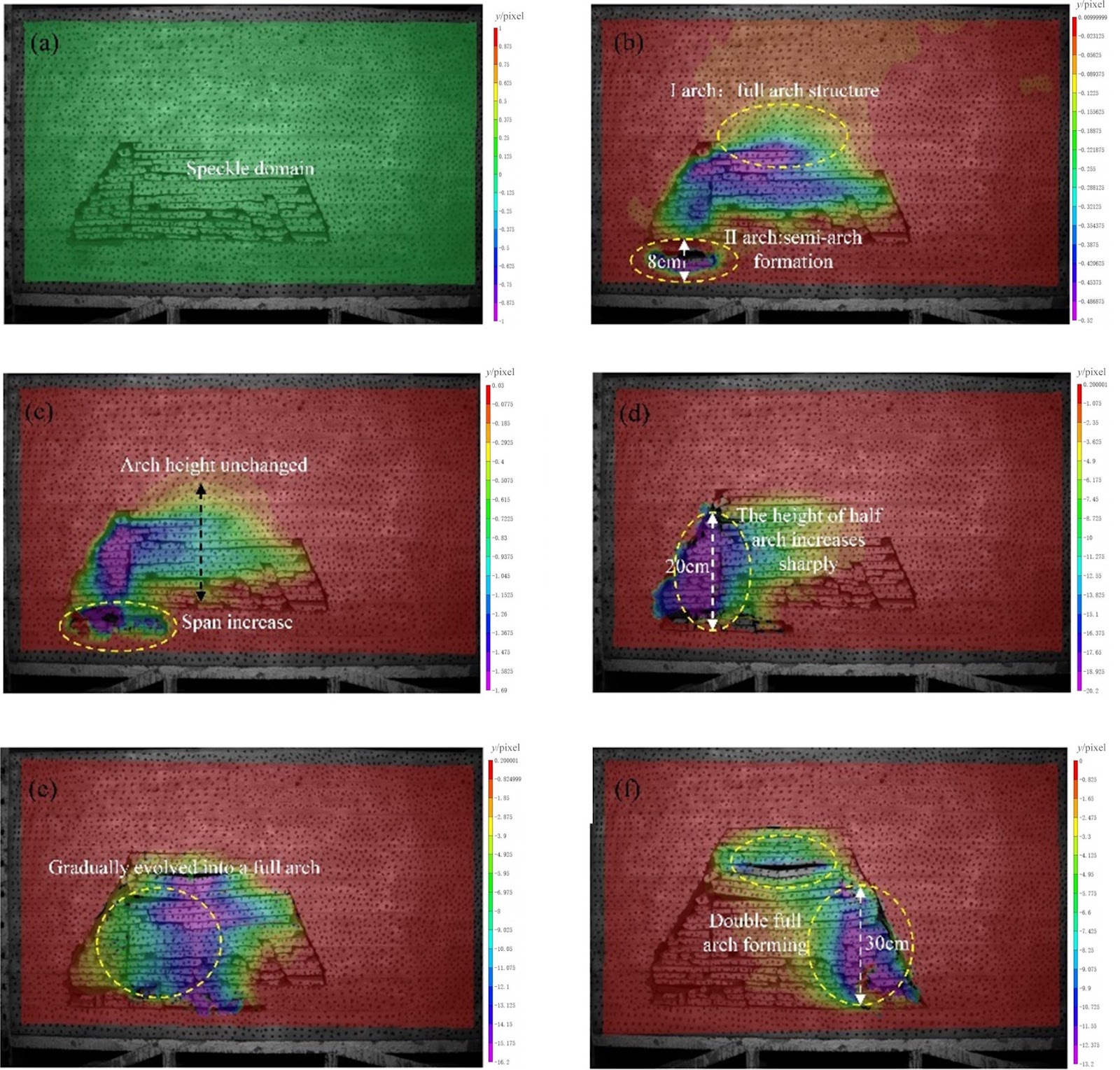
Effect of composite stress arches evolution on abutment pressure distribution in repeated mining of close-distance coal seams

Authors: HU Pin-pin, ZUO Yu-jun, RONG Peng, CHEN Bin, ZHENG Lu-lin, WEN Zhi-jie, HU Jin-chun, REN Wei-de

Due to the unique geological structure in the Guizhou region, issues such as stress concentration and inefficient resource utilization efficiency arise during repeated mining of close-distance coal seam. This study focuses on the Longfeng Coal Mine in Guizhou, investigating the evolution of stress arches and abutment pressure distribution under repeated mining conditions through similarity simulations, numerical simulations, and theoretical analysis. The study introduces a novel composite stress arch model, which more accurately represents stress evolution under complex mining conditions compared to traditional single arch theories. The model highlights the gradual transformation of a single stress arch into a composite structure, accounting for the increasing complexity of the stress distribution. Based on these evolution characteristics, a mechanical model of composite arches under nonlinear loading was developed. The calculation results and field monitoring data show that after repeated mining, the stop-mining coal pillar width should be optimized between 65 and 70 m. The research reveals the coupling relationship between the evolution of composite arches and the distribution of abutment pressure, which aids in optimizing coal pillar design, enhancing resource recovery rates, and ensuring the stability of roadways and stopes.

Effect of composite stress arches evolution on abutment pressure distribution in repeated mining of close-distance coal seams
Graphical Abstract
Original ResearchVol. 33, Issue 2 • pp. 834-846DOI: 10.1007/s11771-026-6206-5Jan 15, 2026

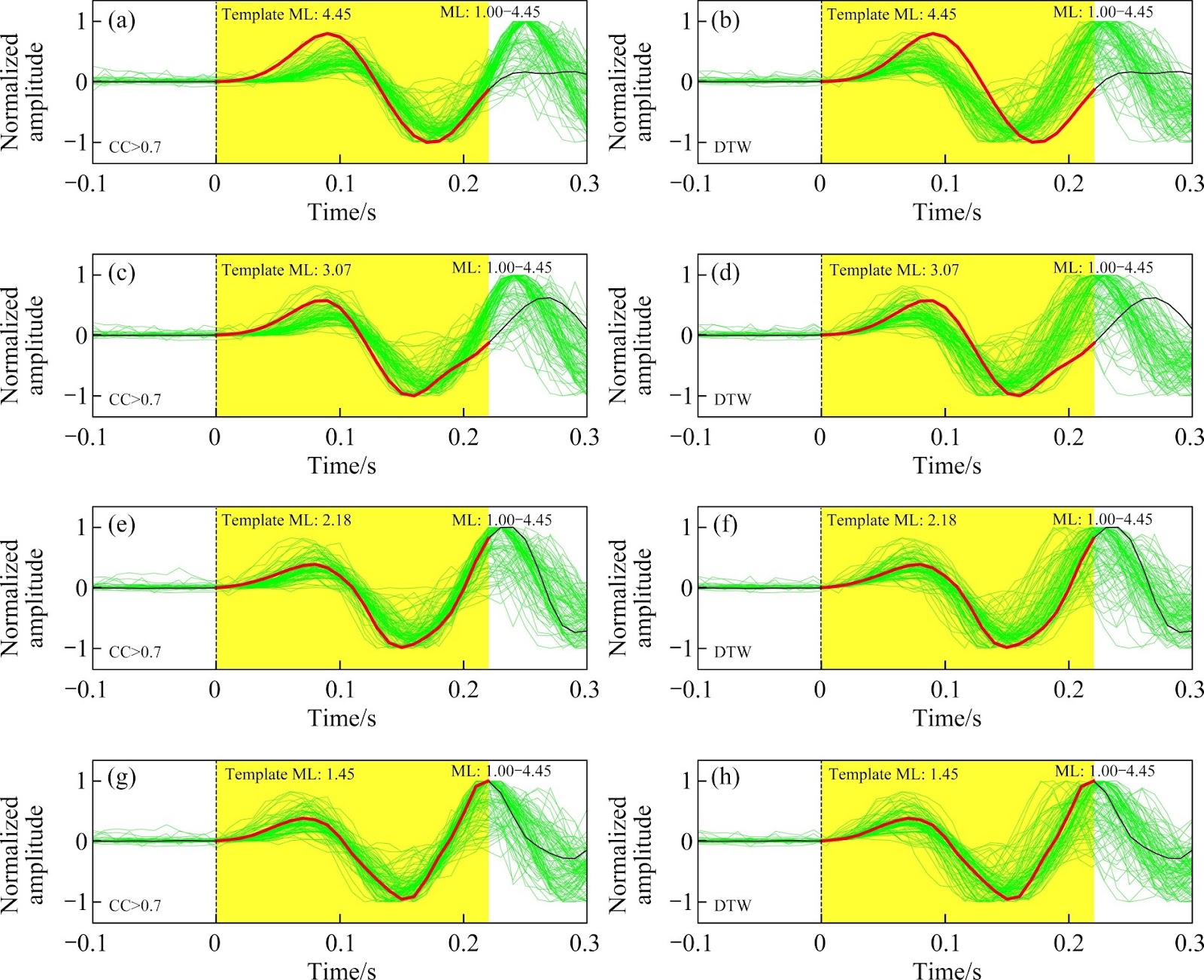
Optimizing differential travel-time measurements with dynamic time warping

Authors: LIU Jian-xin, NIE Zi-ting, HOU Xin-rong, GAO Da-wei

Precise differential travel-time measurement is essential for earthquake relative locating. The waveform cross-correlation (WCC) technique is widely regarded as the most effective method for calculating the differential travel-time of seismic phases. However, for earthquake pairs with large magnitude differences, substantial biases can arise due to disparities in the duration of the initial pulse, potentially leading to significant mislocations, particularly for mainshocks. To overcome this limitation, we propose to use the dynamic time warping (DTW) algorithm to optimize differential travel-time calculation. Using high-quality earthquake waveform data from the San Andreas Fault (2012 −2019), we systematically compared the performance of DTW and WCC, respectively. Our results demonstrate that DTW substantially improves differential travel-time measurements, especially in cases involving large magnitude differences. In addition, we tested the robustness of DTW using noisy seismic data, demonstrating its superior resilience to noise.

Optimizing differential travel-time measurements with dynamic time warping
Graphical Abstract
Original ResearchVol. 33, Issue 2 • pp. 783-801DOI: 10.1007/s11771-026-6205-6Jan 15, 2026

Structural deterioration and instability in grouted reinforcement crushed rock masses subjected to increasing-amplitude fatigue loading

Authors: LI Ju-zhou, LI Chang-hong, TAHERI Abbas, LI Peng, MA Dan

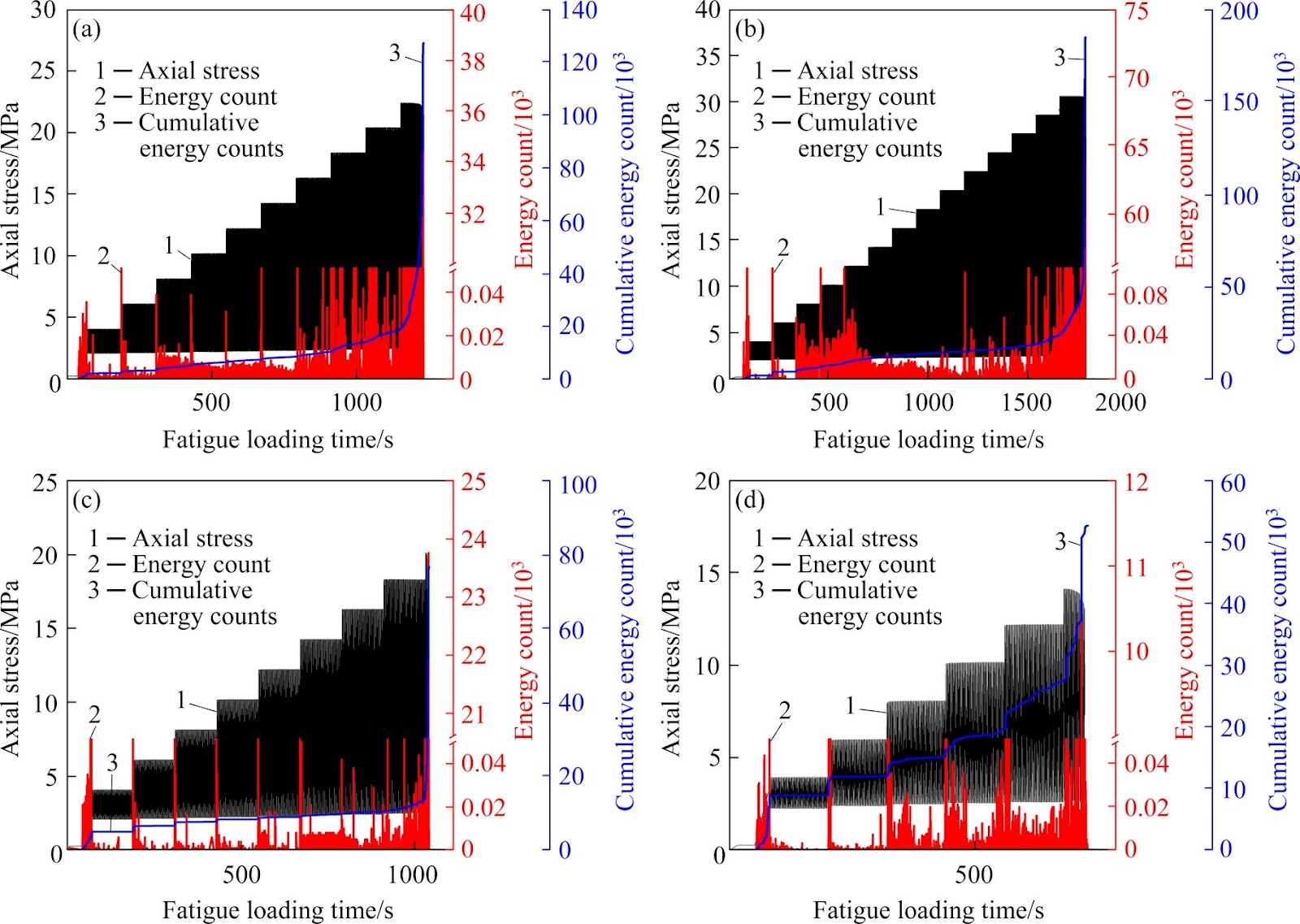
To investigate the influence of different Talbot grading indices (n-values) on the fatigue damage deterioration and instability behavior of grouted reinforcement body, an increasing-amplitude fatigue loading test was conducted on grouted reinforcement specimens with different n-values using the multi-functional electro-hydraulic servo-controlled rigidity test system (MTS-815). Acoustic emission (AE) technology was employed to monitor the entire testing process. The fatigue mechanical response mechanism, AE characteristic parameters, and damage modes were analyzed. The results demonstrate that as n-value increases, the mechanical characteristics of the specimens initially increase and then decrease. AE parameters, including the cumulative AE ring counts and energy counts, follow the same trend, and spectral characteristics exhibit a strong correlation with crack evolution. The cumulative AE ring counts damage model reveals a three-phase behavior for the specimens under different n-values. The b-value, which characterizes the scale distribution of cracking events, correlates with the volumetric strain growth rate, showing a more sensitive response. Differences in n-values directly affect the distribution of RA/AF signals and damage modes. The findings provide valuable insights into predicting the destabilization of grouted reinforcement specimens under fatigue disturbance and offer necessary theoretical support for the design and stability control of excavation in fragmented surrounding rock.

Structural deterioration and instability in grouted reinforcement crushed rock masses subjected to increasing-amplitude fatigue loading
Graphical Abstract
Original ResearchVol. 33, Issue 2 • pp. 725-746DOI: 10.1007/s11771-025-6108-yJan 15, 2026

Mechanical behavior and tensile bearing performance of anchorage body under the influence of structural plane dip angle

Authors: GENG Yi, LI Xi-bing, CHEN Jiang-zhan, ZHAN Xin-yu, YAN Rong-yun, ZHOU Xiao-li

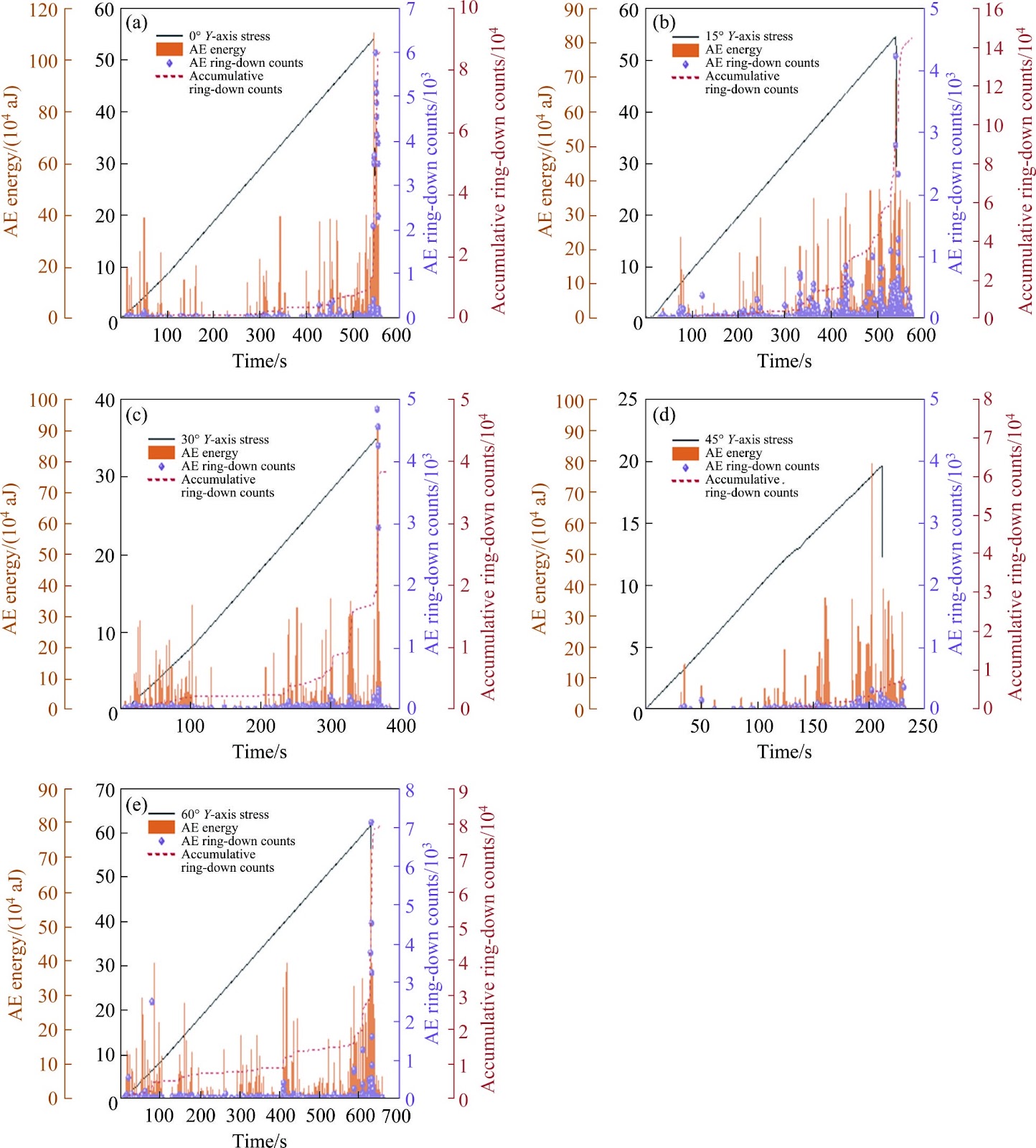
With increasing mining depth in metal mines, the stability of roadway support structures is significantly affected by the complex surrounding rock. This study performs biaxial compression and bolt pull-out experiments on anchorage body specimens with different structural plane dip angles to explore failure mechanisms of anchorage structures and evolutionary law of bolt anchorage force. Results show the dip angle notably impacts the bearing capacity and failure modes of anchorage specimens. Their peak stress exhibits a V-shaped trend: decreasing from 54.80 MPa to 19.65 MPa as dip angles increase from 0° to 45°, with failure mode transitioning from tensile to shear; at 60°, it becomes a tensile-dominated mixed mode. Bolt anchoring significantly enhances bearing capacity (most remarkably by 153.22% at 45°) and changes failure from brittle to ductile. Pull-out tests reveal two failure modes: slip at the bolt-rock interface and bolt fracture. At 45°, bolt fracture occurs under a 14.55 kN peak pull-out load, matching the bolt's yield strength. This failure mechanism involves two key factors: structural plane sliding that shears the bolt, and mechanical interlocking that restricts pull-out, substantially increasing anchorage force. These findings provide insights for stability assessment and support design of roadway structures in complex geological environments.

Mechanical behavior and tensile bearing performance of anchorage body under the influence of structural plane dip angle
Graphical Abstract
Original ResearchVol. 33, Issue 2 • pp. 767-782DOI: 10.1007/s11771-026-6198-1Jan 15, 2026

Mesoscopic fracture evolution of granite under different thermal disturbances

Authors: XIE Jin, XI Bao-ping, HE Shui-xin, DONG Yun-sheng, CHEN Lu-hai

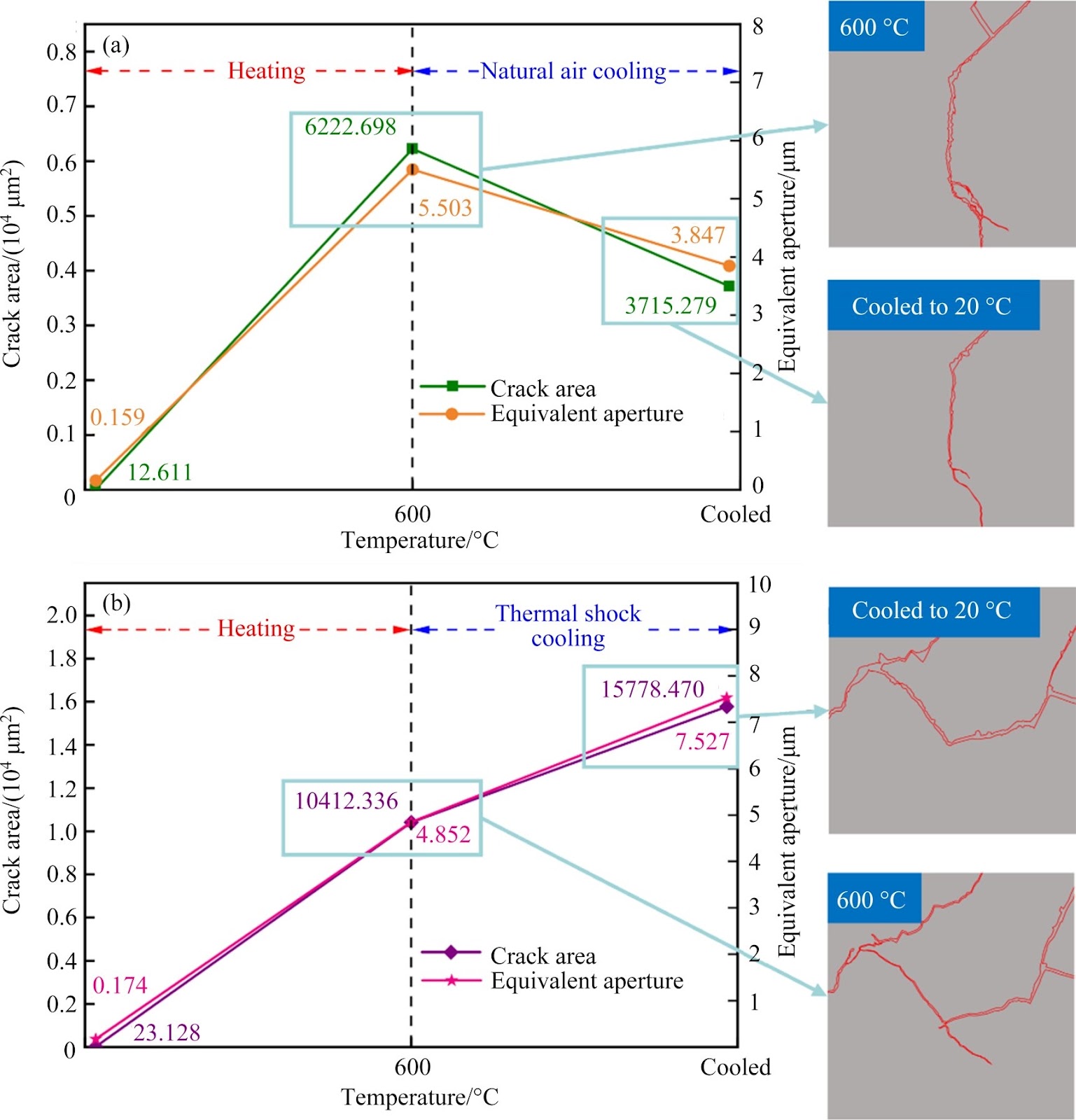
Hot-stage polarizing microscopy technique was employed to investigate the mesoscopic fracture evolution characteristics of granite throughout the entire process from room temperature to real-time high temperature and then to cooling. The study analyzed the influence of mineral types, temperature, cooling medium, and the heating and cooling progress on the microcrack development in granite. Additionally, the contributions of heating and cooling to the damage of granite were discussed. The research indicates that crack evolution follows a characteristic trend: the number of small cracks increases, and larger cracks form through the coalescence and propagation of smaller ones during heating. The thermal fracture threshold for granite was identified at 300 °C. The three main minerals in granite exhibit distinct area change behaviors with temperature. After natural cooling, mineral areas show a slight increase compared to the pre-treatment state. Following thermal shock in water, these areas decrease marginally relative to their extent at 600 ℃ yet remain significantly larger values than initial ones. Thermal shock cooling induces more extensive fracturing in granite compared to natural air cooling. Furthermore, the heating process contributes more significantly to the overall damage than the subsequent cooling stage. This study enhances the understanding of mesoscopic evolution in thermal disturbances treated rocks and provides a theoretical basis for assessing rock stability in high-temperature engineering environments.

Mesoscopic fracture evolution of granite under different thermal disturbances
Graphical Abstract
Original ResearchVol. 33, Issue 2 • pp. 847-860DOI: 10.1007/s11771-026-6214-5Jan 15, 2026

3D finite-difference numerical simulation of the gravitational field using a preconditioned GMRES iterative solver

Authors: TONG Xiao-zhong, XIE Wei, MA Hui-ying, WEN Xin-yue, ZHU Wen-di, ZHANG Chen

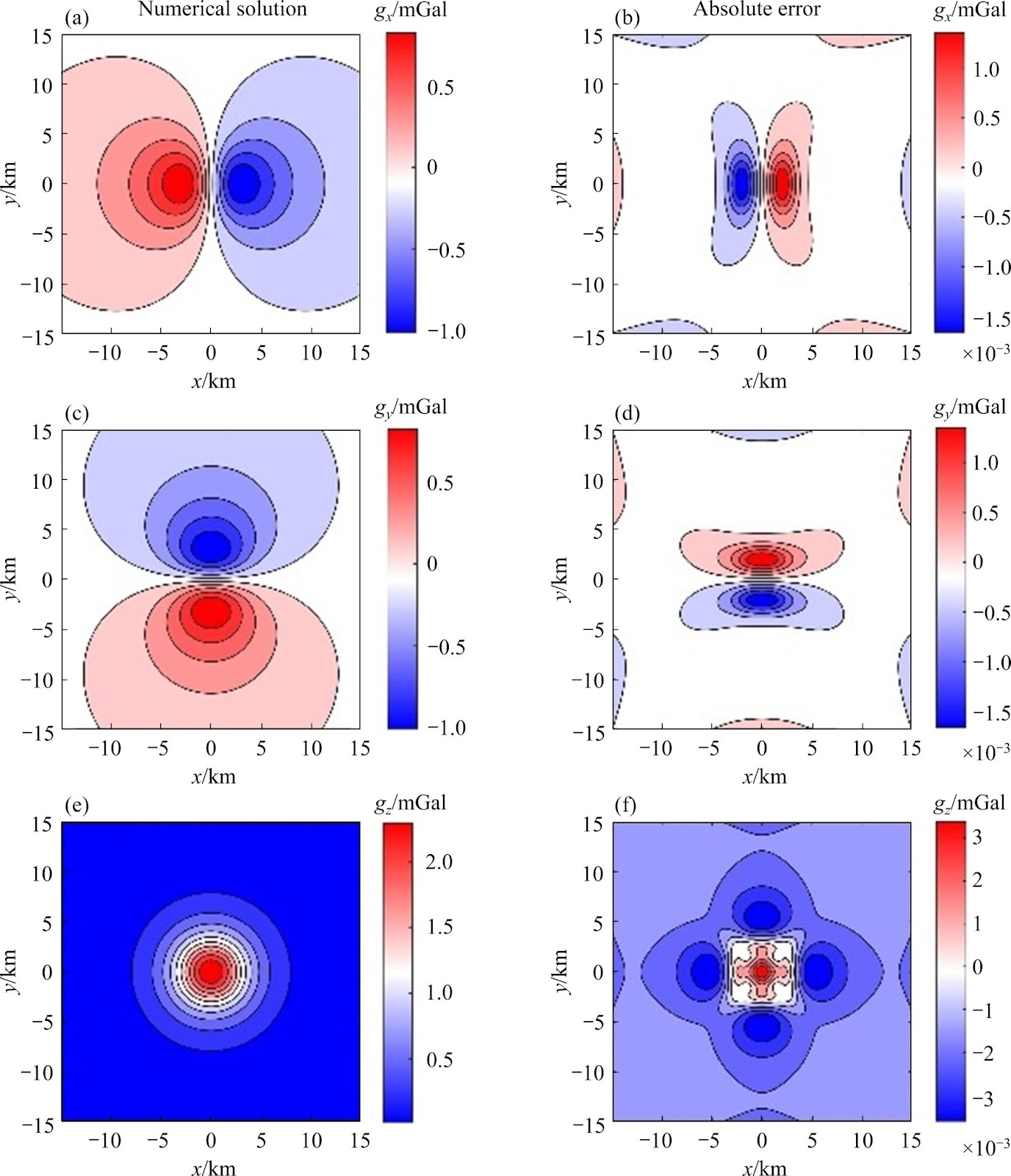
With the evolution of geophysical surveys from traditional two-dimensional (2D) to three-dimensional (3D) models, the resulting large data volumes pose significant challenges to inversion, particularly when resolving large-scale 3D structures. A direct solver for solving an ill-conditioned linear system resulting from the finite-difference approximation of a boundary value problem requires more memory and time than iterative solvers. To overcome this limitation, an efficient iterative solver for 3D finite-difference approach is introduced to calculate the 3D gravitational potential and the associated gravitational field. Firstly, the boundary value problem associated with 3D gravitational potential is discretized using central finite-difference technique based on right rectangular prismatic grids. The resulting large unsymmetric sparse systems are then solved using the generalized minimal residual algorithm (GMRES) iterative solver in combination with incomplete LU factorization. Secondly, to obtain high-accuracy partial derivatives of gravitational potential, a high-degree Lagrange interpolation scheme is employed. Finally, three density models are applied to test the accuracy, reliability, and flexibility of our 3D finite-difference algorithm. All computational results demonstrate that our method provides an accurate approximation of the gravitational field and is applicable to 3D forward modeling.

3D finite-difference numerical simulation of the gravitational field using a preconditioned GMRES iterative solver
Graphical Abstract