SinoTechIntel Academic Portal
🏛️ Indexed Academic JournalImpact Factor: 3.8

Int. Journal of Mining Science and Technology (采矿与安全工程)

Authoritative peer-reviewed journal in materials science, metallurgy, chemistry and engineering technologies: Int. Journal of Mining Science and Technology (采矿与安全工程)

Total Research Papers: 147
Access: 100% Free Open Access
Browse by Publication Year & VolumeReset All Filters ✕

Published Research PapersFiltered: Year 2025 • Vol. 32 • 9

Showing 12 of 147 peer-reviewed papers with full Graphical Abstracts.

Original ResearchVol. 32, Issue 9 • pp. 100-112DOI: 10.1016/j.ijmst.2025.09.009Jan 15, 2025

Potential failure mechanism of low-angle submarine landslides in shelf-slope break of Pearl River Mouth Basin, South China Sea

Authors: Zhenghui Li, Cong Hu, Geetanjali Kishan Lohar, Xiujuan Wang, Duanxin Chen, Hanlu Liu, Devendra Narain Singh, Chaoqi Zhu, Yonggang Jia

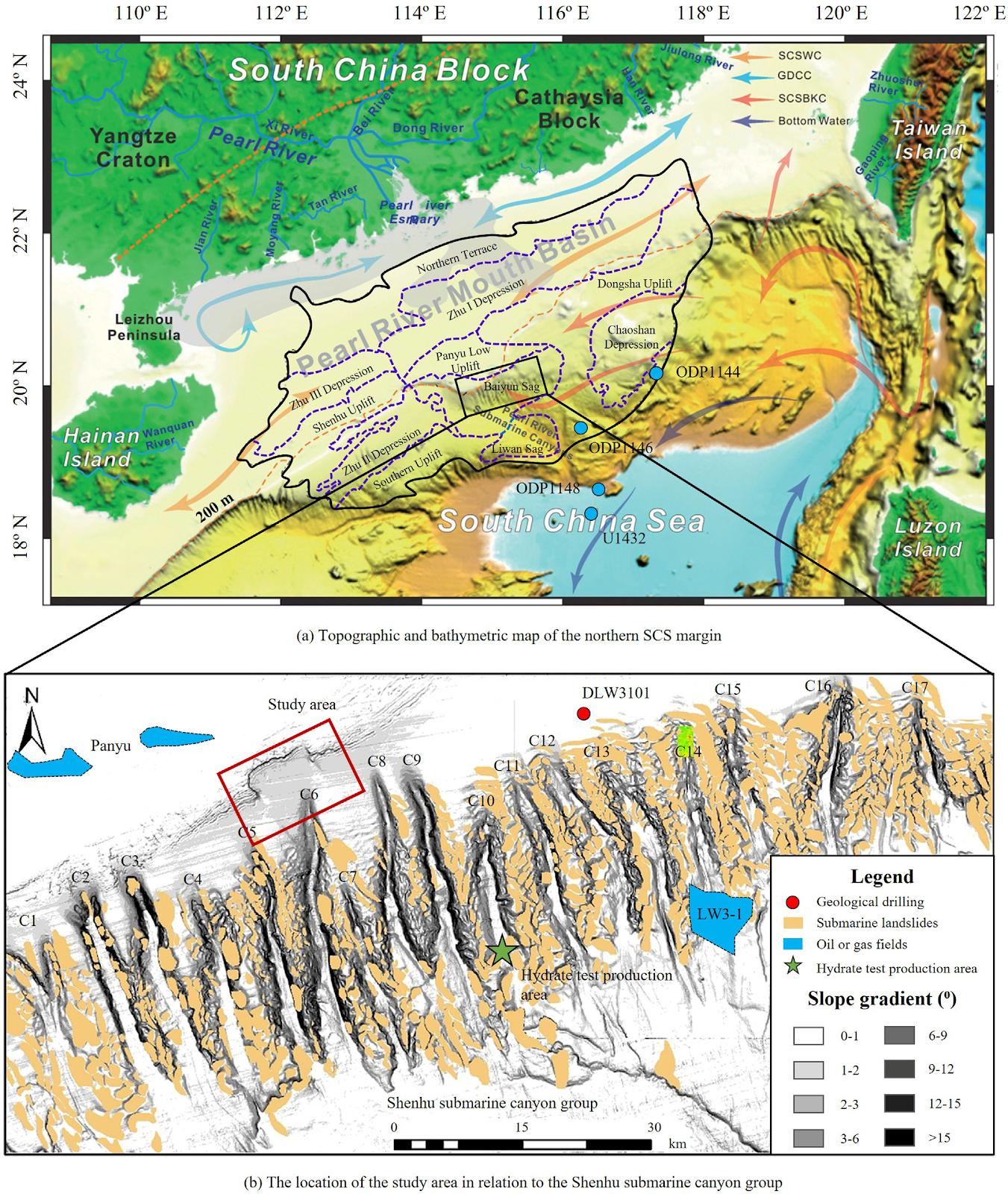
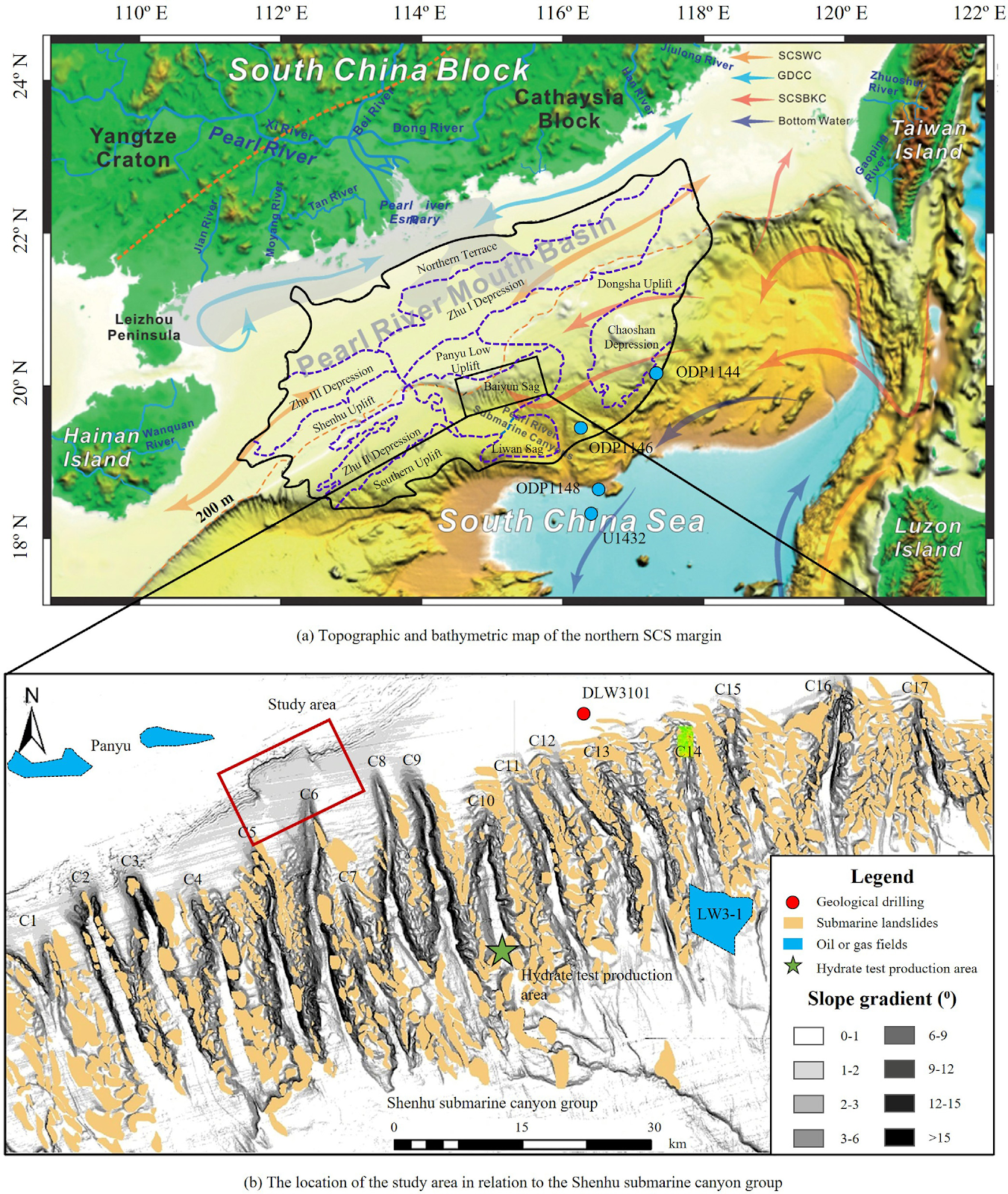
Low-angle submarine landslides pose a greater threat to offshore infrastructure compared to those with steep sliding angles. Understanding the preparation and triggering mechanism of these low-angle submarine landslides remains a significant challenge. This study focuses on a deformed low-angle submarine landslide in the shelf-slope break of the Pearl River Mouth Basin, South China Sea, integrating sedimentology, geophysics, and geotechnology to investigate potential failure mechanisms. The architecture and deformation characteristics of the submarine landslide were elucidated by analyzing multibeam and seismic data. Within the context of the regional geological history and tectonic framework, this study focuses on the factors (e.g., rapid sedimentation, fluid activity, and earthquakes) that potentially contributed to the submarine slope failure. Furthermore, a series of stability evaluations considering the effects of rapid sedimentation and earthquakes was conducted. Our findings indicate that the most probable triggering mechanism involves the combined effects of sedimentation controlled by sea-level fluctuations, high-pressure gas activity, and seismic events. The high-pressure gas, which acts as a long-term preconditioning factor by elevating pore pressures and reducing shear resistance within the sediment, accumulated beneath the upper and middle sections of the low-permeability stratum that was formed during sea-level rise and ultimately evolved into the sliding mass. The overpressure generated by gas accumulation predisposed the submarine slope to instability, and a frequent or moderate earthquake ultimately initiated local failure. This study enhances the mechanistic understanding of low-angle slope failures in the shelf-slope break zone and provides critical insights for assessing marine hazard risks.
Potential failure mechanism of low-angle submarine landslides in shelf-slope break of Pearl River Mouth Basin, South China Sea
Graphical Abstract
Original ResearchVol. 32, Issue 9 • pp. 100-112DOI: 10.1016/j.ijmst.2025.09.011Jan 15, 2025

High-gravity assisted coal mine gas separation based on clathrate hydrates: Implication for methane recovery

Authors: ZHANG Qiang, PENG Yalan, LI Xiang, LI Yuanji, YIN Zhenyuan

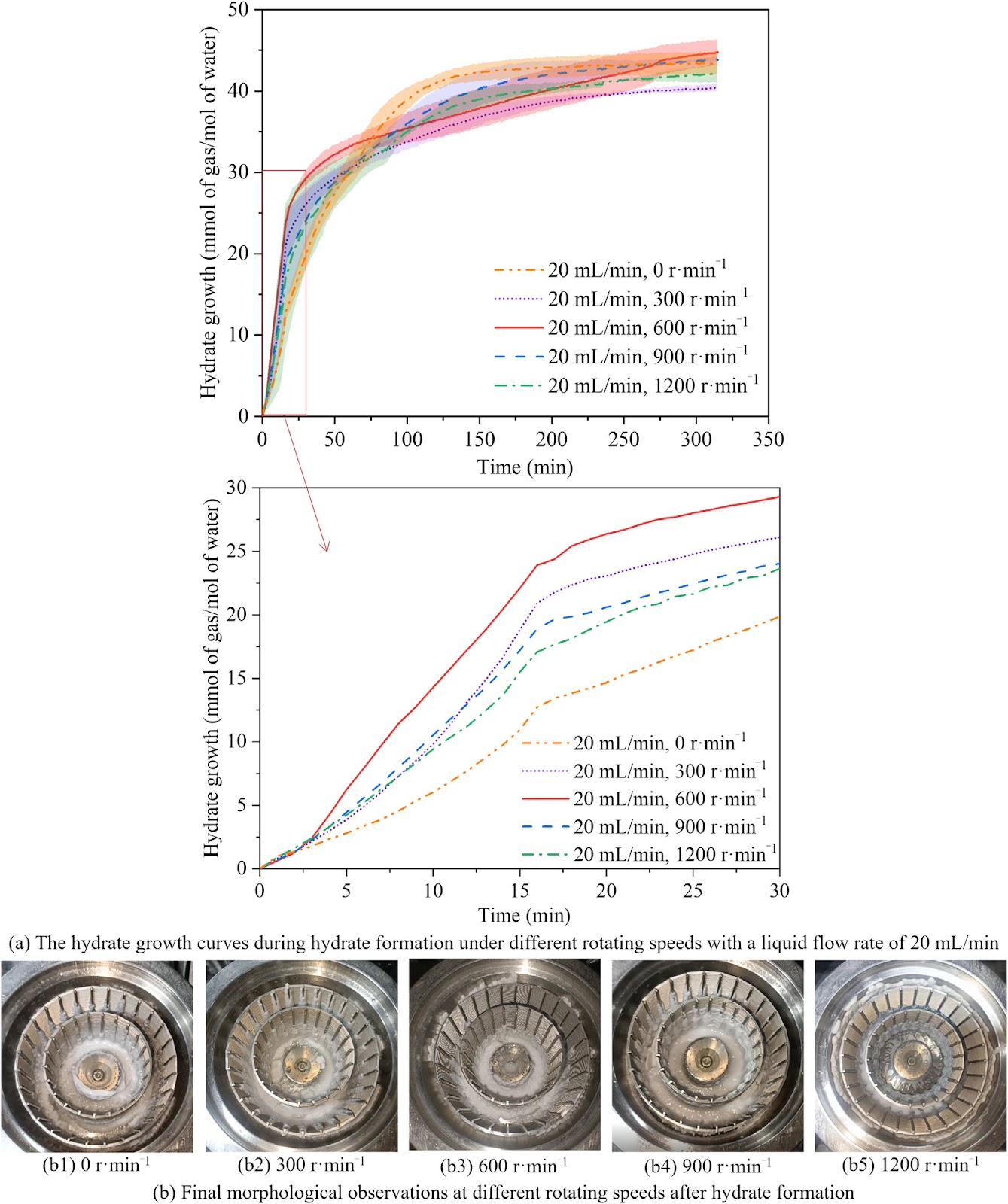
Hydrate-based gas separation offers a promising approach for coalbed methane recovery, reaching energy conservation and emissions reduction. This study innovatively applied high-gravity technology to enhance hydrate formation in separating 25%CH4/67%N2/8% O2 for achieving rapid and efficient methane recovery. Systematic investigations were conducted at 283.2 K and 3.0 MPa with tetrahydrofuran at a molar concentration of 5.56% and L-tryptophan at a mass concentration of 0.5% additives, first evaluating liquid flow rate effects (0–20 mL/min) on mixed hydrate kinetic performance and separation efficiency, followed by rotating speed optimization (0–1200 r min−1) under the optimal liquid flow rate. The high-gravity system amplified the gas–liquid contact area by ∼1155 times through cascaded liquid supply and secondary shear effects, methane molecules entered the hydrate phase rapidly under the highest driving force with the significantly intensified mass transfer. Optimal conditions (20 mL/min, 600 r min−1) yielded an exceptional initial hydrate growth rate of 58.59 mmol/(mol h) and methane recovery of 50.76%, about 71.33 and 0.58 times higher than the static system, respectively. Gas chromatography and Raman spectrometer analyses revealed superior methane enrichment in hydrate phase at 90% gas uptake completion, with a concurrent 41.17% reduction in process duration. These findings demonstrate the efficacy of high-gravity-enhanced hydrate technology for coalbed methane separation, offering valuable insights for optimizing clean energy utilization.

High-gravity assisted coal mine gas separation based on clathrate hydrates: Implication for methane recovery
Graphical Abstract
Original ResearchVol. 32, Issue 9 • pp. 100-112DOI: 10.1016/j.ijmst.2025.09.001Jan 15, 2025

Flow behavior of a rough single rock fracture under high-temperature, high-stress, and high-seepage pressure coupling conditions

Authors: Bingqi Wang, Wendong Yang, Xiang Zhang, Yongfei Yang, Lei Zhang, Jun Yao

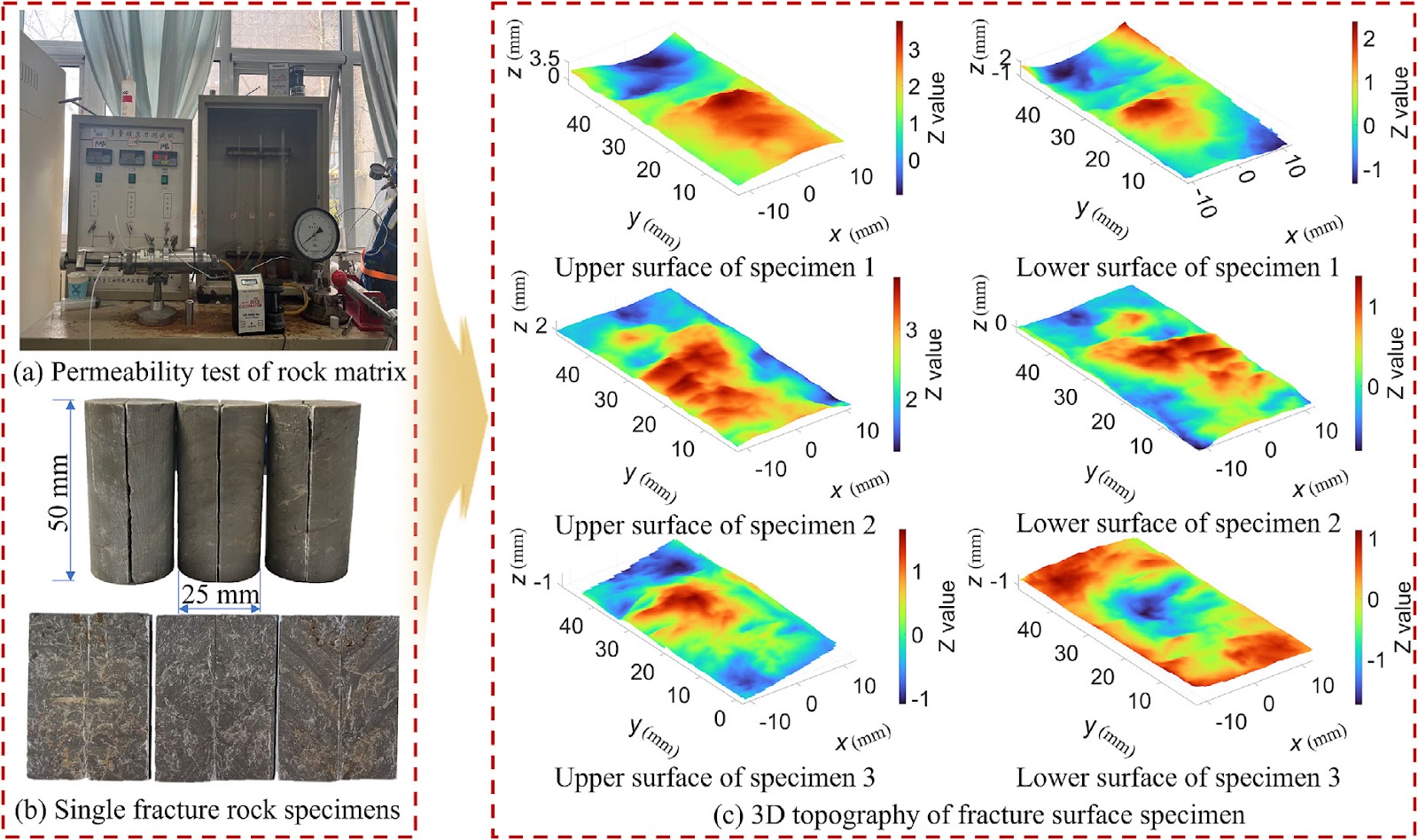
Understanding the complex flow behavior along a rough rock fracture under high-temperature, high-stress, and high-seepage pressure (HTHM) coupling conditions is of great significance for optimizing deep resource extraction. This study investigates the complex flow behavior of a single rock fracture under coupled HTHM conditions using a self-developed multi-field coupling experimental system, considering real-time high temperatures (20–90 °C), confining pressures (30–120 MPa), and seepage pressures (5–60 MPa). Experimental results show that as confining pressure increases, two typical nonlinear flow behaviors are observed, which are Forchheimer flow and low-velocity nonlinear flow. The increase in temperature and decrease in roughness significantly promote the fluid flow and enhance the nonlinear relationship between the volumetric flow rate and the hydraulic gradient at lower confining pressures (30 MPa). However, the change in temperature and fracture surface roughness does not affect the nonlinear type of fluid flow. Under a given hydraulic gradient, the influence of temperature and fracture roughness on the volumetric flow rate varies with changes in confining pressure. Additionally, this study considers both the viscous and inertial terms, and a modified Forchheimer equation is proposed using two parameters: the contact area ratio and the thermal expansion coefficient of the rock. The proposed model can effectively predict the nonlinear flow behavior of fluid along rough fractured rocks under varying temperatures and surface roughness. The experimental results and the proposed model provide valuable data and theoretical guidance for deep oil and gas exploration as well as hydraulic fracturing design.

Flow behavior of a rough single rock fracture under high-temperature, high-stress, and high-seepage pressure coupling conditions
Graphical Abstract
Original ResearchVol. 32, Issue 9 • pp. 100-112DOI: 10.1016/j.ijmst.2025.09.012Jan 15, 2025

Dynamic multifractal characteristics and damage evolution of granite pegmatite with varying biotite content based on acoustic emission monitoring

Authors: Shuowei Liu, Jianjun Zhao, Bin Shi, Qiyi Lai, Qingmiao Li, Jianxian He, Xiao Zhao, Jie Deng, Xuejin Ying

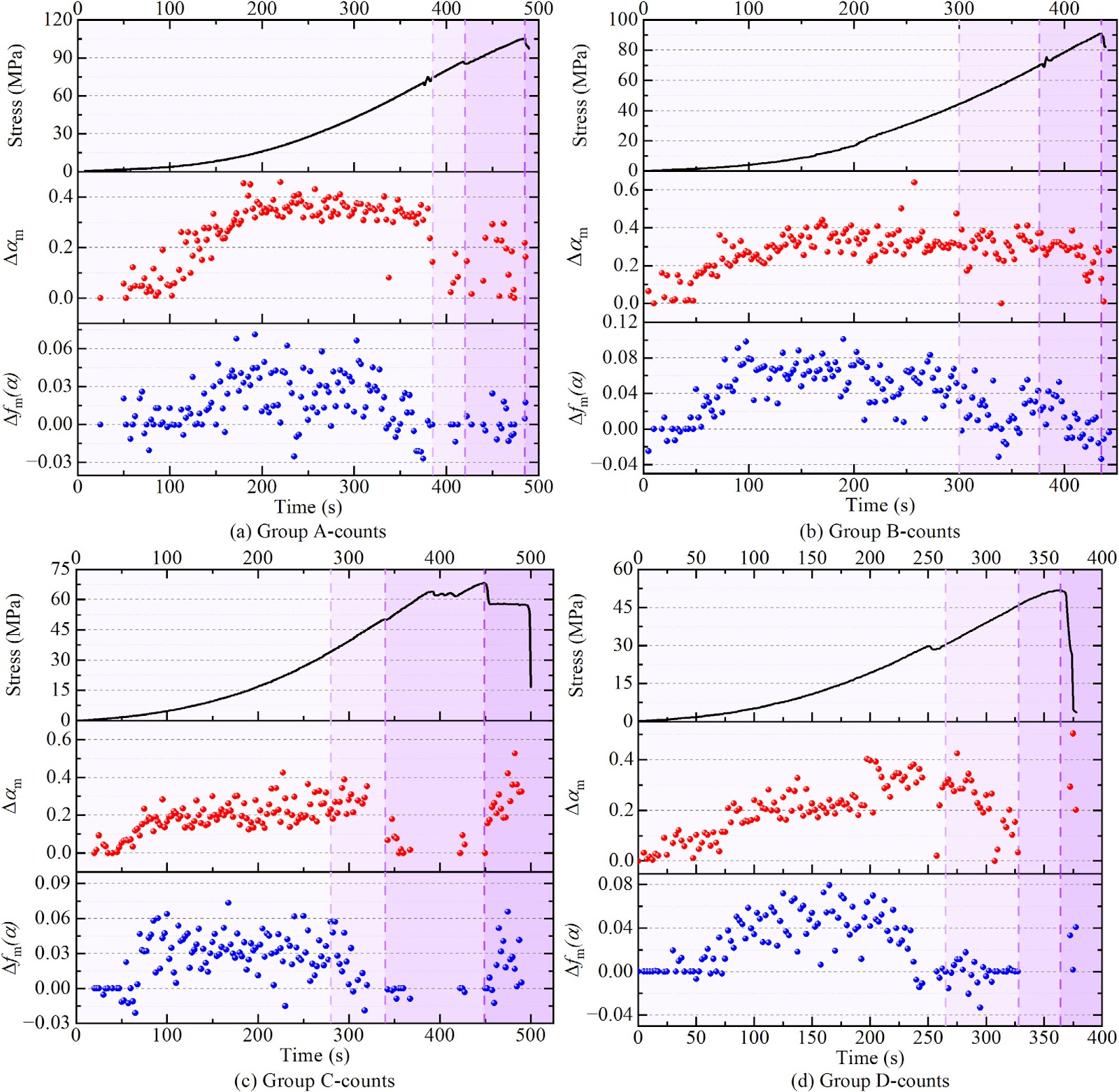
Biotite content critically influences rock mechanical behavior and threatens underground engineering stability. Uniaxial compression tests with acoustic emission (AE) monitoring were conducted on granite pegmatite samples having varying biotite content. Peak frequency distribution analysis, rise angle-average frequency (RA-AF) analysis, multifractal theory, and a dynamic multifractal algorithm were applied to explore the relationship between damage evolution and AE characteristics. Results indicate that increased biotite content reduces uniaxial compressive strength and elastic modulus, enhances plastic deformation, and increases the proportion of shear cracks. The segmented evolution of the dynamic multifractal parameter Dam is biotite-dependent. Oscillations during the elastic phase signify localized shear crack initiation and propagation; their attenuation in the plastic phase reflects frictional closure along biotite cleavage planes, promoting elastic energy storage and delaying release. AE-based damage models and time-varying signals characterize rock damage progression. Stress concentrations around biotite minerals foster localized shear band formation, leading to concentrated shear failure at lower damage levels. Higher biotite content accelerates crack propagation, while smooth cleavage planes lower the fracture energy threshold, reducing strength and stiffness. These findings enhance understanding of biotite-influenced progressive rock damage and underpin stability monitoring and early-warning systems for underground engineering.

Dynamic multifractal characteristics and damage evolution of granite pegmatite with varying biotite content based on acoustic emission monitoring
Graphical Abstract
Original ResearchVol. 32, Issue 9 • pp. 100-112DOI: 10.1016/j.ijmst.2025.09.009Jan 15, 2025

Potential failure mechanism of low–angle submarine landslides in shelf–slope break of Pearl River Mouth Basin, South China Sea

Authors: Zhenghui Li, Cong Hu, Geetanjali Kishan Lohar, Xiujuan Wang, Duanxin Chen, Hanlu Liu, Devendra Narain Singh, Chaoqi Zhu, Yonggang Jia

Low–angle submarine landslides pose a greater threat to offshore infrastructure compared to those with steep sliding angles. Understanding the preparation and triggering mechanism of these low–angle submarine landslides remains a significant challenge. This study focuses on a deformed low–angle submarine landslide in the shelf–slope break of the Pearl River Mouth Basin, South China Sea, integrating sedimentology, geophysics, and geotechnology to investigate potential failure mechanisms. The architecture and deformation characteristics of the submarine landslide were elucidated by analyzing multibeam and seismic data. Within the context of the regional geological history and tectonic framework, this study focuses on the factors (e.g., rapid sedimentation, fluid activity, and earthquakes) that potentially contributed to the submarine slope failure. Furthermore, a series of stability evaluations considering the effects of rapid sedimentation and earthquakes was conducted. Our findings indicate that the most probable triggering mechanism involves the combined effects of sedimentation controlled by sea–level fluctuations, high–pressure gas activity, and seismic events. The high–pressure gas, which acts as a long–term preconditioning factor by elevating pore pressures and reducing shear resistance within the sediment, accumulated beneath the upper and middle sections of the low–permeability stratum that was formed during sea–level rise and ultimately evolved into the sliding mass. The overpressure generated by gas accumulation predisposed the submarine slope to instability, and a frequent or moderate earthquake ultimately initiated local failure. This study enhances the mechanistic understanding of low–angle slope failures in the shelf–slope break zone and provides critical insights for assessing marine hazard risks.
Potential failure mechanism of low–angle submarine landslides in shelf–slope break of Pearl River Mouth Basin, South China Sea
Graphical Abstract
Original ResearchVol. 32, Issue 9 • pp. 100-112DOI: 10.1016/j.ijmst.2025.09.004Jan 15, 2025

Effect of reservoir temperature and water driving pressure on dynamic behavior of geothermal reservoirs under production loads

Authors: Yide Guo, Cheng Zhai, Xibing Li, Ming Tao, Linqi Huang, Yangchun Wu

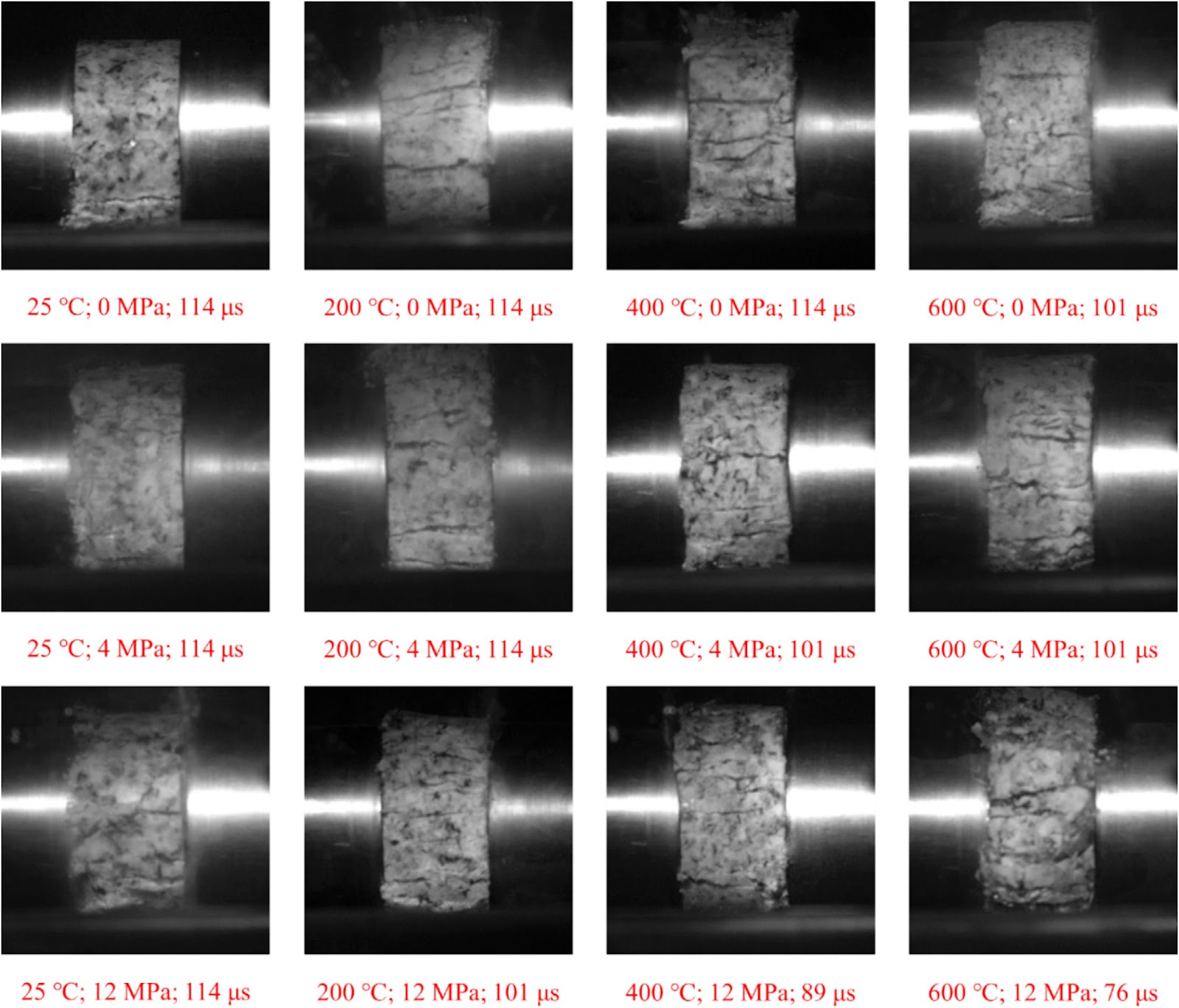
The safe and efficient development of geothermal energy is a key driver of the energy revolution and environmental governance in this century. To understand the effect of water driving pressure on drilling safety and hydraulic fracturing efficiency during the development of geothermal energy under varying reservoir temperatures, dynamic compression tests were conducted on granite samples subjected to thermal treatment (25, 100, 200, 300, 400 and 600 °C) and subsequent forced water absorption (0, 4, 8, 12 MPa) using a split Hopkinson pressure bar system. The results indicate that a higher water driving pressure exacerbates the deterioration of dynamic compressive strength with increasing temperature, while it enhances the rate dependence of dynamic compressive strength, except at 600 °C. The dynamic increase factor (DIF) of dynamic compressive strength vs. strain rate is determined by both temperature and water driving pressure. A prediction model for the deterioration of dynamic compressive strength considering reservoir temperature and water driving pressure is proposed for geothermal reservoirs. While the splitting failure of samples remains unchanged, crack density increases with increasing temperature and water driving pressure, exhibiting multiscale failure cracks parallel to the loading direction. The structure effective strength model, the wing-crack propagation model, the effect of pore water pressure on dynamic stress intensity factor, and the dynamic response of forced absorbed water can collectively reveal the response mechanisms of dynamic strength. Based on the experimental findings, implications for safe and productive geothermal energy development are discussed, with particular attention to the effect of drilling fluid leakage on wellbore stability and the impact of residual fracturing fluid after backflow on repeated fracturing. This study has important reference value for understanding dynamic wellbore stability under drilling disturbance loads and for the design of repeated dynamic hydraulic fracturing schemes in geothermal energy development.

Effect of reservoir temperature and water driving pressure on dynamic behavior of geothermal reservoirs under production loads
Graphical Abstract
Original ResearchVol. 32, Issue 9 • pp. 100-112DOI: 10.1016/j.ijmst.2025.09.002Jan 15, 2025

In-situ temperature- and pressure-preserved sampler for marine natural gas hydrates: Principles, techniques, and field application

Authors: Chenghang Fu, Le Zhao, Ling Chen, Guikang Liu, Han Wu, Mingzhu Qi, Ming Zhang, Heping Xie

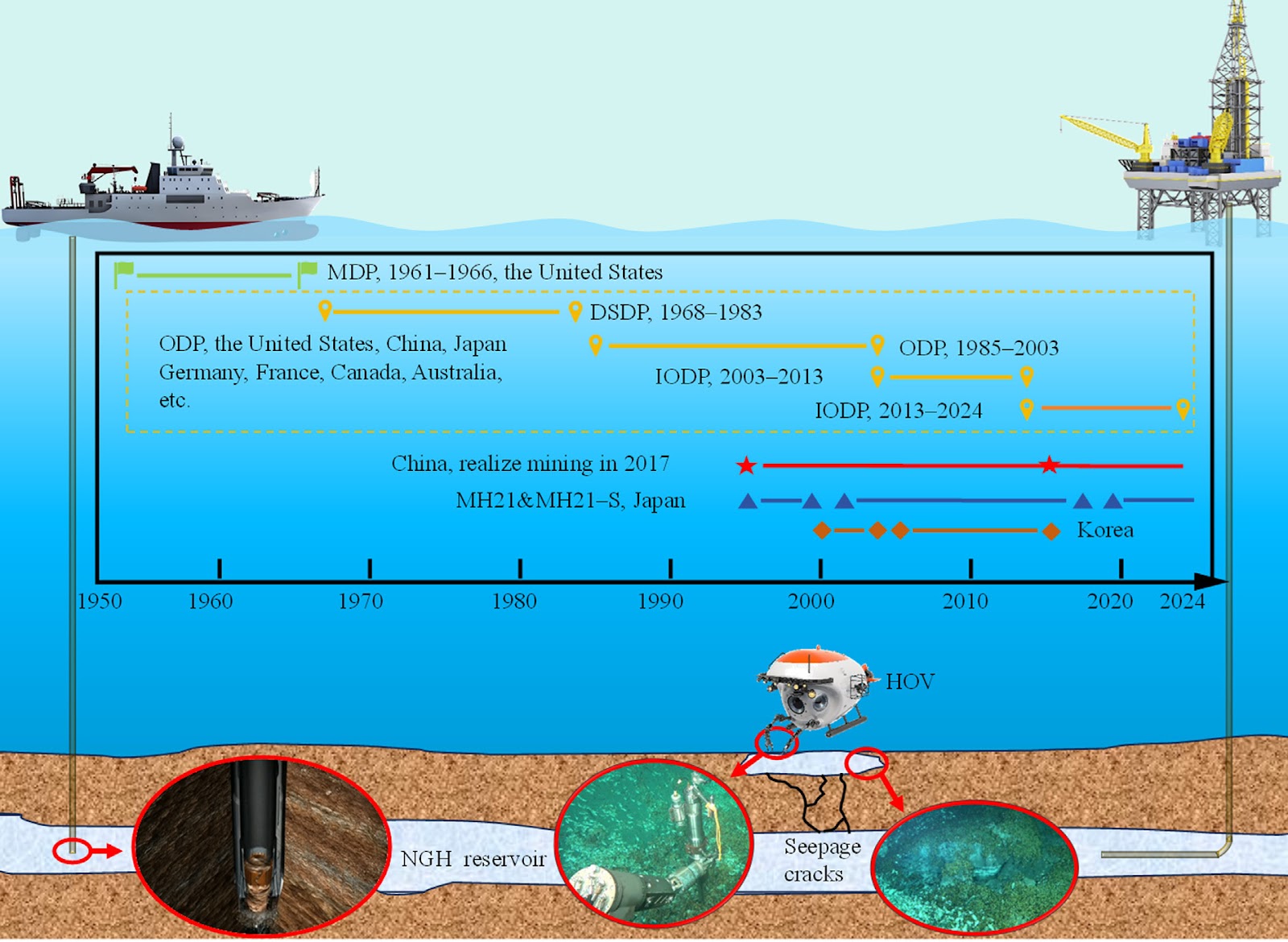
Marine gas hydrates are highly sensitive to temperature and pressure fluctuations, and deviations from in-situ conditions may cause irreversible changes in phase state, microstructure, and mechanical properties. However, conventional samplers often fail to maintain sealing and thermal stability, resulting in low sampling success rates. To address these challenges, an in-situ temperature- and pressure-preserved sampler for marine applications has been developed. The experimental results indicate that the self-developed magnetically controlled pressure-preserved controller reliably achieves autonomous triggering and self-sealing, provides an initial sealing force of 83 N, and is capable of maintaining pressures up to 40 MPa. Additionally, a custom-designed intelligent temperature control chip and high-precision sensors were integrated into the sampler. Through the design of an optimized heat transfer structure, a temperature-preserved system was developed, achieving no more than a 0.3 °C rise in temperature within 2 h. The performance evaluation and sampling operations of the sampler were conducted at the Haima Cold Seep in the South China Sea, resulting in the successful recovery of hydrate maintained under in-situ pressure of 13.8 MPa and a temperature of 6.5 °C. This advancement enables the acquisition of high-fidelity hydrate samples, providing critical support for the safe exploitation and scientific analysis of marine gas hydrate resources.

In-situ temperature- and pressure-preserved sampler for marine natural gas hydrates: Principles, techniques, and field application
Graphical Abstract
Original ResearchVol. 32, Issue 9 • pp. 100-112DOI: 10.1016/j.ijmst.2025.09.010Jan 15, 2025

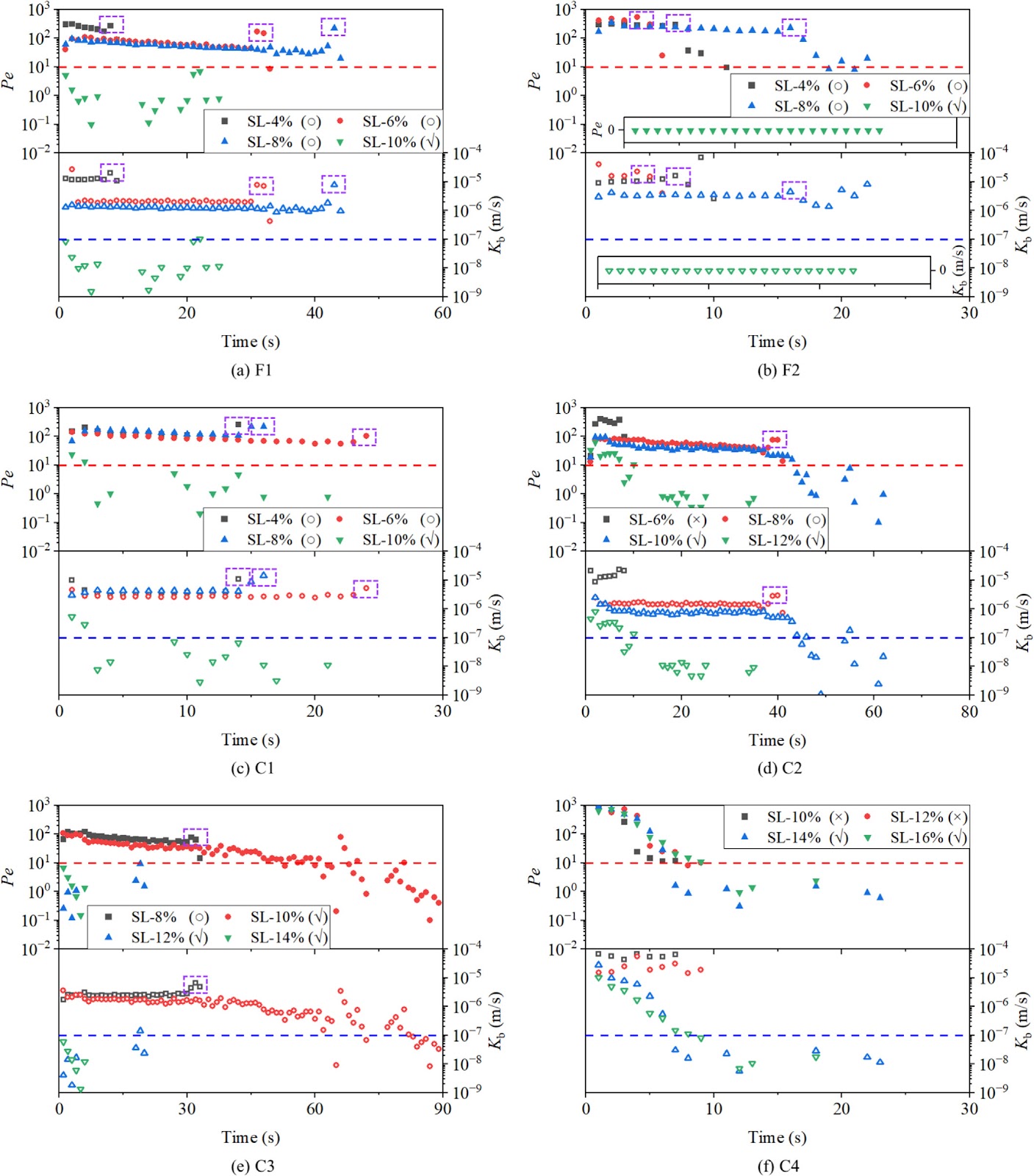
Slurry infiltration characteristics of coral reef limestone based on infiltration column tests and CT scanning

Authors: Jiahe Bai, Xin Huang

Reef limestone is buried in the continental shelf and marine environment. Understanding the mechanisms governing filter cake formation in coral reef limestone strata is essential for various engineering activities in coastal areas, including slurry pressure balanced (SPB) shield tunneling, which are currently not well understood. This study systematically investigates the slurry infiltration characteristics of different coral reef limestone types with inherent anisotropy, identified by growth line orientations, through a series of micro-infiltration column tests. Multiple slurry concentrations and pressures were used to analyze their effects on slurry infiltration dynamics and filter cake formation. Pre- and post-infiltration CT scanning was conducted to examine skeletal morphology and reconstruct the pore network structure of coral reef limestone samples. The results show that while increased slurry concentrations and pressures generally improve filter cake formation, excessive pressure can compromise filter cake integrity. By employing Dijkstra’s algorithm in a pore network model, the study identified primary seepage pathways, highlighting the significant role of near-vertical throat clusters in the infiltration process. A comprehensive analysis of pore structure and connectivity indices before and after infiltration revealed that the orientation of growth lines in coral reef limestone is the primary factor influencing macroscopic slurry infiltration behavior. These findings offer valuable insights for the design and execution of tunneling projects through coral reef limestone formations, especially in coastal regions.

Slurry infiltration characteristics of coral reef limestone based on infiltration column tests and CT scanning
Graphical Abstract
Original ResearchVol. 32, Issue 9 • pp. 100-112DOI: 10.1016/j.ijmst.2025.09.008Jan 15, 2025

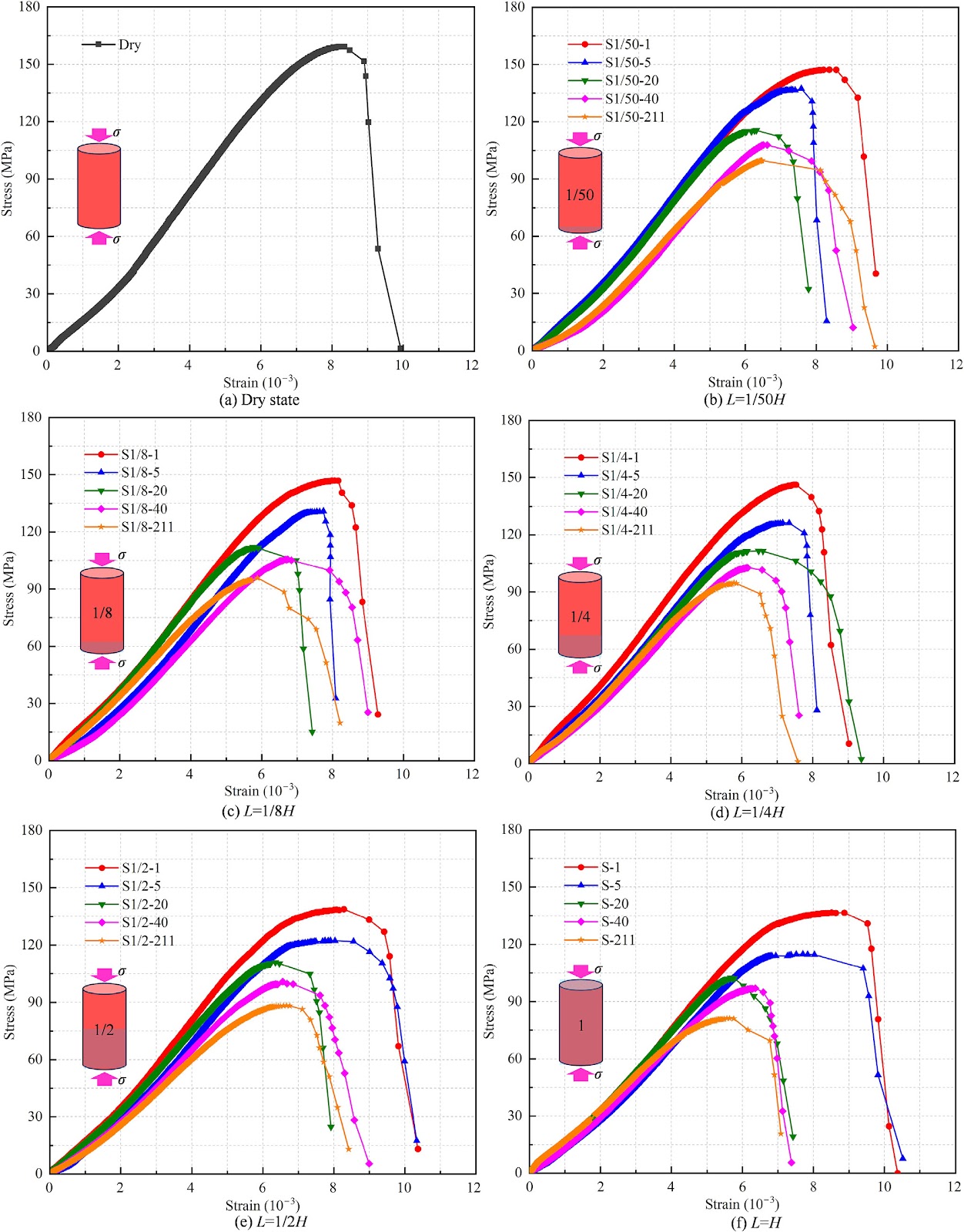
Failure characteristics and mechanisms of uniaxial compressed red sandstone in non-uniform water distribution environment: Effects of immersion height and duration

Authors: HUANG Jiancheng, LUO Yong, SI Xuefeng, LIN Feng, WANG Kun, QIU Jiadong, FENG Fan, DU Qing

To investigate the influence of non-uniform water distribution on the mechanical properties and failure behavior of red sandstone, we designed five immersion heights and durations to achieve varying non-uniform water distribution states. Uniaxial compression tests were conducted on red sandstone under these conditions. The effects of non-uniform water distribution on deformation, failure, strength, and energy characteristics of red sandstone were analyzed. The impact of non-uniform water distribution on the intensity of rock failure was discussed, and the failure mechanism under non-uniform water distribution was revealed. The hazards of low immersion heights on underground rock structures were analyzed. The results demonstrate that peak strength and elastic modulus of red sandstone exhibit high sensitivity to immersion height, with reductions of 38% and 23% respectively even at L=1/50H. Water immersion reduces both energy storage capacity and energy dissipation capability of red sandstone. The immersion height and duration influence the failure mode of red sandstone by controlling the migration and separation of dry-wet interfaces. Low immersion height poses significant risks to underground rock structures (e.g., a 38% strength reduction when L=1/50H), and the concentration degree of water non-uniform distribution is the key factor in assessing the weakening effect of water on rocks.

Failure characteristics and mechanisms of uniaxial compressed red sandstone in non-uniform water distribution environment: Effects of immersion height and duration
Graphical Abstract
Original ResearchVol. 32, Issue 9 • pp. 100-112DOI: 10.1016/j.ijmst.2025.09.007Jan 15, 2025

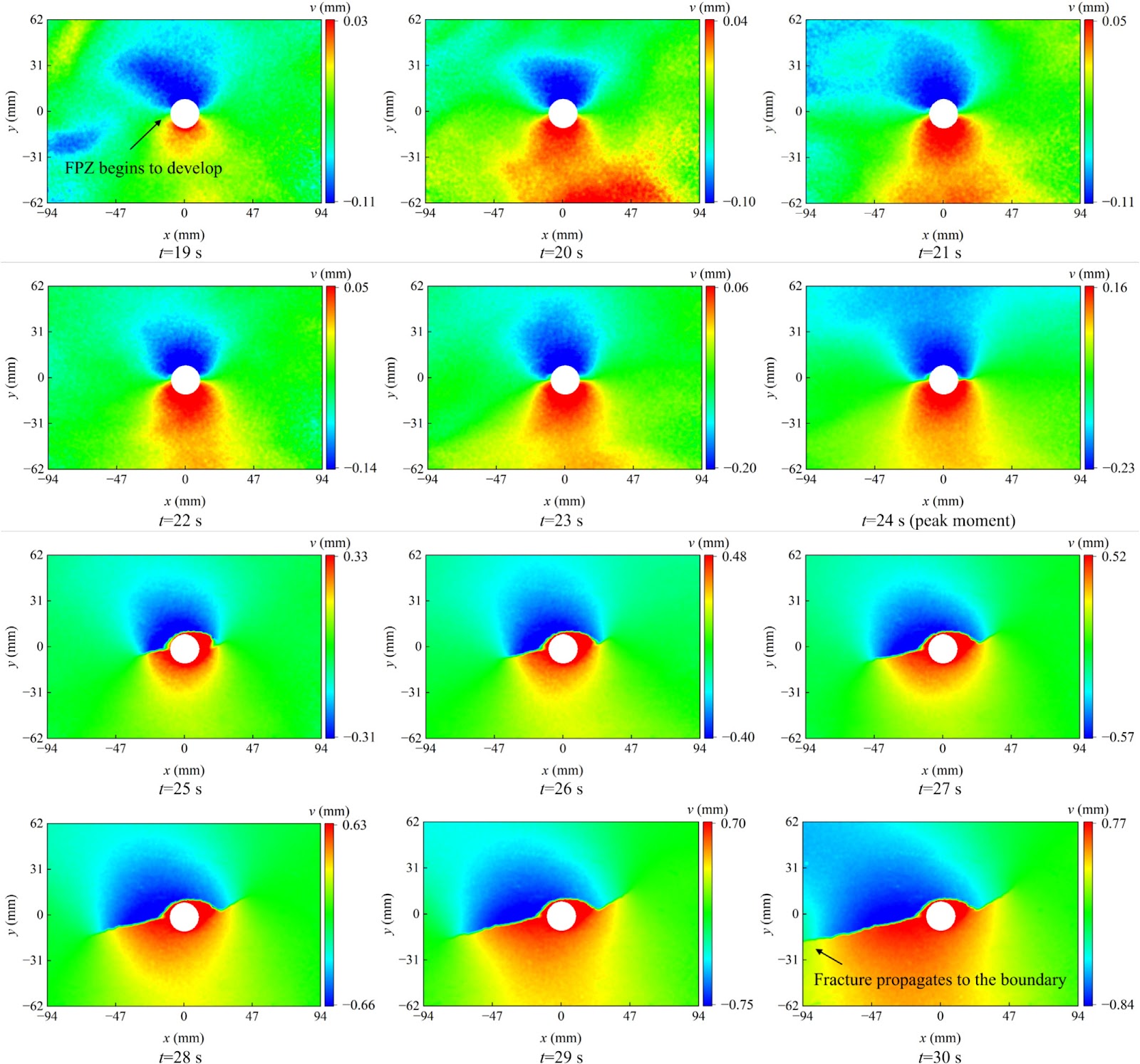
A nonlinear hydraulic fracture propagation criterion considering the fracture process zone

Authors: Senlin Luo, Guangqing Zhang, Yansen Ling, Jinmiao Tan, Renyi Qiu, Bin Sun

The linear elastic hydraulic fracture criterion is not applicable to deep reservoirs when nonlinear behavior is present over an extensive zone at the fracture tip. This study aims to develop a criterion for nonlinear hydraulic fracture considering the fracture process zone (FPZ) and seeks to reveal the causes of nonlinearity during fracture propagation in deep reservoirs. A closing stress profile considering the in-situ stress was established by using the cohesive zone model (CZM) to describe the FPZ at the fracture tip. An analytical model for the FPZ length was derived, while the criterion for nonlinear fracture propagation was proposed. The FPZ fully developed and the fracture began to propagate when the apparent stress intensity at the fracture tip reached the apparent fracture toughness or when the in-situ stress intensity reached the in-situ fracture toughness. The proposed criterion can clearly determine the length of the FPZ, accurately predict the breakdown pressure during fracturing operations, and establish a relationship between these two parameters. It addresses the inherent limitations of conventional linear elastic fracture mechanics (LEFM), which often underestimates fracture toughness and neglects the effects of the FPZ. This research is expected to enhance the fracturing design in deep reservoirs.

A nonlinear hydraulic fracture propagation criterion considering the fracture process zone
Graphical Abstract
Original ResearchVol. 32, Issue 9 • pp. 100-112DOI: 10.1016/j.ijmst.2025.09.005Jan 15, 2025

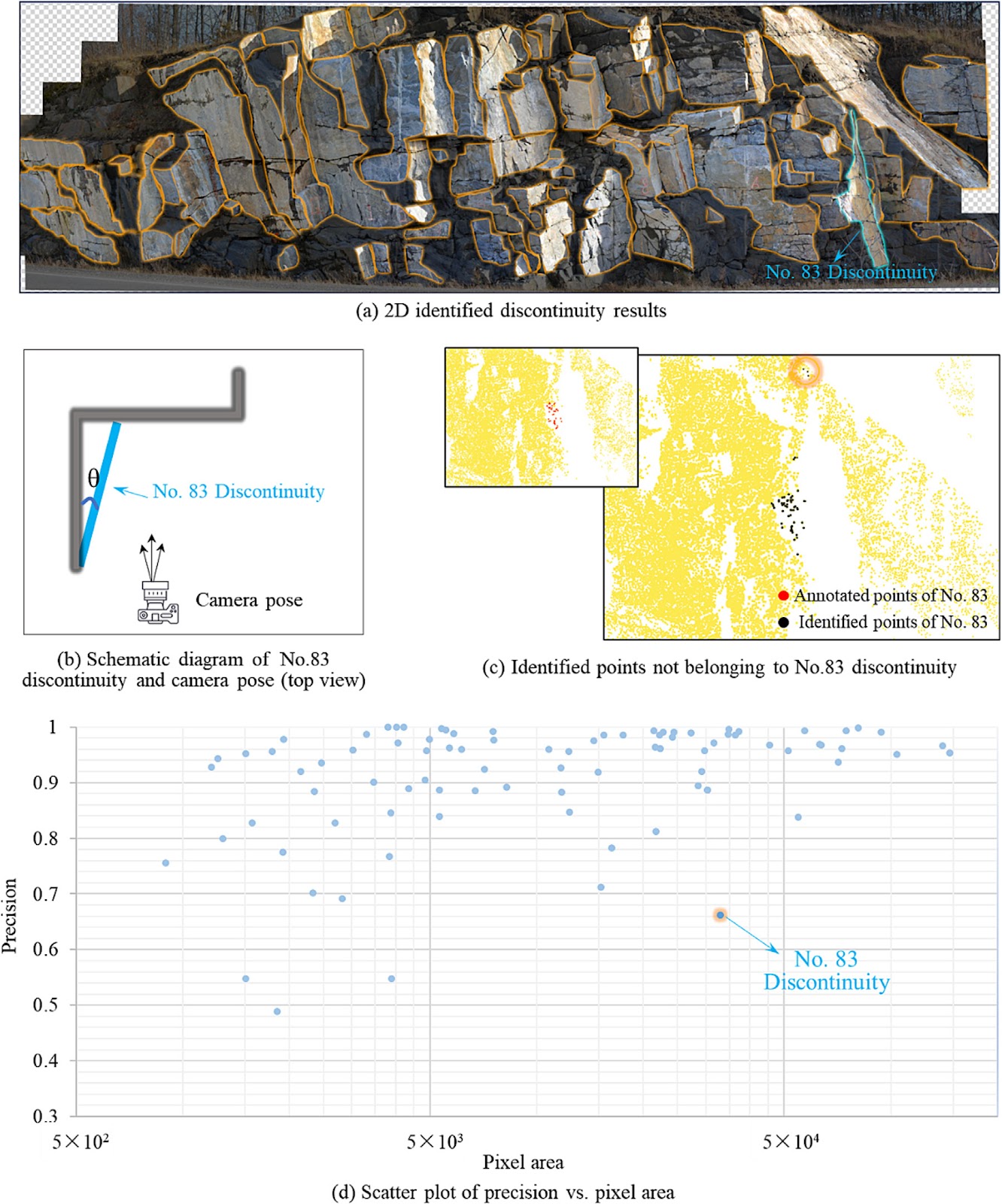
An interactive framework integrating segment anything model and structure-from-motion for three-dimensional discontinuity identification in rock masses

Authors: Jiawei Wang, Jun Zheng, Jie Hu, Xiaojin Gong, Qing Lü, Ju Han, Jialiang Sun

The identification of rock mass discontinuities is critical for rock mass characterization. While high-resolution digital outcrop models (DOMs) are widely used, current digital methods struggle to generalize across diverse geological settings. Large-scale models (LSMs), with vast parameter spaces and extensive training datasets, excel in solving complex visual problems. This study explores the potential of using one such LSM, Segment anything model (SAM), to identify facet-type discontinuities across several outcrops via interactive prompting. The findings demonstrate that SAM effectively segments two-dimensional (2D) discontinuities, with its generalization capability validated on a dataset of 2426 identified discontinuities across 170 outcrops. The model achieves 0.78 mean IoU and 0.86 average precision using 11-point prompts. To extend to three dimensions (3D), a framework integrating SAM with Structure-from-Motion (SfM) was proposed. By utilizing the inherent but often overlooked relationship between image pixels and point clouds in SfM, the identification process was simplified and generalized across photogrammetric devices. Benchmark studies showed that the framework achieved 0.91 average precision, identifying 87 discontinuities in Dataset-3D. The results confirm its high precision and efficiency, making it a valuable tool for data annotation. The proposed method offers a practical solution for geological investigations.

An interactive framework integrating segment anything model and structure-from-motion for three-dimensional discontinuity identification in rock masses
Graphical Abstract
Original ResearchVol. 32, Issue 9 • pp. 100-112DOI: 10.1016/j.ijmst.2025.09.013Jan 15, 2025

Mechanical response and pore pressure evolution of cemented paste backfill under deep mine-like multiaxial stress and temperature conditions

Authors: Hongbin Liu, Mamadou Fall

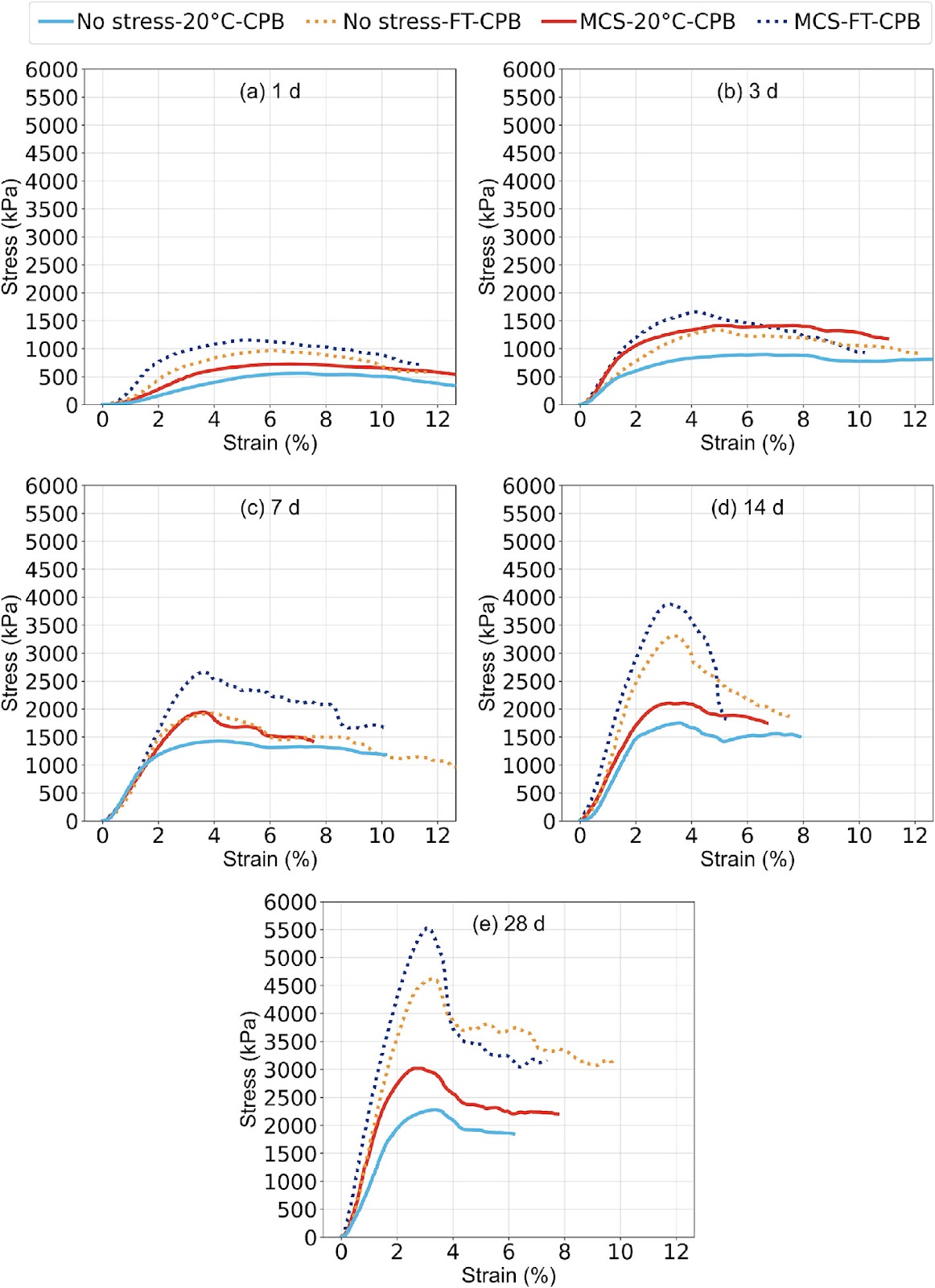
As underground mining advances to greater depths, cemented paste backfill (CPB) is increasingly subjected to complex thermo-mechanical loading conditions, including multiaxial stress states and elevated temperatures. This study investigates the coupled effects of field-representative vertical self-weight and horizontal rockwall closure stresses, along with in-situ temperatures, on the mechanical behavior and pore water pressure (PWP) evolution of CPB. Experiments were conducted using a novel apparatus capable of controlling multiaxial stress and temperature during curing, replicating in-situ stress paths and thermal profiles typical of deep mine environments. Results show that multiaxial stress enhances CPB strength and stiffness by promoting denser particle packing, reducing porosity, and increasing frictional resistance. Elevated temperatures independently accelerate early-age cement hydration, further improving bond strength and stiffness. When combined, multiaxial stress and elevated temperature produce a synergistic enhancement in unconfined compressive strength (UCS) and elastic modulus, as confirmed by two-way ANOVA and synergy index analysis. PWP responses were also highly sensitive to thermo-mechanical conditions. The evolution of positive and negative PWP was governed by the interplay of thermal expansion, hydration-induced desaturation, and mechanical compaction. Multiaxial stress amplified early positive PWP and delayed its dissipation, whereas elevated temperature accelerated hydration and reduced pore pressure, leading to enhanced suction at later ages. A transient “stress-induced resaturation” effect was observed under late-stage excessive horizontal stress but was mitigated by elevated temperatures. These findings provide critical insights into the coupled mechanical and hydraulic behavior of CPB under realistic field conditions and offer guidance for optimizing backfill design, binder content, and barricade stability in deep mining applications.

Mechanical response and pore pressure evolution of cemented paste backfill under deep mine-like multiaxial stress and temperature conditions
Graphical Abstract