SinoTechIntel Academic Portal
🏛️ Indexed Academic JournalImpact Factor: 3.8

Int. Journal of Mining Science and Technology (采矿与安全工程)

Authoritative peer-reviewed journal in materials science, metallurgy, chemistry and engineering technologies: Int. Journal of Mining Science and Technology (采矿与安全工程)

Total Research Papers: 147
Access: 100% Free Open Access
Browse by Publication Year & VolumeReset All Filters ✕

Published Research PapersFiltered: Year 2025 • Vol. 32 • 1

Showing 9 of 147 peer-reviewed papers with full Graphical Abstracts.

Original ResearchVol. 32, Issue 1 • pp. 100-112DOI: 10.1016/j.ijmst.2025.01.008Jan 15, 2025

Applicability of existing criteria of rockburst tendency of sandstone in coal mines

Authors: Tianqi Nan, Linming Dou, Piotr Małkowski, Wu Cai, Haobing Li, Shun Liu

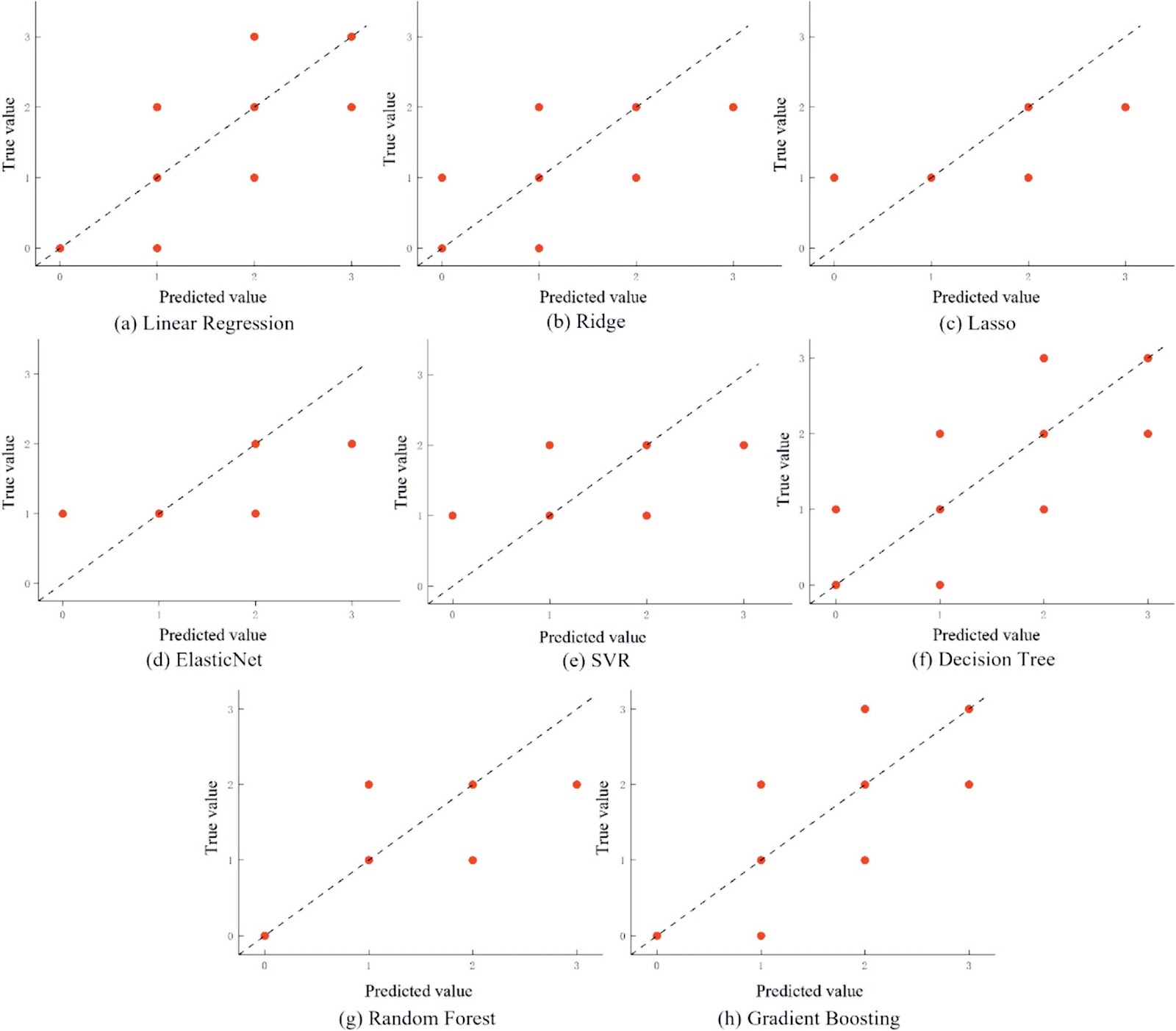
To evaluate the accuracy of rockburst tendency classification in coal-bearing sandstone strata, this study conducted uniaxial compression loading and unloading tests on sandstone samples with four distinct grain sizes. The tests involved loading the samples to 60%, 70%, and 80% of their uniaxial compressive strength, followed by unloading and reloading until failure. Key parameters such as the elastic energy index and linear elasticity criteria were derived from these tests. Additionally, rock fragments were collected to calculate their initial ejection kinetic energy, serving as a measure of rockburst tendency. The classification of rockburst tendency was conducted using grading methods based on burst energy index (WET), pre-peak stored elastic energy (PES) and experimental observations. Multi-class classification and regression analyses were applied to machine learning models using experimental data to predict rockburst tendency levels. A comparative analysis of models from two libraries revealed that the Random Forest model achieved the highest accuracy in classification, while the AdaBoost Regressor model excelled in regression predictions. This study highlights that on a laboratory scale, integrating ejection kinetic energy with the unloading ratio, failure load, WET and PES through machine learning offers a highly accurate and reliable approach for determining rockburst tendency levels.
Applicability of existing criteria of rockburst tendency of sandstone in coal mines
Graphical Abstract
Original ResearchVol. 32, Issue 1 • pp. 100-112DOI: 10.1016/j.ijmst.2025.01.003Jan 15, 2025

Response properties of geometries of coal penetrating fracture on seepage behavior

Authors: Research Collaborative Group

The fracture surfaces of coal-rock masses formed under mining-induced stress generally exhibit complex geometries, and the fracture geometry is one of the primary factors affecting the seepage characteristics of coal-rock penetrating fracture. This paper investigates the seepage characteristics of 5 groups of coal penetrating fracture (CPF) with different joint roughness coefficients (JRCs). Based on 3D morphology scanner tests and hydraulic coupling tests, a characterization method of effective geometric parameters in fracture surfaces under various confining pressures was improved, and a relationship between effective geometric parameters and the confining pressure is established. The results indicate that the nonlinear flow behavior in a CPF primarily includes three types: non-Newtonian fluid seepage under high confining pressure and low JRC, non-Darcy seepage under low confining pressure and high JRC, and the whole process of seepage characteristics between these two conditions. Among them, non-Newtonian fluid seepage is caused by significant fracture expansion, while non-Darcy seepage can be attributed to turbulence effects. During the seepage process, the geometric parameters with different JRC fracture samples all exhibit exponential changes with the increase of confining pressure. In addition, under high confining pressure, the effective contact ratio, effective fracture aperture, and void deviation ratio with high JRC fracture samples under high confining pressure increase by 93.5%, 67.4%, and 24.9%, respectively, compared with those of low JRC fracture samples. According to the variation of geometric parameters in a CPF with external stress, a seepage model considering geometric parameters in a CPF is proposed. By introducing the root mean square error (RMSE) and coefficient of determination (R2) to evaluate the error and goodness of fit between model curves and experimental data, it is found that the theoretical curves of model in this paper have the best matching with the experimental data. The average values of RMSE and R2 for model in this paper are 0.002 and 0.70, respectively, which are better than models in the existing literature.

Response properties of geometries of coal penetrating fracture on seepage behavior
Graphical Abstract
Original ResearchVol. 32, Issue 1 • pp. 100-112DOI: 10.1016/j.ijmst.2025.01.001Jan 15, 2025

Bond length and interface failure mechanism of anchor cable under continuous radial pressure conditions

Authors: Jian Ouyang, Xiuzhi Shi, Xianyang Qiu, Zongguo Zhang, Zeyu Li

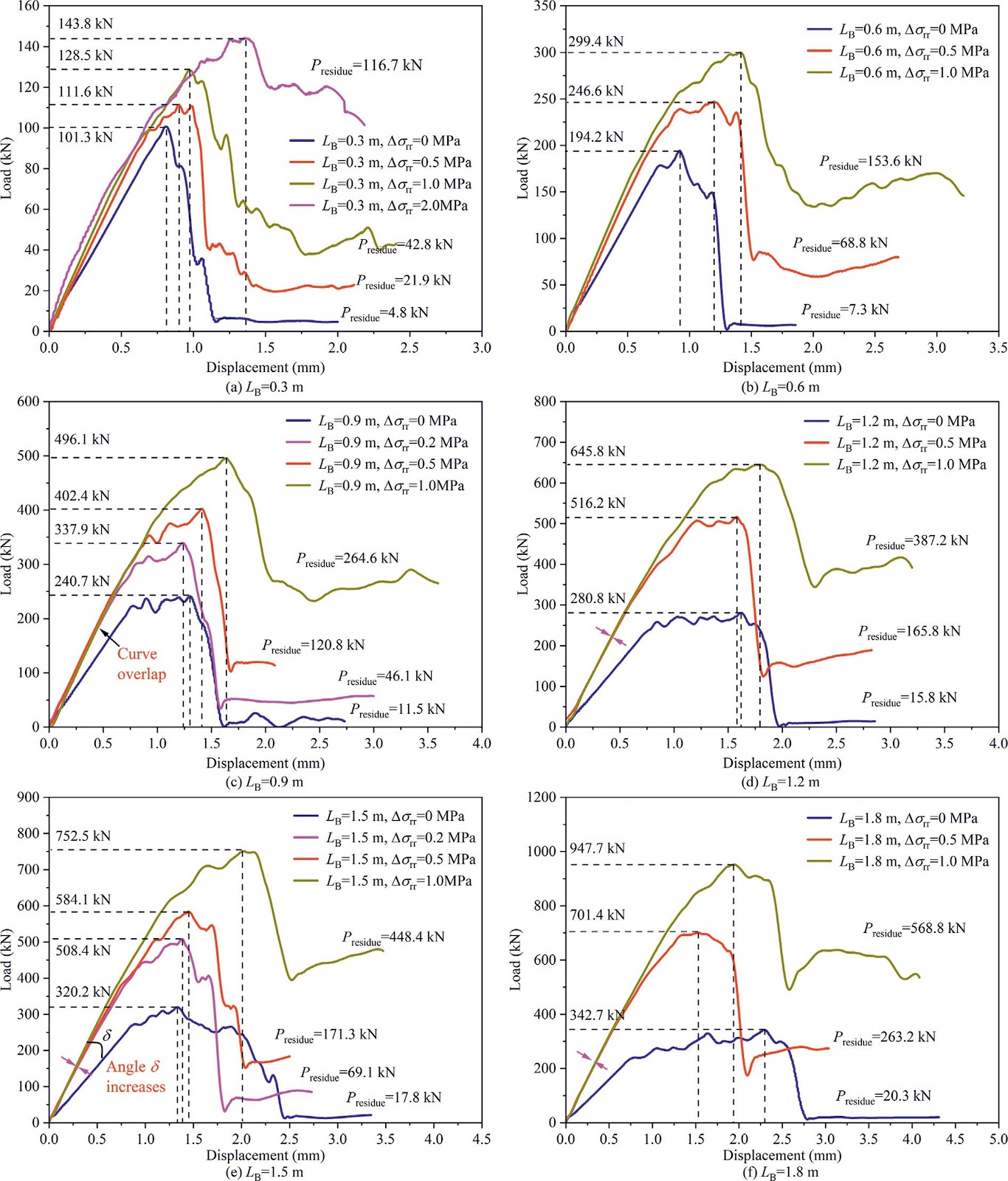
The anchoring capacity of the anchor cable is closely related to the bonding length and radial pressure conditions. Through field pull-out tests, theoretical analysis, numerical simulation, and industrial tests, this study clarifies the relationship between radial pressure and bonding length for the ultimate pull-out force and reveals the microscopic failure process of the resin-rock interface in the anchoring system. The results show that the ultimate load increases with the increase of bonding length in three different stages: rapid, slow, and uniform growth. The new mechanical model developed considering radial pressure describes the inverse relationship between radial pressure and the plastic zone on the bonding section, and quantifies the reinforcing effect of confining pressure on the anchoring force. During the pull-out process of the anchor cable, the generation of failure cracks is in the order of orifice, bottom, and middle of the hole. Radial pressure can effectively enhance the ultimate pull-out force, alleviate the oscillation increase of pull-out force, and inhibit resin cracking, but will produce an external crushing zone. It also reveals the synergistic effect between bonding length and radial pressure, and successfully carries out industrial tests of anchor cable support, which ensures the stability of the stope roof and provides an important reference for the design of anchor cable support in deep high-stress mines.

Bond length and interface failure mechanism of anchor cable under continuous radial pressure conditions
Graphical Abstract
Original ResearchVol. 32, Issue 1 • pp. 100-112DOI: 10.1016/j.ijmst.2025.01.006Jan 15, 2025

Propagation criterion of hydraulic fracture in rock based on the rock micro-cracking mechanism

Authors: CAI Qingwang, HUANG Bingxiang, ZHAO Xinglong, XING Yuekun

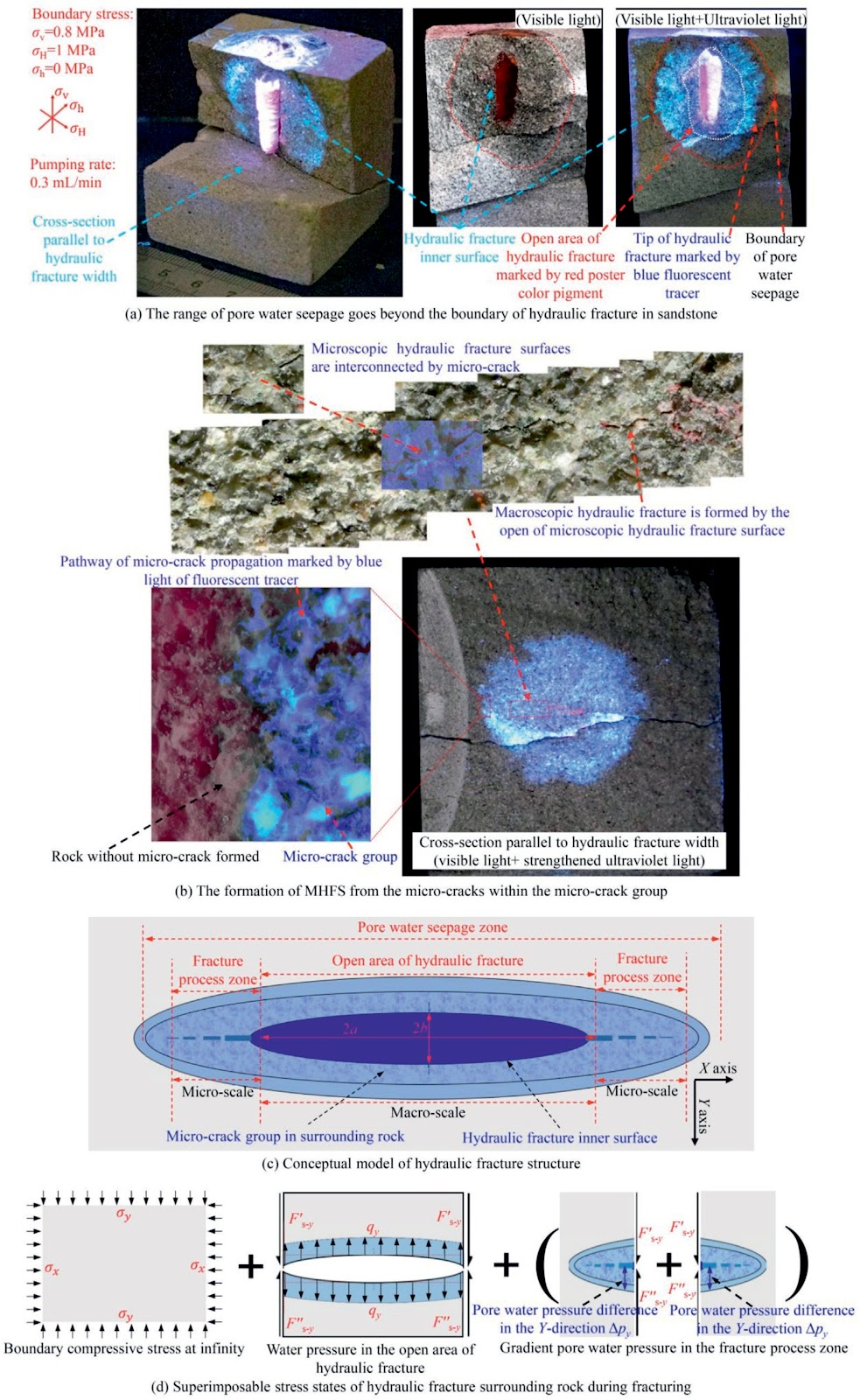
Hydraulic fracture (HF) formed in rock significantly helps with the development of geo-energy and geo-resources. The HF formation condition was challenging to understand, with obscure rock micro-cracking mechanisms being a key factor. The rock micro-cracking mechanism under gradient pore water pressure was analyzed on the scale of mineral particles and it was combined with macroscopic boundary conditions of rock hydraulic fracturing, obtaining the propagation criterion of HF in rock based on the rock micro-cracking mechanism which was verified by experiment. The results show that the disturbed skeleton stress induced by the disturbance of gradient pore water pressure in rock equals the pore water pressure difference. The overall range of the defined mechanical shape factor a/b is around 1, but greater than 0.5. Under the combined influence of pore water pressure differences and macroscopic boundary stresses on the rock micro-cracking, micro-cracks form among rock mineral particles, micro-cracks connect to form micro-hydraulic fracture surfaces, and micro-hydraulic fracture surfaces open to form macro-hydraulic fractures. HF begins to form at the micro-cracking initiation pressure (MCIP), which was tested by keeping the HF tip near the initiation point. The theoretical value of MCIP calculated by the proposed propagation criterion is close to MCIP tested.

Propagation criterion of hydraulic fracture in rock based on the rock micro-cracking mechanism
Graphical Abstract
Original ResearchVol. 32, Issue 1 • pp. 100-112DOI: 10.1016/j.ijmst.2025.01.007Jan 15, 2025

Upgrading of 6–0 mm low rank high sulfur lignite by a compound dry cascade separation bed

Authors: Xiaodong Yu, Deqing Gan

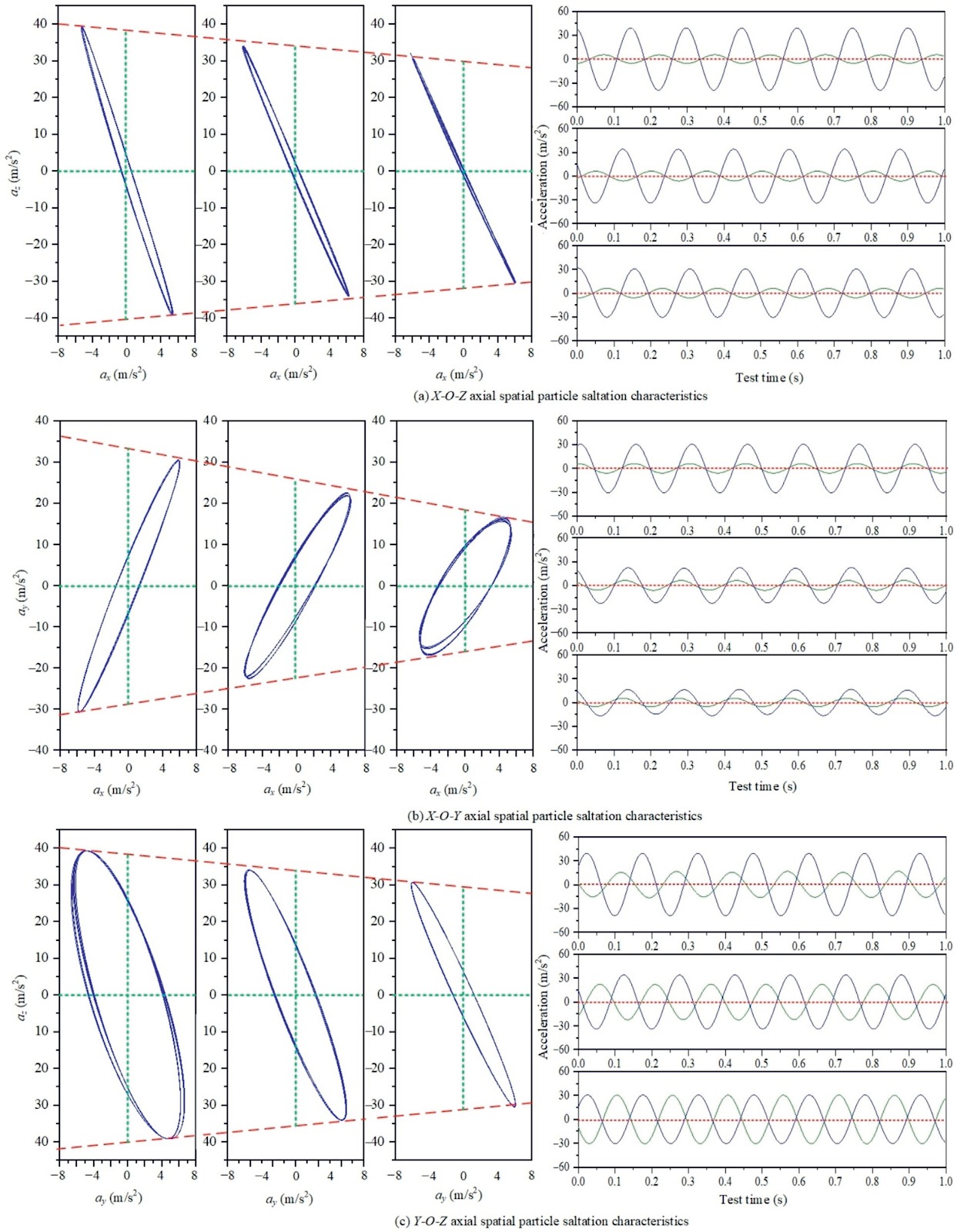
In this paper, the effect of vibration intensity on the spatial distribution of sulfur content in bed particles was studied. The effects of vibration and airflow on the mechanical characteristics of particles were studied, the collision behavior mode of particles was determined, the spatial saltation law of particles was investigated, the spatial functional axis of beds was determined, and the saltation separation period of particles was determined. The test results show that: When separation bed provides inlet airflow velocity (Uin) is 2.55 m/s, the airflow distribution interval of I, II and III areas were UI=2.55–2.57 m/s, UII=1.33–1.35 m/s, UIII=0.35–0.38 m/s, respectively; when separation bed vibration amplitude (A) A=2.4–2.5 mm, separation bed vibration frequency (f) f=23–24 Hz, the desulfurization effect is the best. When vibration intensity (C) C=1.22, Uin=1.05 m/s, the particles have disordered contact and collision behavior. When C=14.89, Uin=3.18 m/s, the particles have a transition cataclastic collision. When C=5.80, Uin=2.55 m/s, the particles have directional collision behavior. It is determined that the OX axis is the transverse stable diffusion axis of the material, the OY axis is the longitudinal gradient transport axis of the material, and the OZ axis is the vertical density cascade distribution axis of the material. When separation time (T) T=0–10 s was the period of disorderly diffusion and mixing of particles, T=10–20 s was the period of directional migration and stratification of particles, and T=20–30 s was the period of cascade distribution and separation of particles. Finally, separation experiments conducted under optimal operating parameters demonstrated that the clean coal yield was 72.02% with a sulfur content of 0.98%.

Upgrading of 6–0 mm low rank high sulfur lignite by a compound dry cascade separation bed
Graphical Abstract
Original ResearchVol. 32, Issue 1 • pp. 100-112DOI: 10.1016/j.ijmst.2025.01.010Jan 15, 2025

Dual-scale insights of two-phase flow in inter-cleats based on microfluidics: Interface jumps and energy dissipation

Authors: ZHANG Jicheng, LV Dawei, ZHANG Jon Jincai, WANG Feng, YIN Dawei, YU Haiyang

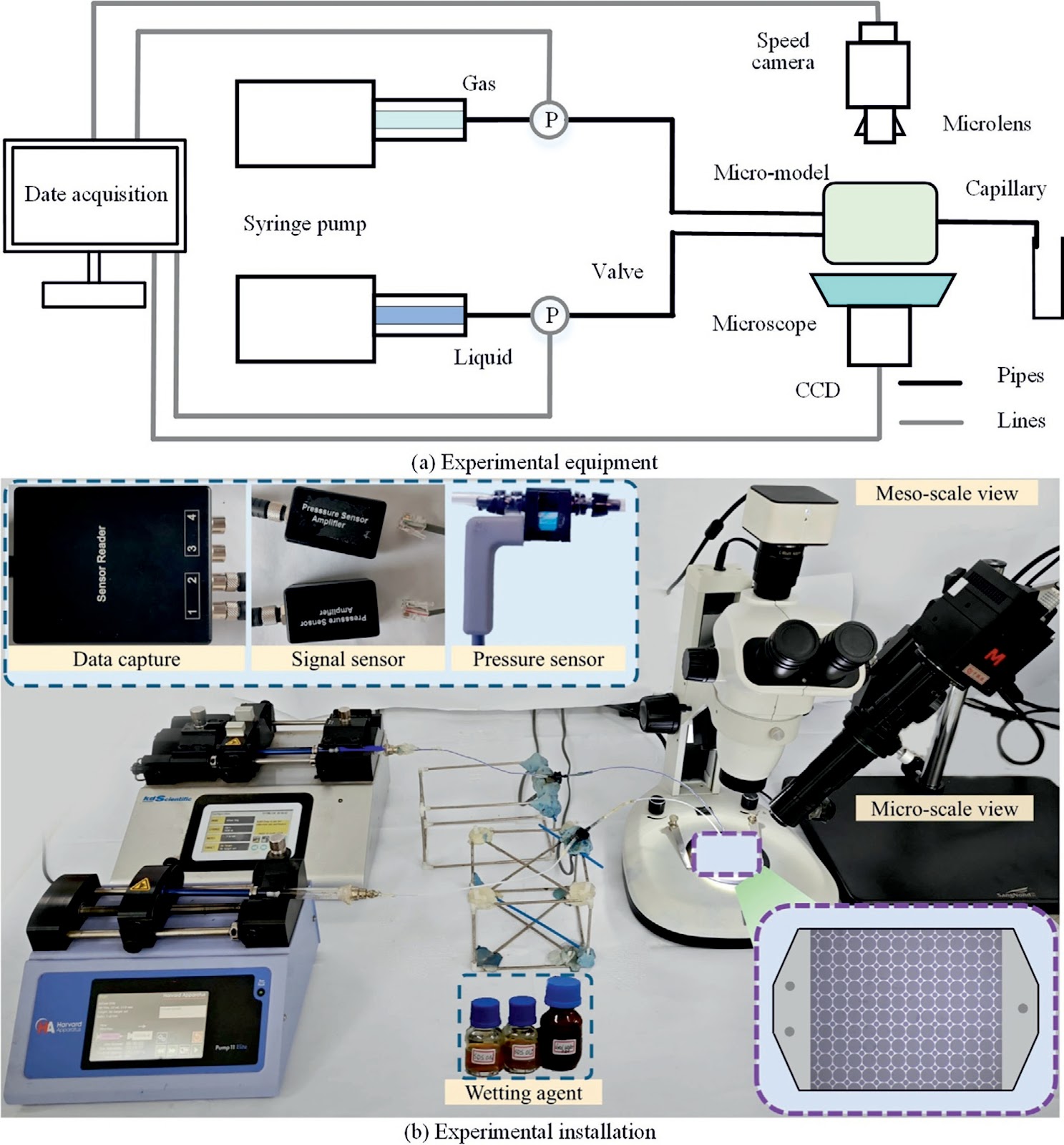
Cleat serves as the primary flow pathway for coalbed methane (CBM) and water. However, few studies consider the impact of local contact on two-phase flow within cleats. A visual generalized model of endogenous cleats was constructed based on microfluidics. A microscopic and mesoscopic observation technique was proposed to simultaneously capture gas–liquid interface morphology of pores and throat and the two-phase flow characteristics in entire cleat system. The local contact characteristics of cleats reduced absolute permeability, which resulted in a sharp increase in the starting pressure. The reduced gas flow capacity narrowed the co-infiltration area and decreased water saturation at the isotonic point in a hydrophilic environment. The increased local contact area of cleats weakened gas phase flow capacity and narrowed the co-infiltration area. Jumping events occurred in methane-water flow due to altered porosity caused by local contact in cleats. The distribution of residual phases changed the jumping direction on the micro-scale as well as the dominant channel on the mesoscale. Besides, jumping events caused additional energy dissipation, which was ignored in traditional two-phase flow models. This might contribute to the overestimation of relative permeability. The work provides new methods and insights for investigating unsaturated flow in complex porous media.

Dual-scale insights of two-phase flow in inter-cleats based on microfluidics: Interface jumps and energy dissipation
Graphical Abstract
Original ResearchVol. 32, Issue 1 • pp. 100-112DOI: 10.1016/j.ijmst.2025.01.005Jan 15, 2025

Effect of acid fracturing fluid modifying coal microstructure stimulated by ultrasonic

Authors: ZUO Shaojie, GAN Rui, WEN Zhijie, ZHANG Liang, JIANG Zhizhong, ZHAO Fuping, LIU Chengwei, LI Kun, XU Zhiyuan

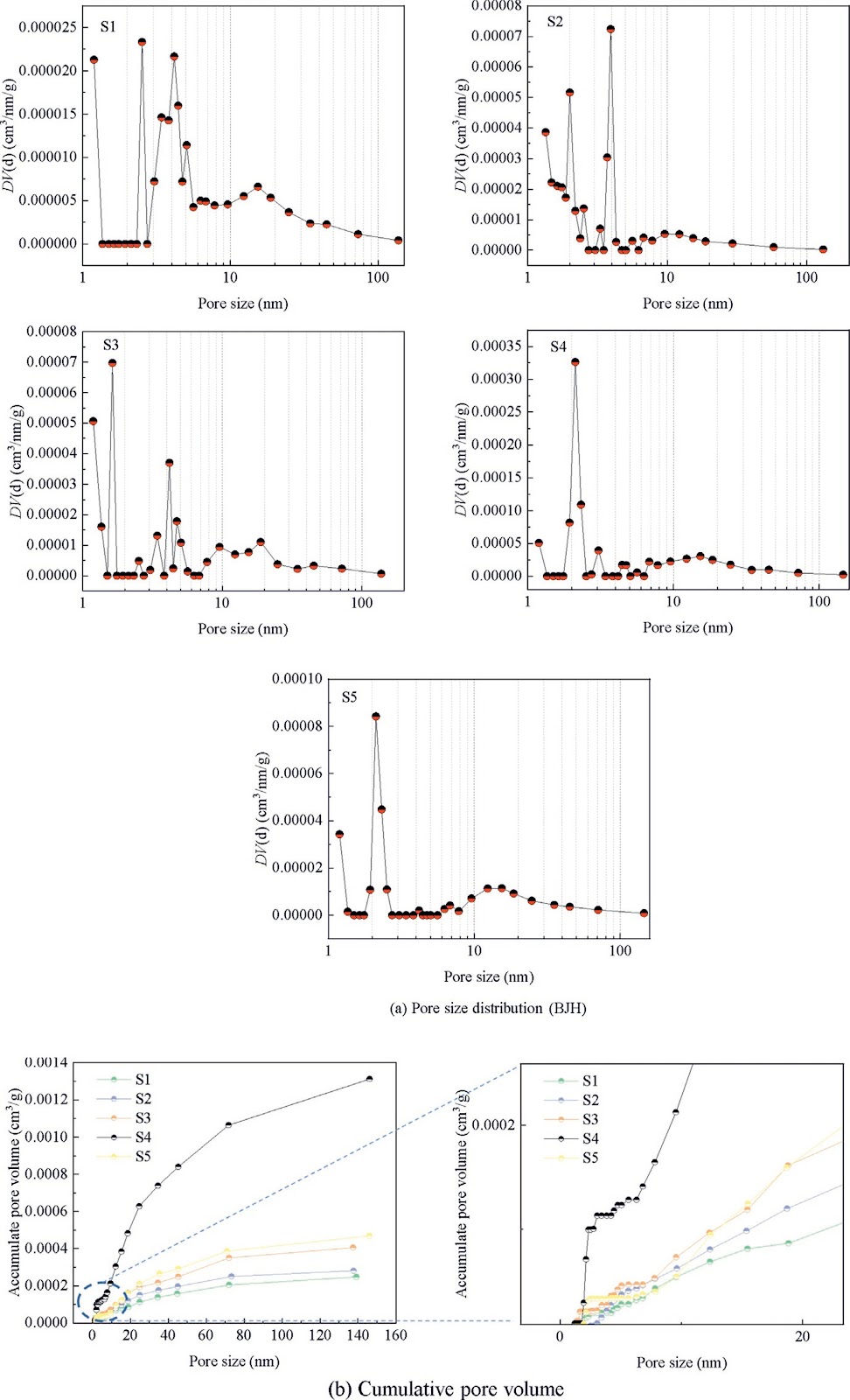
The combination of ultrasonic and acid fracturing fluid can strengthen the modification effect on the micropore structure of the coal matrix, thereby enhancing the efficiency of the acid fracturing process. In this research, acetic acid was utilized to formulate acid fracturing fluids with varying concentrations, and the evolutionary traits of both the acid fracturing fluids and ultrasonic waves in relation to coal samples were investigated. The functional group structure, mineral composition, micropore structure and surface morphology of coal samples were characterized by FTIR, XRD, N2 adsorption at low temperature and SEM-EDS. The results showed that aromatics (I) and branching parameters (CH2/CH3) were reduced by 81.58% and 88.67%, respectively, after 9% acetic acid treatment. Acetic acid can dissolve carbonates and clay minerals in coal, create new pores, and increase porosity, pore volume and pore fractal dimension. After modification by 7% acetic acid, the pore volume increased by 5.7 times. SEM observation shows that the diameter of coal surface holes increases, EDS scanning shows that the content of mineral elements in coal decreases, the connectivity of coal holes increases, and the holes expand. The findings of this research offer theoretical direction for optimizing ultrasonic-enhanced acid fracturing fluid modification.

Effect of acid fracturing fluid modifying coal microstructure stimulated by ultrasonic
Graphical Abstract
Original ResearchVol. 32, Issue 1 • pp. 100-112DOI: 10.1016/j.ijmst.2025.01.004Jan 15, 2025

Macro- and micro-mechanical response and damage mechanism of sandstone under high-temperature conditions

Authors: Laiwei Wu, Yanli Huang, Junmeng Li, Guiyuan Wang, Yingshun Li, Xiaotong Li, Junzhi Chen, Chuning Ji

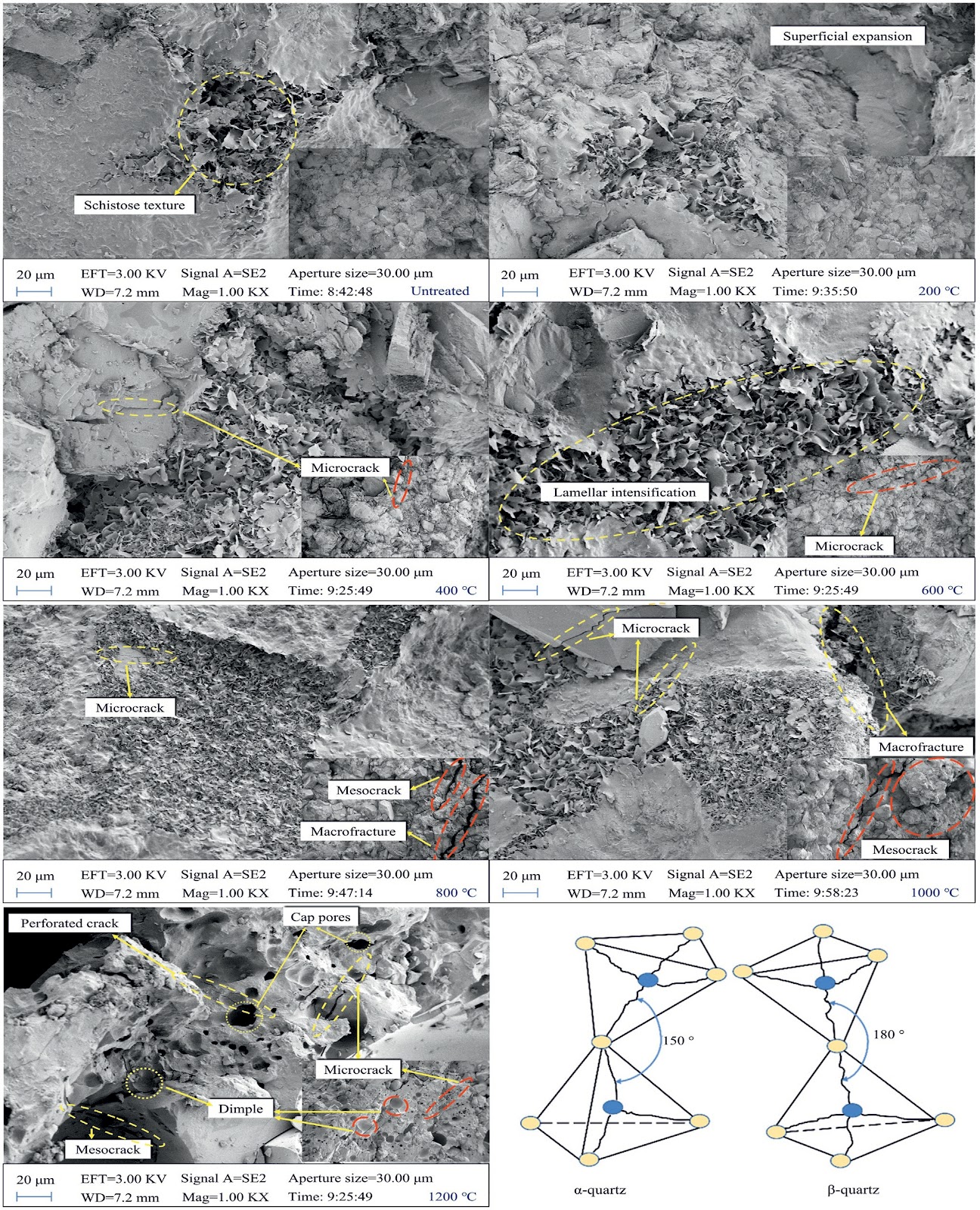
The thermal effects of coal combustion considerably influence the physical and chemical properties, structural characteristics, and stability of rocks, posing a serious threat to the safety of coal mining operations. In this study, the impacts of temperature on the physical and chemical characteristics (i.e., mineral phase, microstructure, and mechanical strength) of sandstone were investigated by employing experimental methods, including microstructural analysis, uniaxial acoustic emission (AE), and nuclear magnetic resonance (NMR). The results indicate that temperature alters the mineral phase and the pore characteristics, and these two factors jointly affect the mechanical properties of sandstone. The influence of temperature on the mechanical strength of sandstone is categorized into low-temperature strengthening and high-temperature damage, with a threshold temperature identified at 600 °C. The low-temperature strengthening effect encompasses both pore strengthening and mineral phase strengthening, while the high-temperature damage effect primarily results from pore damage. As the experimental temperature rises, both the number of AE events and the AE energy transition from a surge in the post-peak failure stage to a stepwise increase during the loading process. This transition implies that the failure mode of the sandstone sample evolves from brittle failure to tensile failure.

Macro- and micro-mechanical response and damage mechanism of sandstone under high-temperature conditions
Graphical Abstract
Original ResearchVol. 32, Issue 1 • pp. 100-112DOI: 10.1016/j.ijmst.2025.01.002Jan 15, 2025

Multi-frequency formation mechanism and modulation strategy of self-priming enhanced submerged pulsed waterjet

Authors: Haojie Jia, Yanwei Liu, Weiqin Zuo, Hongkai Han, Ping Chang, Mohammad Waqar Ali Asad, Guozhong Hu, Jian Miao, Hani S. Mitri

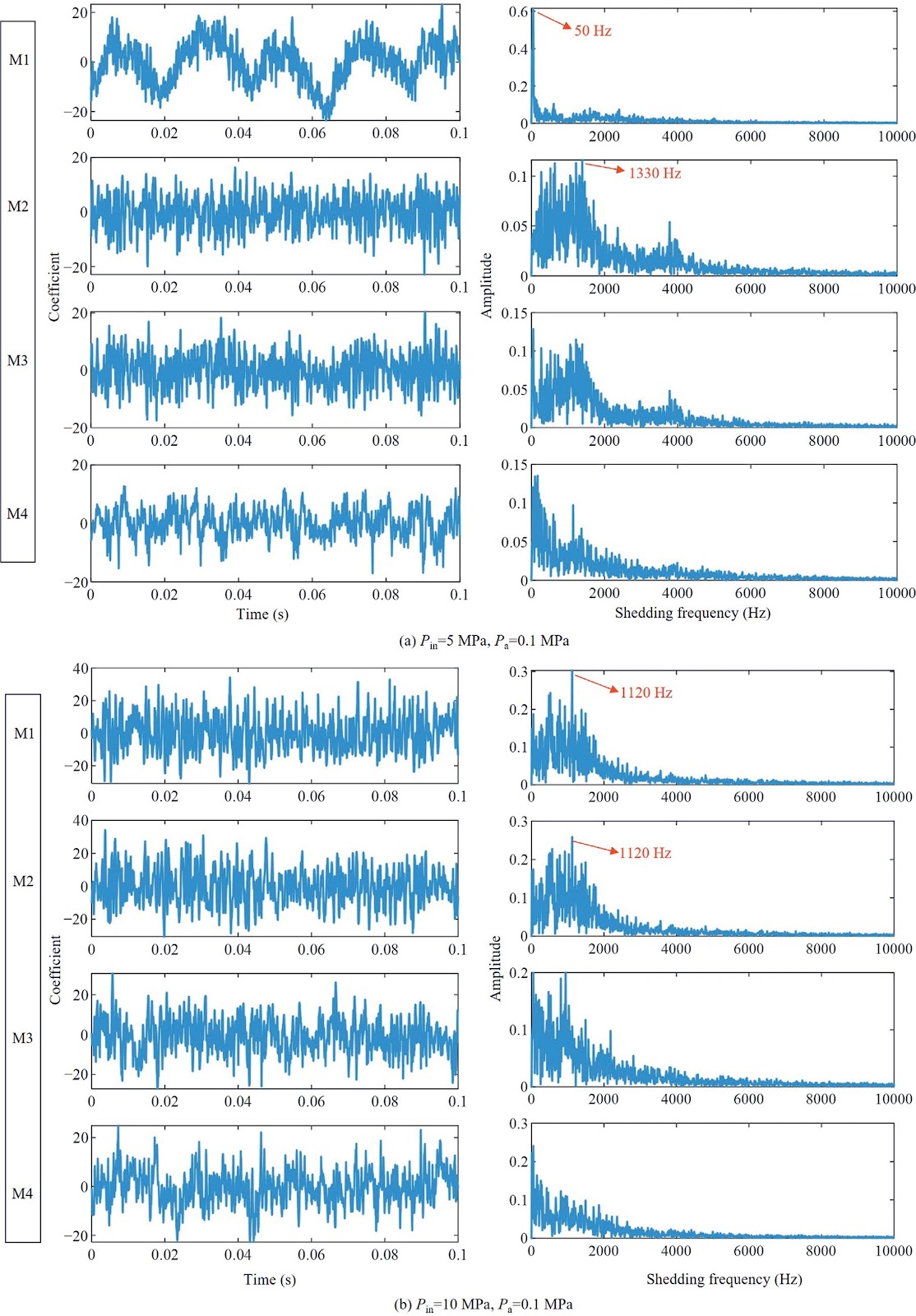
Under submerged conditions, compared with traditional self-excited oscillating pulsed waterjets (SOPWs), annular fluid-enhanced self-excited oscillating pulsed waterjets (AFESOPWs) exhibit a higher surge pressure through self-priming. However, their pressure frequency and cavitation characteristics remain unclear, resulting in an inability to fully utilize resonance and cavitation erosion to break coal and rock. In this study, high-frequency pressure testing, high-speed photography, and large eddy simulation (LES) are used to investigate the distribution of the pressure frequency band, evolution law of the cavitation cloud, and its regulation mechanism of a continuous waterjet, SOPW, and AFESOPW. The results indicated that the excitation of the plunger pump, shearing layer vortex, and bubble collapse corresponded to the three high-amplitude frequency bands of the waterjet pressure. AFESOPWs have an additional self-priming frequency that can produce a larger amplitude under a synergistic effect with the second high-amplitude frequency band. A better cavitation effect was produced after self-priming the annulus fluid, and the shedding frequency of the cavitation clouds of the three types of waterjets was linearly related to the cavitation number. The peak pressure of the waterjet and cavitation erosion effect can be improved by modulating the waterjet pressure oscillation frequency and cavitation shedding frequency.

Multi-frequency formation mechanism and modulation strategy of self-priming enhanced submerged pulsed waterjet
Graphical Abstract