SinoTechIntel Academic Portal
🏛️ Indexed Academic JournalImpact Factor: 3.8

Int. Journal of Minerals, Metallurgy and Materials (矿物冶金与材料学报)

Authoritative peer-reviewed journal in materials science, metallurgy, chemistry and engineering technologies: Int. Journal of Minerals, Metallurgy and Materials (矿物冶金与材料学报)

Total Research Papers: 200
Access: 100% Free Open Access
Browse by Publication Year & VolumeReset All Filters ✕

Published Research PapersFiltered: Year 2025 • Vol. 32 • Issue 4

Showing 11 of 200 peer-reviewed papers with full Graphical Abstracts.

Original ResearchVol. 32, Issue 4 • pp. 851-DOI: 10.1007/s12613-024-2971-zJan 15, 2025

Effect of 5wt% Fe3O4 addition on the phase equilibria of the CaO–SiO2–TiO2 system at 1400°C in air

Authors: Junjie Shi, Chenglong Jiang, Yifei Cao, Yumo Zhai, Yuchao Qiu, Hangkai Shi, Maoxi Yao, Jianzhong Li

The equilibrium phase relations of the CaO–SiO2–TiO2–5wt%Fe3O4 system were experimentally investigated at 1400°C in air. High-temperature equilibration-quenching techniques were employed in an electric MoSi2 resistance heated furnace, with phase composition analysis conducted using an electron probe microanalyzer and X-ray diffraction. A single liquid region, liquid–solid phase equilibria regions (including liquid–tridymite, liquid–rutile, liquid–perovskite, and liquid–wollastonite), and three-phase equilibria regions of liquid–tridymite–rutile and liquid–rutile–perovskite were found. The 1400°C isothermal sections of the CaO–SiO2–TiO2–5wt%Fe3O4 system in air were projected. The present experimental results exhibited good agreement with the calculation results obtained from FactSage.

Effect of 5wt% Fe3O4 addition on the phase equilibria of the CaO–SiO2–TiO2 system at 1400°C in air
Graphical Abstract
Original ResearchVol. 32, Issue 4 • pp. 802-DOI: 10.1007/s12613-024-3048-8Jan 15, 2025

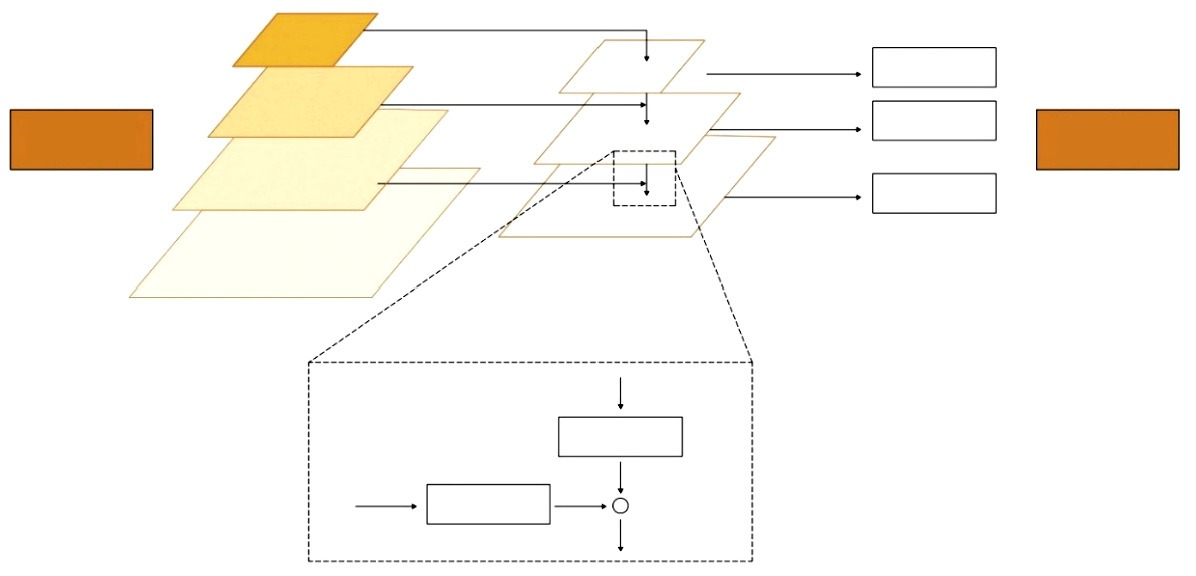
Enhancing mineral processing with deep learning: Automated quartz identification using thin section images

Authors: Gökhan Külekçi, Kemal Hacıefendioğlu, Hasan Basri Başağa

The precise identification of quartz minerals is crucial in mineralogy and geology due to their widespread occurrence and industrial significance. Traditional methods of quartz identification in thin sections are labor-intensive and require significant expertise, often complicated by the coexistence of other minerals. This study presents a novel approach leveraging deep learning techniques combined with hyperspectral imaging to automate the identification process of quartz minerals. The utilized four advanced deep learning models—PSPNet, U-Net, FPN, and LinkNet—has significant advancements in efficiency and accuracy. Among these models, PSPNet exhibited superior performance, achieving the highest intersection over union (IoU) scores and demonstrating exceptional reliability in segmenting quartz minerals, even in complex scenarios. The study involved a comprehensive dataset of 120 thin sections, encompassing 2470 hyperspectral images prepared from 20 rock samples. Expert-reviewed masks were used for model training, ensuring robust segmentation results. This automated approach not only expedites the recognition process but also enhances reliability, providing a valuable tool for geologists and advancing the field of mineralogical analysis.

Enhancing mineral processing with deep learning: Automated quartz identification using thin section images
Graphical Abstract
Original ResearchVol. 32, Issue 4 • pp. 892-DOI: 10.1007/s12613-024-2939-zJan 15, 2025

Electrochemical extraction of strontium from molten salts using reactive zinc and aluminum electrodes

Authors: Yongcheng Zhang, Taiqi Yin, Lei Zhang, Xiaochen Zhang, Tao Bo, Xiaoli Tan, Mei Li, Wei Han

Herein, the electrochemical behaviors of Sr on inert W electrode and reactive Zn/Al electrodes were systematically investigated in LiCl–KCl–SrCl2 molten salts at 773 K using various electrochemical methods. The chemical reaction potentials of Li and Sr on reactive Zn/Al electrodes were determined. We observed that Sr could be extracted by decreasing the activity of the deposited metal Sr on the reactive electrode, although the standard reduction potential of Sr(II)/Sr was more negative than that of Li(I)/Li. The electrochemical extraction products of Sr on reactive Zn and Al electrodes were Zn13Sr and Al4Sr, respectively, with no codeposition of Li observed. Based on the density functional theory calculations, both Zn13Sr and Al4Sr were identified as stable intermetallic compounds with Zn-/Al-rich phases. In LiCl–KCl molten salt containing 3wt% SrCl2, the coulombic efficiency of Sr in the Zn electrode was ~54%. The depolarization values for Sr on Zn and Al electrodes were 0.864 and 0.485 V, respectively, exhibiting a stronger chemical interaction between Zn and Sr than between Al and Sr. This study suggests that using reactive electrodes can facilitate extraction of Sr accumulated while electrorefining molten salts, thereby enabling the purification and reuse of the salt and decreasing the volume of the nuclear waste.

Electrochemical extraction of strontium from molten salts using reactive zinc and aluminum electrodes
Graphical Abstract
Original ResearchVol. 32, Issue 4 • pp. 964-DOI: 10.1007/s12613-024-2959-8Jan 15, 2025

NO2 gas sensor with high selectivity and fast response based on Pt-loaded nanoporous GaN

Authors: Dan Han, Xiaoru Liu, Donghui Li, Jiexu Shi, Yu Wang, Yuxuan Wang, Hongtao Wang, Shengbo Sang

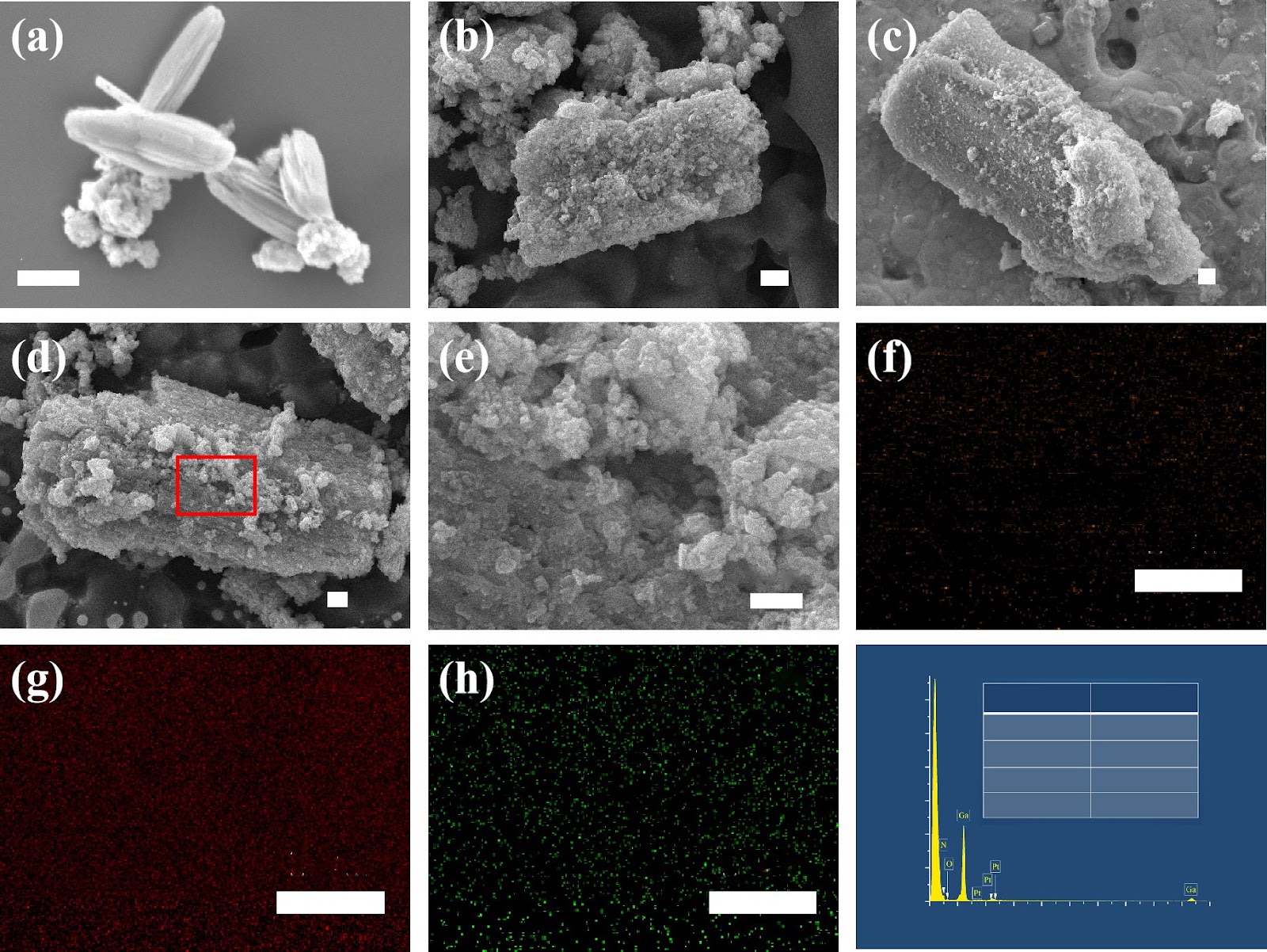
In this work, we realized a room-temperature nitrogen dioxide (NO2) gas sensor based on a platinum (Pt)-loaded nanoporous gallium nitride (NP-GaN) sensing material using the thermal reduction method and coreduction with the catalysis of polyols. The gas sensor gained excellent sensitivity to NO2 at a concentration range of 200 ppm to 100 ppb, benefiting from the loading of Pt nanoparticles, and exhibited a short response time (22 s) and recovery time (170 s) to 100 ppm of NO2 at room temperature with excellent selectivity to NO2 compared with other gases. This phenomenon was attributed to the spillover effect and the synergic electronic interaction with semiconductor materials of Pt, which not only provided more electrons for the adsorption of NO2 molecules but also occupied effective sites, causing poor sites for other gases. The low detection limit of Pt/NP-GaN was 100 ppb, and the gas sensor still had a fast response 70 d after fabrication. Besides, the gas-sensing mechanism of the gas sensor was further elaborated to determine the reason leading to its improved properties. The significant spillover impact and oxygen dissociation of Pt provided advantages to its synergic electronic interaction with semiconductor materials, leading to the improvement of the gas properties of gas sensors.

NO2 gas sensor with high selectivity and fast response based on Pt-loaded nanoporous GaN
Graphical Abstract
Original ResearchVol. 32, Issue 4 • pp. 902-?DOI: 10.1007/s12613-024-2943-3Jan 15, 2025

Multiple impacts of trace Tb addition on the secondary recrystallization and magnetostriction of Fe–Ga thin sheet

Authors: Jiande Liu, Zhenghua He, Yuhui Sha, Xiaofei Zhu, Hongbo Hao, Lijia Chen, Liang Zuo

Fe–Ga sheets with large magnetostriction are required for improving the conversion efficiency under the ultra-high frequency magnetic field. Trace Tb element doping can simultaneously improve the magnetostriction and ductility of Fe–Ga alloy. However, the impact of trace Tb doping on the microstructure and magnetostriction of Fe–Ga thin sheets is an open question. In this paper, the effects of trace Tb addition on the secondary recrystallization and magnetostriction of Fe–Ga thin sheets are systematically studied by comparing the characteristics evolution of precipitation, texture, and nanoinclusions. The results indicate that trace Tb addition accelerates the secondary recrystallization of Goss texture due to the combined action of the bimodal size distributed precipitates, smaller grains, and more HEGBs in primary recrystallization. After quenching at 900°C, the magnetostriction value in 0.07at%Tb-doped Fe81Ga19 thin sheets increases by 30% to that of Fe81Ga19 thin sheets. The increase in magnetostriction is attributed to the decrease in the number of Tb-rich precipitates and the higher density of the nanometer-sized modified-D03 inclusions induced by the dissolving of trace Tb elements after quenching. These results demonstrate a simple and efficient approach for preparing Fe–Ga thin sheets with a large magnetostrictive coefficient by a combination of trace RE element addition and conventional rolling method.

Multiple impacts of trace Tb addition on the secondary recrystallization and magnetostriction of Fe–Ga thin sheet
Graphical Abstract
Original ResearchVol. 32, Issue 4 • pp. 915-?DOI: 10.1007/s12613-024-2969-6Jan 15, 2025

Optimizing the overall performance of Cu–Ni–Si alloy via controlling nanometer-lamellar discontinuous precipitation structure

Authors: Jinyu Liang, Guoliang Xie, Feixiang Liu, Wenli Xue, Rui Wang, Xinhua Liu

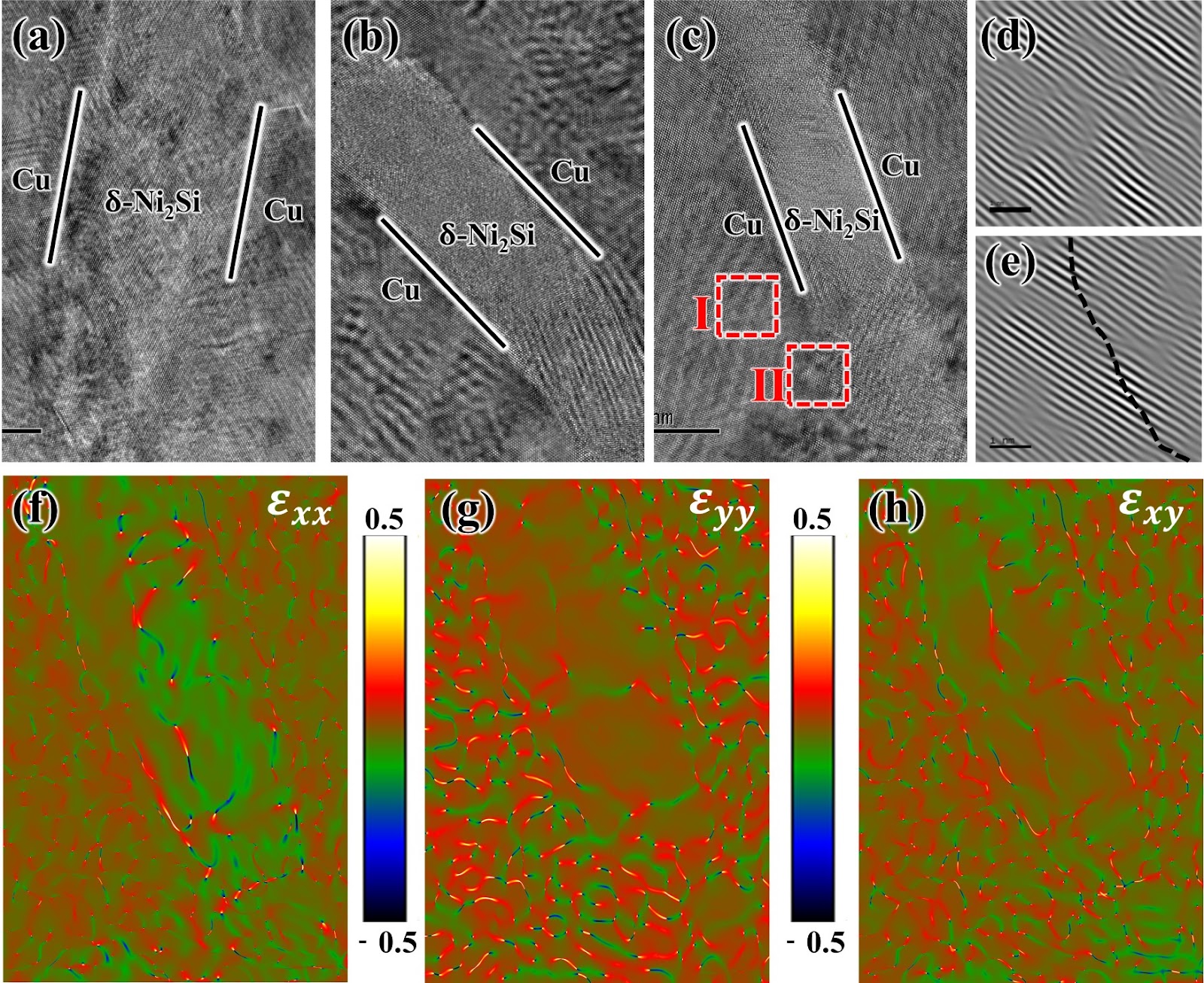
Simultaneously achieving high strength and high electrical conductivity in Cu–Ni–Si alloys pose a significant challenge, which greatly constrains its applications in the electronics industry. This paper offers a new pathway to improve properties, by preparation of nanometer lamellar discontinuous precipitates (DPs) arranged with the approximate same direction through a combination of deformation-aging and cold rolling process. The strengthening effect is primarily attributed to nanometer-lamellar DPs strengthening and dislocation strengthening mechanism. The accumulation of dislocations at the interface between nanometer lamellar DPs and matrix during cold deformation process can results in the decrease of dislocation density inside the matrix grains, leading to the acceptably slight reduction of electrical conductivity during cold rolling. The alloy exhibits an electrical conductivity of 45.32%IACS (international annealed copper standard, IACS), a tensile strength of 882.67 MPa, and a yield strength of 811.33 MPa by this method. This study can provide a guidance for the composition and microstructure design of a Cu–Ni–Si alloy in the future, by controlling the morphology and distribution of DPs.

Optimizing the overall performance of Cu–Ni–Si alloy via controlling nanometer-lamellar discontinuous precipitation structure
Graphical Abstract
Original ResearchVol. 32, Issue 4 • pp. 869-DOI: 10.1007/s12613-024-3064-8Jan 15, 2025

Kinetics of isothermal reduction of carbon-containing silicomanganese dust

Authors: Ju Xu, Guojun Ma, Jie Xu, Mengke Liu, Xiang Zhang, Dingli Zheng, Junlong Li

Silicomanganese dust contains large amounts of valuables, such as Si and Mn, which can be used as raw materials for the smelting of silicomanganese. However, the direct addition of dust to the submerged arc furnace can influence the permeability of burden due to the fine particle size of dust, which results in incomplete reduction reactions during the smelting process. In this paper, silicomanganese dust, graphite powder, and other additives were pressed to form carbon-containing dust briquettes, and the self-reduction process of the dust briquettes was investigated through the isothermal thermogravimetric method with different carbon–oxygen (C/O) molar ratios, contents of fluxing agents, and reduction temperatures. Various reduction kinetic models for dust briquettes at different temperatures were established. The results show that the reaction fraction of the dust briquettes was about 90% at a C/O molar ratio of 1.2 with optimal reduction efficiency. The addition of CaF2 contributed to the decrease in the melting point and viscosity of dust briquettes, which increased their reduction rate. As the reduction temperature increased, the reduction rate of dust briquettes increased. The reduction reaction rate of dust briquettes was controlled through gas-phase diffusion. Meanwhile, their reduction process was analyzed kinetically, with the reaction time of 5 min as the dividing line. The apparent activation energies for the two diffusion stages were 56.10 and 100.52 kJ/mol, respectively. The kinetic equations are expressed as [1 − (1 − ƒ)1/3]2 = 0.69e−56100/(RT)t and [1 − (1 − ƒ)1/3]2 = 2.06e−100520/(RT)t.

Kinetics of isothermal reduction of carbon-containing silicomanganese dust
Graphical Abstract
Original ResearchVol. 32, Issue 4 • pp. 954-?DOI: 10.1007/s12613-024-2962-0Jan 15, 2025

MOFs-derived flower-like cobalt@carbon multiscale hierarchical composites with effective microwave absorption in the low frequency range

Authors: Jiali Guan, Hongmei Li, Jiannan Ren, Wenhui Qiu, Qi Li, Zhufeng He, Mingwei Zhu, Wei Li, Nan Jia, Shaowei Lu

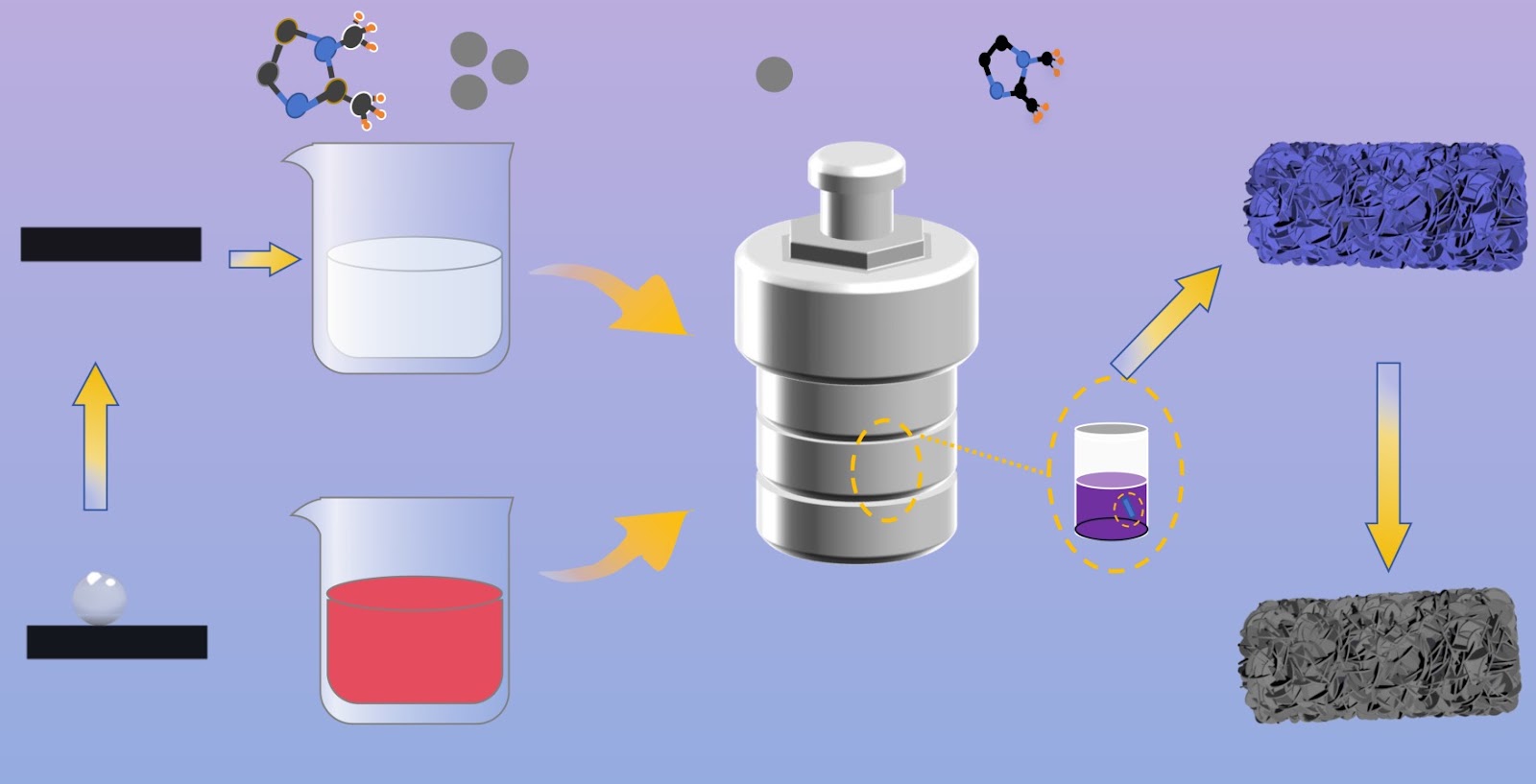
The wave-absorbing materials are kinds of special electromagnetic functional materials and have been widely used in electromagnetic pollution control and military fields. In-situ integrated hierarchical structure construction is thought as a promising route to improve the microwave absorption performance of the materials. In the present work, layer-structured Co-metal-organic frameworks (Co-MOFs) precursors were grown in-situ on the surface of carbon fibers with the hydrothermal method. After annealed at 500°C under Ar atmosphere, a novel multiscale hierarchical composite (Co@C/CF) was obtained with the support of carbon fibers, keeping the flower-like structure. Scanning electron microscope, transmission electron microscope, X-ray diffraction, Raman, and X-ray photoelectron spectroscopy were performed to analyze the microstructure and composition of the hierarchical structure, and the microwave absorption performance of the Co@C/CF composites were investigated. The results showed that the growth of the flower-like structure on the surface of carbon fiber was closely related to the metal-to-ligand ratio. The optimized Co@C/CF flower-like composites achieved the best reflection loss of −55.7 dB in the low frequency band of 6–8 GHz at the thickness of 2.8 mm, with the corresponding effective absorption bandwidth (EAB) of 2.1 GHz. The EAB of 3.24 GHz was achieved in the high frequency range of 12–16 GHz when the thickness was 1.5 mm. The excellent microwave absorption performance was ascribed to the introduction of magnetic components and the construction of the unique structure. The flower-like structure not only balanced the impedance of the fibers themselves, but also extended the propagation path of the microwave and then increased the multiple reflection losses. This work provides a convenient method for the design and development of wave-absorbing composites with in-situ integrated structure.

MOFs-derived flower-like cobalt@carbon multiscale hierarchical composites with effective microwave absorption in the low frequency range
Graphical Abstract
Original ResearchVol. 32, Issue 4 • pp. 936-DOI: 10.1007/s12613-024-3031-4Jan 15, 2025

Two-dimensional ultrathin nanosheets over mackinawite FeS for efficient electrochemical N2 reduction

Authors: Jing Zhang, Yingying Guo, Haiyang Li, Jing Guo, Rui Zheng, Shuai Niu, Fang Wang

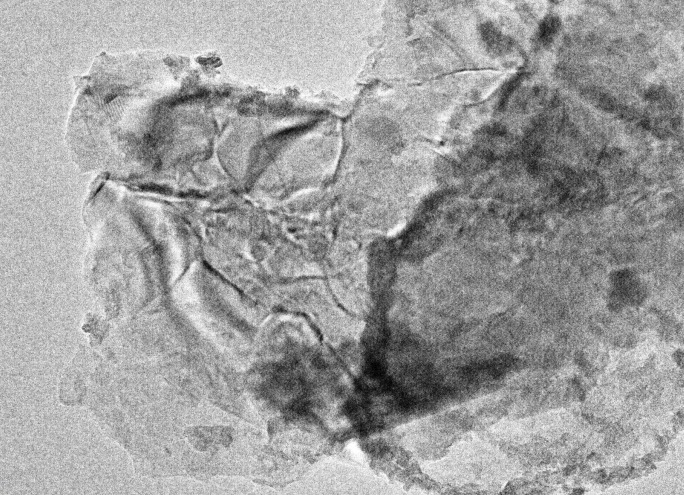
Electrocatalytic N2 reduction reaction (NRR) has been considered as a promising and alternative strategy for the synthesis of NH3, which will contribute to the goal of carbon neutrality and sustainability. However, this process often suffers from the barrier for N2 activation and competitive reactions, resulting in poor NH3 yield and low Faraday efficiency (FE). Here, we report a two-dimensional (2D) ultrathin FeS nanosheets with high conductivity through a facile and scalable method under mild condition. The synthesized FeS catalysts can be used as the work electrode in the electrochemical NRR cell with N2-saturated Na2SO4 electrolyte. Such a catalyst shows a NH3 yield of 9.0 μg·h−1·mg−1 (corresponding to 1.47 × 10⁻⁴ μmol·s−1·cm−2) and a high FE of 12.4%, which significantly outperformed the other most NRR catalysts. The high catalytic performance of FeS can be attributed to the 2D mackinawite structure, which provides a new insight to explore low-cost and high-performance Fe-based electrocatalysts, as well as accelerates the practical application of the NRR.

Two-dimensional ultrathin nanosheets over mackinawite FeS for efficient electrochemical N2 reduction
Graphical Abstract
Original ResearchVol. 32, Issue 4 • pp. 925-DOI: 10.1007/s12613-024-2987-4Jan 15, 2025

High-yield carbon nanofibers derived from nanoporous Cu catalyst alloyed with Ni for sodium storage with high cycling stability

Authors: Zhenyang Yu, Changqi Duan, Qi Sun, Jinhu Ma, Yifang Zhang, Mengmeng Zhang, Delin Zhang, Zhijia Zhang, Zhiyan Jia, Yong Jiang

High-performance and low-cost anode materials are critical for superior sodium-ion batteries (SIBs). Herein, high-yield porous carbon nanofiber (CNF) anode materials (named CNFs@Cu–Ni) are prepared by chemical vapor deposition using a specialized nanoporous Cu–Ni alloy catalyst. Density functional theory calculations indicate that Ni incorporation results in a shift of the d-band center of the catalyst from −2.34157 to −1.93682 eV. This phenomenon elucidates the remarkable adsorption capacity of the Cu–Ni catalyst toward C2H2, thereby facilitating the catalytic growth of high-performance CNFs. With this approach, a superior yield of 258.6% for deposited carbon is reached after growth for 1 h. The CNFs@Cu–Ni anode presents an outstanding discharge capacity of 193.6 mAh·g−1 at 1.0 A·g−1 over 1000 cycles and an exceptional rate capability by maintaining a capacity of 158.9 mAh·g−1 even at 5.0 A·g−1 in an ether-based electrolyte. It also exhibits excellent performance in the CNFs@Cu–Ni//NVP full battery attributed to the presence of abundant Na+ adsorption sites on its surface. This study presents a new concept for the advancement of high-performance carbonaceous electrodes for SIBs.

High-yield carbon nanofibers derived from nanoporous Cu catalyst alloyed with Ni for sodium storage with high cycling stability
Graphical Abstract
Original ResearchVol. 32, Issue 4 • pp. 944-DOI: 10.1007/s12613-024-3019-0Jan 15, 2025

Enhancing electrochemical performance and magnetic properties of FeVO4 nanoparticles by Ni-doping: The role of Ni contents

Authors: Jessada Khajonrit, Thongsuk Sichumsaeng, Pinit Kidkhunthod, Supree Pinitsoontorn, Niwat Hemha, Kittima Salangsing, Anissa Srisongmueang, Santi Maensiri

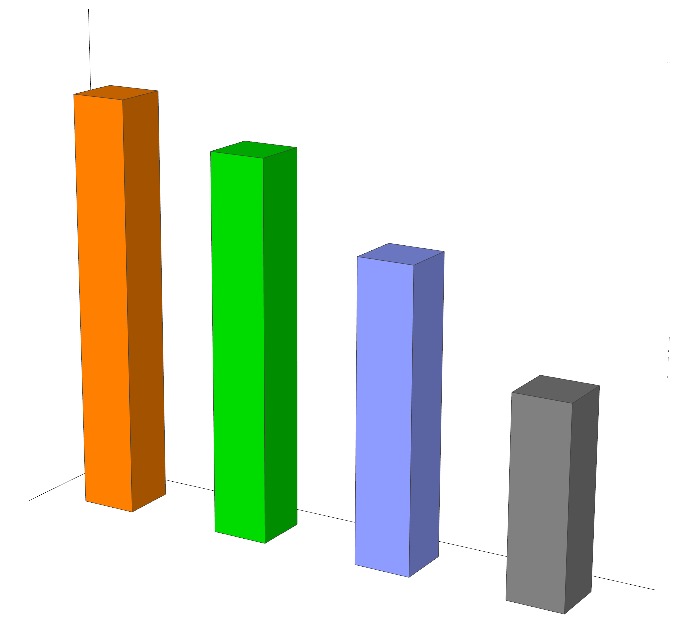
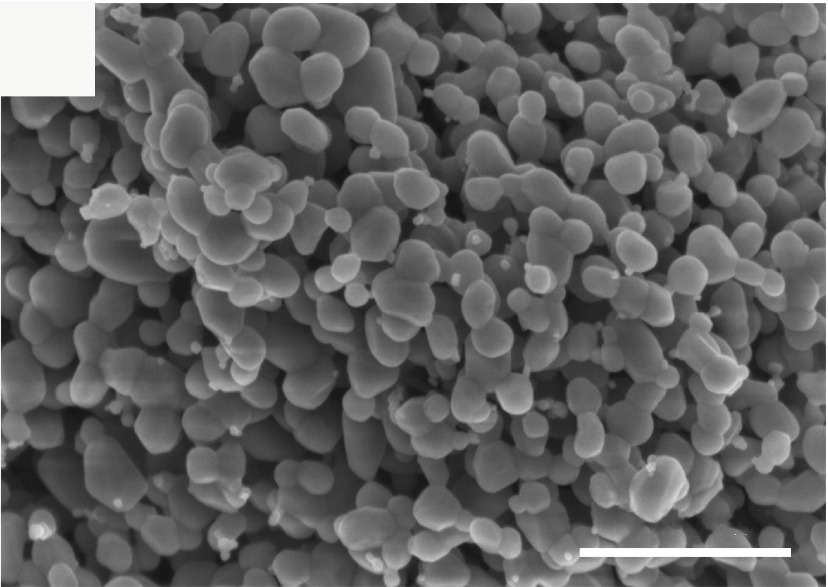
The Fe1−xNixVO4 (x = 0, 0.05, 0.10, and 0.20) nanoparticles in this work were successfully synthesized via a co-precipitation method. The structural, magnetic and electrochemical properties of the prepared Fe1−xNixVO4 nanoparticles were studied as a function of Ni content. The experimental results show that the prepared Ni-doped FeVO4 samples have a triclinic structure. Scanning electron microscopy (SEM) images reveal a decrease in average nanoparticle size with increasing Ni content, leading to an enhancement in both specific surface area and magnetization values. X-ray absorption near edge structure (XANES) analysis confirms the substitution of Ni2+ ions into Fe3+ sites. The magnetic investigation reveals that Ni-doped FeVO4 exhibits weak ferromagnetic behavior at room temperature, in contrast to the antiferromagnetic behavior observed in the undoped FeVO4. Electrochemical studies demonstrate that the Fe0.95Ni0.05VO4 electrode achieves the highest specific capacitance of 334.05 F·g−1 at a current density of 1 A·g−1, which is attributed to its smallest average pore diameter. In addition, the enhanced specific surface of the Fe0.8Ni0.2VO4 electrode is responsible for its outstanding cyclic stability. Overall, our results suggest that the magnetic and electrochemical properties of FeVO4 nanoparticles could be effectively tuned by varying Ni doping contents.

Enhancing electrochemical performance and magnetic properties of FeVO4 nanoparticles by Ni-doping: The role of Ni contents
Graphical Abstract