SinoTechIntel Academic Portal
🏛️ Indexed Academic JournalImpact Factor: 3.8

Int. Journal of Minerals, Metallurgy and Materials (矿物冶金与材料学报)

Authoritative peer-reviewed journal in materials science, metallurgy, chemistry and engineering technologies: Int. Journal of Minerals, Metallurgy and Materials (矿物冶金与材料学报)

Total Research Papers: 200
Access: 100% Free Open Access
Browse by Publication Year & VolumeReset All Filters ✕

Published Research PapersFiltered: Year 2025 • 32 • 10

Showing 5 of 200 peer-reviewed papers with full Graphical Abstracts.

Original ResearchVol. 32, Issue 10 • pp. 2483DOI: 10.1007/s12613-025-3127-5Jan 15, 2025

Extreme removal of fine inclusions from 304 stainless steel via high-temperature supergravity fields

Authors: Shuai Zhang, Lei Guo, Zhancheng Guo

The extreme removal of SiO2 and MnO inclusions in 304 stainless steel in supergravity fields was investigated using an in-house high-temperature supergravity equipment. The influences of the gravity coefficient and separation time on the removal efficiency of the inclusions were studied. After supergravity treatment, the inclusions migrated to the top of the sample and formed large aggregates. Meanwhile, the lower part of the sample was purified considerably and appeared significantly cleaner than the raw material. At the gravity coefficient of 500 and separation time of 600 s, the total oxygen content at the bottom of the sample (position E) decreased from 240 to 28 ppm. This corresponded to a total oxygen removal rate of 88.33%. The volume fraction and number density of inclusions exhibited a gradient distribution along the supergravity direction, with values of 8.5% and 106 mm–2 at the top of the sample (position A) and 0.06% and 22 mm–2 at its bottom.

Extreme removal of fine inclusions from 304 stainless steel via high-temperature supergravity fields
Graphical Abstract
Original ResearchVol. 32, Issue 10 • pp. 2495DOI: 10.1007/s12613-025-3202-yJan 15, 2025

Dynamic mechanical behavior of ultra-high strength steel fabricated by laser additive manufacturing: Influence of energy density

Authors: Xiaoyu Gong, Zhengqing Zhou, Dayong Li, Zhiyang Fan, Zhiming Bai, Bin Hu, Yageng Li, Jia Liu, Wenyue Zheng

Ultra-high strength steel (UHSS) fabricated via laser additive manufacturing (LAM) holds significant promise for applications in defense, aerospace, and other high-performance sectors. However, its response to high-impact loading remains insufficiently understood, particularly regarding the influence of energy density on its dynamic mechanical behavior. In this study, scanning electron microscopy, electron backscatter diffraction, and image recognition techniques were employed to investigate the microstructural variations of LAM-fabricated UHSS under different energy density conditions. The dynamic mechanical behavior of the material was characterized using a Split Hopkinson Pressure Bar system in combination with high-speed digital image correlation. The study reveals the spatiotemporal evolution of surface strain and crack formation, as well as the underlying dynamic fracture mechanisms. A clear correlation was established between the microstructures formed under varying energy densities and the resulting dynamic mechanical strength of the material. Results demonstrate that optimal material density is achieved at energy densities of 292 and 333 J/mm3. In contrast, energy densities exceeding 333 J/mm3 induce keyhole defects, compromising structural integrity. Dynamic performance is strongly dependent on material density, with peak impact resistance observed at 292 J/mm3—where strength is 8.4% to 17.6% higher than that at 500 J/mm3. At strain rates ≥ 2000 s−1, the material reaches its strength limit at approximately 110 μs, with the initial crack appearing within 12 μs, followed by rapid failure. Conversely, at strain rates ≤ 1500 s−1, only microcracks and adiabatic shear bands are detected. A transition in fracture surface morphology from ductile to brittle is observed with increasing strain rate. These findings offer critical insights into optimizing the dynamic mechanical properties of LAM-fabricated UHSS and provide a valuable foundation for its deployment in high-impact environments.

Dynamic mechanical behavior of ultra-high strength steel fabricated by laser additive manufacturing: Influence of energy density
Graphical Abstract
Original ResearchVol. 32, Issue 10 • pp. 2456DOI: 10.1007/s12613-024-3083-5Jan 15, 2025

High-alumina type calcium ferrite: A new mineral phase for low-carbon ironmaking in the future

Authors: Rende Chang, Chengyi Ding, Feng Jiang, Hongming Long, Xuewei Lü, Tiejun Chun, Xiaoqing Xu, Zhiming Yan, Yue Sun, Wei Lü

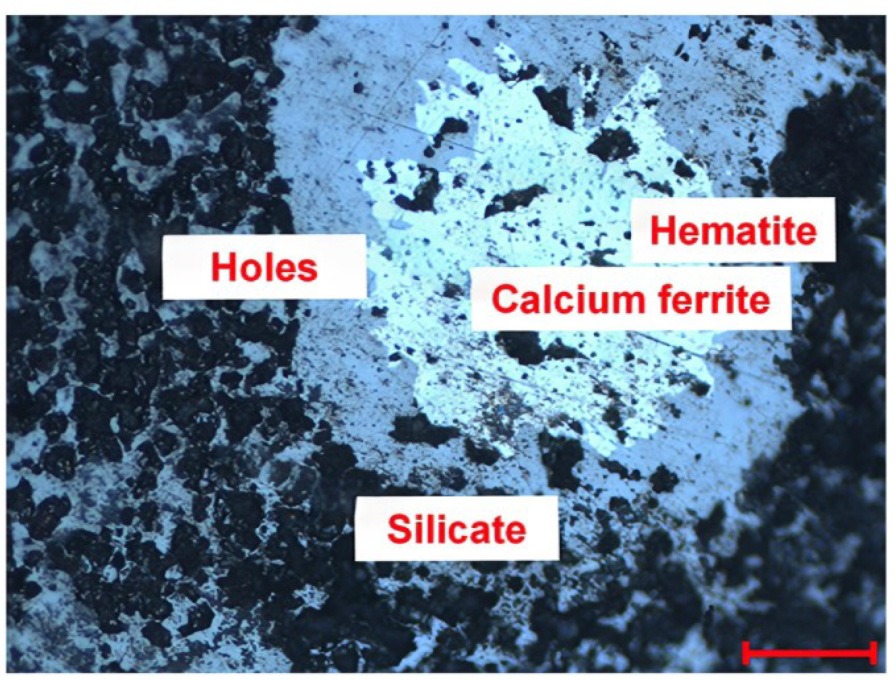
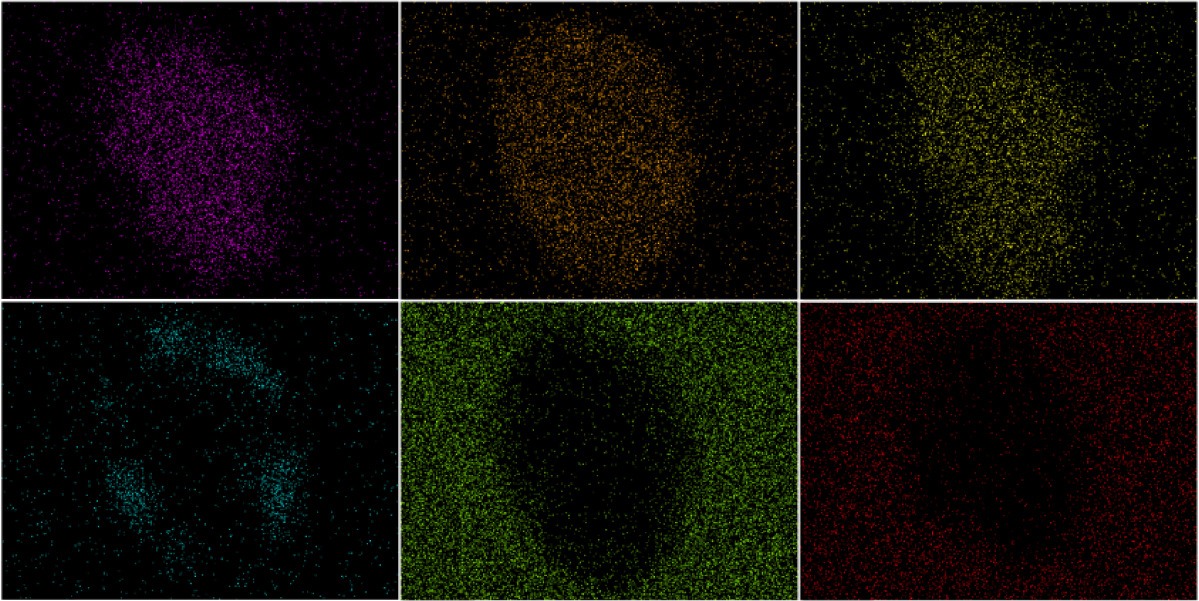
With the gradual reduction in high-quality iron ore resources, the global steel industry faces long-term challenges. For example, the continuous increase in the Al2O3 content of iron ore has led to a decrease in the metallurgical performance of sinter and fluctuations in slag properties. Considering calcium ferrite (CF) and composite CF (silico-ferrite of calcium and aluminum, SFCA) play a crucial role as a binding phase in high-alkalinity sinter and exhibit excellent physical strength and metallurgical performance, we propose incorporating excess Al2O3 into SFCA to form a new binding phase with excellent properties for high-quality sinter preparation. In the synthesis of high-Al2O3 SFCA, two high-Al2O3 phases were identified as types A (Al1.2Ca2.8Fe8.7O20Si0.8) and B (Ca4Al4.18Fe1.82Si6O26). Results show that type A SFCA sample had a higher cell density (4.13 g/cm3) and longer Fe–O bond length (2.2193 Å) than type B (3.46 g/cm3 and 1.9415 Å), with a significantly greater lattice oxygen concentration (7.86% vs. 1.85%), which demonstrates advantages in strength and reducibility. Type A SFCA sample contained a lower proportion of silicates, was predominantly composed of SFCA, and exhibited minimal porosity. Melting point and viscosity simulation tests indicate that type A SFCA sample formed a liquid phase at 880°C with a viscosity range of 0–0.35 Pa·s, which is notably lower than that of type B SFCA sample (1220°C and 0–20 Pa·s). This finding suggests that type A SFCA sample has a low initial melting temperature and viscosity, which facilitates increasing liquid-phase generation and improving flow properties. Such a condition enhances the adhesion to surrounding ore particles. Compressive strength tests reveal that type A SFCA sample (36.83–42.48 MPa) considerably outperformed type B SFCA sample (5.98–12.79 MPa) and traditional sinter (5.02–13.68 MPa). In addition, at 900°C, type A SFCA sample achieved a final reducibility of 0.89, which surpassed that of type B SFCA sample (0.83). In summary, type A SFCA sample demonstrates superior structural, thermophysical, and metallurgical properties, which highlights its promising potential for industrial applications.
High-alumina type calcium ferrite: A new mineral phase for low-carbon ironmaking in the future
Graphical Abstract
Original ResearchVol. 32, Issue 10 • pp. 2469-?DOI: 10.1007/s12613-025-3145-3Jan 15, 2025

Factor analysis and machine learning for predicting endpoint carbon content in converter steelmaking

Authors: Lihua Zhao, Shuai Yang, Yongzhao Xu, Zhongliang Wang, Xin Liu, Yanping Bao

The endpoint carbon content in the converter is critical for the quality of steel products, and accurately predicting this parameter is an effective way to reduce alloy consumption and improve smelting efficiency. However, most scholars currently focus on modifying methods to enhance model accuracy, while overlooking the extent to which input parameters influence accuracy. To address this issue, in this study, a prediction model for the endpoint carbon content in the converter was developed using factor analysis (FA) and support vector machine (SVM) optimized by improved particle swarm optimization (IPSO). Analysis of the factors influencing the endpoint carbon content during the converter smelting process led to the identification of 21 input parameters. Subsequently, FA was used to reduce the dimensionality of the data and applied to the prediction model. The results demonstrate that the performance of the FA–IPSO–SVM model surpasses several existing methods, such as twin support vector regression and support vector machine. The model achieves hit rates of 89.59%, 96.21%, and 98.74% within error ranges of ±0.01%, ±0.015%, and ±0.02%, respectively. Finally, based on the prediction results obtained by sequentially removing input parameters, the parameters were classified into high influence (5%–7%), medium influence (2%–5%), and low influence (0–2%) categories according to their varying degrees of impact on prediction accuracy. This classification provides a reference for selecting input parameters in future prediction models for endpoint carbon content.

Factor analysis and machine learning for predicting endpoint carbon content in converter steelmaking
Graphical Abstract
Original ResearchVol. 32, Issue 10 • pp. 2376DOI: 10.1007/s12613-025-3109-7Jan 15, 2025

Impact of aggregate segregation on mechanical property and failure mechanism of cemented coarse aggregate backfill

Authors: Aixiang Wu, Lei Wang, Zhuen Ruan, Jiandong Wang, Shaoyong Wang, Ruiming Guo, Jingyan Xu, Longjian Bai

Utilizing coarse aggregates containing mining waste rock for backfilling addresses the strength requirements and reduces the expenses associated with binder and solid waste treatment. However, this type of material is prone to aggregate segregation, which can lead to uneven deformation and damage to the backfill. We employed an image-segmentation method that incorporated machine learning to analyze the distribution information of the aggregates on the splitting surface of the test blocks. The results revealed a nonlinear relationship between aggregate segregation and variations in solid concentration (SC) and cement/aggregate ratio (C/A). The SC of 81wt%–82wt% and C/A of 10.00wt%–12.50wt% reflect surges in fluid dynamics, friction effects, and shifts in their dominance. A uniaxial compression experiment, supplemented with additional strain gauges and digital image correlation technology, enabled us to analyze the mechanical properties and failure mechanism under the influence of aggregate segregation. It was found that the uniaxial compressive strength, ranging from 1.75 MPa to 12.65 MPa, is linearly related to both the SC and C/A, and exhibits no significant relationship with the degree of segregation in numerical terms. However, the degree of segregation affects the development trend of the elastic modulus to a certain extent, and a standard deviation of the aggregate area ratio of less than 1.63 clearly indicates a higher elastic modulus. In the pouring direction, the top area of the test block tended to form a macroscopic fracture surface earlier. By contrast, the compressibility of the bottom area was greater than that of the top area. The intensification of aggregate segregation widened the differences in the deformation and failure characteristics between the different areas. For samples with different uniformities, significant differences in local deformation ranging from 515.00 με to 1693.70 με were observed during the stable deformation stage. The extreme unevenness of the aggregate leads to rapid crack penetration in the sample, causing macroscopic tensile failure and resulting in premature structural failure.

Impact of aggregate segregation on mechanical property and failure mechanism of cemented coarse aggregate backfill
Graphical Abstract