Key Takeaways & Executive Findings
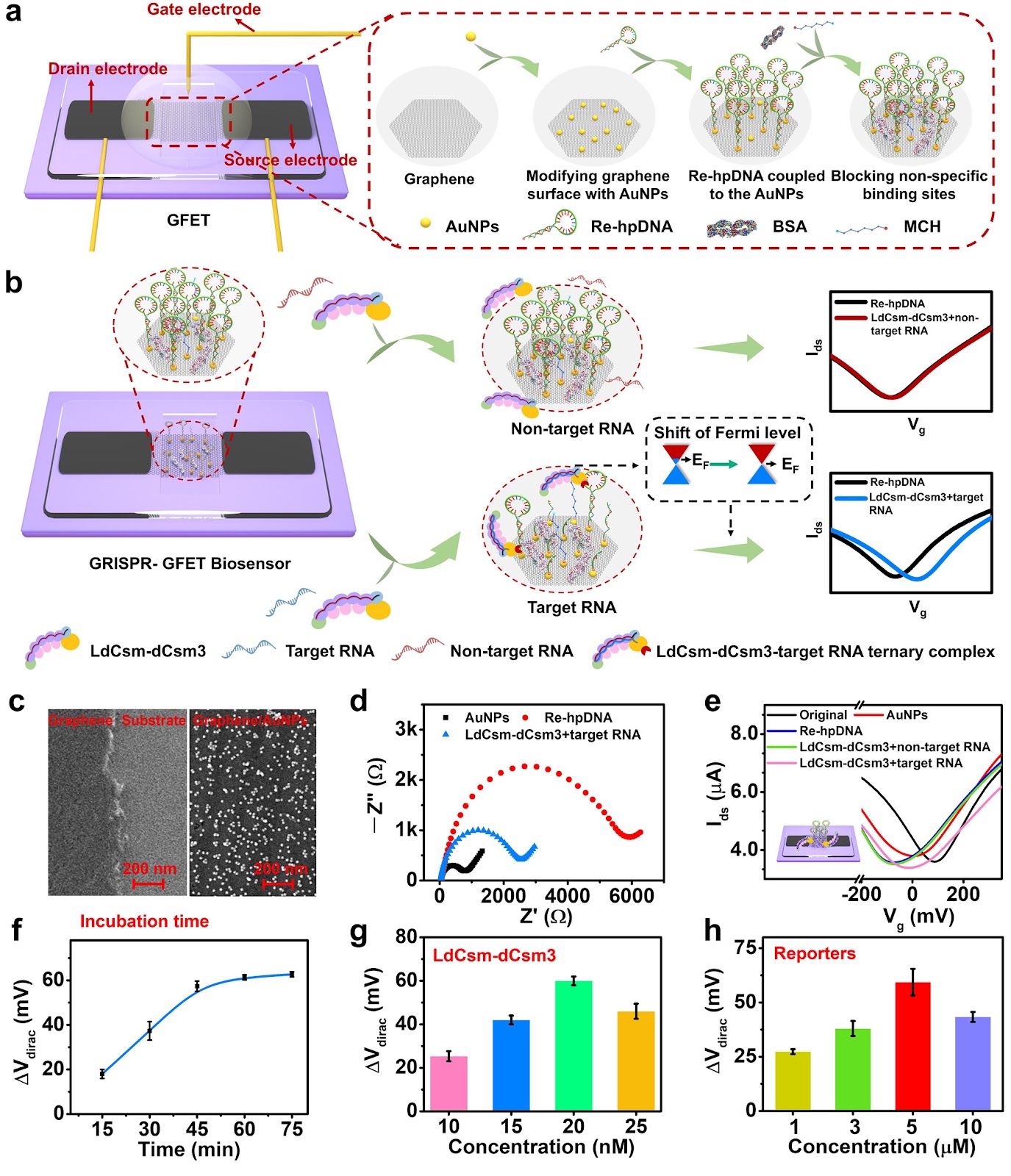
- •• A collaborative biosensing system is developed for amplification-free RNA/miRNA detection by integrating Type III CRISPR-Cas10 system with a graphene field-effect transistor (GFET). • Continuous cleavage of ssDNA by the mutant CRISPR-Cas10 effector complexes and high charge density of hairpin DNA reporters on the GFET channel enable the detection limit to reach the level of aM. • A universal sensing detection platform is established to directly detect the medium-length RNAs and miRNAs in clinical samples with the recognition capability of single nucleic acid. • The biosensor distinguishes healthy individuals from breast cancer patients in throat swabs and serum samples without extraction, purification, or amplification, mitigating contamination risks.
Abstract
Amplification-free, highly sensitive, and specific nucleic acid detection is crucial for health monitoring and diagnosis. The type III CRISPR-Cas10 system, which provides viral immunity through CRISPR-associated protein effectors, enables a new amplification-free nucleic acid diagnostic tool. In this study, we develop a CRISPR-graphene field-effect transistors (GFETs) biosensor by combining the type III CRISPR-Cas10 system with GFETs for direct nucleic acid detection. This biosensor exploits the target RNA-activated continuous ssDNA cleavage activity of the dCsm3 CRISPR-Cas10 effector and the high charge density of a hairpin DNA reporter on the GFET channel to achieve label-free, amplification-free, highly sensitive, and specific RNA detection. The CRISPR-GFET biosensor exhibits excellent performance in detecting medium-length RNAs and miRNAs, with detection limits at the aM level and a broad linear range of 10−15 to 10−11 M for RNAs and 10−15 to 10−9 M for miRNAs. It shows high sensitivity in throat swabs and serum samples, distinguishing between healthy individuals (N=5) and breast cancer patients (N=6) without the need for extraction, purification, or amplification. This platform mitigates risks associated with nucleic acid amplification and cross-contamination, making it a versatile and scalable diagnostic tool for molecular diagnostics in human health.
1. Introduction
Nucleic acid assays are essential for infectious disease diagnosis, genetic disease screening, and early cancer detection. Their sensitivity, specificity, and detection speed directly impact diagnostic accuracy, treatment efficacy, and public health security [1–4]. Rapid and precise nucleic acid detection is especially critical in contexts such as infectious disease outbreaks and personalized medicine. In recent years, recent progress in molecular biology and nanotechnology has accelerated the development of nucleic acid detection technologies, ranging from enzymatic amplification methods such as quantitative polymerase chain reaction (qPCR) and loop-mediated isothermal amplification (LAMP) [5–7] to enzyme-free amplification strategies like hybridization chain reaction and catalytic hairpin assembly [8–10], more recently, amplification-free direct detection methods [11–13]. Amplification-free strategies, though avoiding amplification-related contamination, are still challenging to detect ultra-low nucleic acid concentration [14, 15]. Thus, there is an urgent need for nucleic acid detection methods that integrate high sensitivity, efficiency, low cost, and operational simplicity to enhance their practical application in molecular diagnostics.
Recently, clustered regularly interspaced short palindromic repeats (CRISPR) and CRISPR-associated (Cas) systems have attracted significant academic and commercial interest for the development of CRISPR-based molecular diagnostics, owing to their exceptional nucleic acid-targeting capabilities [16–19]. In a typical type II CRISPR system, Cas9 proteins cleave double-stranded DNA (dsDNA) under the guidance of CRISPR RNA (crRNA). However, their strict dependence on protospacer adjacent motif recognition limits their applicability in nucleic acid detection [20, 21]. In contrast, type V (Cas12) and type VI (Cas13) CRISPR systems facilitate signal amplification through a unique trans-cleavage mechanism, wherein activation by the target DNA or RNA induces nonspecific cleavage of surrounding DNA or RNA. This process operates in a multiple flip-flop mode, enabling rapid sensor signal generation [22, 23]. However, it also leads to the degradation of the target DNA or RNA, causing ...
Loading authentic research manuscript (Pages 1–5)...
Mingyuan Sun, Zhenxiao Yu, Shuai Wang, Jiaoyan Qiu, Yuzhen Huang, Xiaoshuang Chen, Yunhong Zhang, Chao Wang, Xue Zhang, Yanbo Liang, Hong Liu, Qunxin She, Yu Zhang, Lin Han (2025). Universal Amplification-Free RNA Detection by Integrating CRISPR-Cas10 with Aptameric Graphene Field-Effect Transistor. Nano-Micro Letters. https://doi.org/10.1007/s40820-025-01730-3
Research & Educational Purpose Only:The translations, structured abstracts, analytical annotations, and data reports provided by SinoTechIntel are intended exclusively for academic research, internal corporate R&D, and educational benchmarking. They do not constitute formal engineering, chemical safety, legal, or professional advice.
Copyright & Intellectual Property Notice: Original copyright of the underlying source articles and experimental data remains with the respective authors, institutions, and original publishing journals. SinoTechIntel claims intellectual property only over its proprietary translations, analytical syntheses, and AEO structured enhancements in accordance with international fair use and academic citation principles.
Frequently Asked Questions
What is the detection limit of the CRISPR-GFET biosensor?
The biosensor achieves detection limits at the attomolar (aM) level for both medium-length RNAs and miRNAs.
How does the CRISPR-Cas10 system contribute to amplification-free detection?
The type III CRISPR-Cas10 system provides target RNA-activated continuous ssDNA cleavage activity, enabling signal amplification without the need for nucleic acid amplification.
What clinical samples were tested in the study?
The biosensor was tested on throat swabs and serum samples, successfully distinguishing between healthy individuals and breast cancer patients.
What are the advantages of using a graphene field-effect transistor (GFET) in this biosensor?
The GFET provides high charge sensitivity and label-free detection, allowing for direct and highly sensitive measurement of nucleic acid binding events.
Is the CRISPR-GFET biosensor suitable for point-of-care diagnostics?
Yes, the platform is versatile, scalable, and eliminates the need for extraction, purification, or amplification, making it suitable for point-of-care molecular diagnostics.
Related Technical Papers & Translations
Direct Repair of the Crystal Structure and Coating Surface of Spent LiFePO4 Materials Enables Superfast Li-Ion Migration
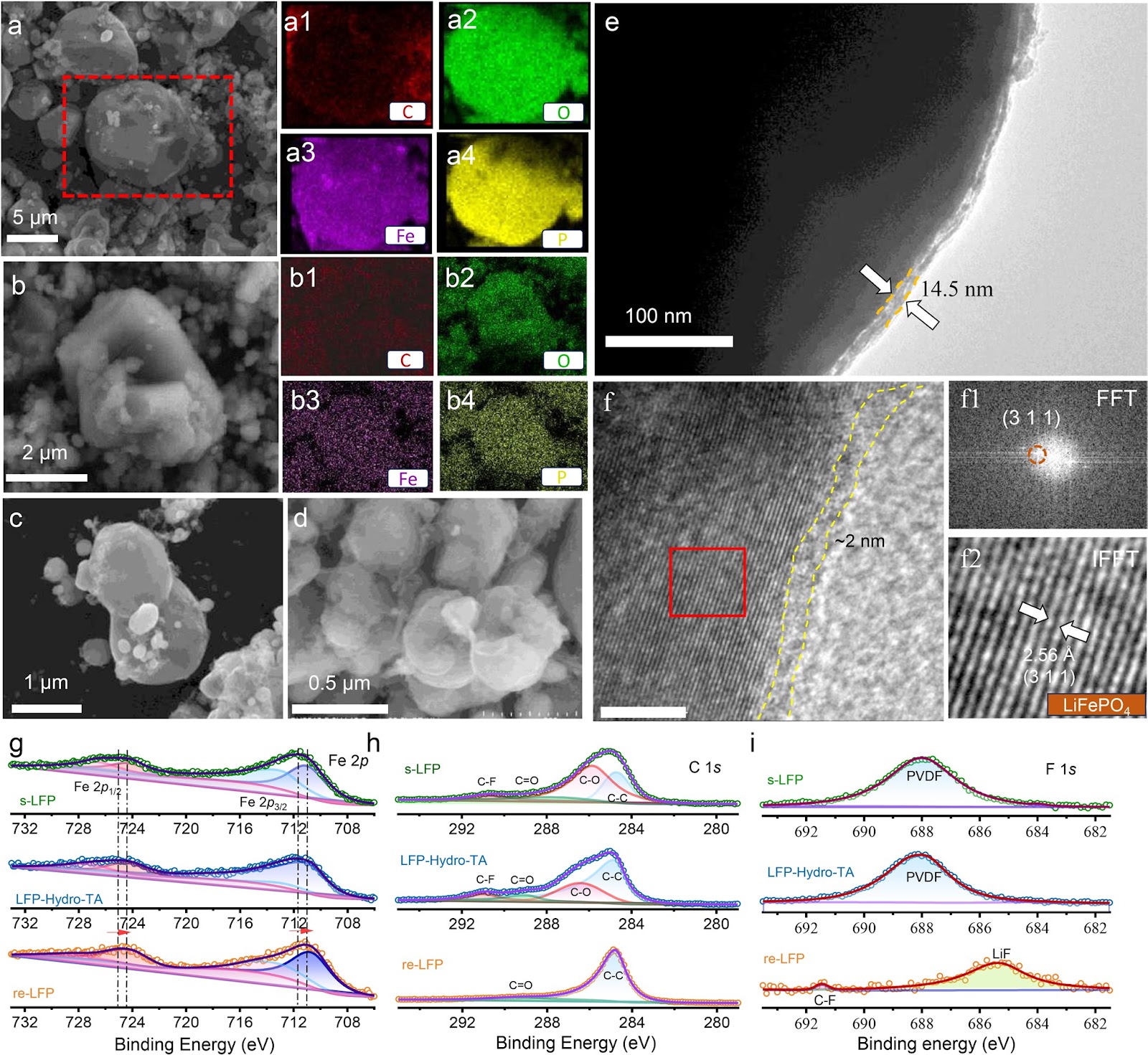
The rapid accumulation of spent LiFePO4 (LFP) cathodes from retired lithium-ion batteries necessitates the development of effective and environmental-friendly recycling strategies. In this context, direct regeneration has emerged as a promising approach for reclaiming LFP cathode materials, offering a streamlined pathway to restore their electrochemical functionality. We report an integrated regeneration protocol that simultaneously repairs the degraded crystal structure and reconstructs the damaged carbon coating in spent LFP. The regenerated cathode material had superfast lithium-ion diffusion kinetics and a stable cathode–electrolyte interface, giving a remarkable rate capability with specific capacities of 122 mAh g−1 at 5C and 106 mAh g−1 at 10C (1C = 170 mA g−1). It also maintained capacities of 110.7 mAh g−1 (5C) and 84.1 mAh g−1 (10C) after 400 cycles. It could be used in harsh environments and could be stably cycled at subzero temperatures (−10 and −20 °C) and in solid-state electrolyte batteries. Life cycle assessment combined with economic evaluation using the EverBatt model reveals that this direct regeneration approach has high economic and environmental benefits.
Oxide Semiconductor for Advanced Memory Architectures: Atomic Layer Deposition, Key Requirement and Challenges
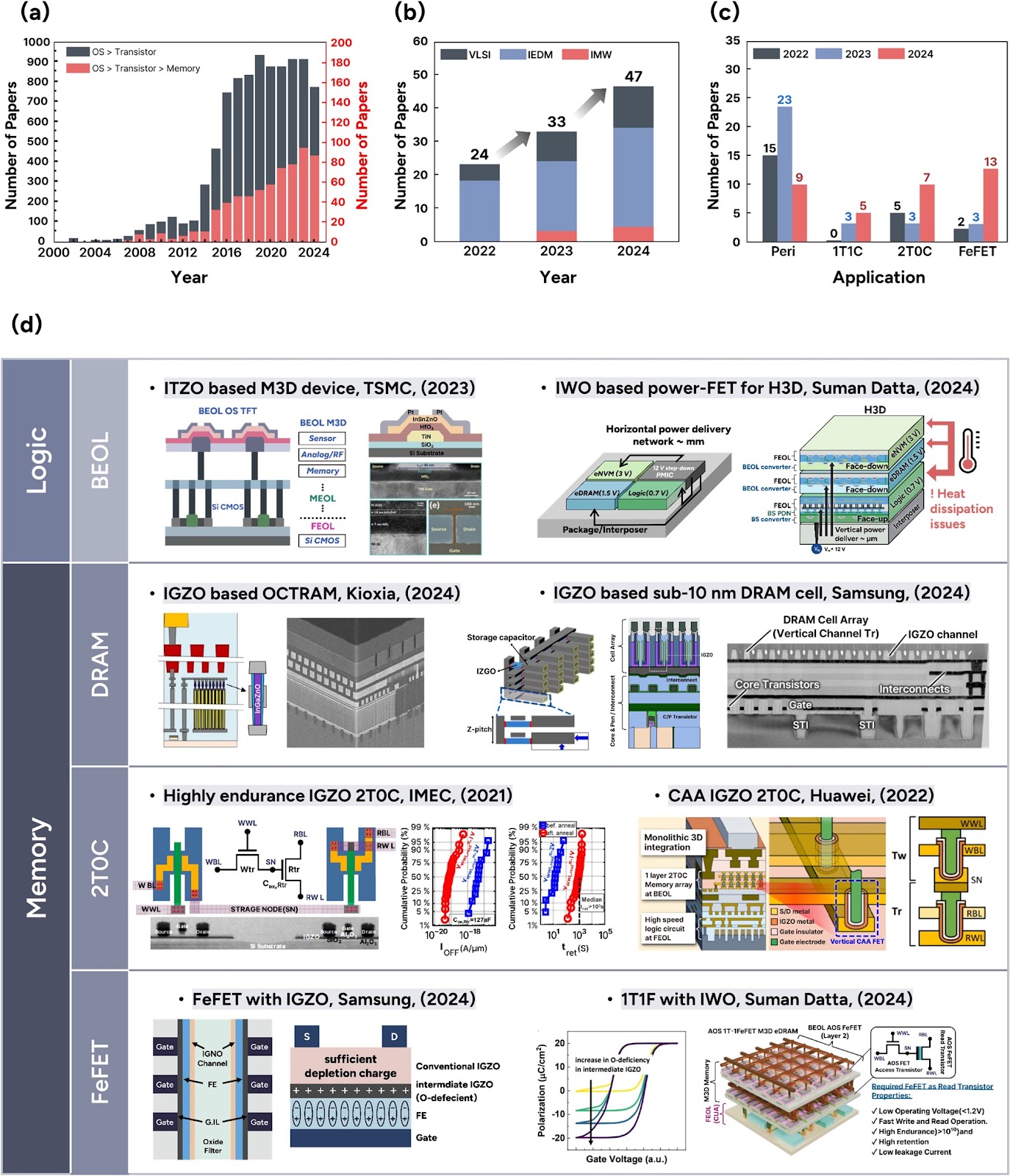
Oxide semiconductors (OSs), introduced by the Hosono group in the early 2000s, have evolved from display backplane materials to promising candidates for advanced memory and logic devices. The exceptionally low leakage current of OSs and compatibility with three-dimensional (3D) architectures have recently sparked renewed interest in their use in semiconductor applications. This review begins by exploring the unique material properties of OSs, which fundamentally originate from their distinct electronic band structure. Subsequently, we focus on atomic layer deposition (ALD), a core technique for growing excellent OS films, covering both basic and advanced processes compatible with 3D scaling. The basic surface reaction mechanisms—adsorption and reaction—and their roles in film growth are introduced. Furthermore, material design strategies, such as cation selection, crystallinity control, anion doping, and heterostructure engineering, are discussed. We also highlight challenges in memory applications, including contact resistance, hydrogen instability, and lack of p-type materials, and discuss the feasibility of ALD-grown OSs as potential solutions. Lastly, we provide an outlook on the role of ALD-grown OSs in memory technologies. This review bridges material fundamentals and device-level requirements, offering a comprehensive perspective on the potential of ALD-driven OSs for next-generation semiconductor memory devices.
Laser powder bed fusion of biodegradable Zn-4Cu alloy: Processing, microstructure and properties
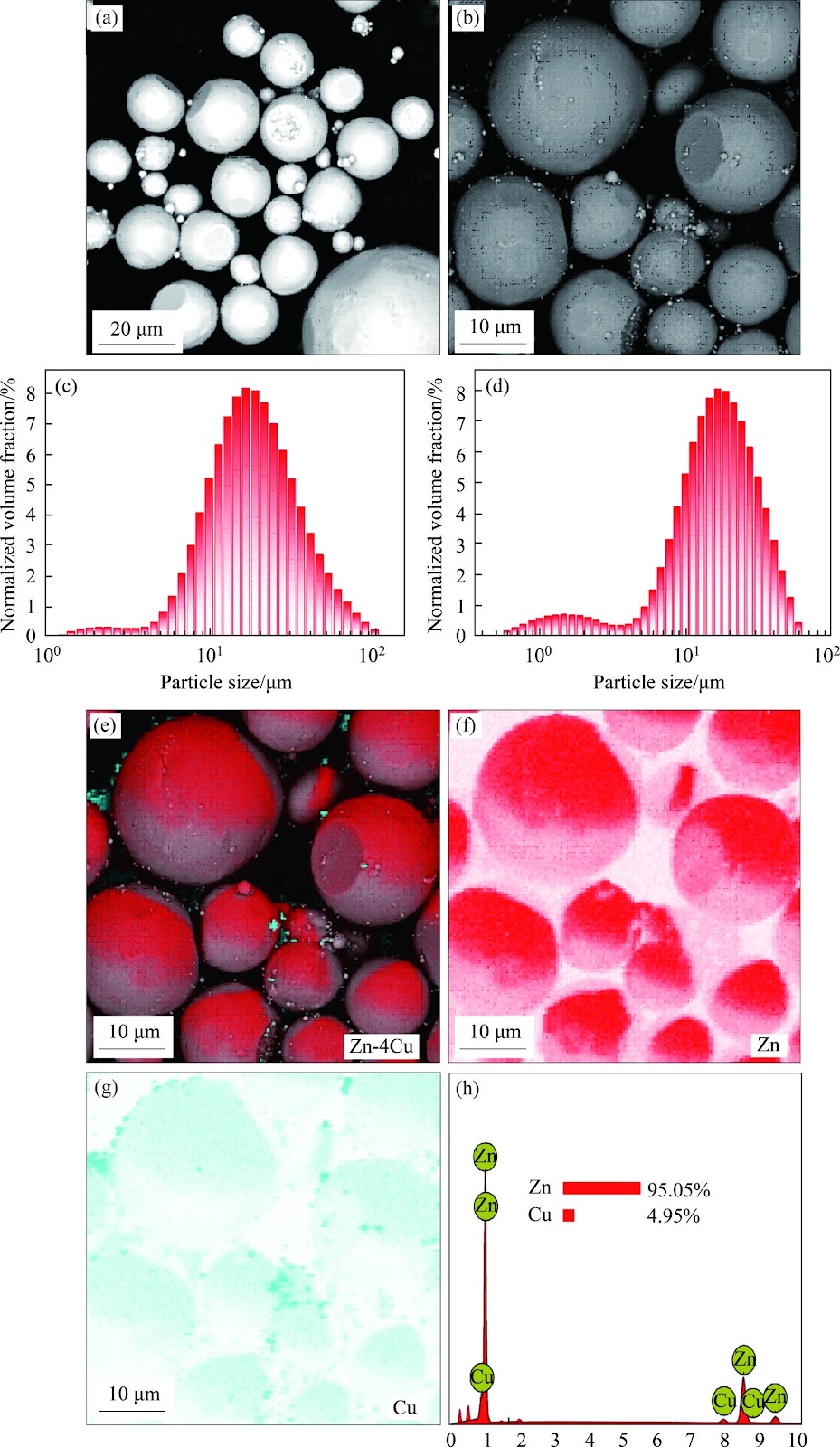
Zn's natural degradability and biocompatibility make it a promising candidate for implants, however, its mechanical properties remain insufficient for bone applications. In this study, the performance of Zn was enhanced by developing Zn-Cu alloys via laser powder bed fusion (LPBF). Optimal LPBF parameters for forming stable tracks were achieved by adjusting laser power and scanning speed. Under optimized conditions of 100 W and 100 mm/s, high-density (99.58%) Zn-Cu alloys with improved hardness (68.2HV) and yield strength (160 MPa) were achieved. These improvements are attributed to solid solution strengthening, segregation strengthening, and grain refinement. The Zn-Cu alloys also demonstrated favorable degradation behavior, with a rate of 0.16 mm/year. This degradation is primarily driven by micro-galvanic corrosion between the CuZn5 phase and Zn matrix, along with refined grains and increased grain boundary density. This work demonstrates a viable strategy for fabricating Zn-based implants with enhanced structural integrity and mechanical performance via LPBF.