Key Takeaways & Executive Findings
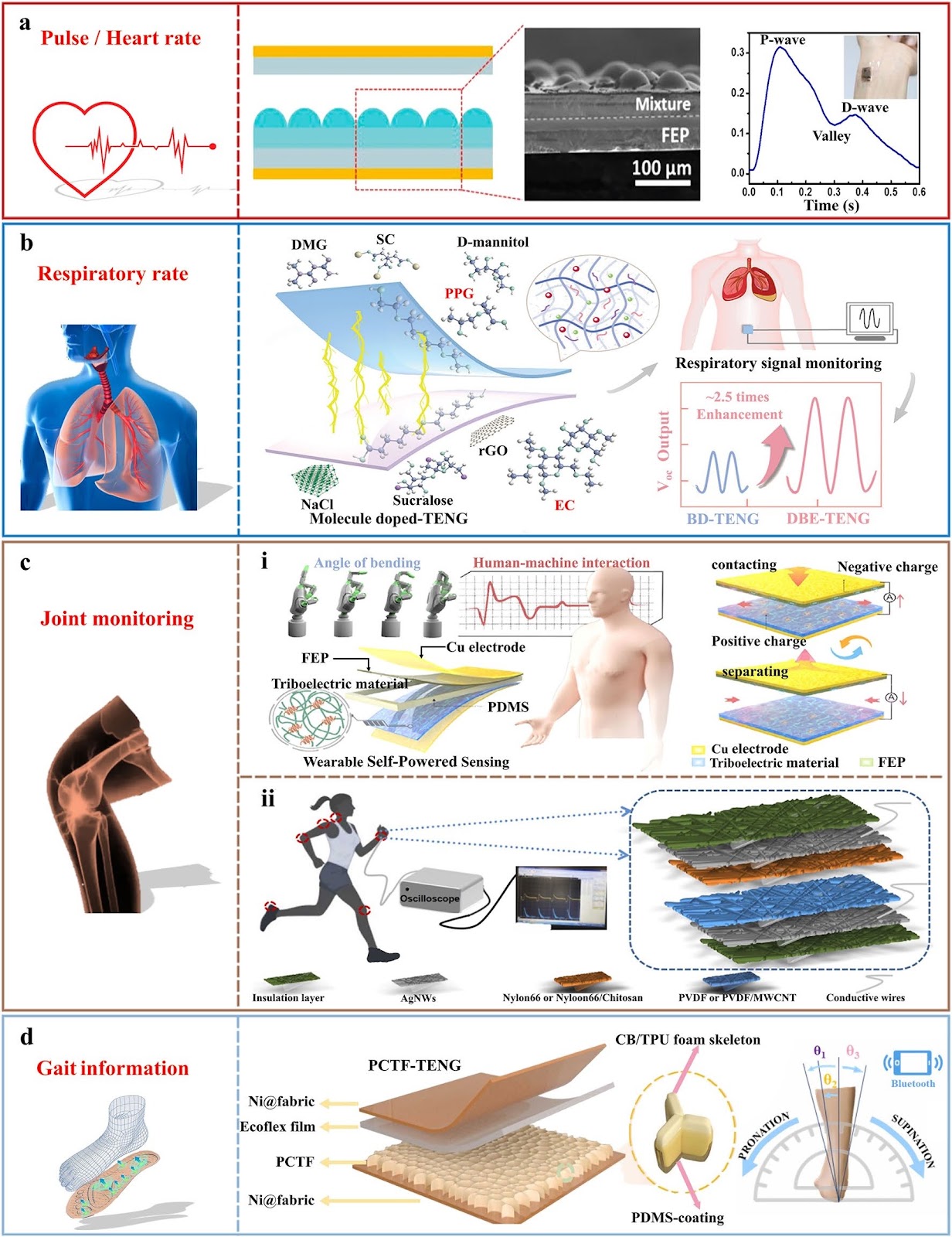
- •• Comprehensive review of TENG-based smart sports, covering physiological monitoring, training performance, refereeing, and injury prevention/rehabilitation. • Integration of TENG technology with AI/ML enhances data analysis and decision-making in sports, enabling energy-autonomous and digitally intelligent systems. • TENGs address limitations of conventional wearables by providing self-powered, flexible, and cost-effective solutions for motion sensing. • The review outlines future challenges and opportunities, emphasizing the potential of TENGs to drive sustainable and efficient evolution of intelligent sports.
Abstract
Technological advancements have profoundly transformed the sports domain, ushering it into the digital era. Services leveraging big data in intelligent sports—encompassing performance analytics, training statistical evaluations and metrics—have become indispensable. These tools are vital in aiding athletes with their daily training regimens and in devising sophisticated competition strategies, proving crucial in the pursuit of victory. Despite their potential, wearable electronic devices used for motion monitoring are subject to several limitations, including prohibitive cost, extensive energy usage, incompatibility with individual spatial structures, and flawed data analysis methodologies. Triboelectric nanogenerators (TENGs) have become instrumental in the development of self-powered devices/systems owing to their remarkable capacity to harnessing ambient high-entropy energy from the environment. This paper provides a thorough review of the advancements and emerging trends in TENG-based intelligent sports, focusing on physiological data monitoring, sports training performance, event refereeing assistance, and sports injury prevention and rehabilitation. Excluding the potential influence of sports psychological factors, this review provides a detailed discourse on present challenges and prospects for boosting smart sports with energy autonomy and digital intelligence. This study presents innovative insights and motivations for propelling the evolution of intelligent sports toward a more sustainable and efficient future for humanity.
1. Introduction
The benefits of exercise can significantly influence systemic health of humans, reaching far beyond their effect on individual organ systems [1]. Regular physical activity is a cornerstone of health promotion, providing benefits across various interconnected physiological systems such as cognitive, immune, neurohormonal, cardiovascular, and musculoskeletal systems. The multiorgan benefits after regular exercise (e.g., improved cardiorespiratory fitness) have been demonstrated to mitigate a broad spectrum of human diseases like cancer, cardiometabolic disorders, and frailty, and promote longevity [2–6]. The crucial role of physical activity for health and well-being is well acknowledged, with a directly proportional relationship observed between physical activity and health. Research suggests that individuals who aim to lead active, healthy lifestyles tend to enjoy longer and healthier lives [7].
As modern society and the economy rapidly evolve in the modern era, the significance of real-time and distributed sensing technology coupled with big data collection/analysis becomes increasingly pronounced in the Internet of Things (IoT) era [8]. The sports industry has experienced revolutionary technological changes, propelling it toward a truly digital, interactive, and intelligent era [9]. This field of research encompasses health data, training statistics, kinesiological analysis, competition support, safety forecasting, and information sharing. Exercise data not only enhance our understanding of human health and performance but also aid in decision-making [10–12]. It has become an indispensable tool for athletes, enabling them not just gather relevant data such as time, frequency, and speed of movement, but also to visualize their physical condition [13, 14].
The real-time tracking and monitoring of motion status typically rely on the use of widely distributed sensors [15]. However, current technologies fall short in meeting these objectives due to their lack of flexibility and portability. These technologies also often fail to exhibit adequate durability and frequently overlook environmental contamination concerns during motion [16]. Additionally, wearable electronic devices used for motion tracking face several limitations including high cost, substantial power consumption, inflexibility inadaptable to personalized structures, and flawed data analysis methods. Traditional sensors require an external power source, which is unsuitable for large-scale applications due to scalability issues, complex cabling, degradation, short lifespan, and high cost of batteries.
Loading authentic research manuscript (Pages 1–5)...
Yunlu Wang, Zihao Gao, Wei Wu, Yao Xiong, Jianjun Luo, Qijun Sun, Yupeng Mao, Zhong Lin Wang (2025). TENG-Boosted Smart Sports with Energy Autonomy and Digital Intelligence. Nano-Micro Letters. https://doi.org/10.1007/s40820-025-01778-1
Research & Educational Purpose Only:The translations, structured abstracts, analytical annotations, and data reports provided by SinoTechIntel are intended exclusively for academic research, internal corporate R&D, and educational benchmarking. They do not constitute formal engineering, chemical safety, legal, or professional advice.
Copyright & Intellectual Property Notice: Original copyright of the underlying source articles and experimental data remains with the respective authors, institutions, and original publishing journals. SinoTechIntel claims intellectual property only over its proprietary translations, analytical syntheses, and AEO structured enhancements in accordance with international fair use and academic citation principles.
Frequently Asked Questions
What are triboelectric nanogenerators (TENGs) and how do they work in sports applications?
Triboelectric nanogenerators (TENGs) are devices that convert mechanical energy from motion into electrical energy through contact electrification and electrostatic induction. In sports, they can be integrated into wearables or equipment to harvest energy from body movements, enabling self-powered sensors for monitoring physiological signals, tracking performance, and preventing injuries without external power sources.
How does TENG technology enhance smart sports systems?
TENG technology enhances smart sports by providing self-powered, flexible, and cost-effective sensing solutions. It enables continuous, real-time monitoring of physiological data and motion, and when combined with AI/ML, it improves data analysis and decision-making. This leads to more efficient training, better performance assessment, and proactive injury prevention, all while reducing reliance on batteries and external power.
What are the main challenges facing TENG-based smart sports?
Key challenges include improving the durability and stability of TENG devices under rigorous sports conditions, ensuring data accuracy and reliability, integrating TENGs with existing IoT infrastructure, and addressing scalability for widespread adoption. Additionally, there is a need for standardized protocols and further research to overcome limitations in sensitivity and signal processing.
What are the potential applications of TENGs in sports injury prevention and rehabilitation?
TENGs can be used in wearable sensors to monitor biomechanical parameters such as joint angles, impact forces, and muscle activity. This data can help detect abnormal movement patterns, assess injury risk, and guide rehabilitation exercises. Self-powered TENG sensors can be embedded in clothing or equipment to provide continuous feedback without the need for frequent battery changes, making them ideal for long-term monitoring.
How does the integration of TENGs with AI/ML improve sports analytics?
AI/ML algorithms can process the large volumes of data generated by TENG sensors to extract meaningful insights, such as identifying performance patterns, predicting fatigue, and optimizing training loads. This integration enables personalized coaching, real-time feedback, and more accurate performance evaluations, ultimately enhancing athletic performance and reducing injury risks.
Related Technical Papers & Translations
Direct Repair of the Crystal Structure and Coating Surface of Spent LiFePO4 Materials Enables Superfast Li-Ion Migration
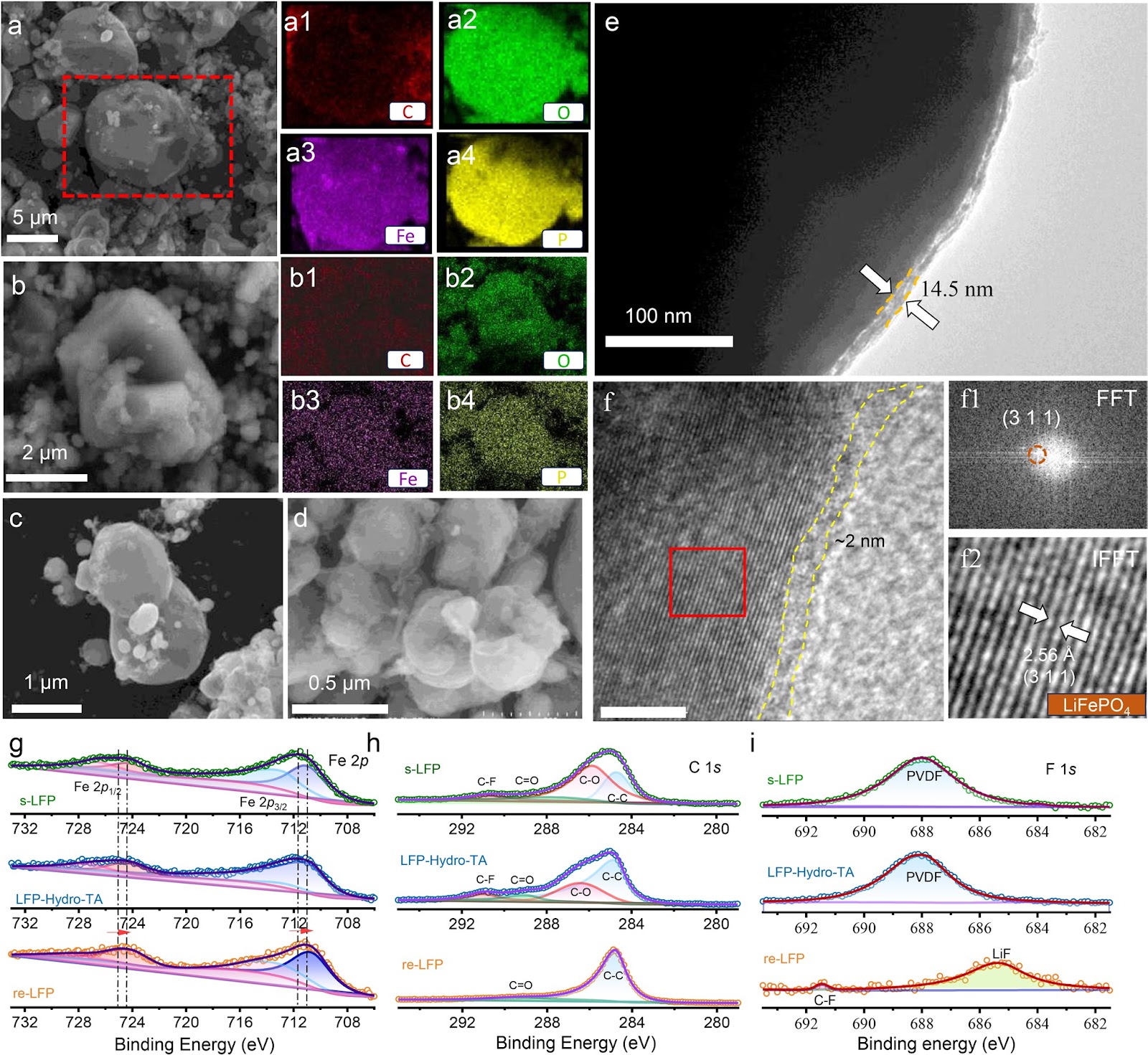
The rapid accumulation of spent LiFePO4 (LFP) cathodes from retired lithium-ion batteries necessitates the development of effective and environmental-friendly recycling strategies. In this context, direct regeneration has emerged as a promising approach for reclaiming LFP cathode materials, offering a streamlined pathway to restore their electrochemical functionality. We report an integrated regeneration protocol that simultaneously repairs the degraded crystal structure and reconstructs the damaged carbon coating in spent LFP. The regenerated cathode material had superfast lithium-ion diffusion kinetics and a stable cathode–electrolyte interface, giving a remarkable rate capability with specific capacities of 122 mAh g−1 at 5C and 106 mAh g−1 at 10C (1C = 170 mA g−1). It also maintained capacities of 110.7 mAh g−1 (5C) and 84.1 mAh g−1 (10C) after 400 cycles. It could be used in harsh environments and could be stably cycled at subzero temperatures (−10 and −20 °C) and in solid-state electrolyte batteries. Life cycle assessment combined with economic evaluation using the EverBatt model reveals that this direct regeneration approach has high economic and environmental benefits.
Oxide Semiconductor for Advanced Memory Architectures: Atomic Layer Deposition, Key Requirement and Challenges
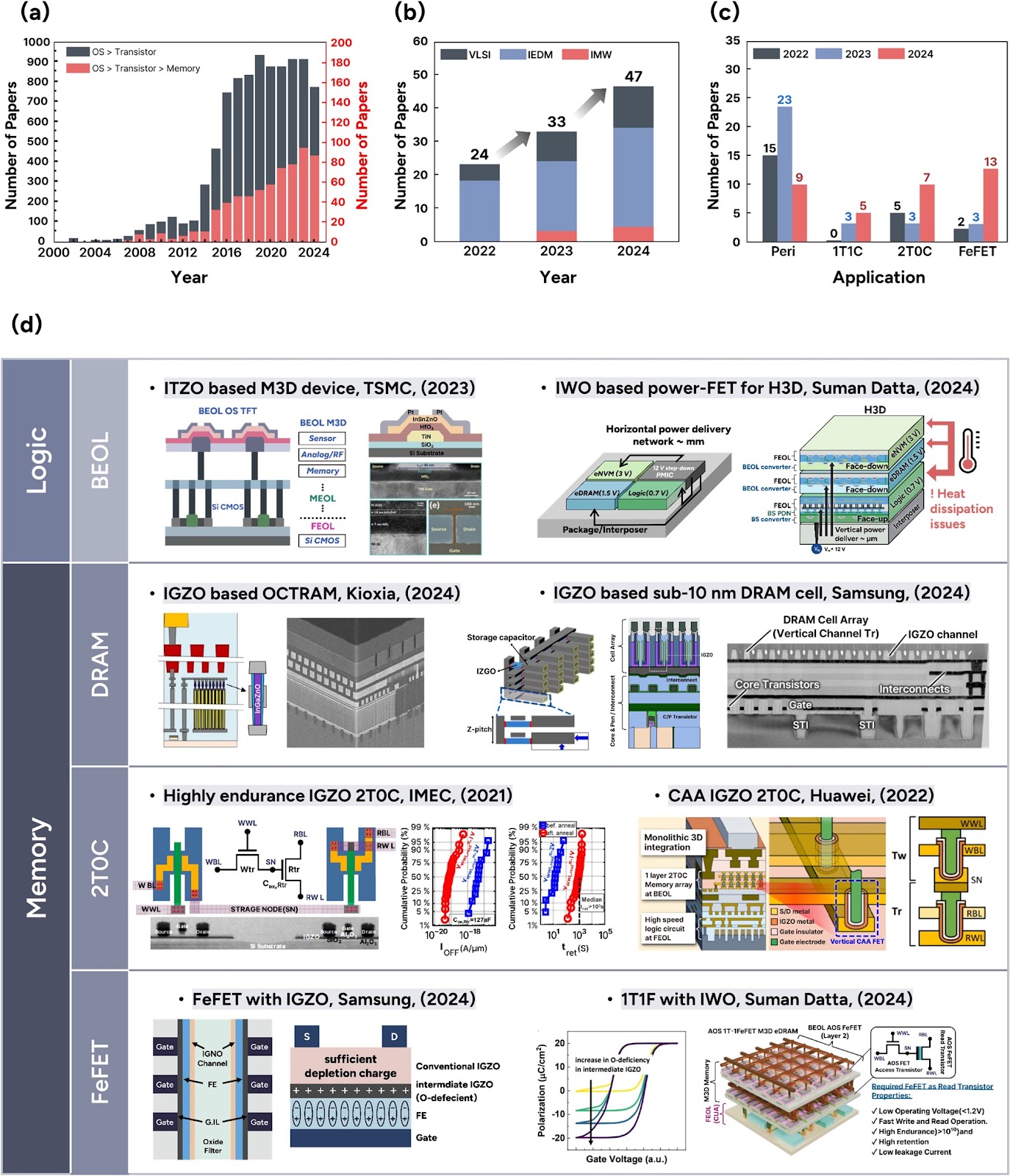
Oxide semiconductors (OSs), introduced by the Hosono group in the early 2000s, have evolved from display backplane materials to promising candidates for advanced memory and logic devices. The exceptionally low leakage current of OSs and compatibility with three-dimensional (3D) architectures have recently sparked renewed interest in their use in semiconductor applications. This review begins by exploring the unique material properties of OSs, which fundamentally originate from their distinct electronic band structure. Subsequently, we focus on atomic layer deposition (ALD), a core technique for growing excellent OS films, covering both basic and advanced processes compatible with 3D scaling. The basic surface reaction mechanisms—adsorption and reaction—and their roles in film growth are introduced. Furthermore, material design strategies, such as cation selection, crystallinity control, anion doping, and heterostructure engineering, are discussed. We also highlight challenges in memory applications, including contact resistance, hydrogen instability, and lack of p-type materials, and discuss the feasibility of ALD-grown OSs as potential solutions. Lastly, we provide an outlook on the role of ALD-grown OSs in memory technologies. This review bridges material fundamentals and device-level requirements, offering a comprehensive perspective on the potential of ALD-driven OSs for next-generation semiconductor memory devices.
Laser powder bed fusion of biodegradable Zn-4Cu alloy: Processing, microstructure and properties
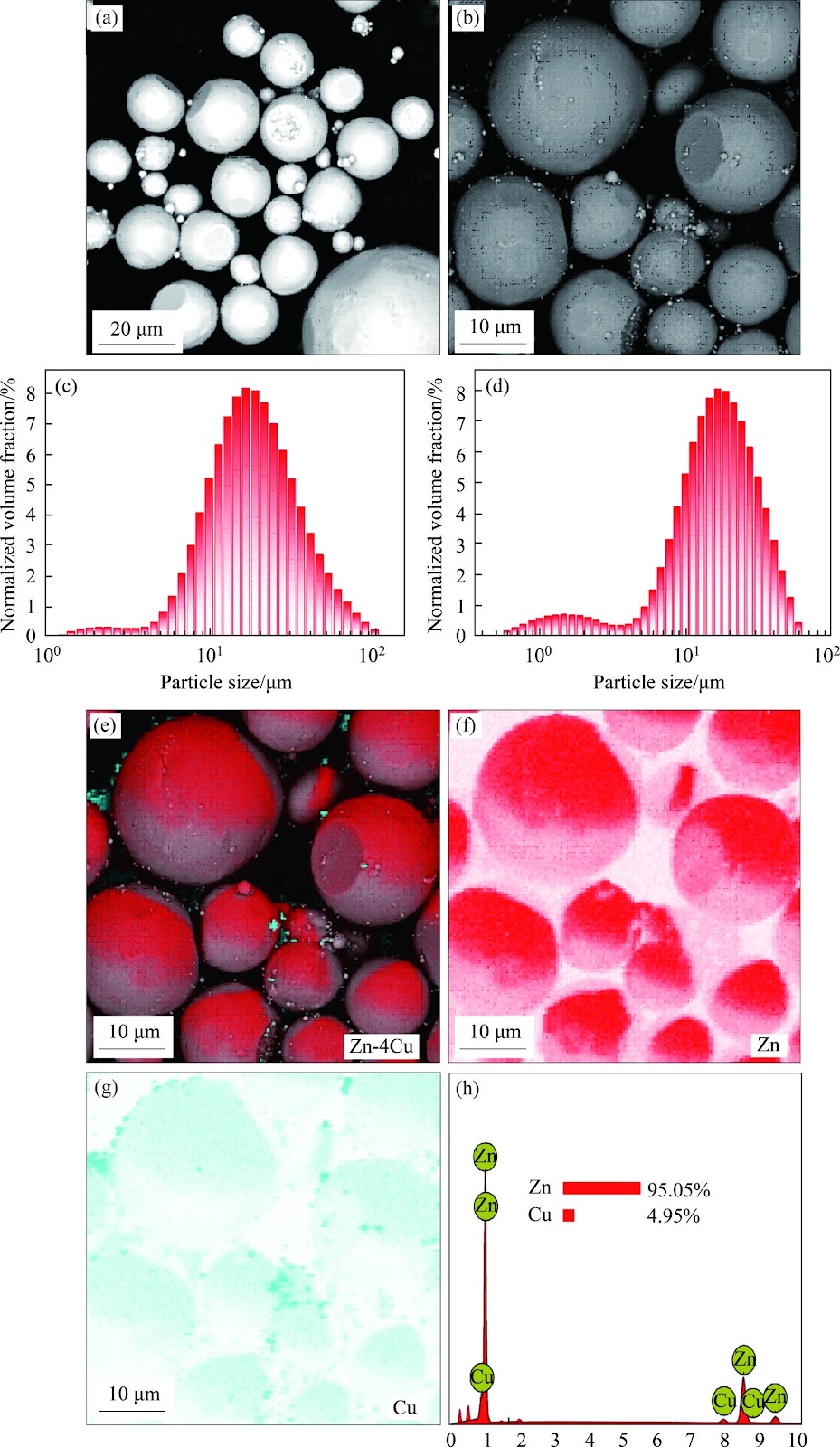
Zn's natural degradability and biocompatibility make it a promising candidate for implants, however, its mechanical properties remain insufficient for bone applications. In this study, the performance of Zn was enhanced by developing Zn-Cu alloys via laser powder bed fusion (LPBF). Optimal LPBF parameters for forming stable tracks were achieved by adjusting laser power and scanning speed. Under optimized conditions of 100 W and 100 mm/s, high-density (99.58%) Zn-Cu alloys with improved hardness (68.2HV) and yield strength (160 MPa) were achieved. These improvements are attributed to solid solution strengthening, segregation strengthening, and grain refinement. The Zn-Cu alloys also demonstrated favorable degradation behavior, with a rate of 0.16 mm/year. This degradation is primarily driven by micro-galvanic corrosion between the CuZn5 phase and Zn matrix, along with refined grains and increased grain boundary density. This work demonstrates a viable strategy for fabricating Zn-based implants with enhanced structural integrity and mechanical performance via LPBF.